
Wildlife & Nature
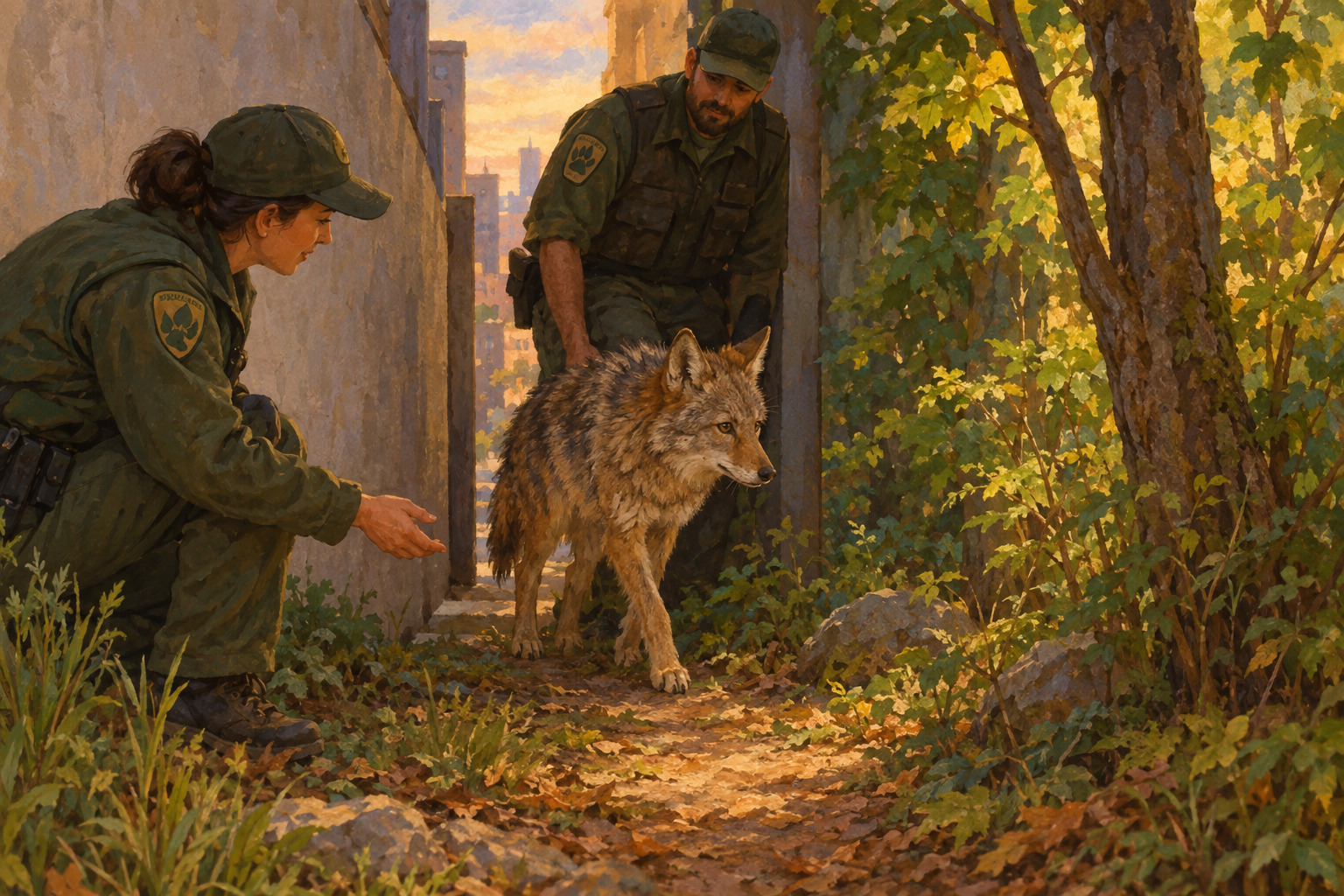
A Pittsburgh Coyote Was Freed From a Very Tight Spot
Animal-care officers worked for hours to free a frightened coyote wedged between two walls, then returned it to a wooded area.
Read the full storyGlobal Good News Daily
This is the outlet we wished existed. A small team finds good-news stories from around the world every day, and a working journalist checks each one as carefully as any hard news story before it goes live. We publish across Health, Climate, Education, Wildlife & Nature, Science & Technology, World & Community, and Everyday Kindness, so there’s always somewhere honest and hopeful to land. Bibi’s Corner, our storybook made just for kids, lives on its own separate page.
Animal-care officers worked for hours to free a frightened coyote wedged between two walls, then returned it to a wooded area.
Read the full story
Long-term data offers a wider view of progress in countries that have also seen declines in extreme poverty and child mortality.

A new apartment building uses a load-bearing stone frame in place of the concrete core and steel reinforcement common in tall buildings.
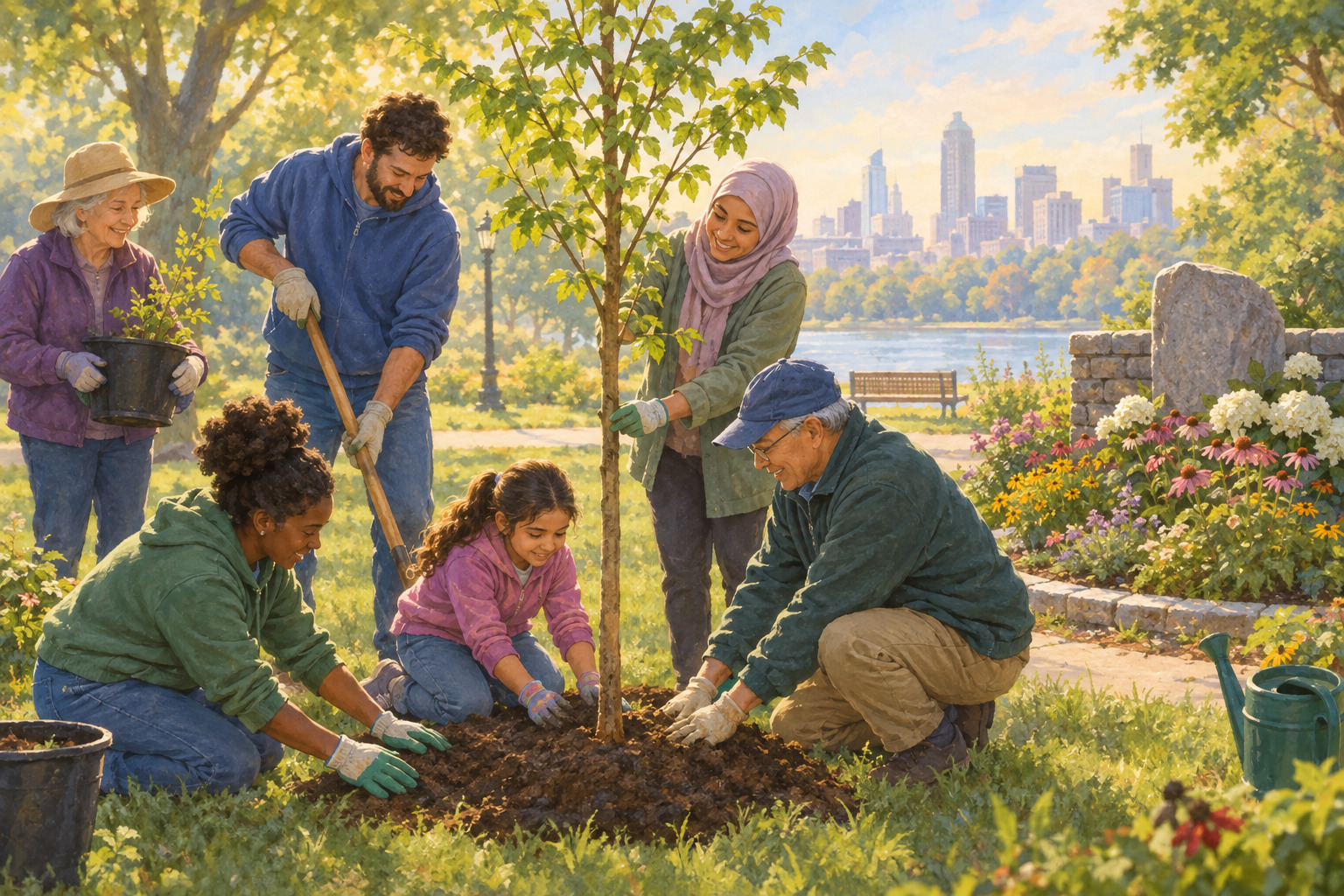
Together We Grow is turning remembrance into a year of planting and caring for greener public spaces across the United States.
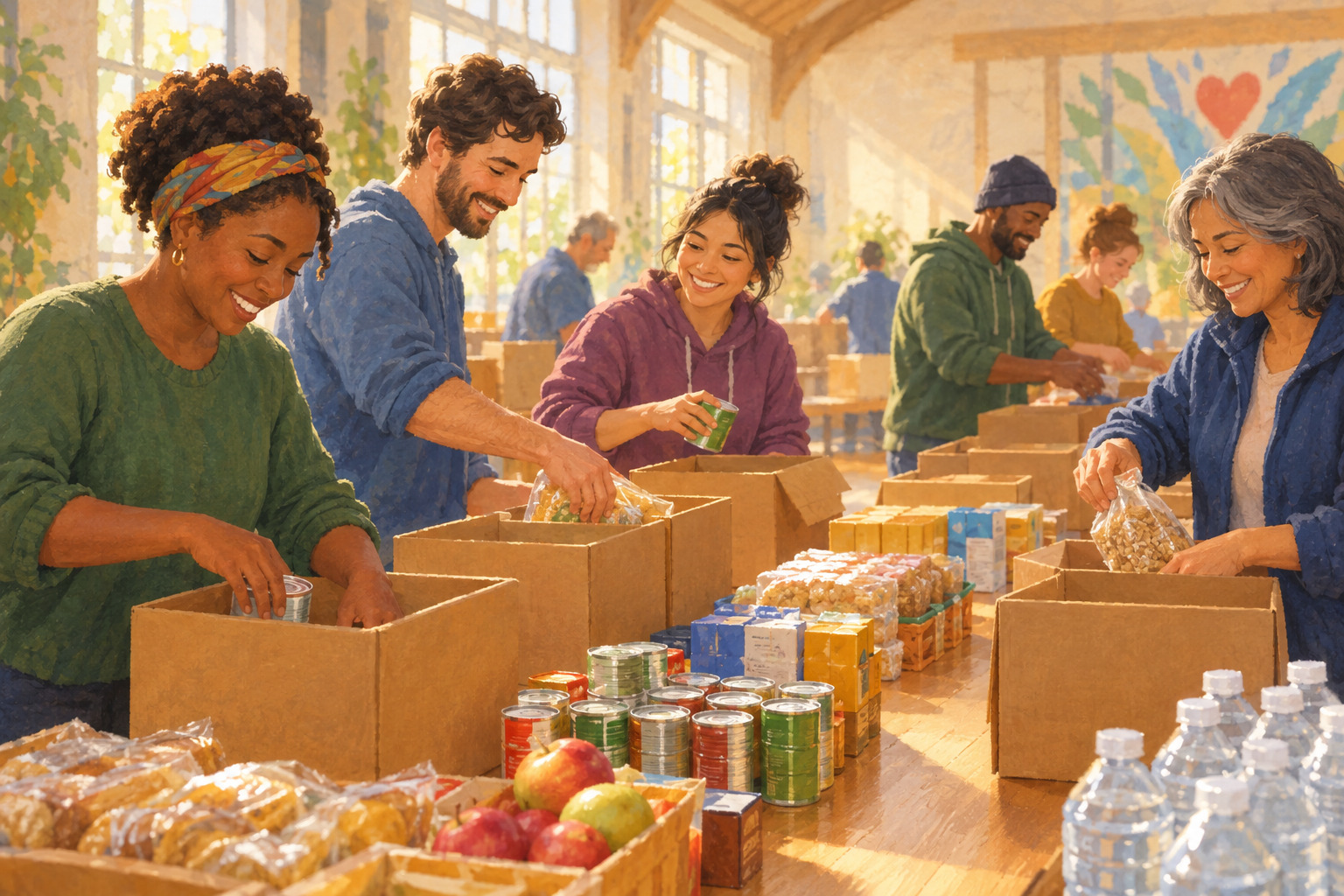
Disney Voluntears joined a national day of service at the Intrepid Museum by preparing meals for charity.

Chalmers researchers say their approach can make certain operations more than a thousand times faster while giving errors less time to disrupt a calculation.

Reconnected floodplains slowed and spread spring water while creating new wetland habitat for birds, amphibians, and other wildlife.
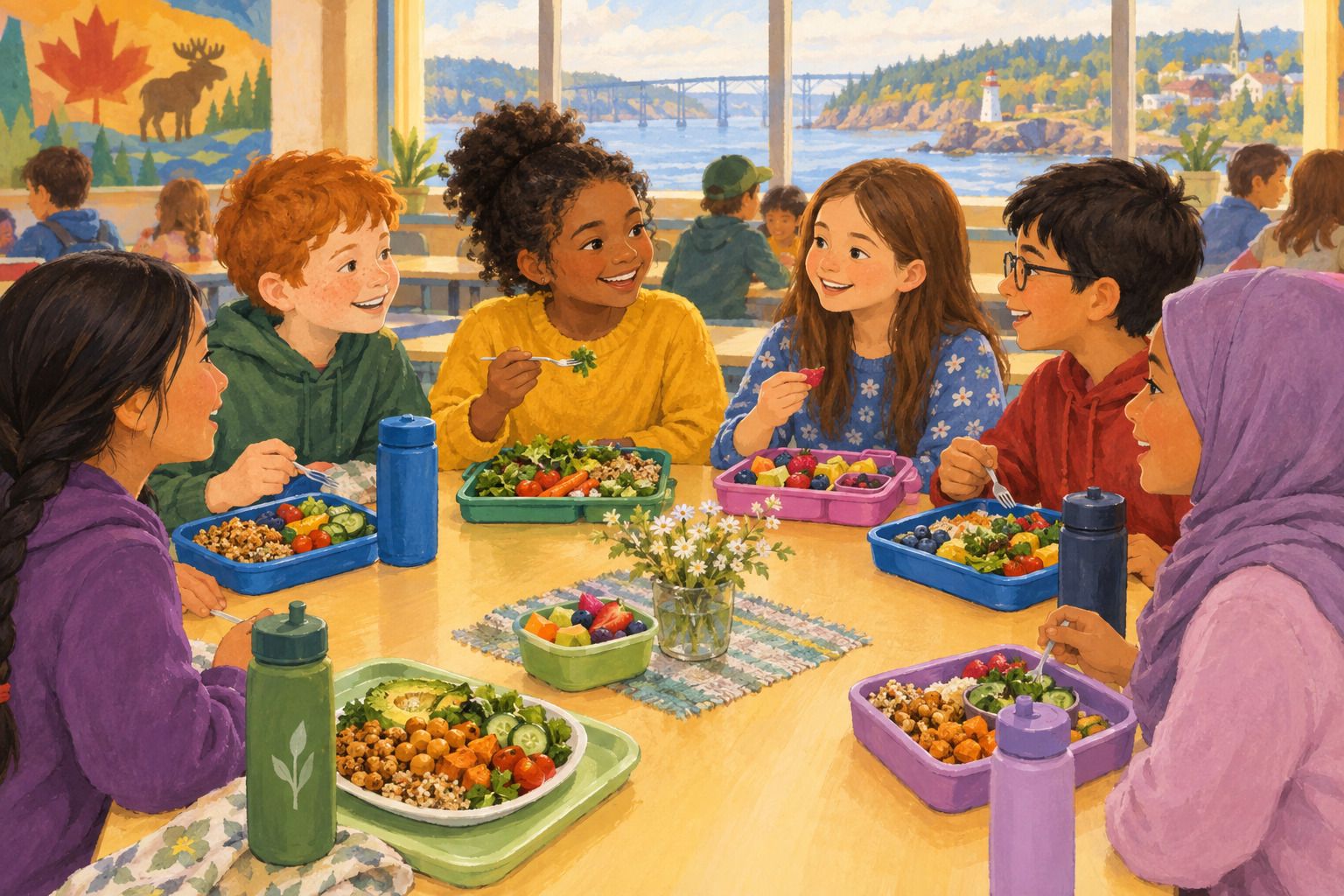
A province-wide program pairs low-cost meals with confidential full subsidies, so children can eat at school without their family situation being on display.
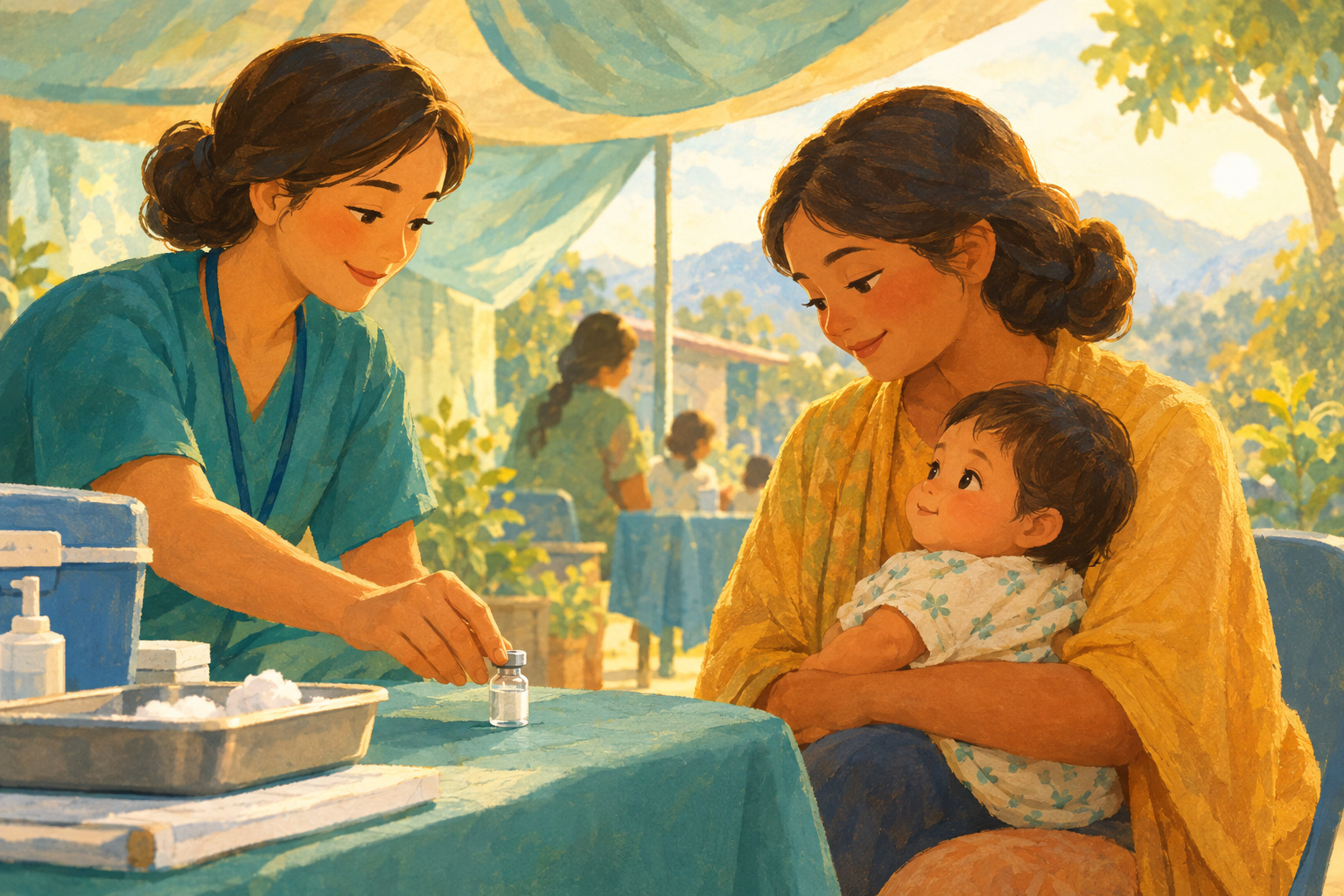
WHO has prequalified a lower-cost multi-dose version of a maternal vaccine that helps protect infants from serious respiratory illness during their first six months.

Brad Held and two fellow parents made a shared challenge into a fundraiser that had already passed $3,500 by the time their run began.
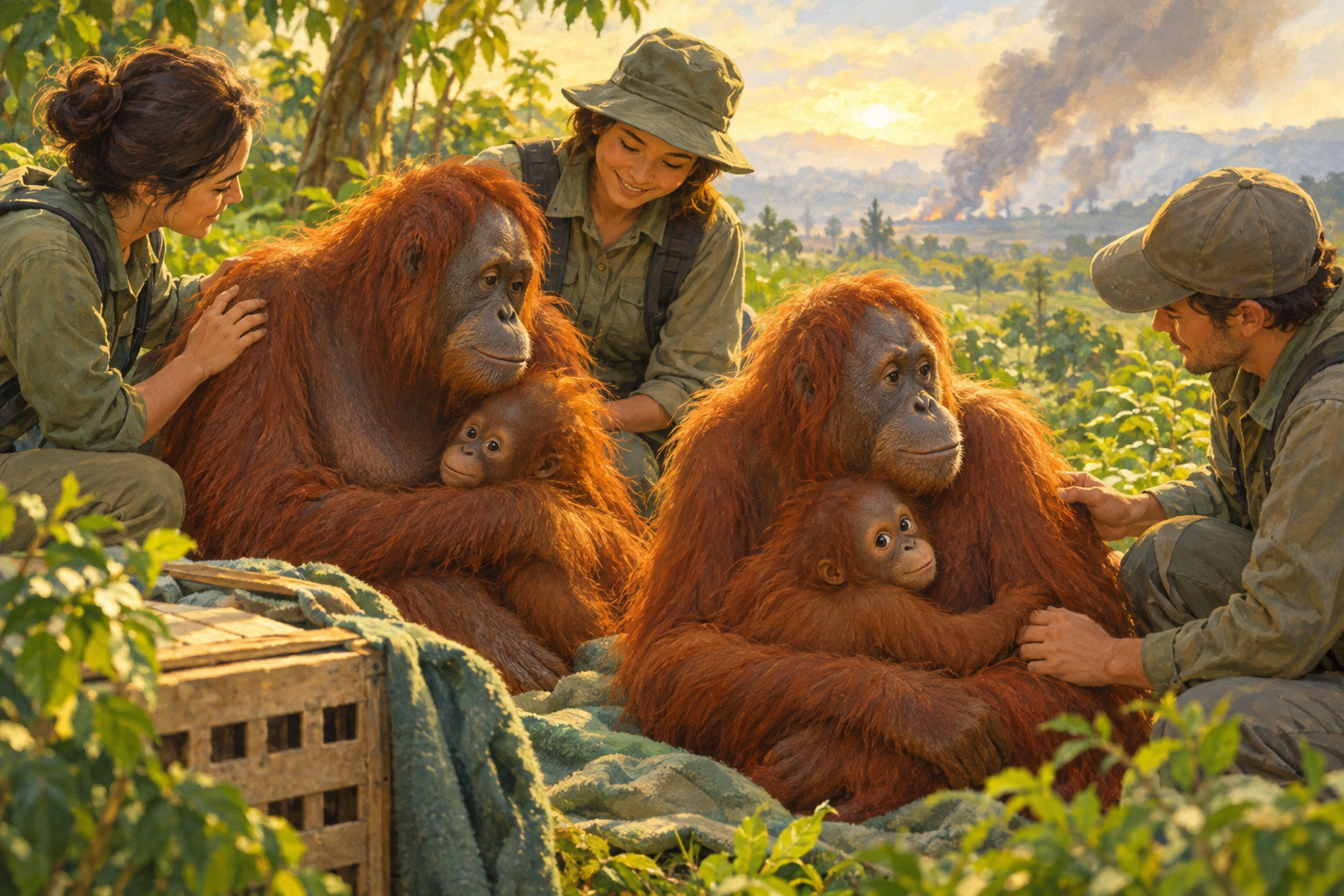
Wildlife teams and local residents worked together to bring two mothers, their young, and two juveniles to safety in West Kalimantan.
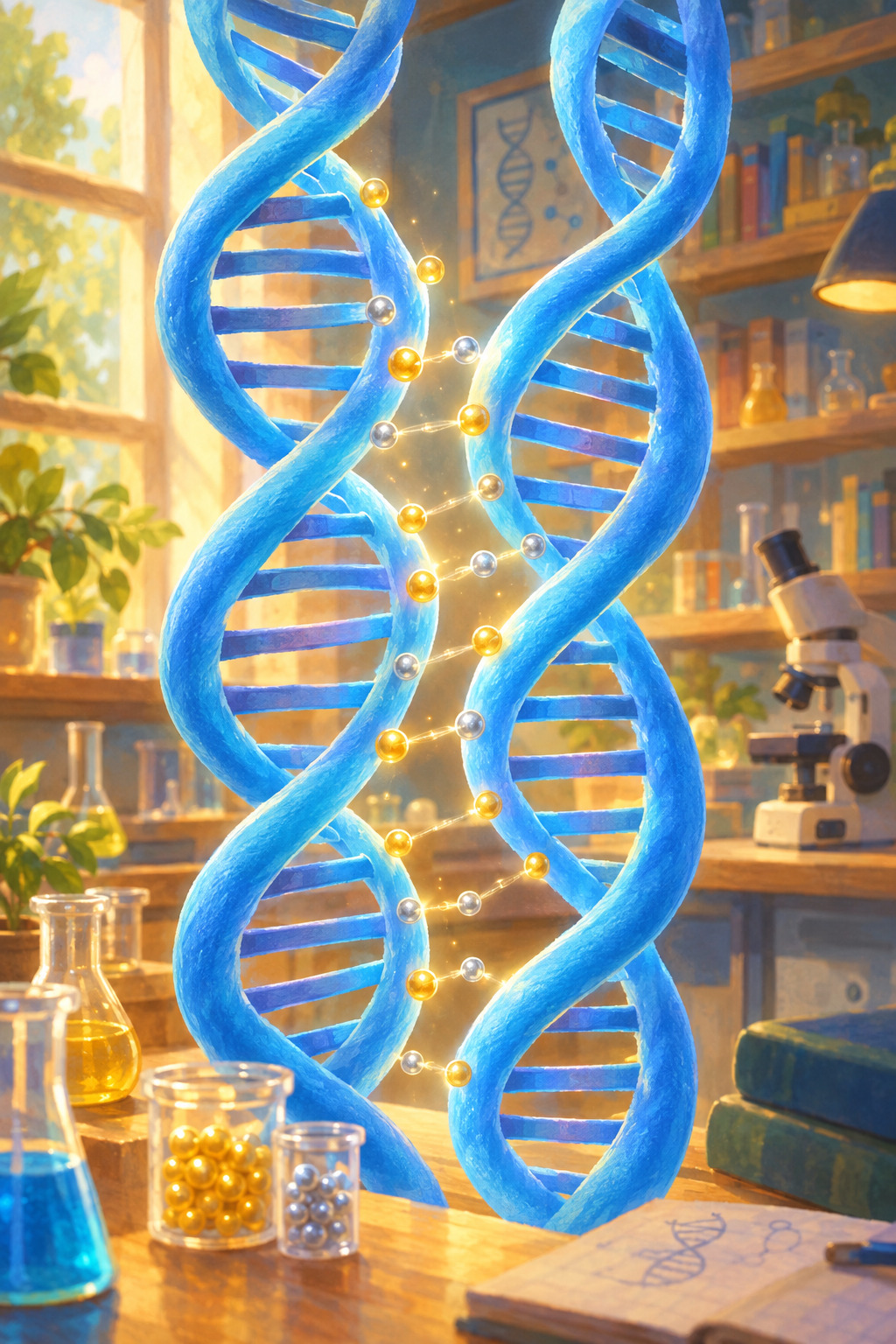
A new image of DNA pairing helps explain how two negatively charged molecules can meet with help from tiny charged ions.
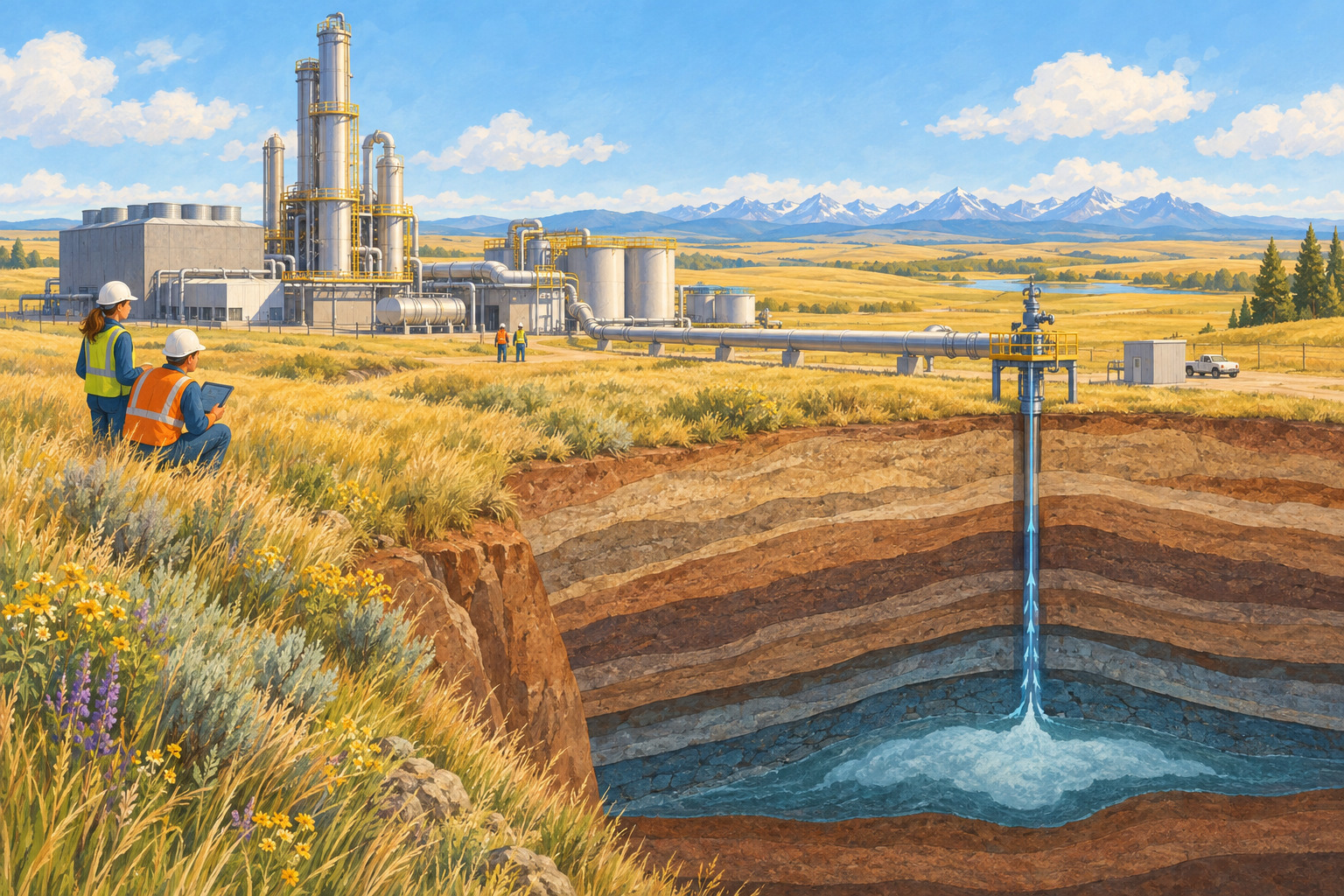
The new project is designed to capture industrial carbon dioxide and store up to 1.5 million tonnes of it underground each year when it opens.

A new program aims to make digital lessons and learning libraries easier to reach for students who cannot afford regular internet data.
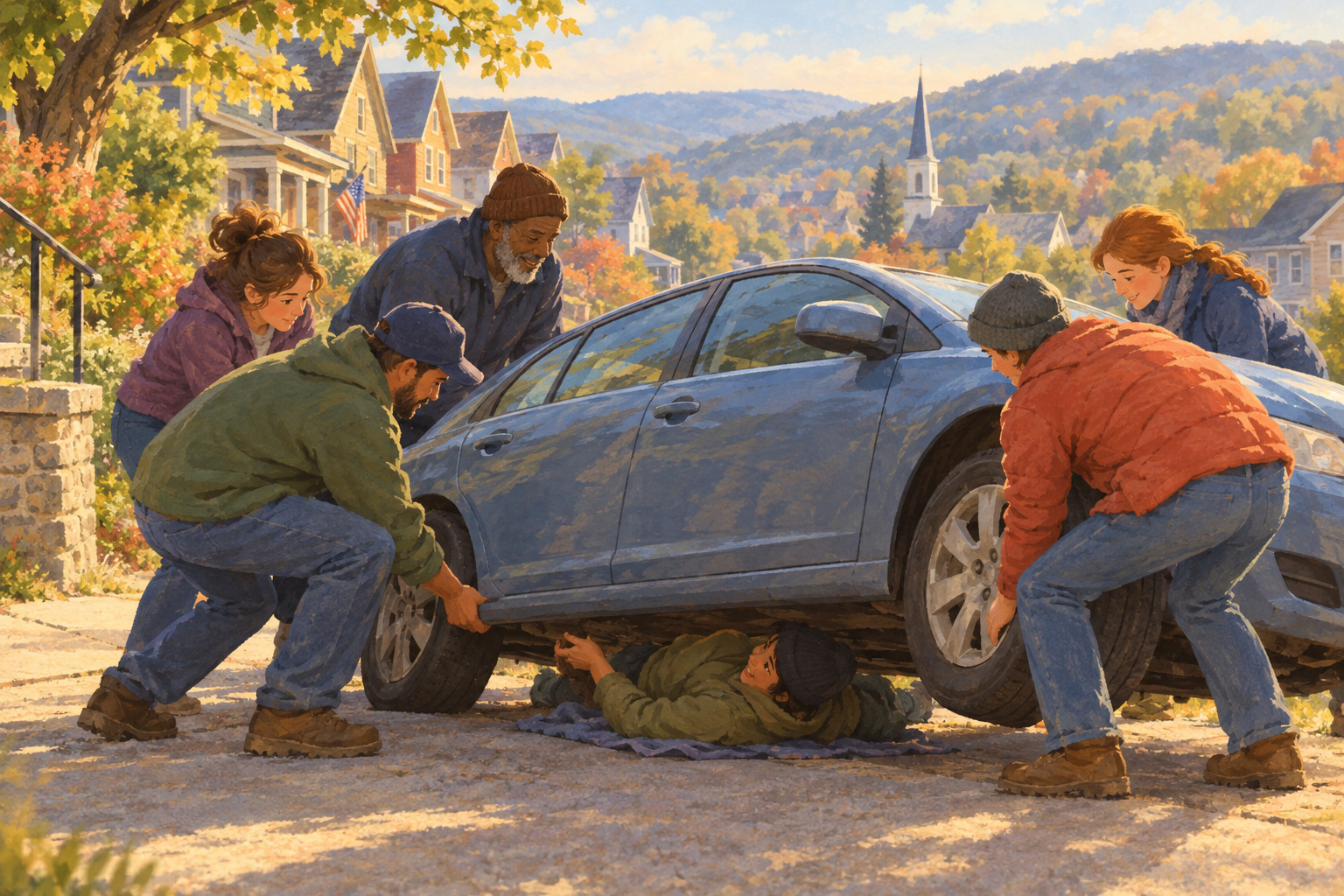
A quick chorus of help from neighbors and nearby workers gave an injured woman a way out of a frightening crash.
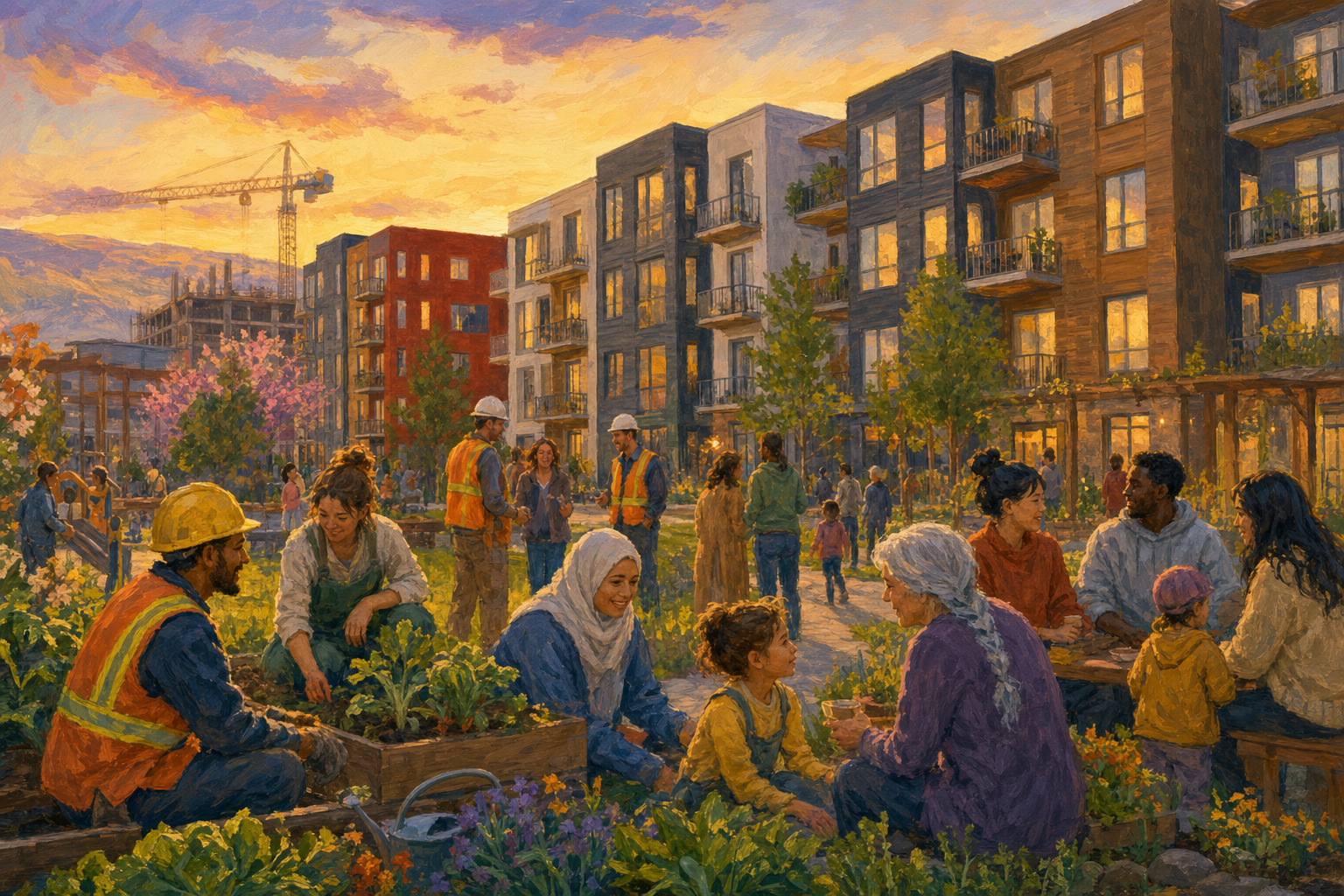
Federal and provincial governments pledged funding for 21 housing projects, including supportive and transitional homes, across Alberta.
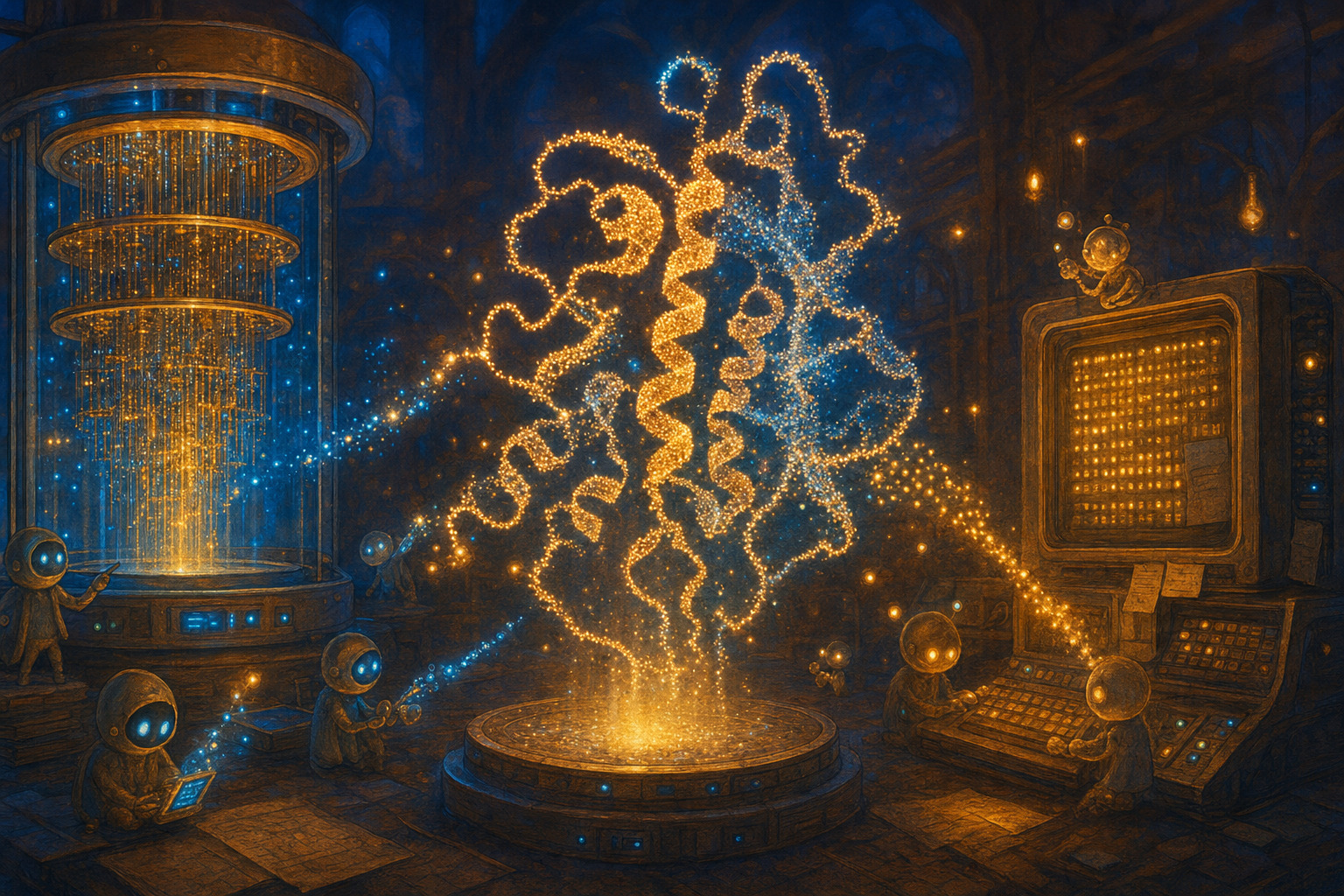
A Cleveland Clinic, RIKEN, and IBM team became a finalist for the Gordon Bell Prize after modeling a 12,635-atom protein with a combined computing approach.
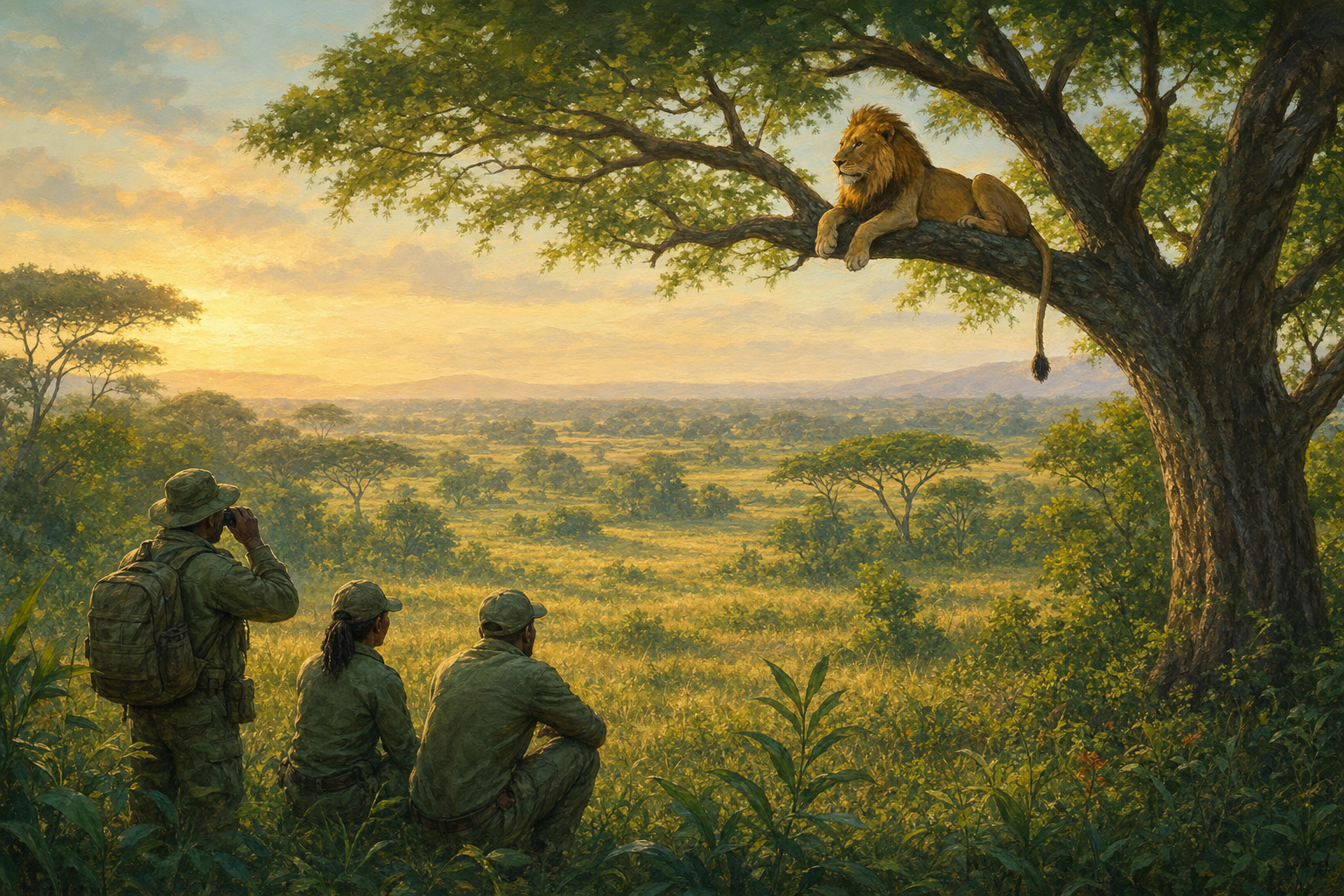
A new agreement will strengthen protection, habitat restoration, and community-minded conservation in the part of Queen Elizabeth Protected Area known for tree-climbing lions.

A WashU-led clinical trial found that coaching and a careful medication review reduced anxiety and depression after major surgery.

After a family lost its home in a fire, neighborhood children held a lemonade stand and a neighbor organized a fundraiser to help them begin again.
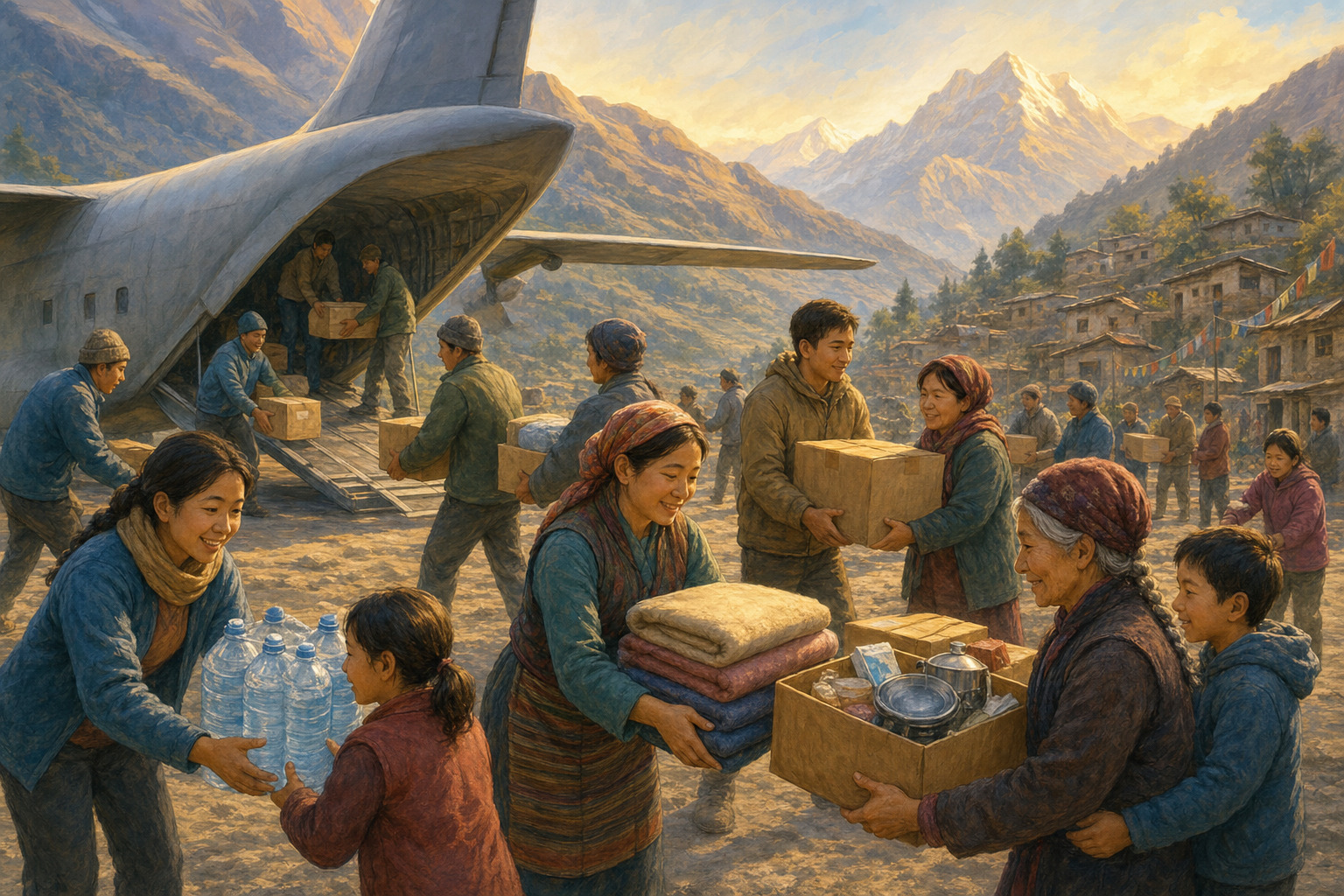
The European Union sent 82 tonnes of supplies and added new funding as Nepal's authorities and aid partners helped families after devastating floods.
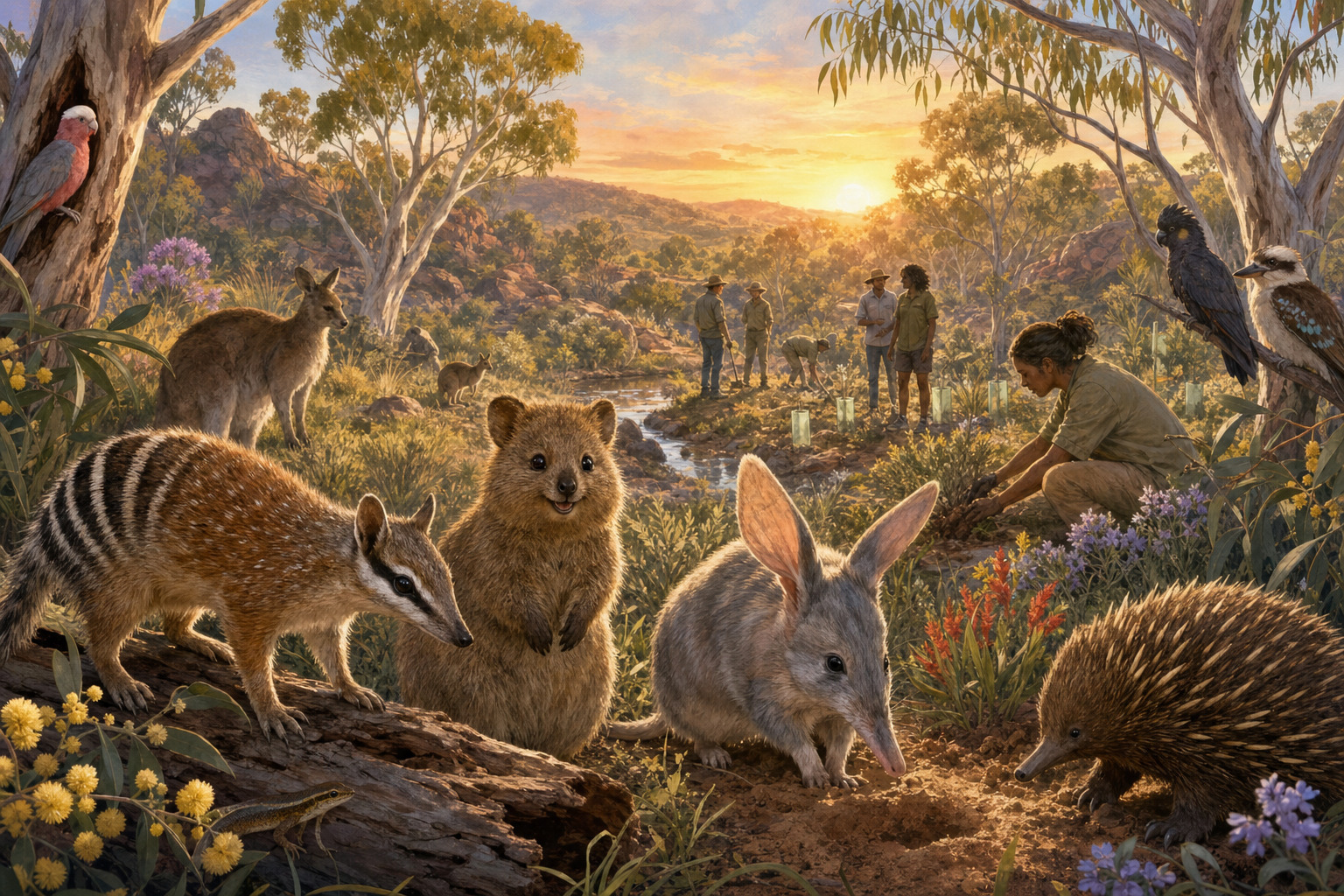
The Western Shield program has helped protect threatened animals from introduced predators and expanded its work across 4.7 million hectares.
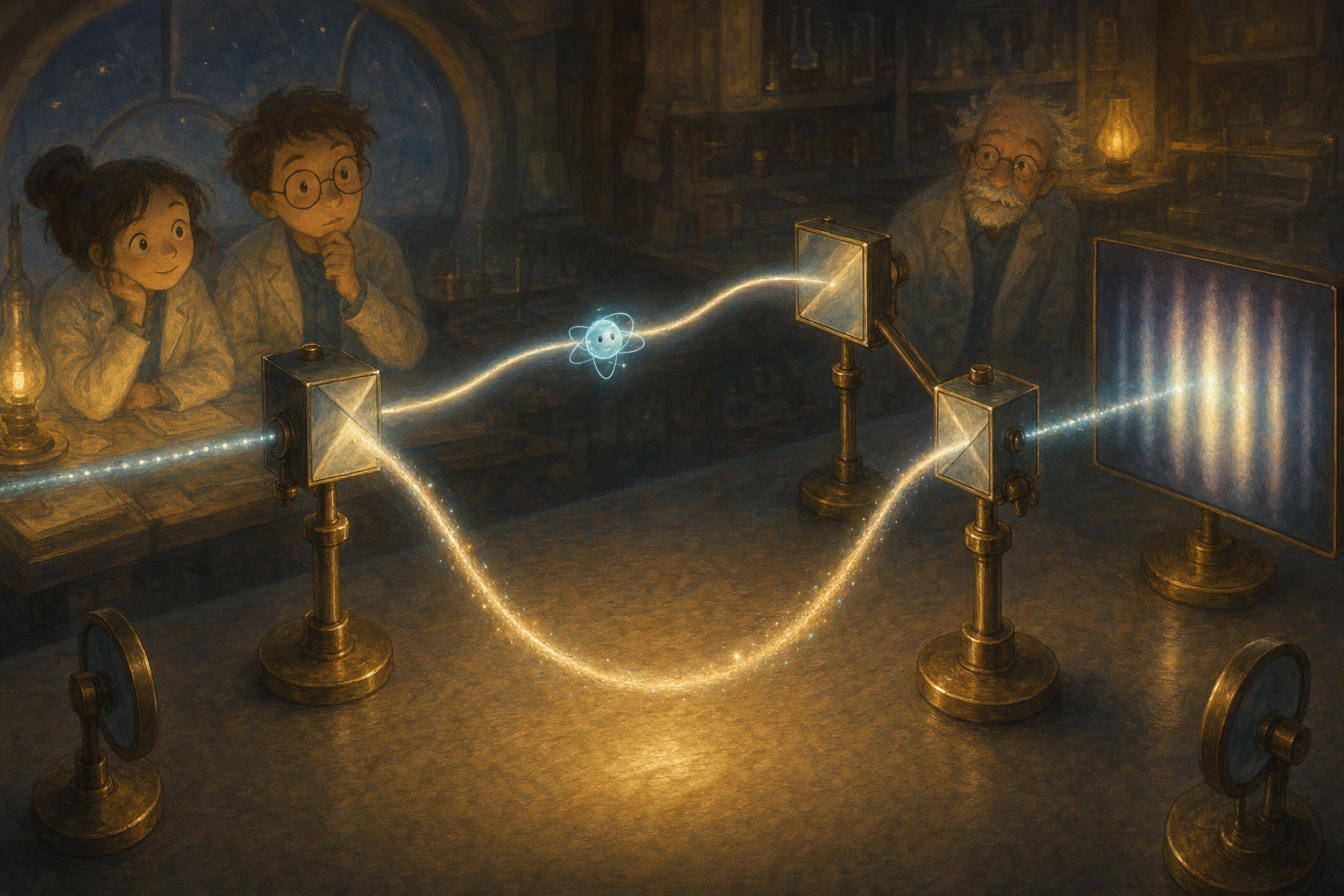
By comparing two paths taken by ultracold atoms, researchers measured a predicted quantum effect of free fall for the first time.
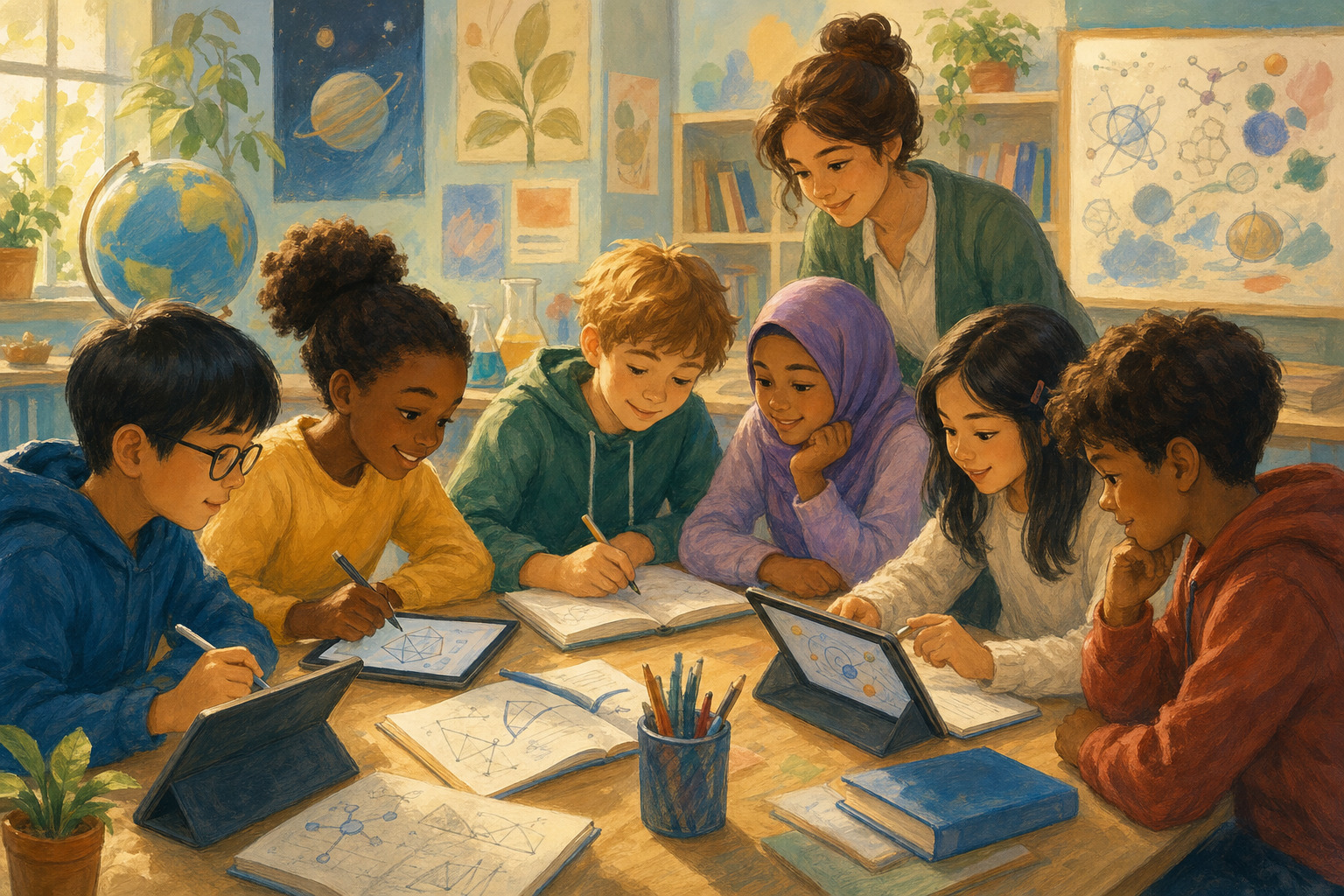
Fifteen-year-olds in Hong Kong scored above international averages in mathematics, science, reading, and a new test of learning in the digital world.

A stranger in Troy, New York, went into the Hudson River and kept a child above the water until police could bring them both to safety.
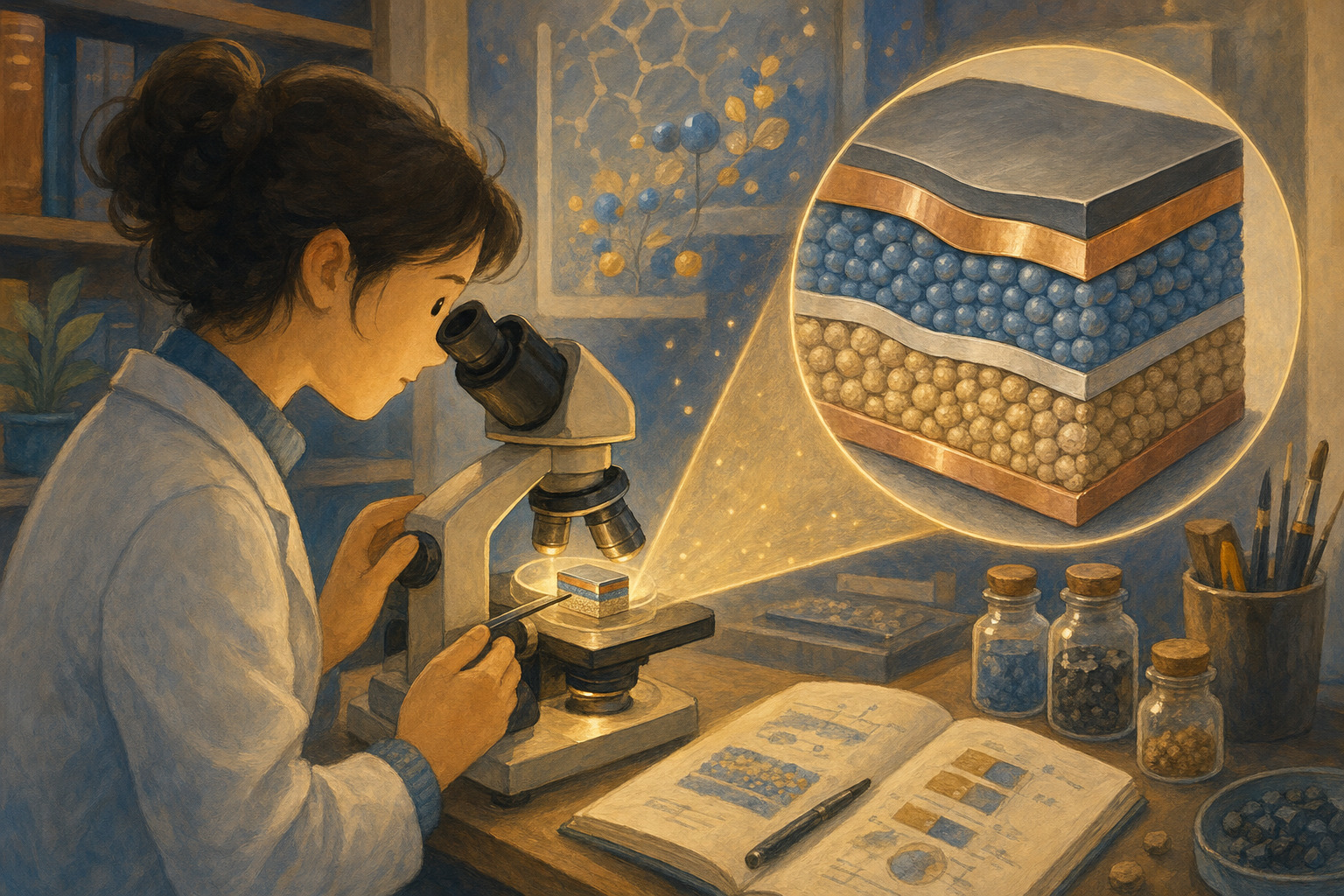
KAIST researchers found that rough surfaces can create false signals in battery tests and showed that polishing samples can make the measurements more reliable.
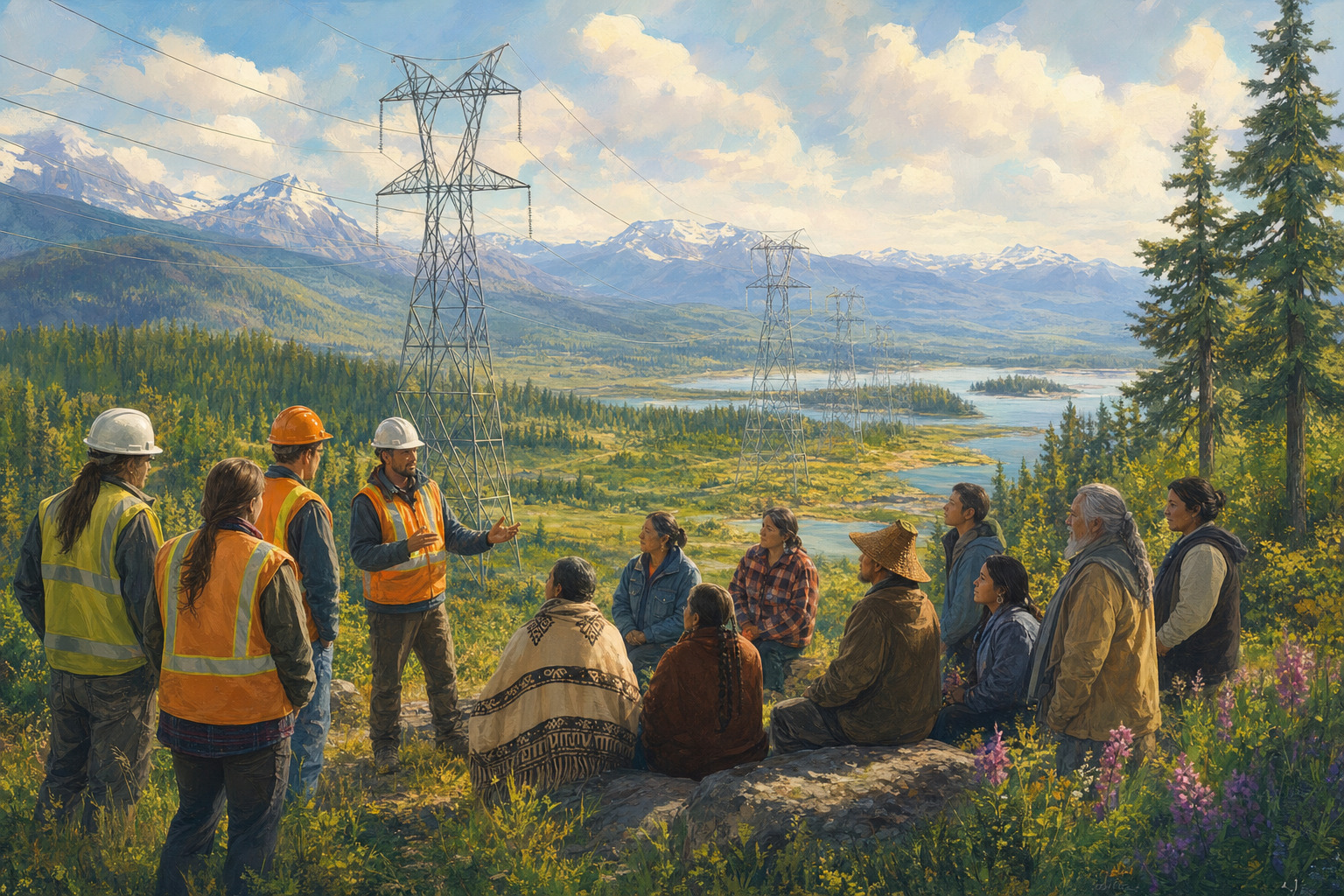
The North Coast Transmission Line will expand the province’s clean-power grid while connecting northern communities and industries to new opportunities.
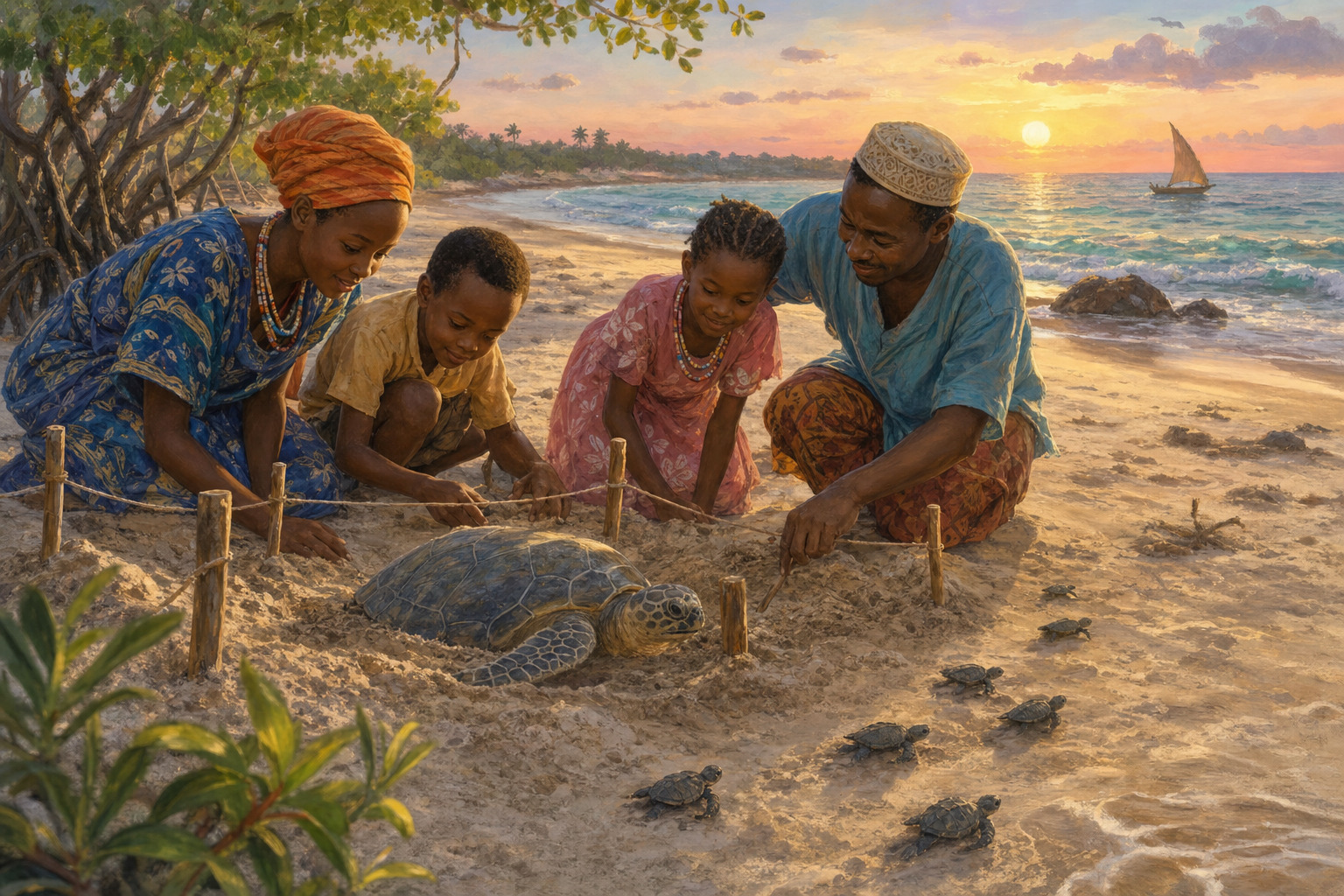
Local conservation groups are moving at-risk nests to safer sand, then watching over the eggs until the hatchlings reach the sea.
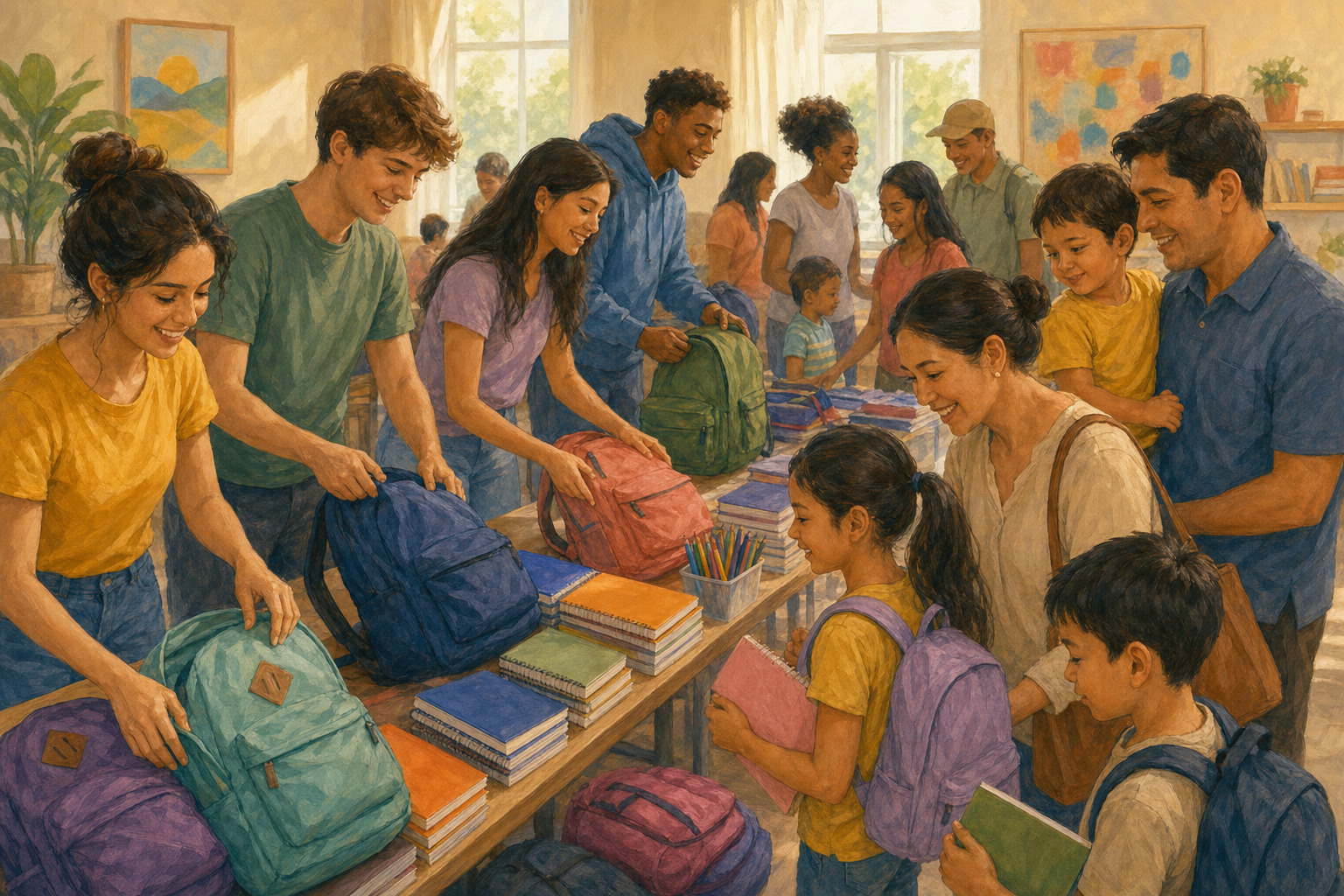
Nazareth University students sorted supplies and welcomed children at a shelter event that provided more than 300 backpacks to families facing housing insecurity.
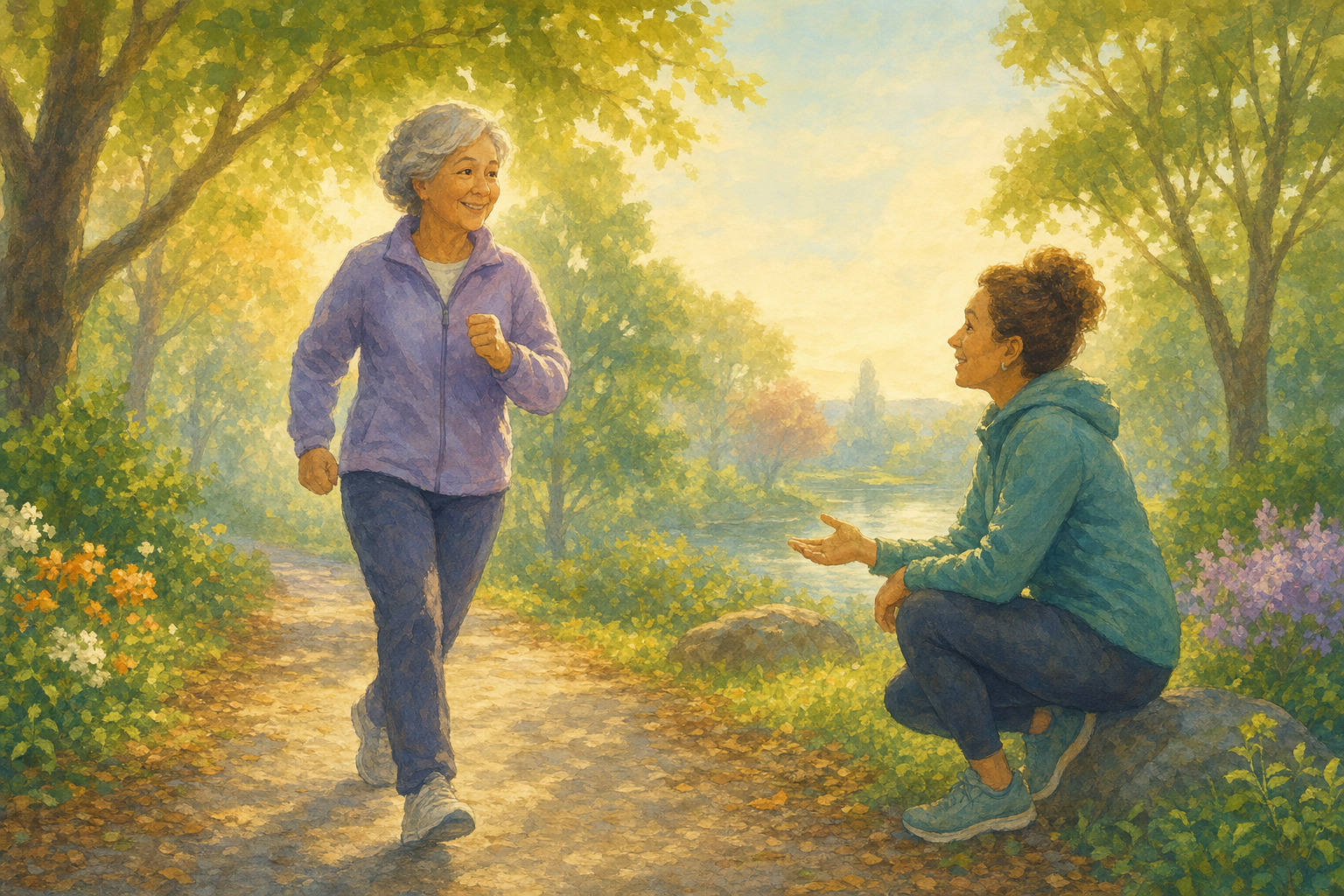
A Norwegian trial found that a structured mix of supervised and at-home exercise lowered the amount of time patients spent in an irregular heart rhythm.

Construction is about to begin on a New Brunswick development designed to give more people access to safe, affordable housing.
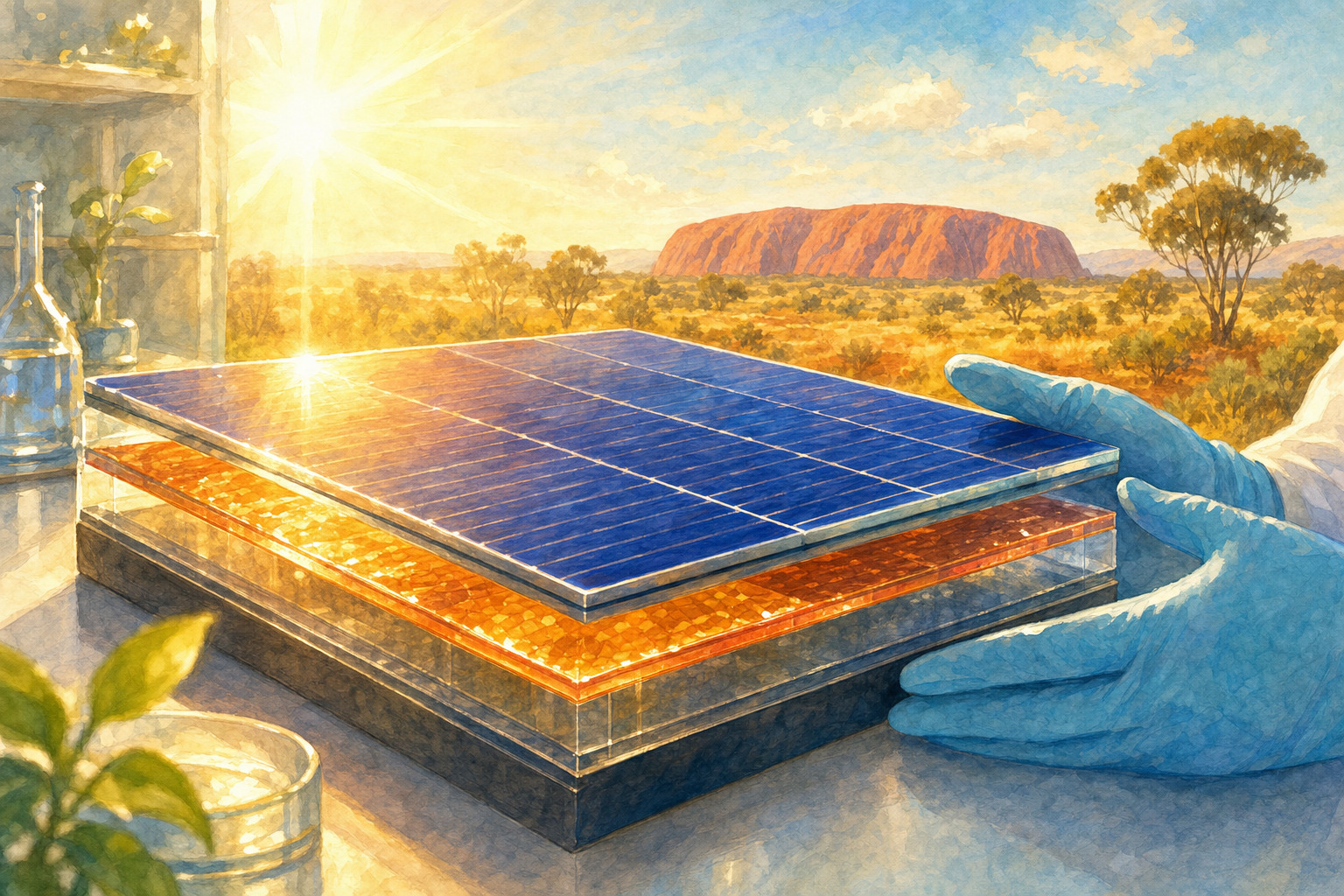
A University of Sydney team will use new funding to test whether next-generation tandem solar cells can keep their efficiency in real-world conditions.
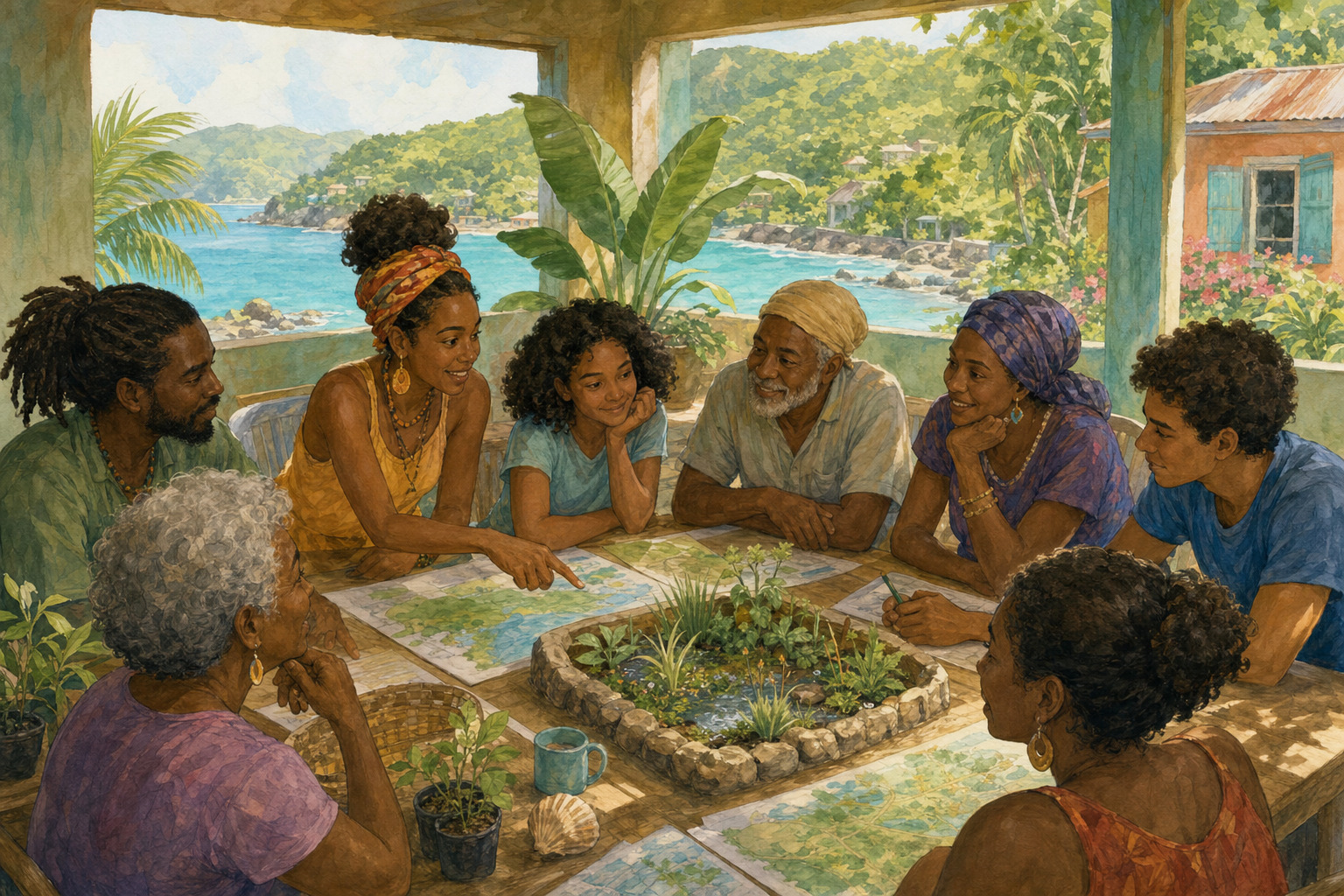
A new fund is giving community groups and local organisations a route to finance projects that prepare the islands for a changing climate.

Free school meals, breakfast clubs and new childcare places are helping more children start the school day ready to learn.

Jessica O’Donnell built a simple raffle night into a small tradition that helps put food on tables across Los Angeles County.

A UC San Diego team found that RNA polymerase can work with eight DNA letters instead of the four used by every known form of life.

A new law adds support for internships, disability-related costs, and other expenses that can make it hard for students to finish their studies.

A proposed 2027 budget would expand help for rooftop solar, household panels, buildings, and new clean-energy research.

At a rehabilitation sanctuary in Indonesia, five young Sumatran orangutans are preparing for a future return to the forest.

Paddlers, fishermen, security officers, and an 18-year-old student each did one small thing that helped bring a man safely back to shore.

A study of mice suggests that the brain first coordinates competing tasks, then gradually gives each task more dedicated neural space.

Way Kambas National Park is testing a gentle nature-based way to keep Sumatran elephants away from community lands while supporting local beekeeping.

A state-wide planting effort in northern Nigeria will send seedlings to all 23 local government areas, including homes, schools and farms.

Researchers in Southampton are testing a vaccine designed for a type of Ebola that has not yet had an approved vaccine.

A pediatric cancer nonprofit and a security company joined local volunteers to give a two-year-old a place to play at home.

After a change in the bird's legal status, Thailand moved quickly to close a protection gap in 40 existing no-hunting areas.

A new S$170,000 package will bring food to 2,500 households and water filters to communities recovering from floods in Nepal.

When Heidi Widmer got to know her elderly upstairs neighbor, a weekly act of care grew into a friendship and a community fundraiser.
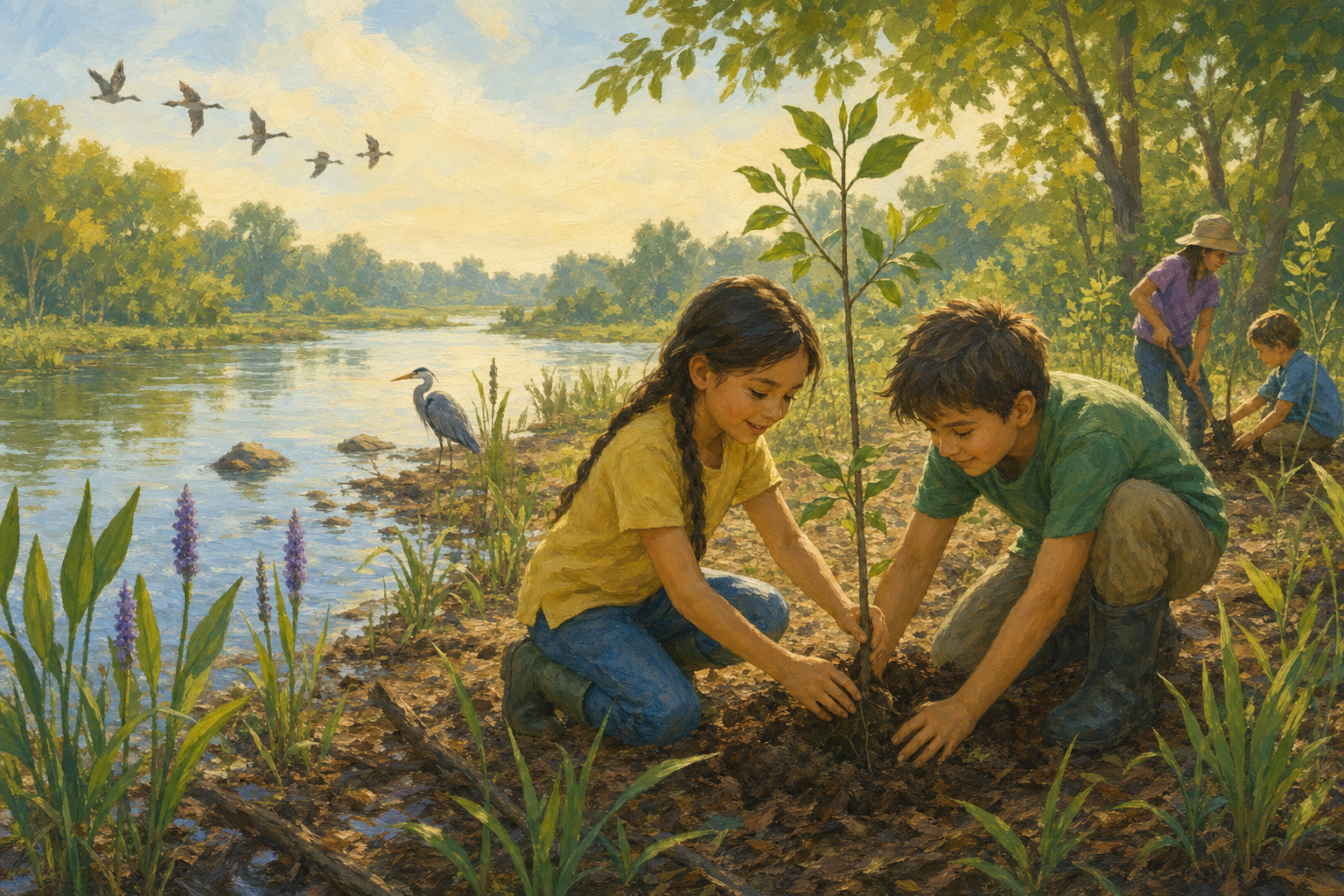
A public-private partnership is funding projects that create habitat for wildlife while improving water quality and reducing flood risks.

Draft national plans will guide work to rebuild ecosystems that can also help communities withstand heat, floods, drought and wildfires.

In Singapore, a passer-by held an injured man's head off the hot pavement while other strangers brought shade and help.

The healthy chicks are joining the flock at Khon Kaen Zoo after careful work by veterinarians and animal caretakers.
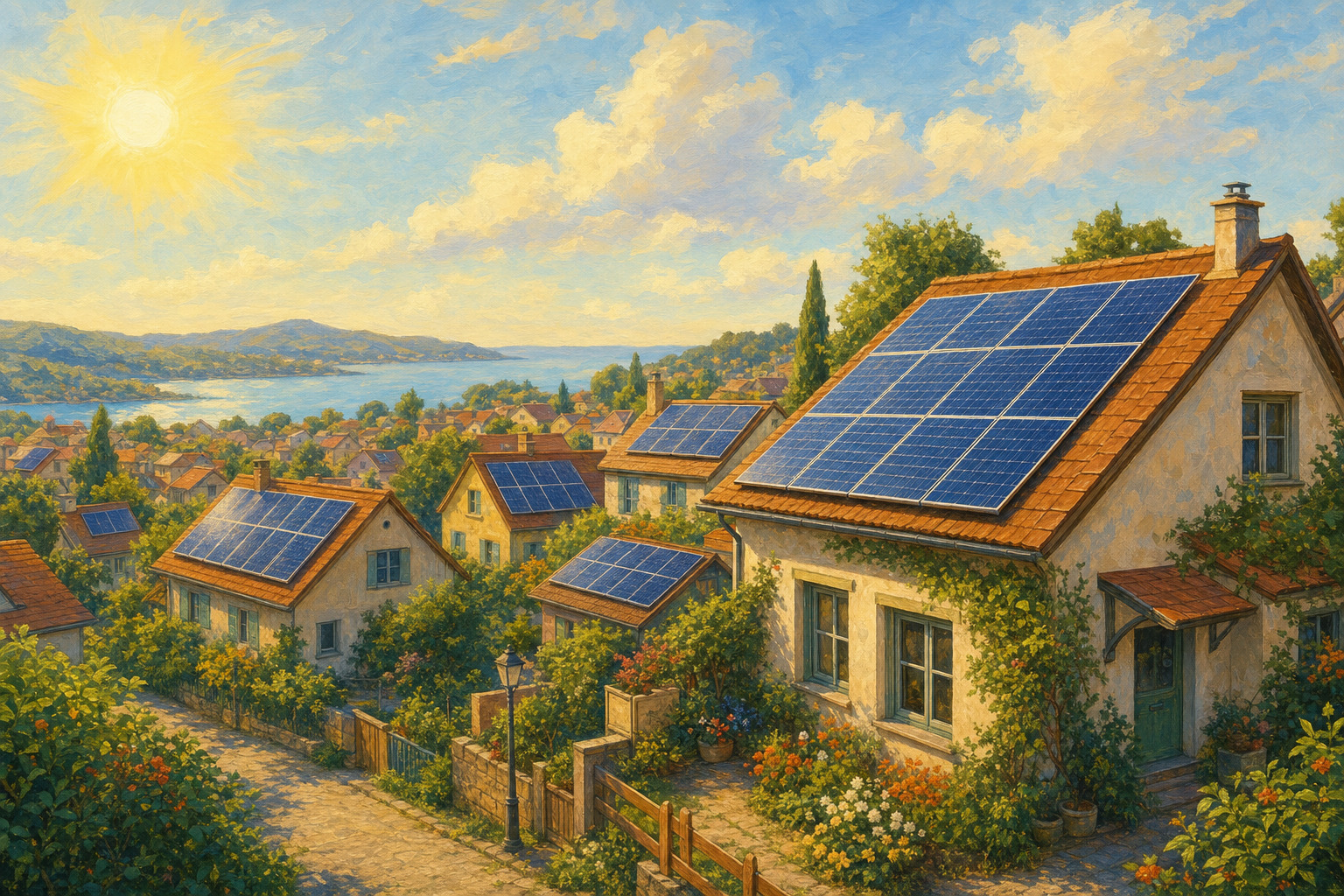
A sunny winter afternoon pushed rooftop panels to a new milestone while batteries absorbed some of the extra clean electricity.
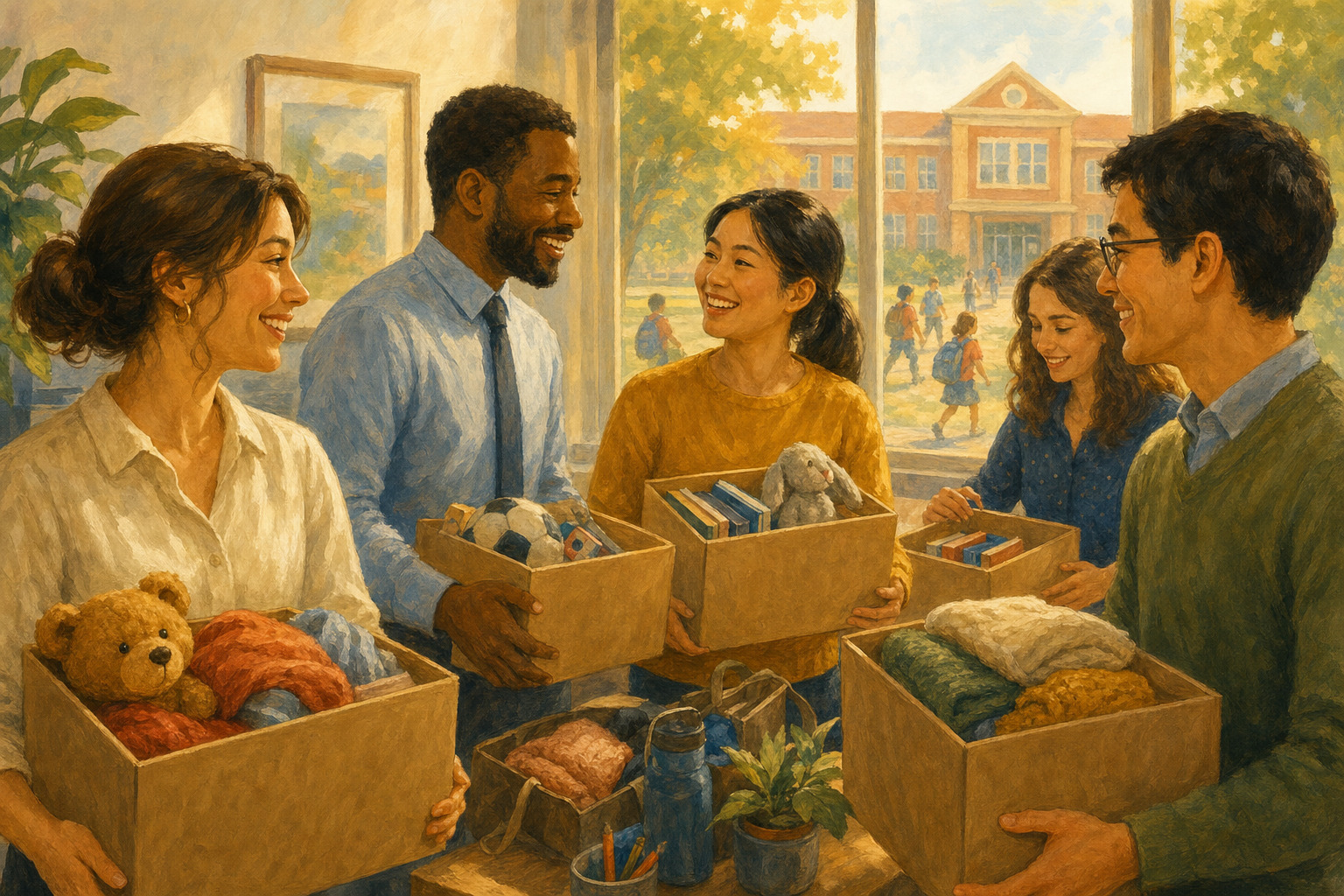
A workplace fundraiser will help children from families with fewer resources stay in school.

Carnegie Mellon physicists demonstrated a new form of the Hall effect in an ultrathin device, opening a path toward simpler magnetic sensors.

An early Cleveland Clinic study found that a single infusion kept lowering cholesterol and triglycerides for a year, while researchers continue to test the approach.
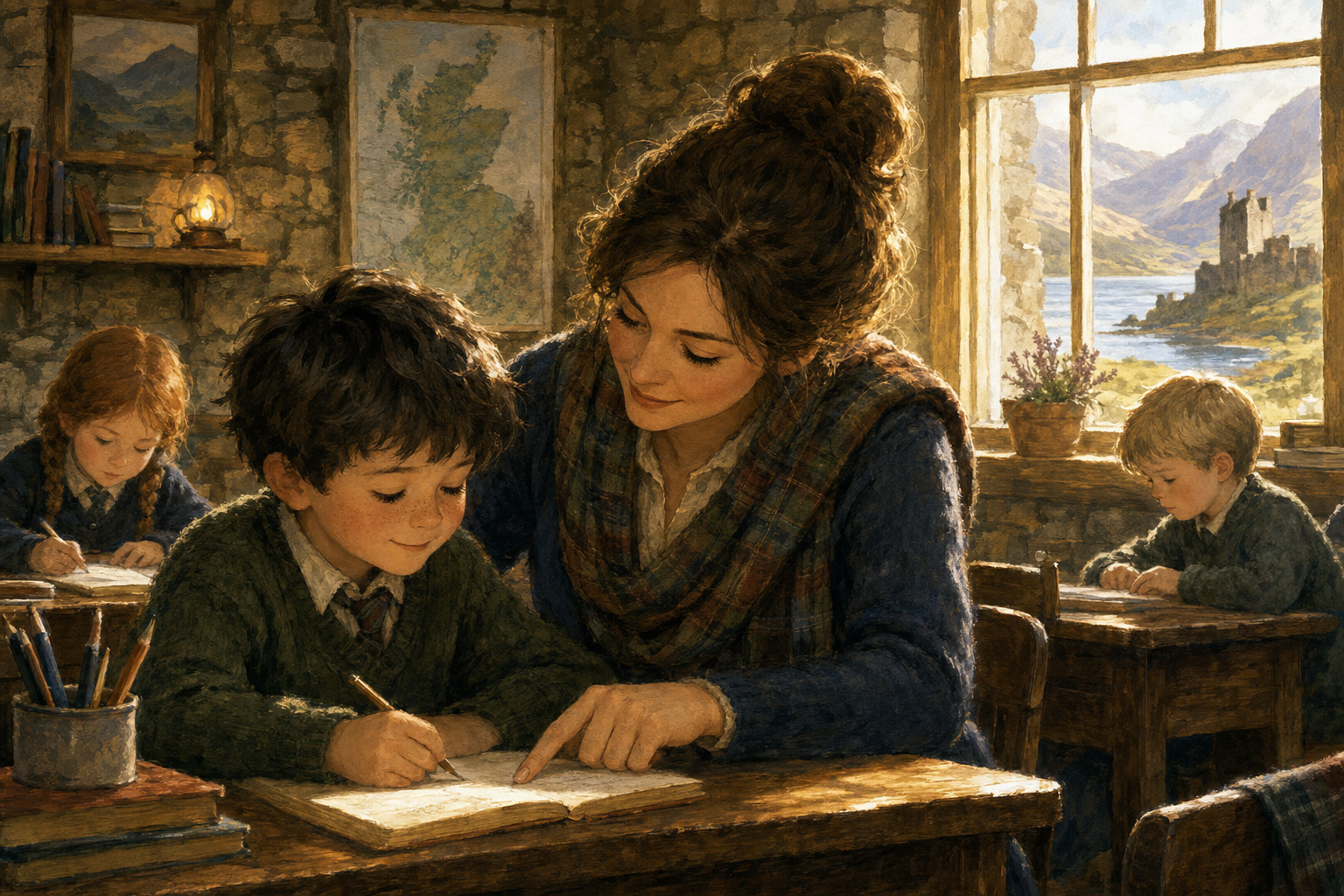
A new national route map aims to help children and families understand support needs and receive the right help at the right time.

A new model of light from manganese ions could help scientists trace the chemical story of galaxies across time.
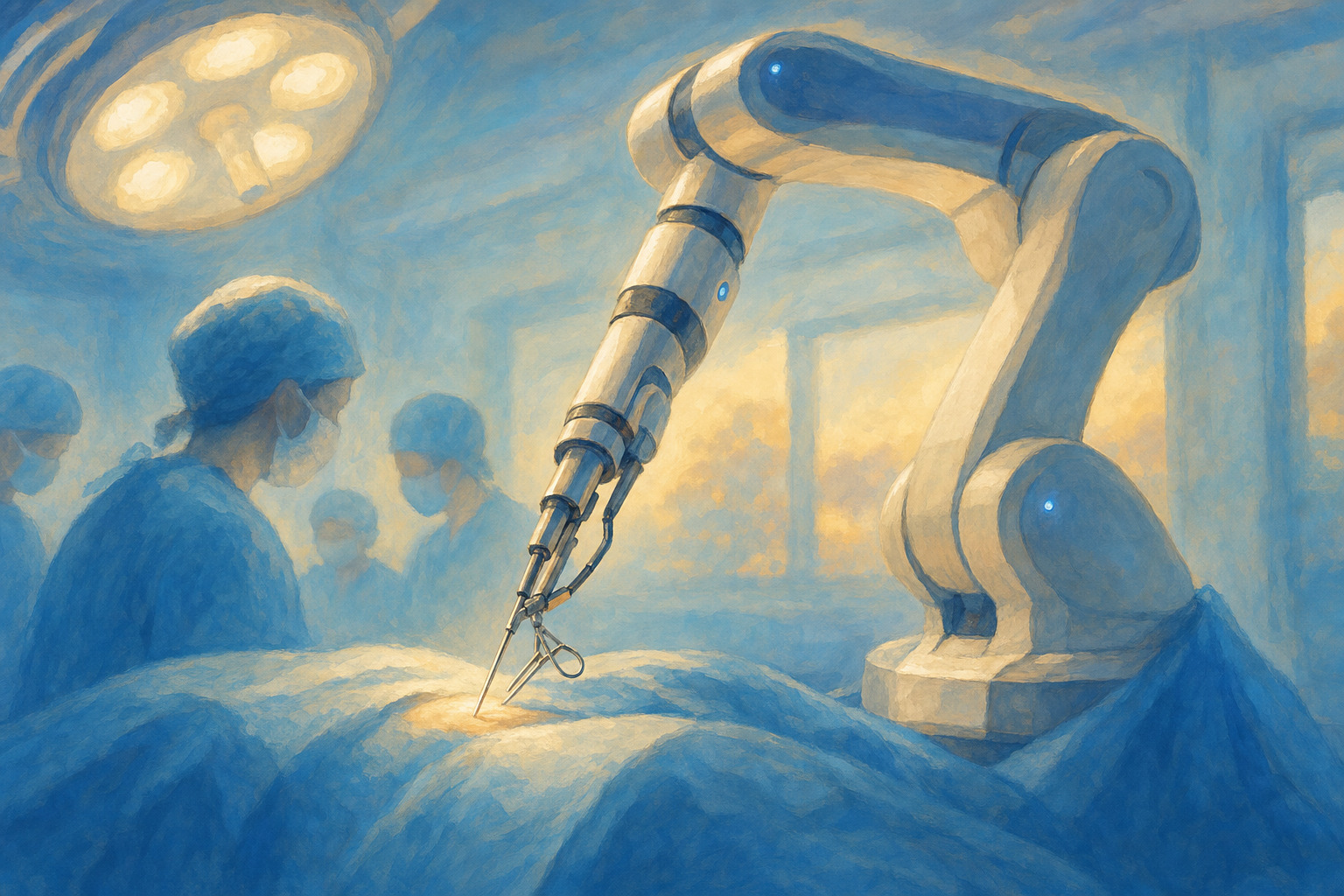
The minimally invasive approach gives some breast-cancer and risk-reducing surgery patients another option after FDA clearance.

After meetings with regional and international partners, the two sides agreed on sequenced steps for carrying forward the Doha peace process.
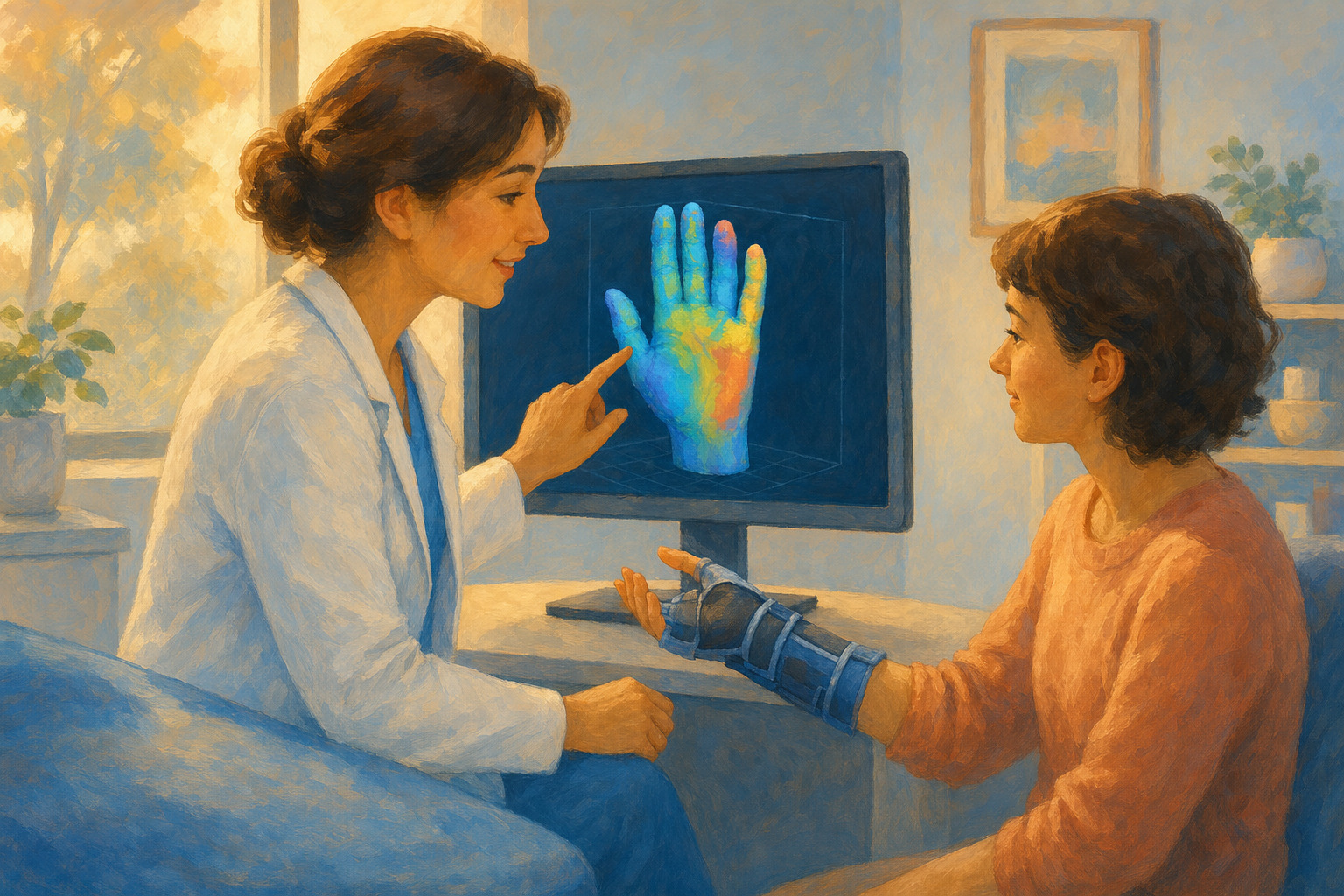
An eight-year study at CUHK shows how detailed 3D scans can separate harmless tiny bone changes from damage linked to rheumatoid arthritis.

Researchers at Delft University of Technology found a way to make voltage-sensitive proteins in living mammalian cells glow more brightly and respond more quickly.
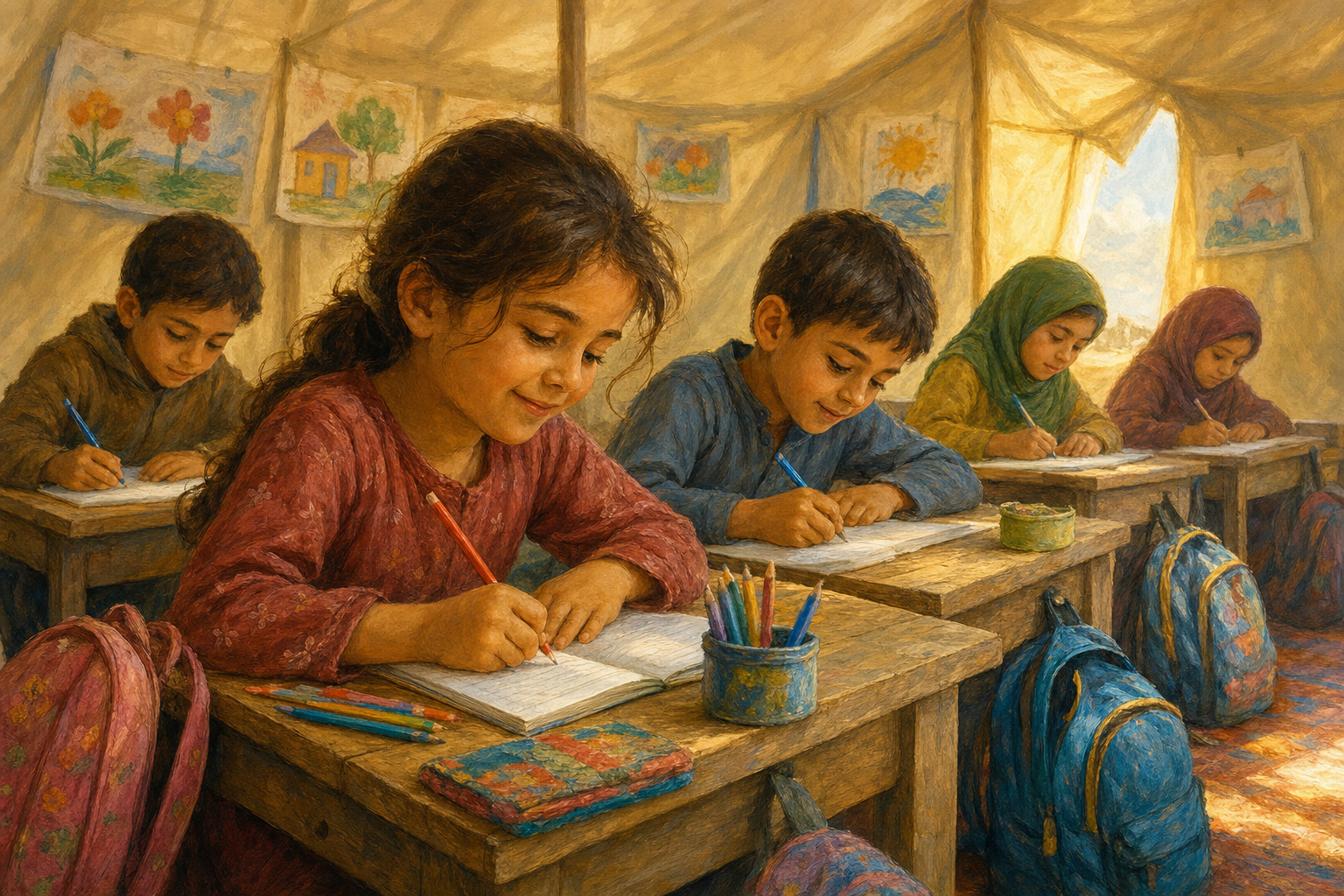
Qatar Charity says school supplies, temporary classrooms and meals are helping children and teachers continue learning amid the war’s disruption.
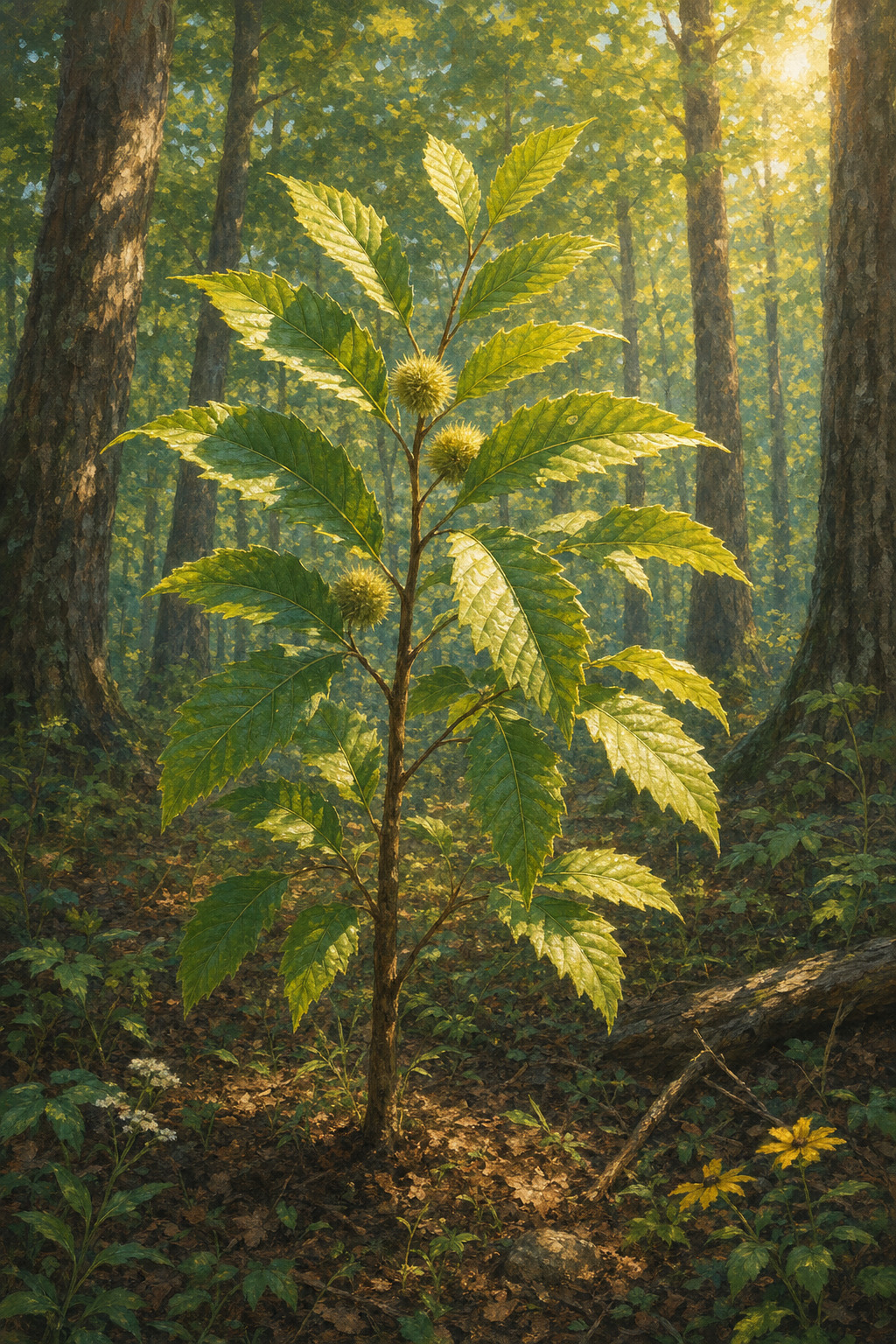
A USDA decision removes a regulatory barrier for a chestnut developed to tolerate the fungus that helped erase the tree from much of its native range.
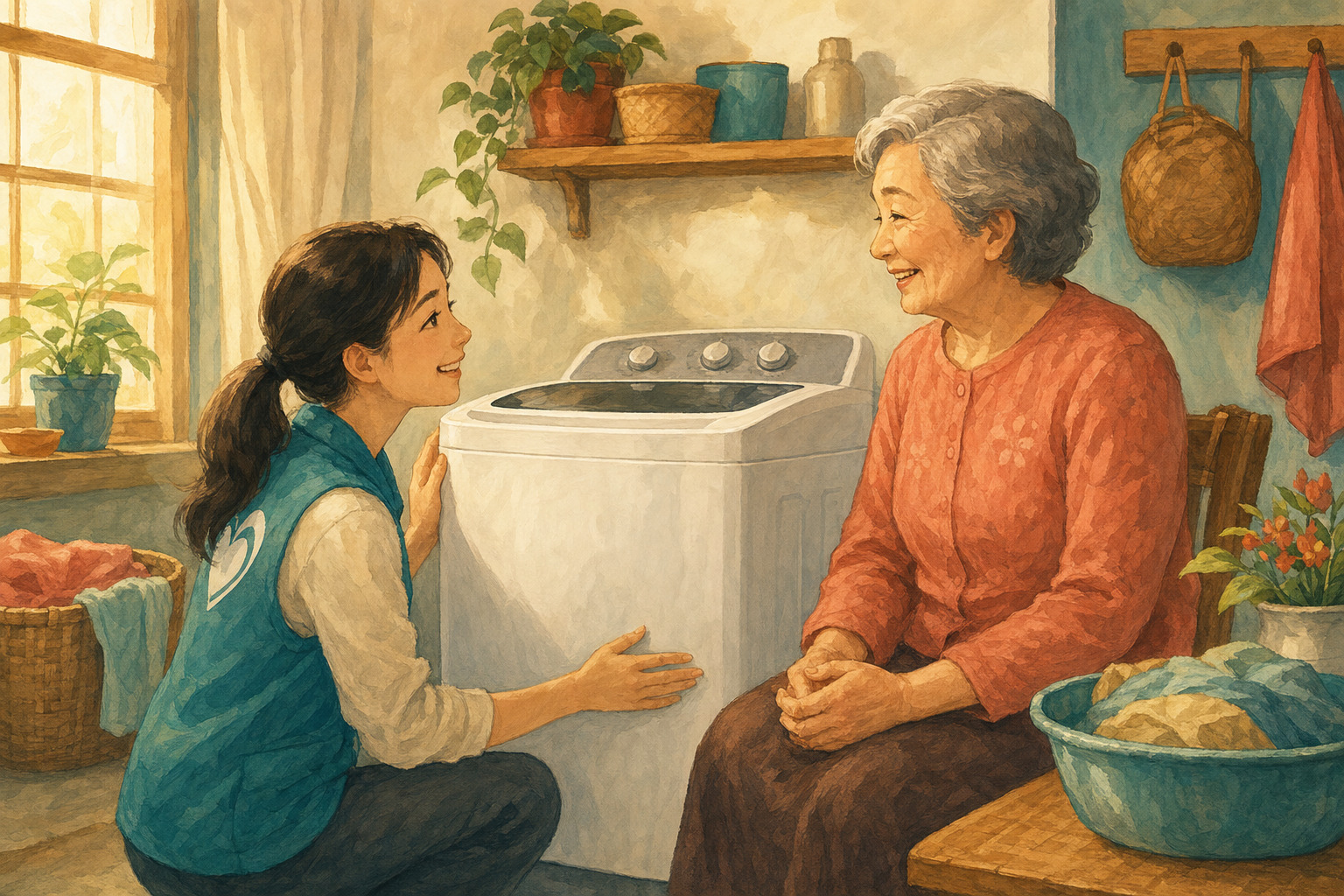
When a Meals on Wheels client needed a working washing machine, one volunteer asked for help and local businesses answered.
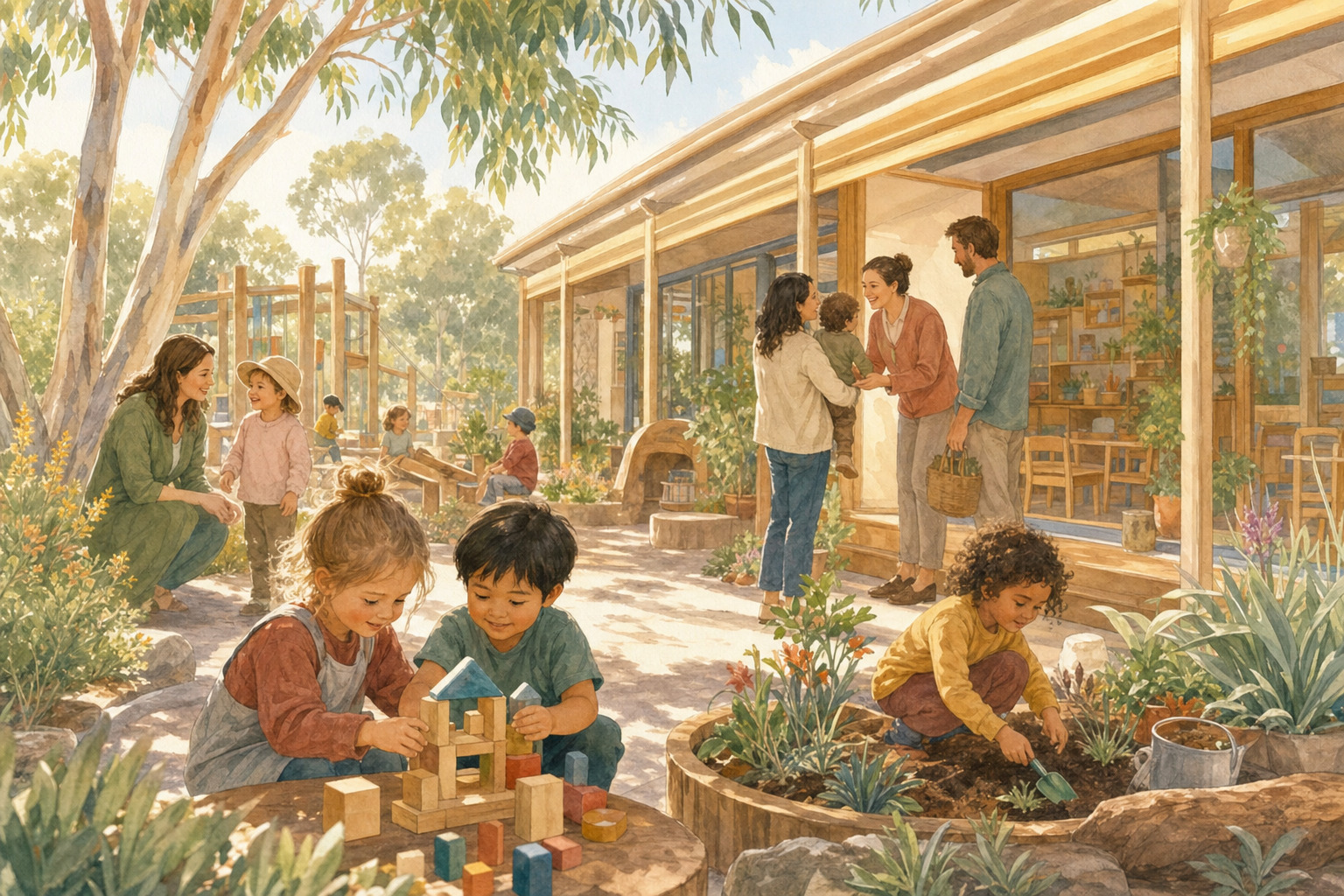
The new public preschools will give up to 160 children each week a place to learn and play before primary school.
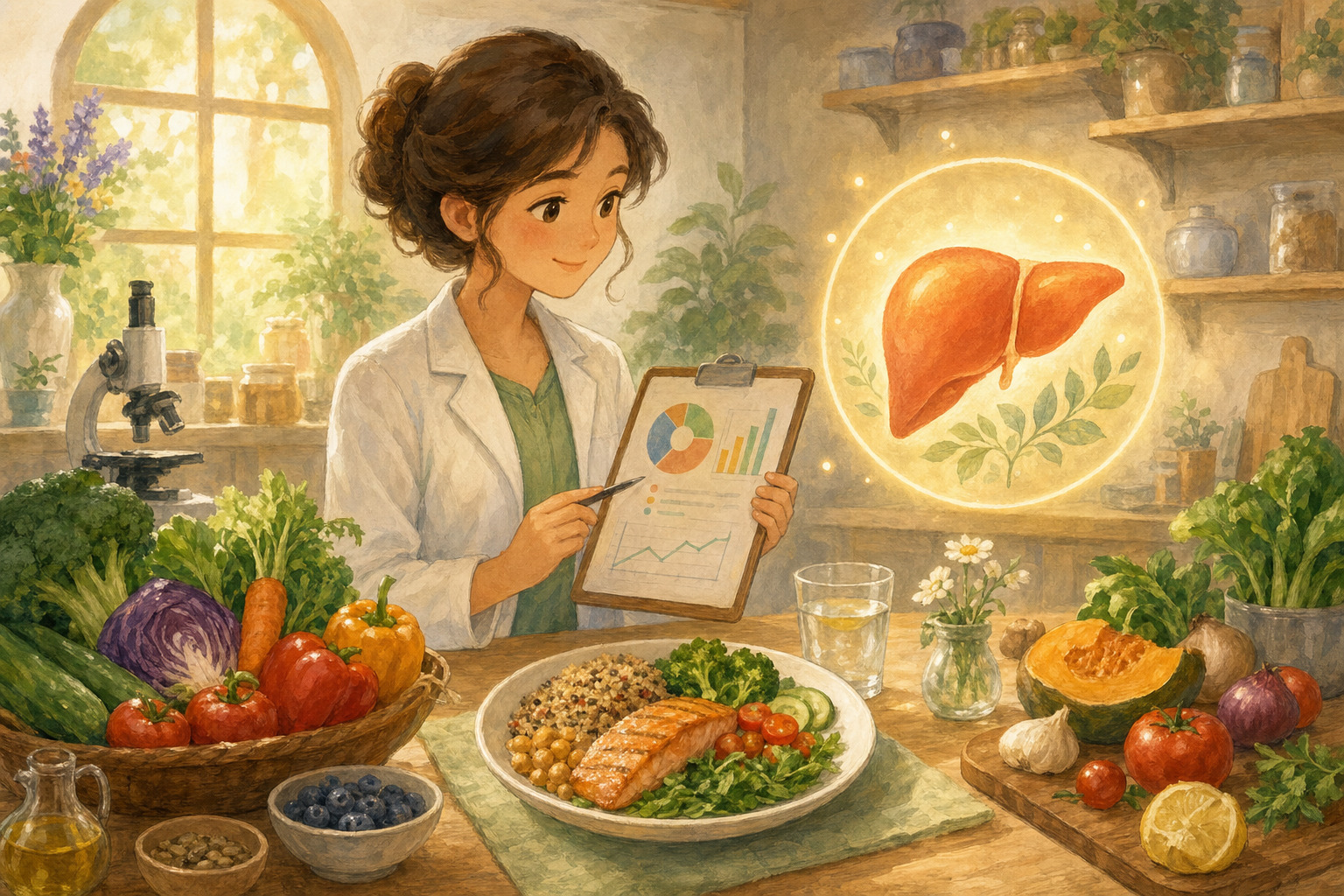
In a five-month study, adults with obesity, prediabetes and fatty liver disease improved their health with several diets, while the ketogenic group saw additional liver and blood-sugar gains.
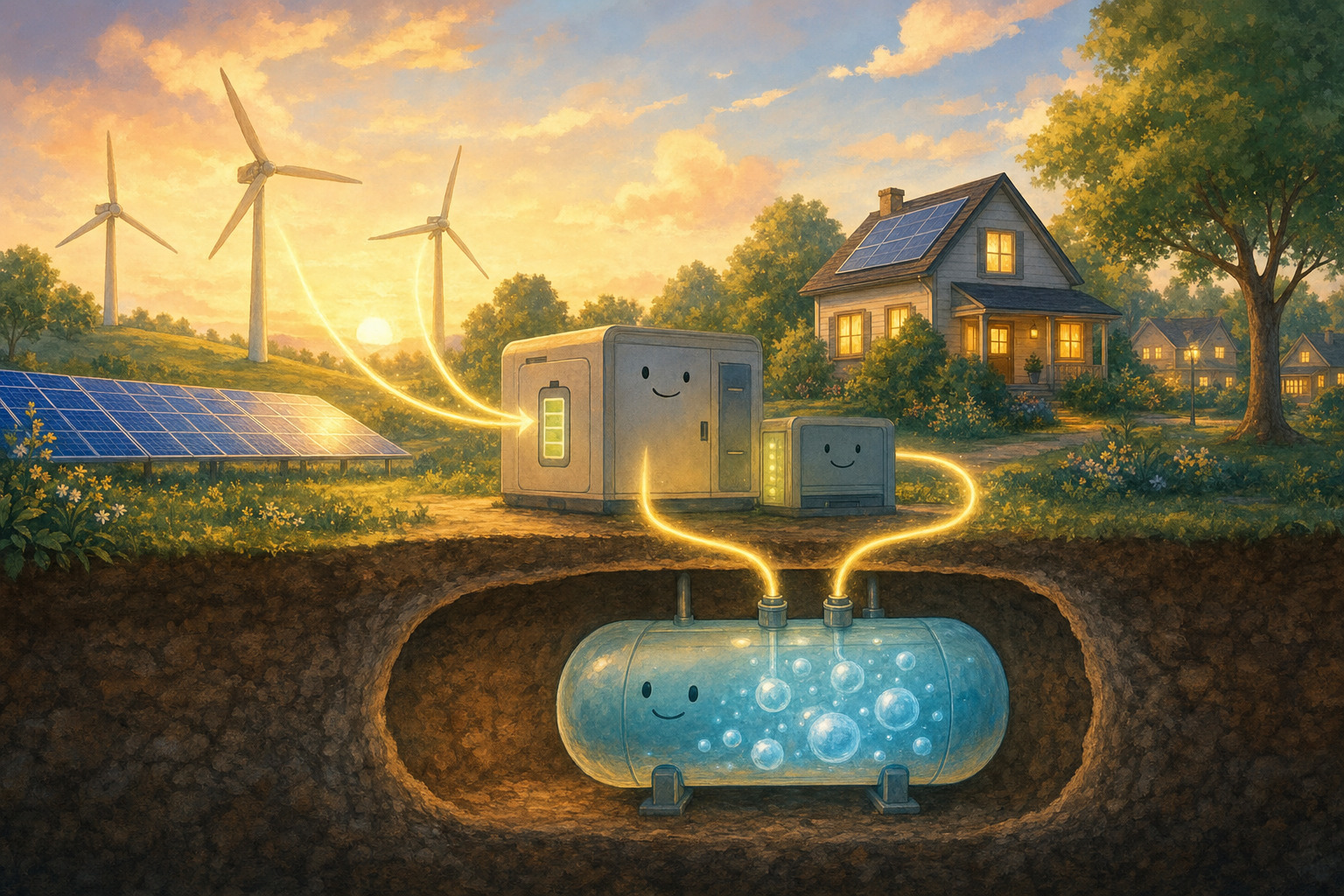
A new government challenge will support batteries and underground hydrogen systems that can hold renewable electricity for at least four days.
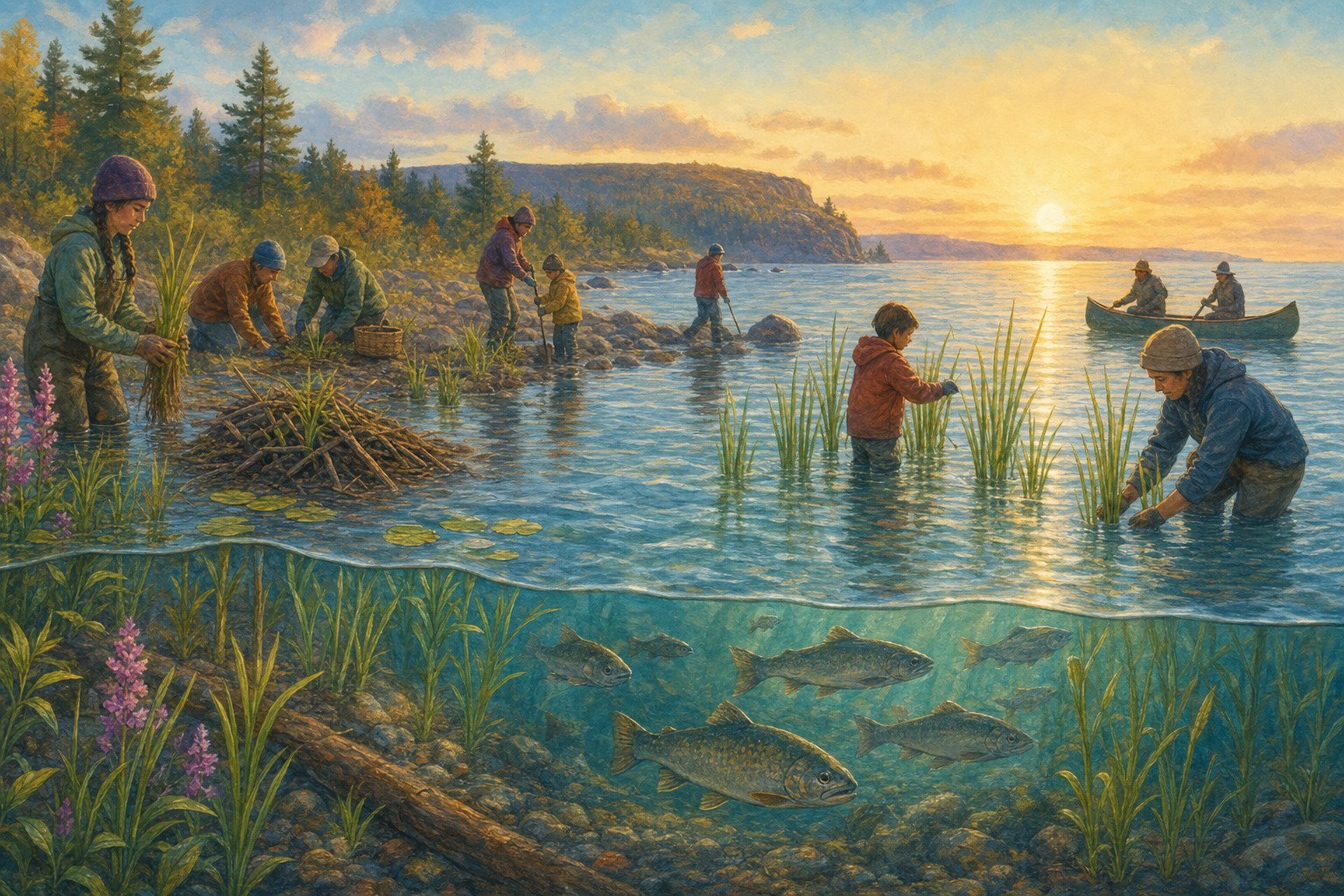
Cleaner water, recovering fish populations and restored habitat have brought a once-damaged part of Lake Superior back to health.

After a community-center worker patiently helped him find support, one Seoul resident made the difficult trip to say thank you in person.

A team in Germany and Japan demonstrated a solid-state prototype that turns waste heat and solar energy into a cooling effect.
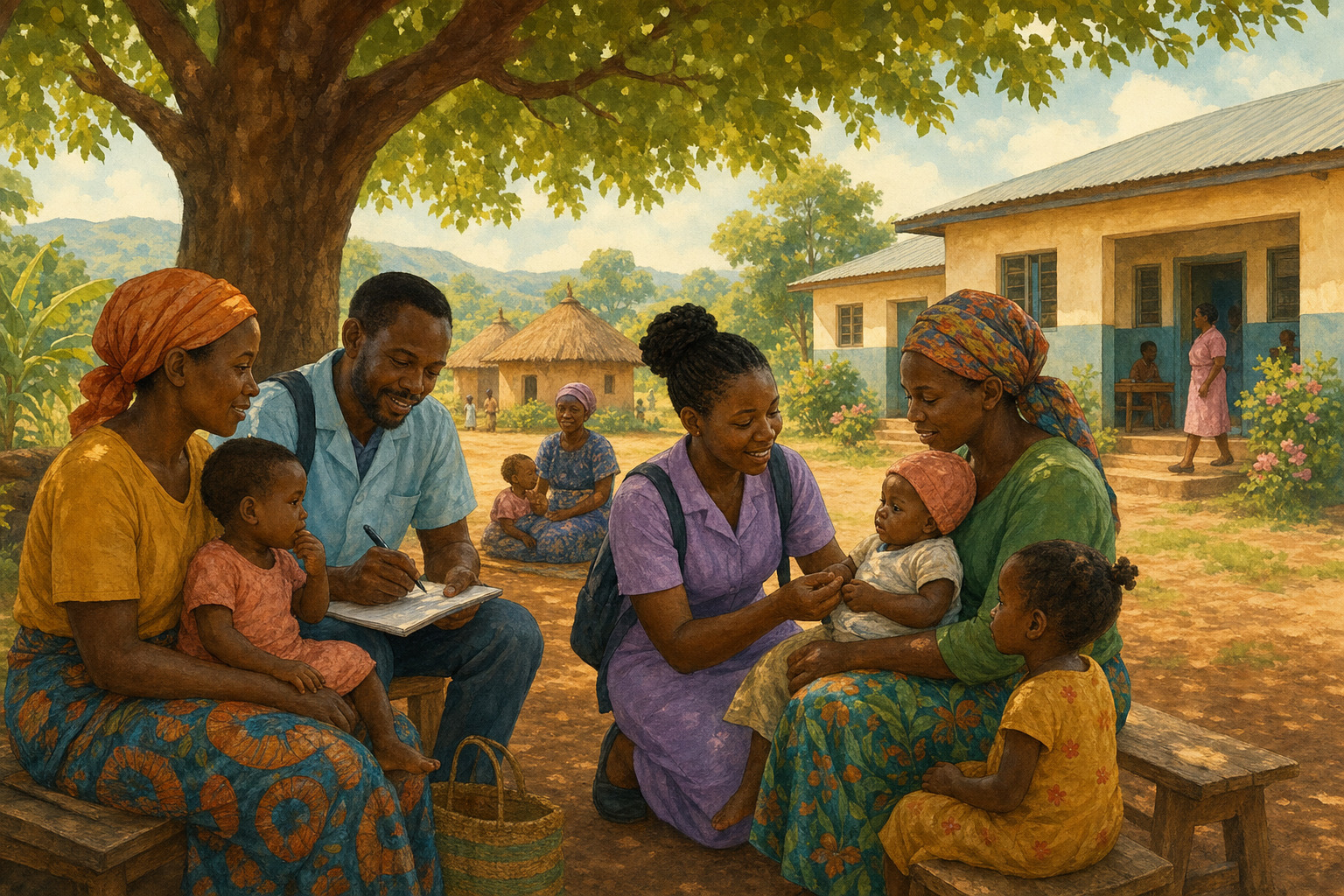
Health teams and communities helped stop local transmission of Bundibugyo virus, while regional monitoring continues.
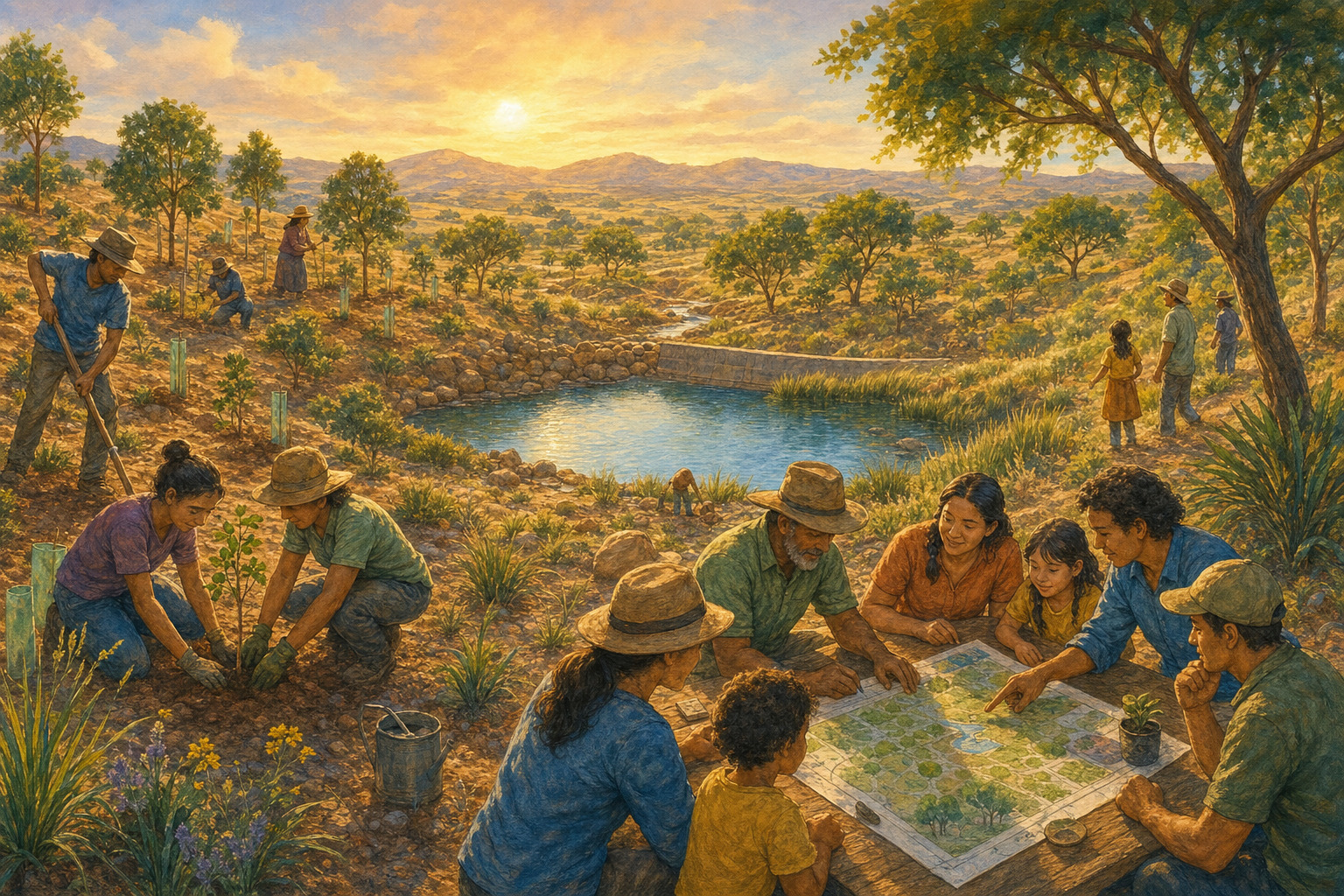
Launched at the UN desertification conference, the facility will seek up to $400 million for water security, sustainable agriculture, land restoration and other resilience work.
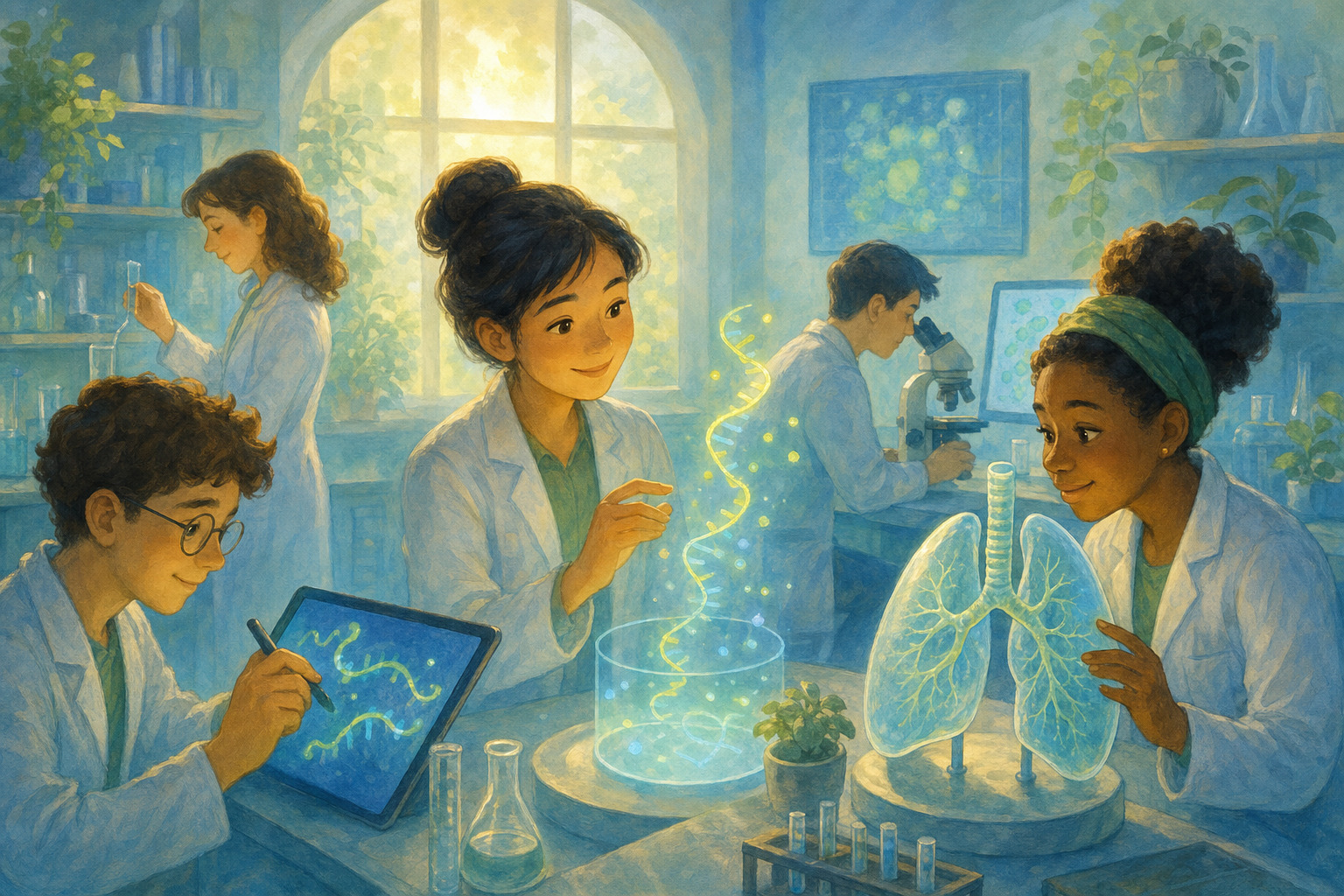
University of Toronto researchers used engineered transfer RNA to help cells read past a genetic stop signal in laboratory and preclinical tests.

After a fire displaced a mother and her three children, Scott Evans found a way to offer practical help from far away.
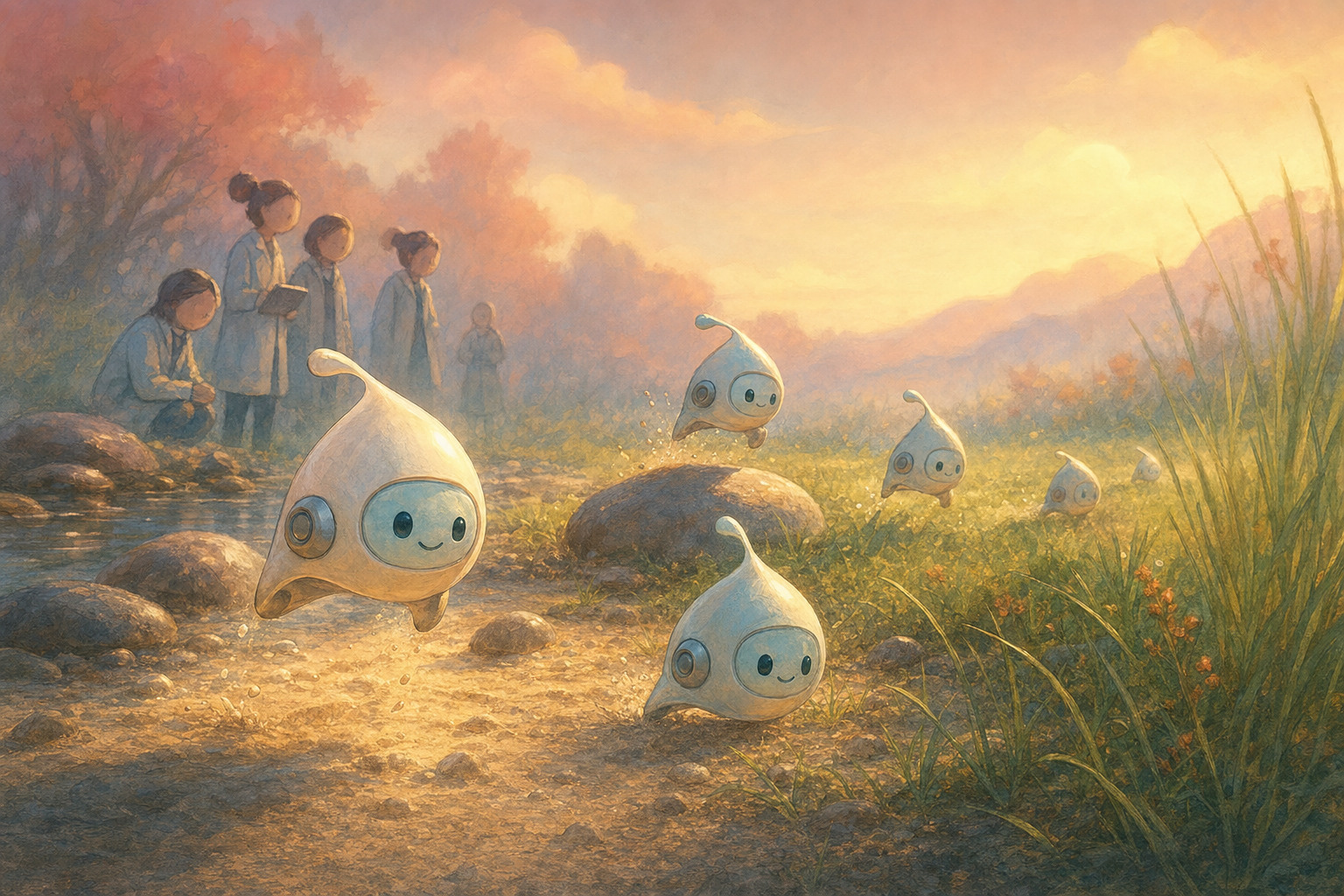
North Carolina researchers built small robots that store and release their own energy, letting them jump again and again without being reset by a person.
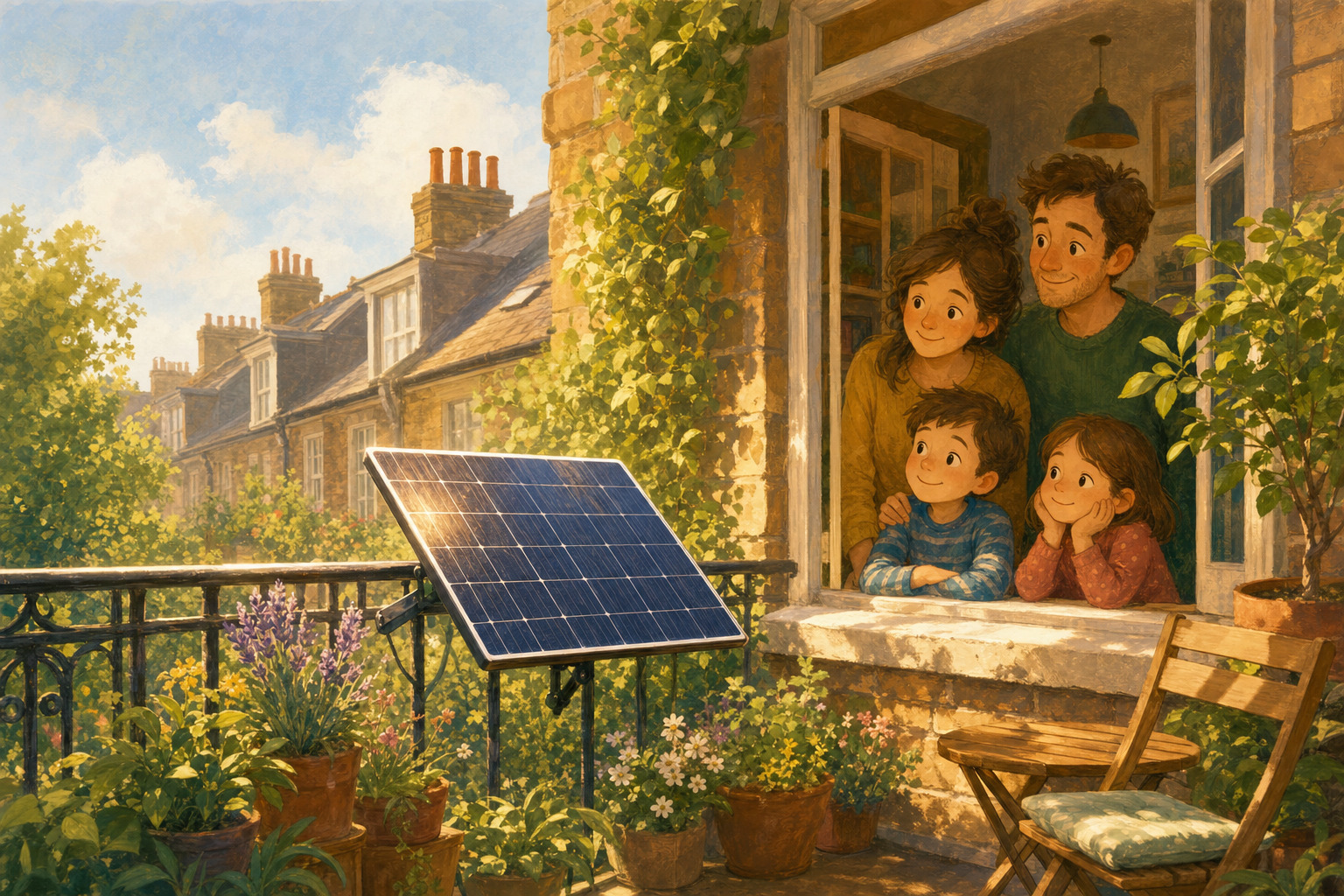
New rules give more households a simple way to generate some clean electricity at home, including people without a rooftop for traditional solar panels.
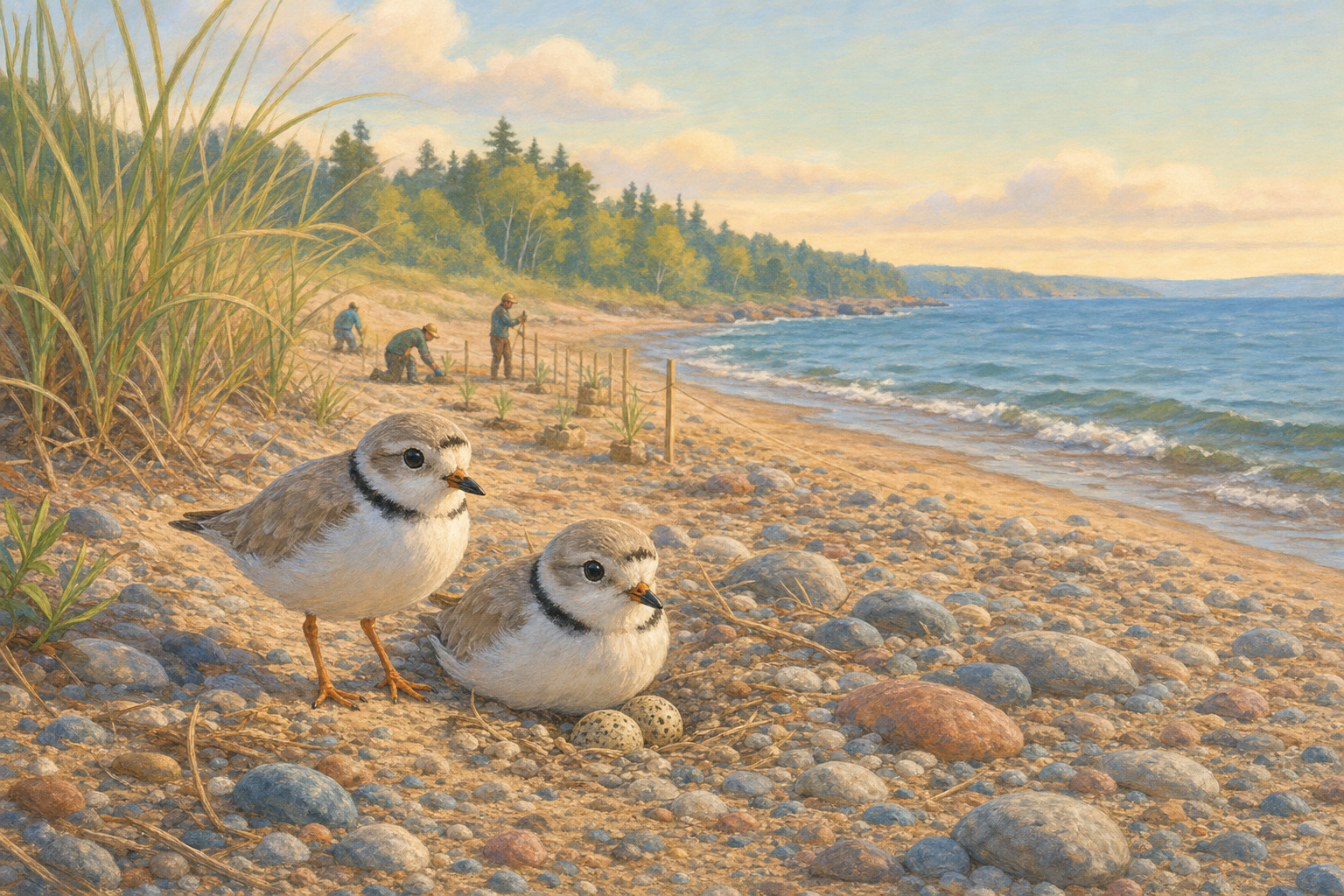
A restored stretch of Lake Superior shoreline has welcomed a breeding pair of shorebirds that had not been documented there since 1977.
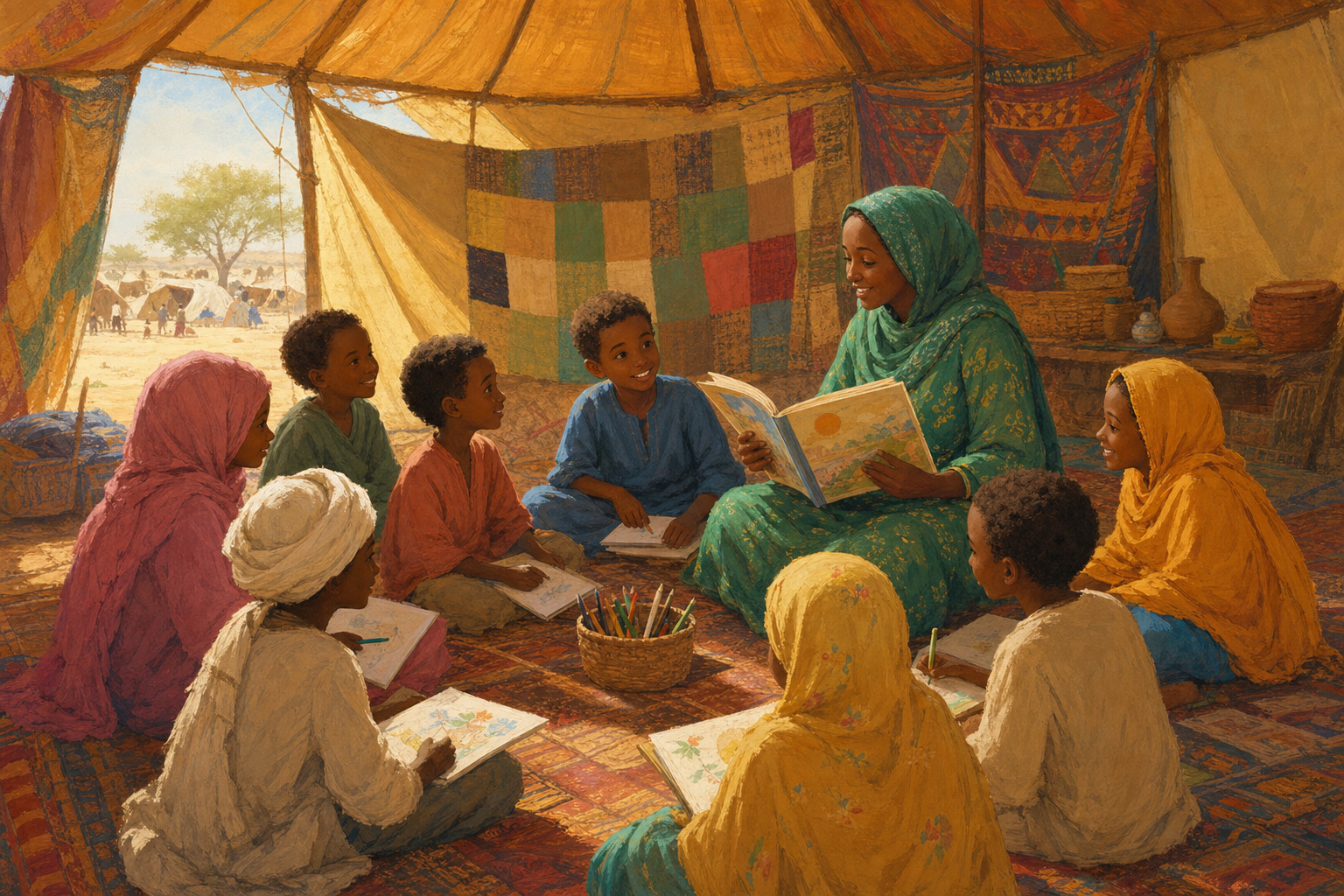
A three-year effort will support safer, more inclusive education in three Sudanese states where conflict has kept many children out of school.
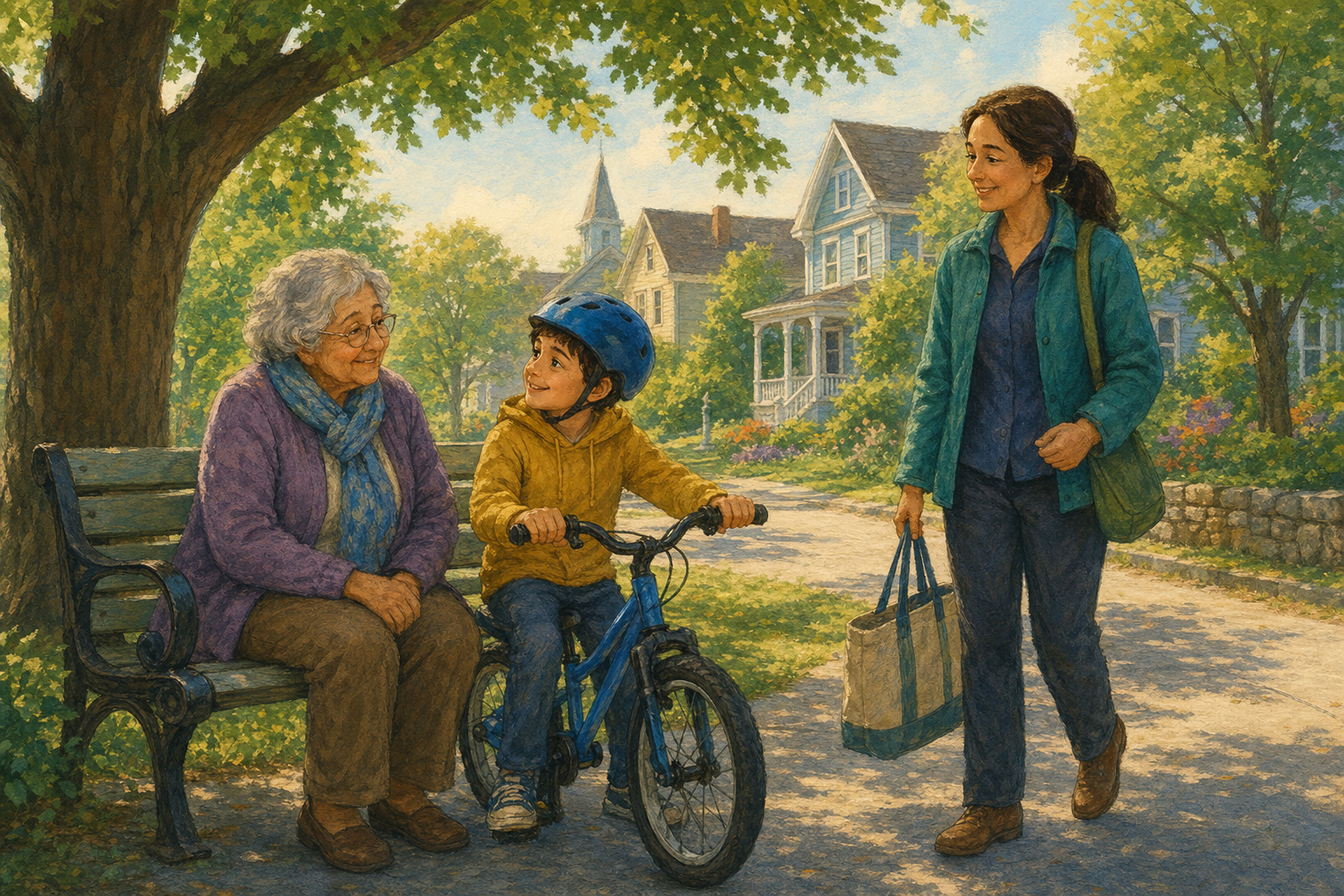
When Tucker Gourlay saw a man in medical distress, he stopped his bike, stayed close, and made sure help was called.
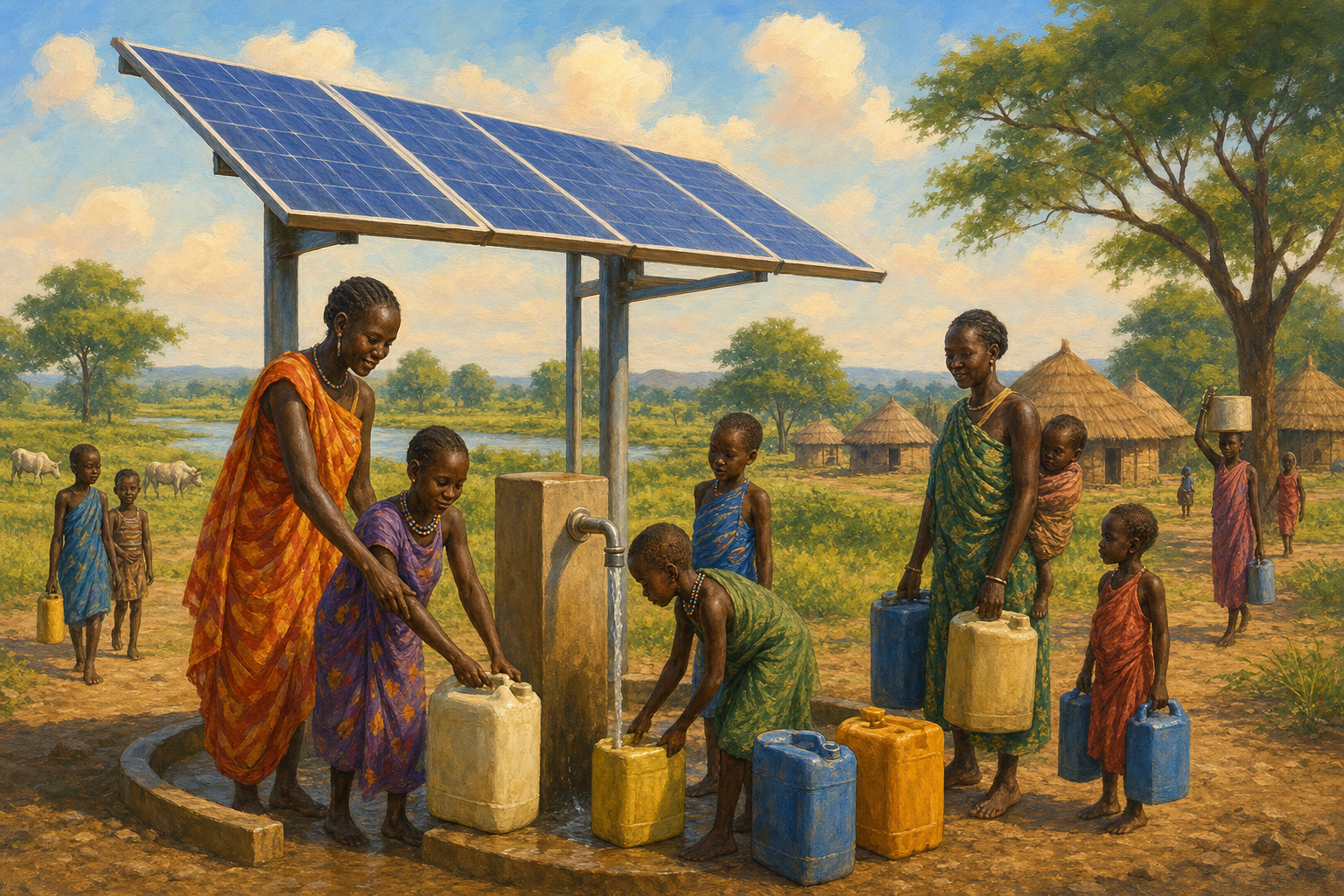
Egypt says 28 new groundwater stations now serve more than 84,000 people, mostly in rural communities.

Scientists at a laboratory beneath Ontario have started collecting early data with detectors chilled almost to absolute zero.
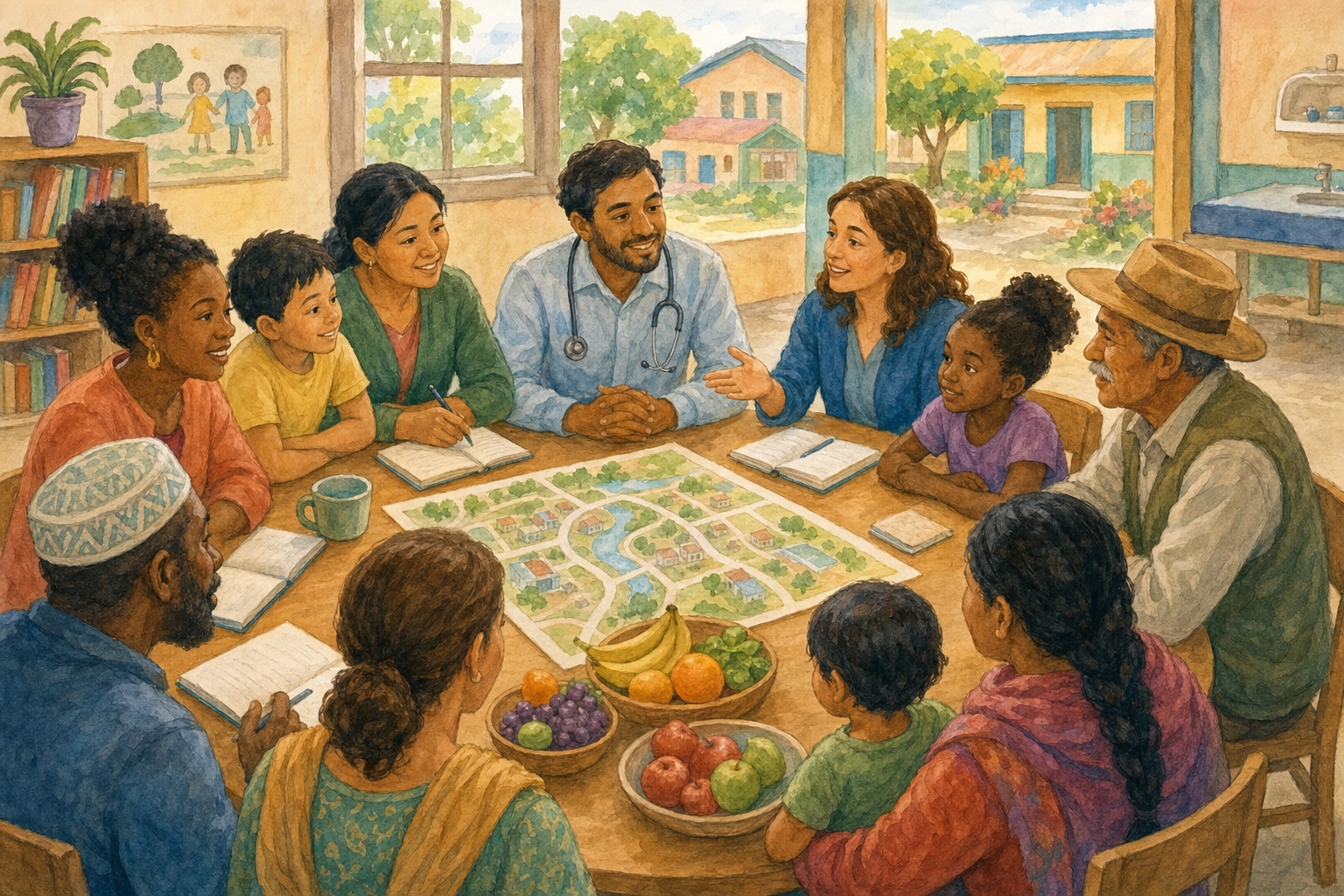
A new two-year program will put public-health resources, school partnerships, and local knowledge together in four communities.
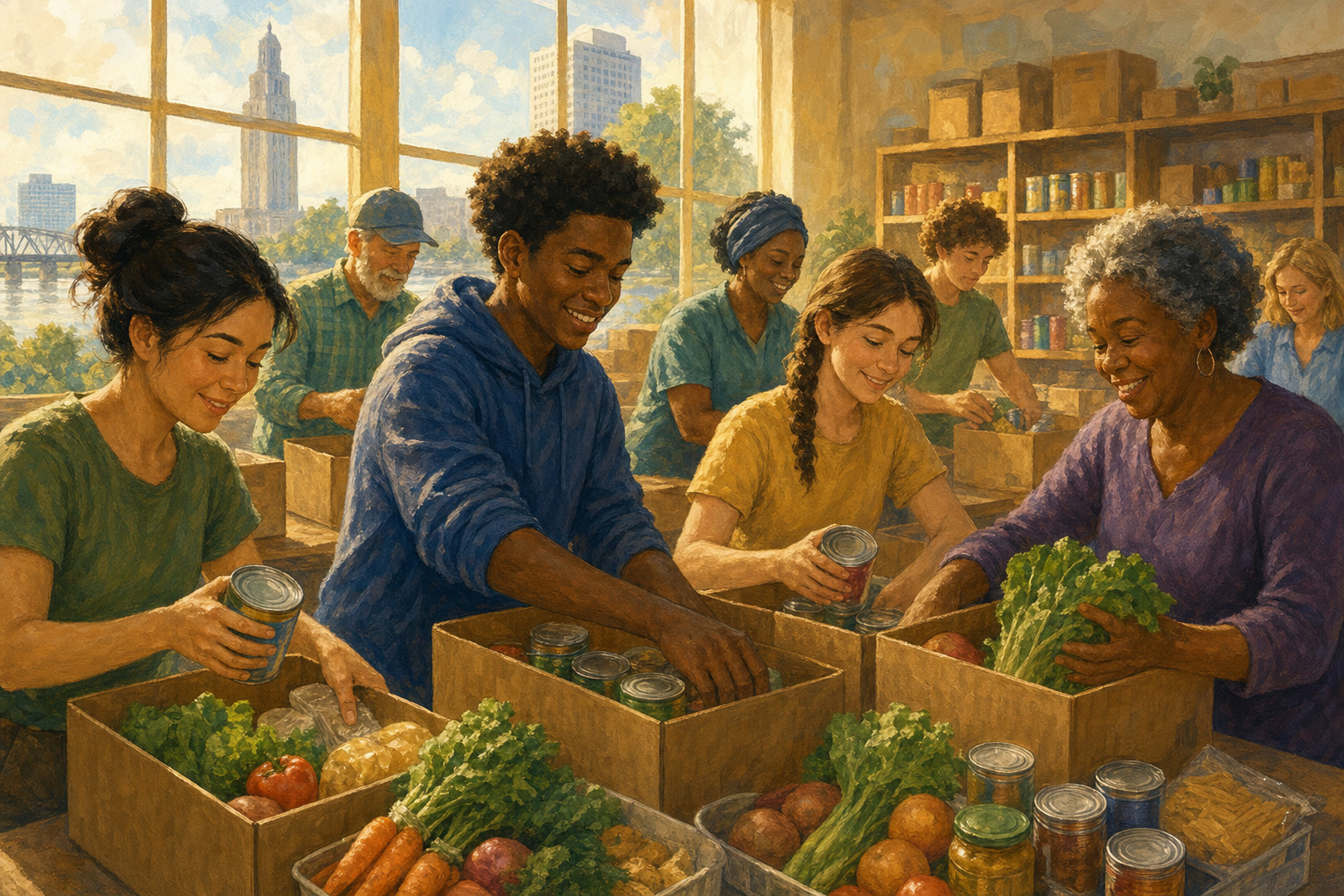
Employees at a Louisiana food bank turned a company service day into a practical morning of help for neighbors who need food.
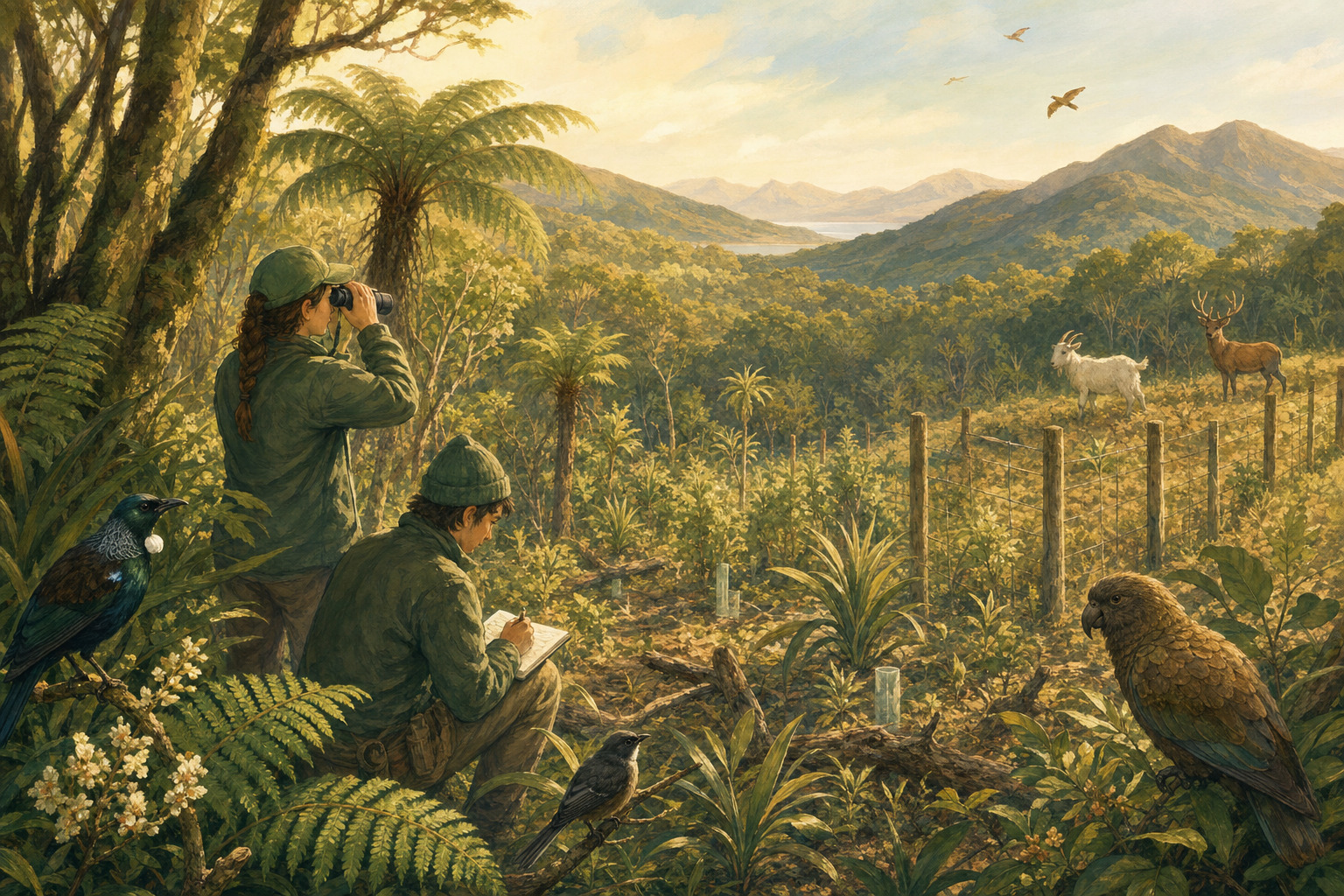
A $9.7 million conservation investment will reduce browsing pressure on native plants across several important national parks and ecosystems.

Researchers developed a spectroscopy method that can examine quantum systems that change over time or interact with their surroundings.
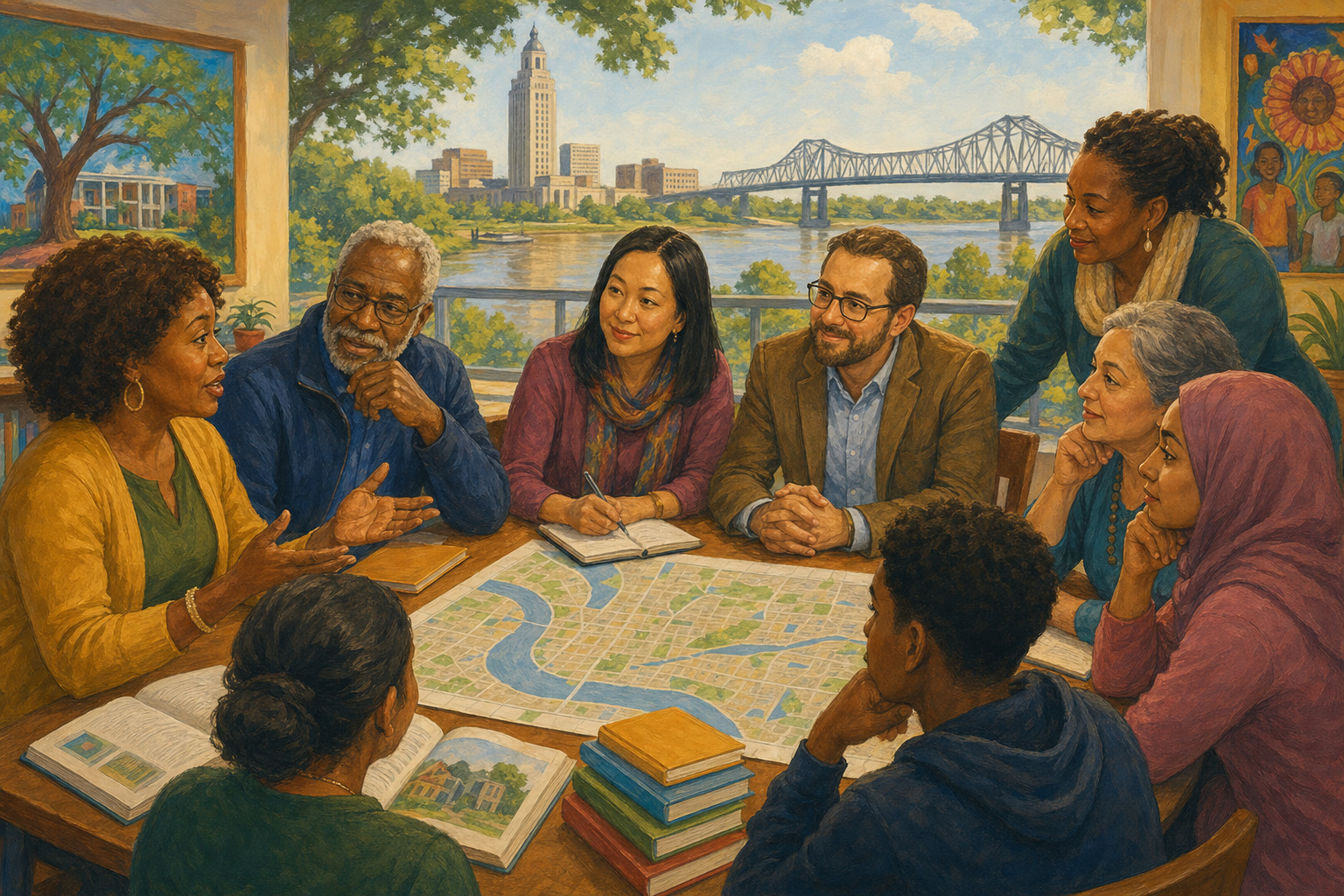
The new Changemakers cohort will spend 10 months learning from educators, visiting schools, and volunteering to expand opportunities for students.

The first bidding round is designed to bring two gigawatts of new renewable power to the grid and create work in Gippsland.

Ivy Nibarger turned a simple summer stand in Bath, Maine, into a week and a half of kid-friendly food for local families.

A new $290 million investment will support quantum computing, sensing, materials research, and training for the next generation of scientists.
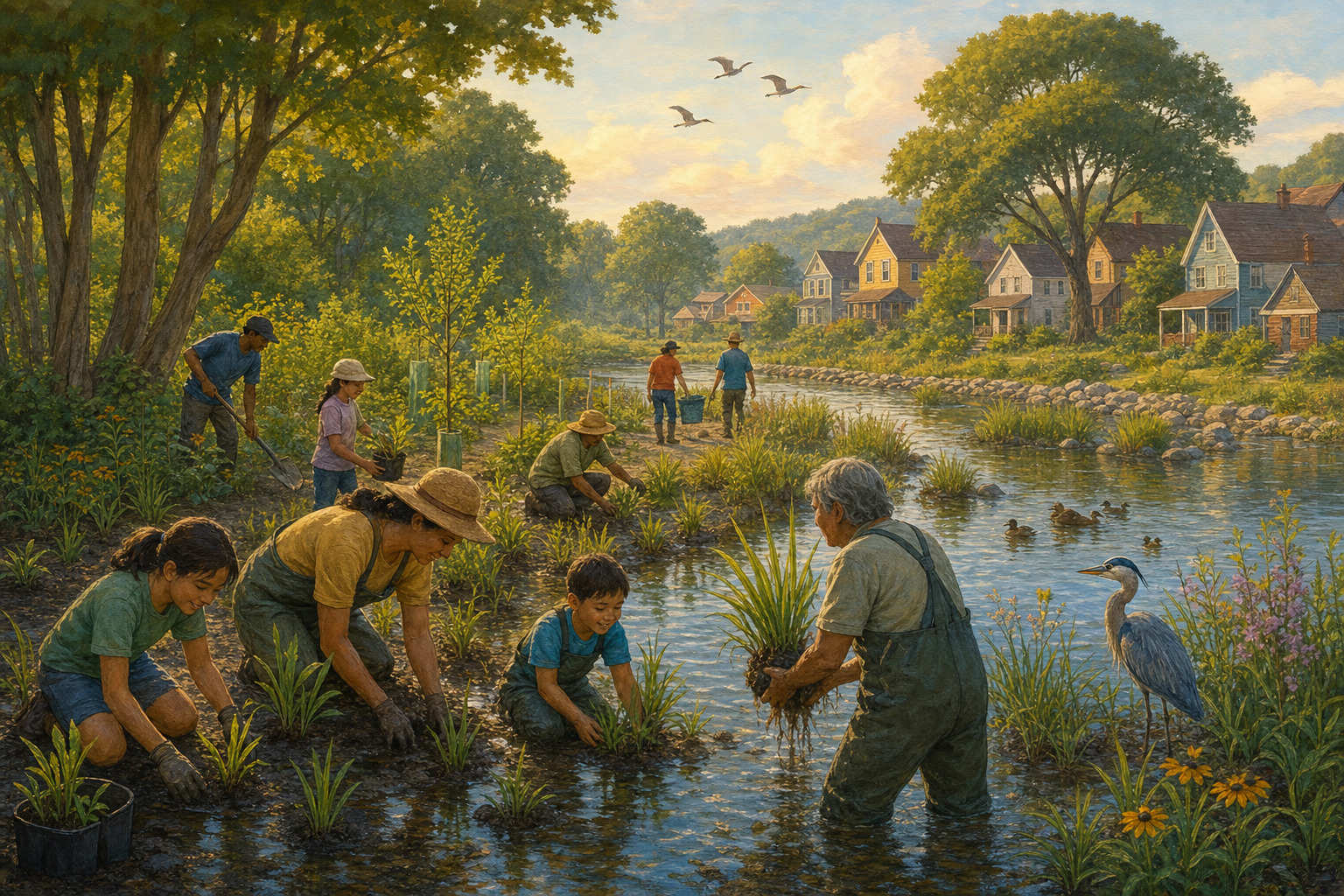
The IUCN and UNEP are opening grants for projects that restore ecosystems while helping people prepare for a changing climate.
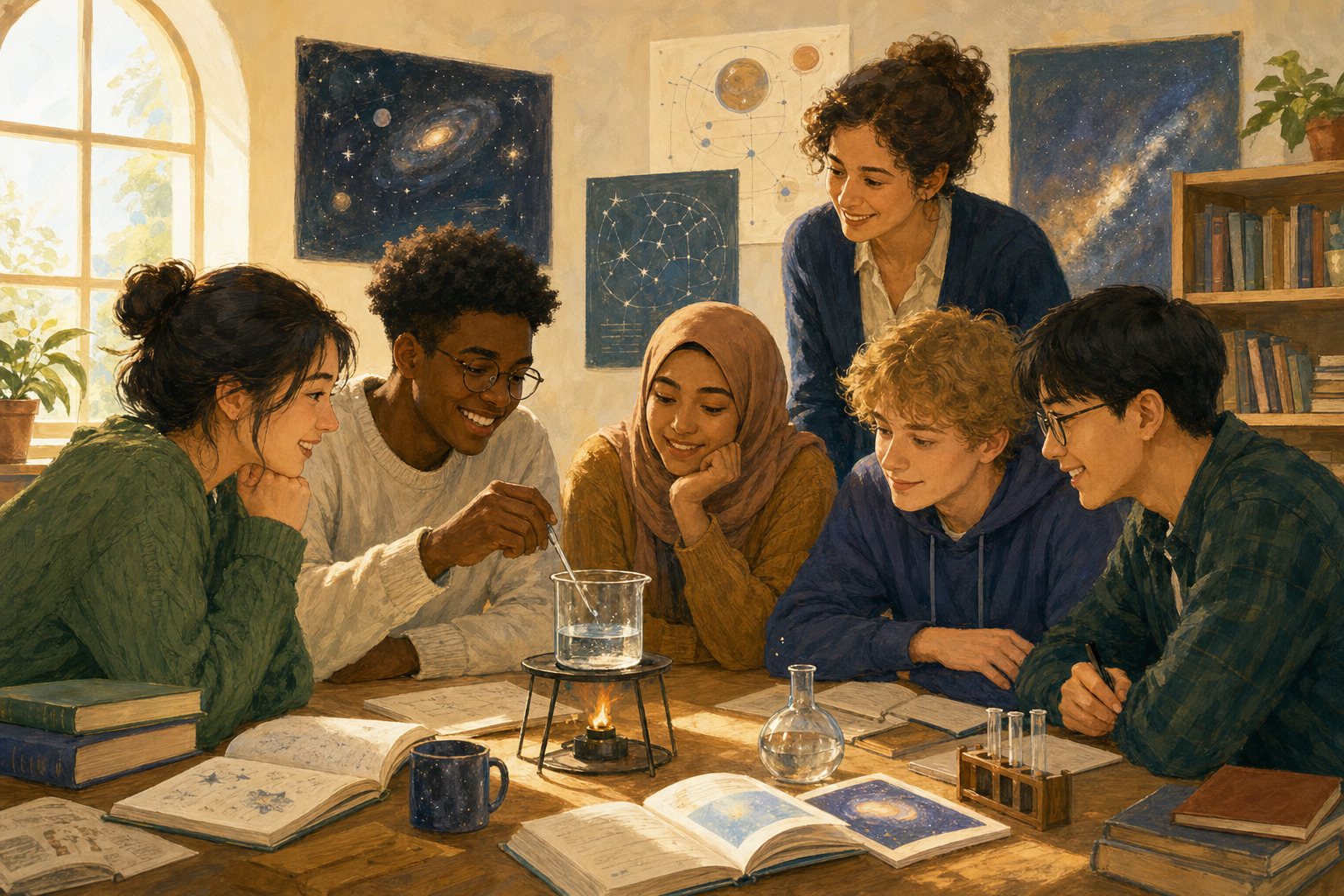
A package of education measures includes scholarships, fee waivers, and a new institute designed to bring more students into basic science.

Researchers found an encouraging association in older adults, while stressing that the study cannot prove the vaccine caused the difference.

The Olivera family in Pāhala helped keep older residents fed while power outages made everyday errands difficult.

A study suggests that two very different kinds of particles can balance one another and form a stable, self-bound state of matter.
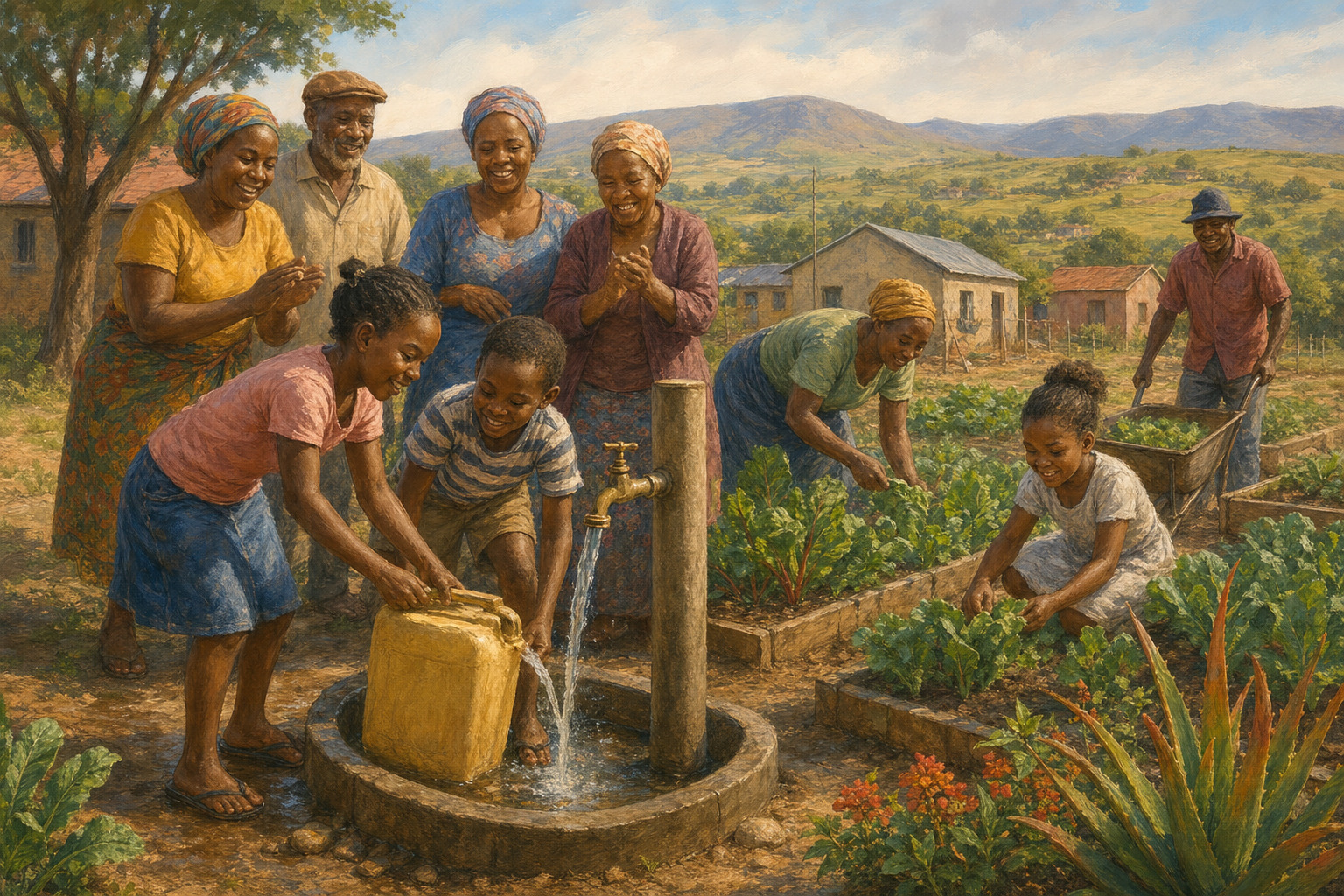
A community and government partnership in South Africa is turning a basic need into healthier homes, schools, and gardens.
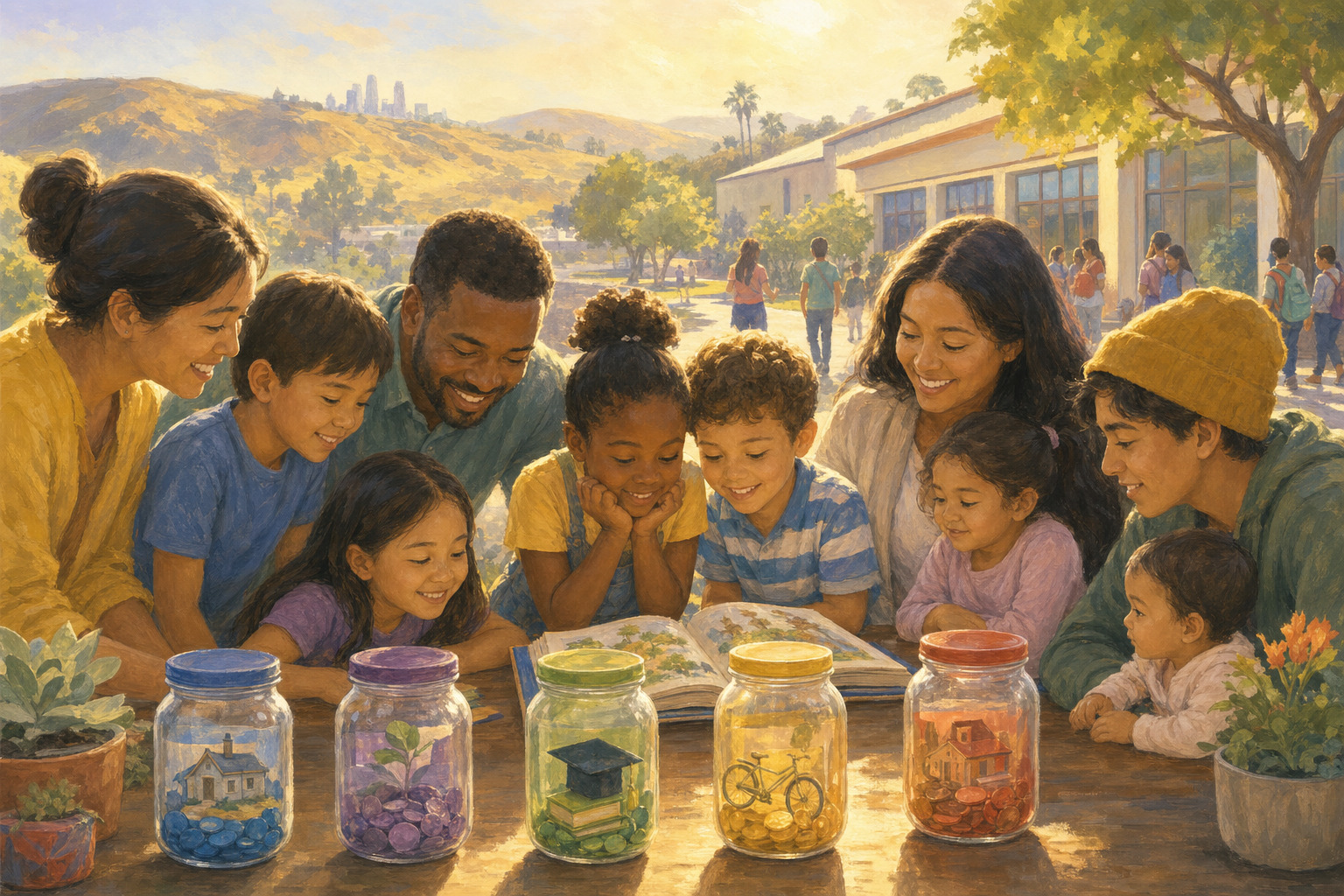
California’s CalKIDS program has reached a milestone in helping families set aside public funds for college and career training.
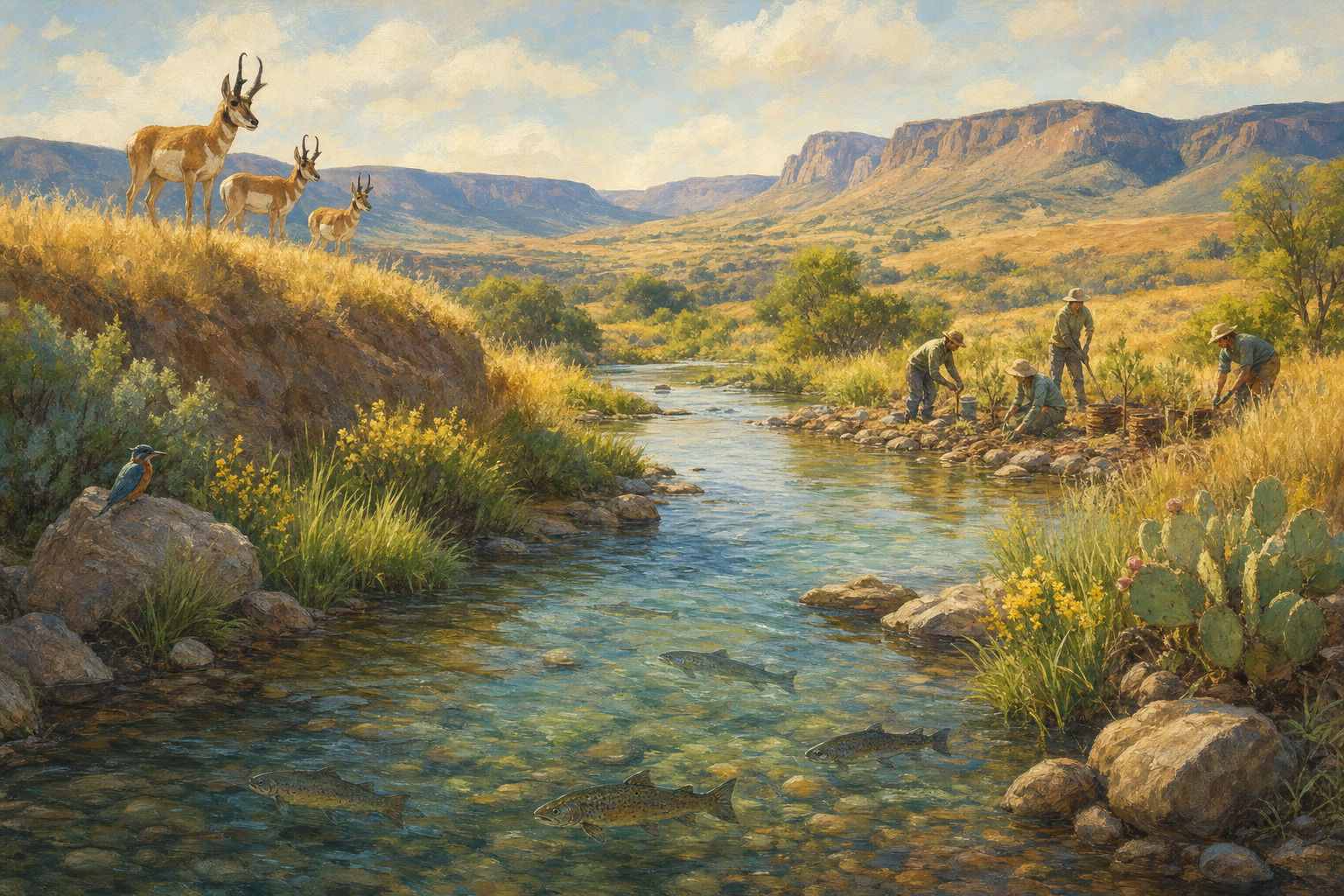
Four conservation projects in New Mexico and Texas will improve habitat for pronghorn, grassland birds, and rare desert fish.

When smoke filled a neighboring home, Zhou Yiheng grabbed an extinguisher, ran toward the danger, and gave the family a place to stay.
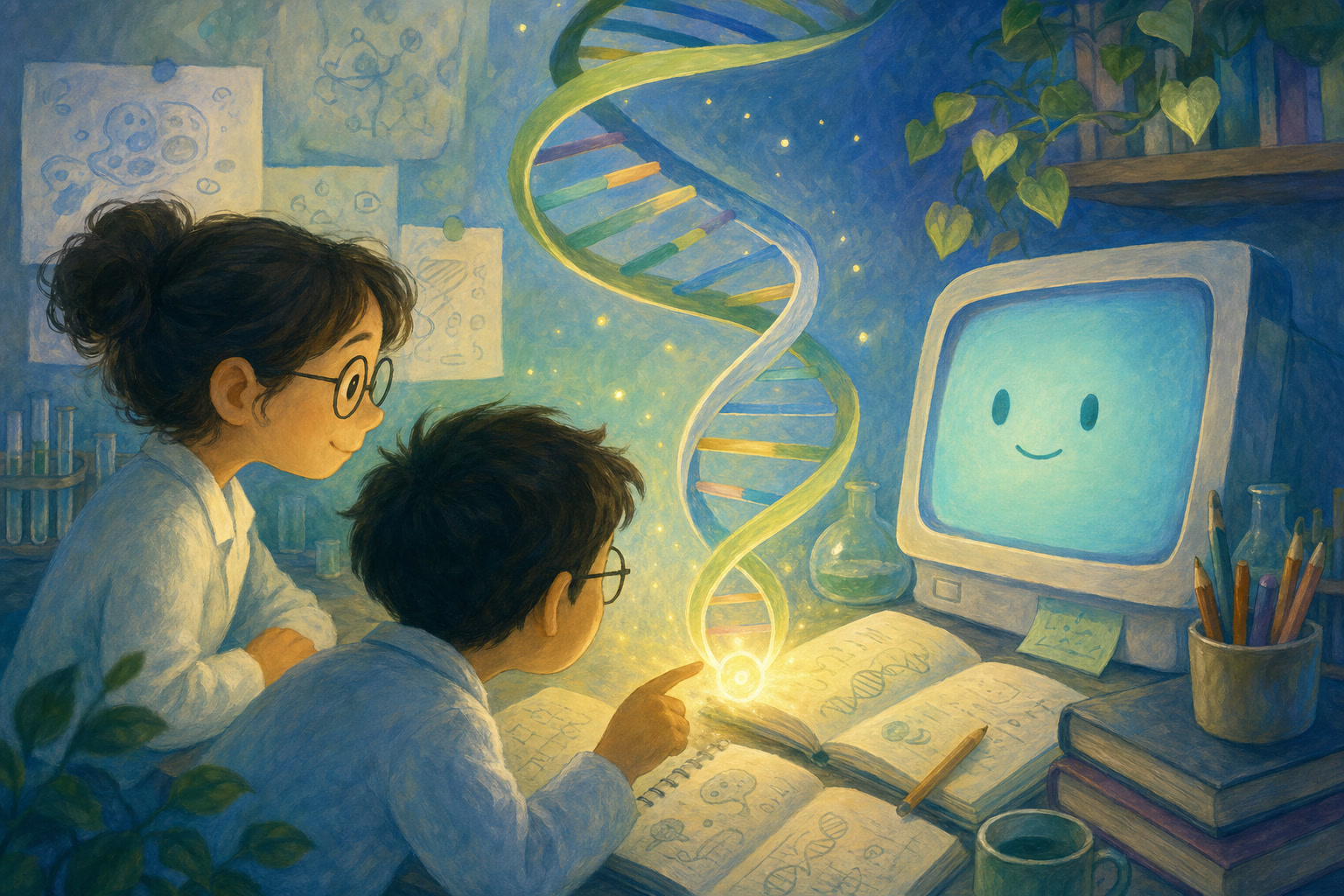
By studying about 500,000 DNA sequences, UC San Diego researchers found a pattern that helps show where many genes begin working.
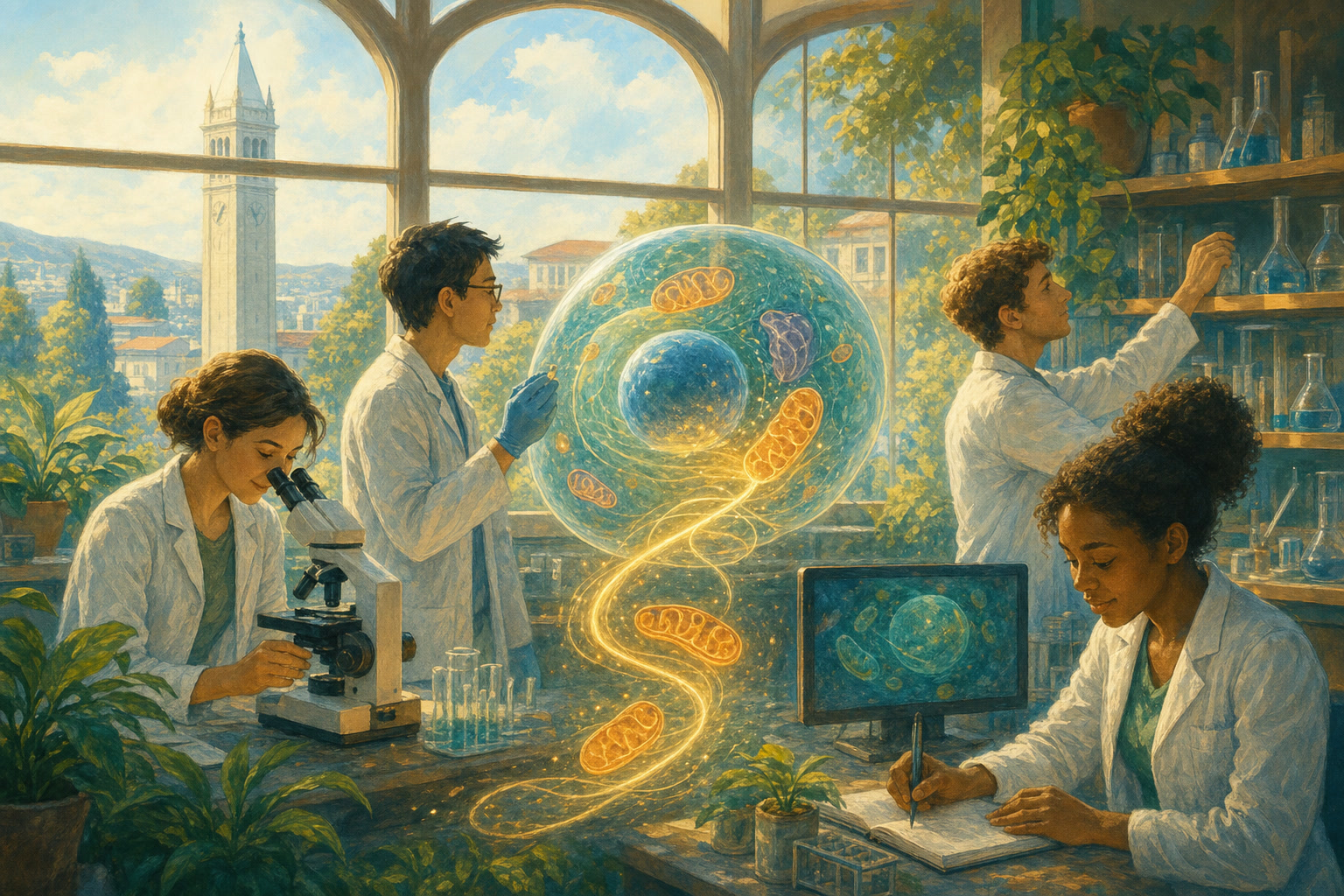
An experimental compound increased energy use and improved several signs of metabolic disease in mice, giving researchers a new path to study.
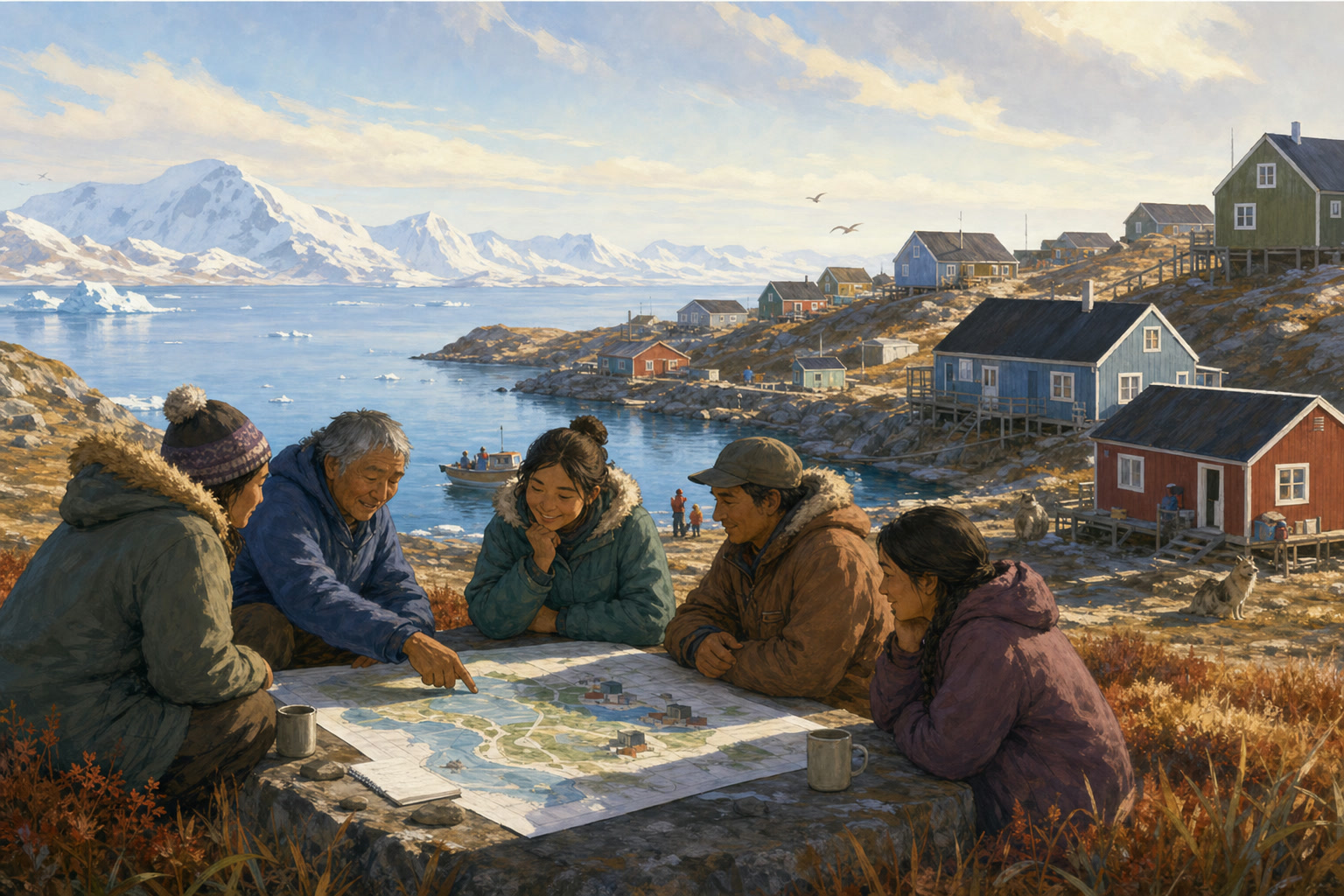
A new grant will help the Northwest Territories community prepare for coastal erosion, thawing ground, floods, and risks to food and housing.
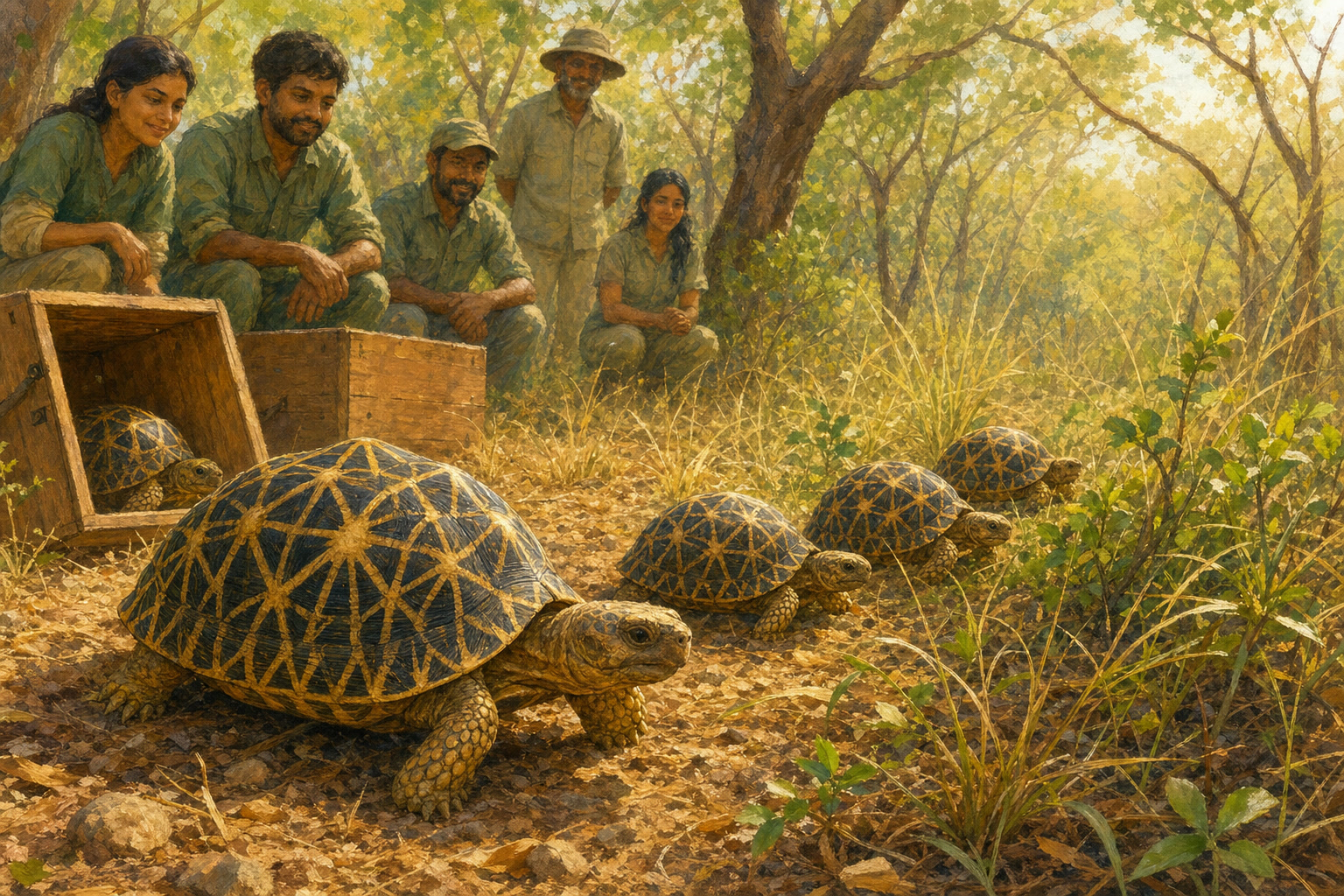
After being saved from illegal wildlife trafficking, Indian star tortoises were carefully transported from Mumbai to a protected reserve in Maharashtra.

When a man fell ill near Kerala’s Raj Bhavan, the governor paused his journey and made sure he reached a hospital safely.
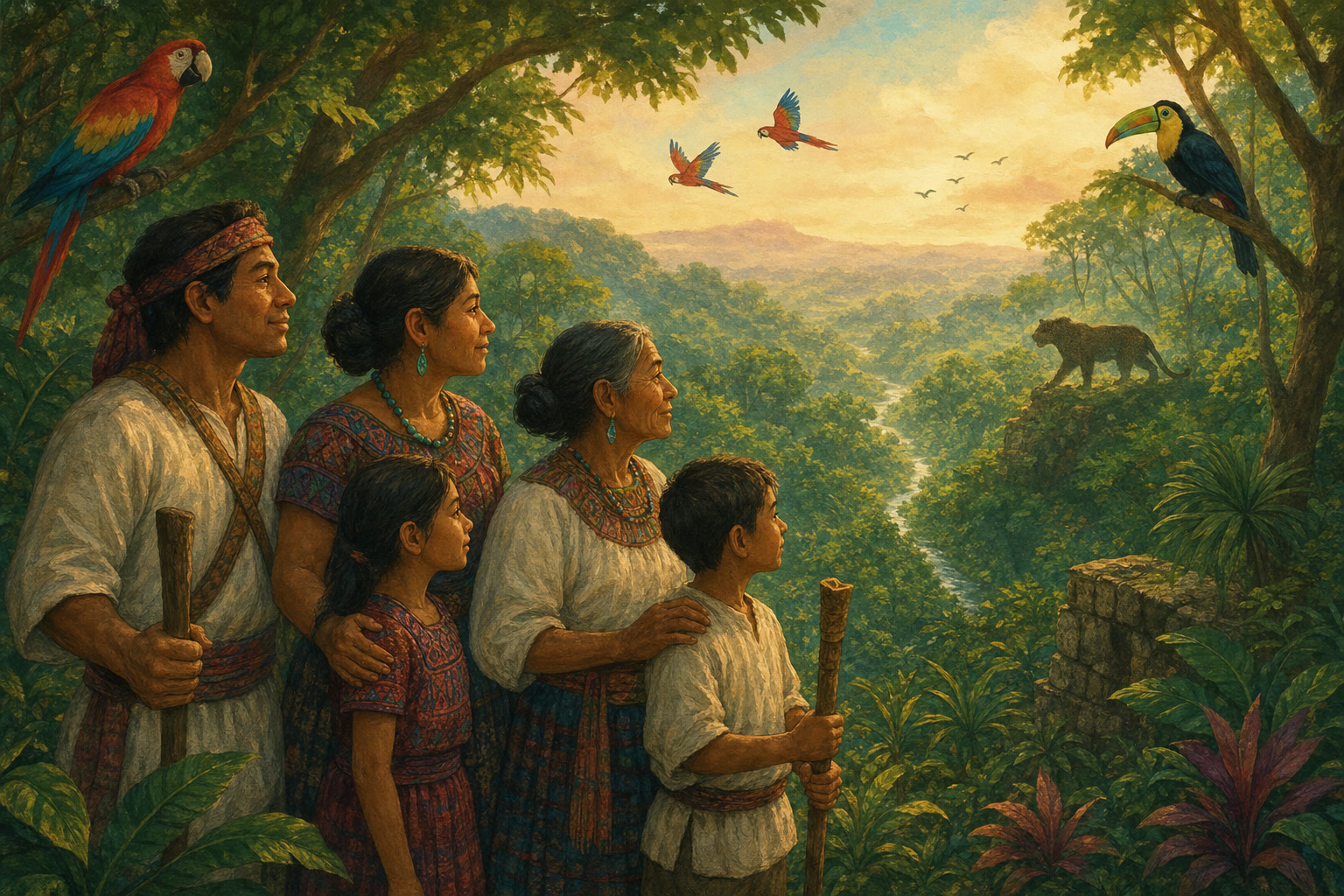
Five local communities in southern Yucatán are joining forces to care for a forest corridor where birds, jaguars, and other wildlife can move safely.
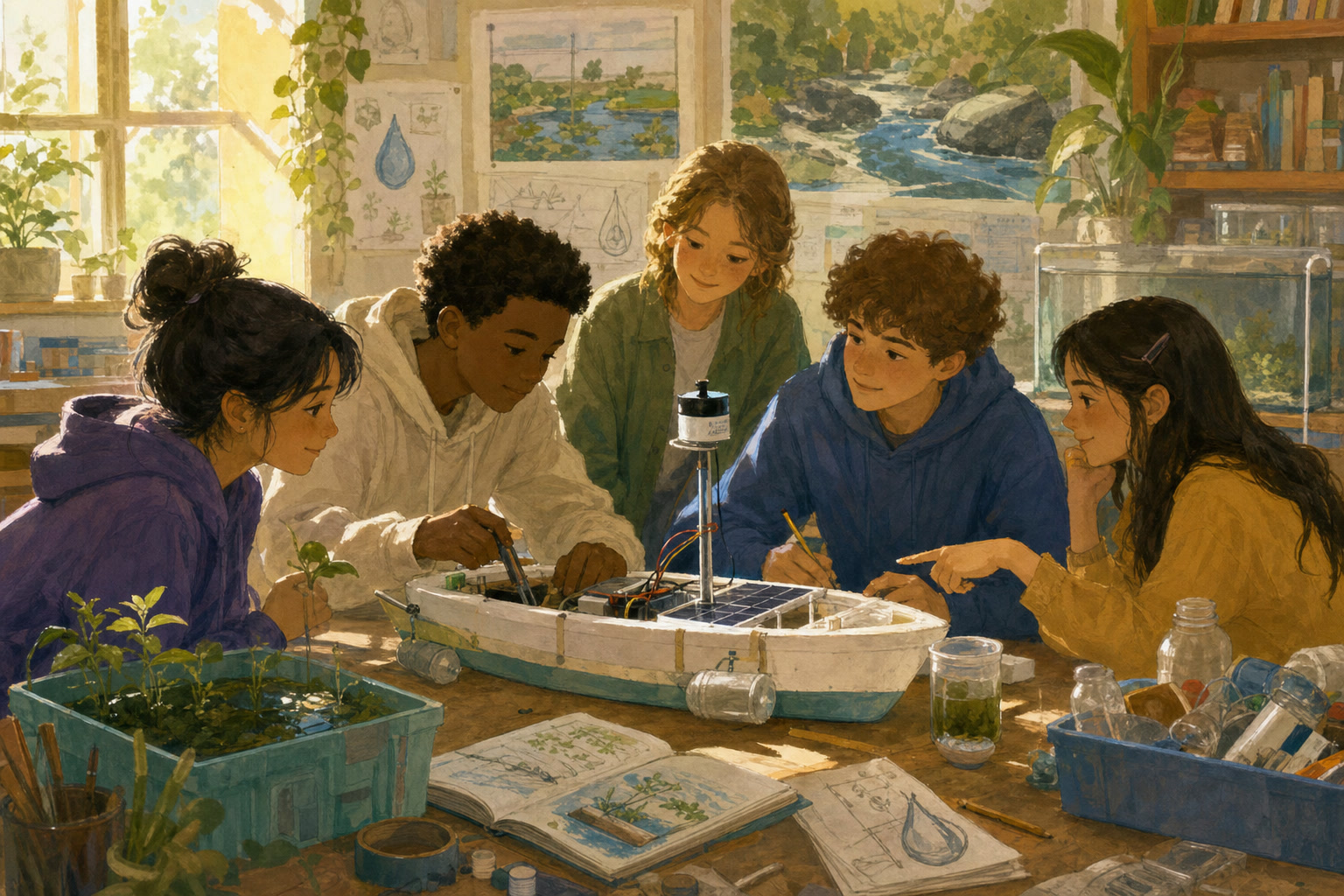
New grants will help teachers turn lessons into practical investigations, from mapping water quality to building adaptive tools and studying plants.
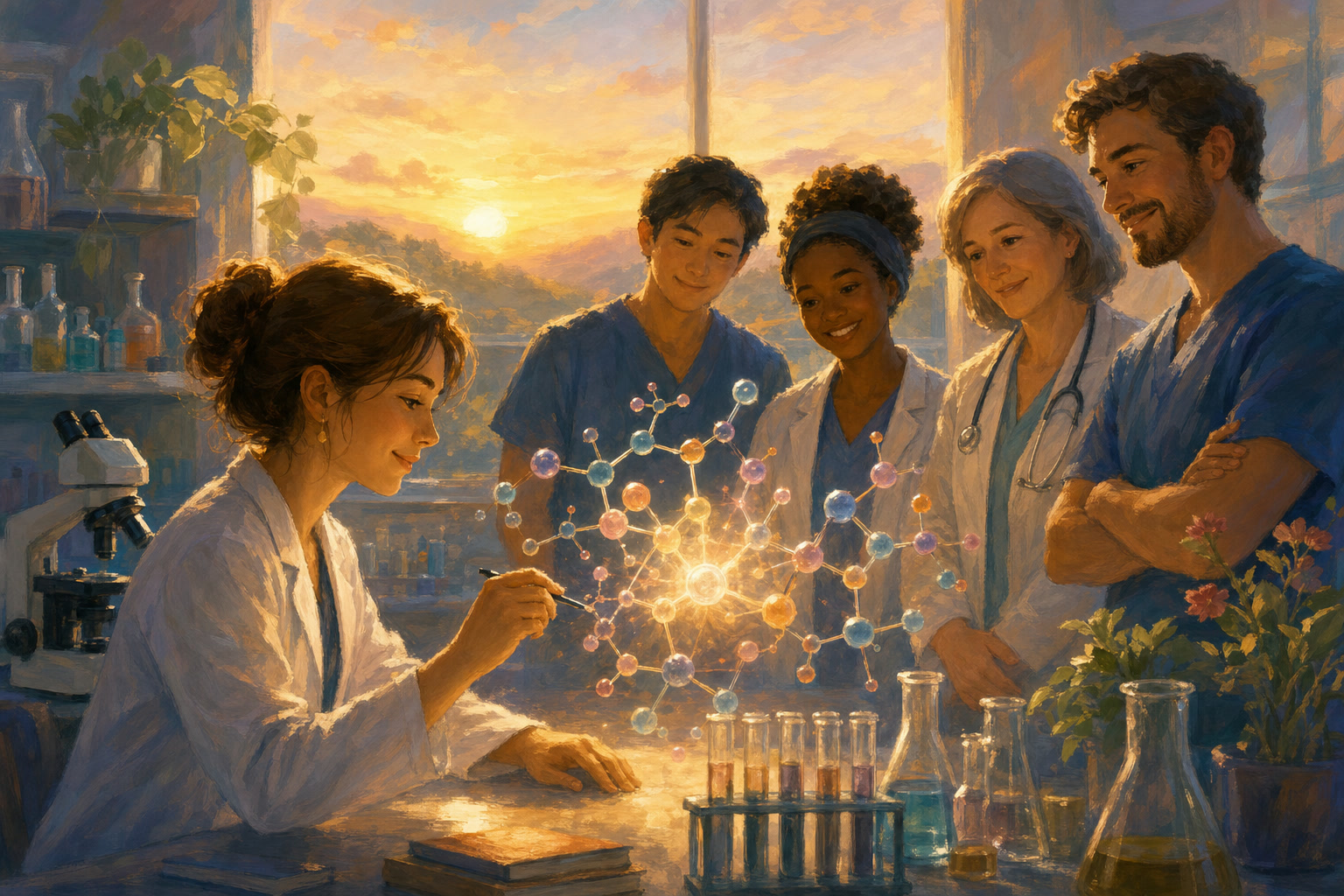
An investigational treatment made for each patient's tumor met key goals in a large Phase 3 melanoma trial, giving researchers a reason to keep studying the approach.
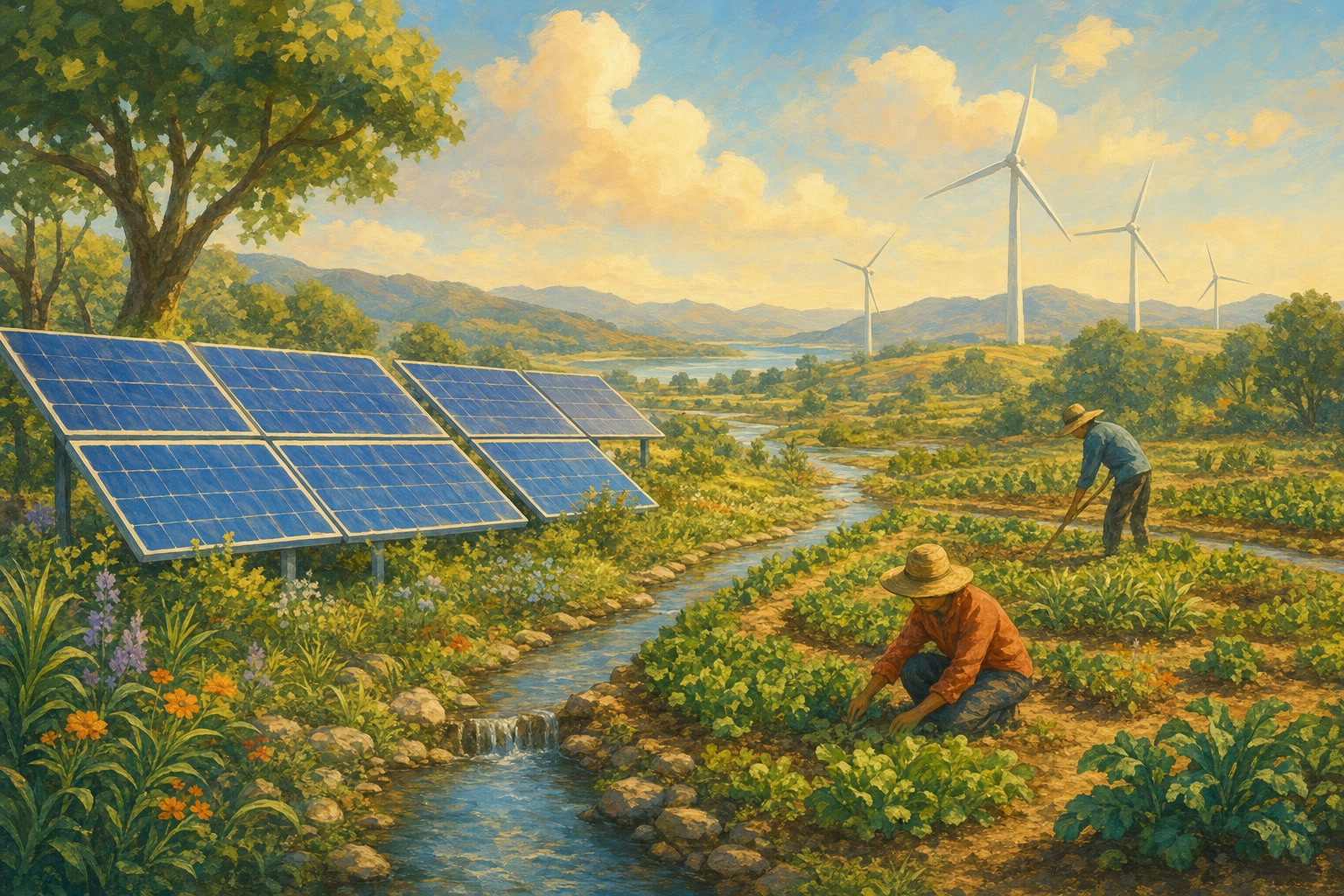
Experts at a United Nations conference shared examples of clean-energy projects that also protect soil, water, wildlife, and the people who depend on them.
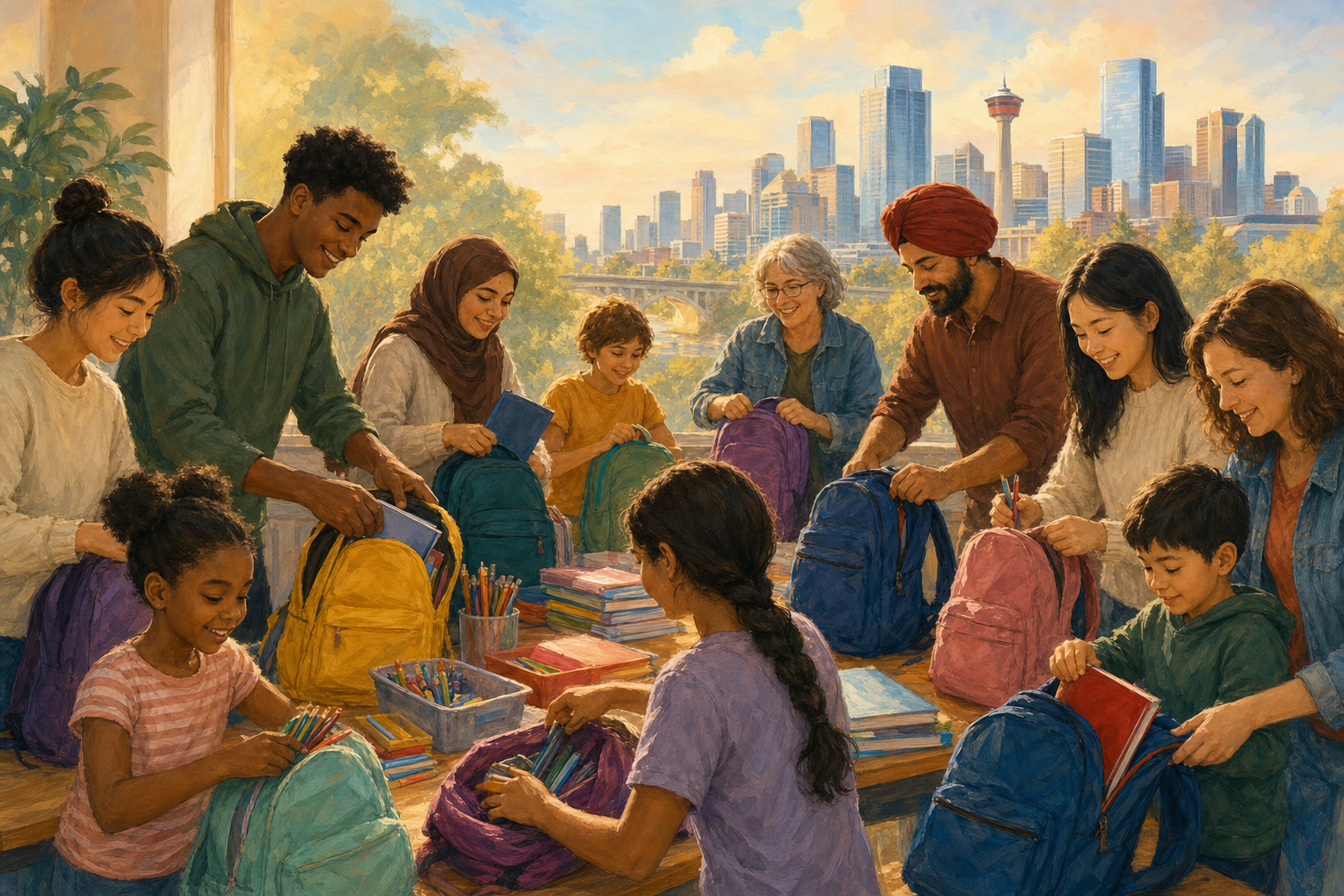
Volunteers and donors spent a busy day making sure children facing financial barriers could start school with supplies of their own.
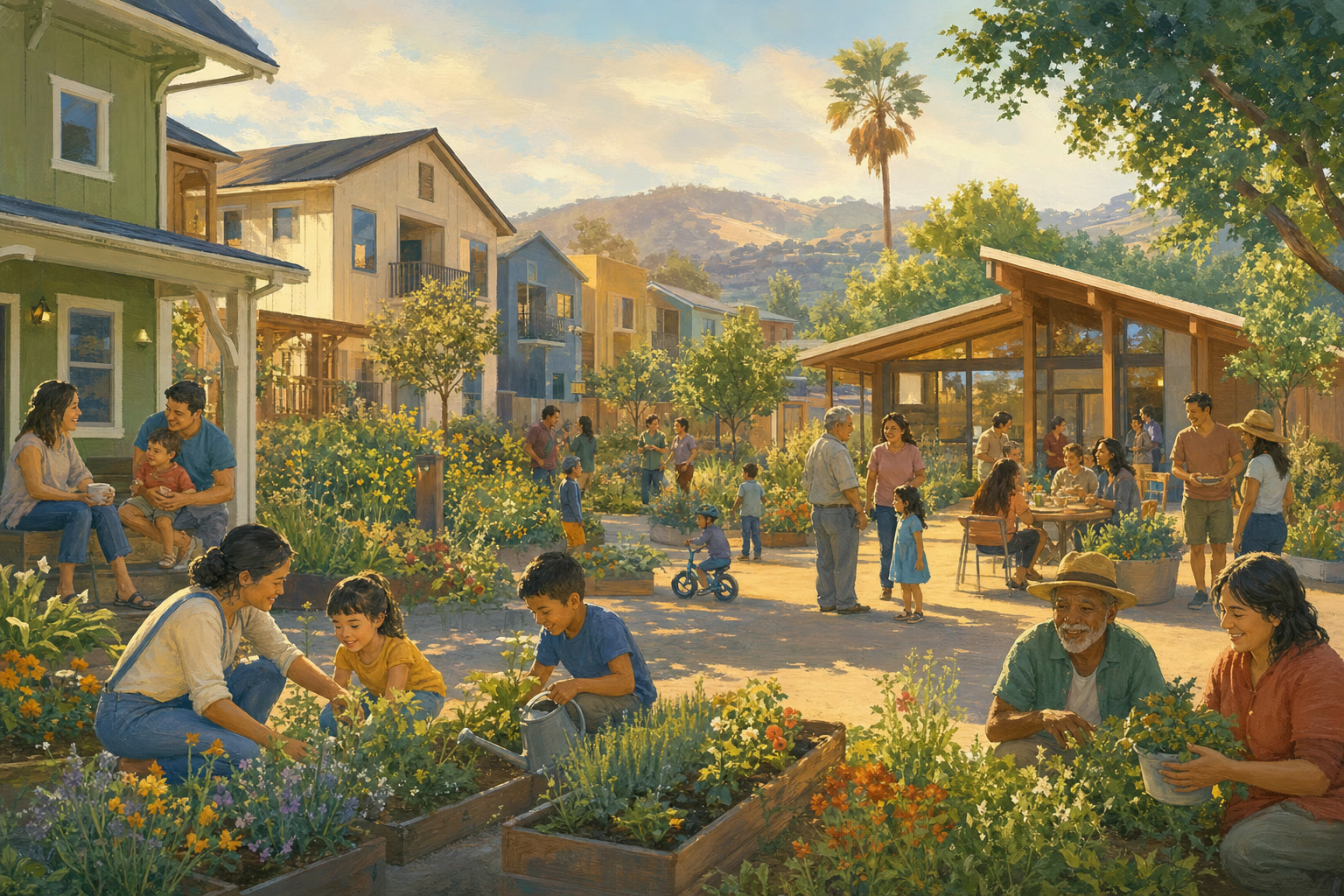
A new state investment will help local governments expand affordable housing, rapid rehousing services, and emergency shelters.
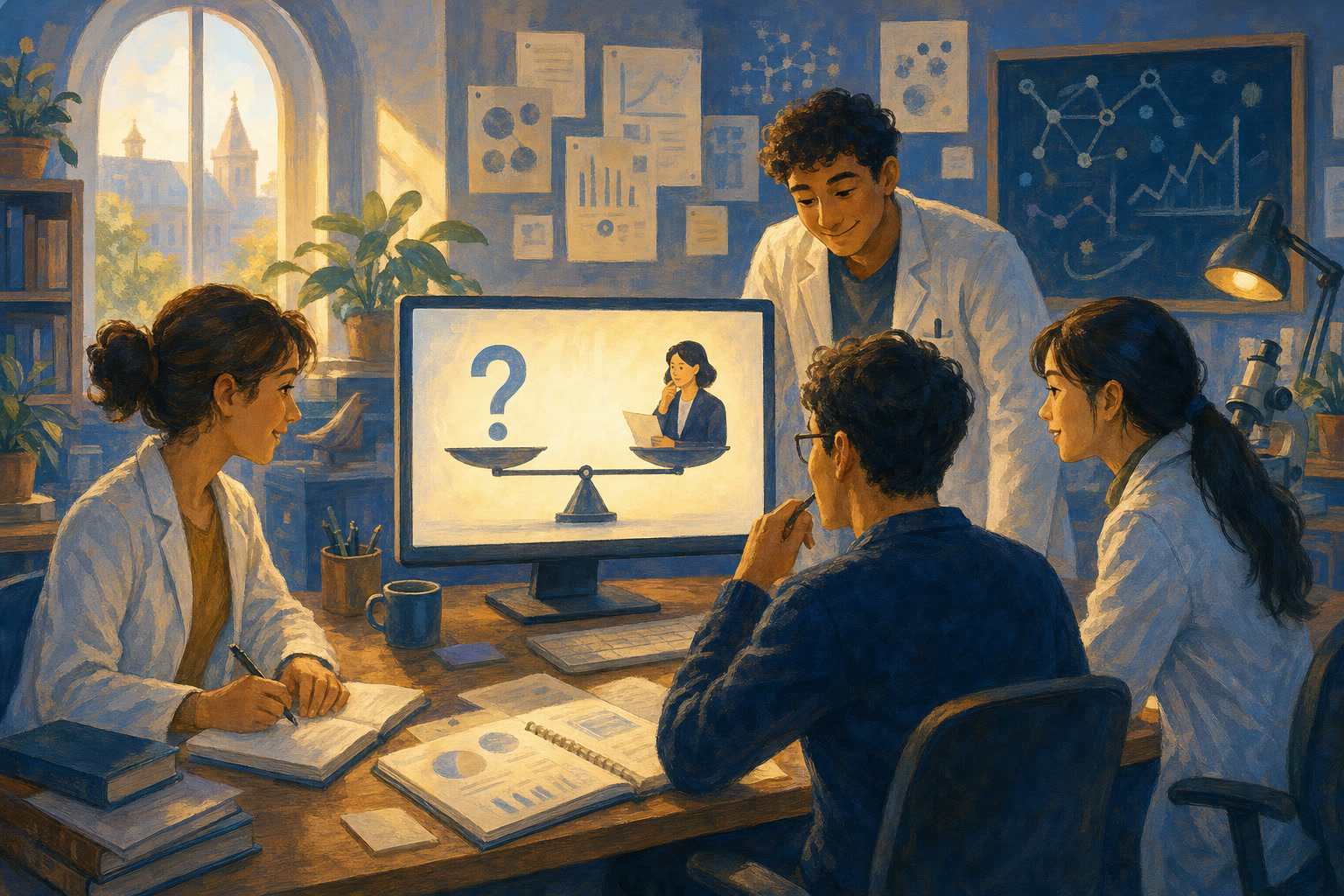
A new method could help AI systems signal when they are unsure, so people know when a human should take a closer look.
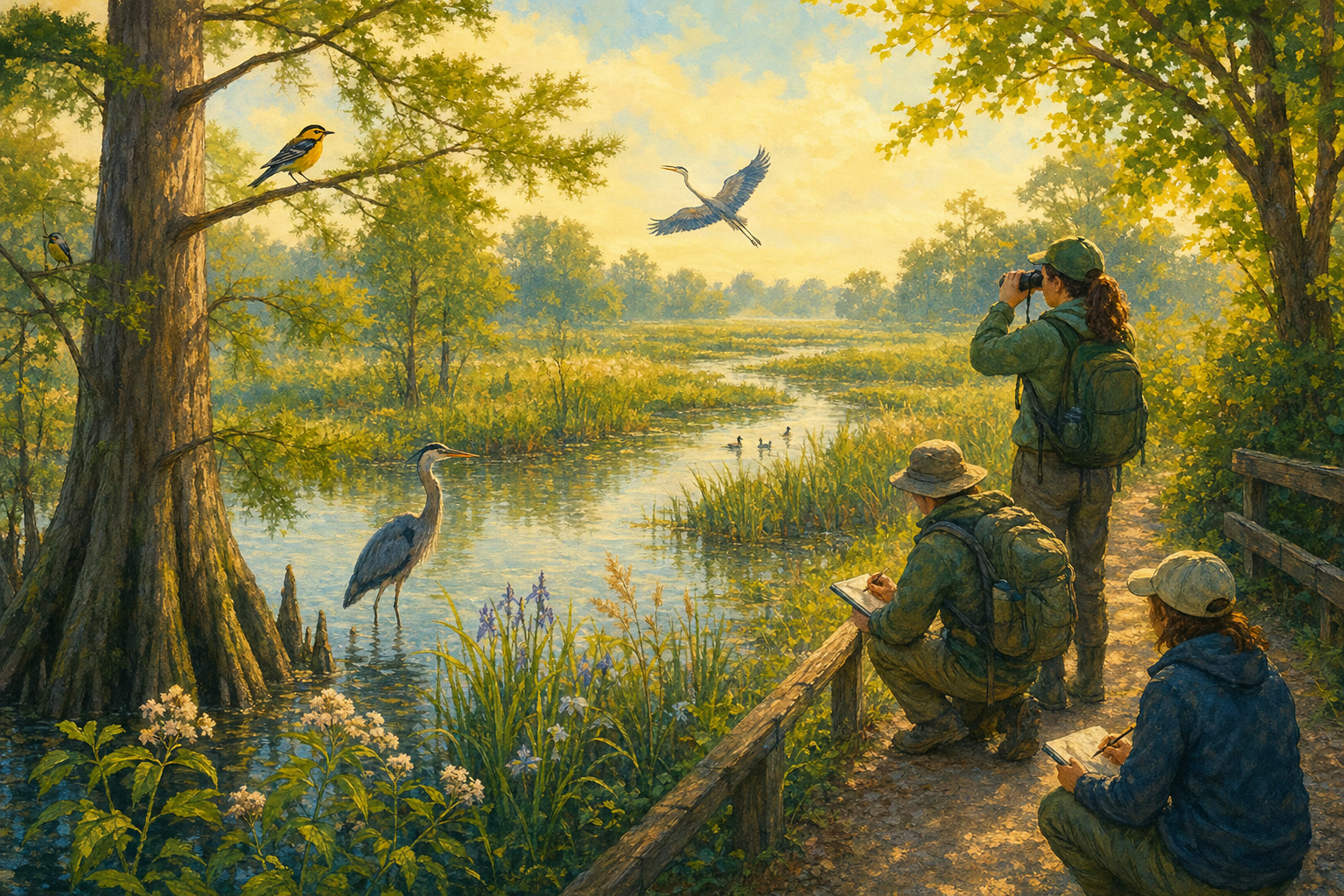
A community-informed project will remove an old dam, reconnect 21 miles of streams, and give wildlife a healthier place beside the James River.

Students in Syria and Jordan learned how to search for scholarships, prepare applications, and turn big ambitions into practical next steps.
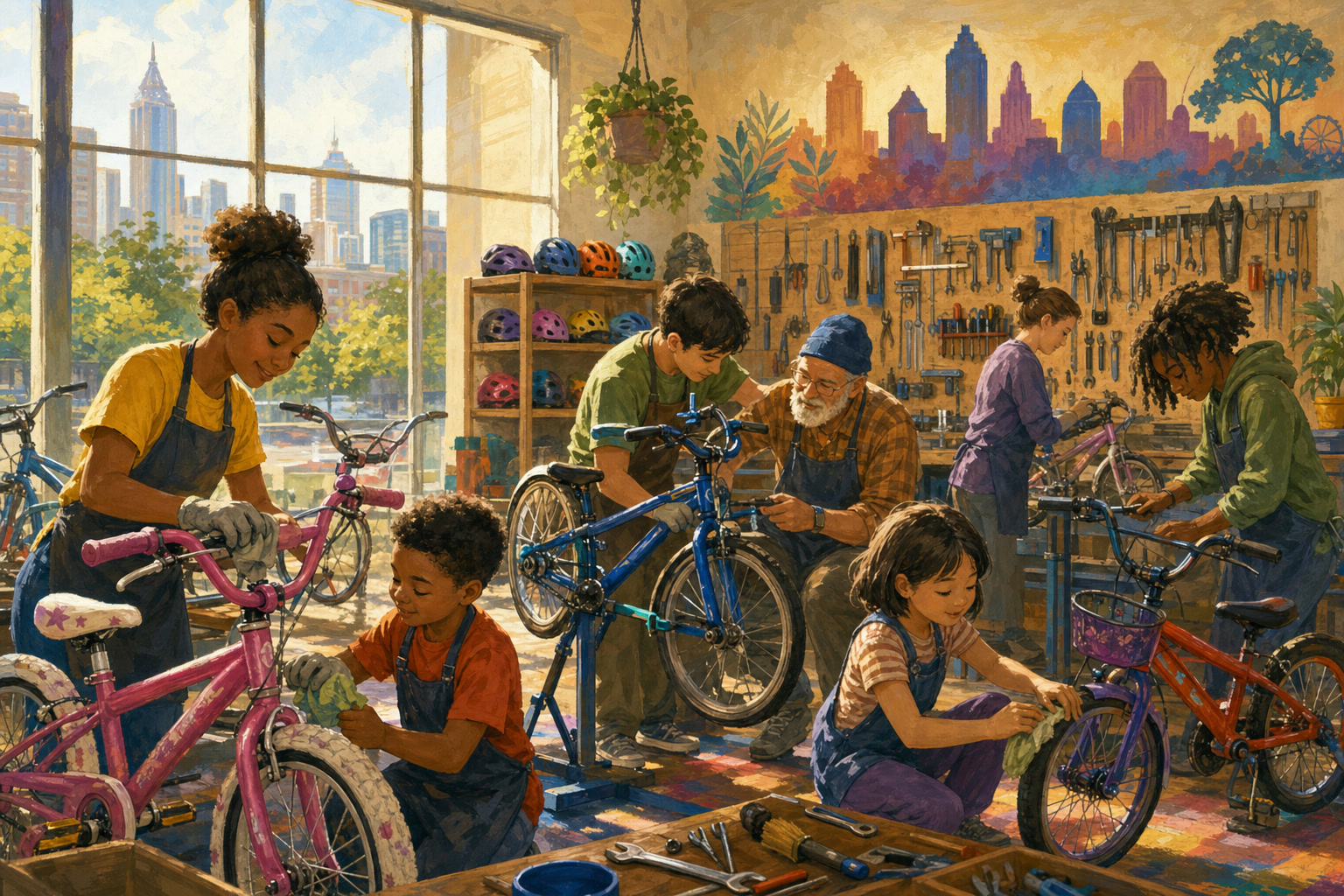
Free Bikes 4 Kidz Atlanta repairs used bicycles, adds helmets and safety lessons, and sends them to children through local community programs.
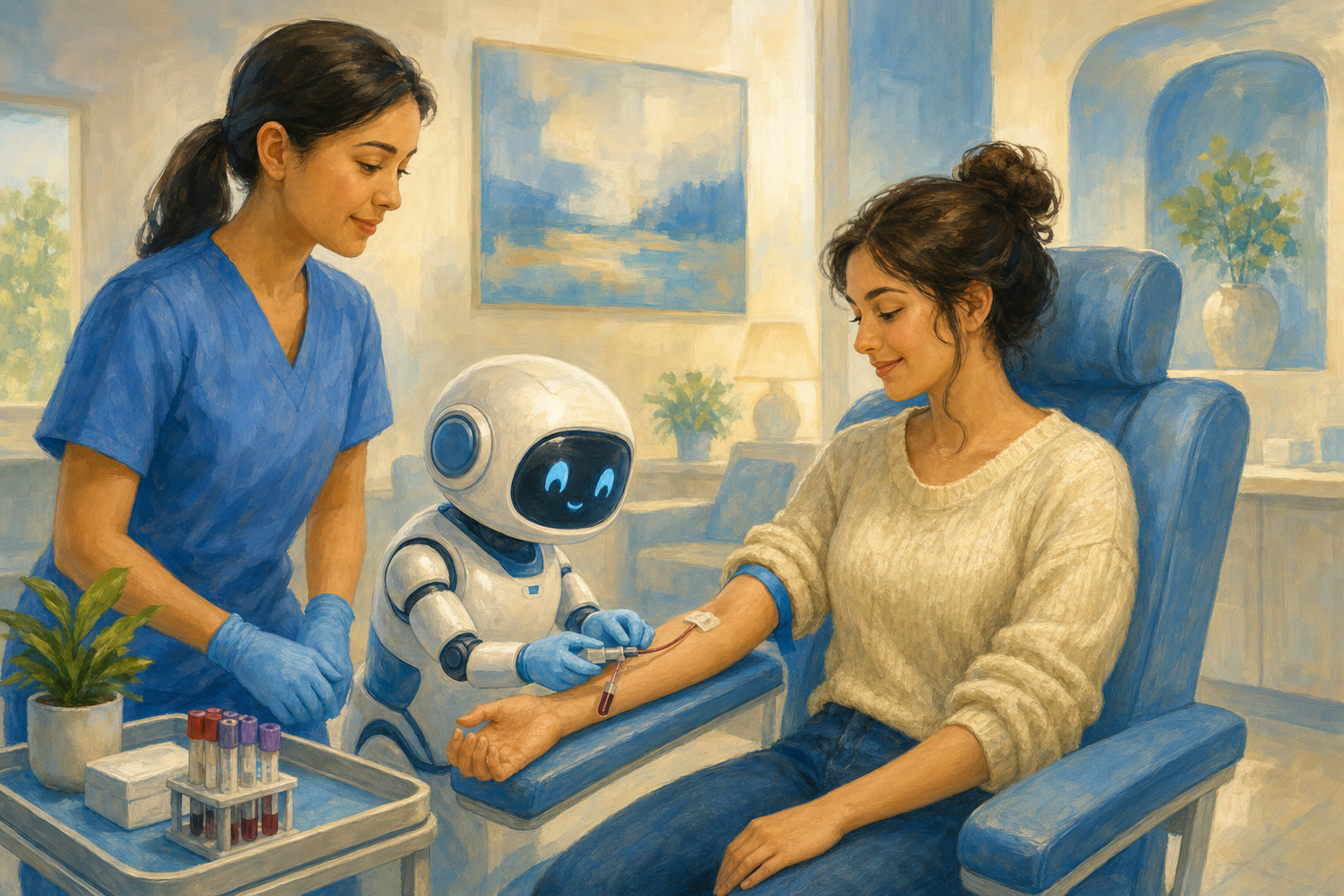
The new device can locate a suitable vein and draw blood under the supervision of a trained phlebotomist.

A federal and provincial agreement will support upgrades to Churchill Falls, a new hydro project, and transmission links across the region.
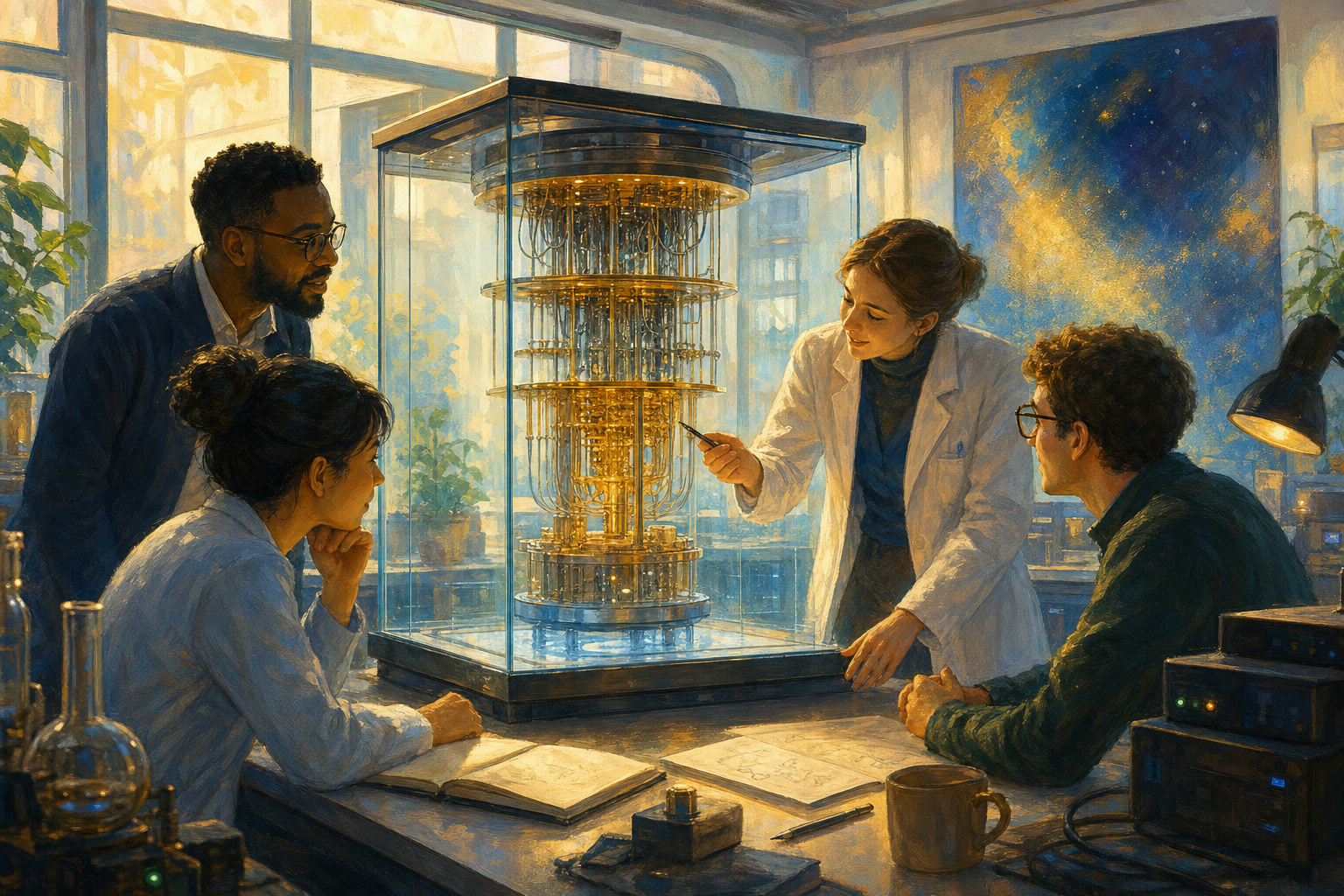
A new public facility is giving Australian researchers and businesses a place to test early ideas on real quantum hardware.

A motion-activated camera caught an otter in the river, offering a hopeful sign for decades of cleanup and habitat restoration.
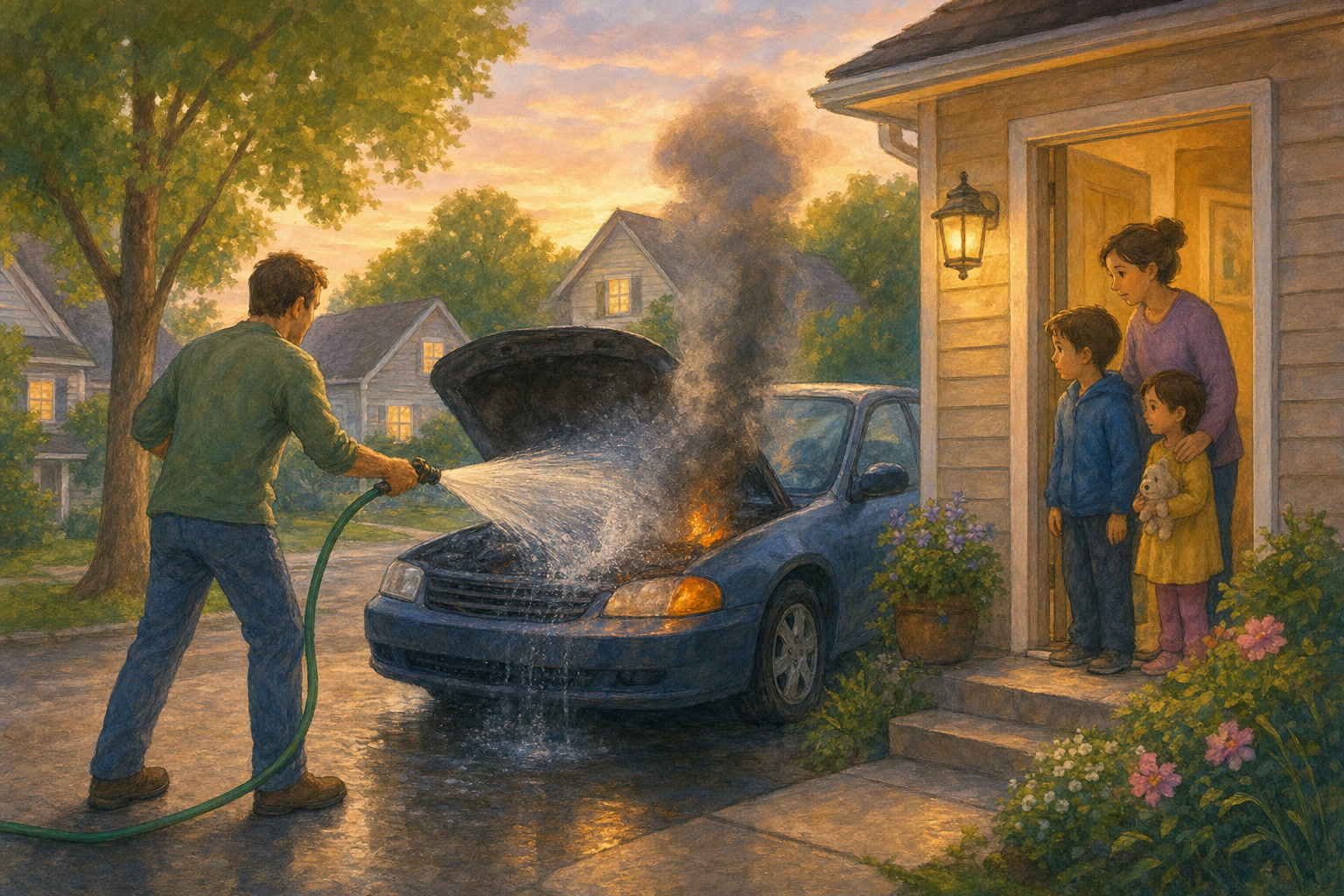
Wade Peck saw smoke, reached for a garden hose, and helped slow the flames until firefighters arrived.

Ten monitoring sites are showing how tiny particles change by place, time, and season, giving researchers a stronger baseline for future clean-air work.
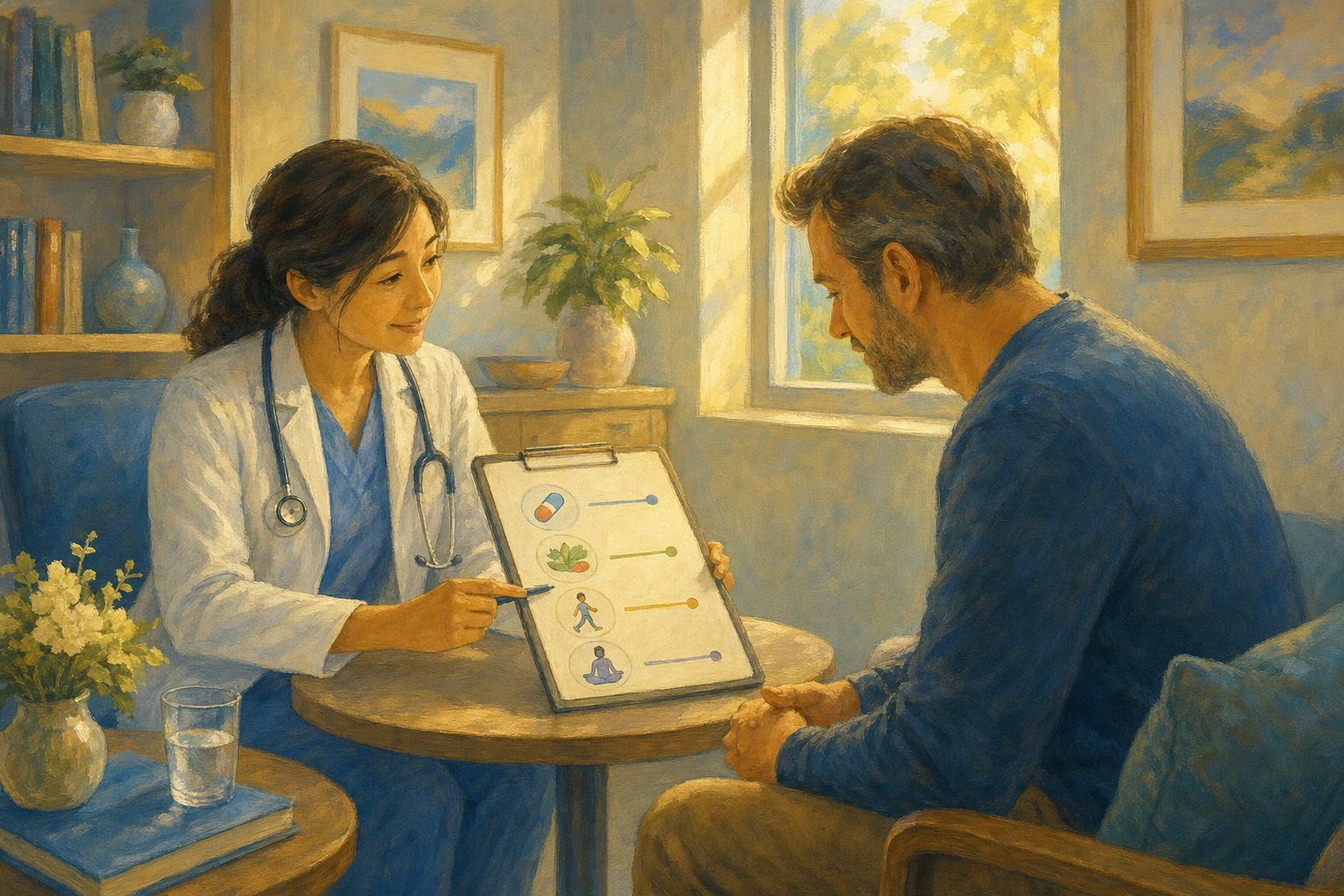
Vimseltinib is now authorized for adults whose tenosynovial giant cell tumor affects movement or cannot be treated with surgery.

The new framework puts clearer learning goals, practical skills, digital literacy, and inclusive teaching at the center of school education.
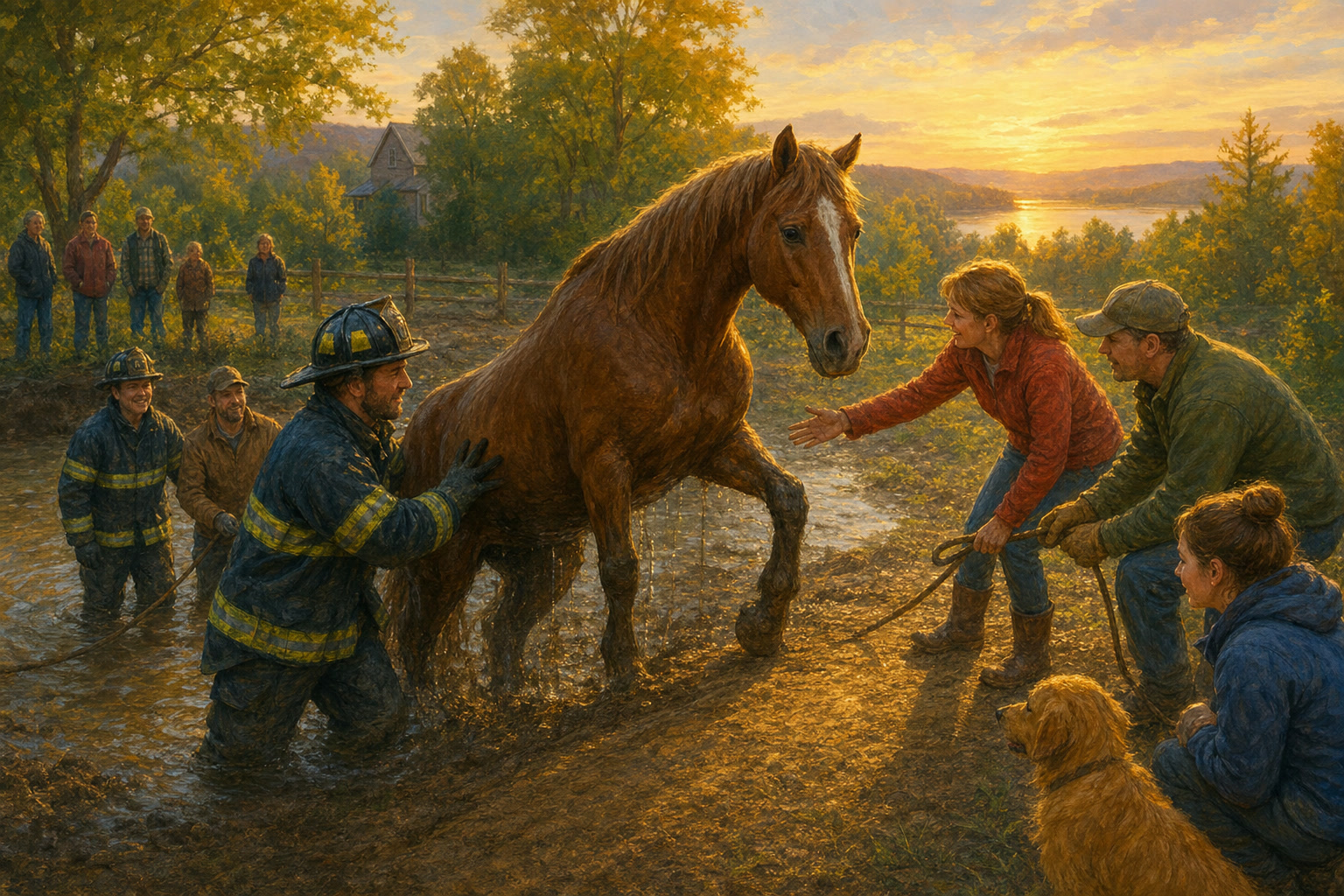
Firefighters, a sheriff's office, and neighbors built a steady way out, then let a bucket of oats provide the final encouragement.
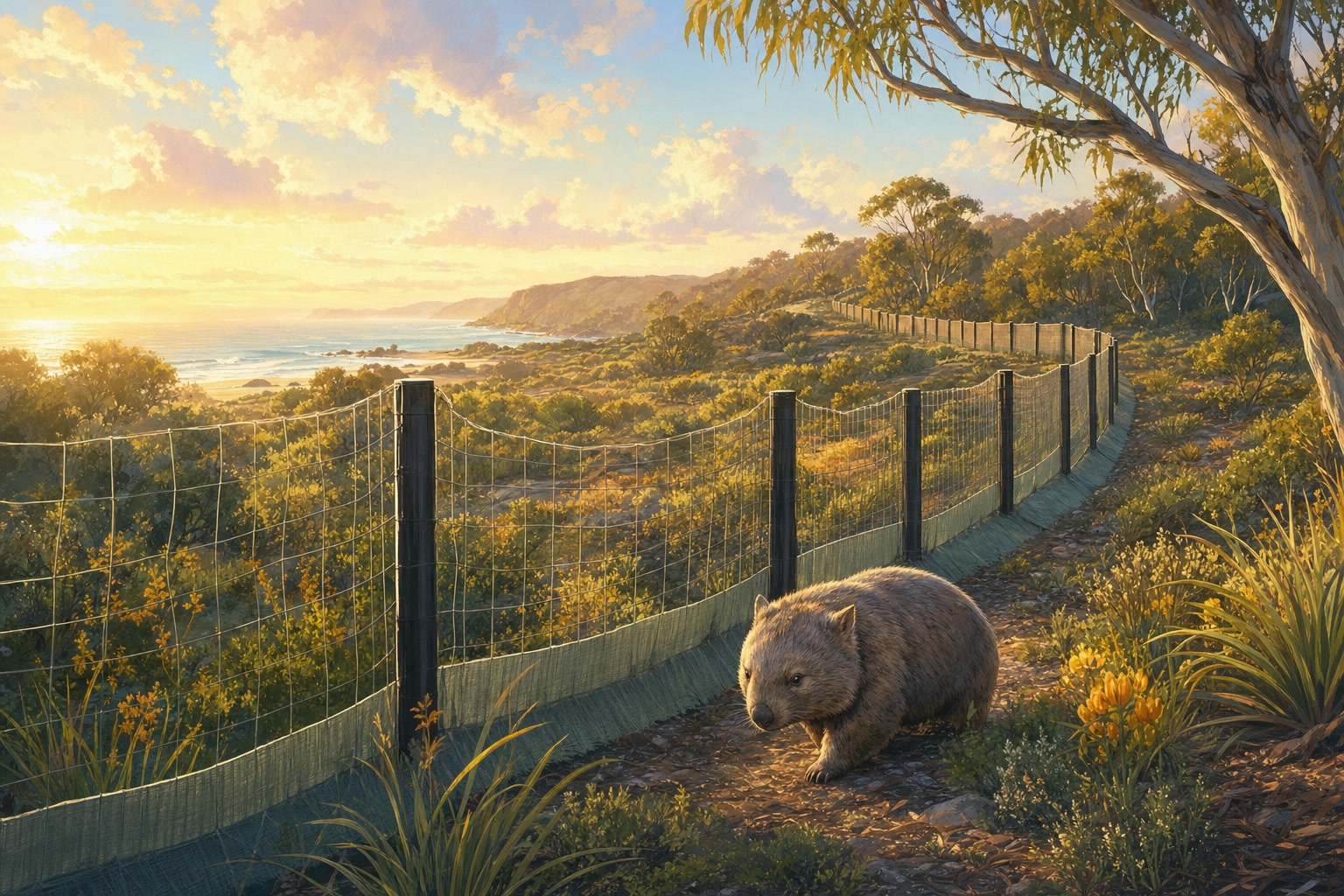
After more than 50 years of planning, a conservation fence is now taking shape at an Australian national park where more than 150 threatened plant and animal species live.
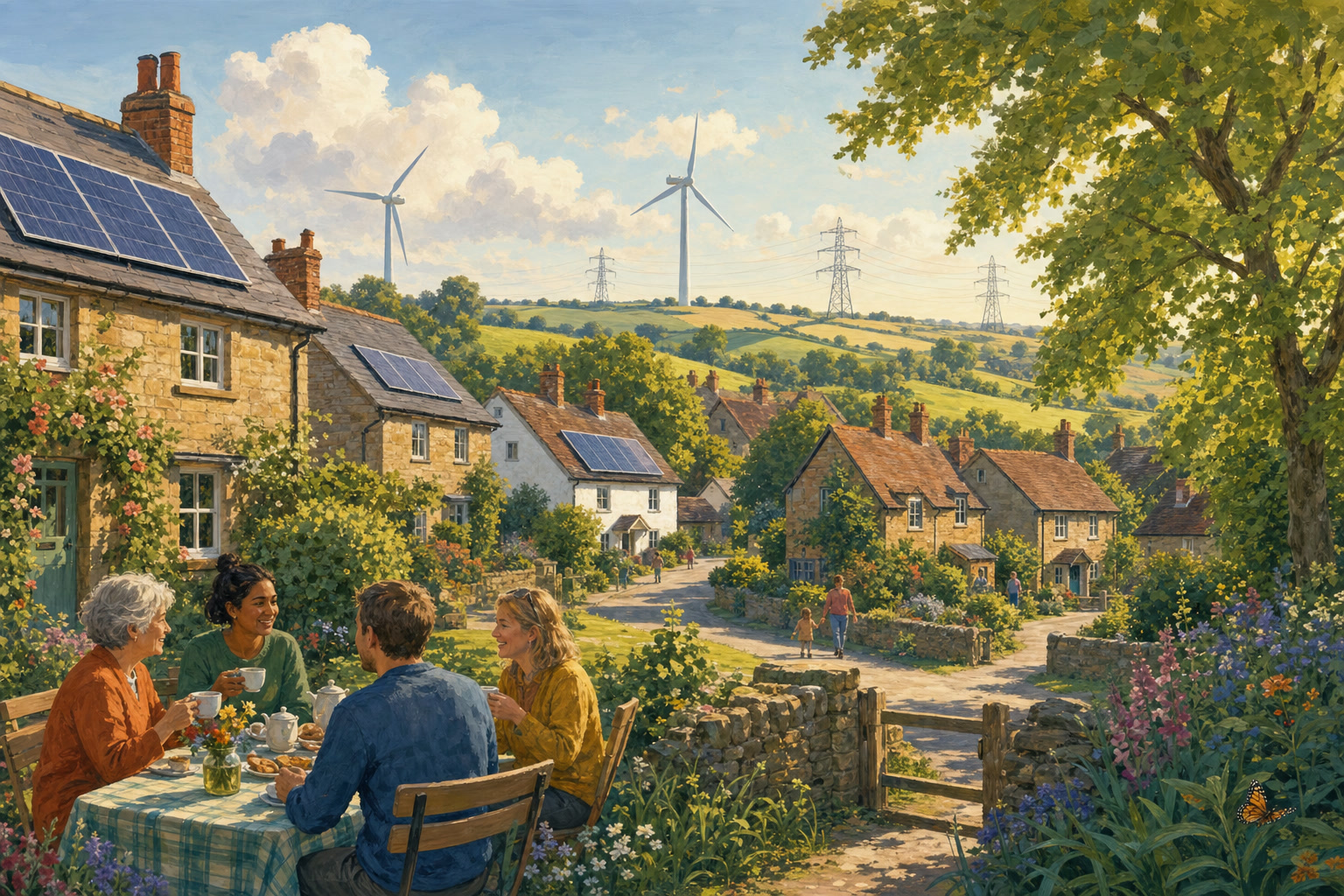
A new UK scheme is set to give eligible households near new or upgraded pylons up to £2,500 off their electricity bills over 10 years.

A three-year award to the Women’s Resource and Development Agency will train local groups in advocacy, communication, and taking part in public decisions.
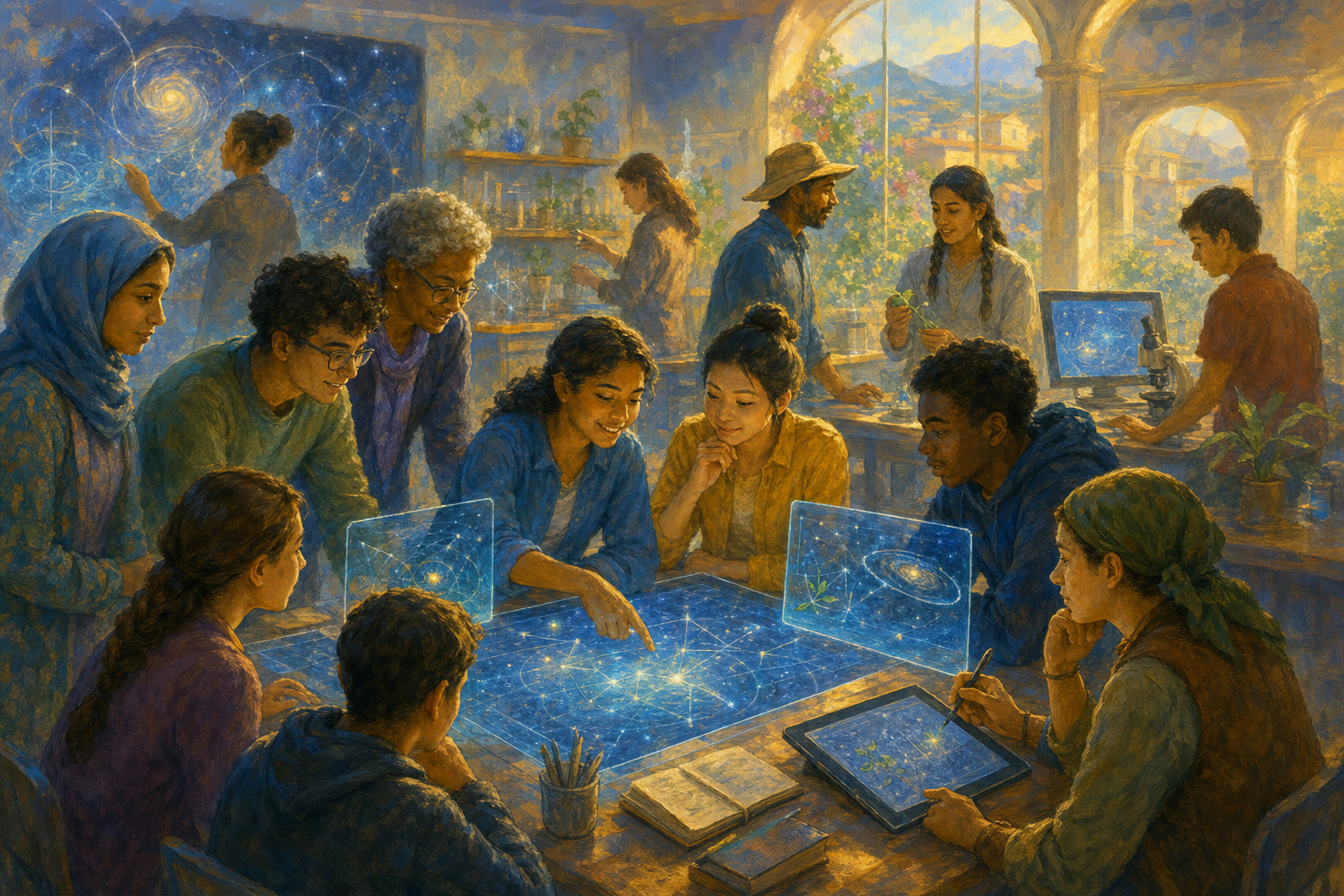
A new U.S. National Science Foundation program will expand access to computing, data, and training for researchers, students, and educators across the country.
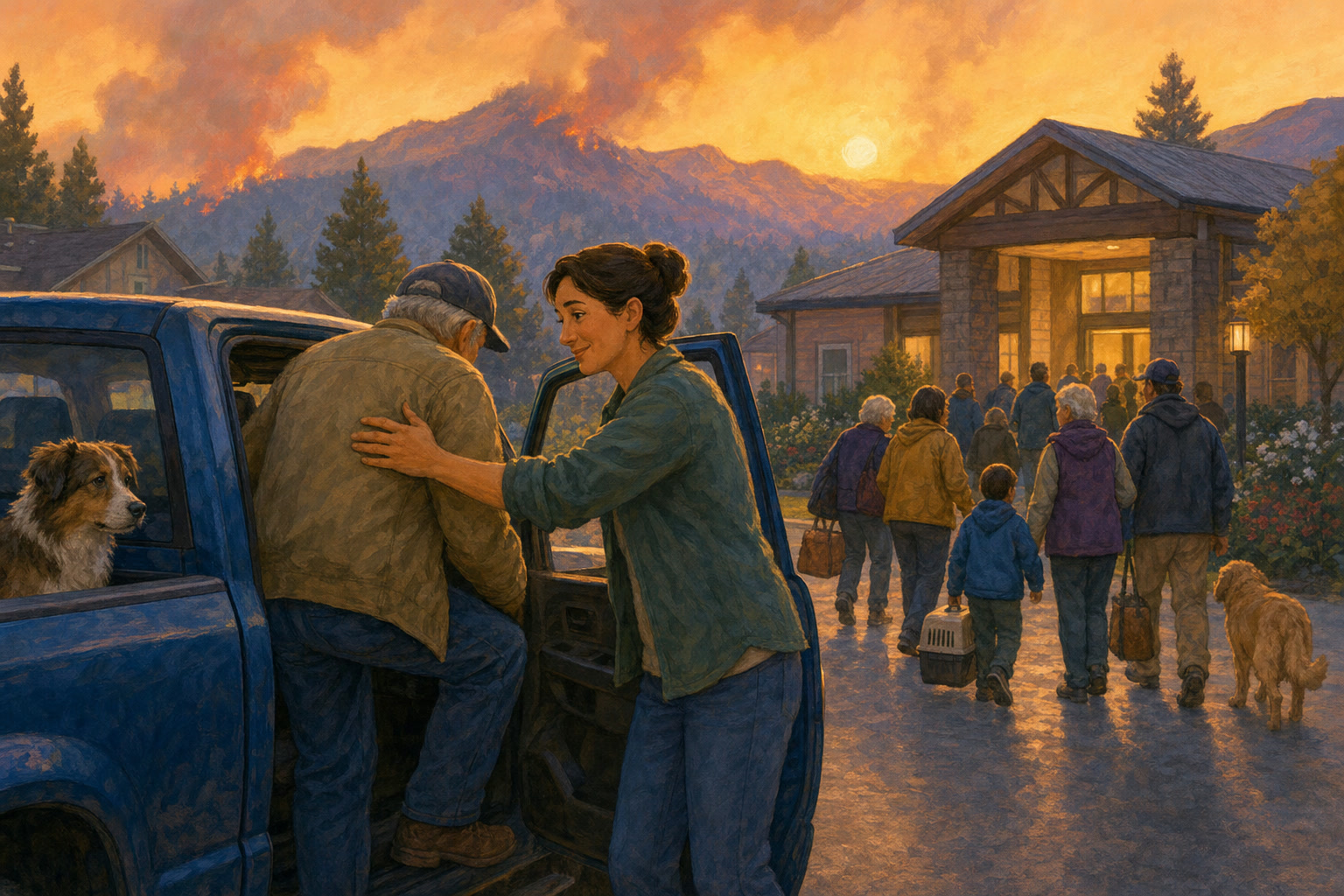
When a worried daughter could not reach her father during an evacuation, Bob Tutush answered the phone and kept helping until the family was together again.
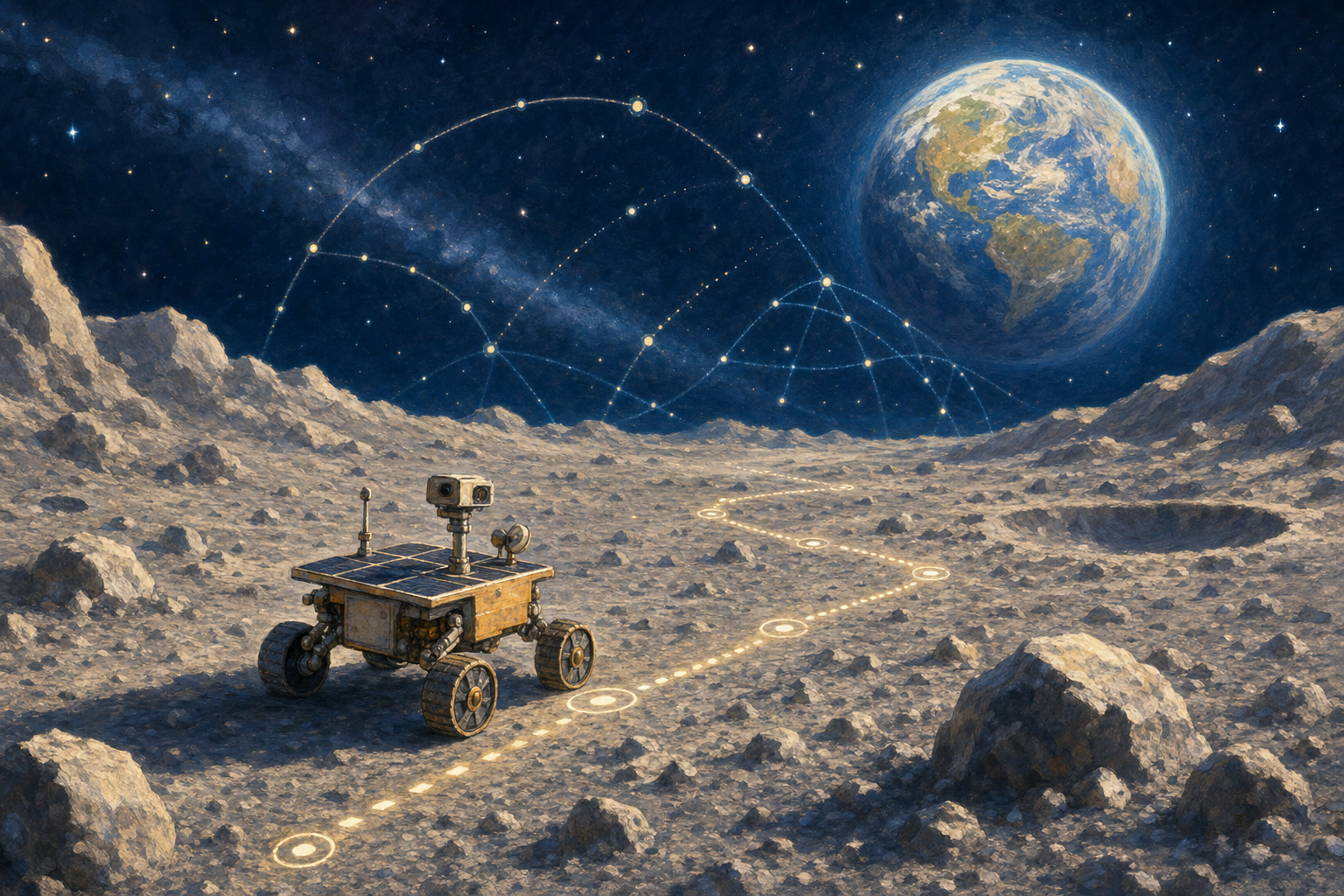
A commercial space company is combining decades of NASA mapping and sensor data to plan safer lunar landings, rover routes, and communications.
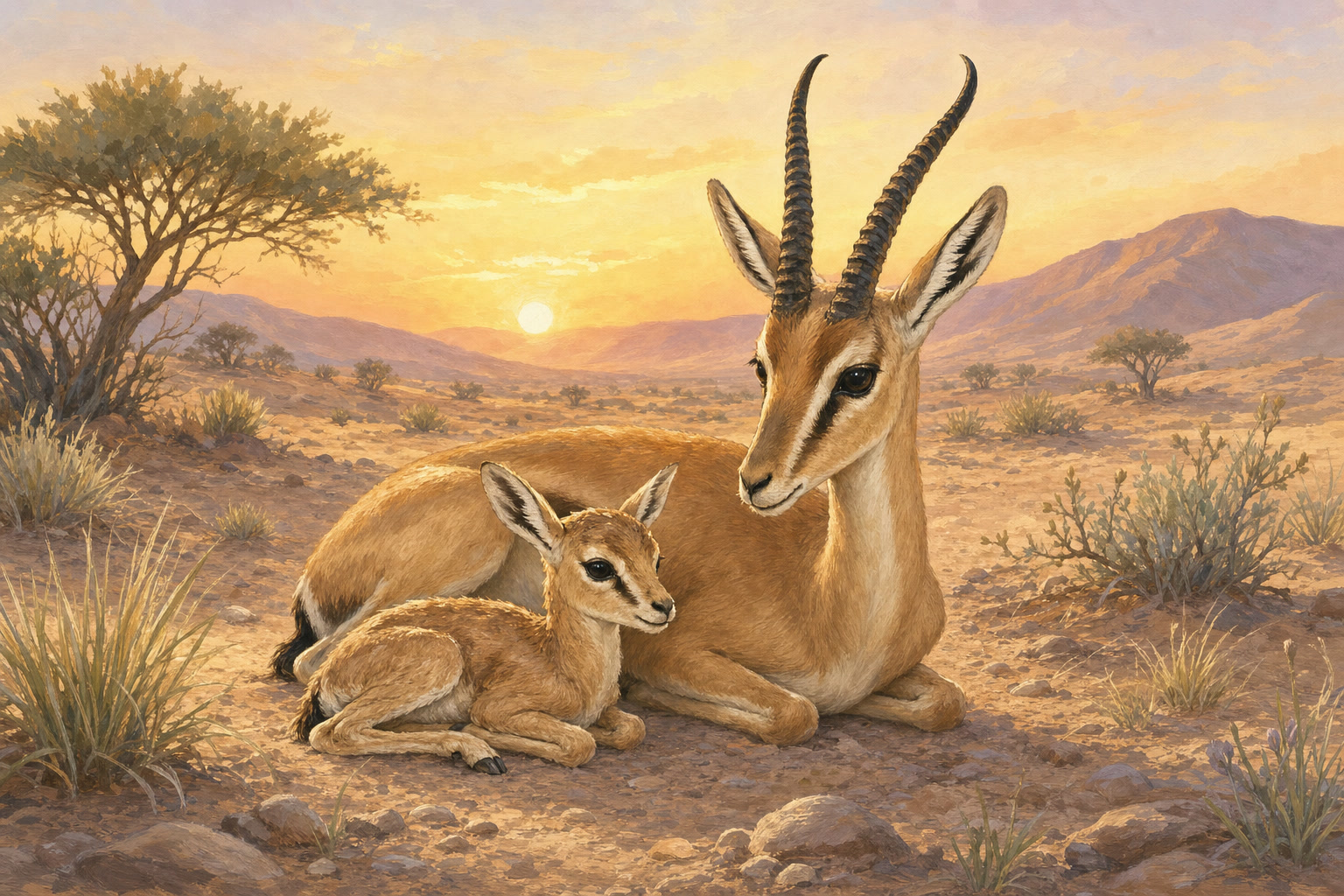
Natural births at Imam Turki bin Abdullah Royal Nature Reserve suggest habitat protection is helping wildlife build self-sustaining populations.
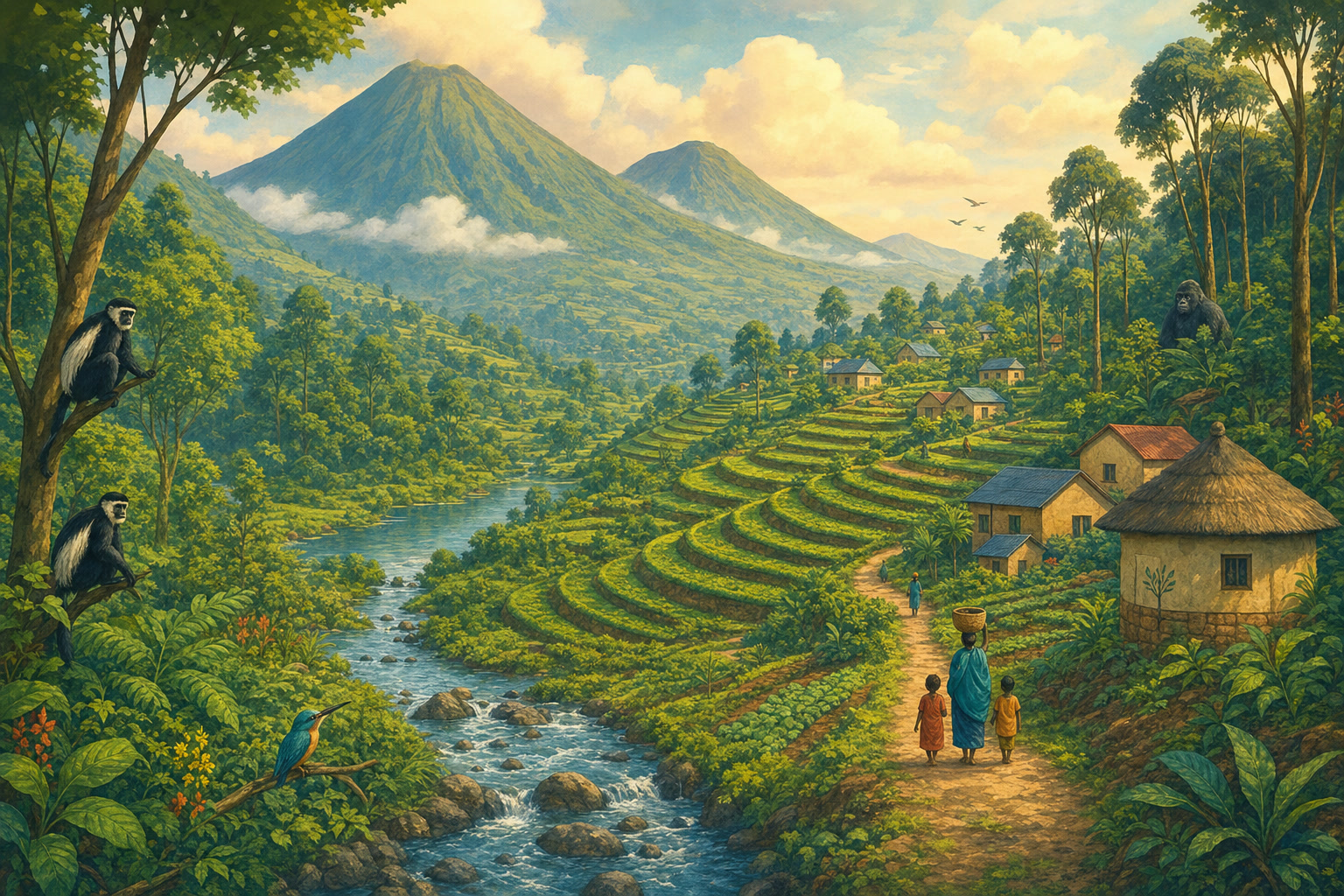
The project will combine flood protection, watershed restoration, biodiversity conservation, and livelihood support across eight districts.

A national programme is easing the cost of education for vulnerable girls across 318 schools.

In Stanthorpe, a passerby and two neighbors acted quickly while firefighters were still on the way.
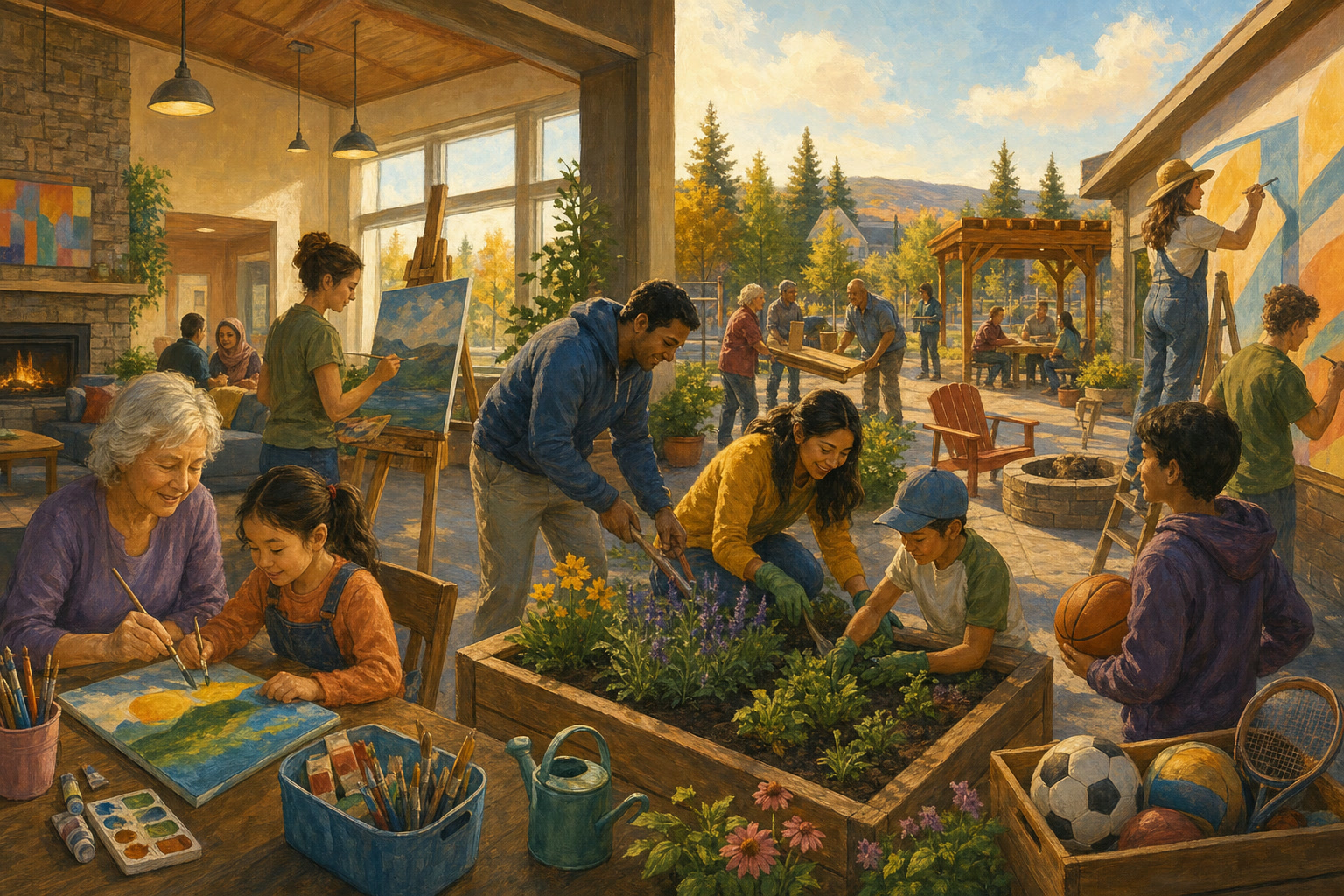
New support for non-profits will help improve shared spaces, strengthen local programs, and meet needs identified by communities themselves.
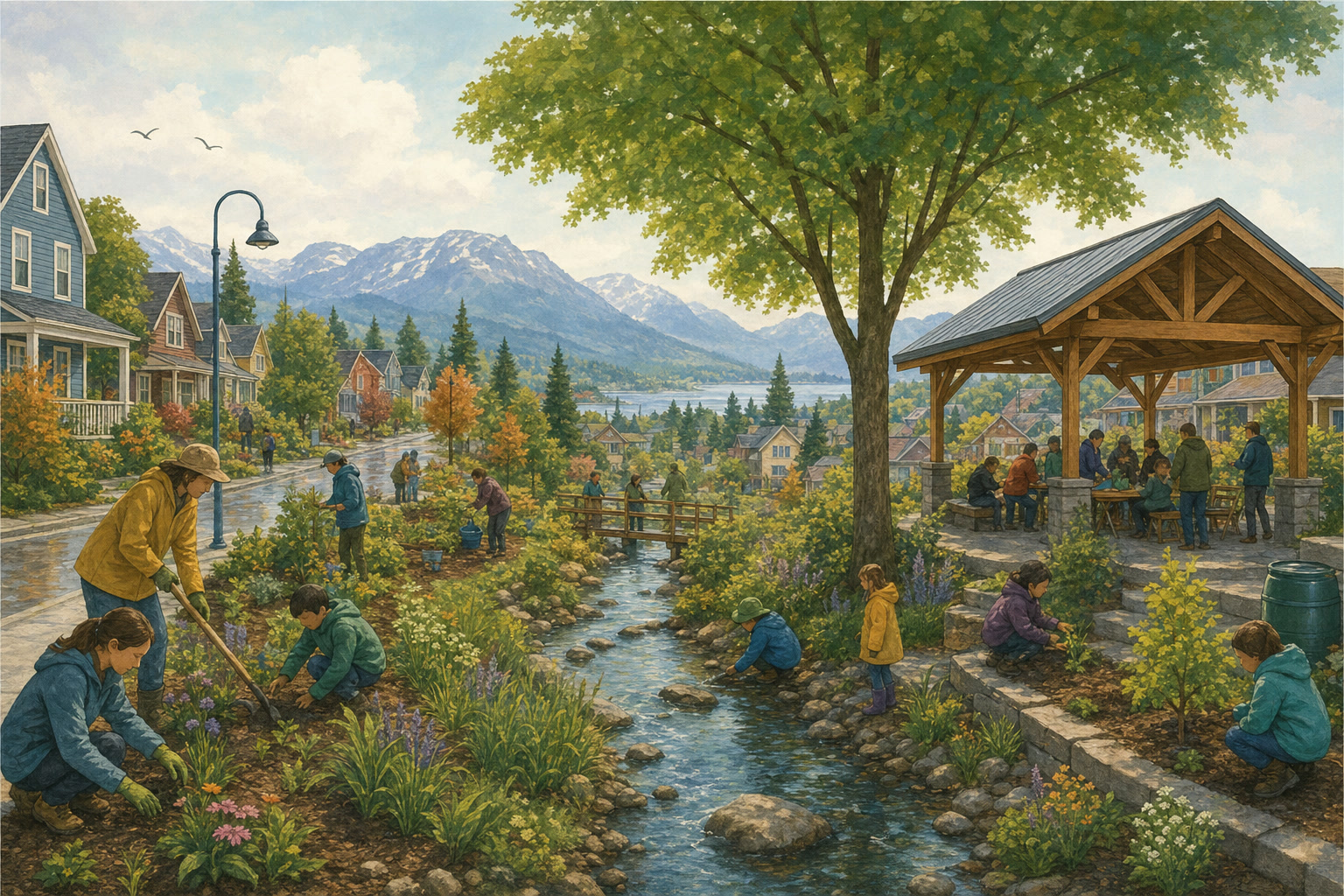
More than $34 million will help municipalities plan for flooding, fires, storms, and other changing conditions before they arrive.
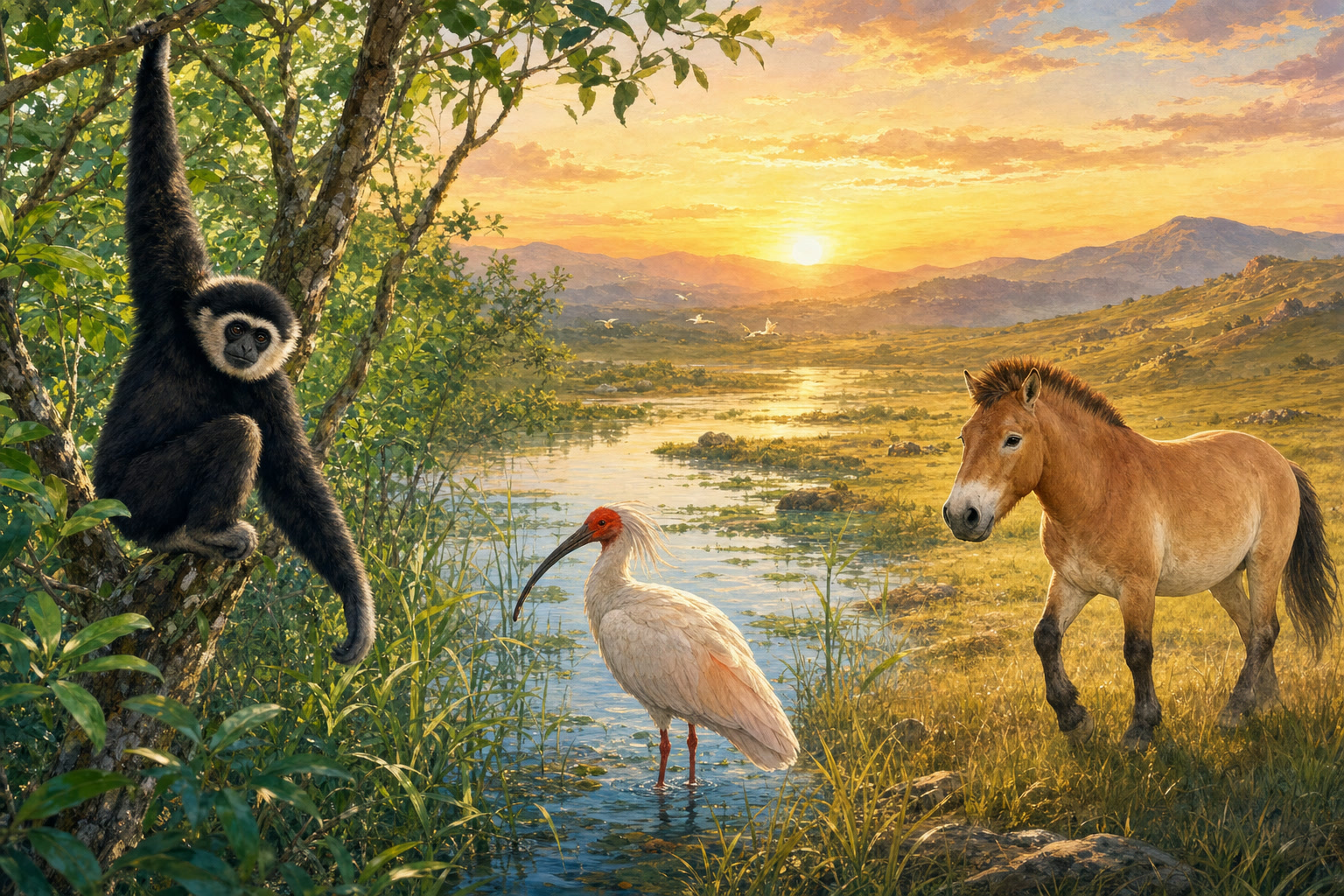
Protection, habitat restoration, and careful monitoring are helping several once-threatened species rebuild their populations.
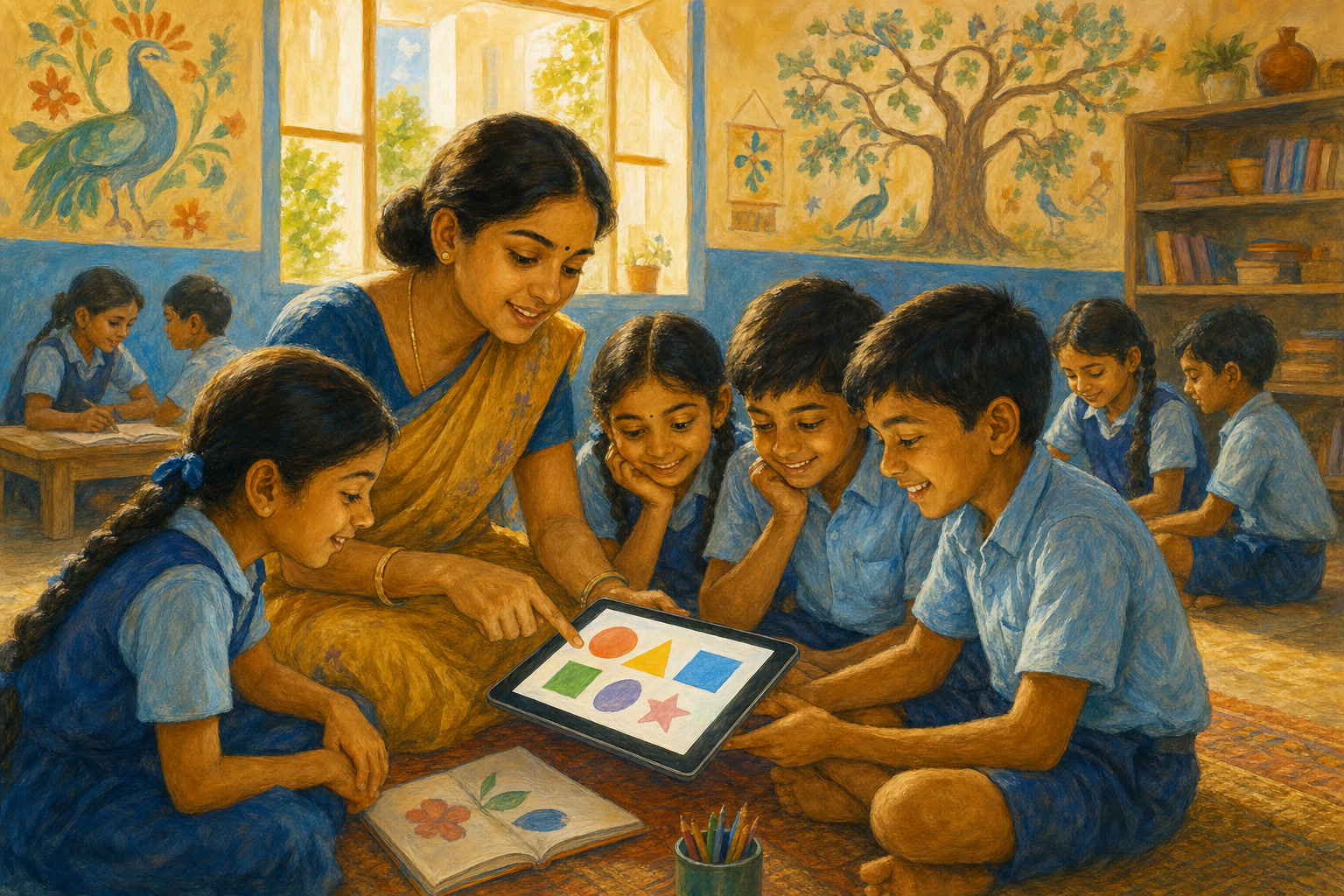
A new learning platform will let students ask questions, join lessons, and prepare for exams without paying for the service.

When wildfire smoke closed an airport, two fellow travellers helped Patricia Robinson reach her family and made the journey part of the celebration.

NASA engineers found a way to save enough electricity for the faraway spacecraft to keep three science instruments running for at least another year.
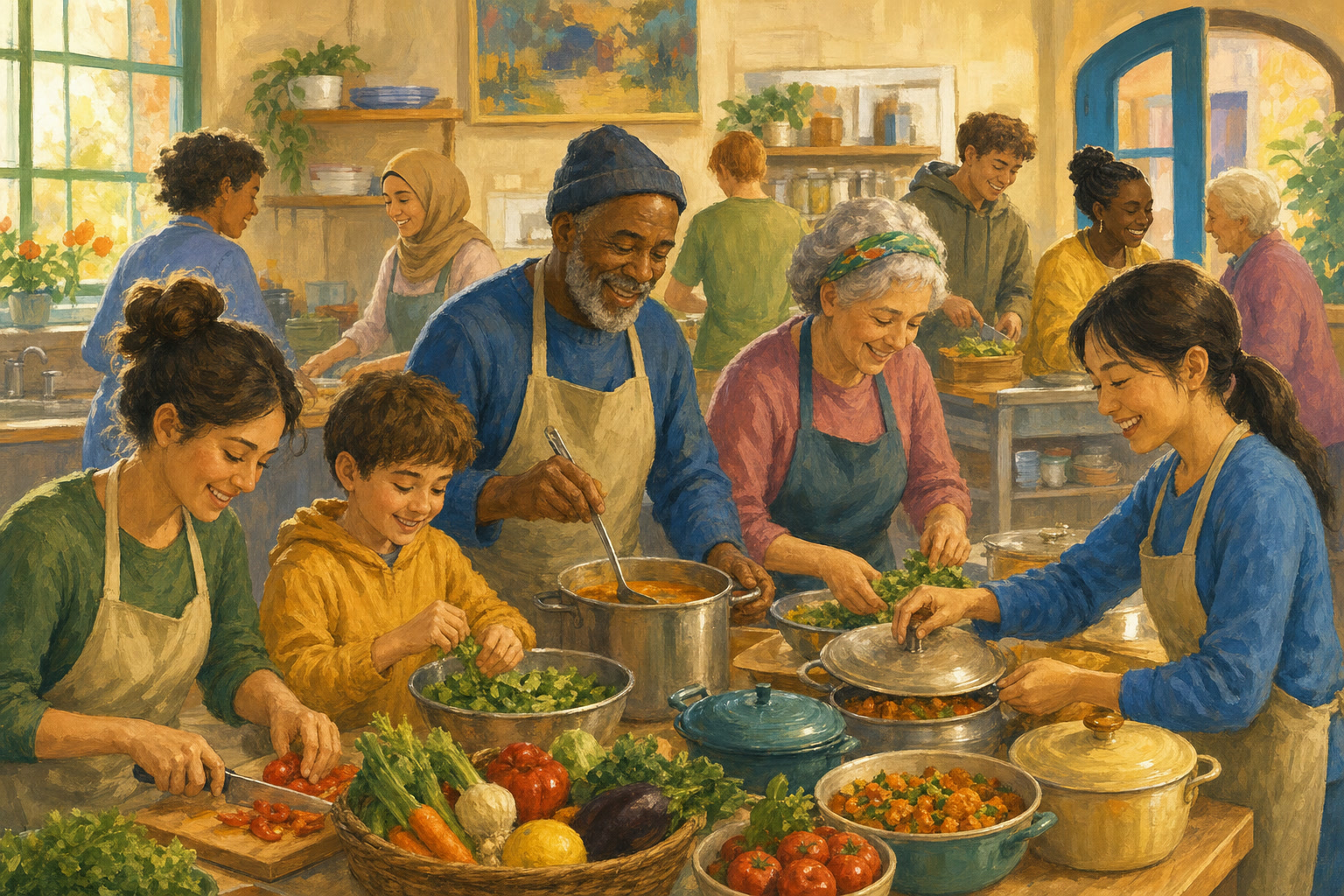
A Manitoba grant will help ISKCON Manitoba turn volunteer meal-making into a permanent, certified food-support space.
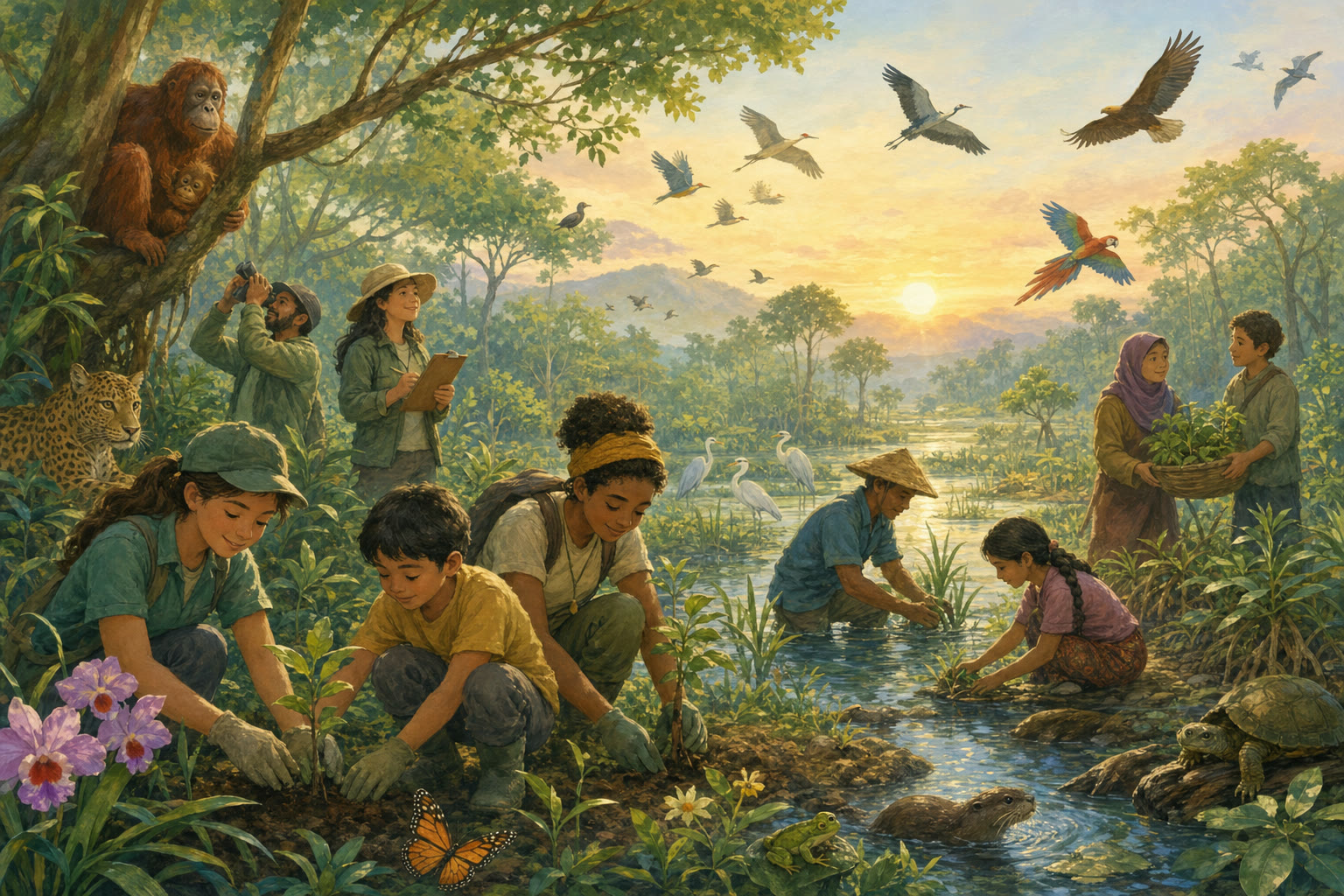
Conservation groups have committed $200 million to long-term work with local communities, scientists, and governments in 30 countries.
A new prescription tablet has cleared the UK’s medicines review, giving eligible patients another treatment option to discuss with their clinicians.

When a crossing arm left a driver in danger, Josiah Baur ran to lift the gate and give her a way out.
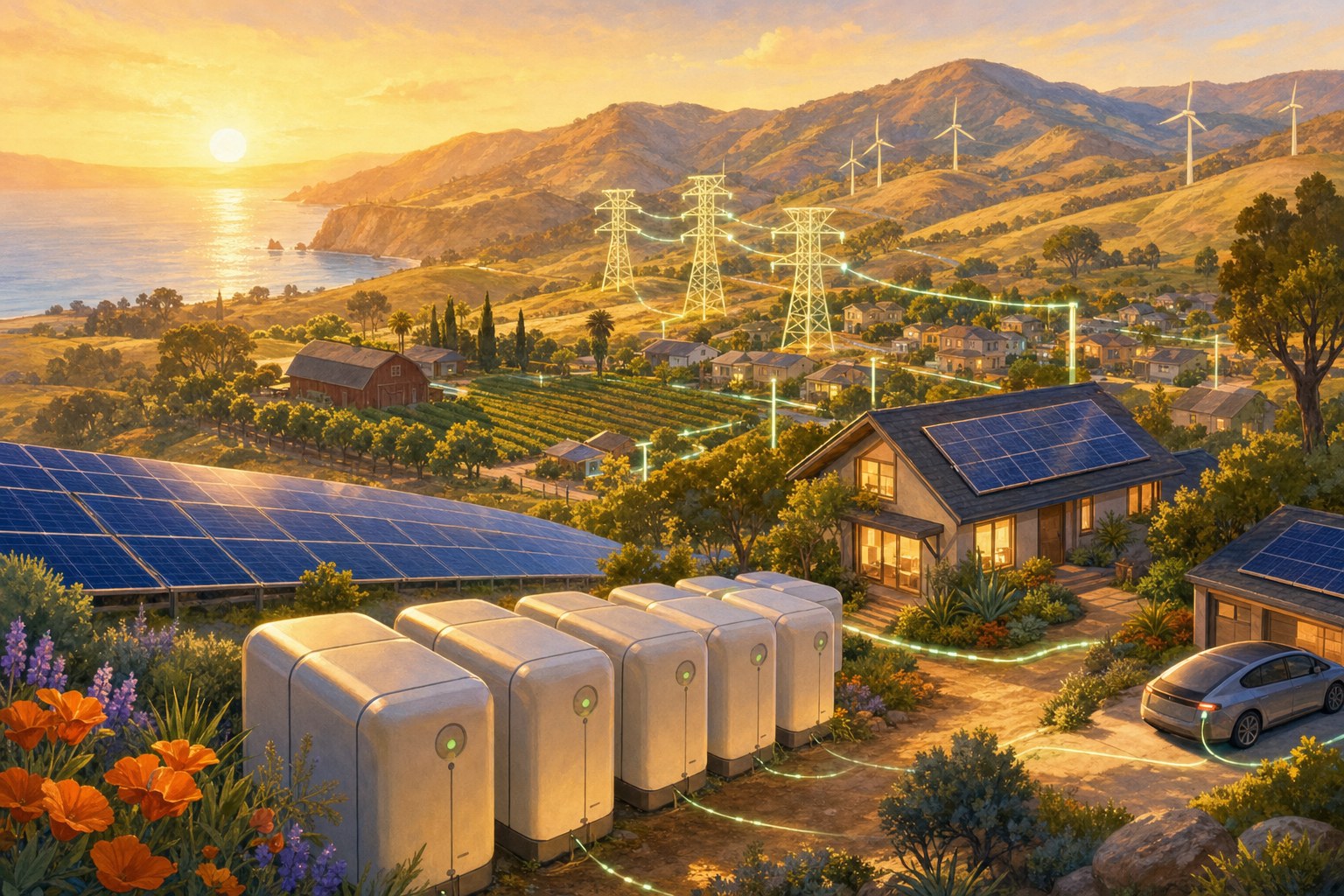
A rapid build-out of grid batteries is helping California use more of its solar power while relying less on natural gas.
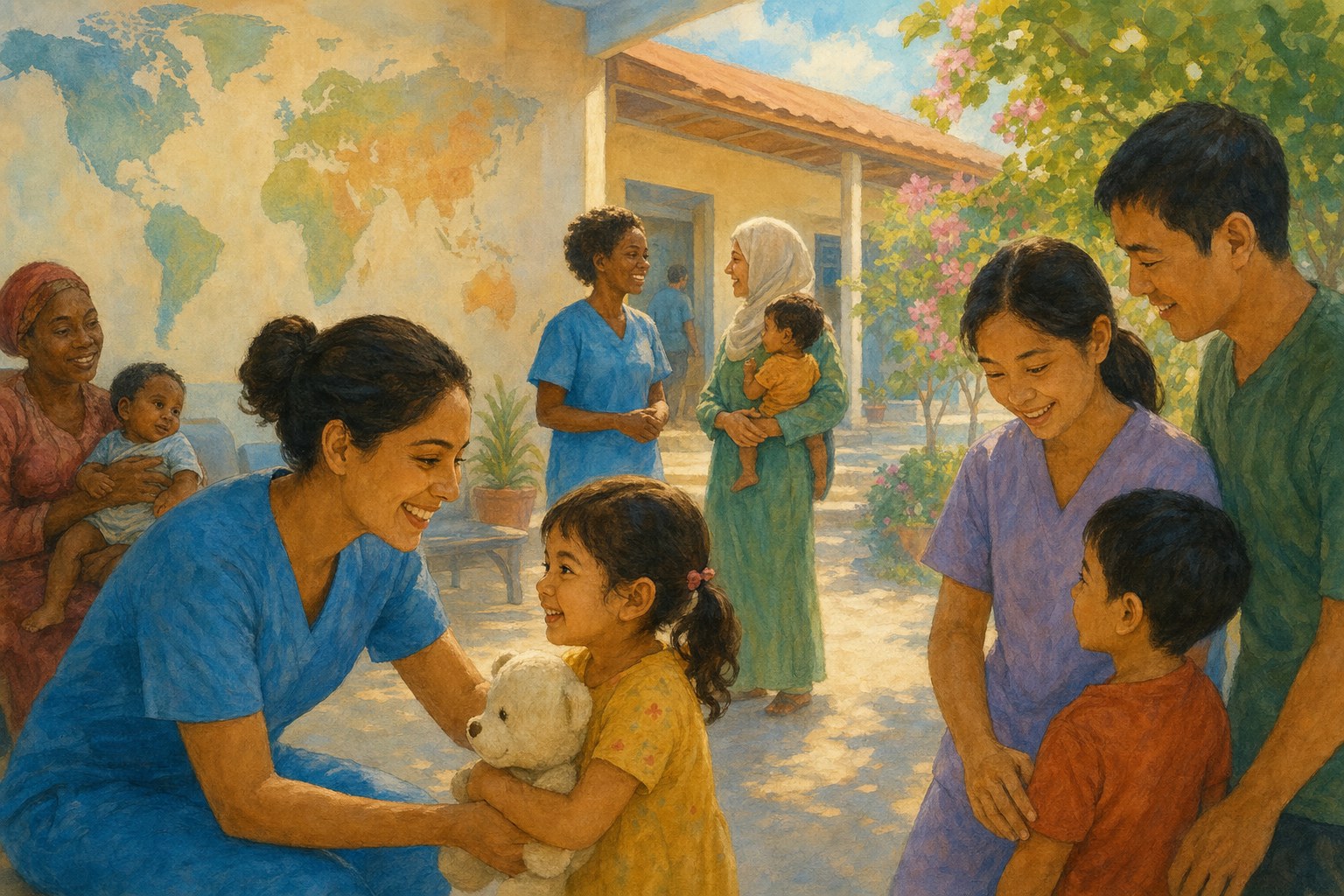
A U.S. announcement would direct major funding through community hospitals, clinics, and health workers around the world.

A faint stream of stars outside the Milky Way is giving researchers a new view of the invisible matter holding a distant galaxy together.
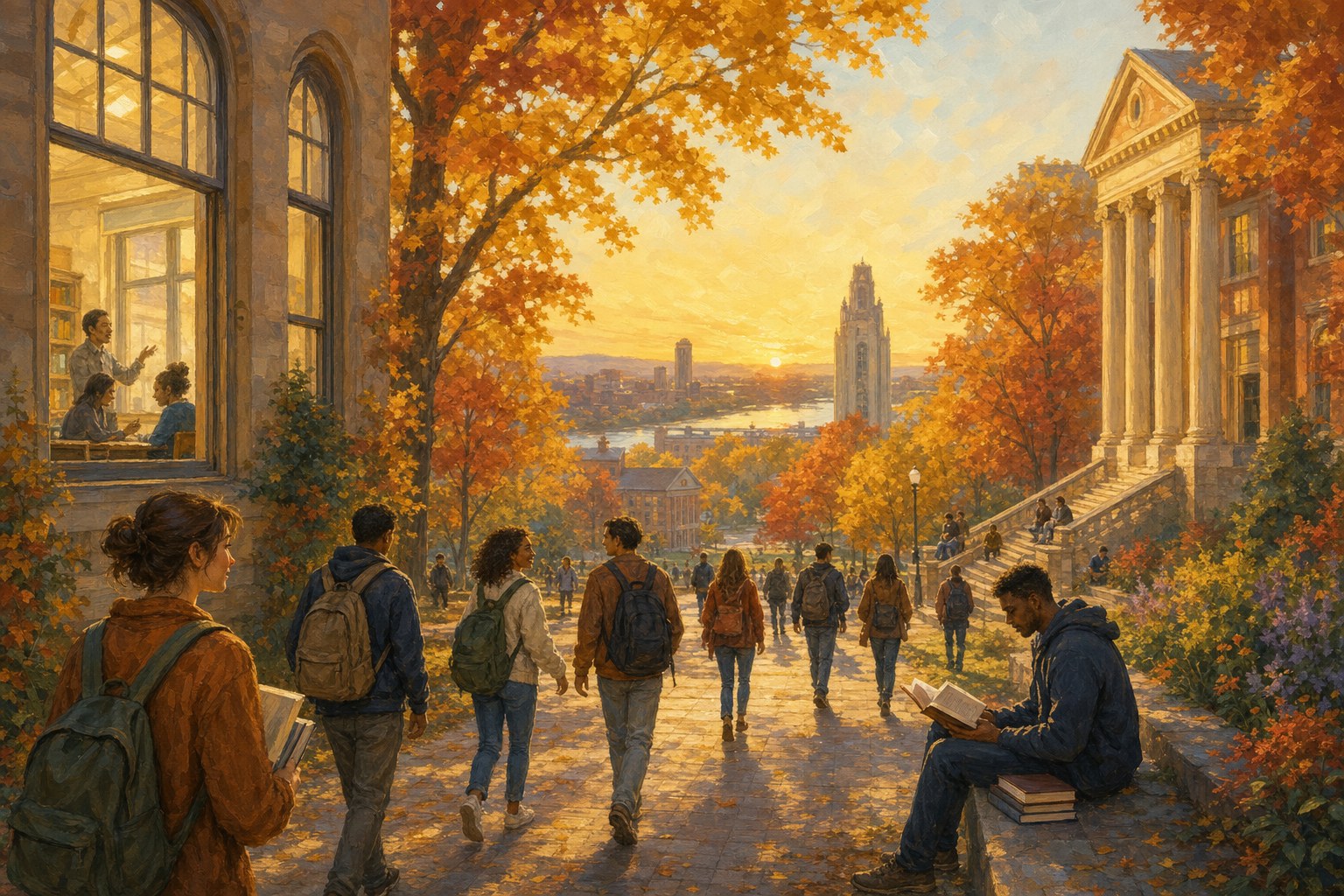
A new university program will cover the remaining undergraduate tuition balance for qualifying New York students after grants are applied.
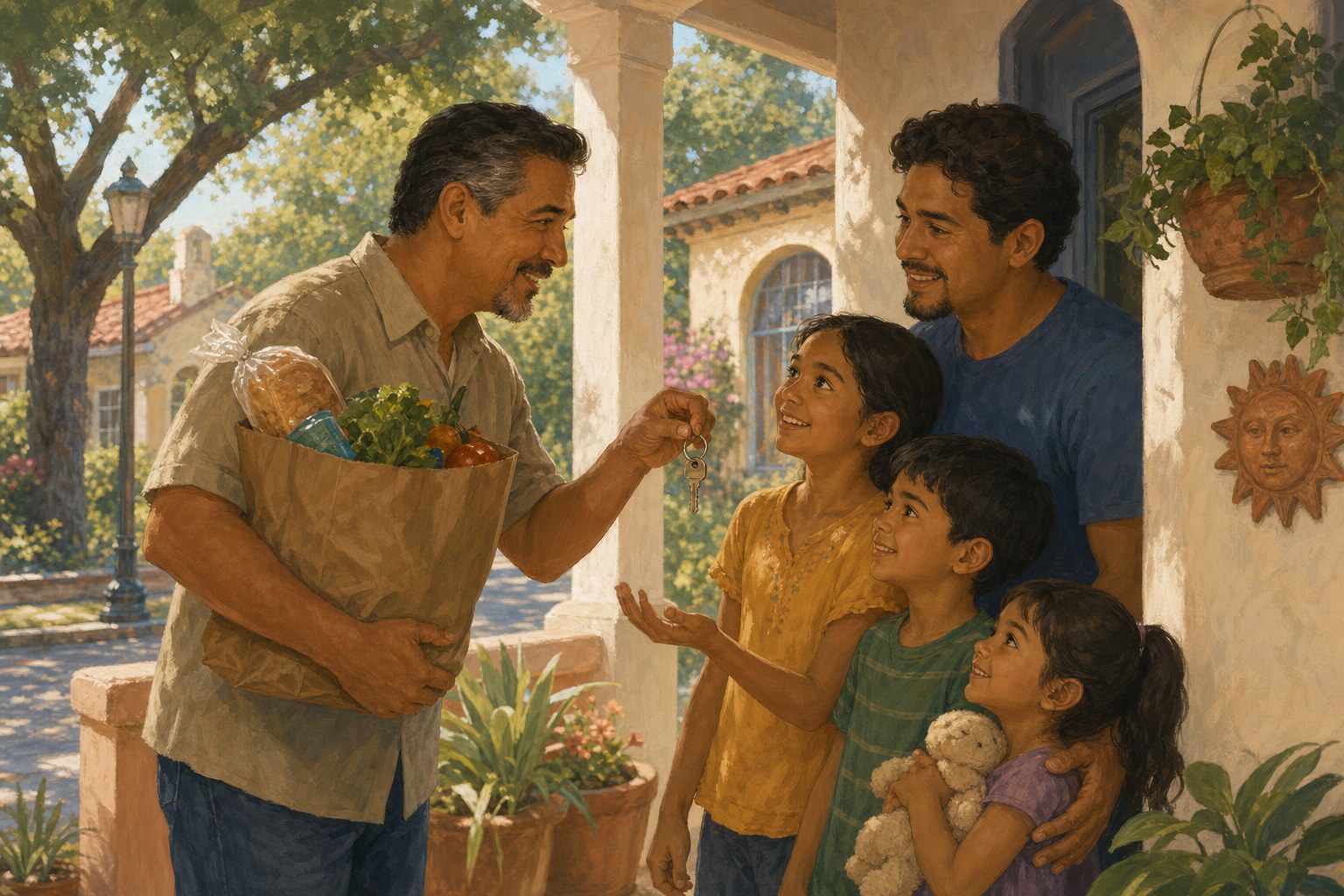
When a brother began raising three children, a neighbor offered rent money, rides, childcare, and steady support.
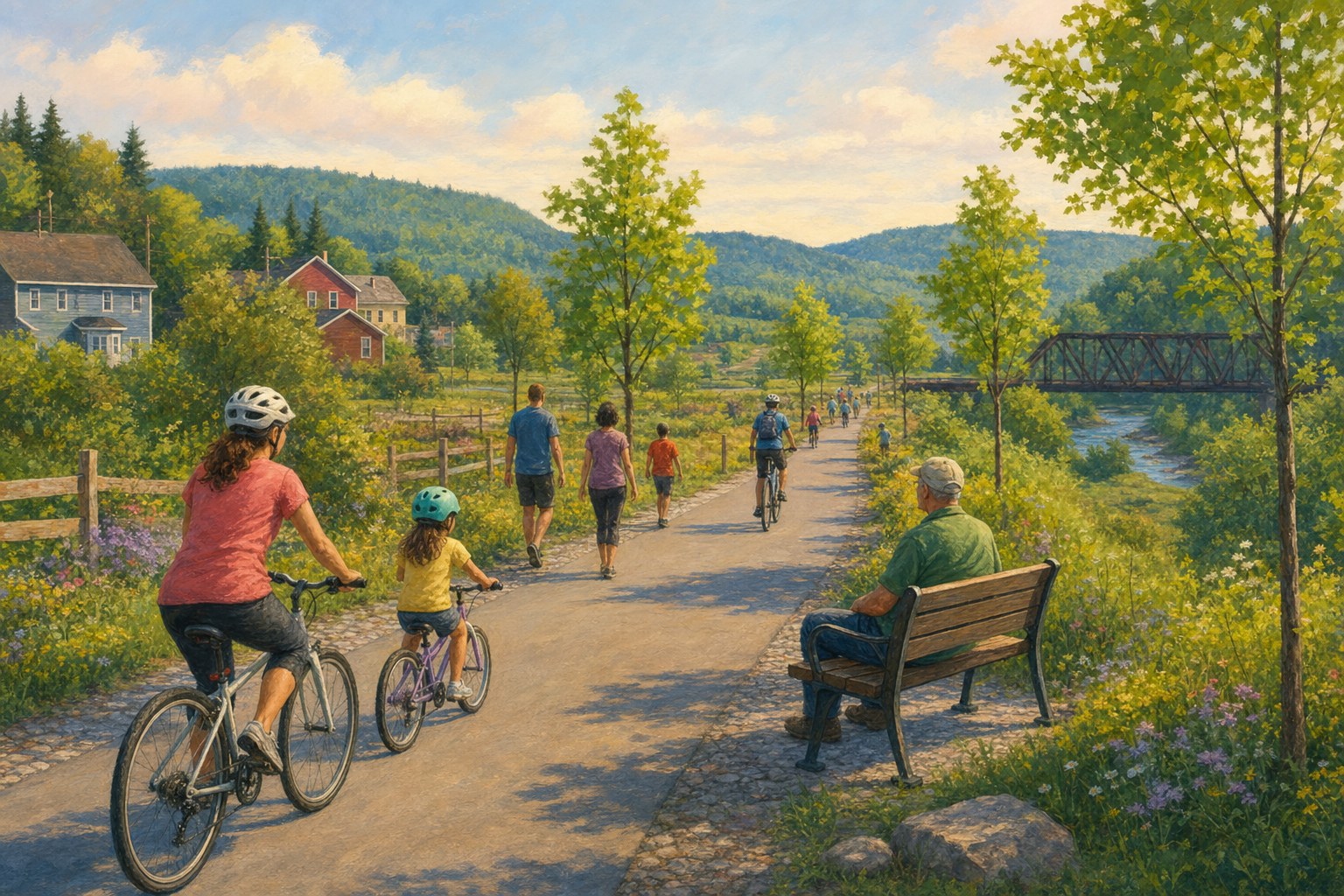
A former railway corridor is being turned into a safer route for walking and cycling between Grand Falls and its neighbors.
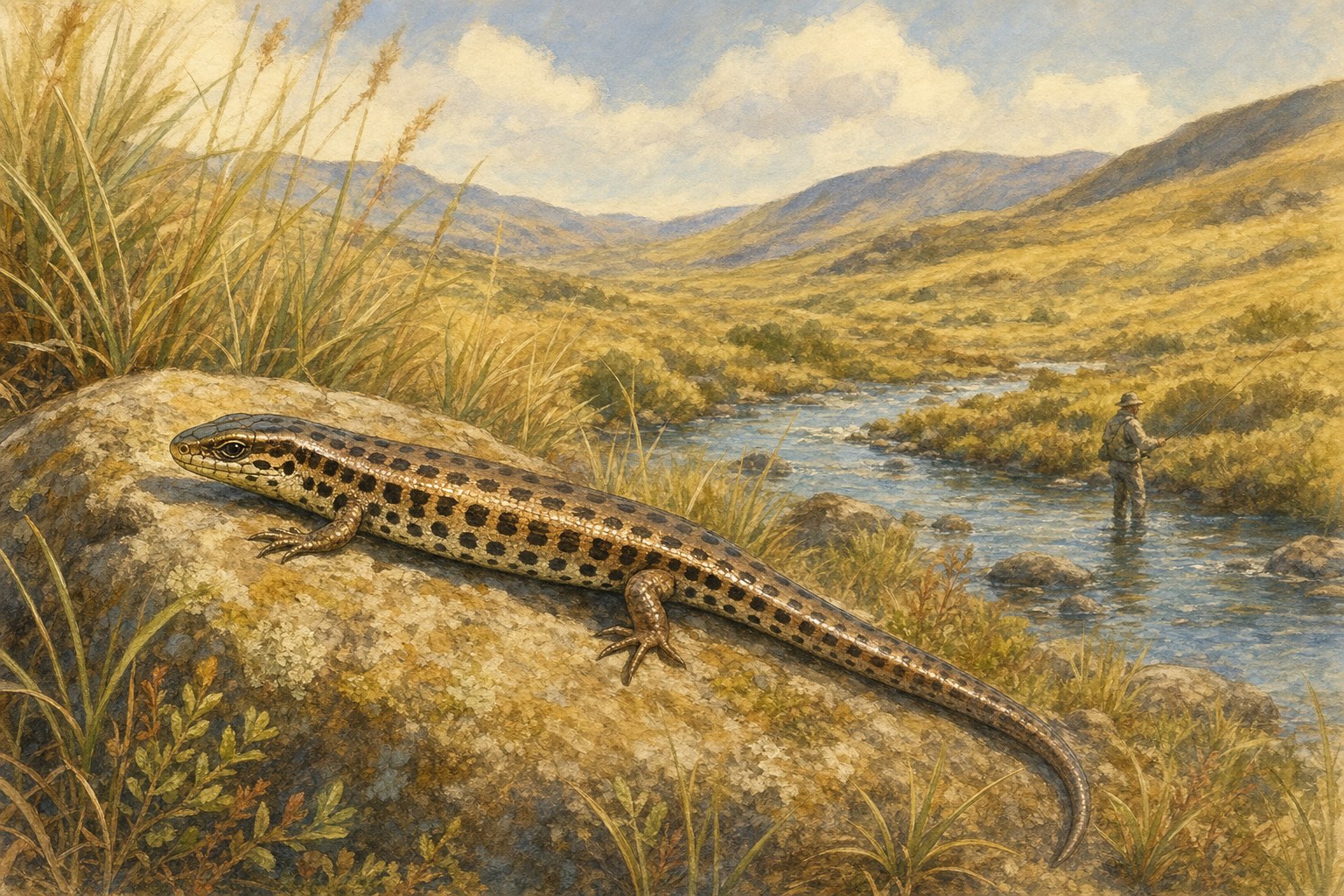
A photograph and a careful follow-up search revealed a possible new population of Canterbury spotted skinks in the tussock country near Christchurch.
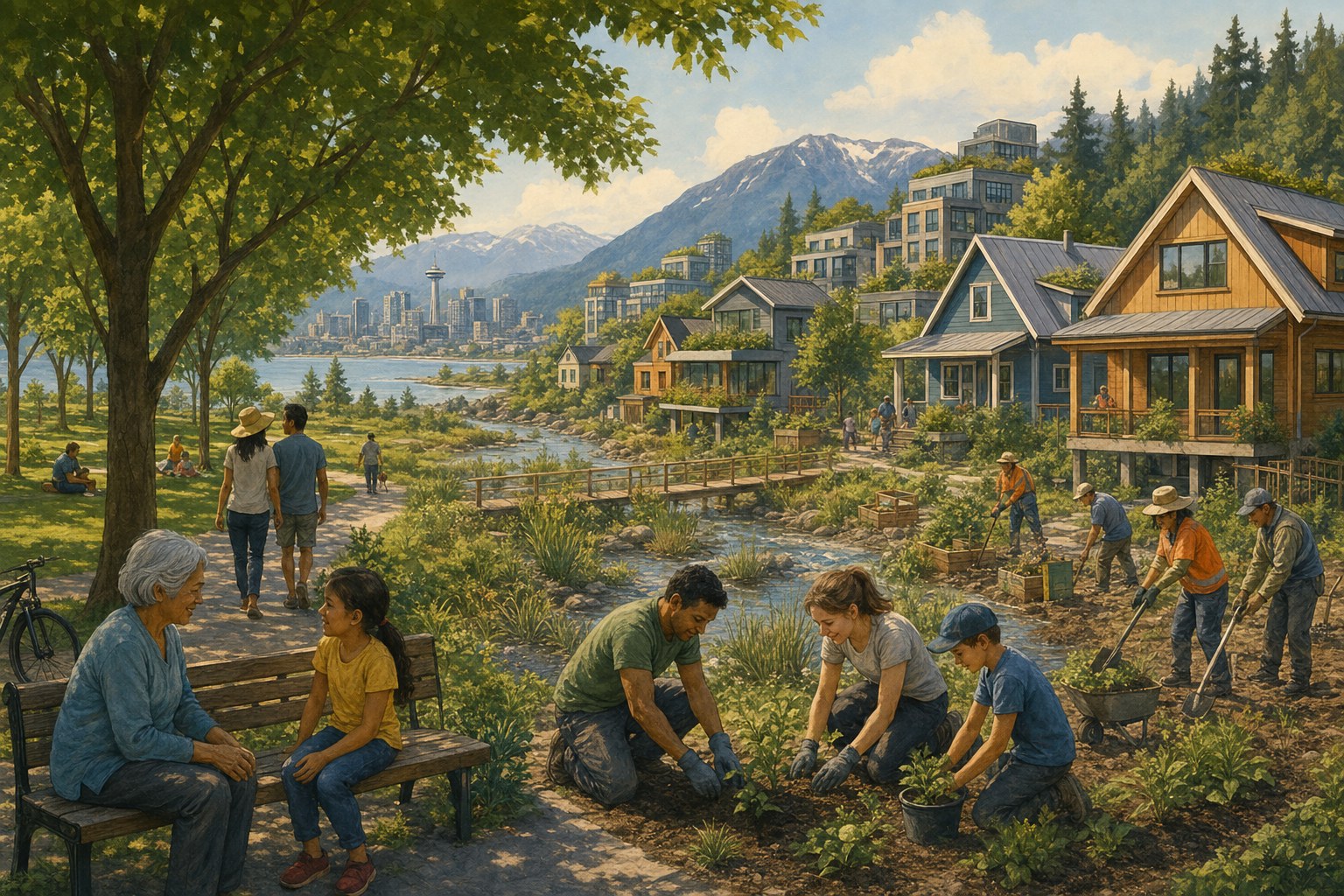
New projects across 128 Canadian communities will make parks, homes, and infrastructure safer in extreme heat and flooding.

When a fishing net trapped three young otters, one resident's quick, careful help gave the smallest pup a second chance.
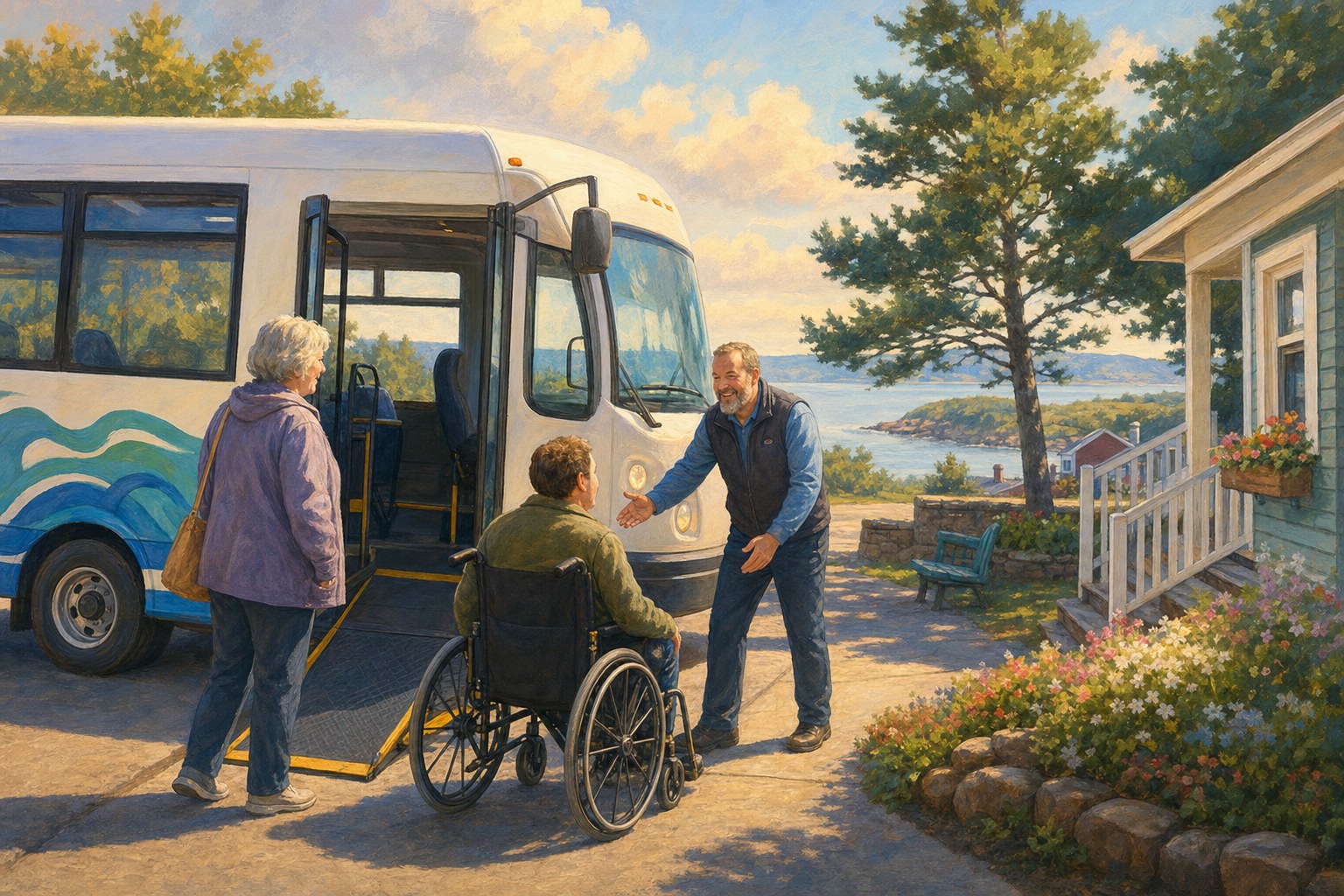
A combined federal and provincial investment will make local public transit easier to use for residents across Cape Breton Regional Municipality.
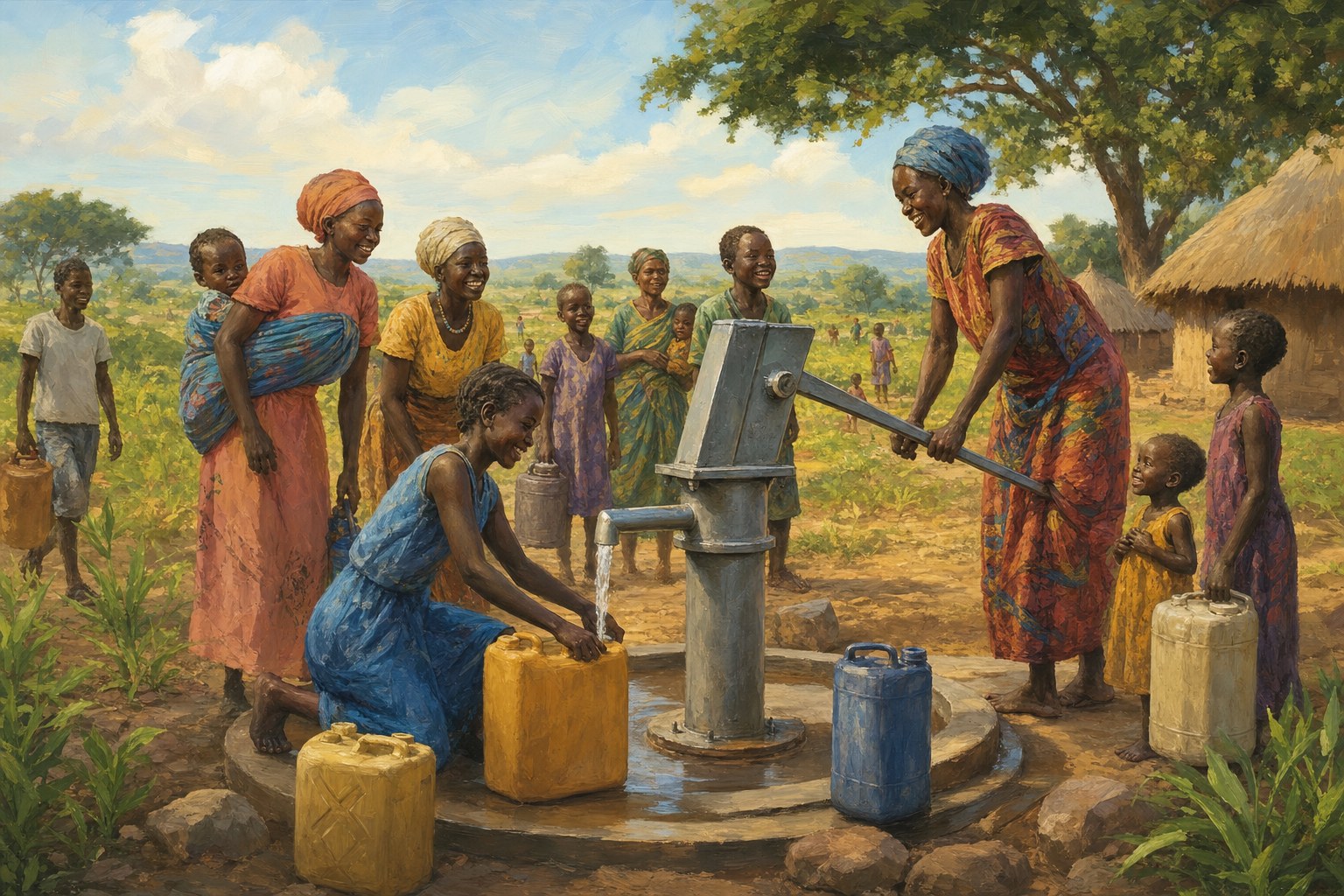
Communities in Central Equatoria and Lakes states now have more direct access to safe drinking water, sanitation, and water for livestock.
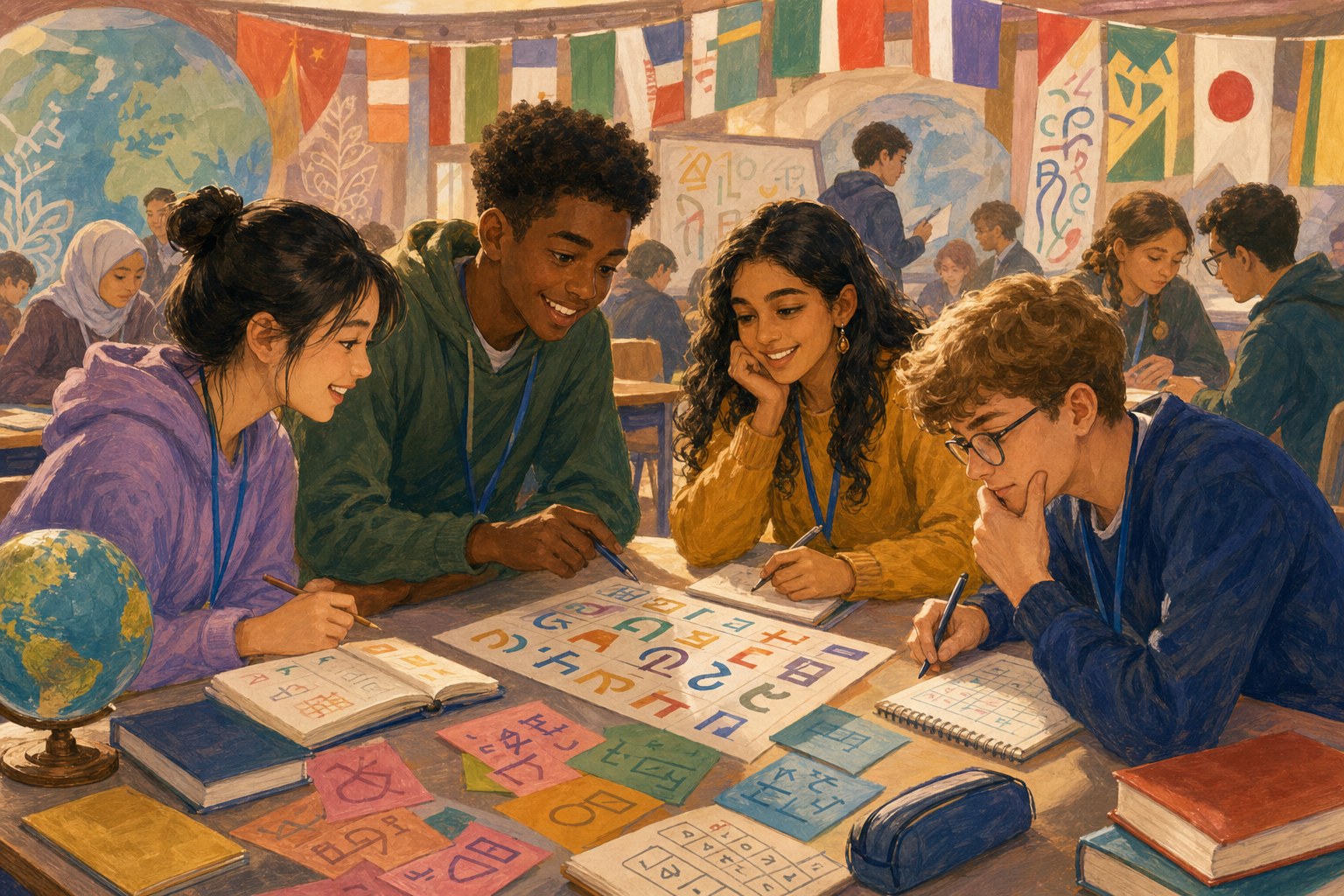
The team brought home one gold medal, three bronze medals, and an honourable mention from a competition built around logic and unfamiliar languages.

A free education program is repurposing existing buildings so children who had left school can start learning again without waiting for new campuses.
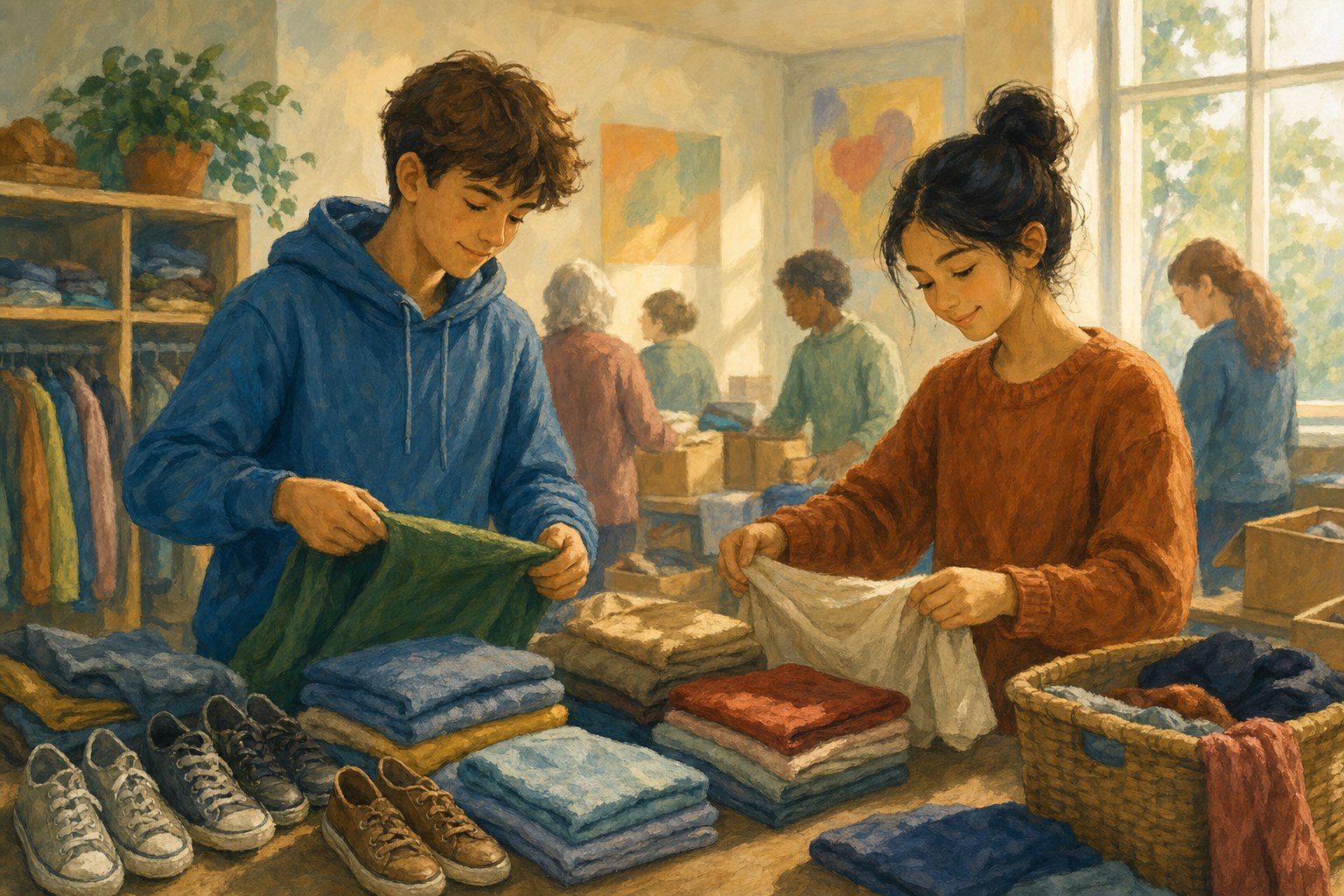
Piper Cate Pressly and Addison King spent part of their weekend volunteering at a free clothing resource in Jones County, North Carolina.

A fresh look at New Horizons images suggests Pluto's heart-shaped glacier is still changing in surprising ways.
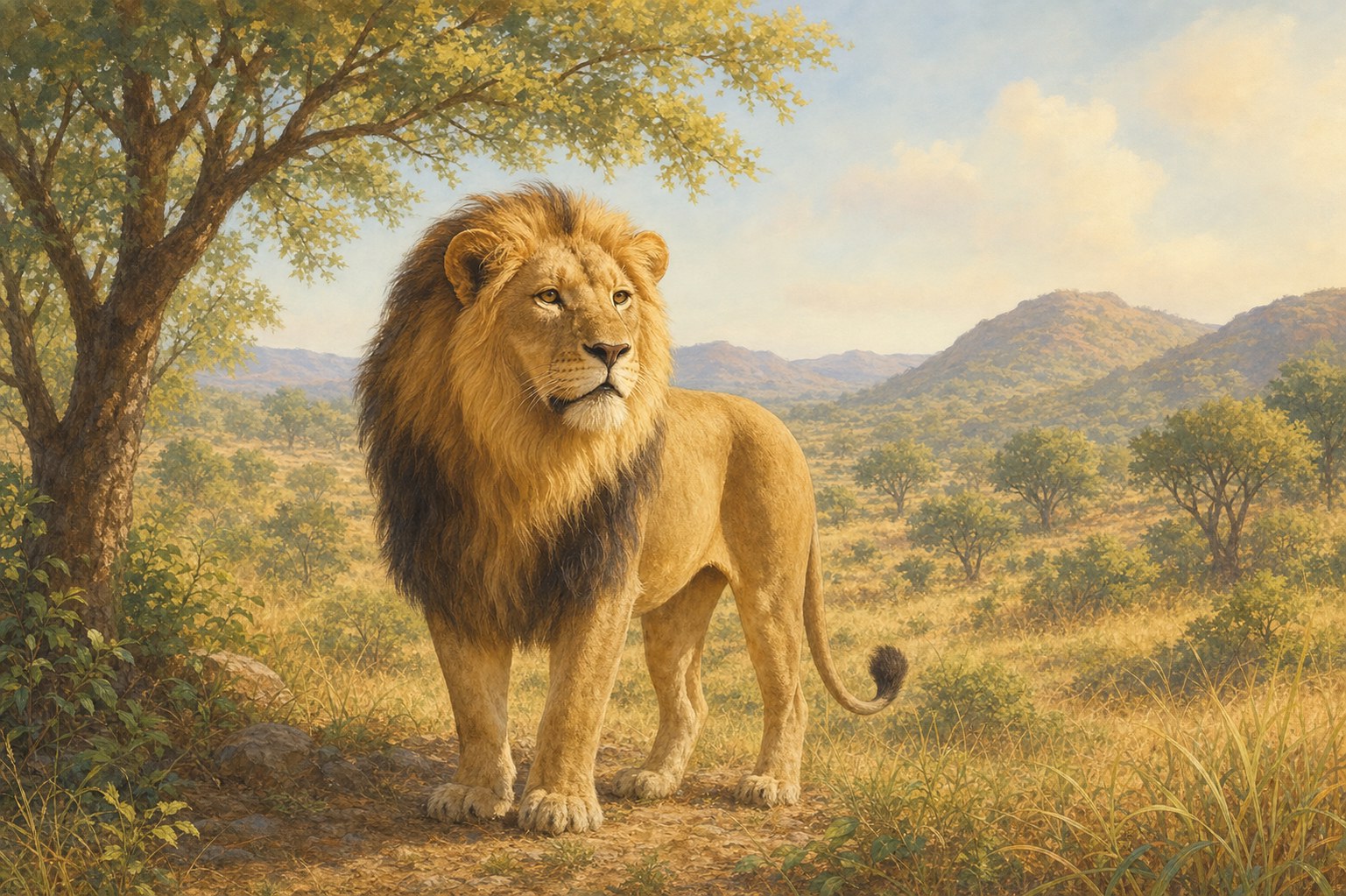
Official figures show a larger lion population and a wider range after years of habitat and community conservation work.

Solar, wind, hydro, bio-power, and nuclear capacity now make up more than half of India's installed electricity-generation capacity.
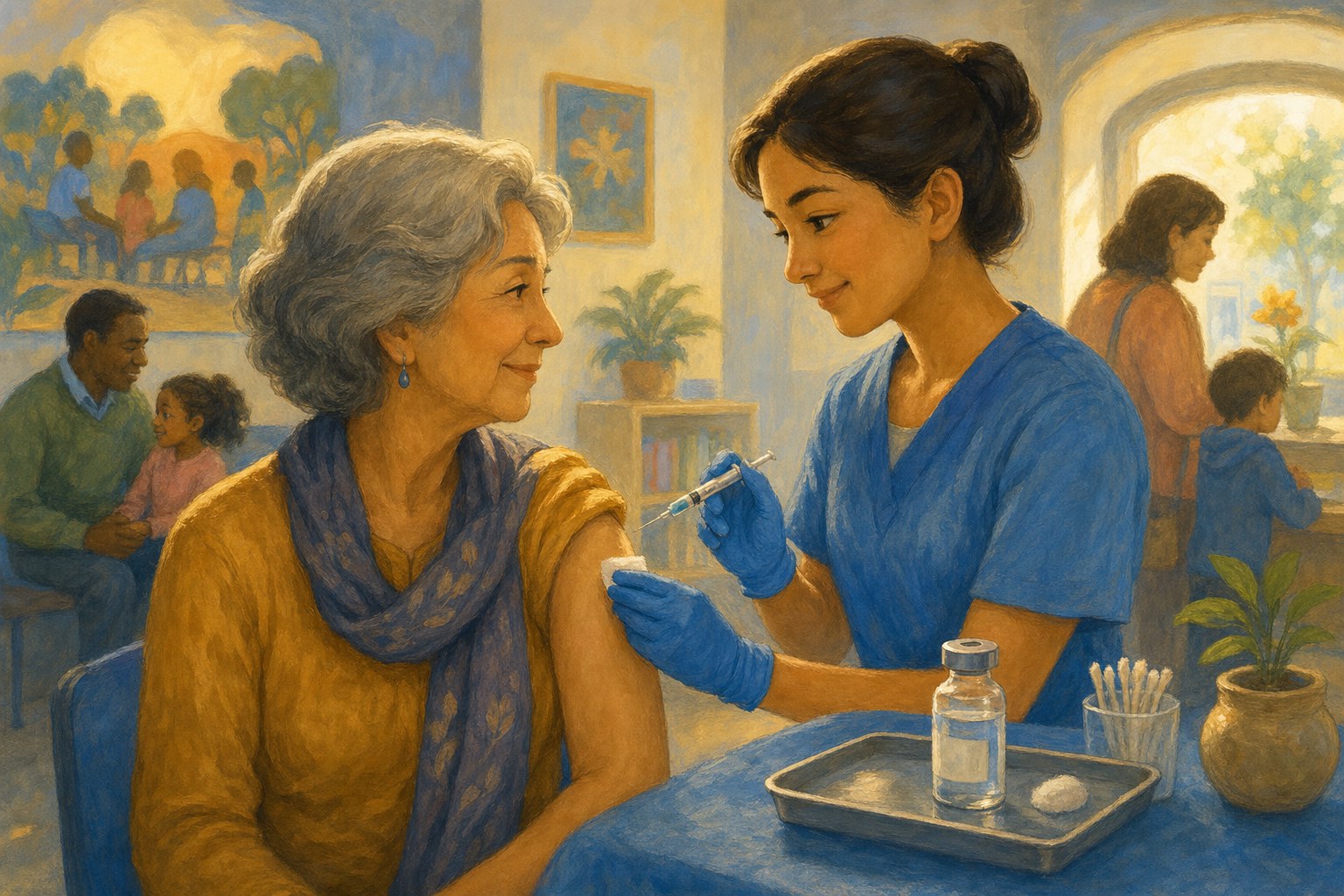
The approval creates a new flu-vaccine option for adults 50 and older, with different approval pathways for two age groups.
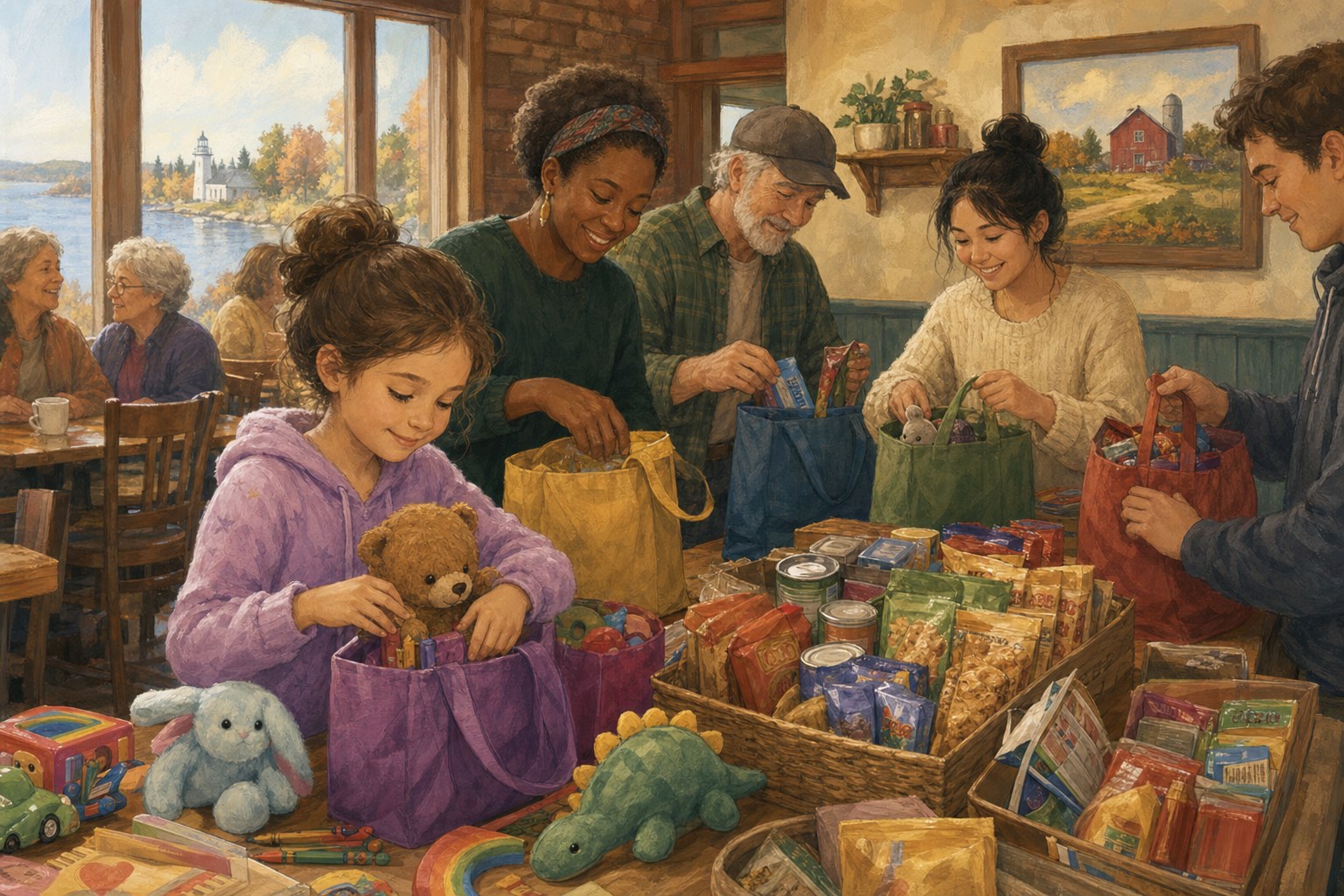
After a tornado went through Wisconsin's Fox Valley, Katelyn Much and volunteers gathered to make care bags for children whose families were affected.

A new agreement would put more money behind zero-emission trucks and cleaner ships moving through the ports of Long Beach and Los Angeles.
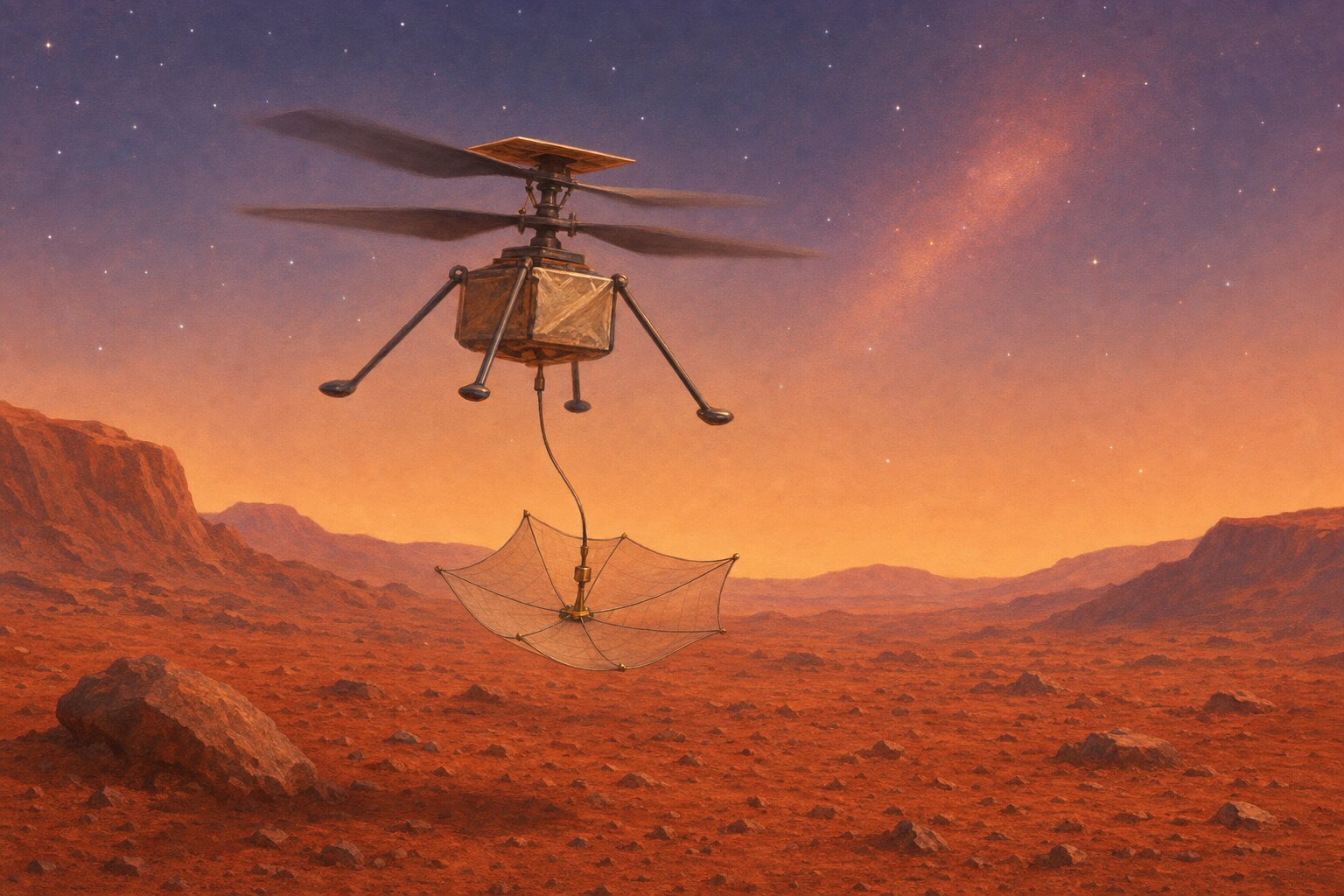
A flexible radar antenna survived tests simulating 200 Mars landings and could help future helicopters search for frozen water beneath the planet's surface.
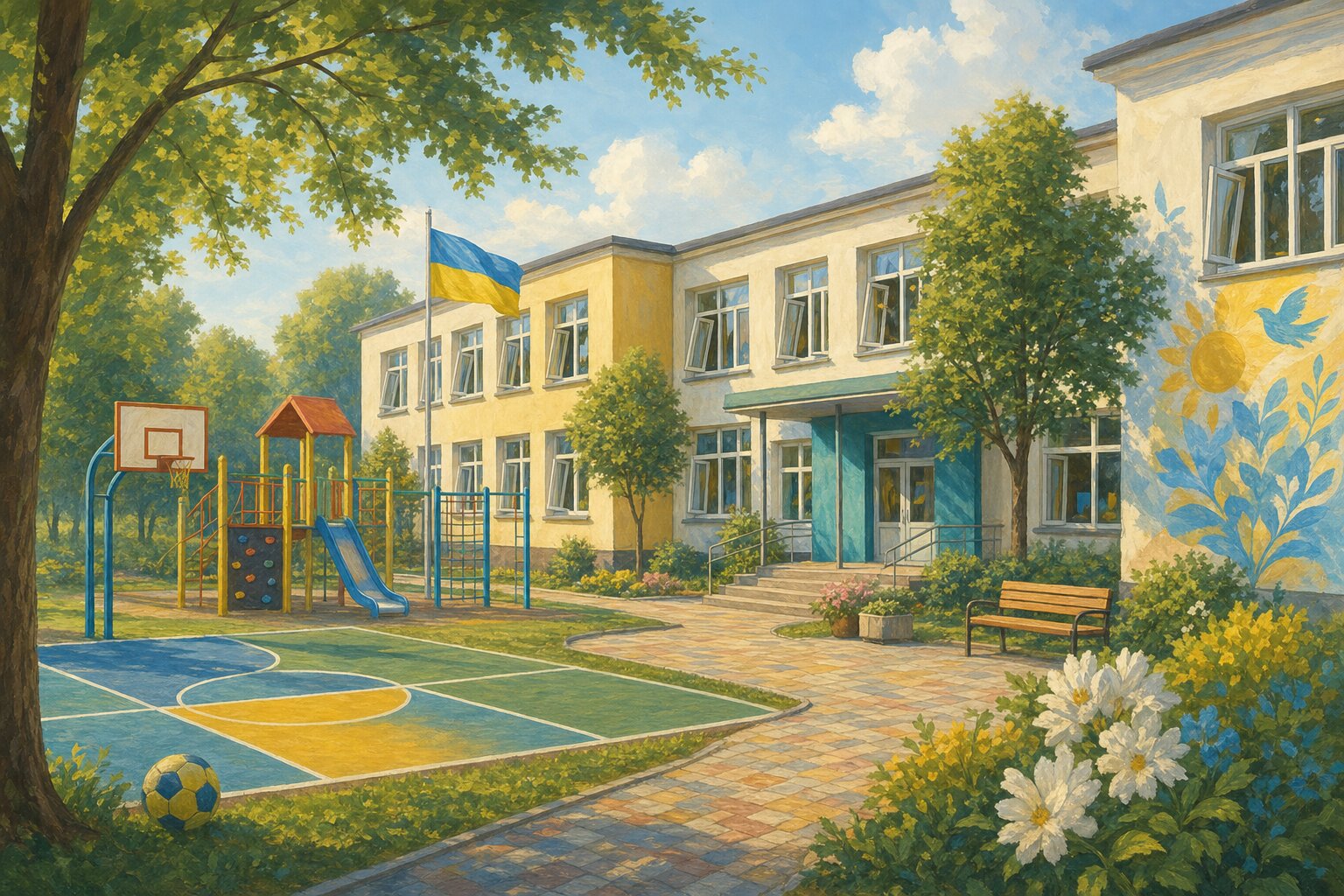
Restoration work in Dnipro has brought back classrooms, sports spaces, and student facilities damaged during the war.
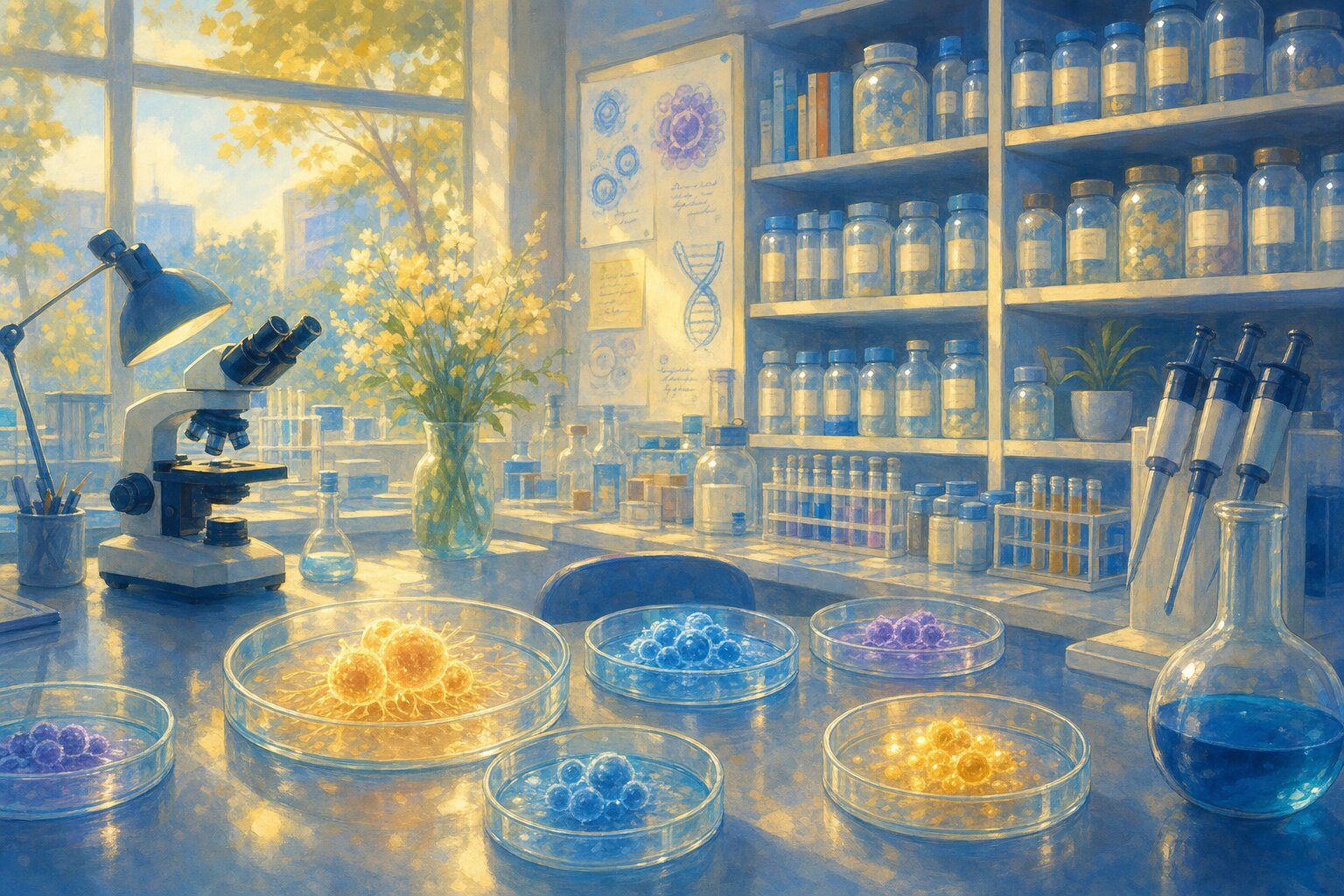
Researchers have assembled hundreds of laboratory models from thousands of donors so scientists can study many kinds of cancer more closely.

When a small community bowling alley was headed for demolition, Autumn Mowery took it over and kept its doors open for people who needed somewhere to gather.

The children brought pet food to a Florida animal shelter after saving money they found throughout the year.
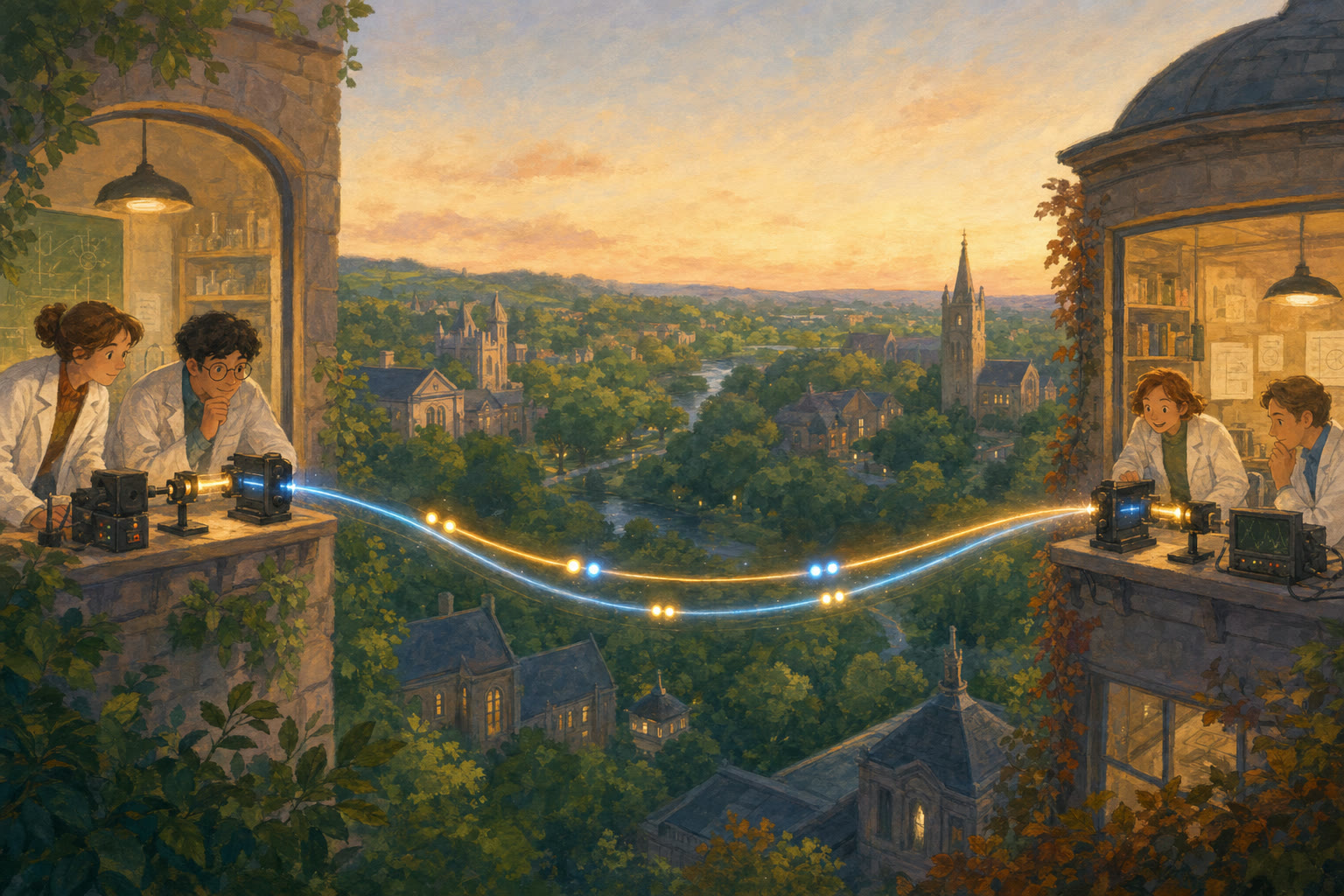
A team from NIST, the University of Maryland and Qunnect has shown that a fragile quantum signal can travel through internet-style infrastructure in changing outdoor conditions.
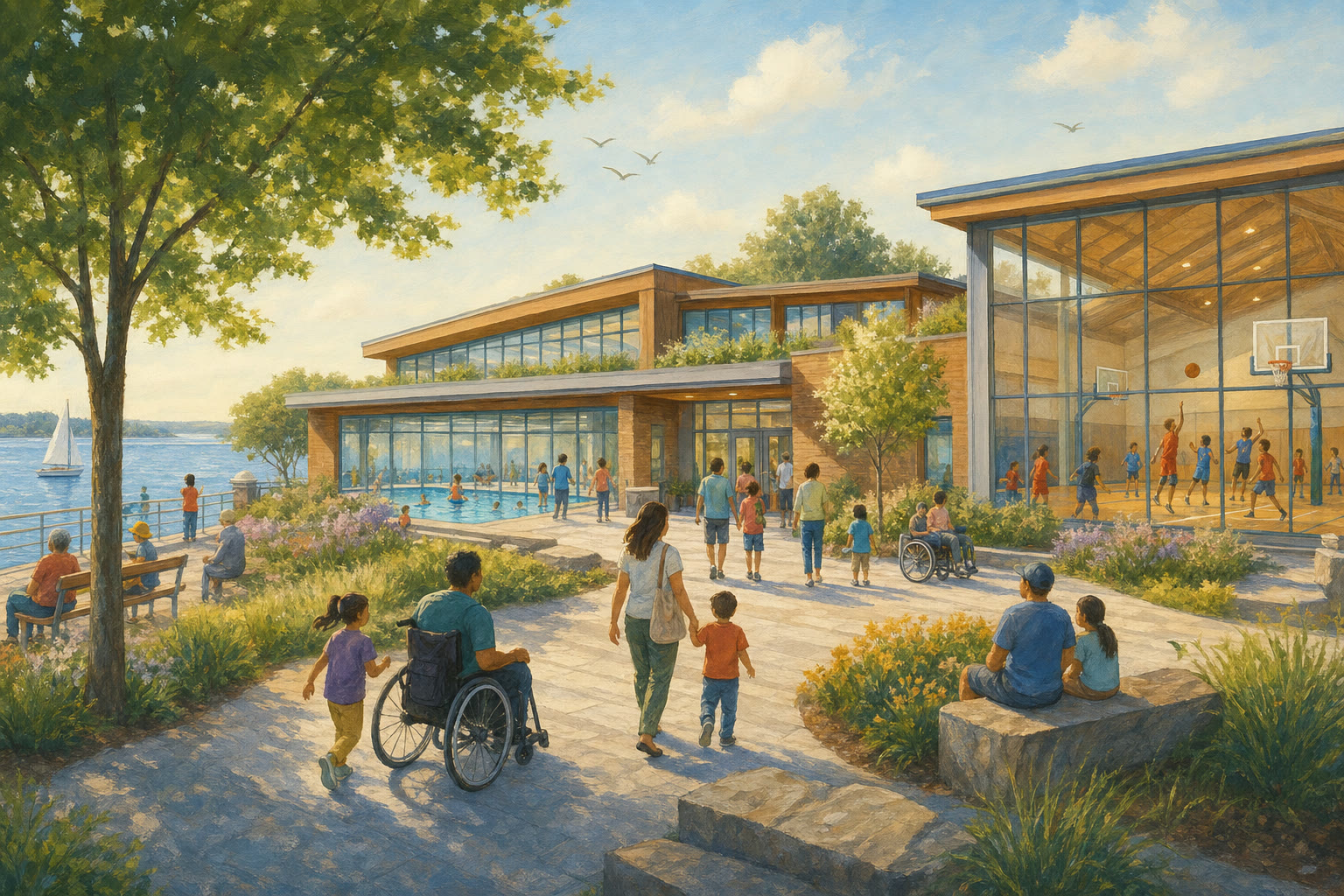
A federal investment will help build an accessible, energy-efficient gathering place for nearly 20,000 people in northern Ontario.

New wetlands, ponds and side channels at Prairie Creek are already showing promising signs for threatened coho salmon.
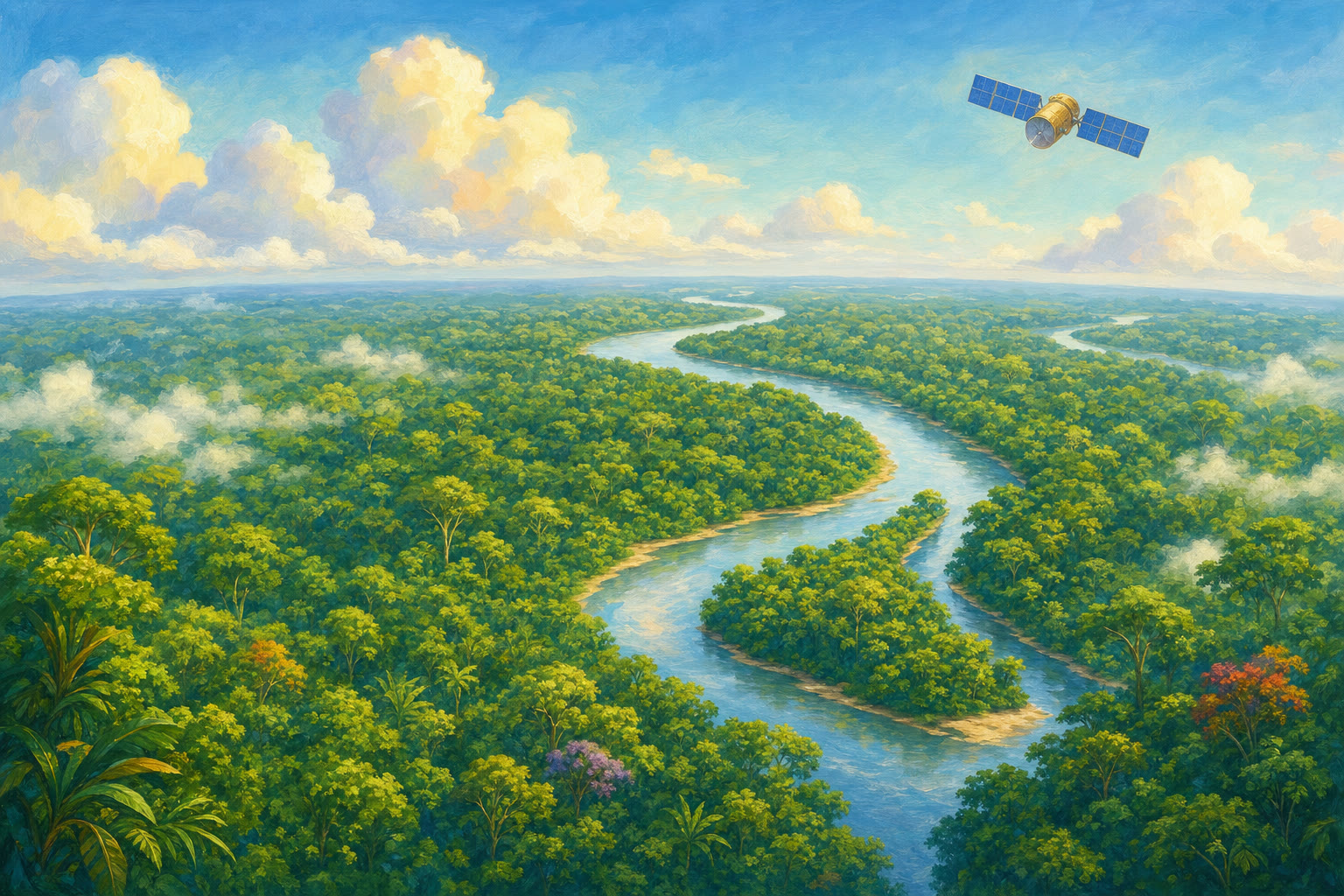
Brazil’s satellite monitoring shows a sharp drop in alerts across the Amazon and the Cerrado over the latest year of measurements.

A £343 million plan aims to make local mental-health support easier to reach and provide calmer care during a crisis.
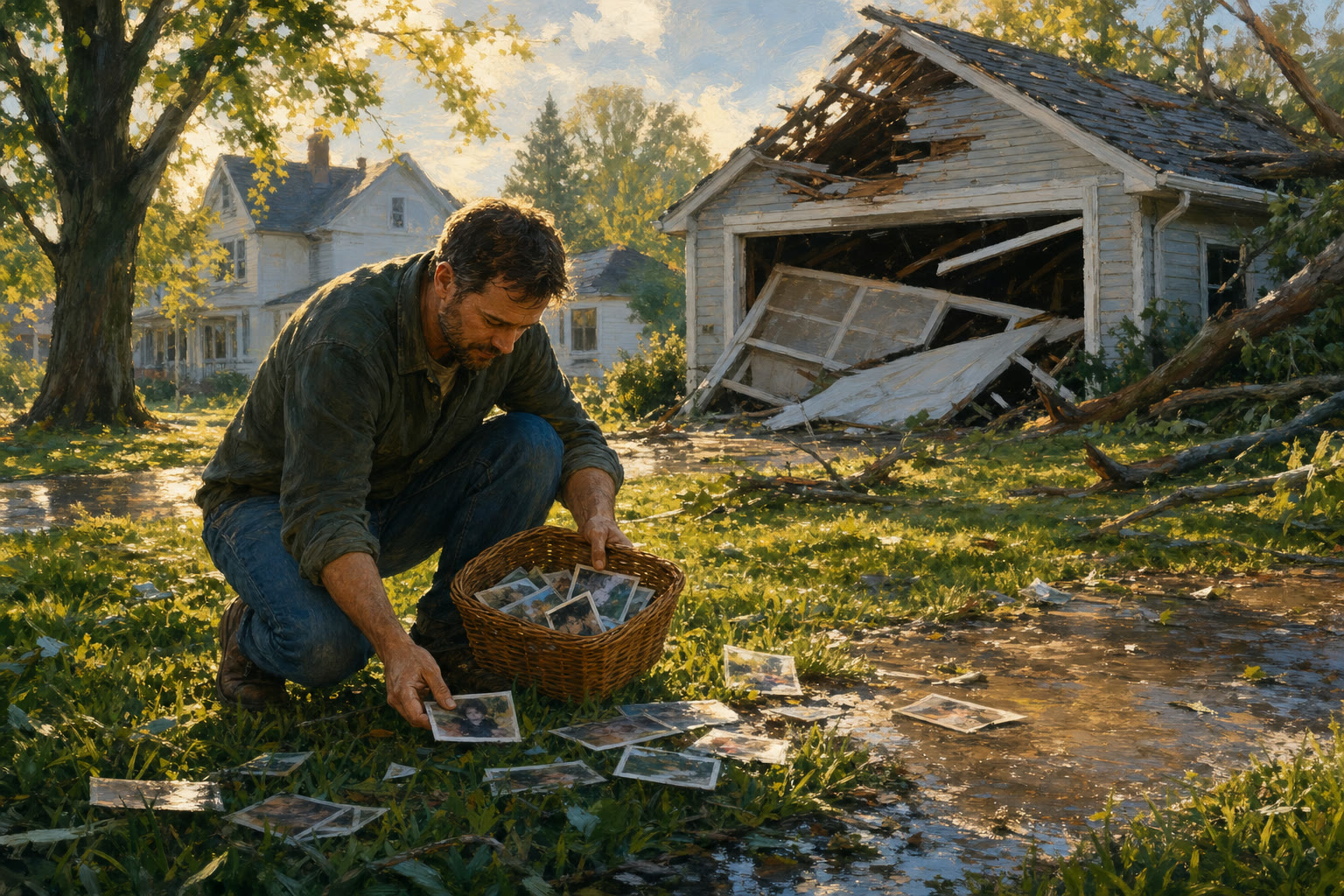
After a tornado blew family pictures across a Wisconsin neighborhood, one resident gathered them up and helped reconnect them with their owner.
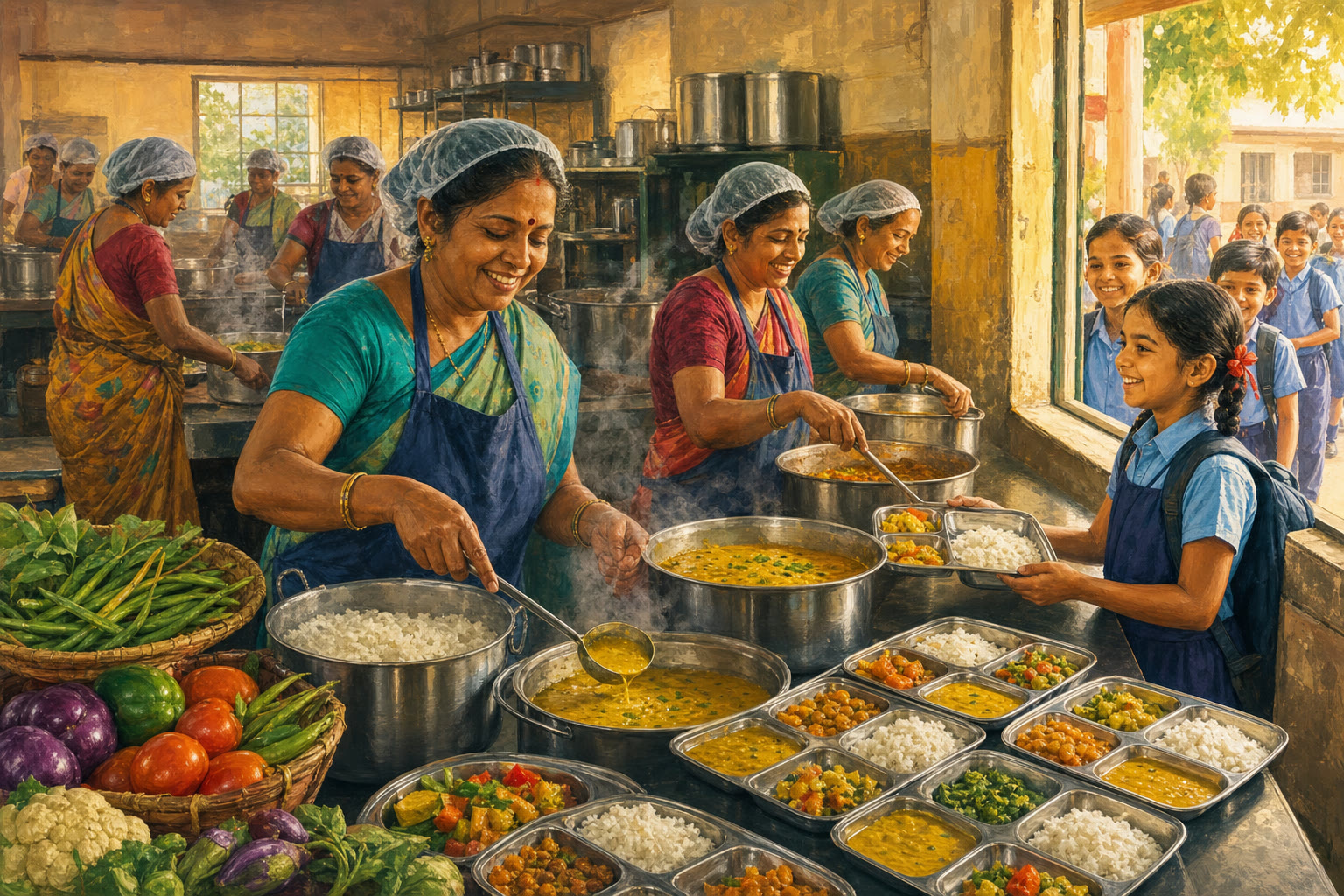
A community kitchen has begun preparing lunches for children in 500 schools, with plans to reach many more students soon.

Tiny whirlpool-like patterns in the Sun’s surface are helping scientists understand how magnetic energy moves through our nearest star.
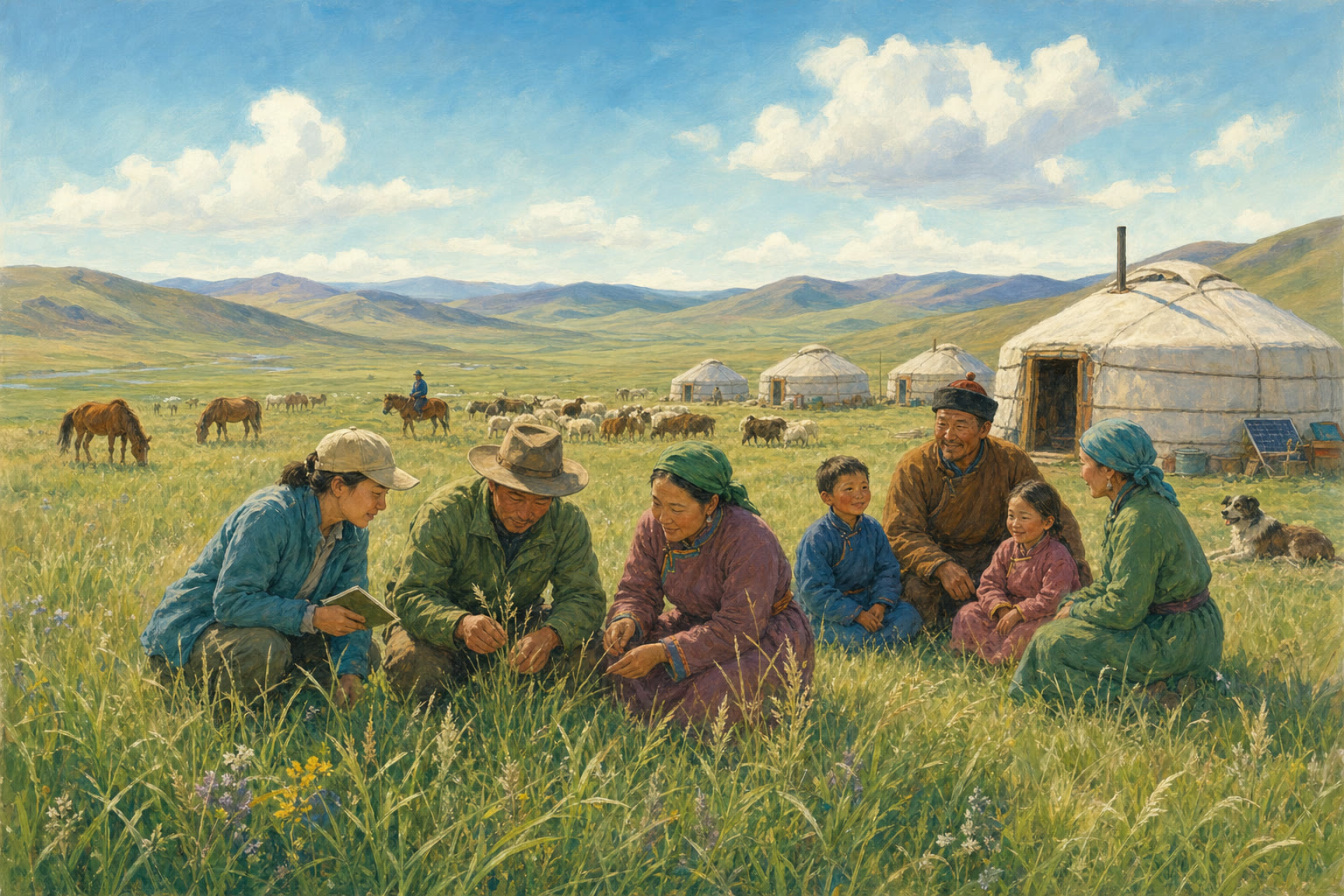
A new project will bring pastoralists, Indigenous Peoples, scientists and governments together to help damaged land recover.
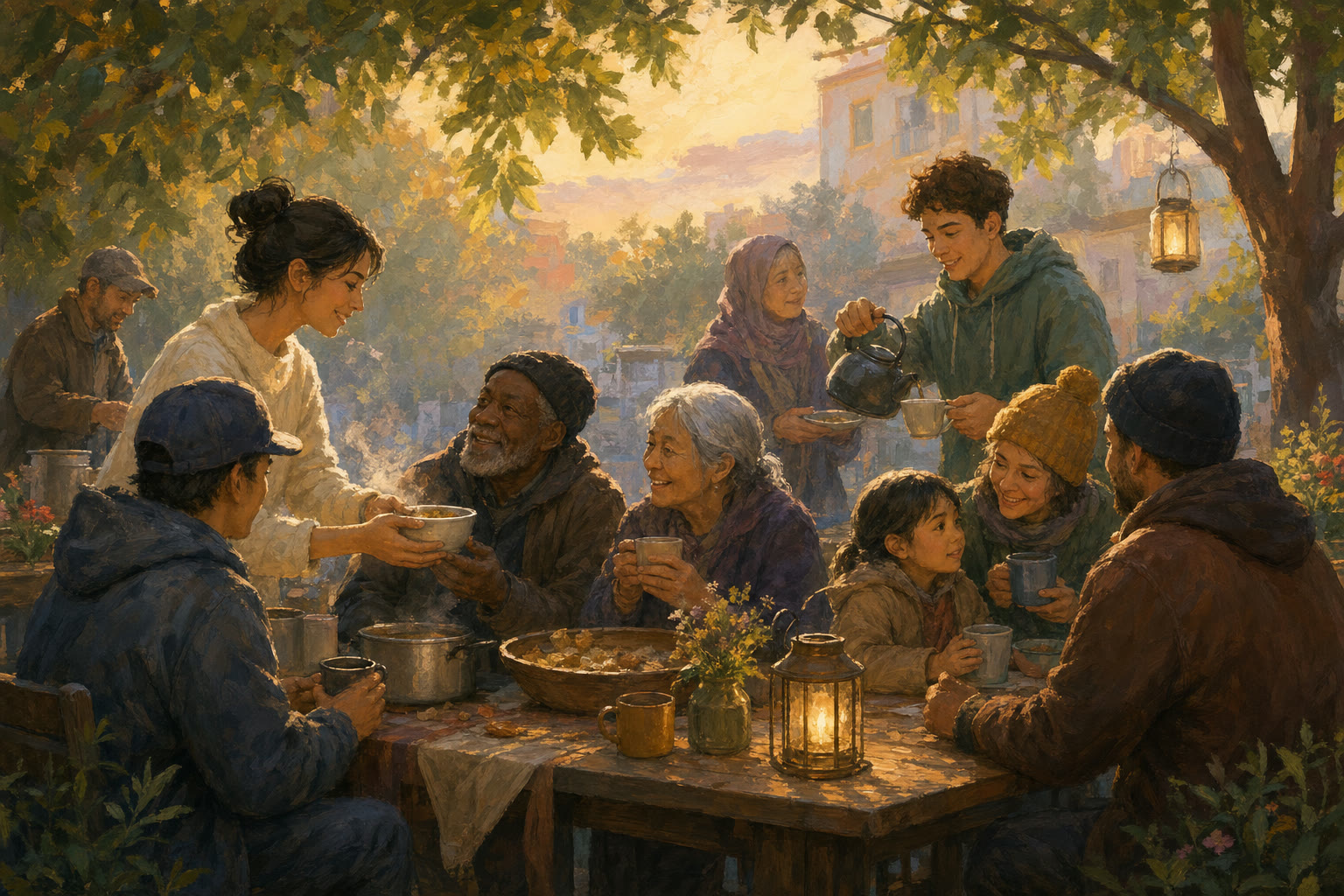
A small group of residents shared meals, rides, hospital visits and practical help with people at a rough-sleeping camp.
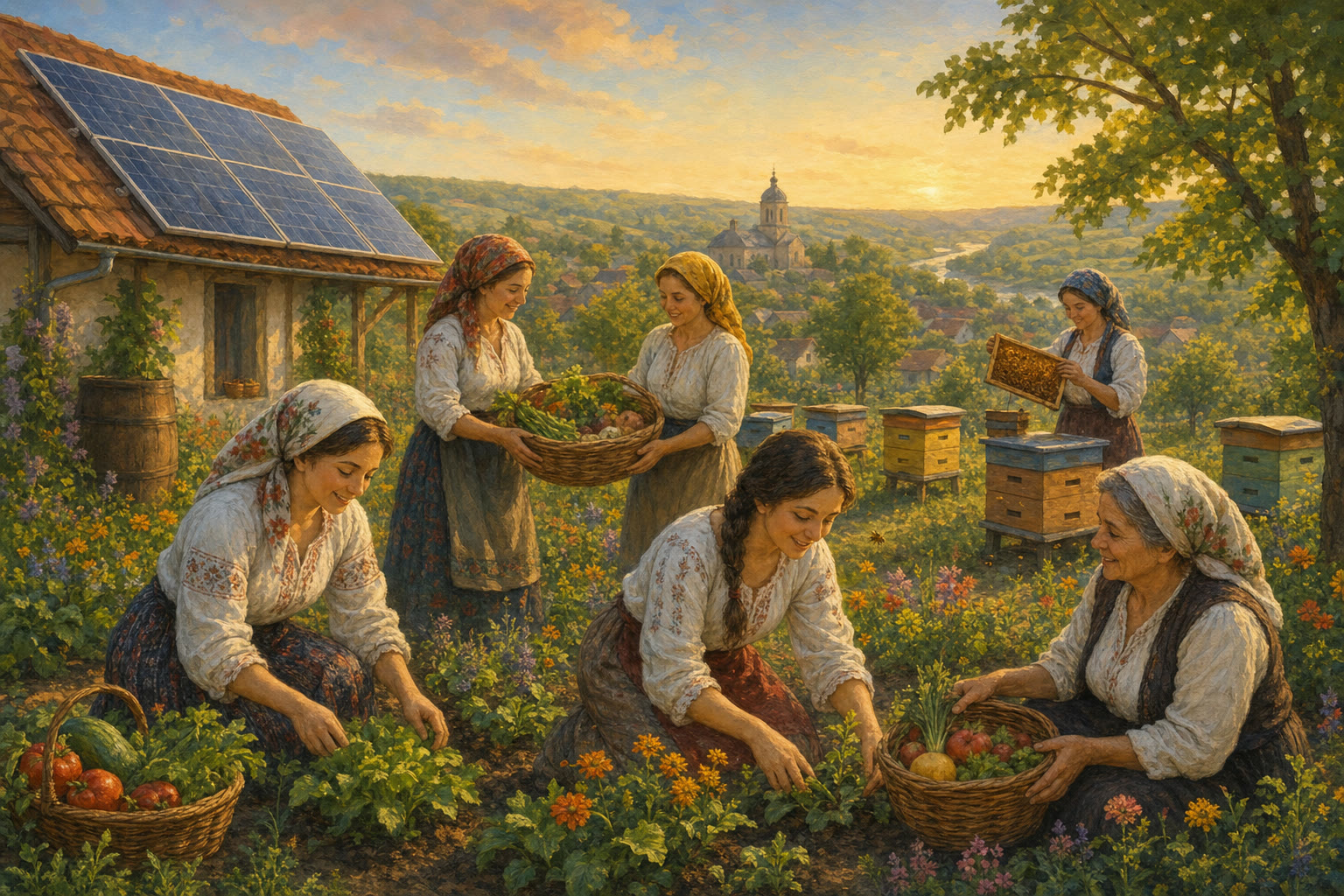
A new UNDP program will help women in 42 communities invest in cleaner energy, climate-smart farming and other small businesses.
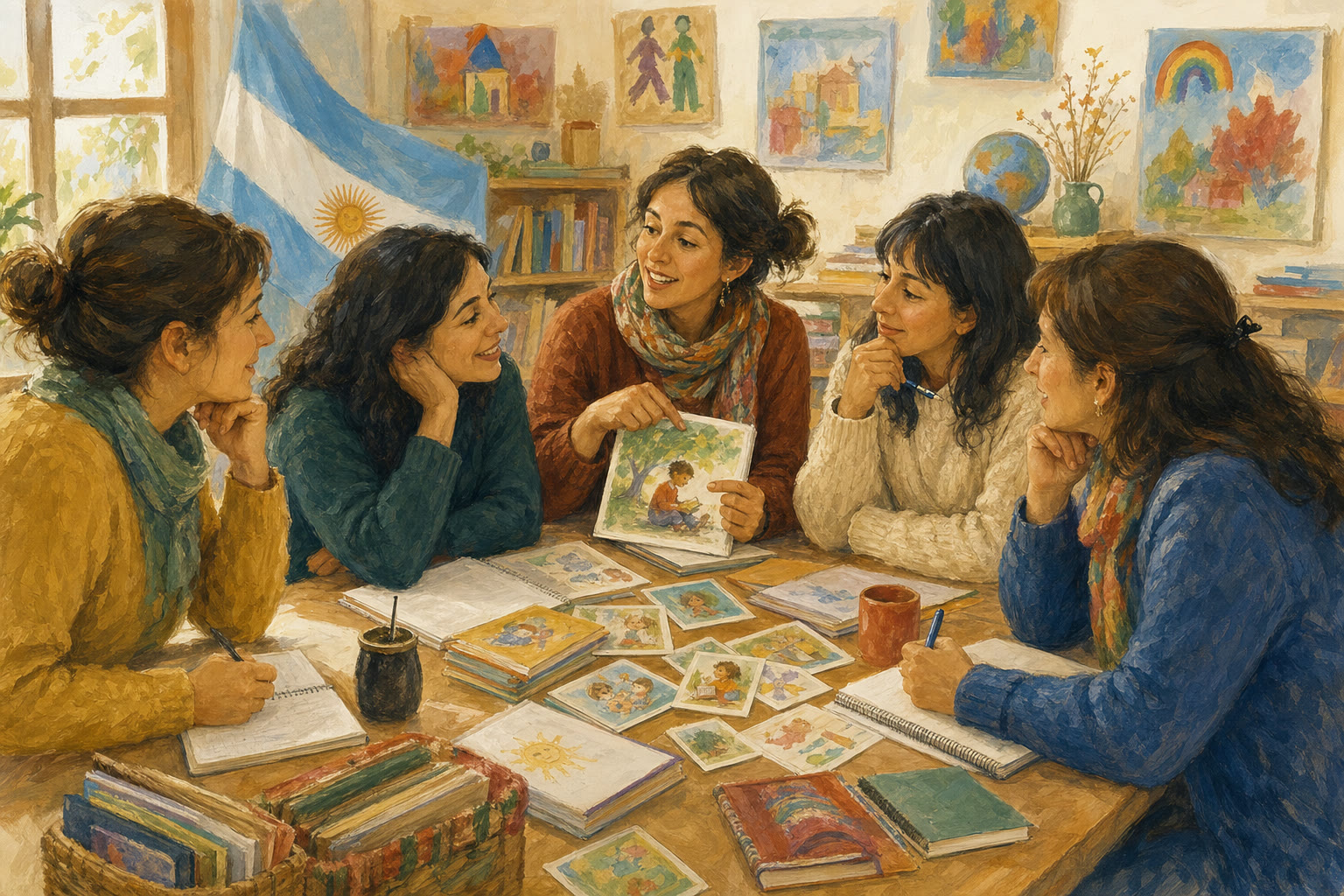
School leaders and teachers in La Rioja are learning how to use assessment results as a practical tool for helping children read.
The Phoenix Species Project begins with a $200 million commitment for long-term recovery work led with local communities, Indigenous Peoples and conservationists.
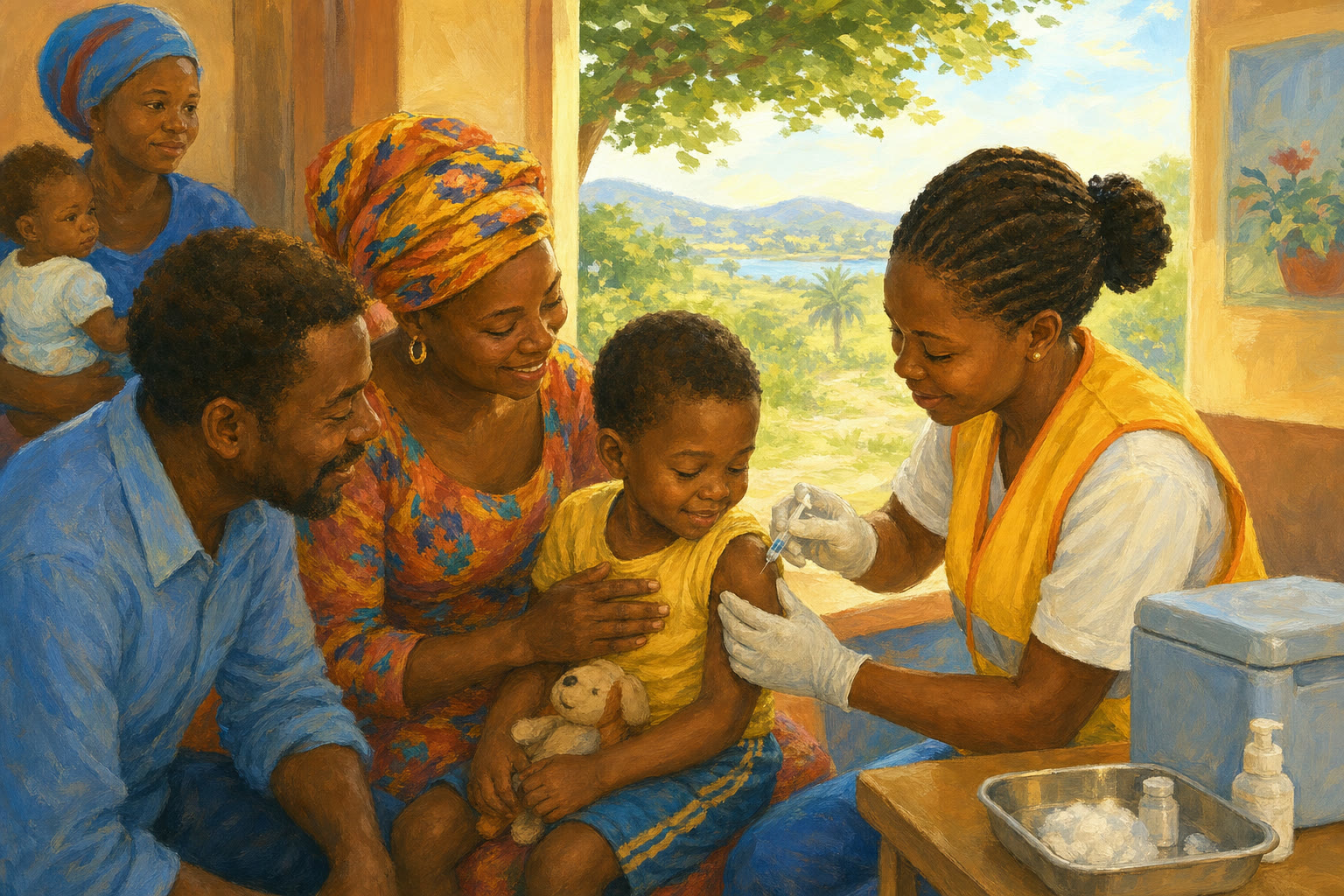
After four vaccination drives, health workers are using what they learned to reach even more children, including those in remote communities.
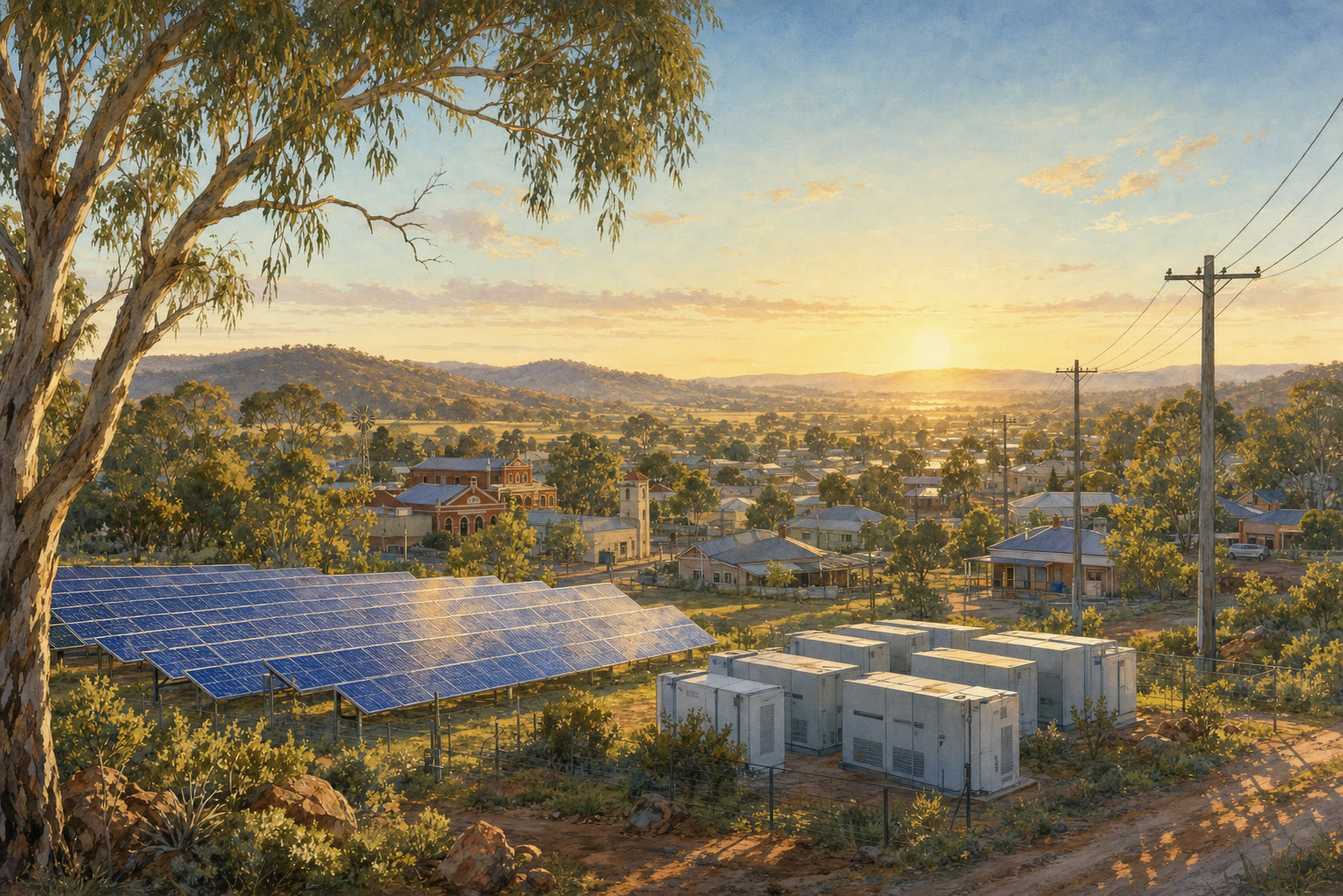
A new $100 million financing program is designed to make it easier for mid-sized clean-energy projects to connect to local grids.
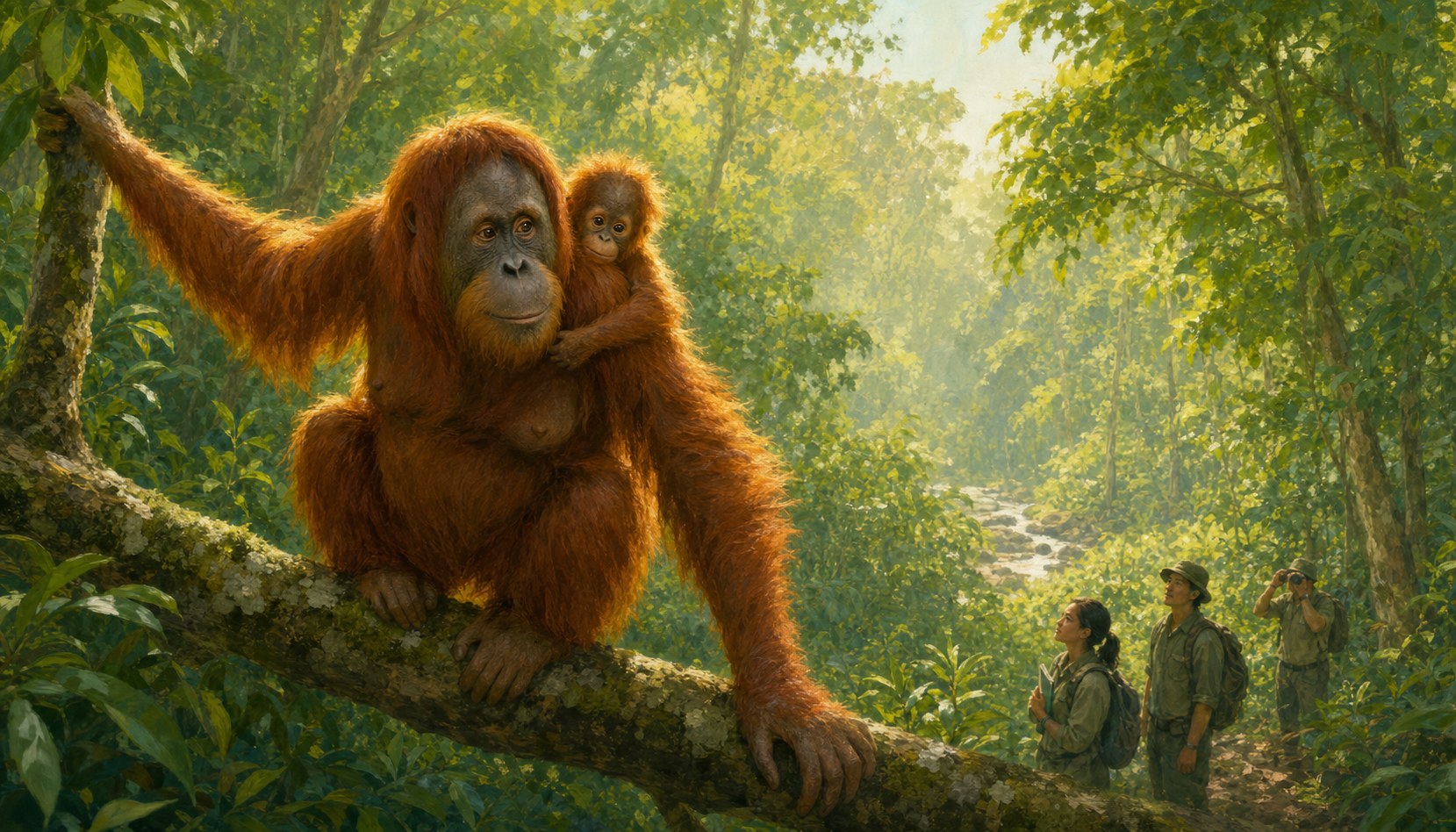
A rehabilitated mother has given birth at Indonesia’s Jantho reserve, where teams are working to rebuild a safe home for the endangered species.
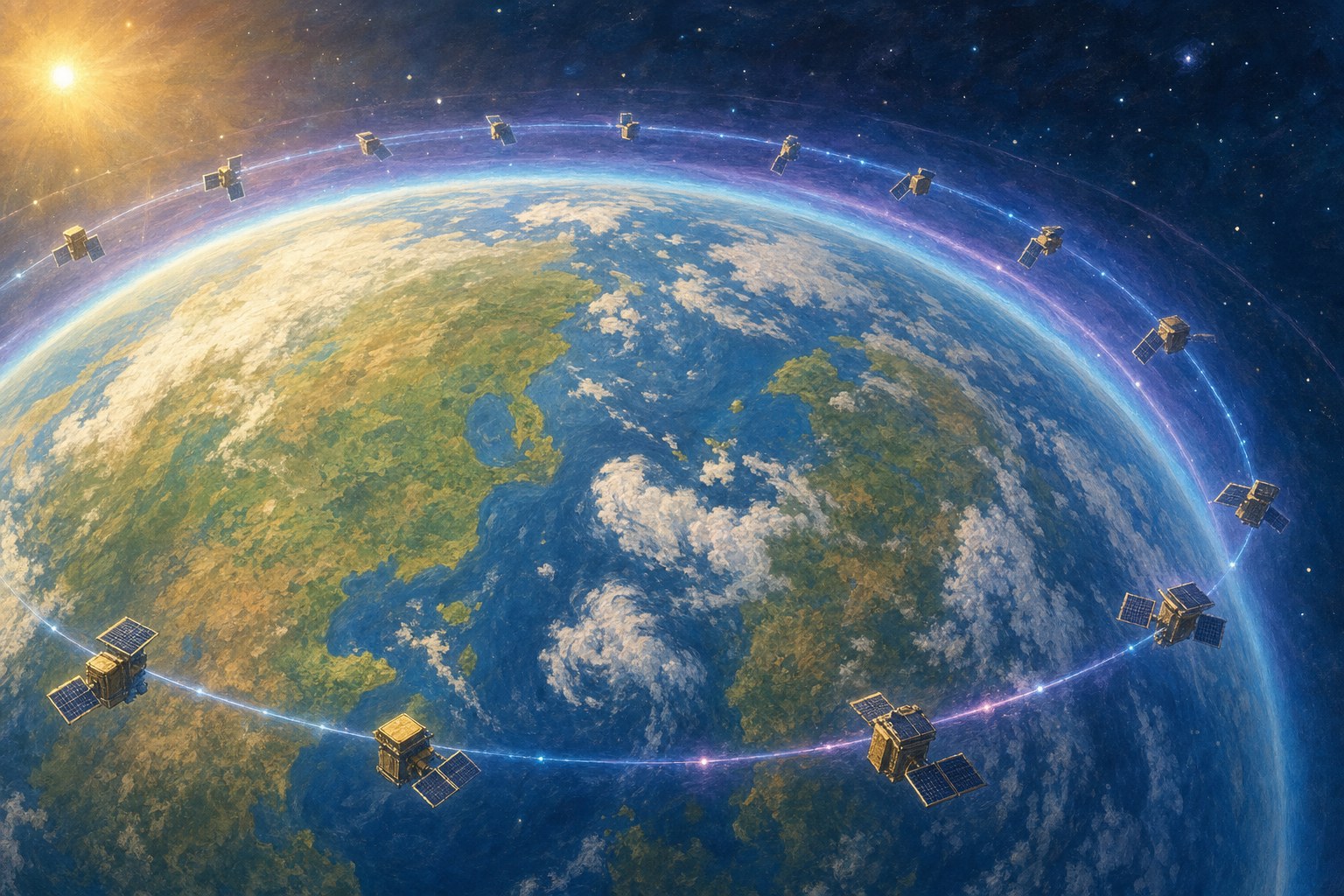
A Kyoto University team turned tiny changes in satellite orbits into a new picture of the thermosphere, opening another way to understand space around Earth.
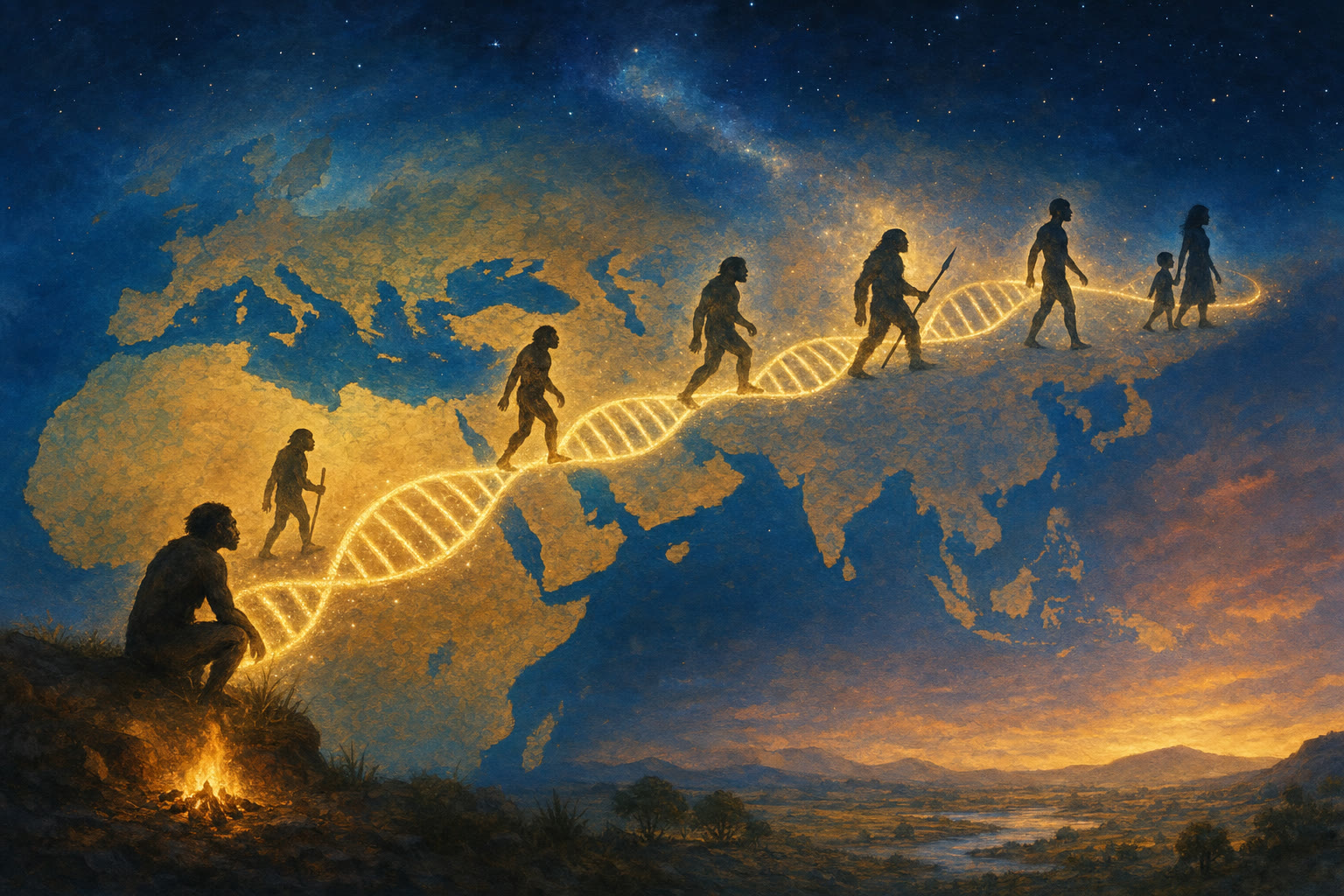
UC Berkeley researchers used genomes from living people to find evidence that two unknown ancient human relatives left traces in modern DNA.

A nationwide shipment is putting storybooks, comics, and novels into schools that need stronger reading resources.

A female Amur tiger named Umit is beginning life in the Ile-Balkhash reserve as part of a long-term plan to restore a lost population.
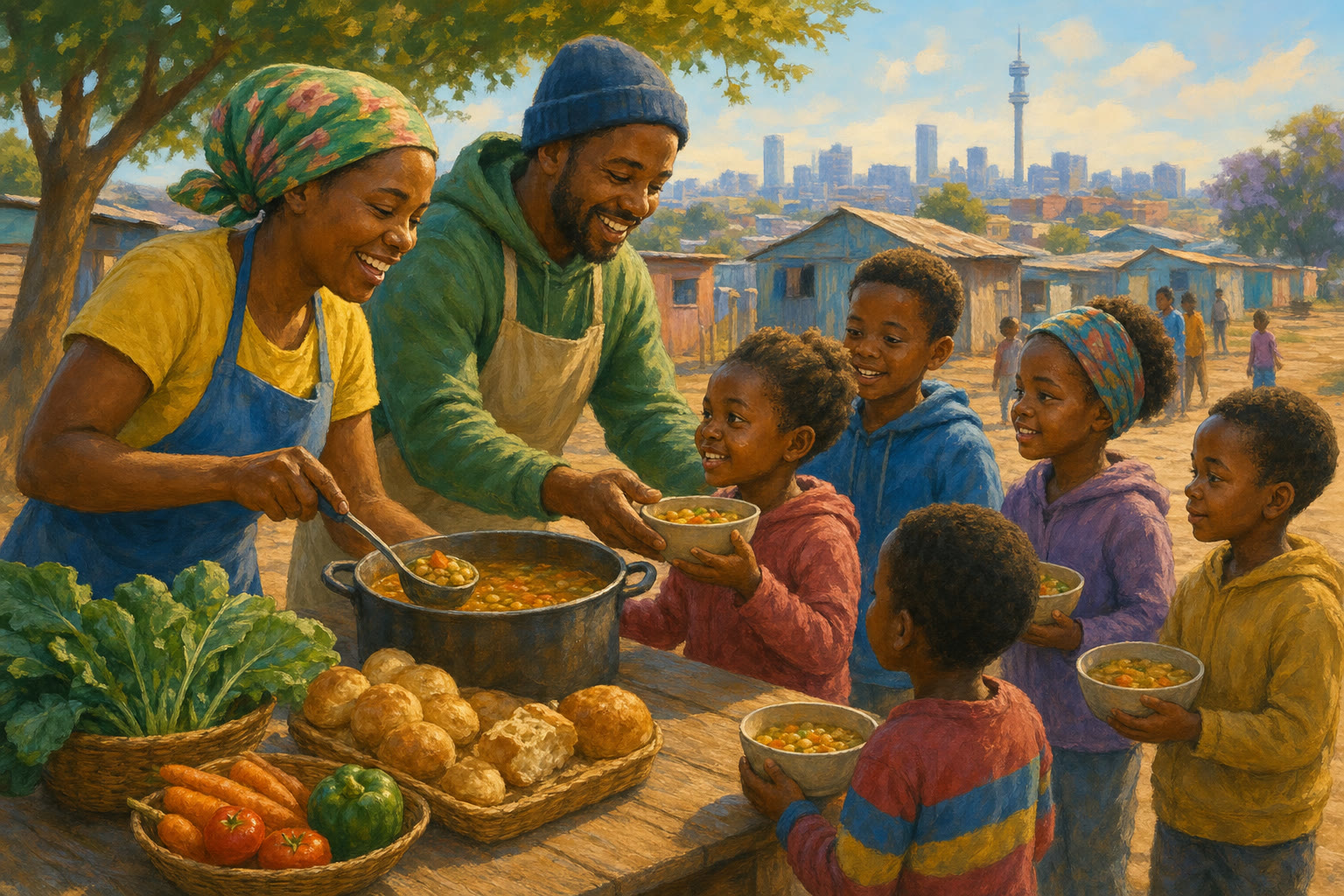
Volunteers and community partners in Johannesburg South are making sure children in the Jackson informal settlement have something nourishing to eat each day.

A new public-service office in Viqueque completes a national network that brings everyday documents closer to home.

The observatory has been fueled and is getting closer to its planned journey into deep space.

Official figures show renewable generation rising while gas generation fell across the three months to May.
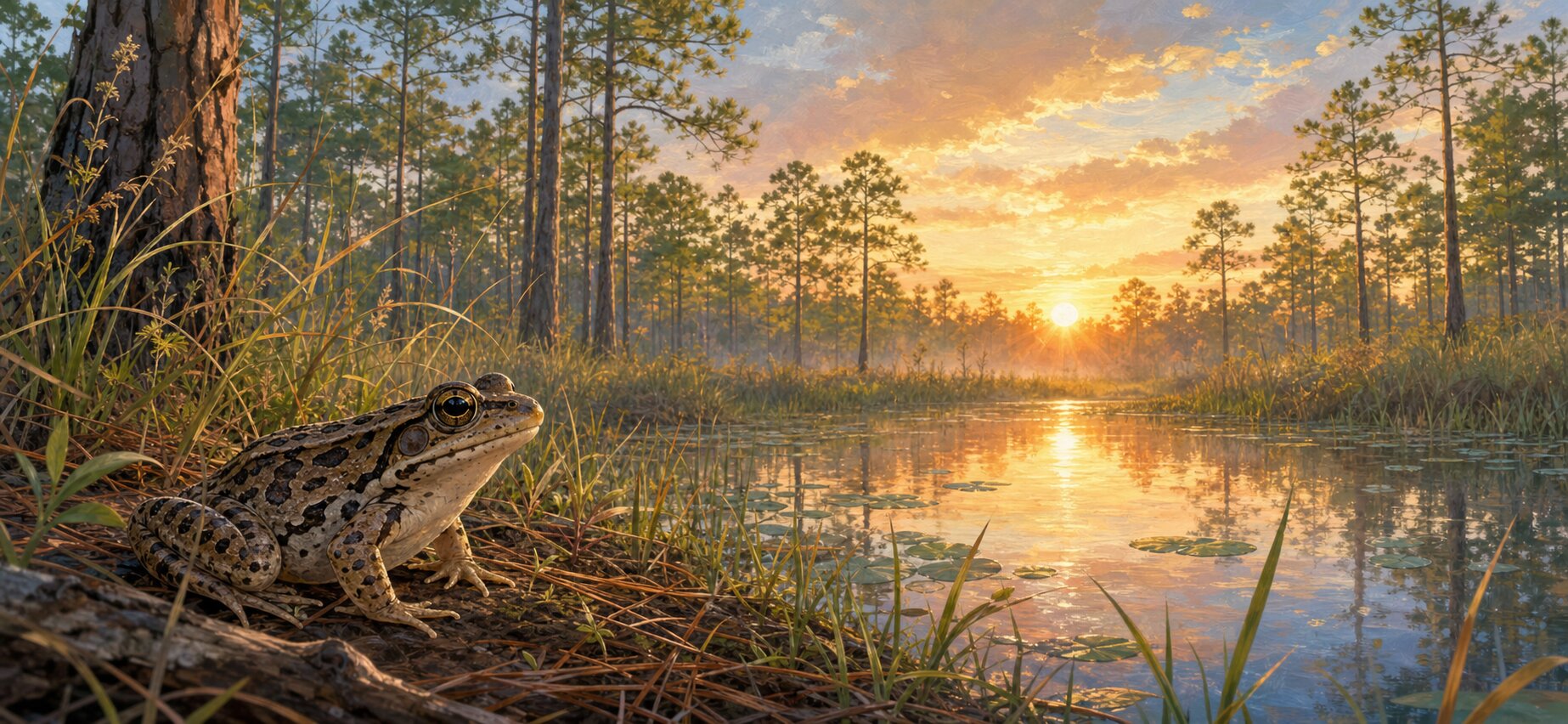
A partnership between landowners, wildlife agencies, and a zoo is giving an endangered amphibian a new place to live.
Expanded vaccination and treatment efforts are helping bring down new infections, even as millions still need diagnosis and care.
The three-year project aims to make public services more responsive by strengthening local institutions and giving residents a larger role in decisions.
Nearly $7 million will support local renewable-energy studies and projects in Yukon, the Northwest Territories, and Nunavut.
A three-year programme will combine second-chance education for children with practical skills training for young adults across the country.
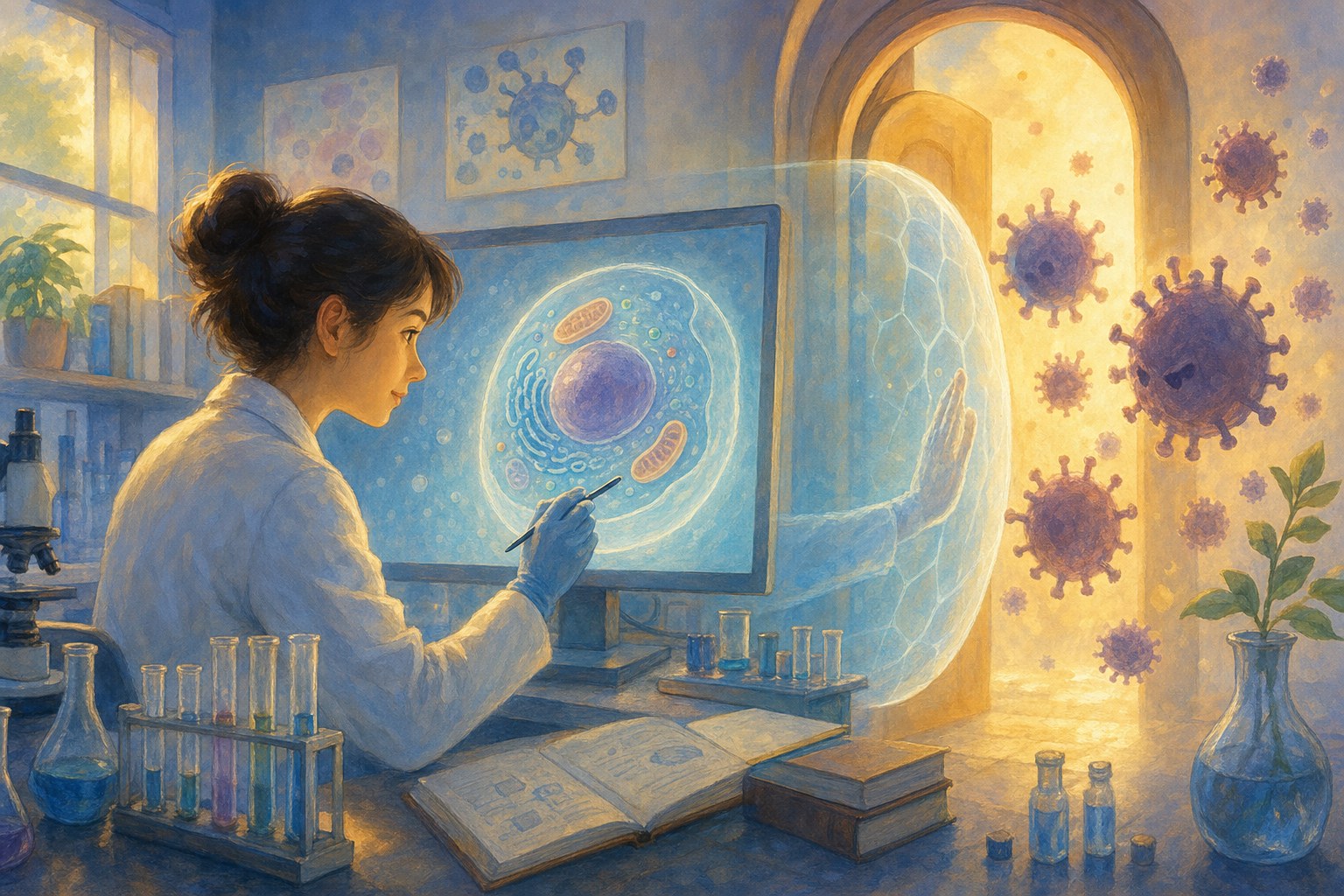
Early laboratory work suggests a drug can disrupt the human-cell pathway viruses use to assemble, though more testing is still needed.
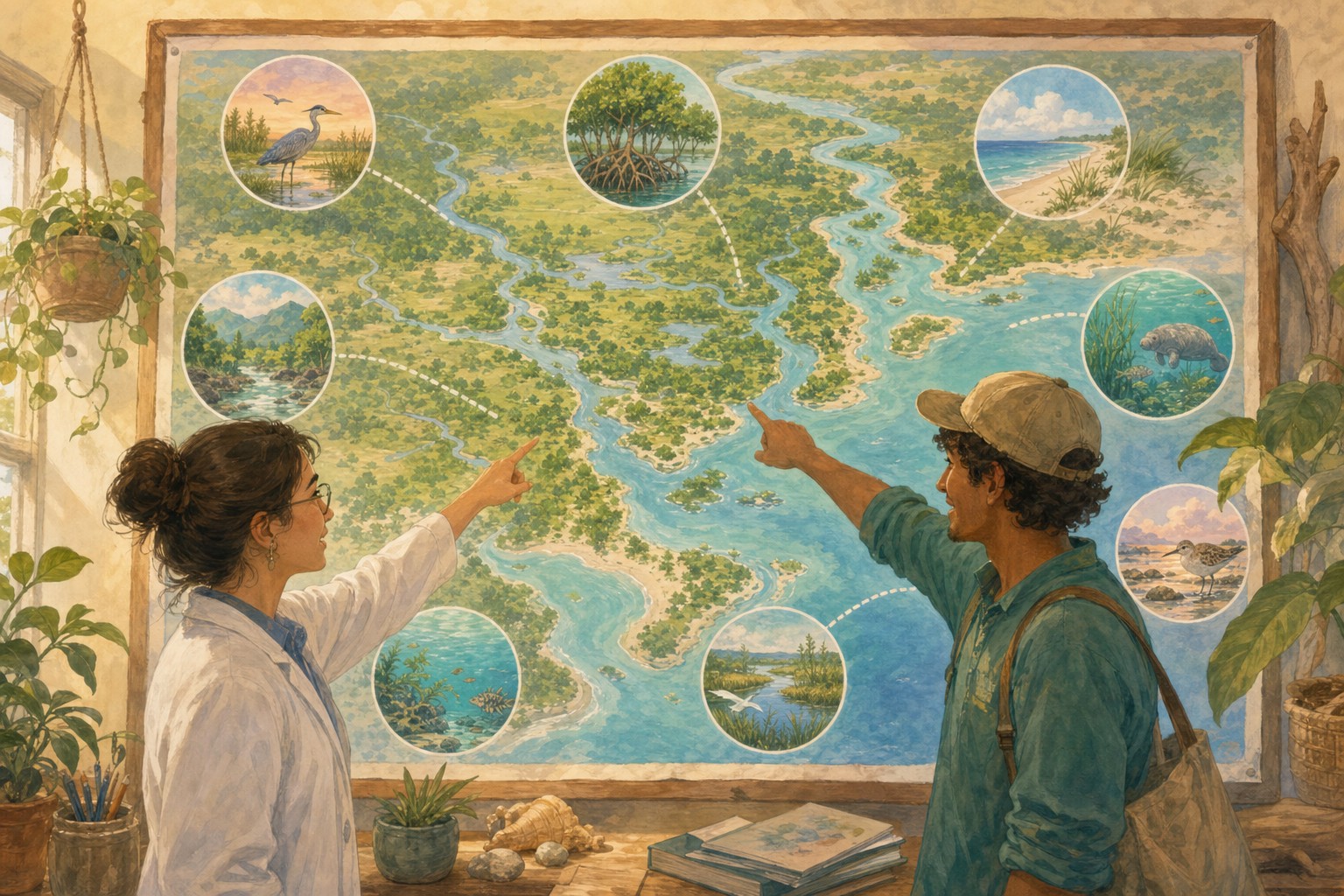
A public tool now makes it easier to explore more than 148 restoration cases tied to pollution incidents across the United States.
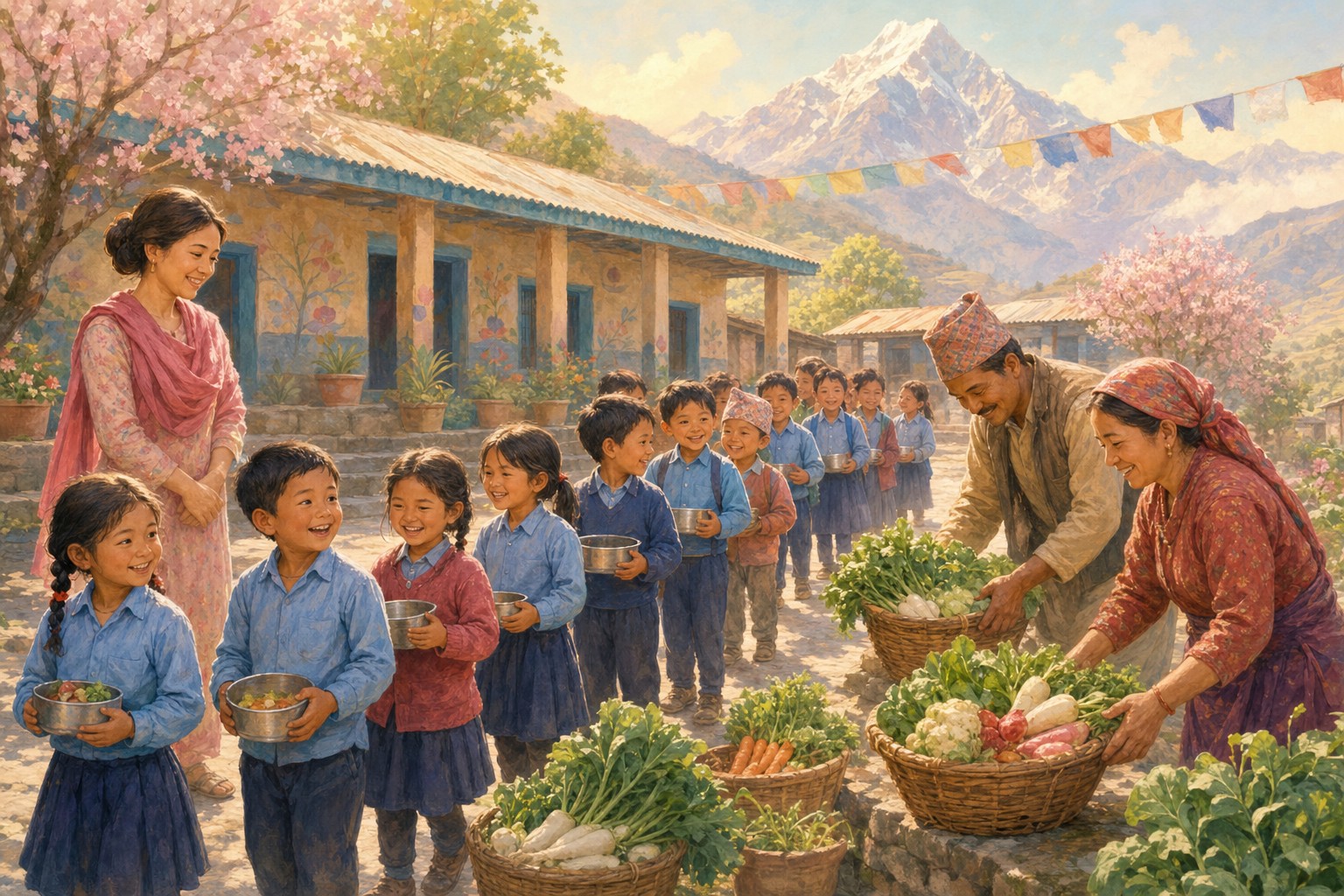
A long-running national lunch programme is set to grow, with benefits that reach beyond the classroom.
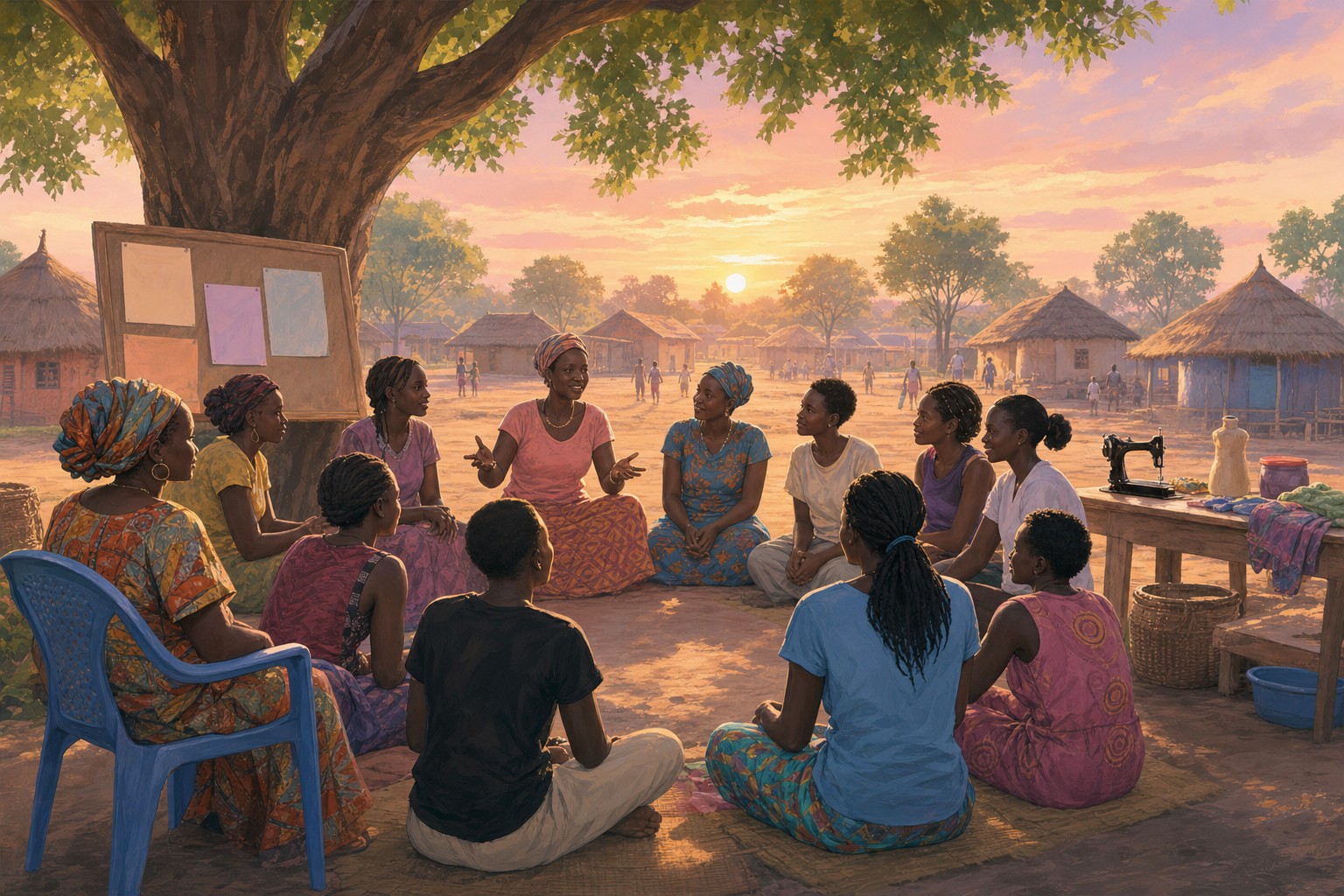
Two new programmes aim to expand opportunity and reduce the pull of violence through jobs, support, and local leadership.
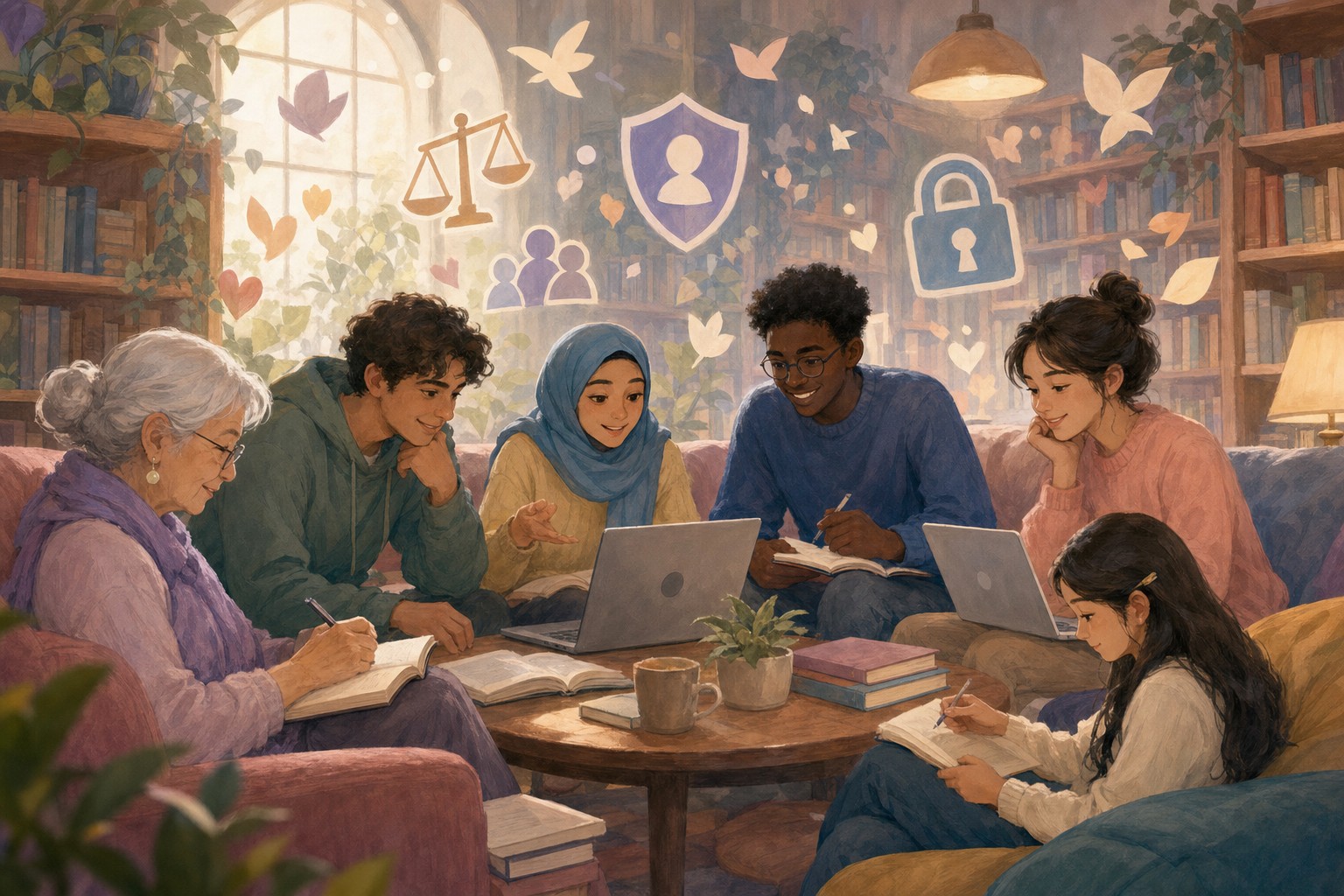
A new online course on Coursera is meant to help people turn shared AI-ethics principles into day-to-day practice.
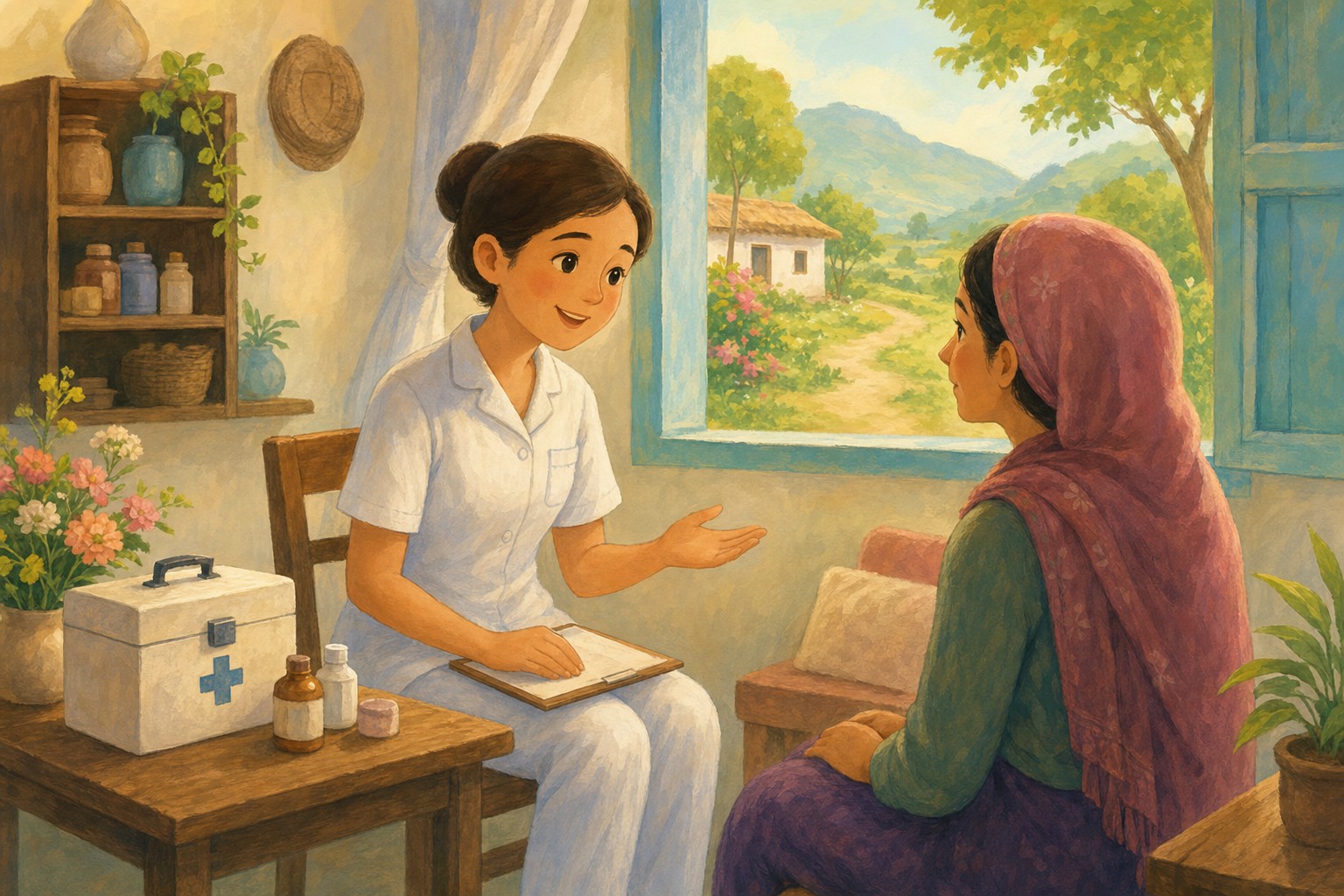
New recommended regimens could mean fewer injections and less toxicity for patients in eastern Africa and South-East Asia.
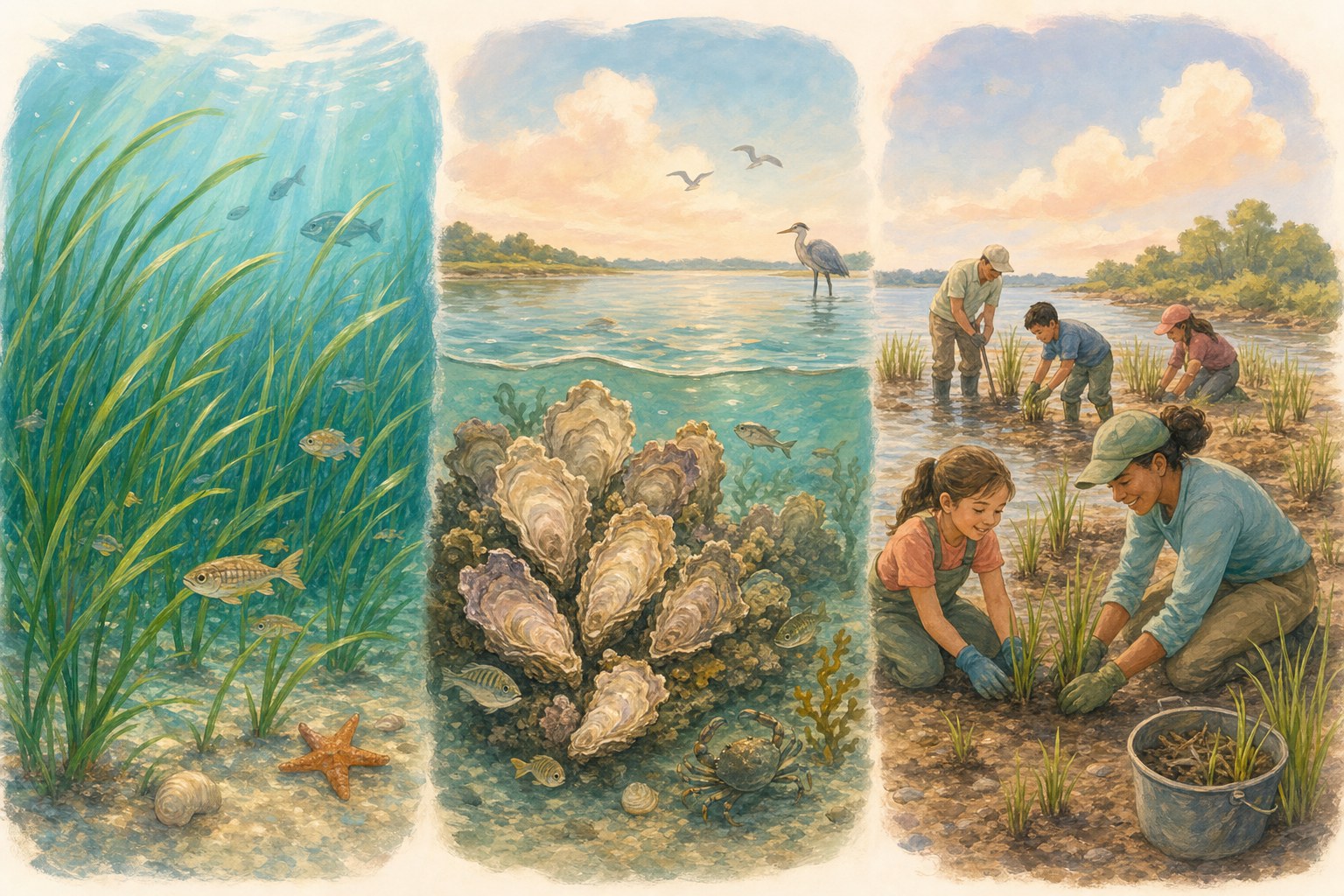
A federal roundup of restoration work points to dozens of smaller projects that add up to healthier coasts and waterways.

A new memorandum sets out a framework to move community-based, multi-generational housing projects forward across four provinces.
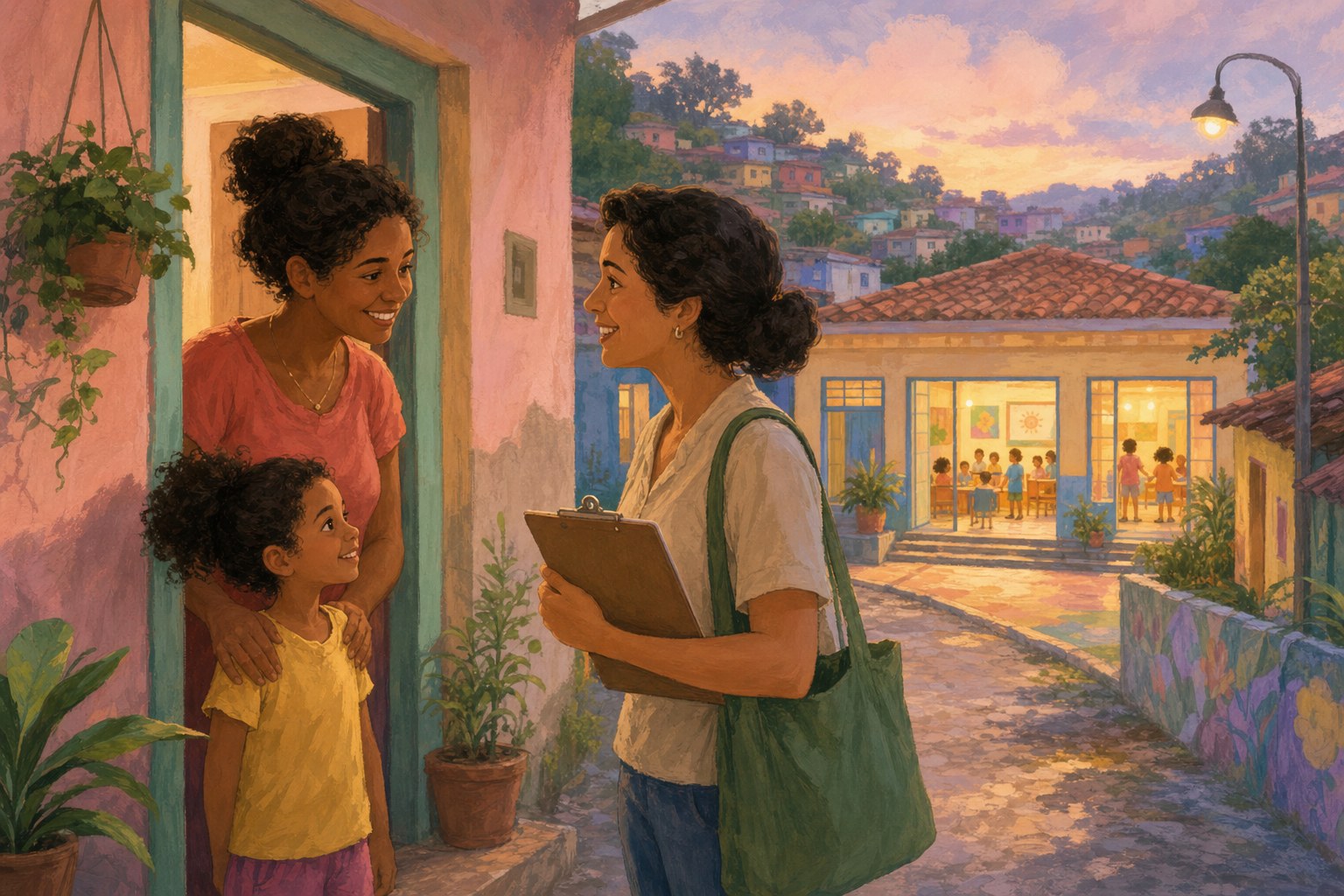
Busca Ativa Escolar pairs local outreach with a free digital platform to find kids who have fallen out of the system, and help them return.
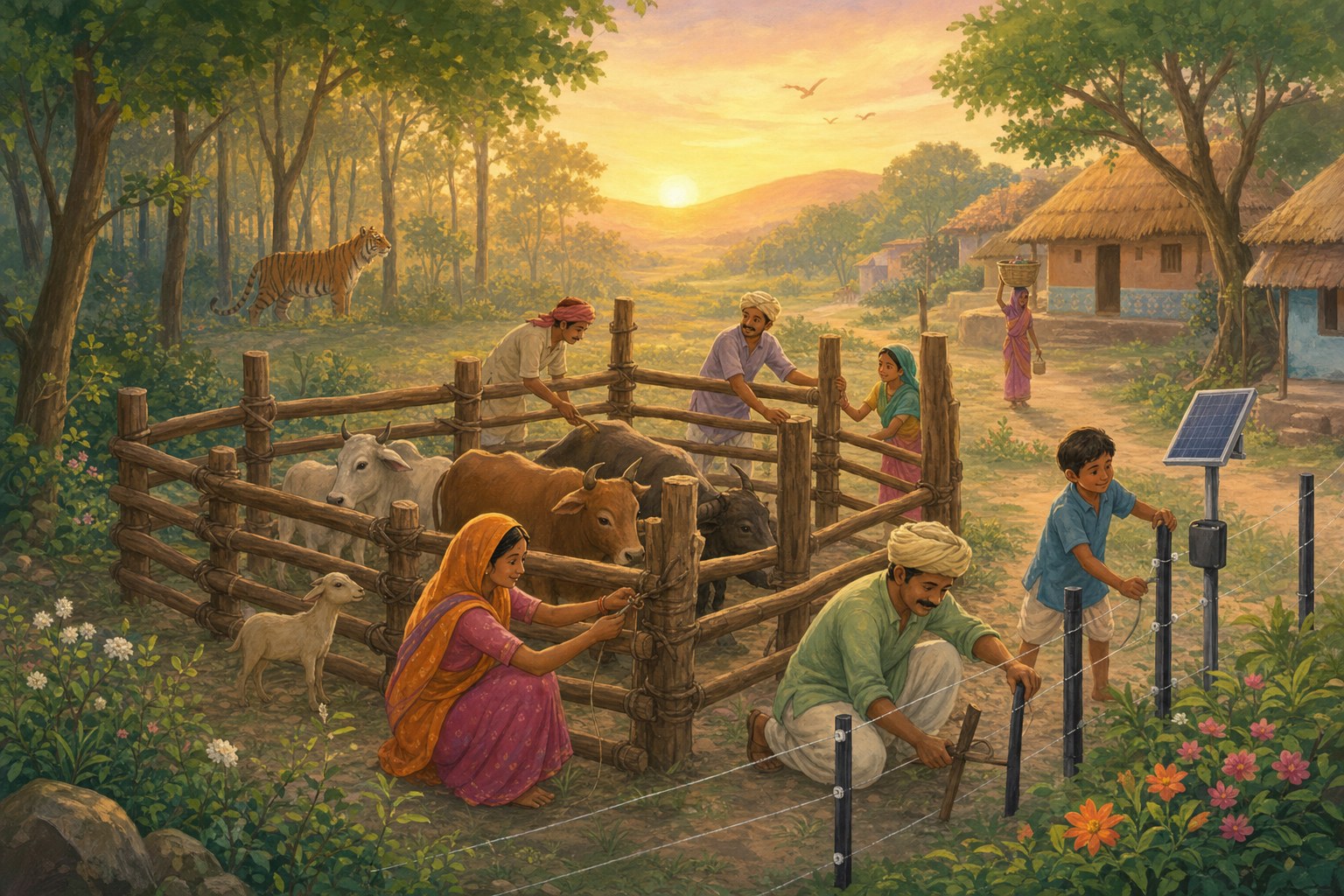
A conservation program working across seven Asian countries is investing in the unglamorous basics that help people and big cats share the same landscapes safely.
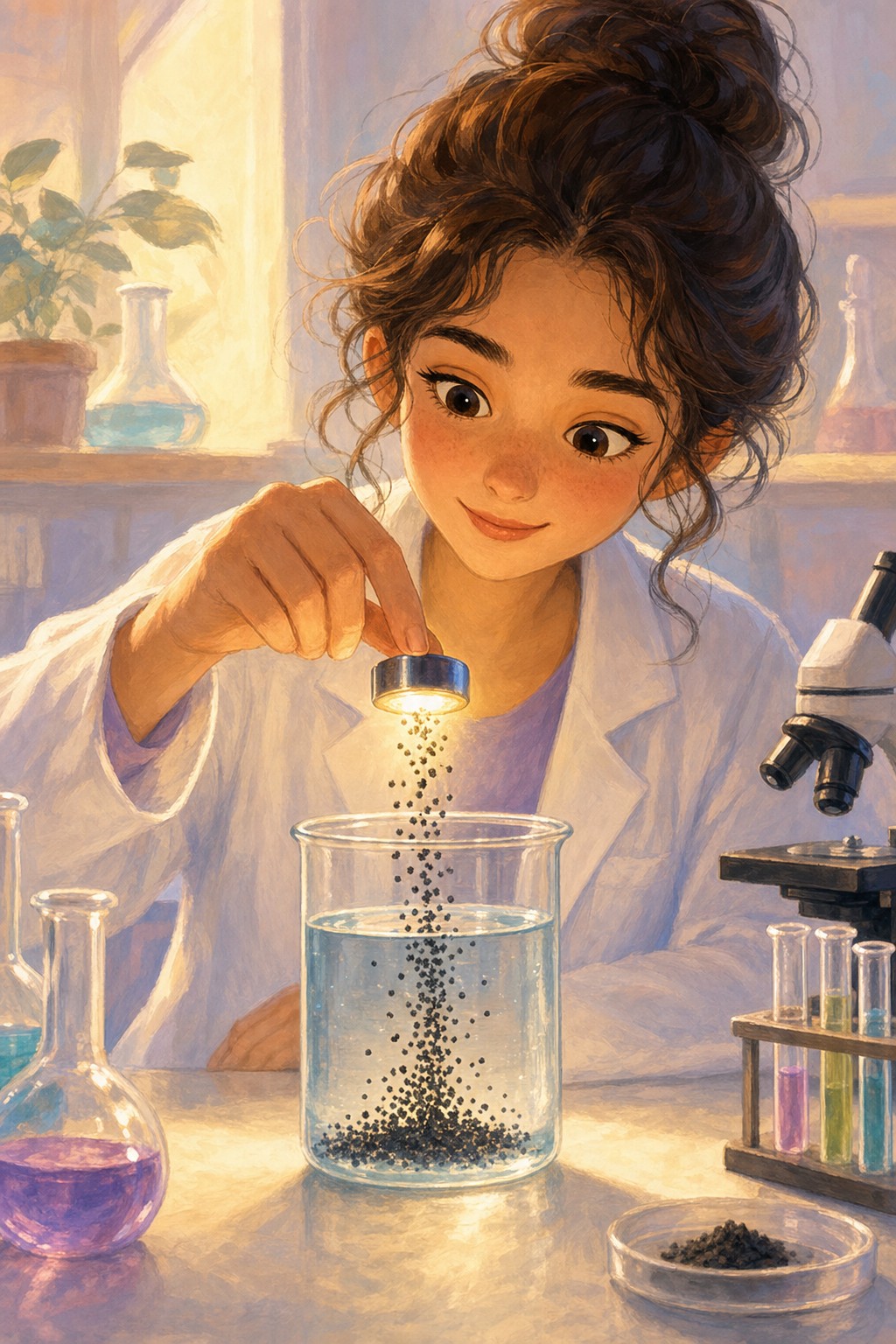
A new RMIT University material is designed to quickly capture tiny plastic particles and a slice of ‘forever chemicals,’ bringing the approach closer to real-world treatment.

A Department of Energy program aims to fund community-driven projects that improve reliability, cut emissions, and build local energy independence.
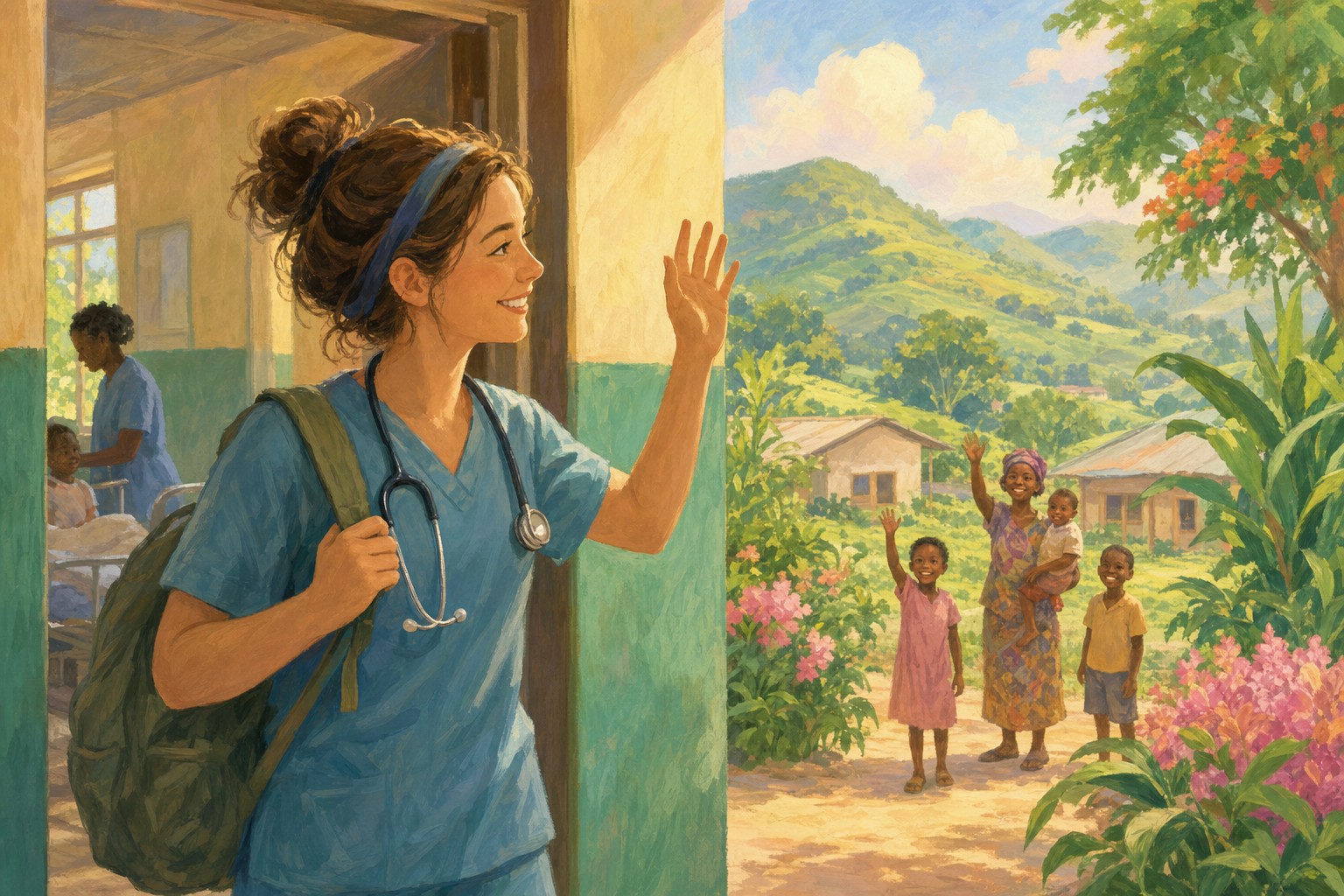
After the last confirmed patient tested negative twice and went home, the country entered the standard 42-day watch period before an outbreak can be declared over.
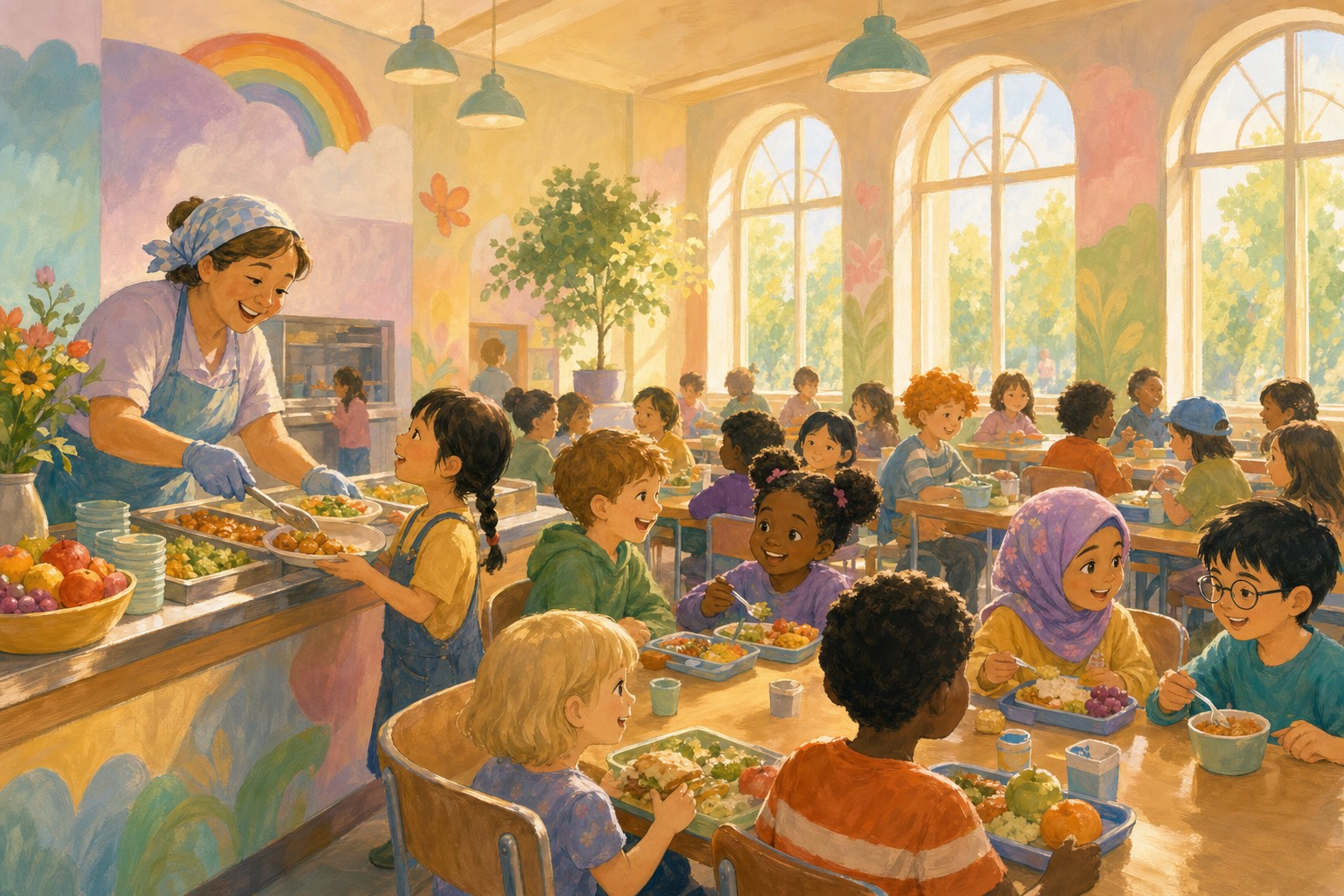
A simpler eligibility rule is set to bring free lunches to over half a million more pupils from the start of the 2026 school year.

New support targets the unglamorous but essential pieces, like charging, storage, and safe ground operations.
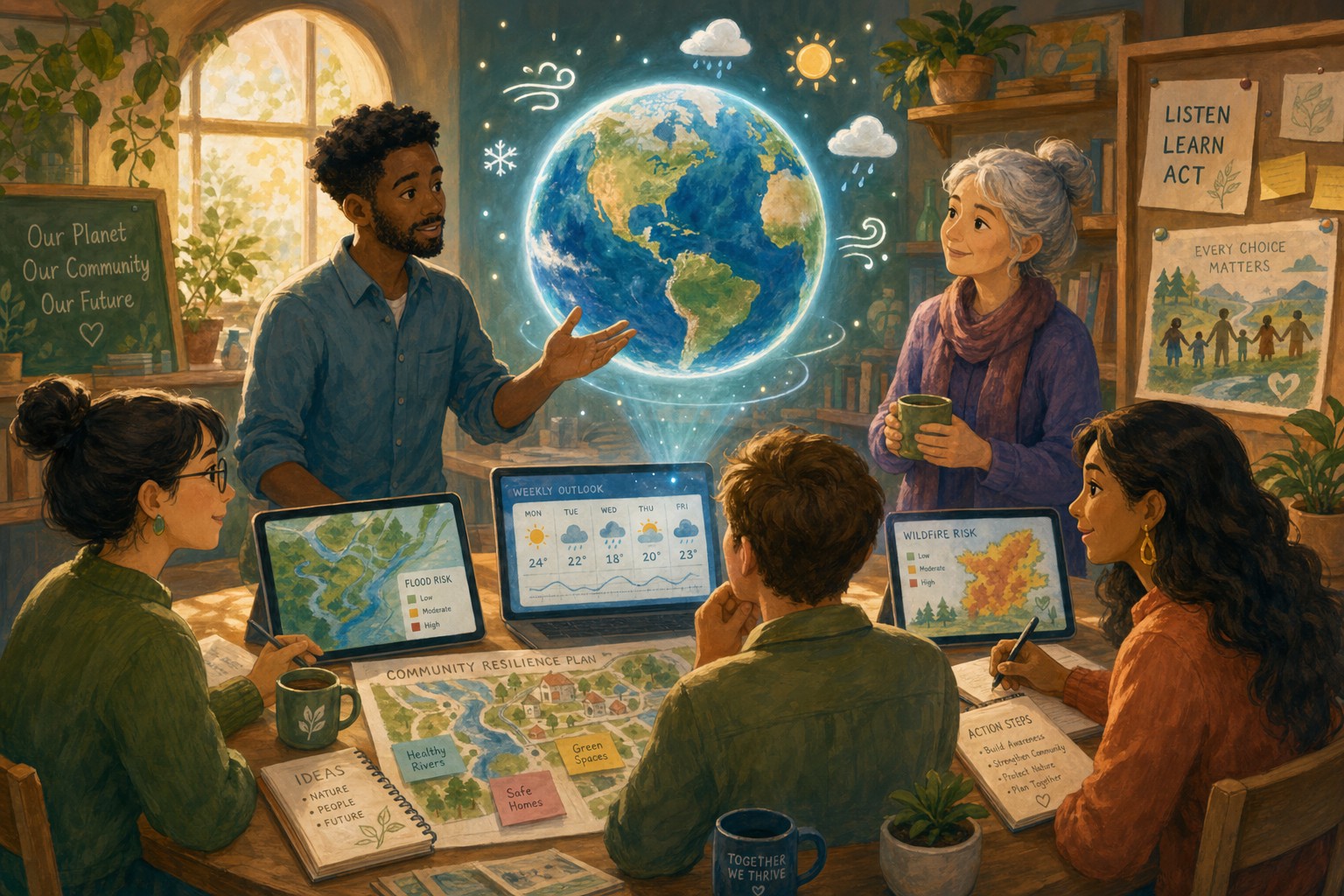
The Destination Earth initiative is shifting from building the system to helping more people use it for climate and extreme-weather decisions.
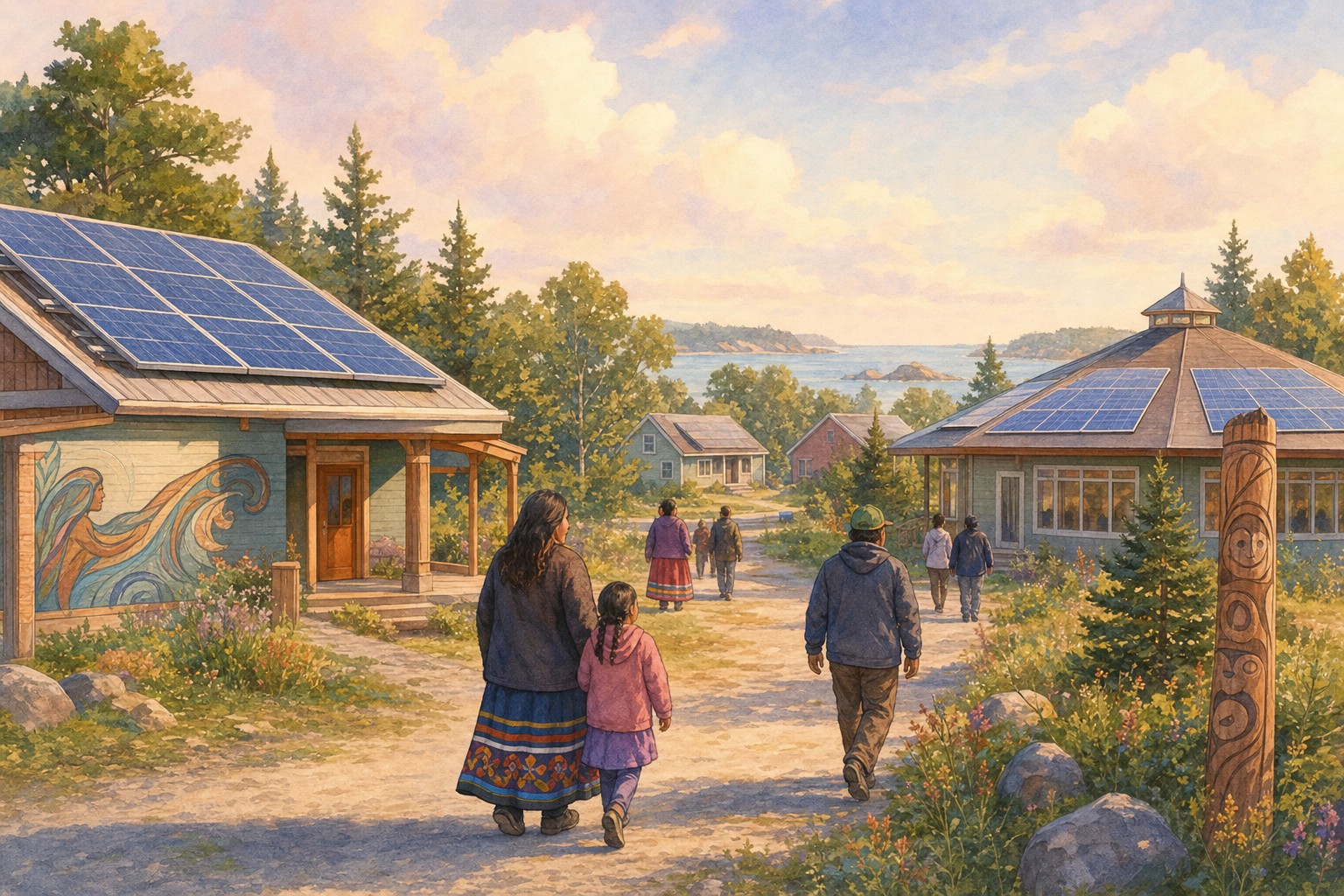
A net-metered solar project is helping communities cut energy costs while keeping more control over their energy future.
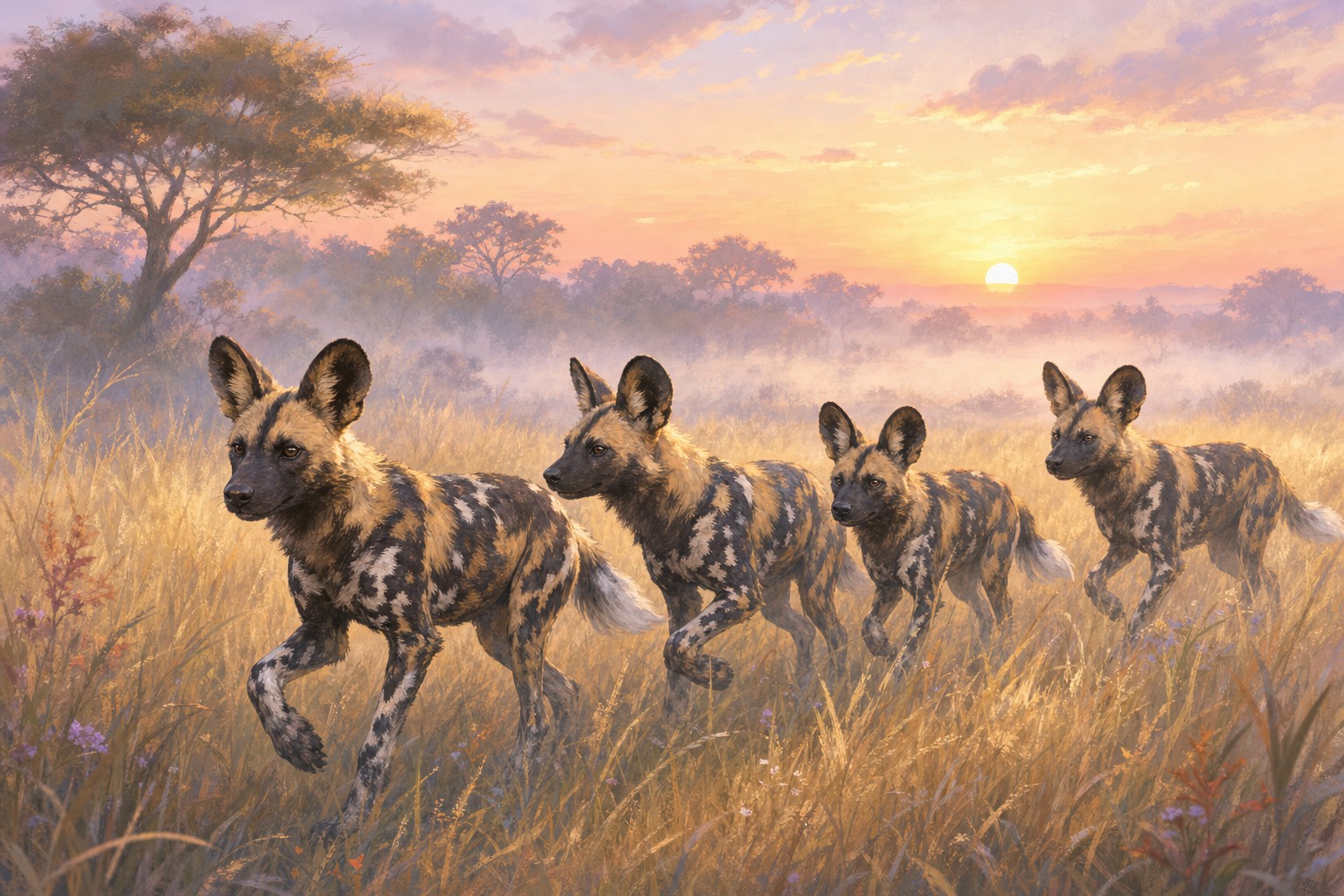
After a decade without a pack in the park, four wild dogs were photographed during a routine patrol.
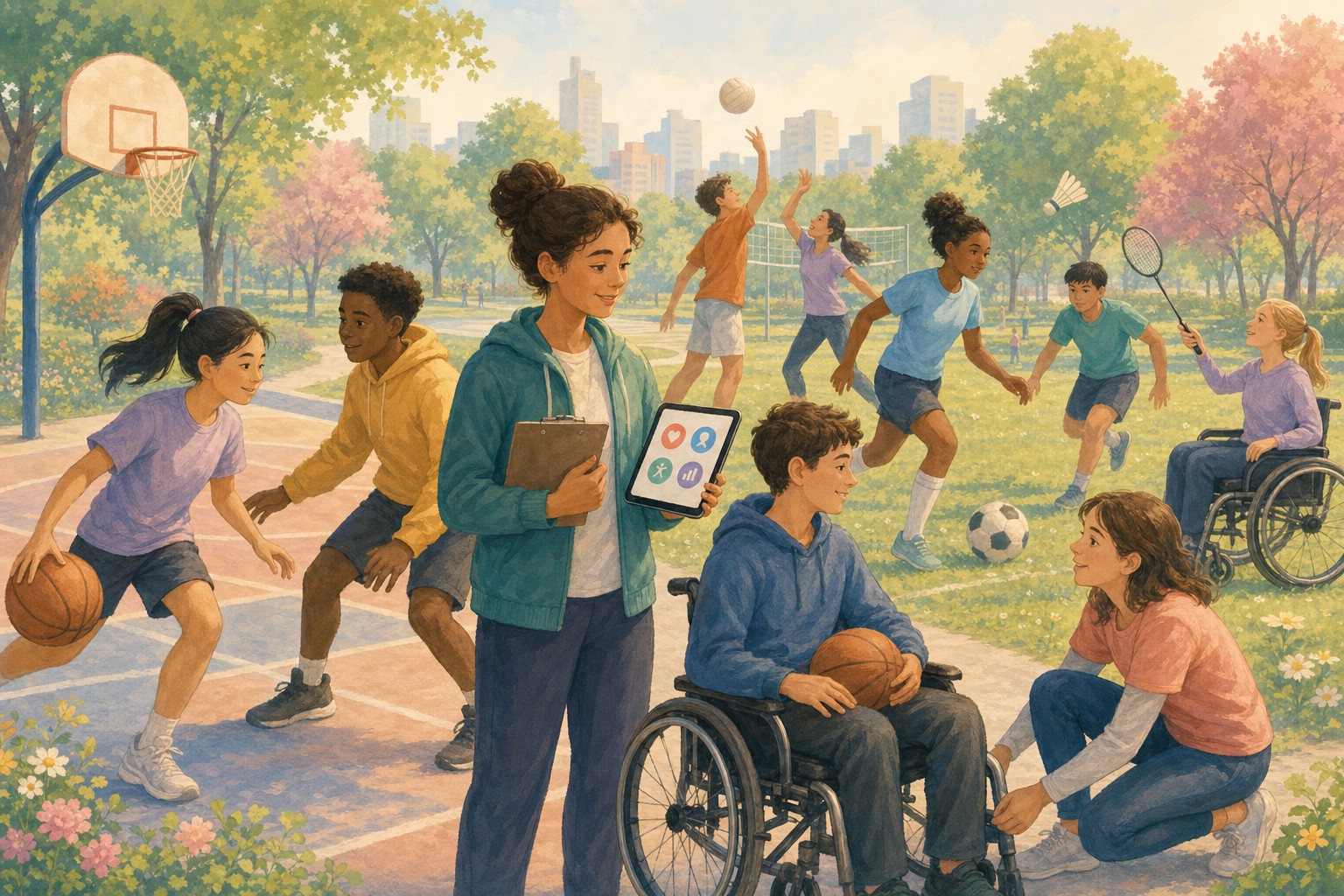
A new agreement focuses on inclusive sport, safer digital participation, and youth leadership for people with intellectual and developmental disabilities.
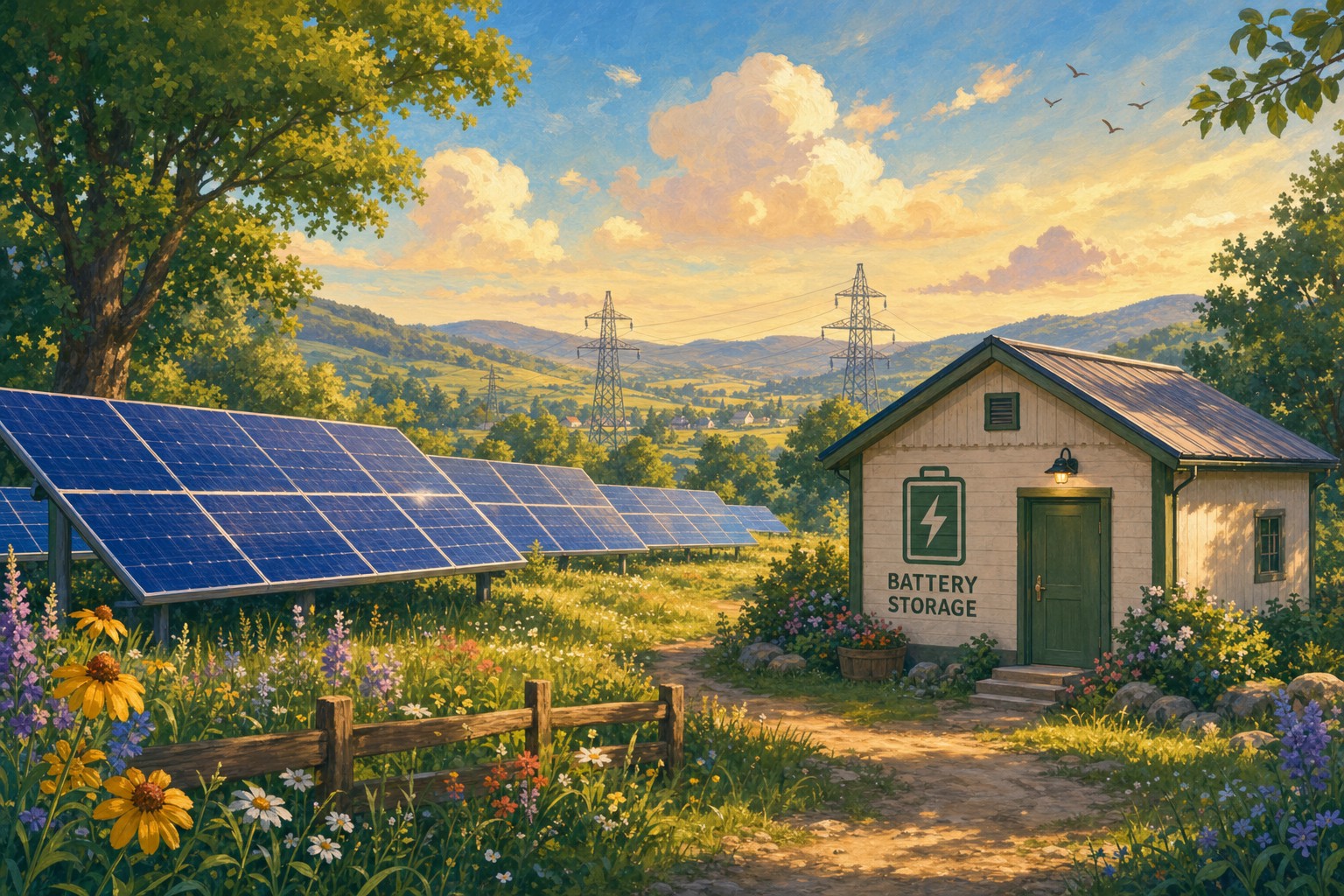
New data show clean energy is arriving fast enough to set records in multiple regional power grids.
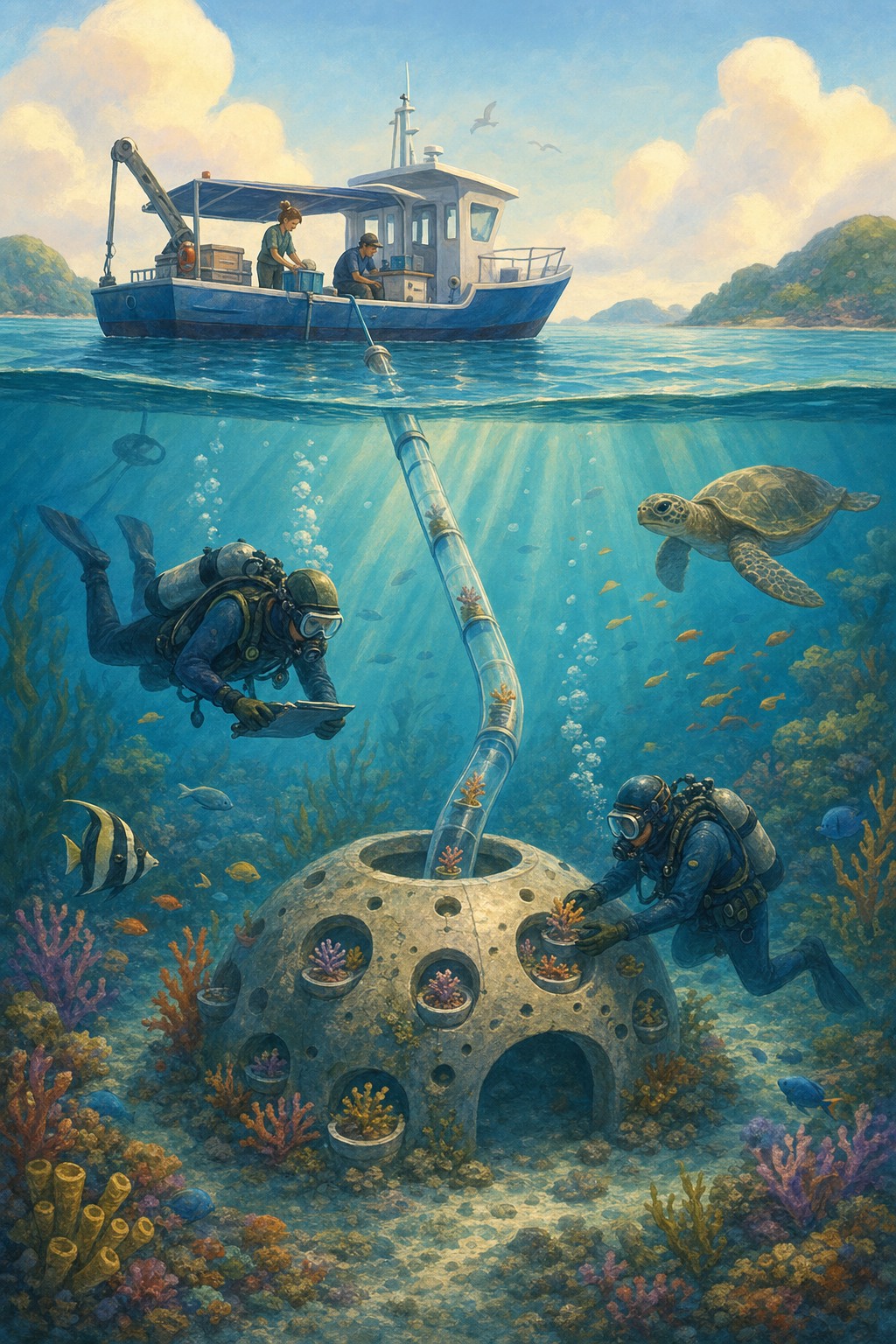
A streamlined tube helped scientists send fragile corals safely to technical divers working far below the surface.
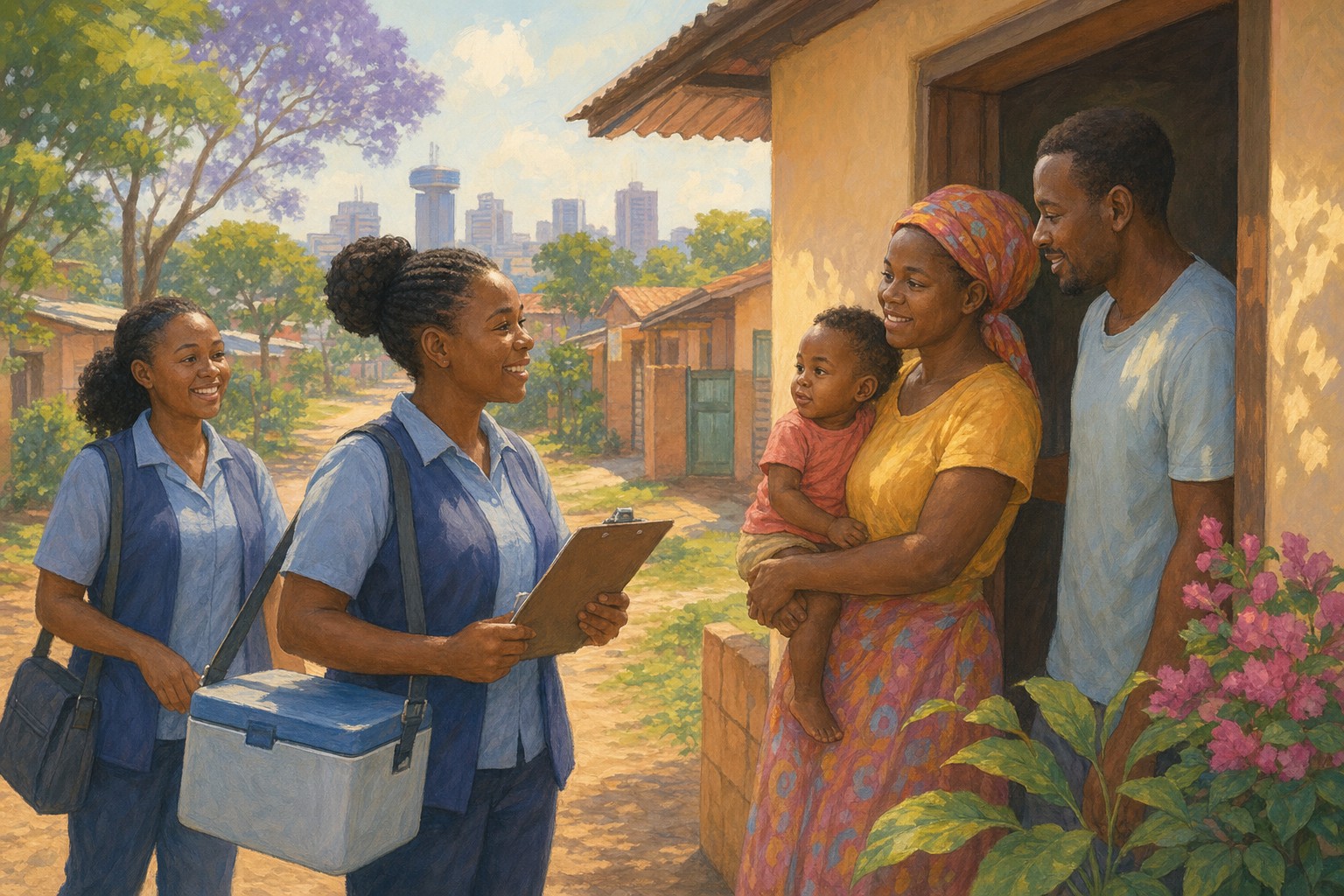
A coordinated push across Southern Africa is helping keep a dangerous strain of polio from regaining a foothold.
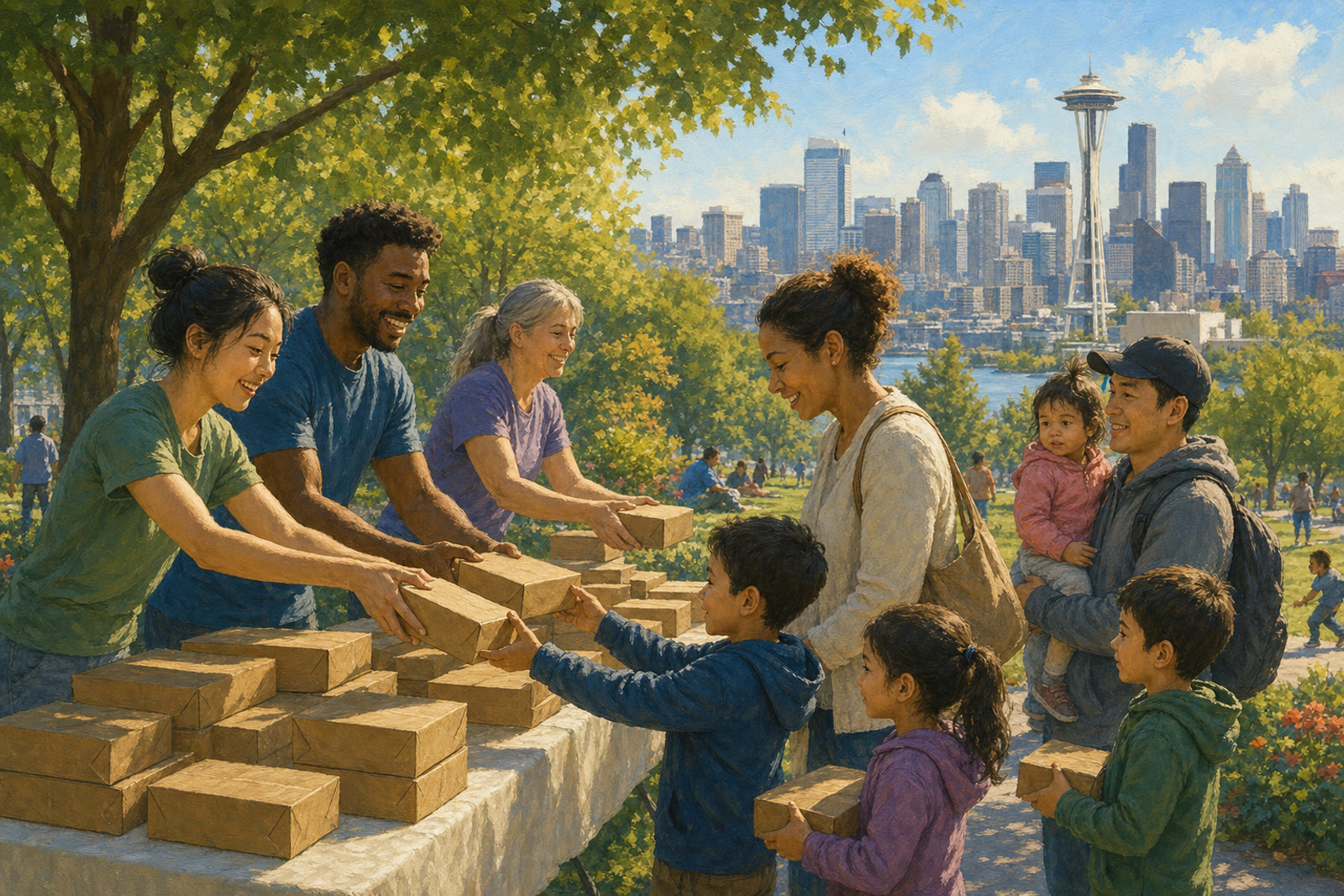
The city says children and teens can pick up meals without paperwork, helping families bridge the gap when school cafeterias close.

Hainan has set a timeline for a full shift to new-energy vehicles, backed by already-high EV sales and widespread charging infrastructure.
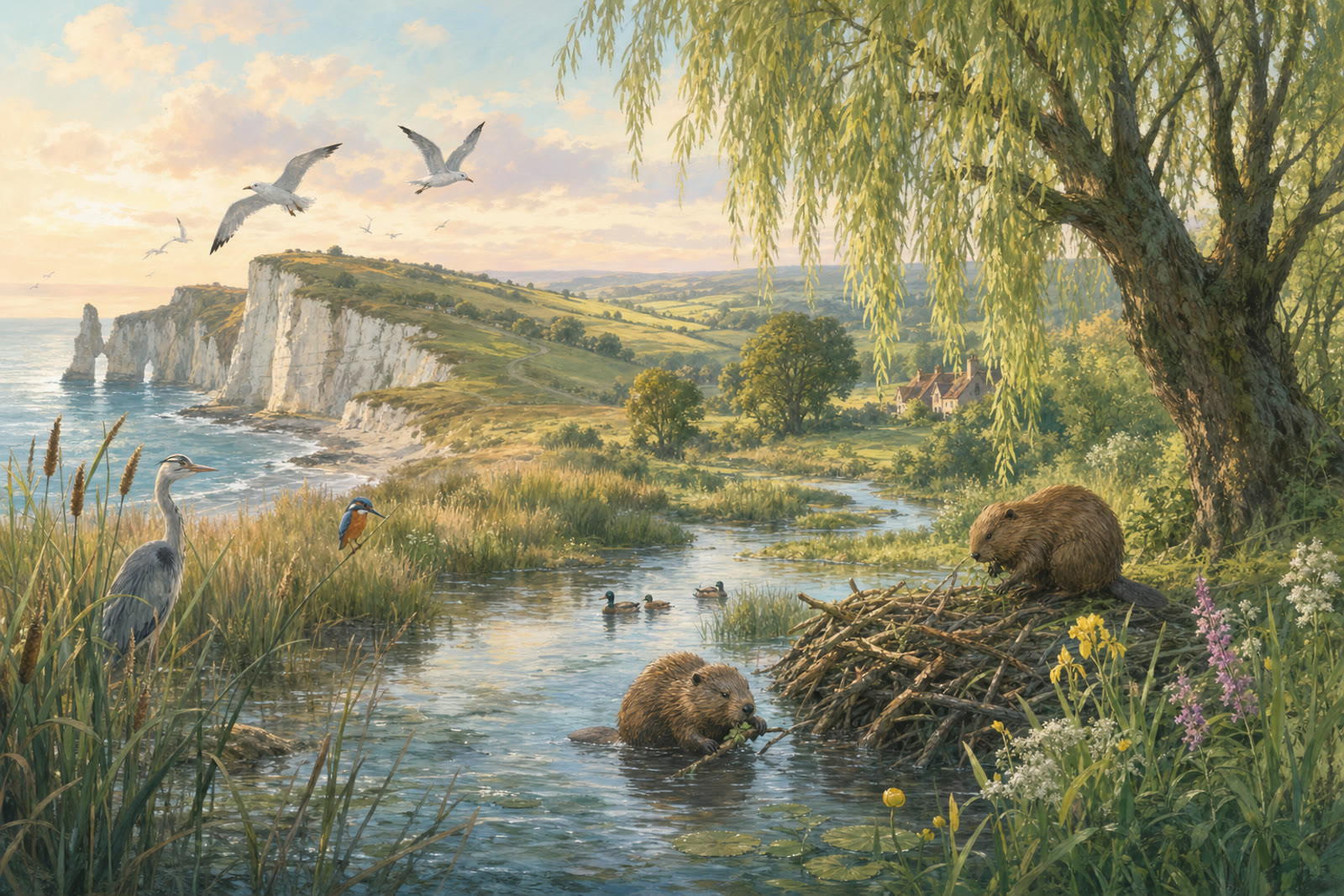
A government effort called Wild Again is tying together reintroductions and habitat work under one banner, with early signs of recovery from Kent to the Norfolk Broads.
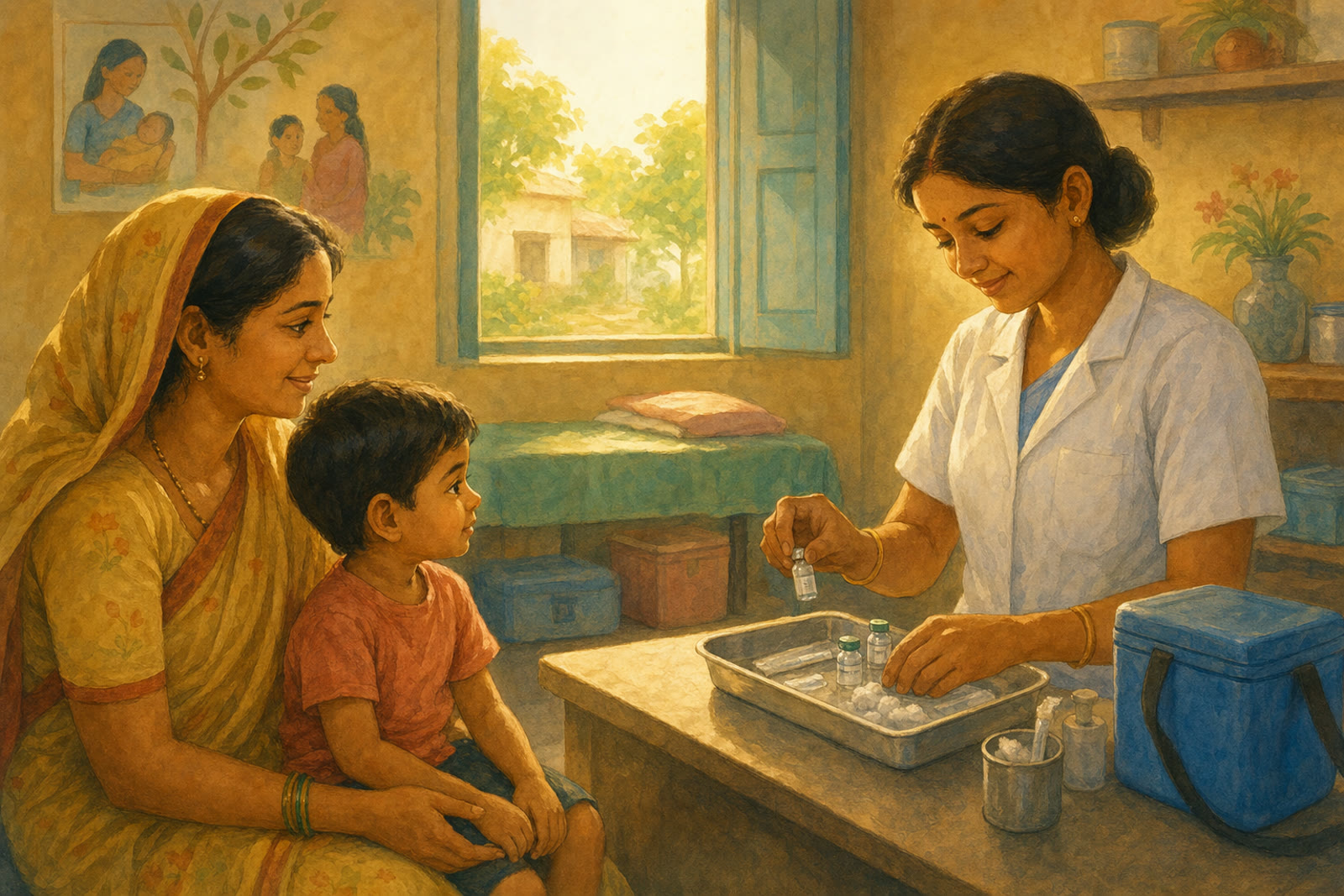
After a scientific review, the country authorized a two-dose vaccine for ages 4 to 60, adding a new tool alongside mosquito control and testing.
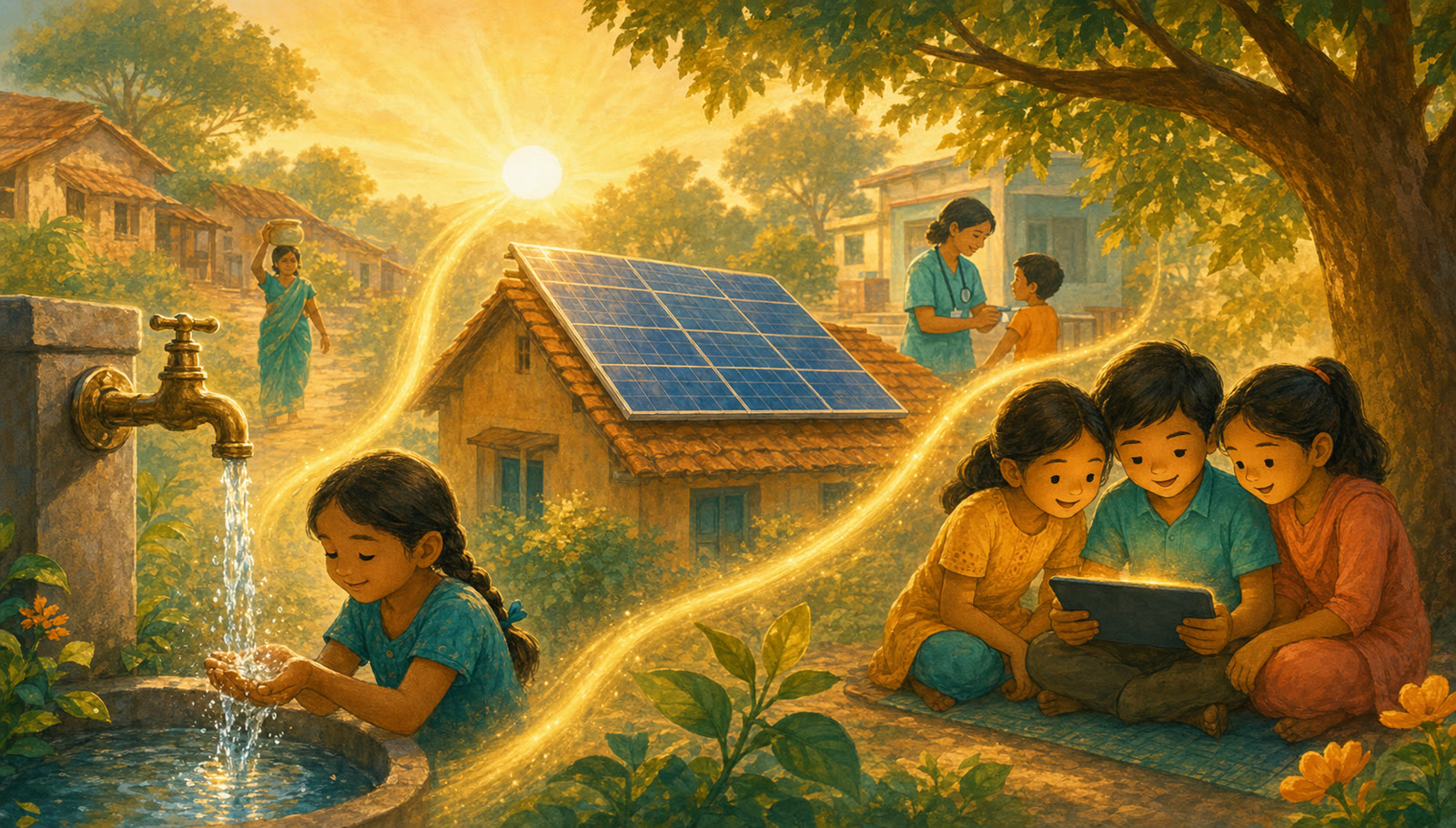
The SDGs are far from finished, but the latest snapshot shows big gains in water, sanitation, electricity, and internet access.
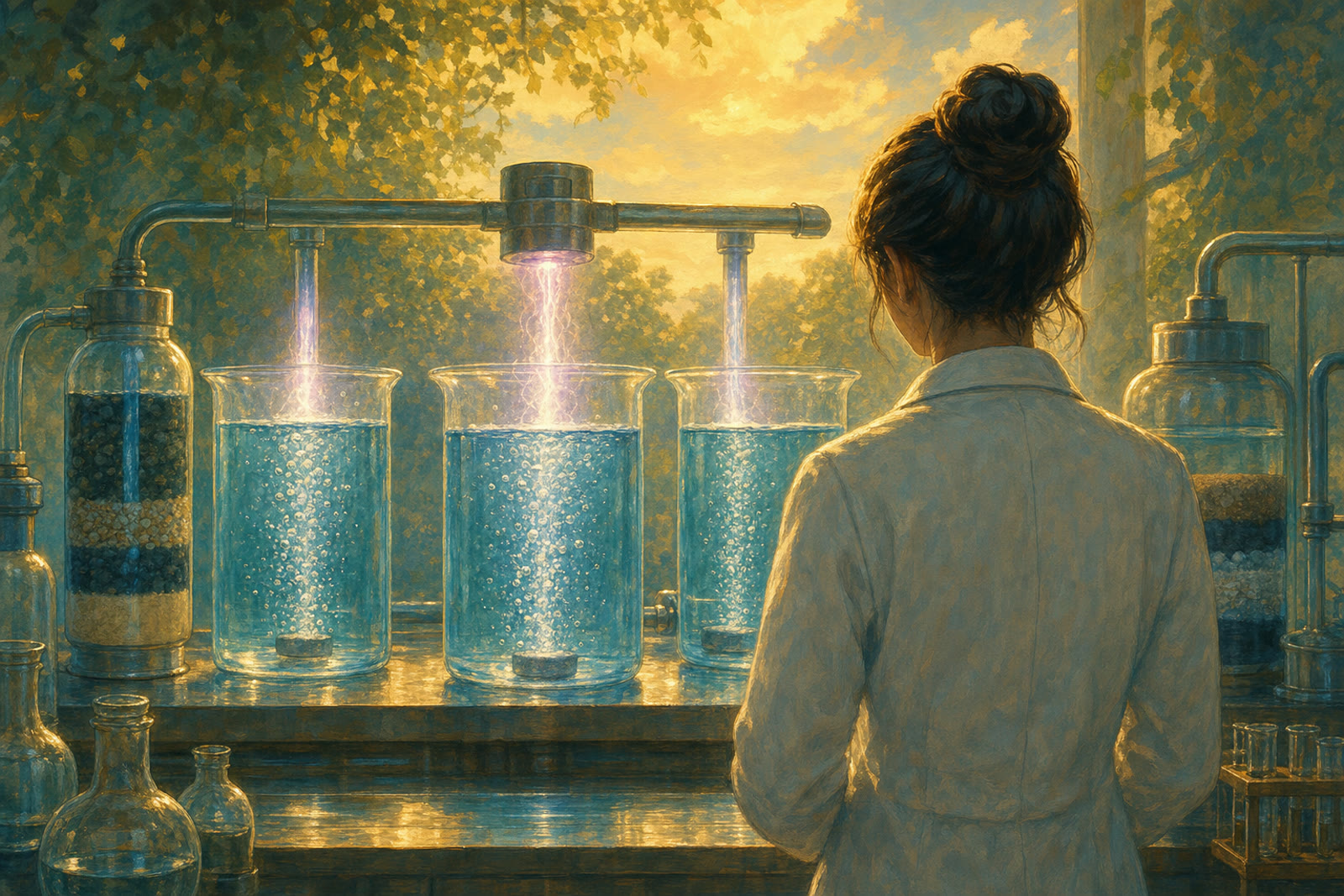
Instead of just filtering PFAS out, a lab team is working on methods meant to actually destroy them.

A pilot in Vietnam's capital is using a simple price signal to nudge daily travel toward cleaner, less congested streets.
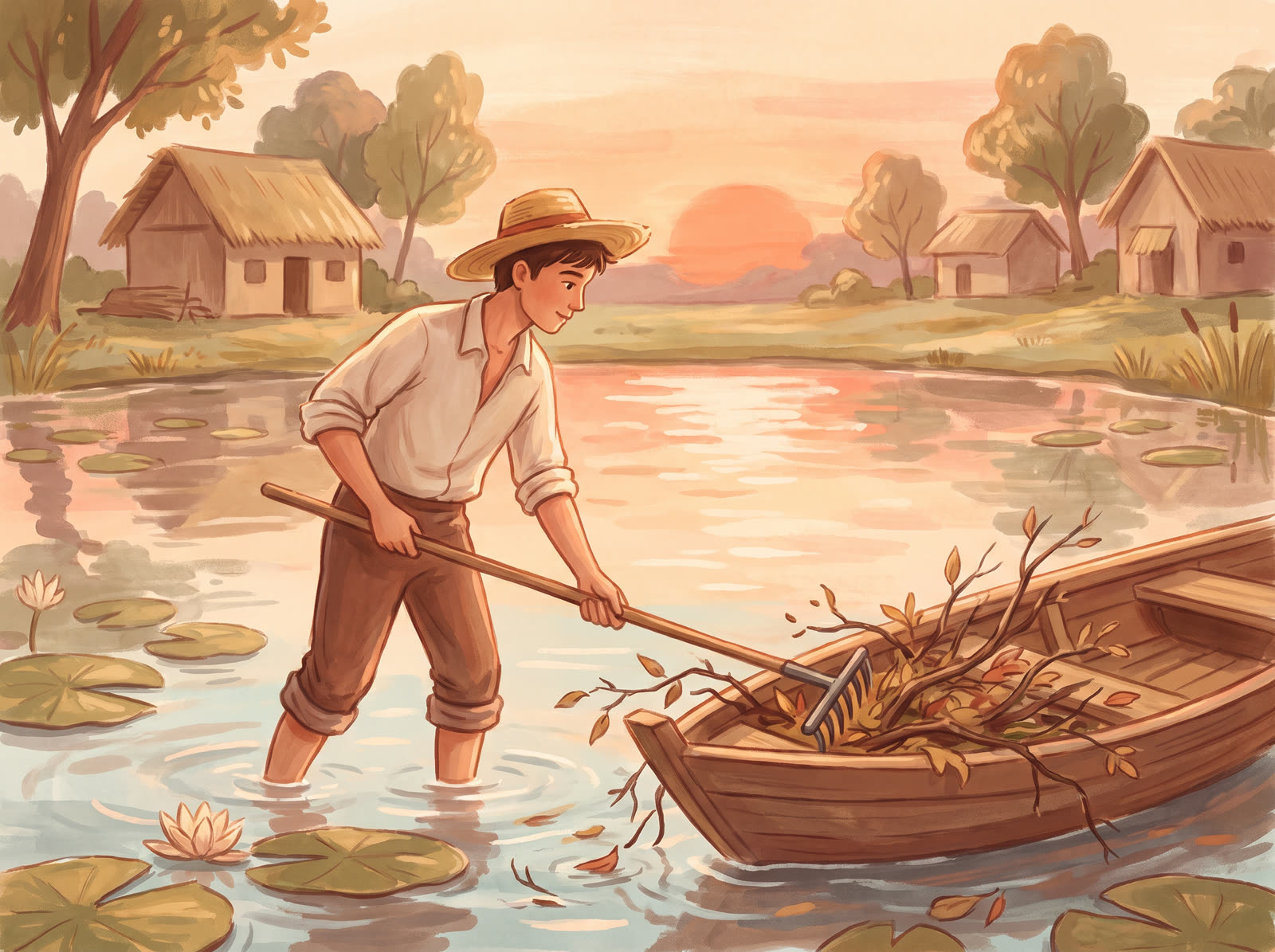
No funding, no campaign, just one young man who decided his village's pond deserved better.
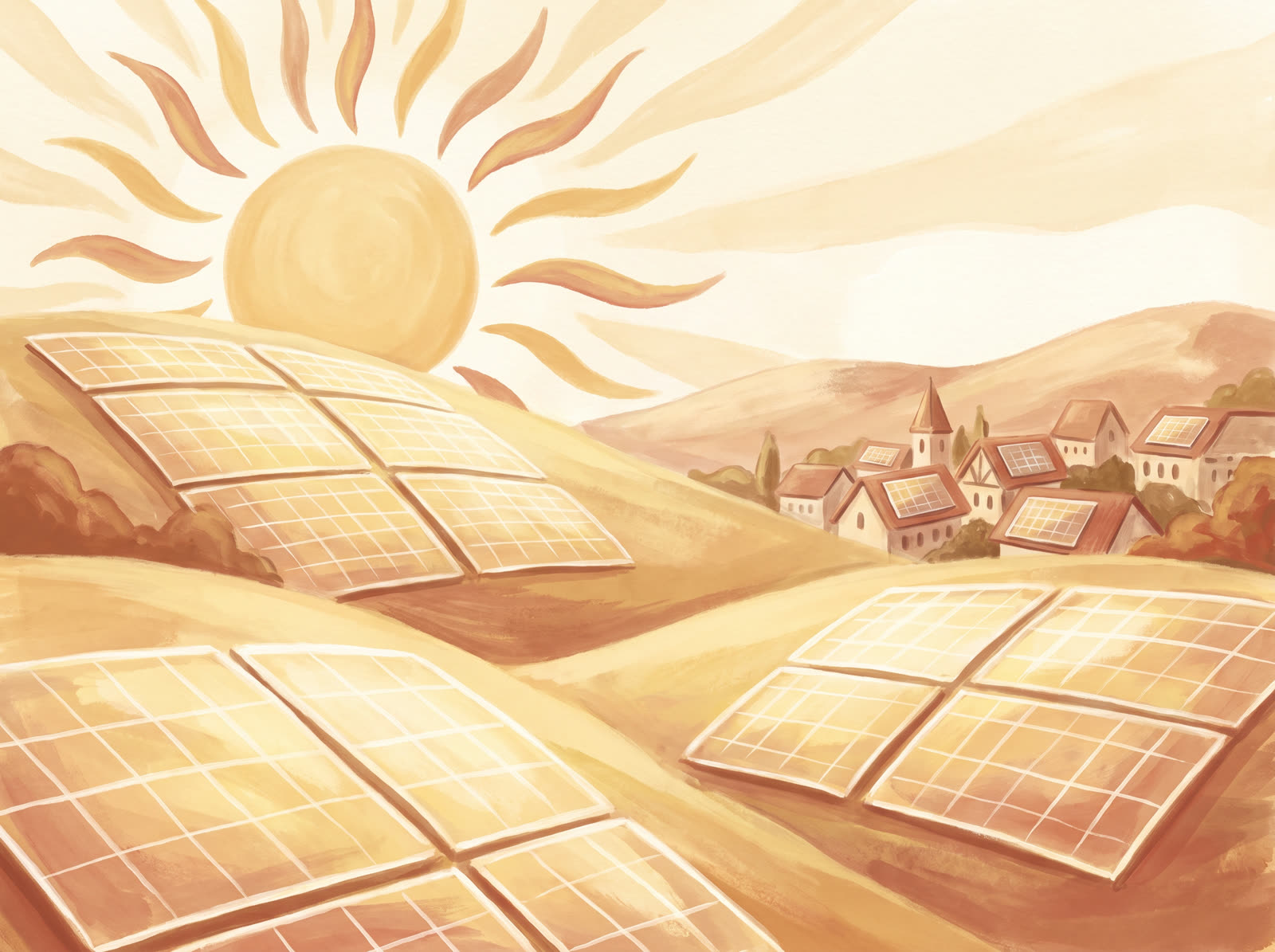
Clean electricity is reaching more homes across the EU than ever before this month.
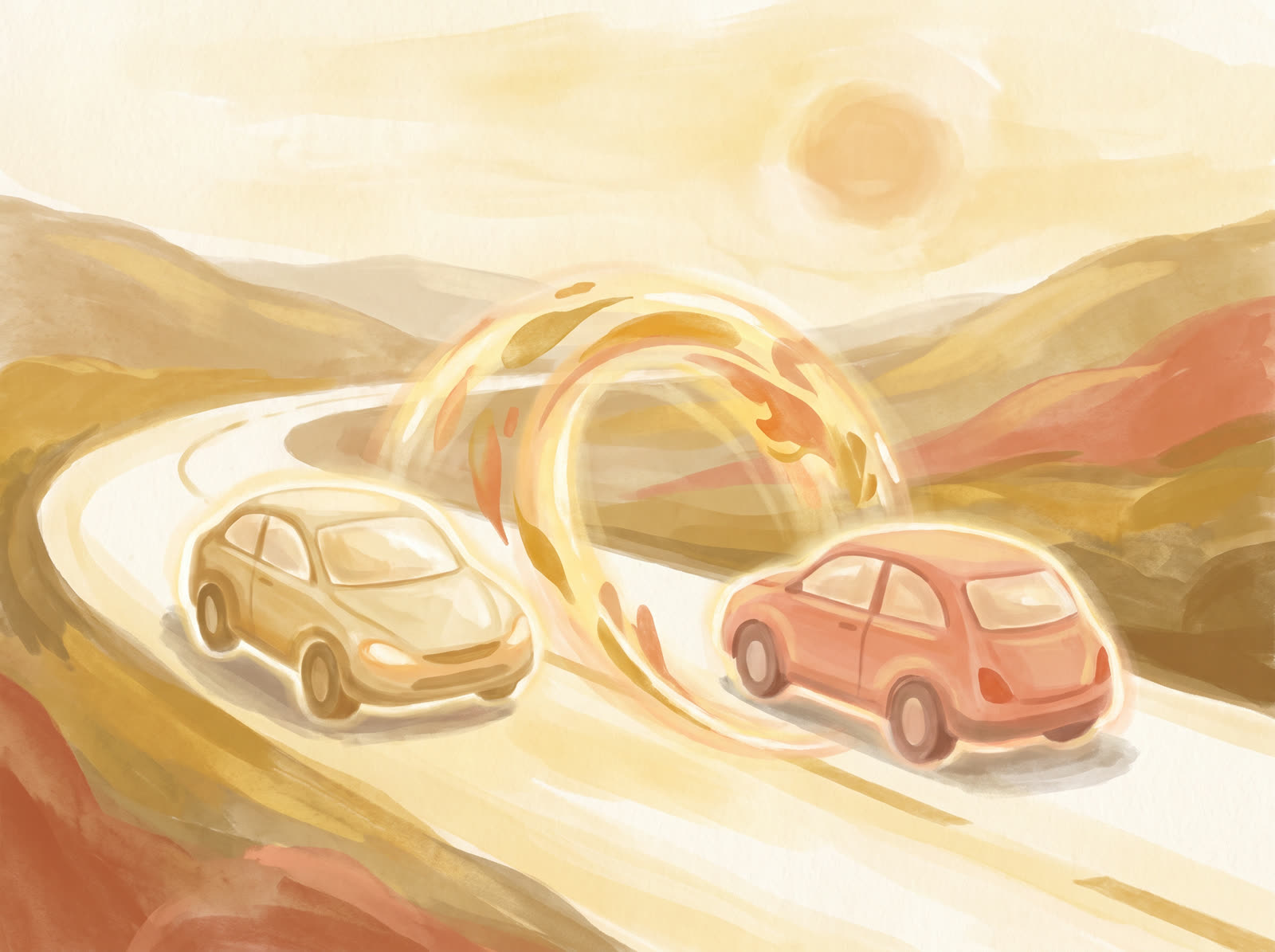
A split-second decision on a busy highway protected a family from what could have been a serious collision.
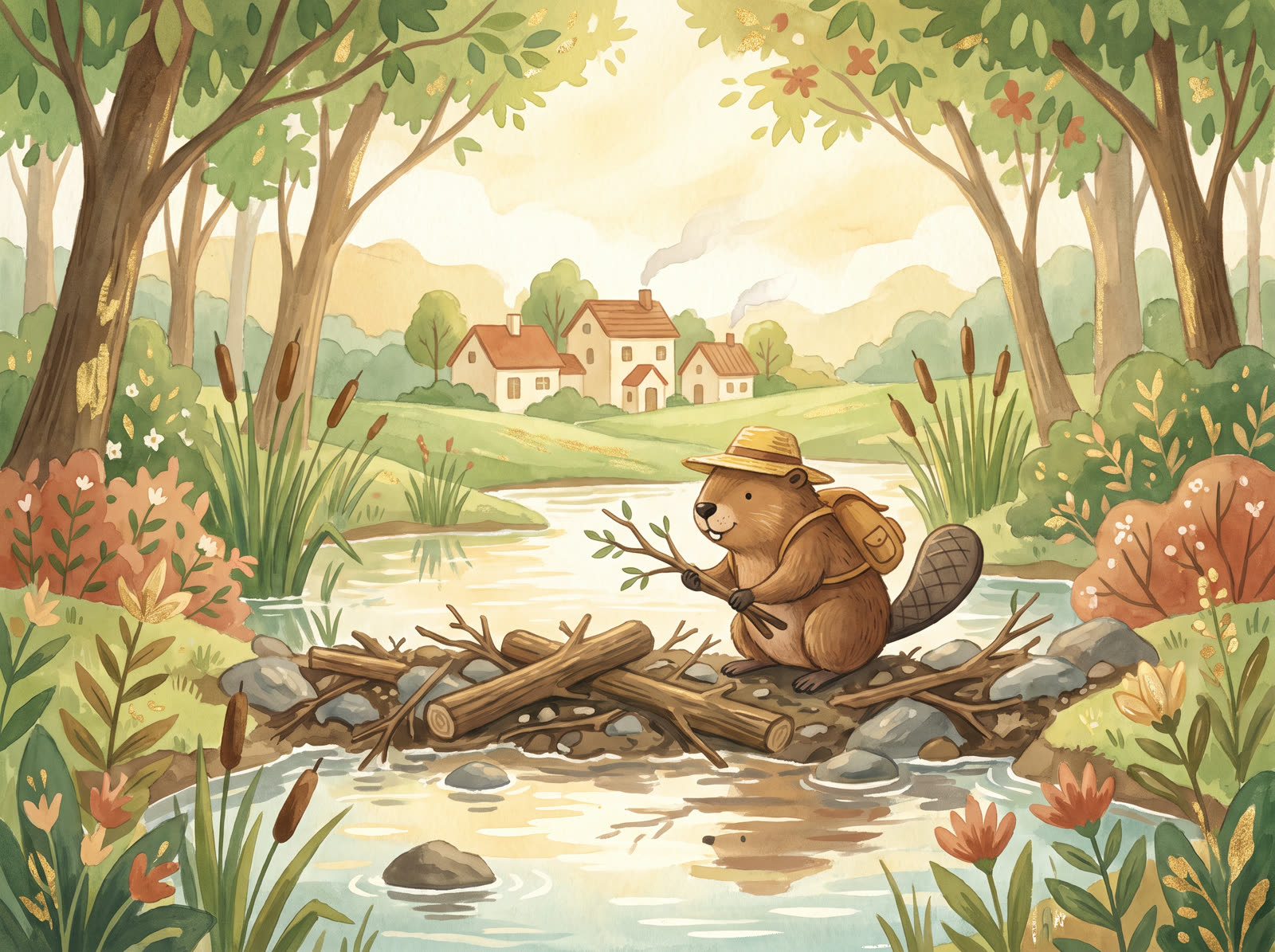
A family of beavers solved a long-standing neighborhood flooding problem, and boosted local biodiversity while they were at it.
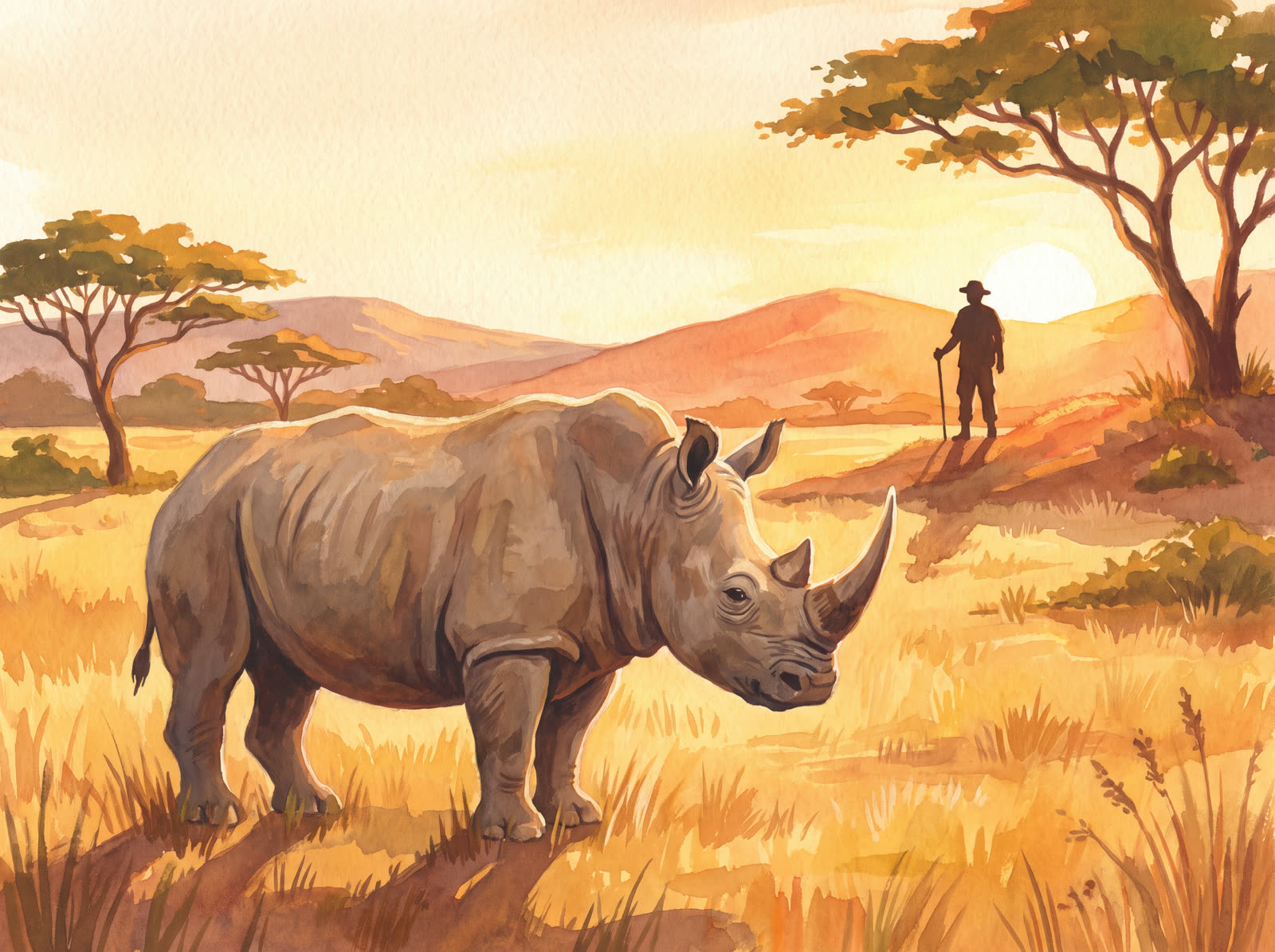
Community rangers, better monitoring, and cross-border cooperation are paying off for one of Africa's most at-risk species.
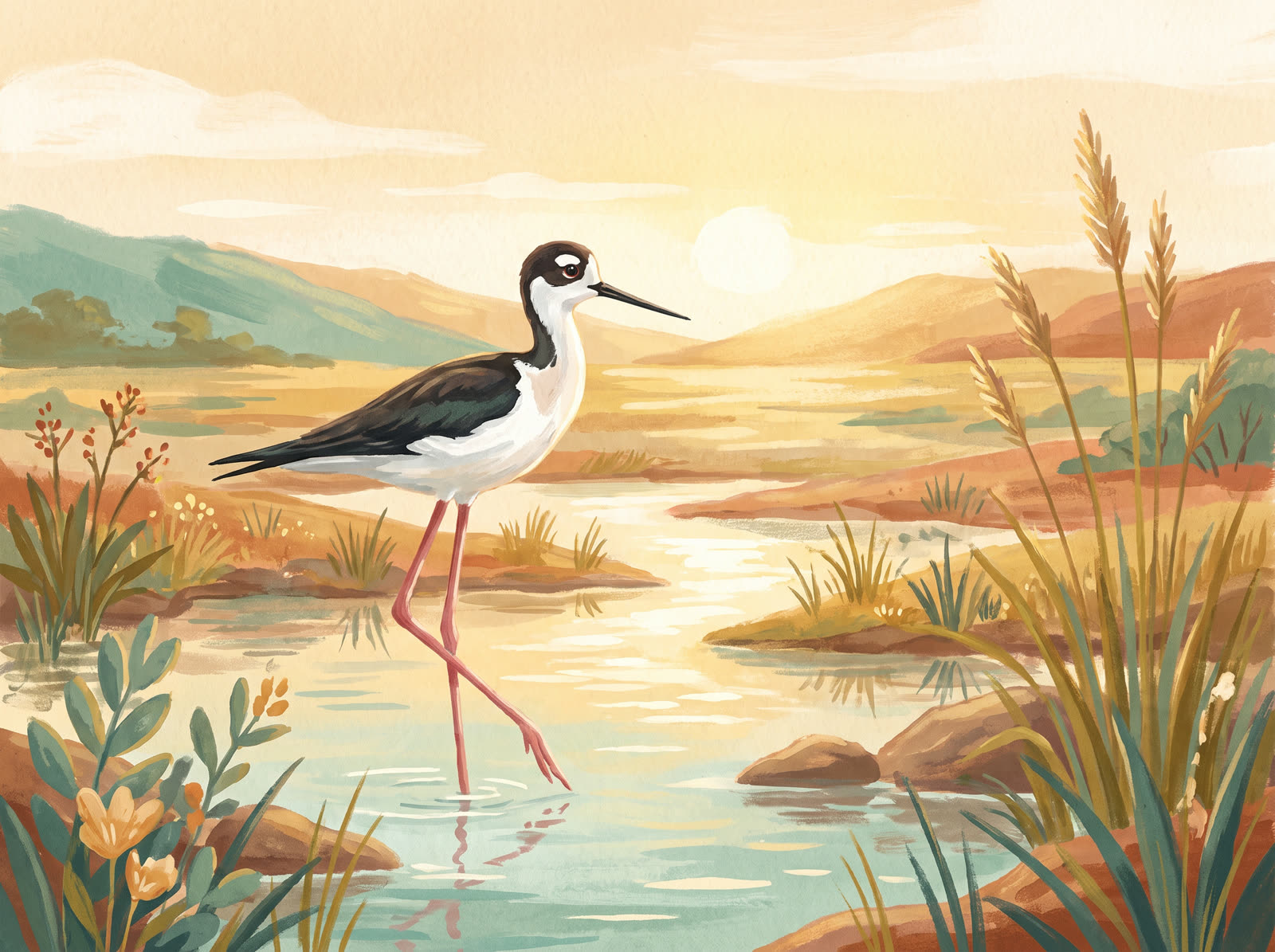
The Hawaiian stilt, known locally as the Aʻeo, has been reclassified from "endangered" to "threatened" after half a century of quiet conservation.
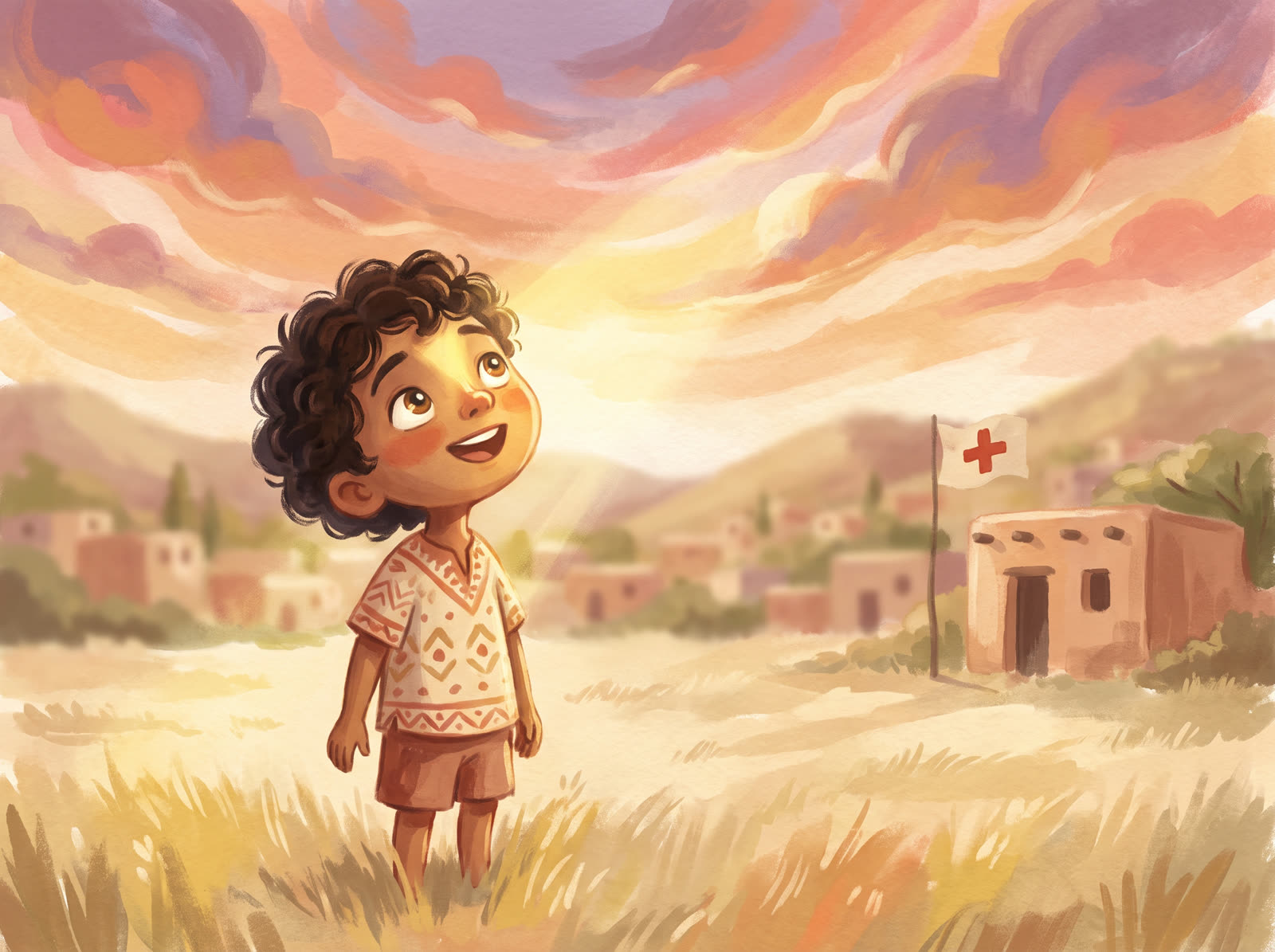
Years of unglamorous public health work, including clean water access, hygiene education, and simple antibiotics, added up to a major win.

Nearly 40 years after the world agreed to stop using ozone-destroying chemicals, the protective layer is recovering faster than expected, proof that a global agreement can actually work.

Only 10 human cases were reported worldwide in 2025, down from an estimated 3.5 million a year in 1986. It would be only the second human disease ever eradicated, and the first without a vaccine.
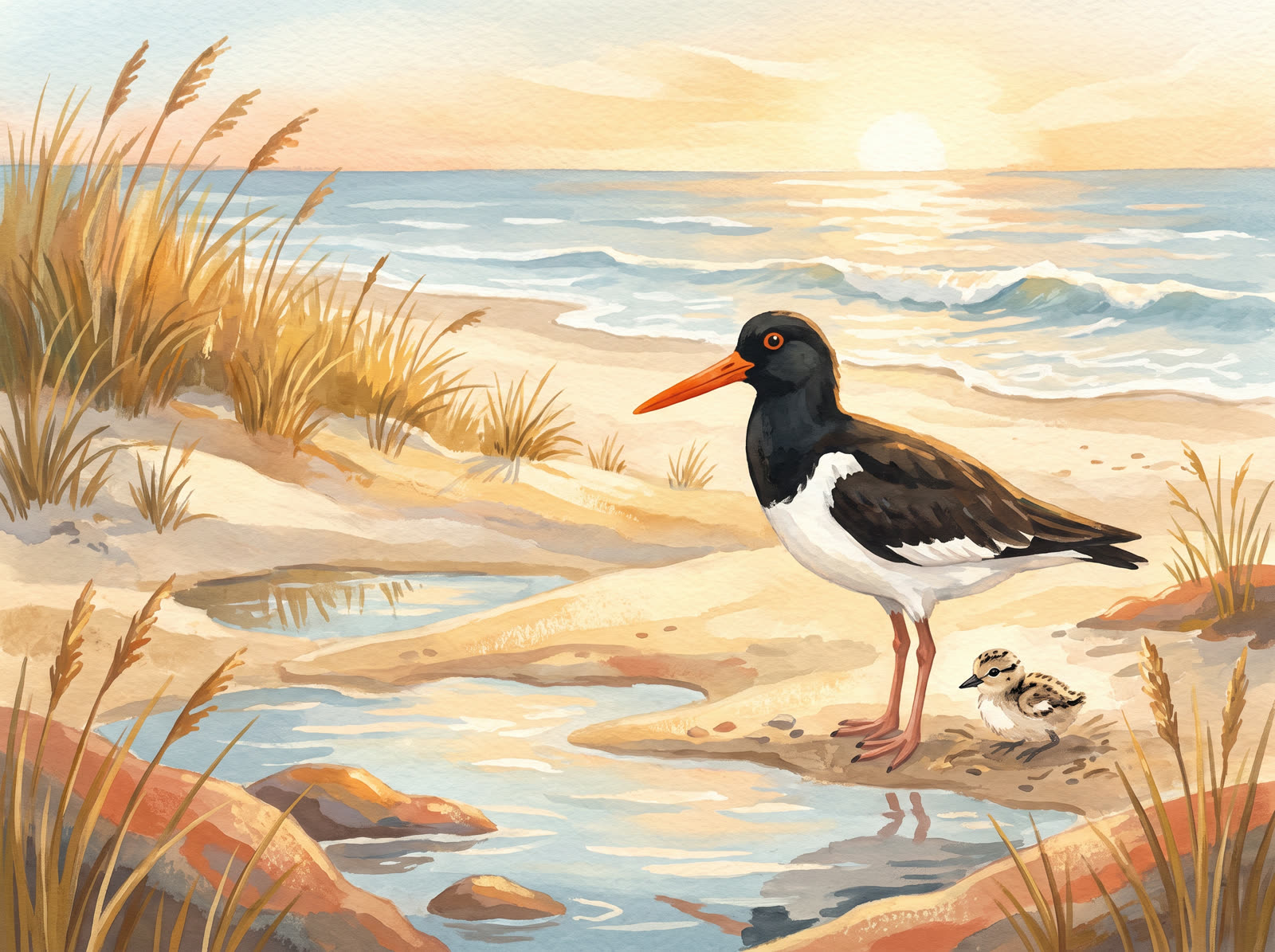
Ten years, $10 million, and 35 coastal organizations later, the American oystercatcher is making a real comeback along the Atlantic coast.
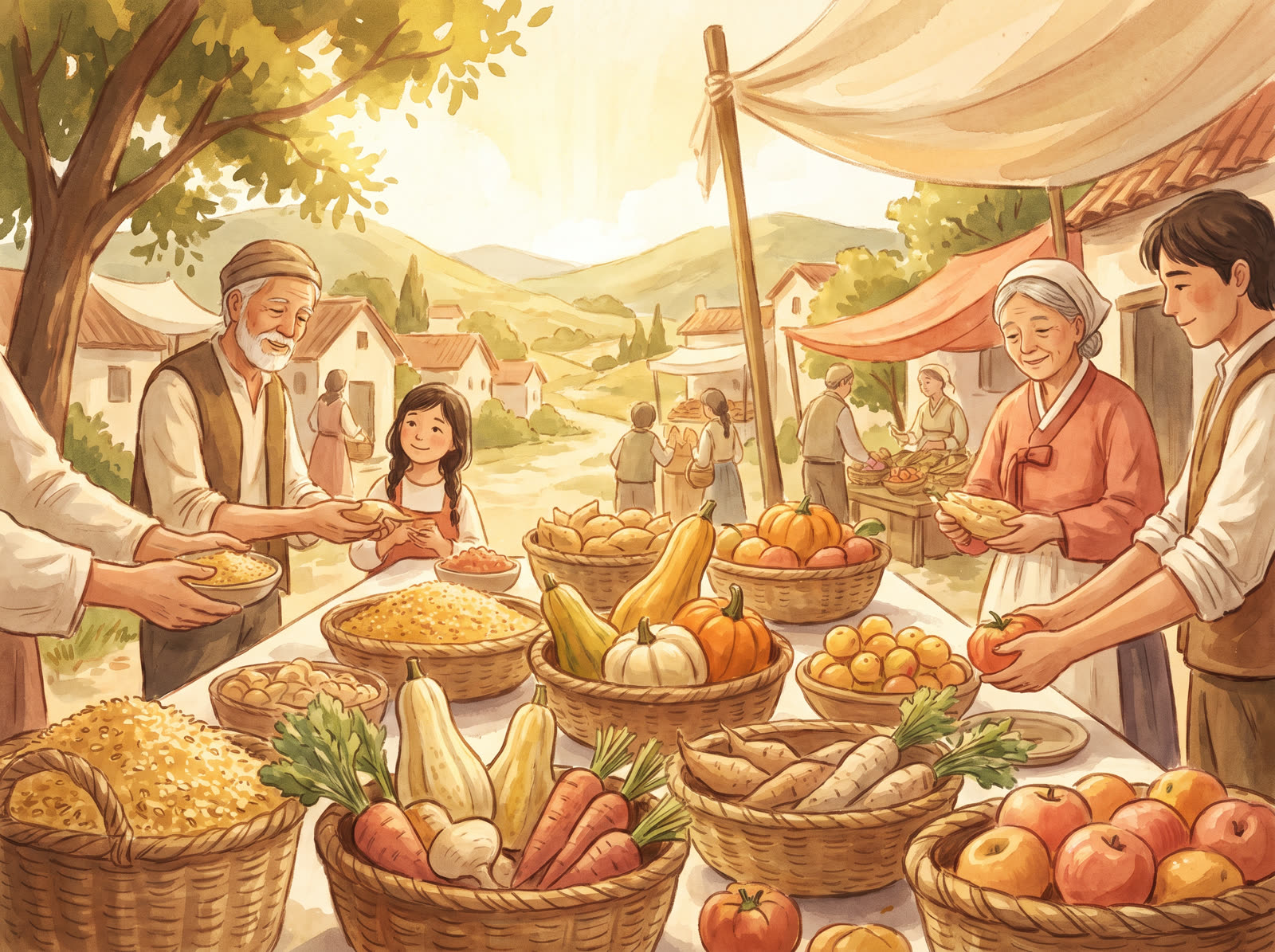
A new UN report shows global hunger levels declining for the third consecutive year, even as regional gaps remain.

A simple pilot program removing sign-up barriers boosted library access among disadvantaged students by 63 percent. Now every Chicago public school student has it for good.

During heavy rains, one family opened their home to a mother dog and her four newborn puppies, and is now helping the puppies find loving homes.

A new government-backed program aims to give one-to-one tutoring support to teenagers who could not otherwise afford it, developed alongside teachers to keep it safe.

Once ranked 49th in the country, Mississippi's fourth graders now lead the nation in reading, thanks to two policy changes anyone can copy.

Rouble Nagi spent 24 years painting educational murals across India's underserved communities. Her 'Living Walls of Learning' have brought more than a million children into school.
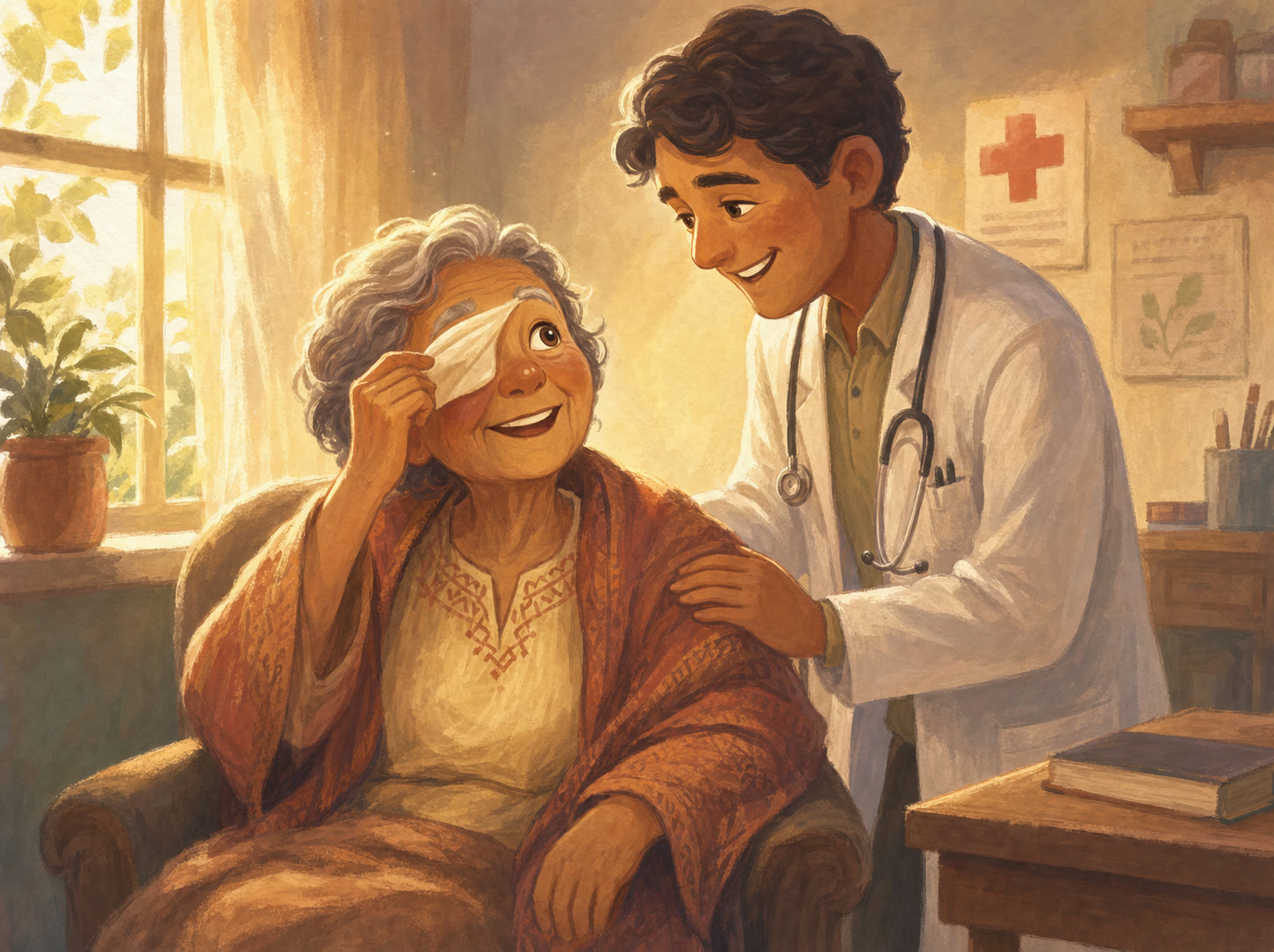
Duke University researchers used stem cells to grow the exact blood vessel cells the retina needs, restoring vision in mice with the leading cause of blindness in working-age adults.
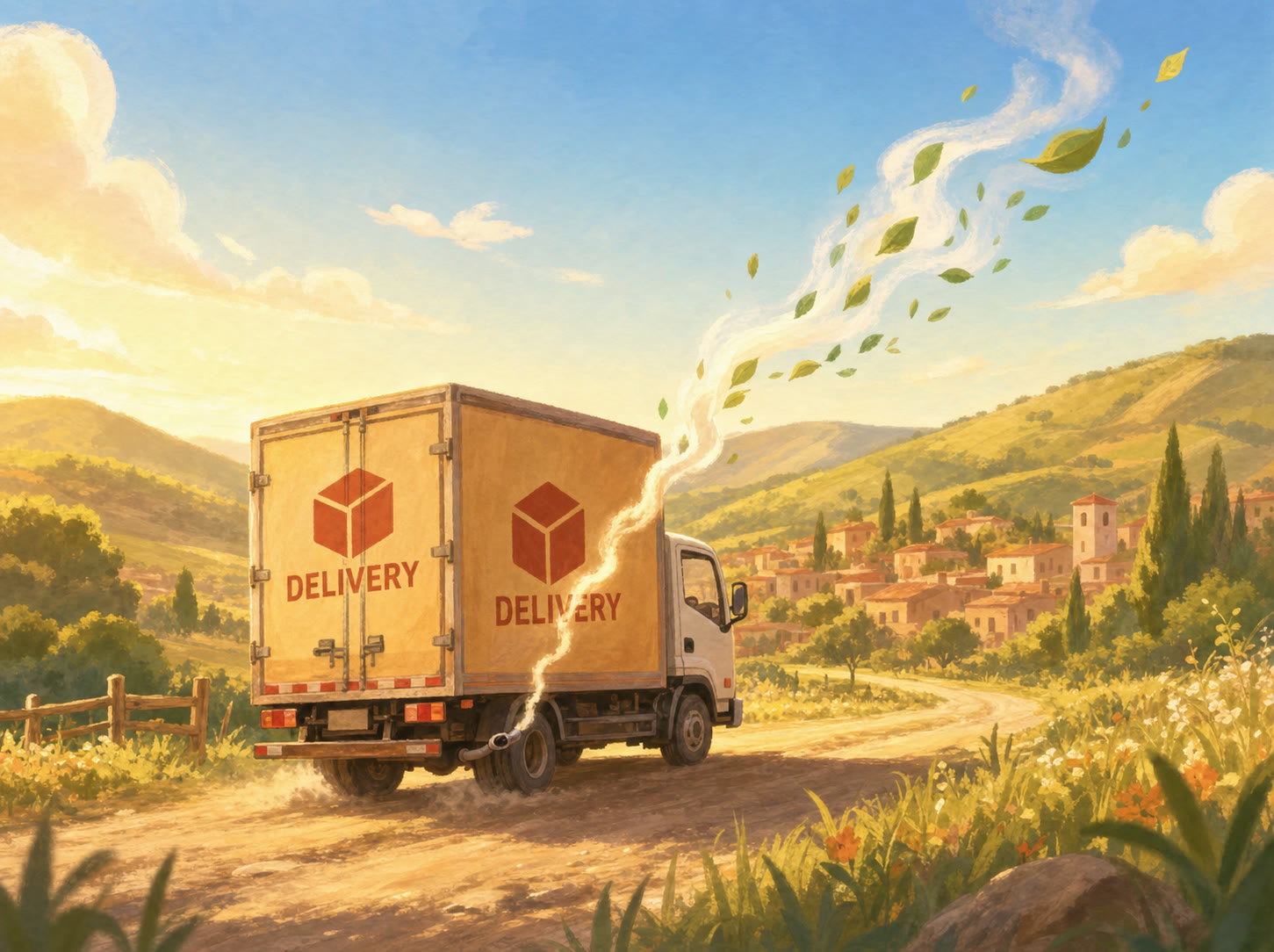
Nigerian researchers found that blending tiny water droplets into diesel fuel slashes harmful emissions, with no engine redesign required.
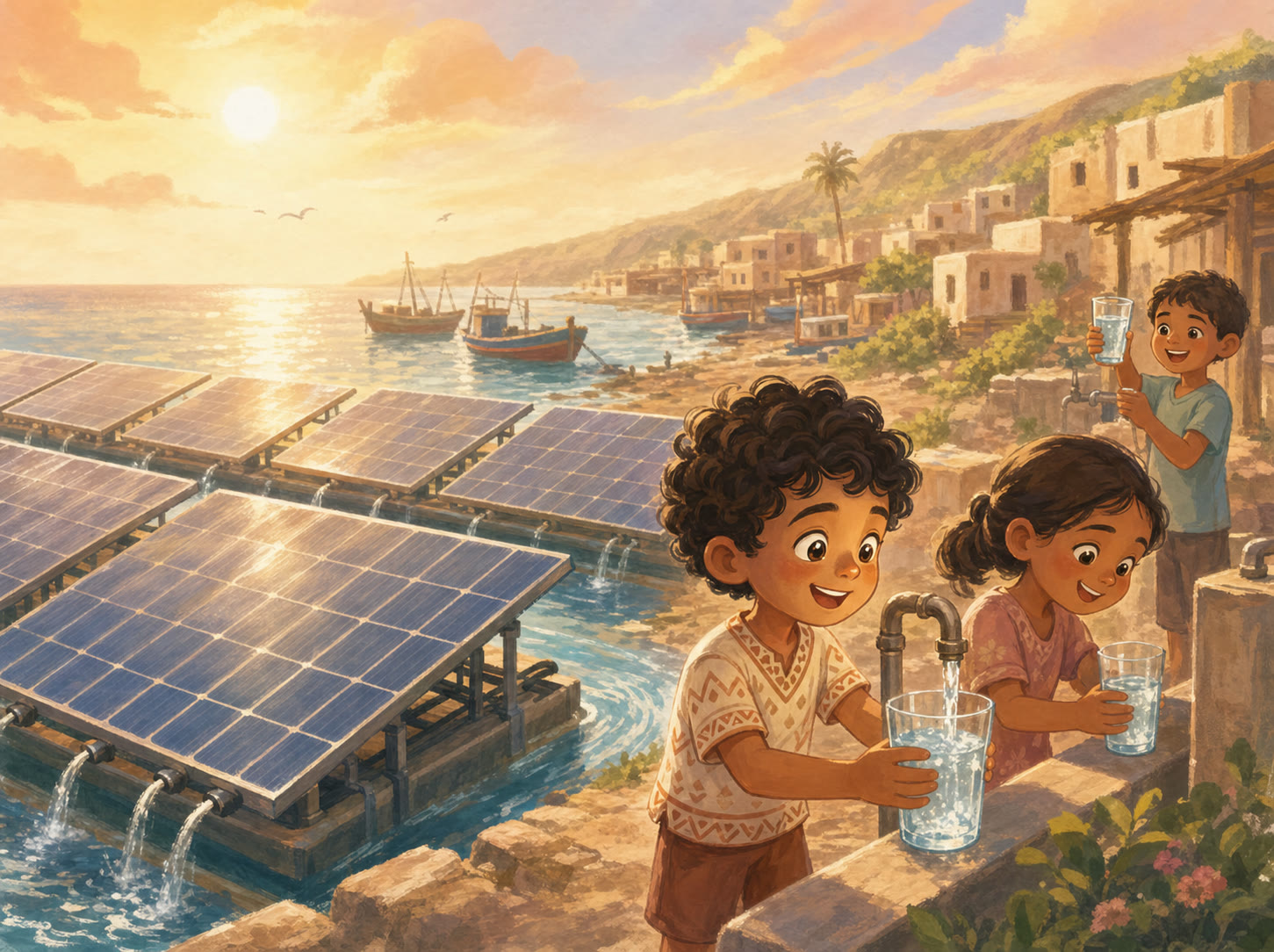
A button-inspired nanomaterial design lets a solar desalination device turn seawater into drinking water at a cost that beats bottled water at scale.

A four-year study across Ghana, Kenya, and Malawi found the RTS,S vaccine cut child deaths by 13 percent, even where only some children got every dose.
Most news is built to make you afraid, because fear is what keeps people watching. We know that’s not a conspiracy, it’s just an incentive nobody questions enough. Somewhere along the way we decided we’d rather build something people actually want to keep reading: honest, checked, and kind. Not naive, not soft on facts, just willing to look for the whole truth instead of only the worst of it. A working journalist stands behind every story we publish, making sure each one is verified, accurate, and fair before it reaches you.
These aren’t slogans. They’re the rules we hold this whole project to, every single day.
Good news doesn't get a pass on accuracy. Every story is checked against its original source before it ever reaches you, the same standard I'd hold any headline to.
No algorithm decides what's worth telling you. A human being, usually me, reads every single story from start to finish before it goes out.
We don't soften hard truths, and we won't let fear crowd out the good either. Believing both can be true is the whole point of this place.
We aim for honest stories, not rushed ones. If a day doesn't earn them, we publish fewer. Slow and true beats fast and hollow.
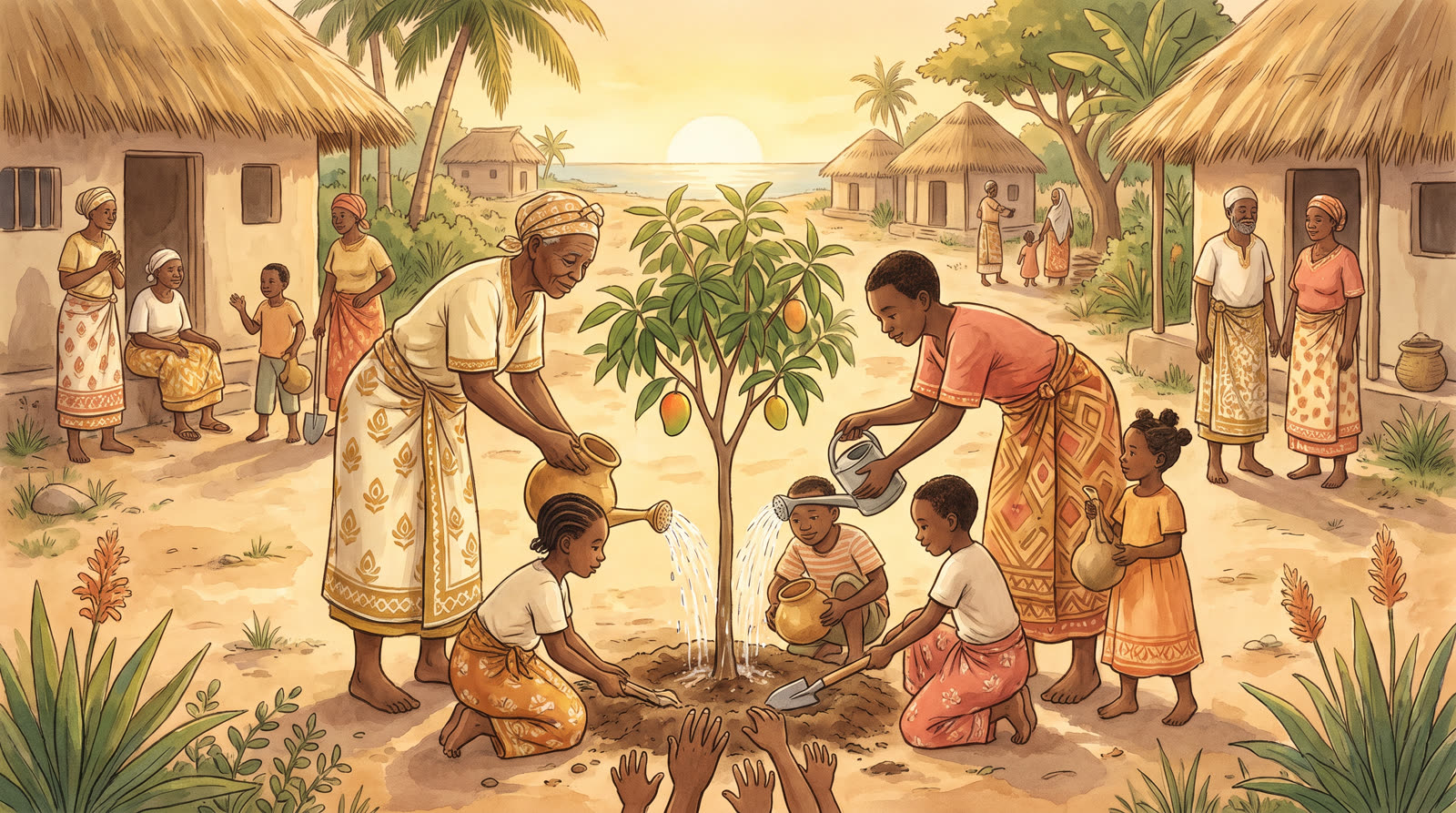
Our main English feed: real, verified good-news stories, rotating across fields.
The same stories, gently rewritten in clear, simple German for language learners and slow readers.
A warm auntie narrator retells the gentlest stories for children, in short illustrated parts.