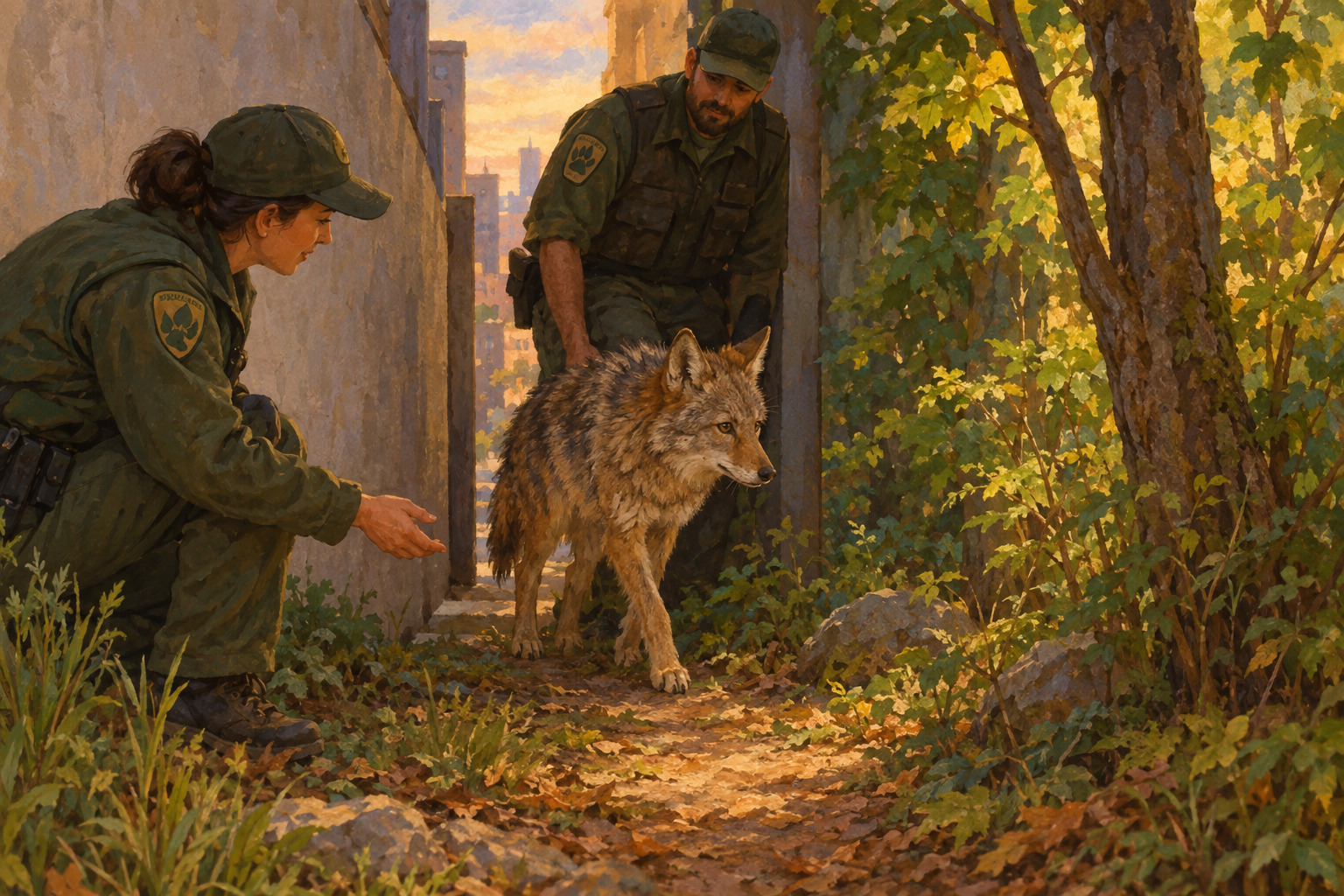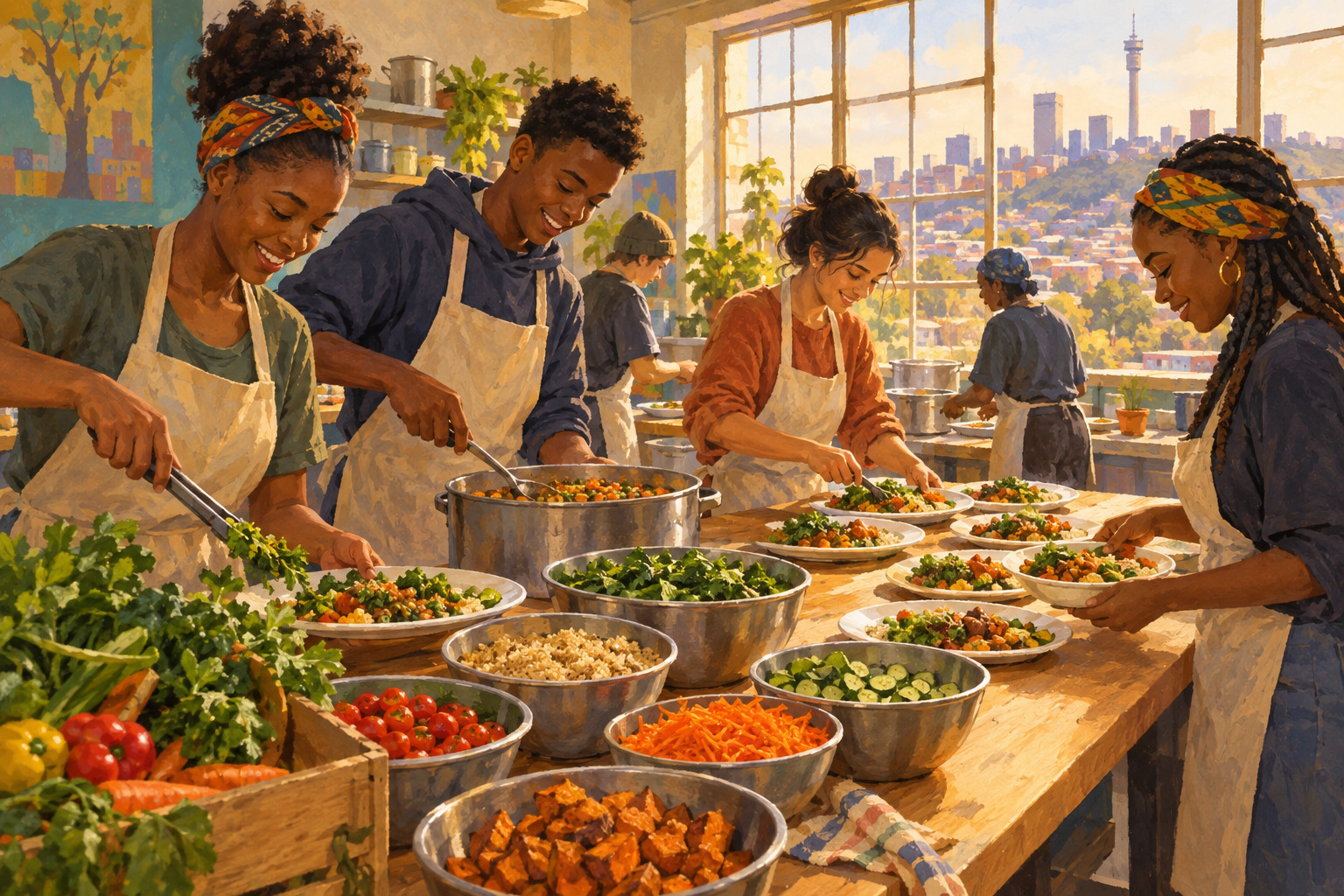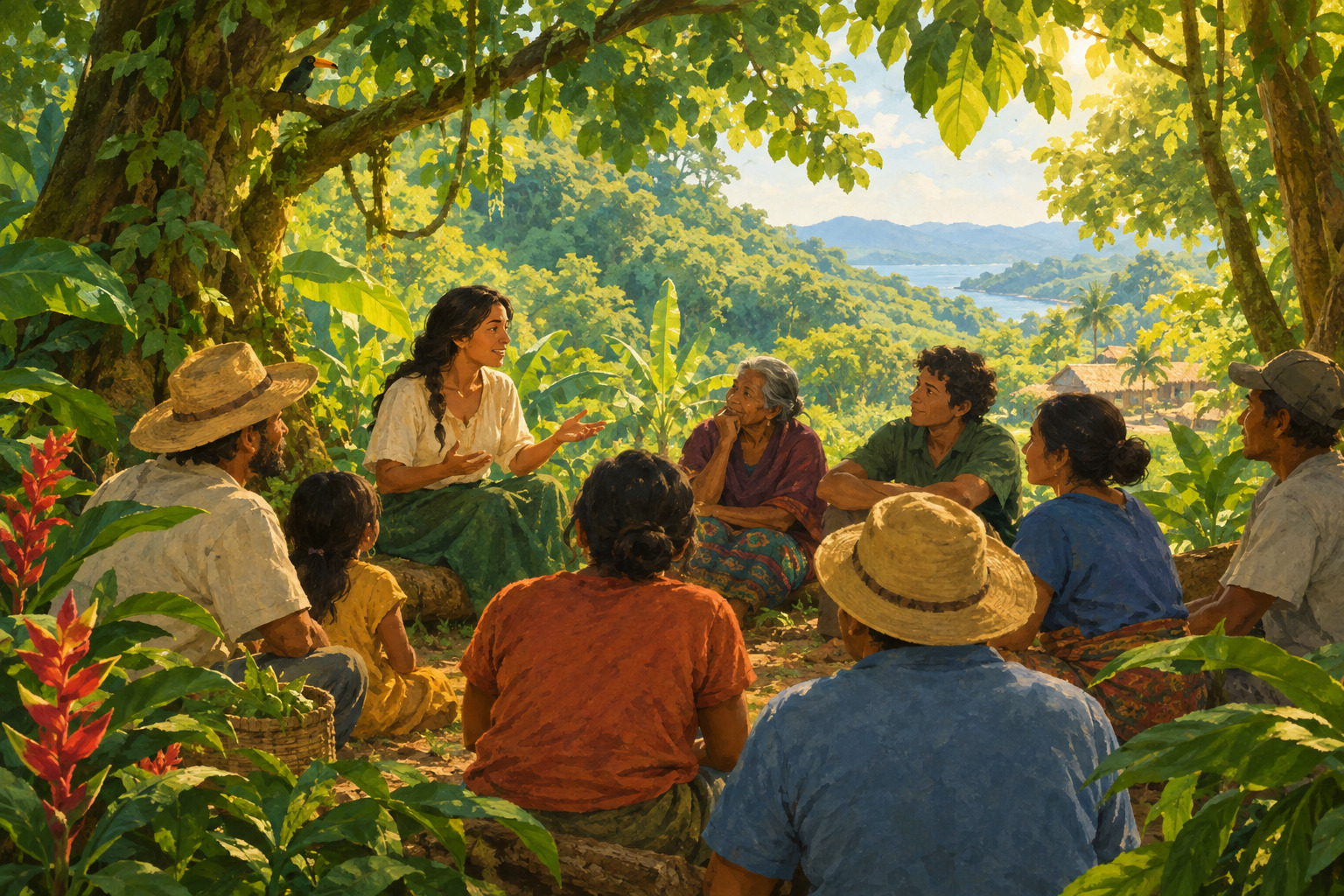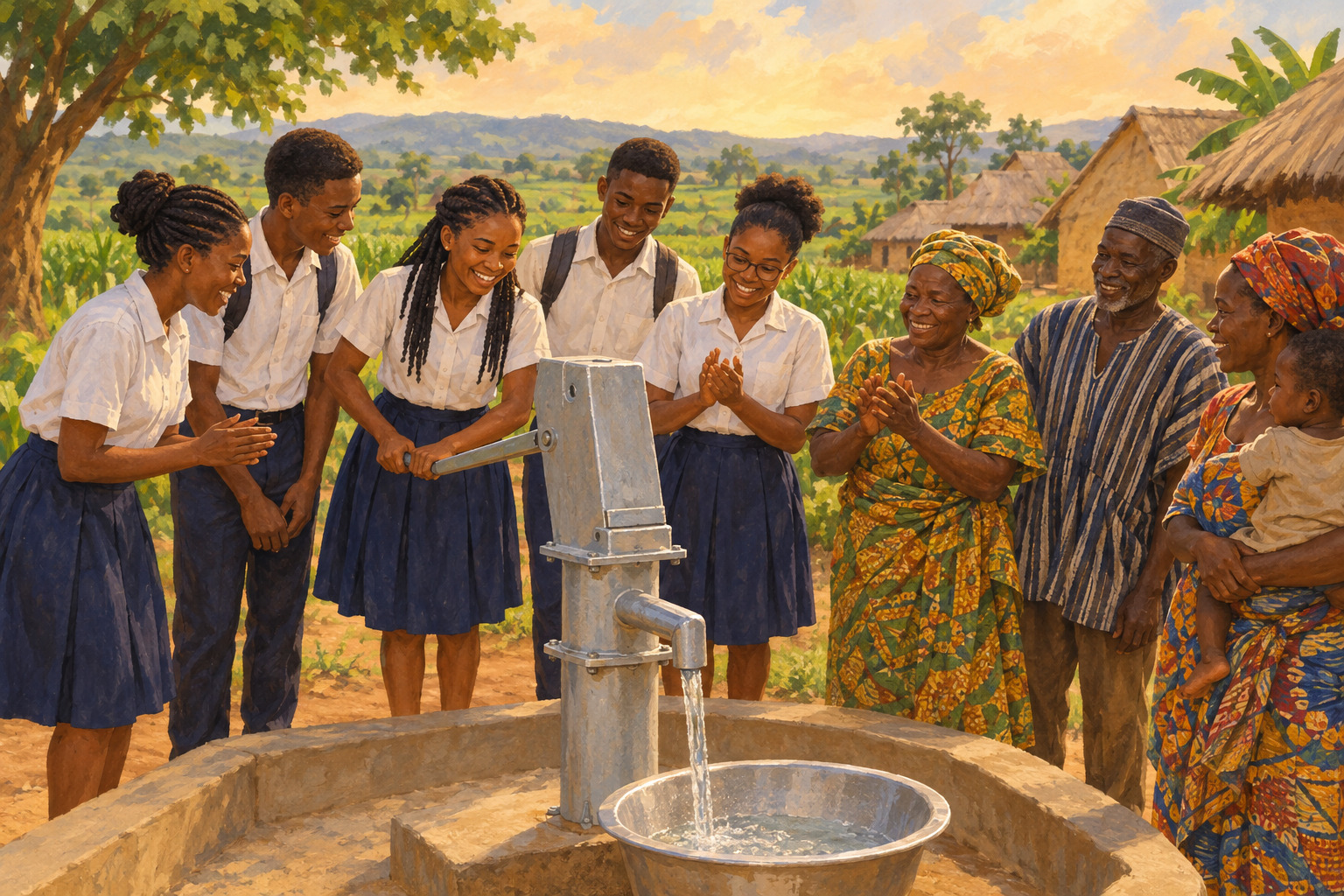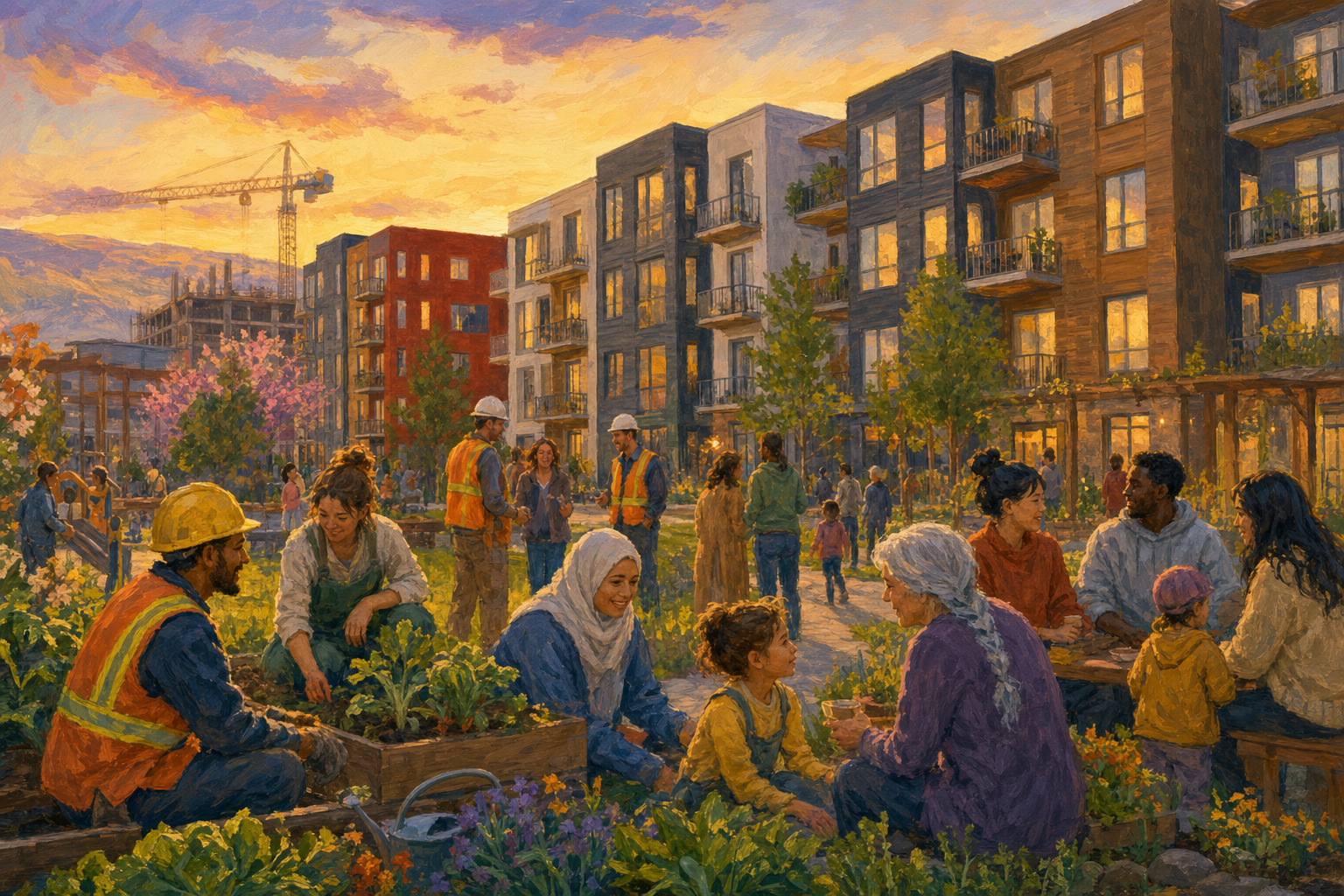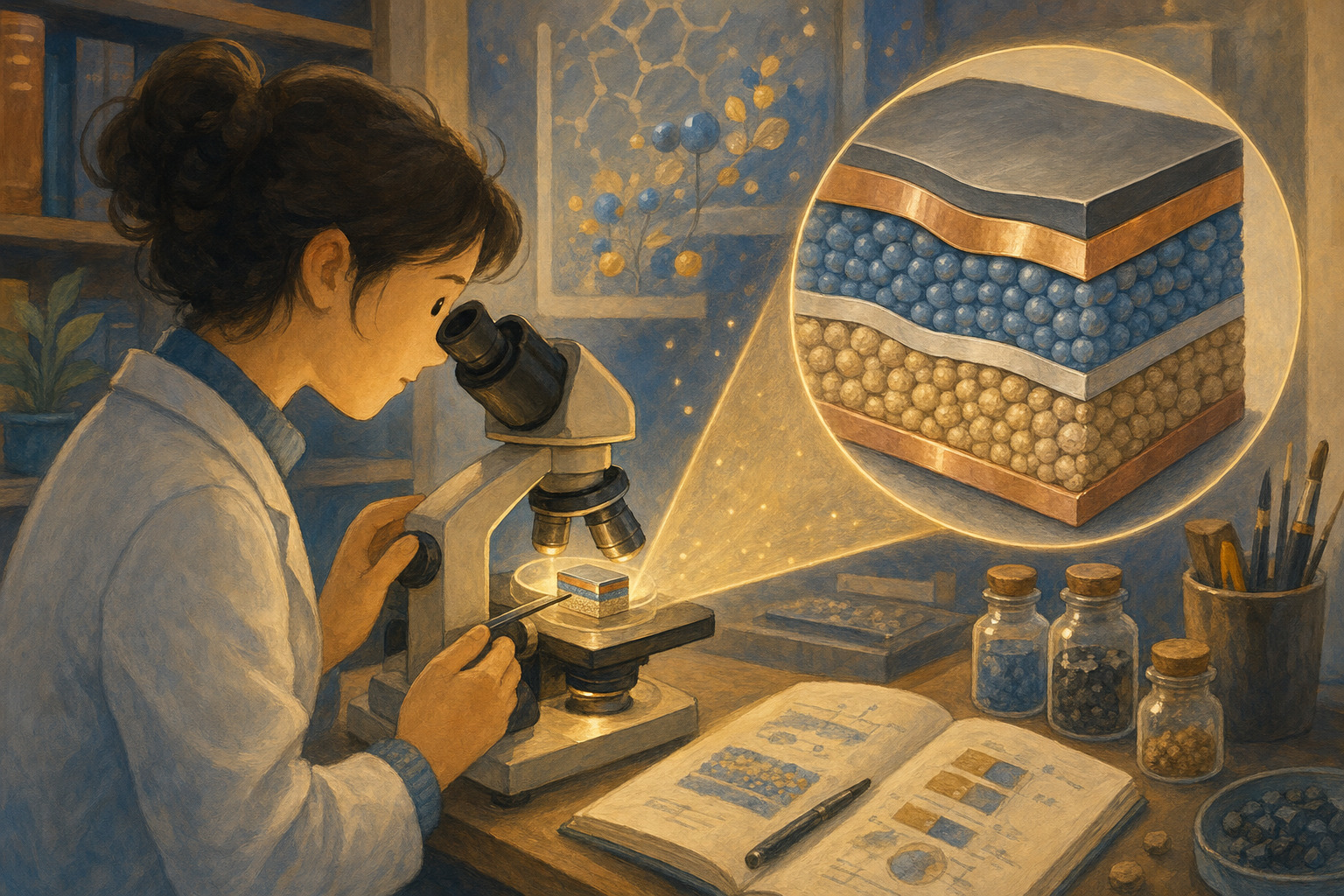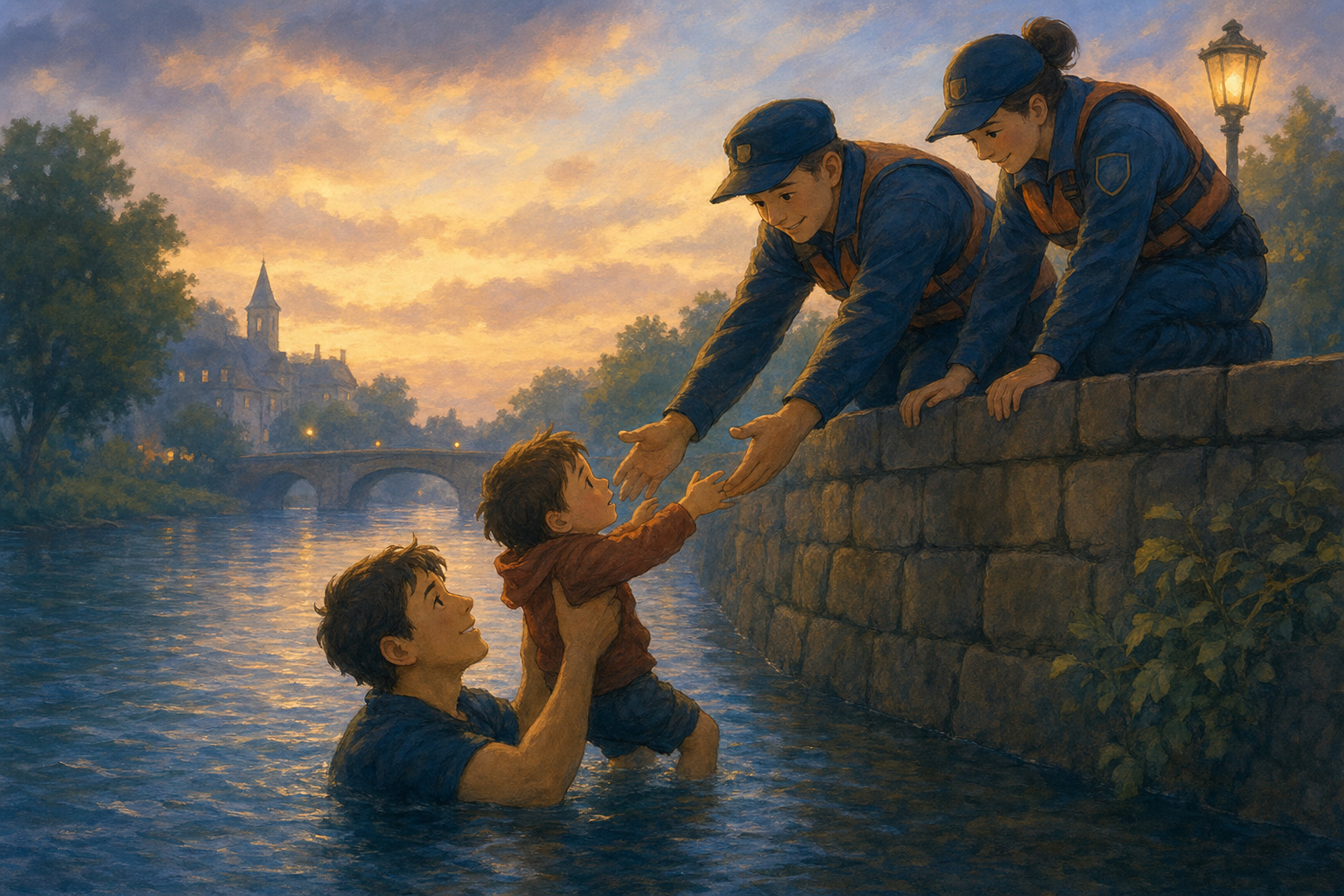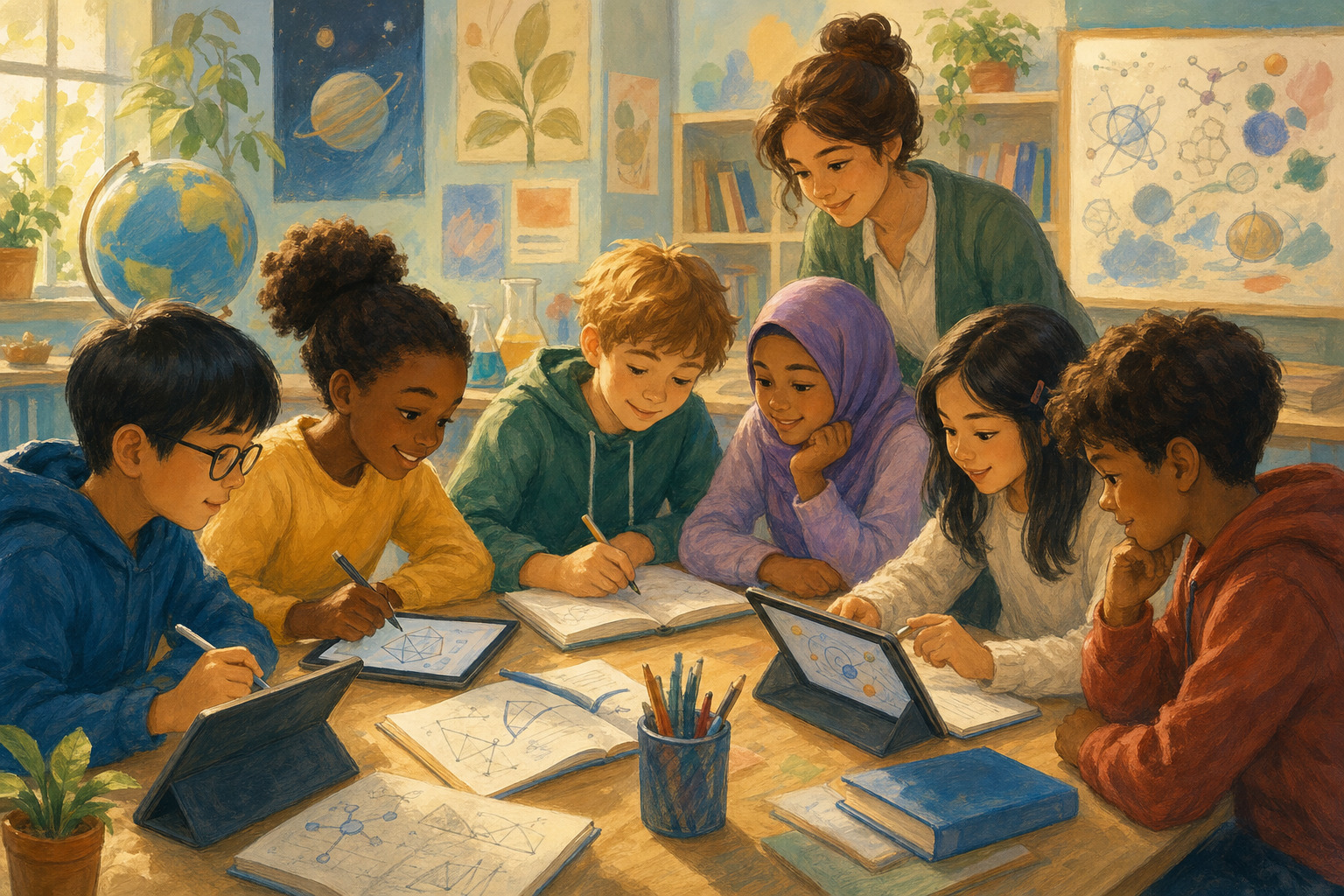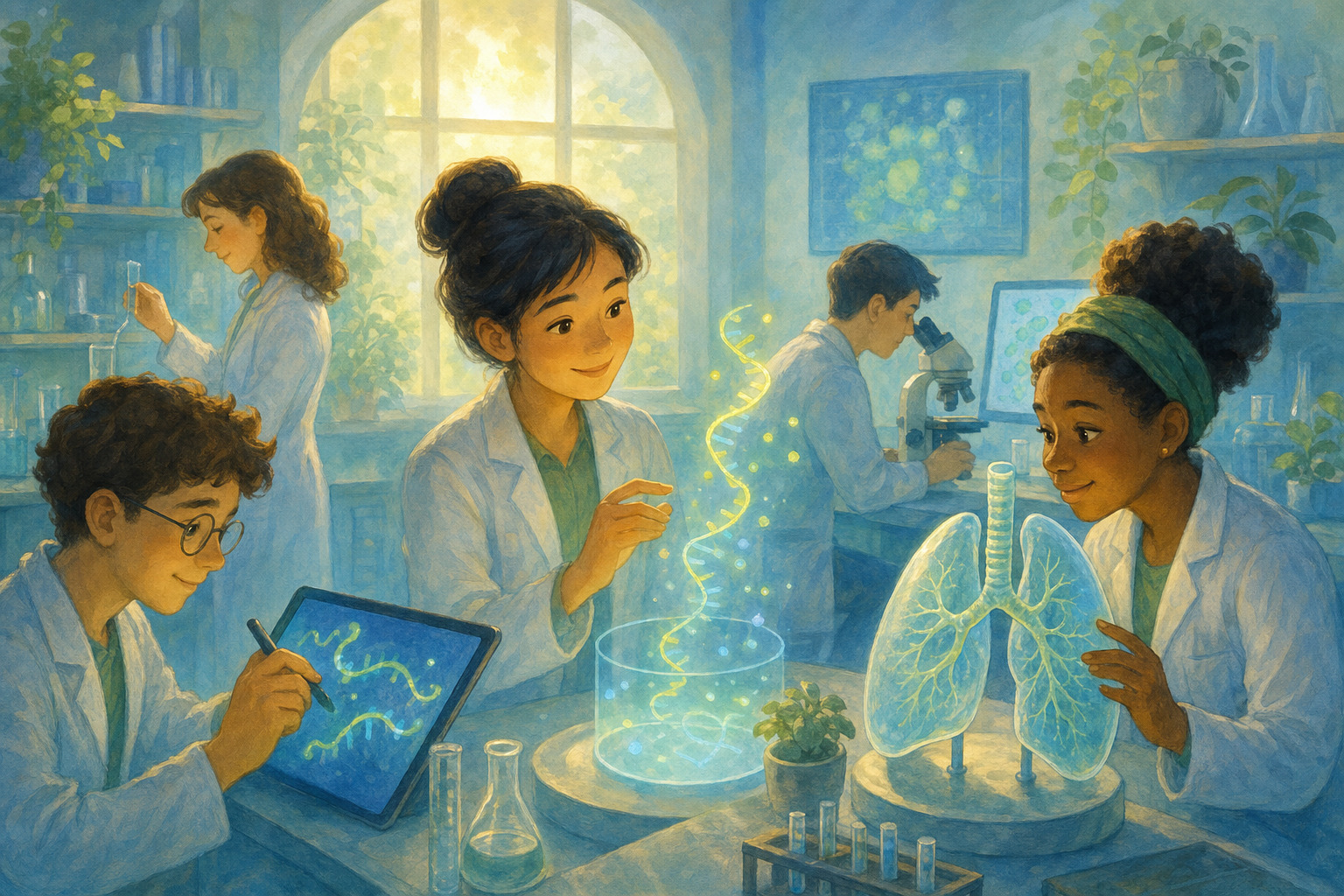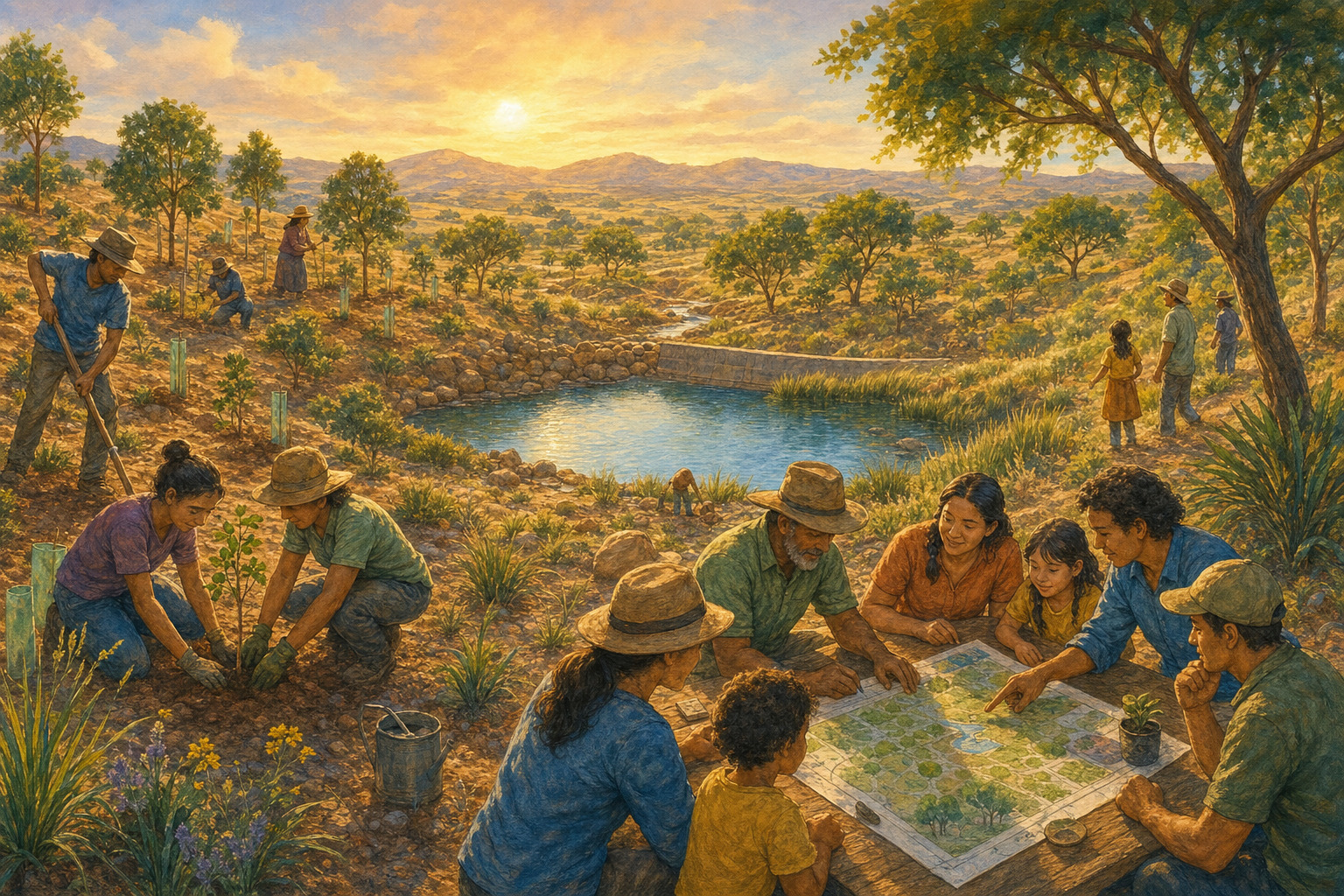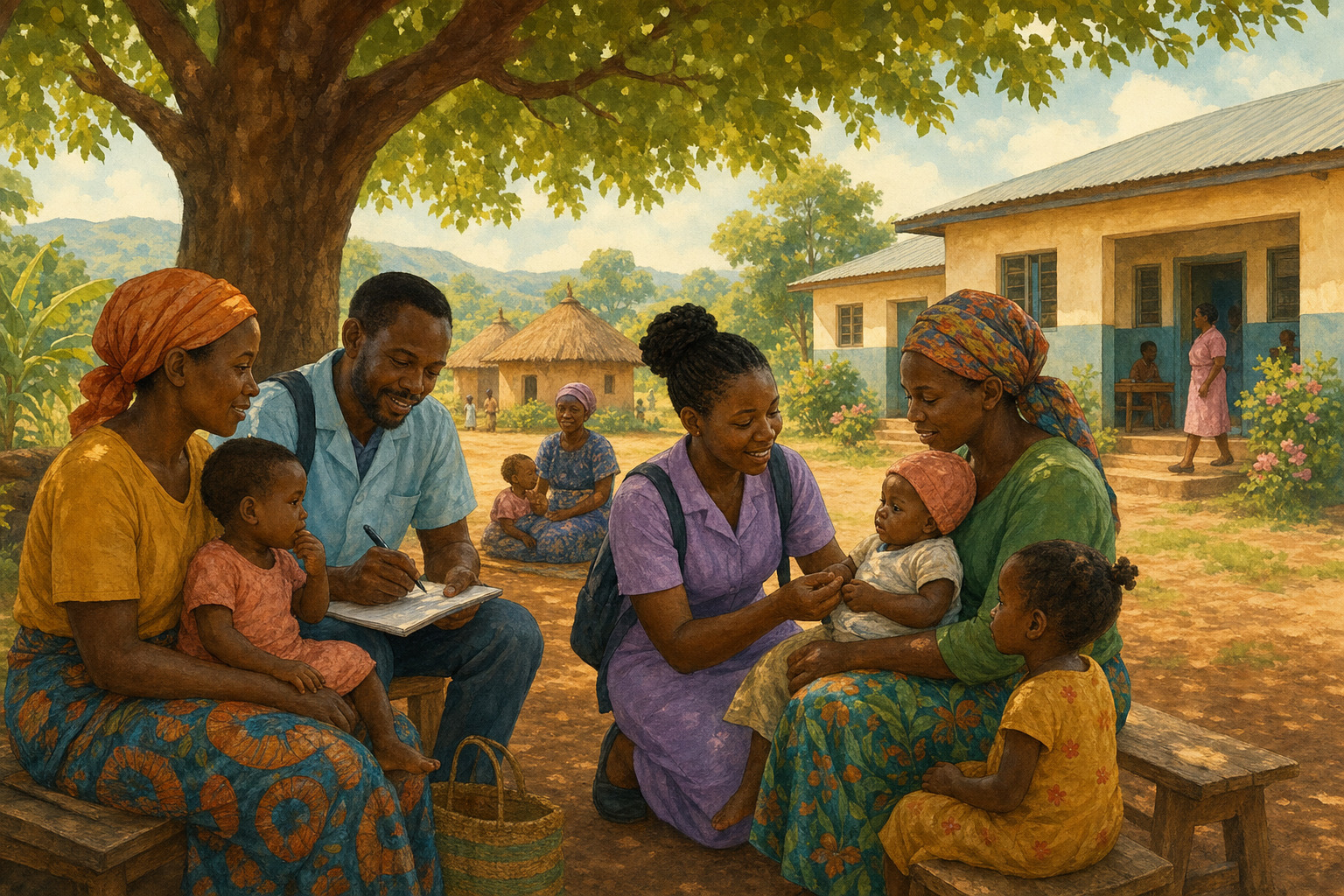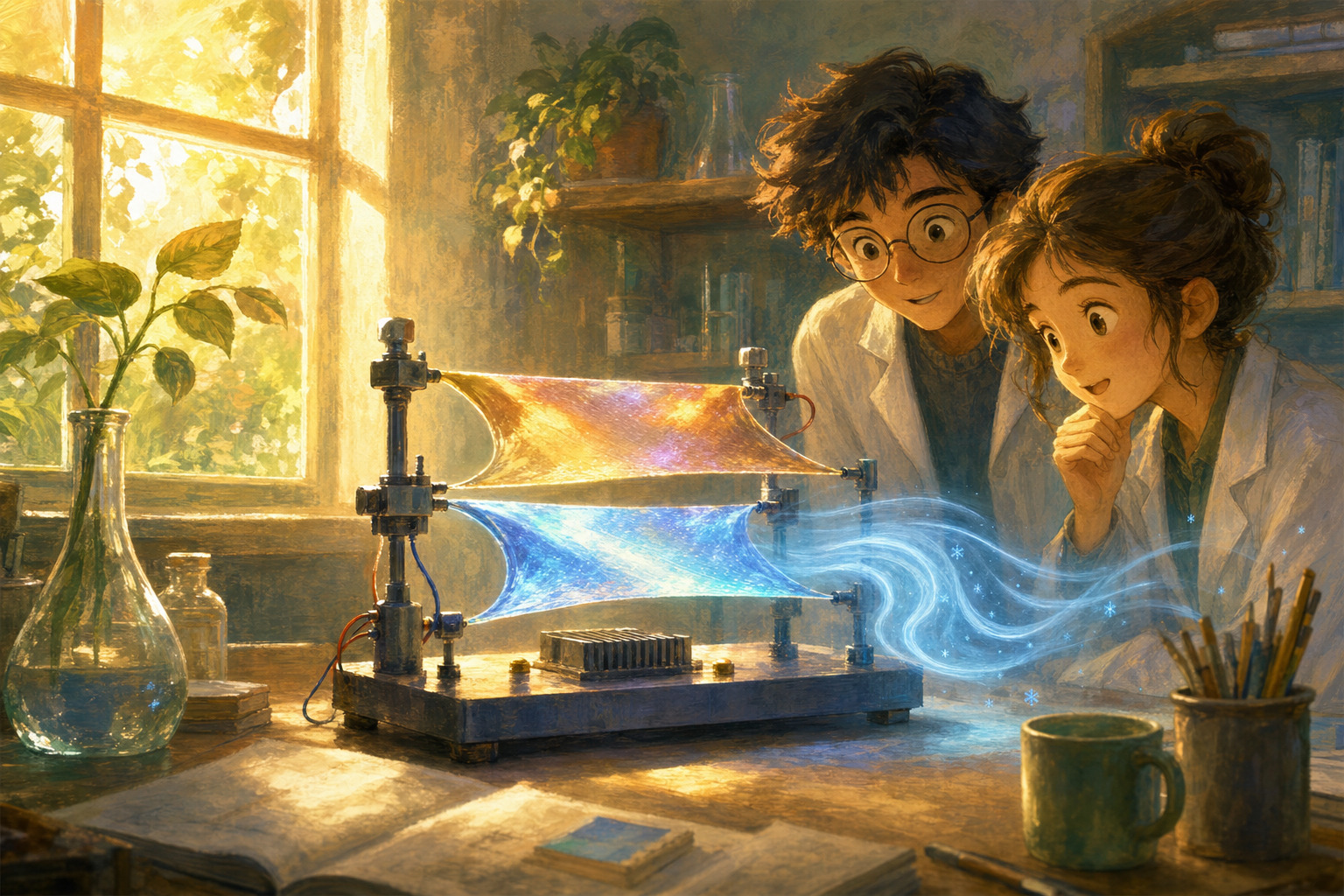
Bibi’s Storybook · Made Just for Kids

Hello, little one. Come sit with Bibi.

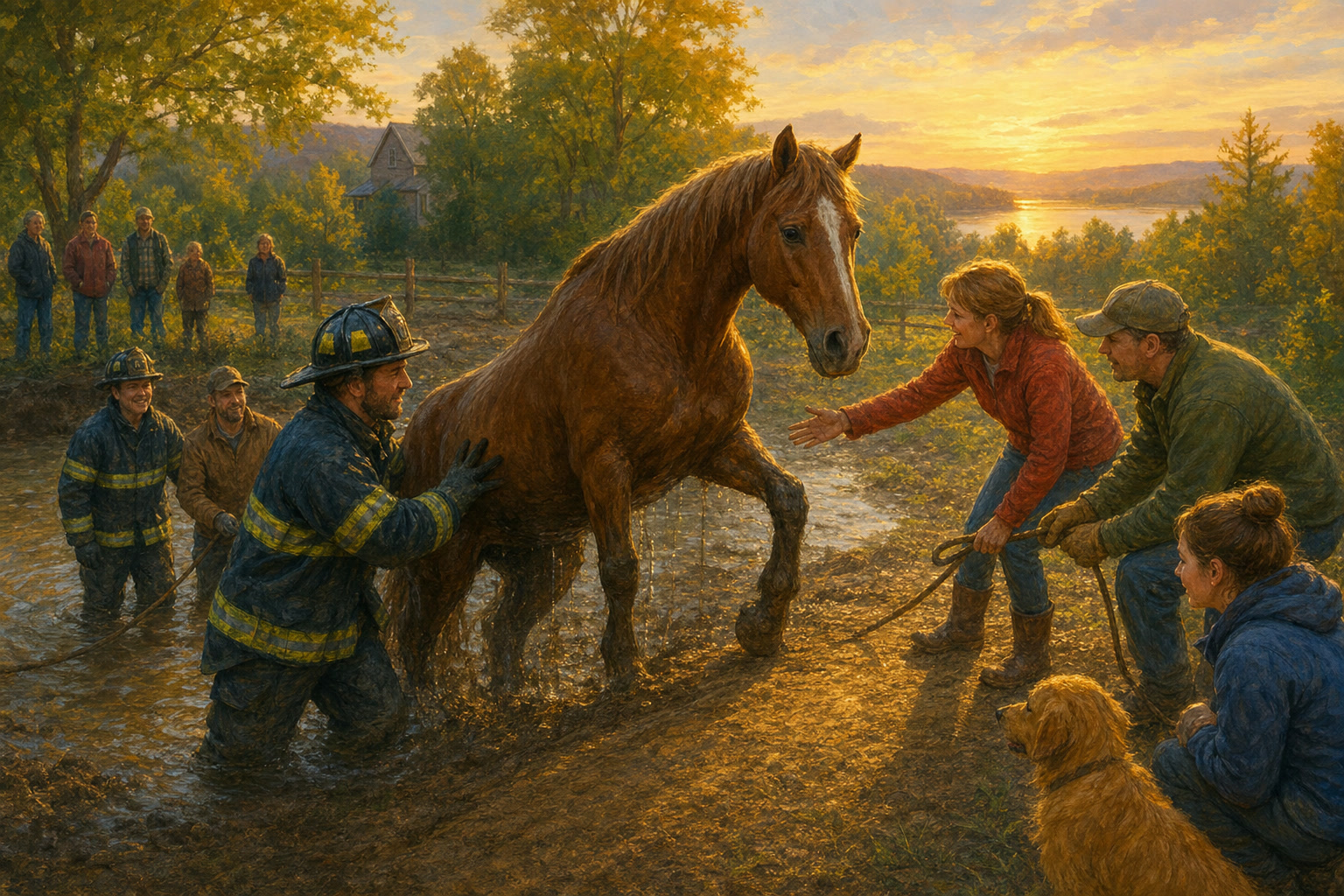
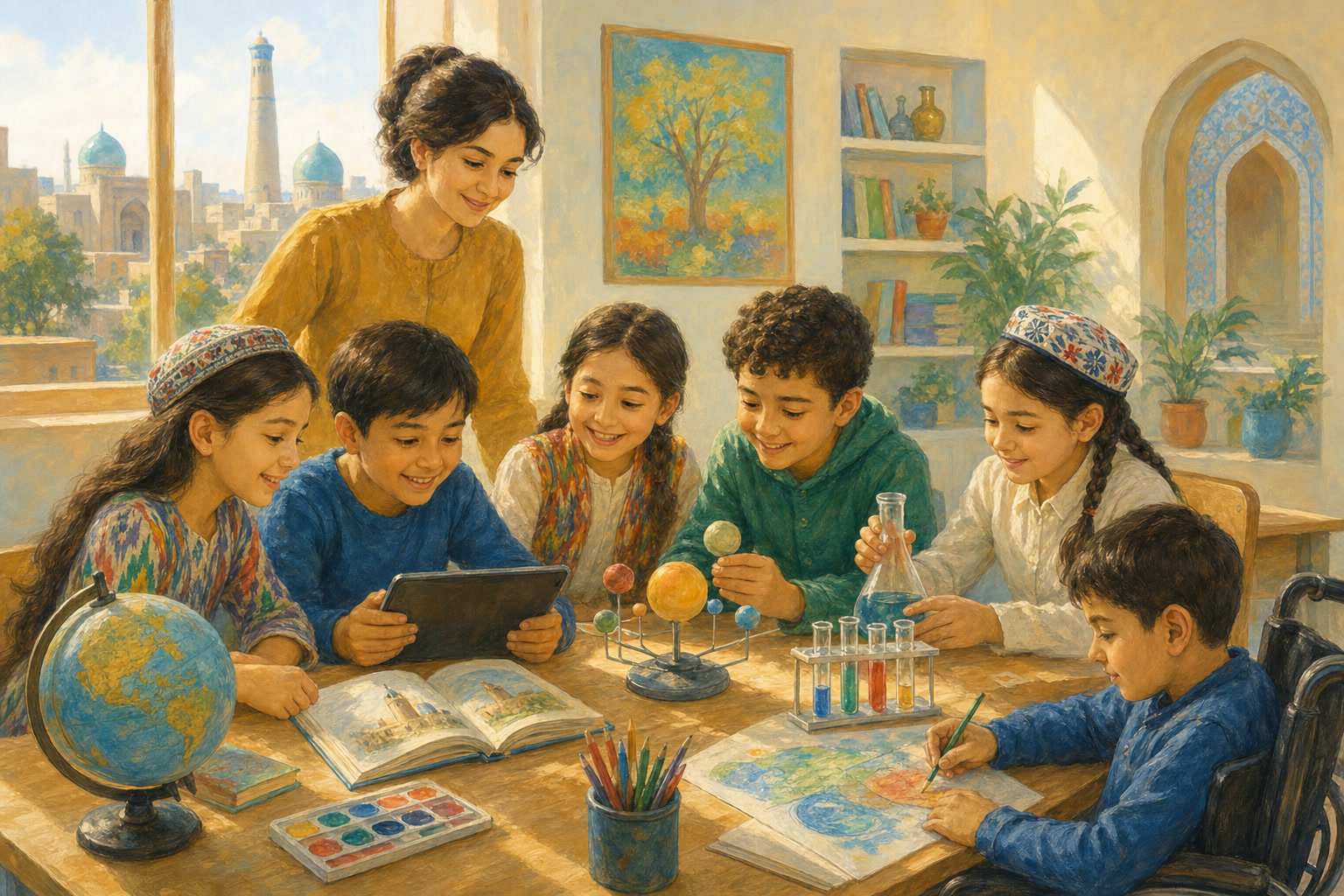
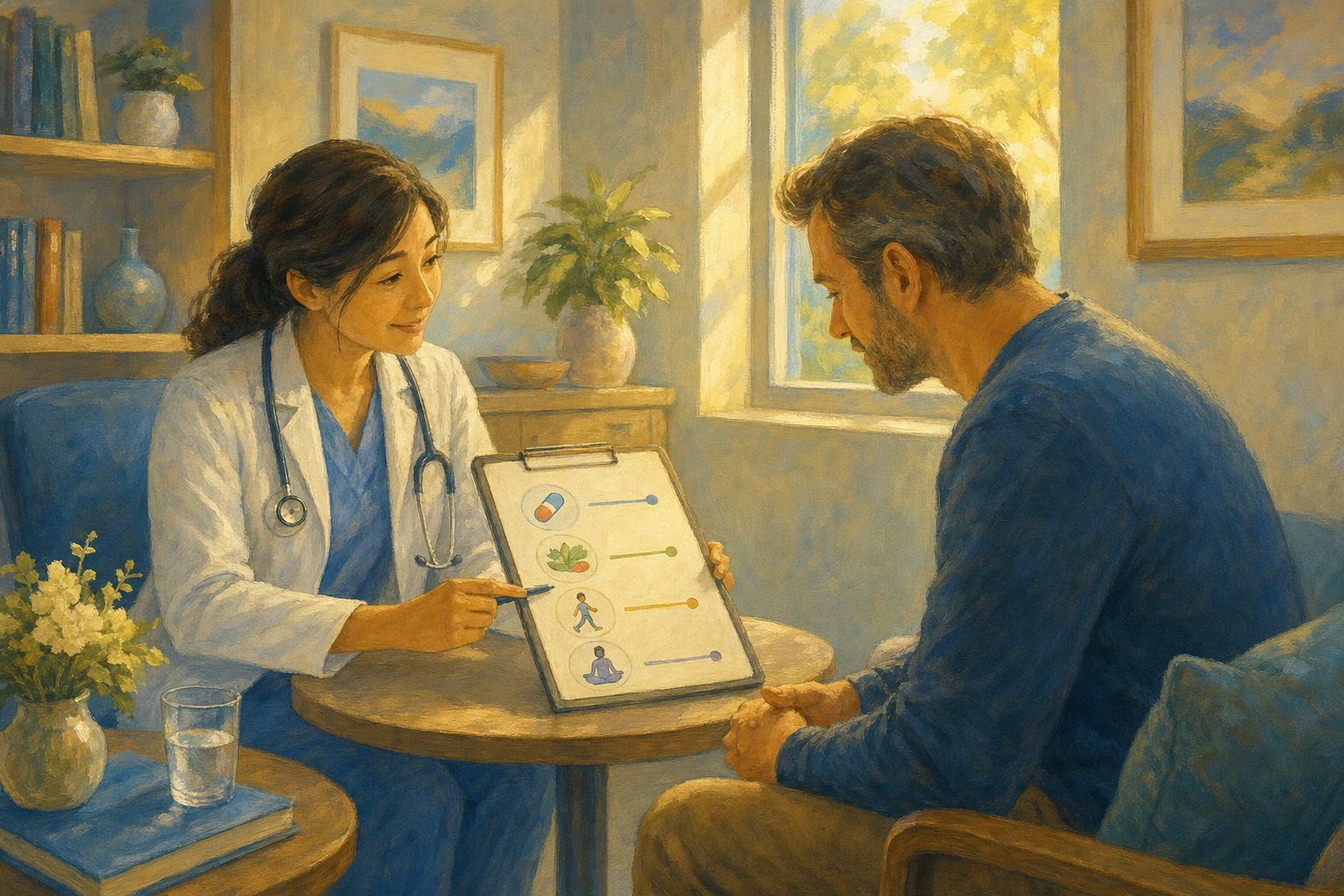
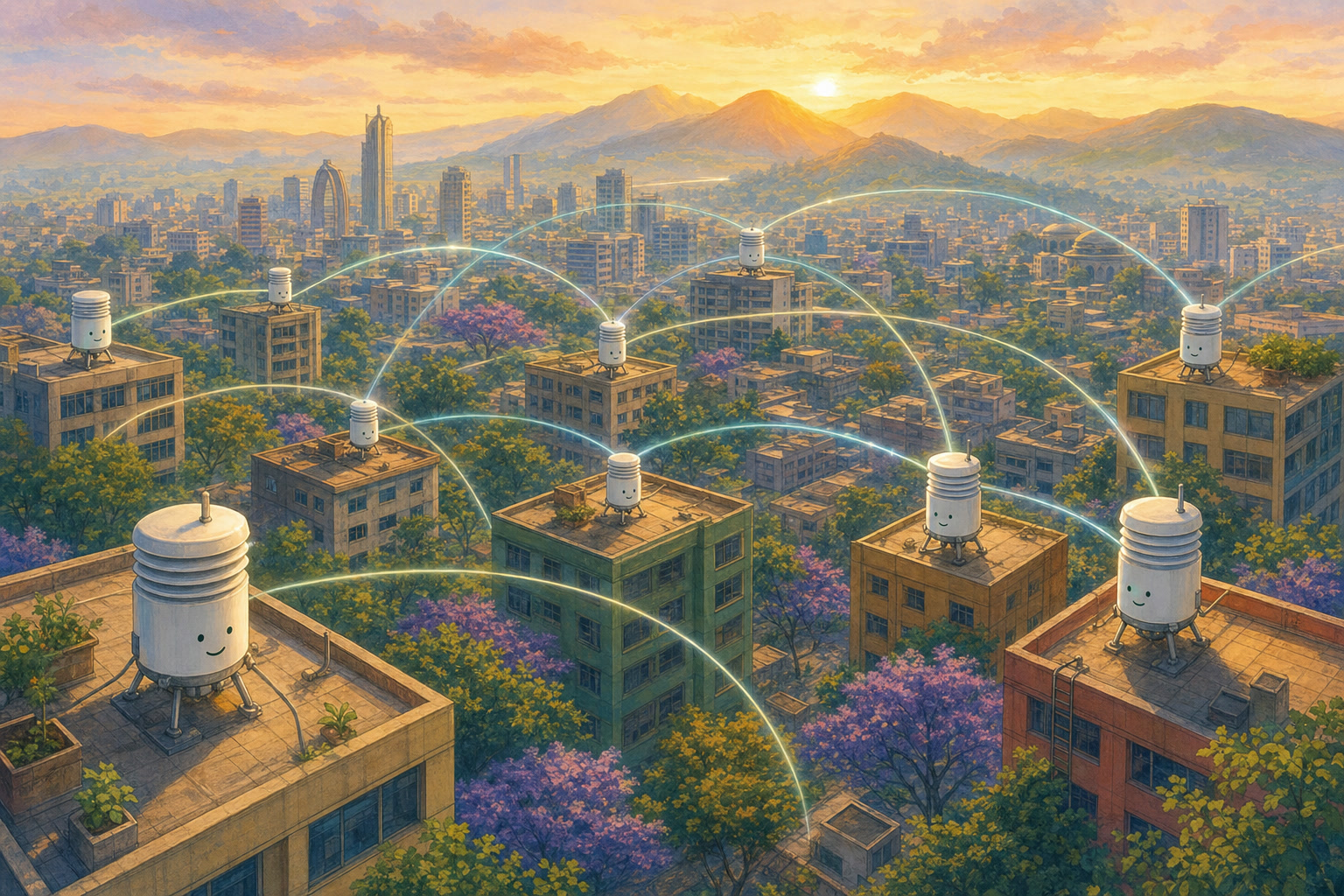
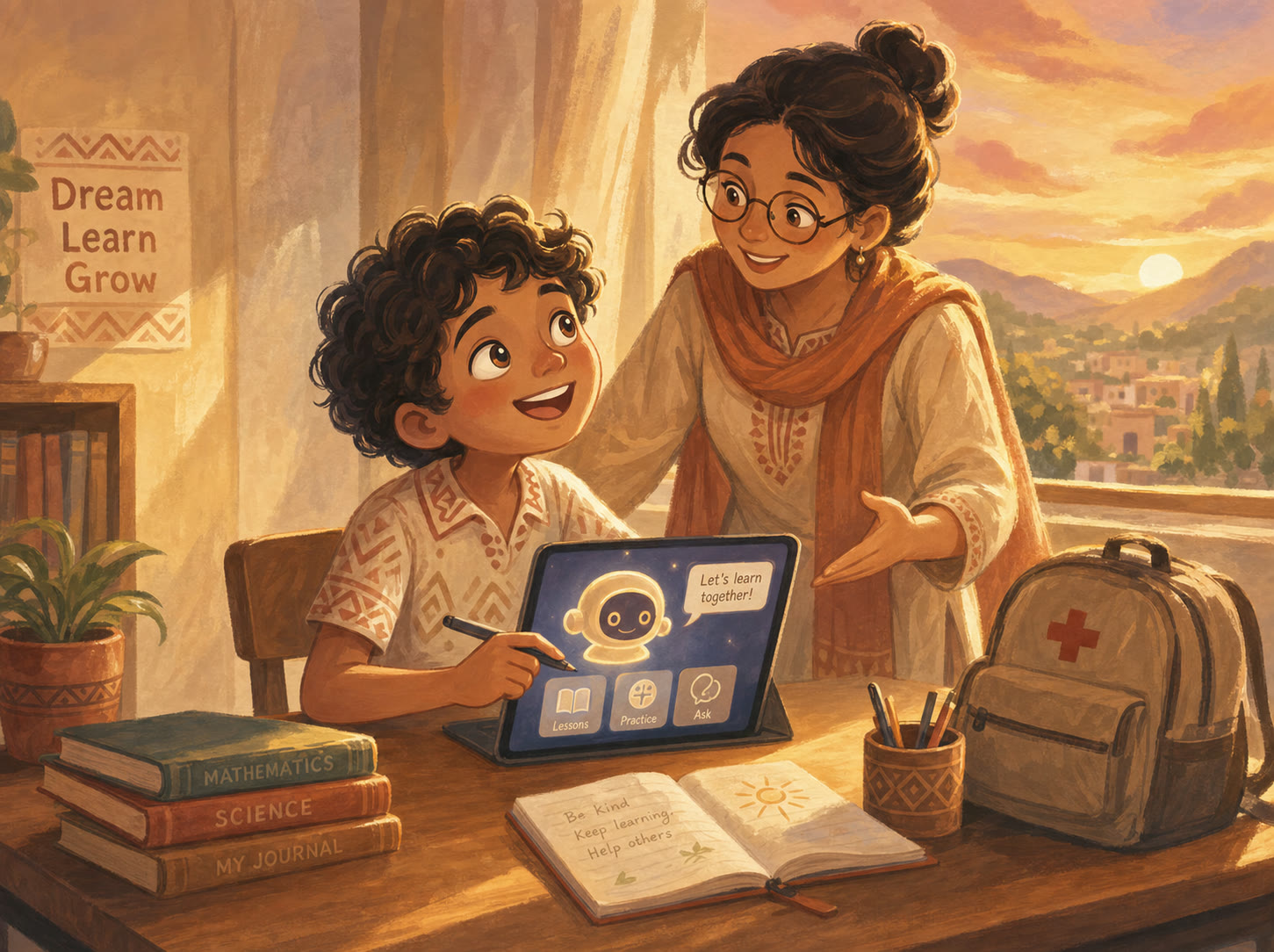
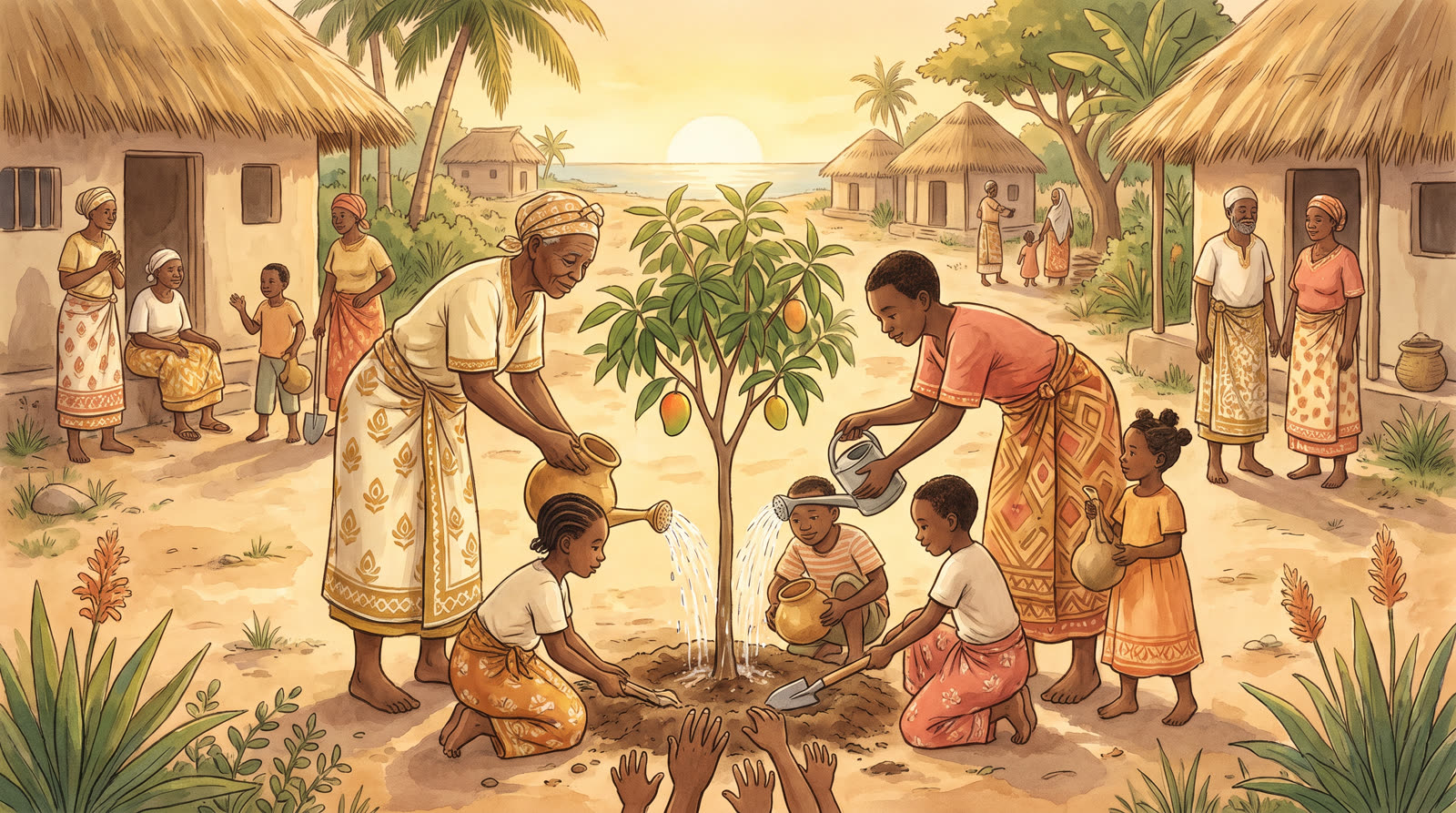
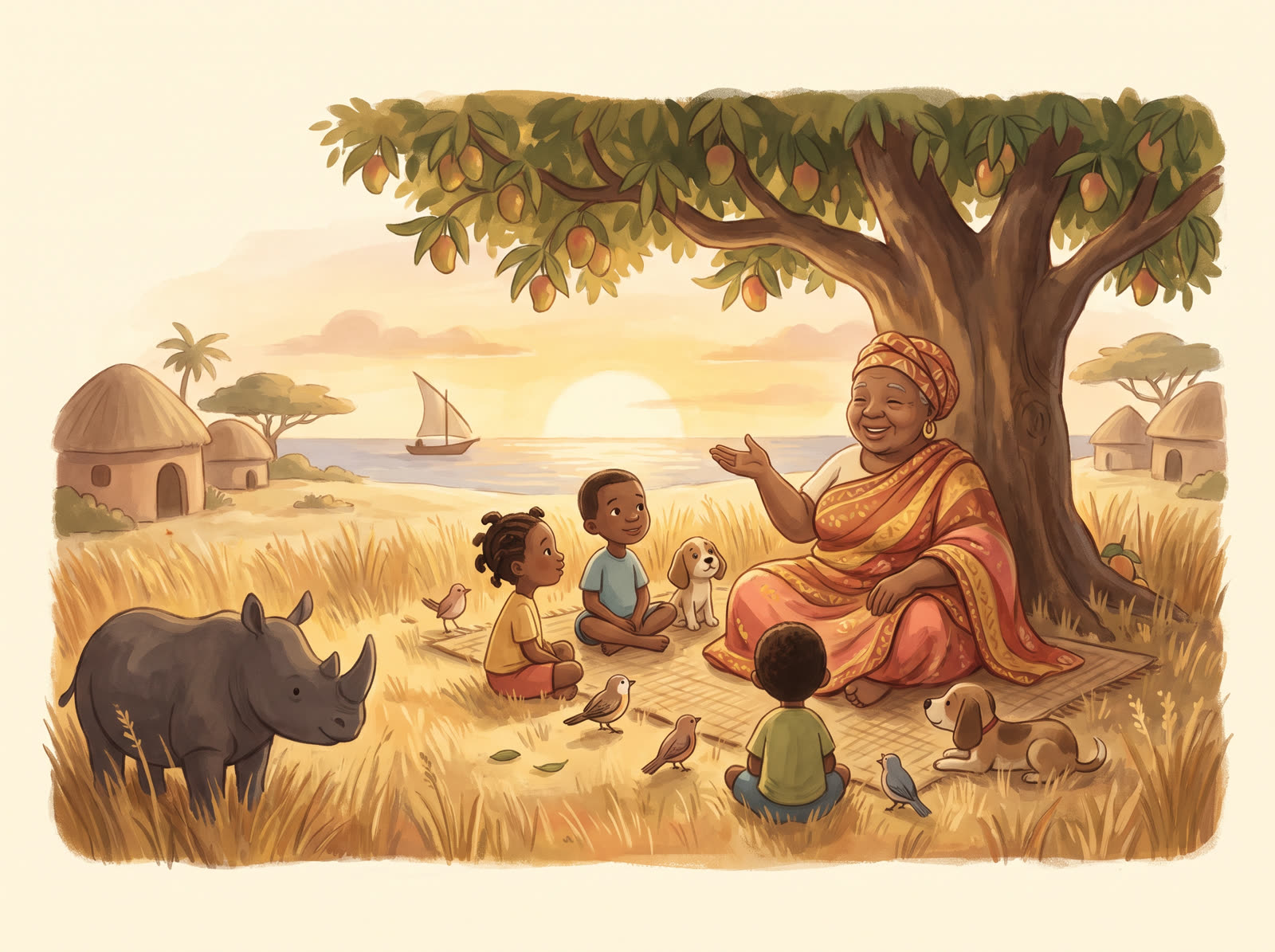
The rest of Global Good News Daily is written for grown-up readers. But this corner belongs only to children. Bibi is your warm, wise auntie who finds the gentlest good news in the world and tells it to you in short, complete chapters, under the mango tree, with the animals listening too. Every chapter has its own little comic book now, too — tap Flip through the comic and turn the pages just like a real storybook.

Open the storybook
Bibi, a warm auntie storyteller, sitting under a mango tree with children, a puppy, and a rhino listening to her stories.
Table of contents

Bibi’s story corner

The shelf keeps getting longer, because good news never really runs out. Every tale here is true, every tale is gentle, and every one wraps up neatly before you close your eyes. Tap any cover to flip through its comic.

Book Six

Chapters 51–53

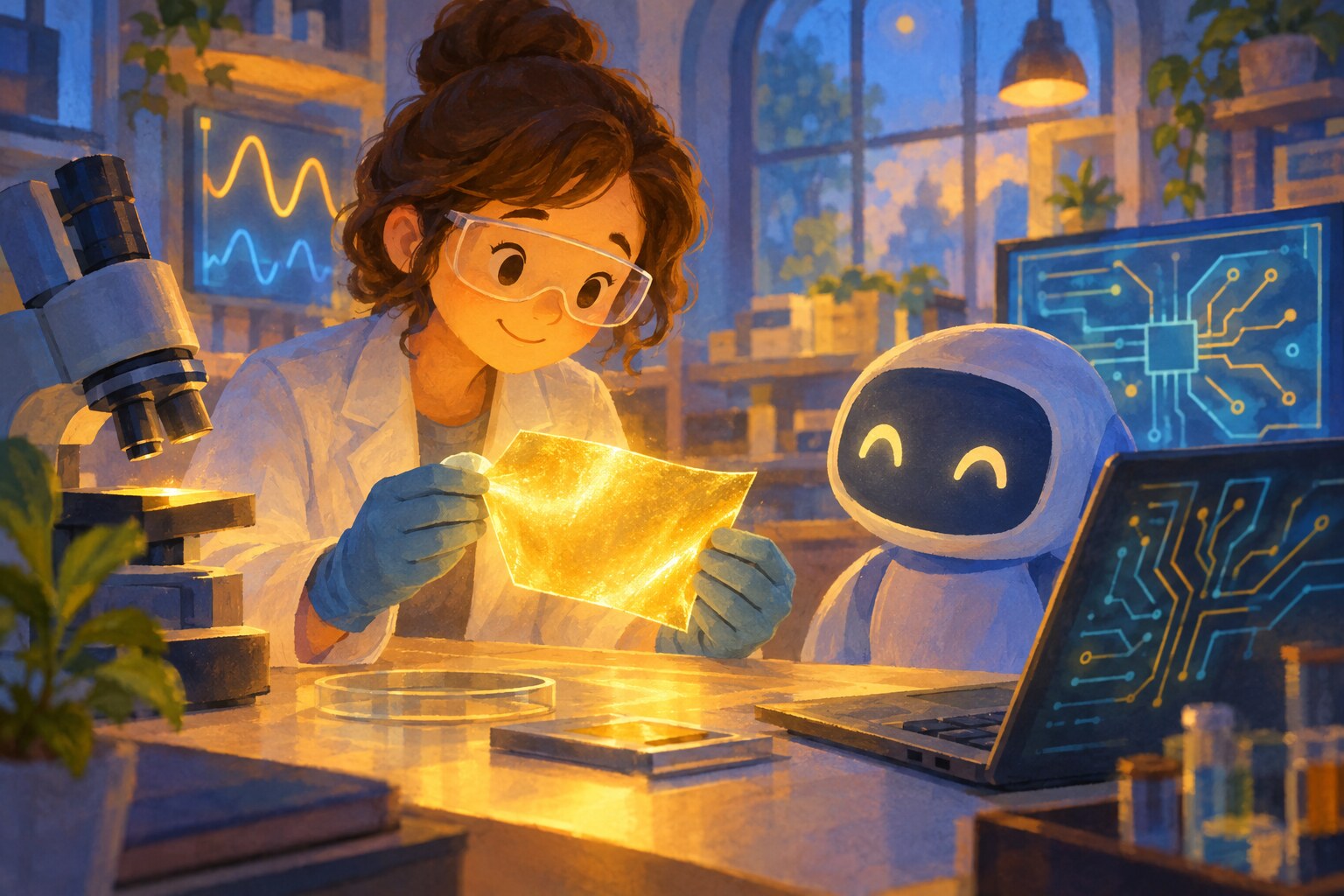
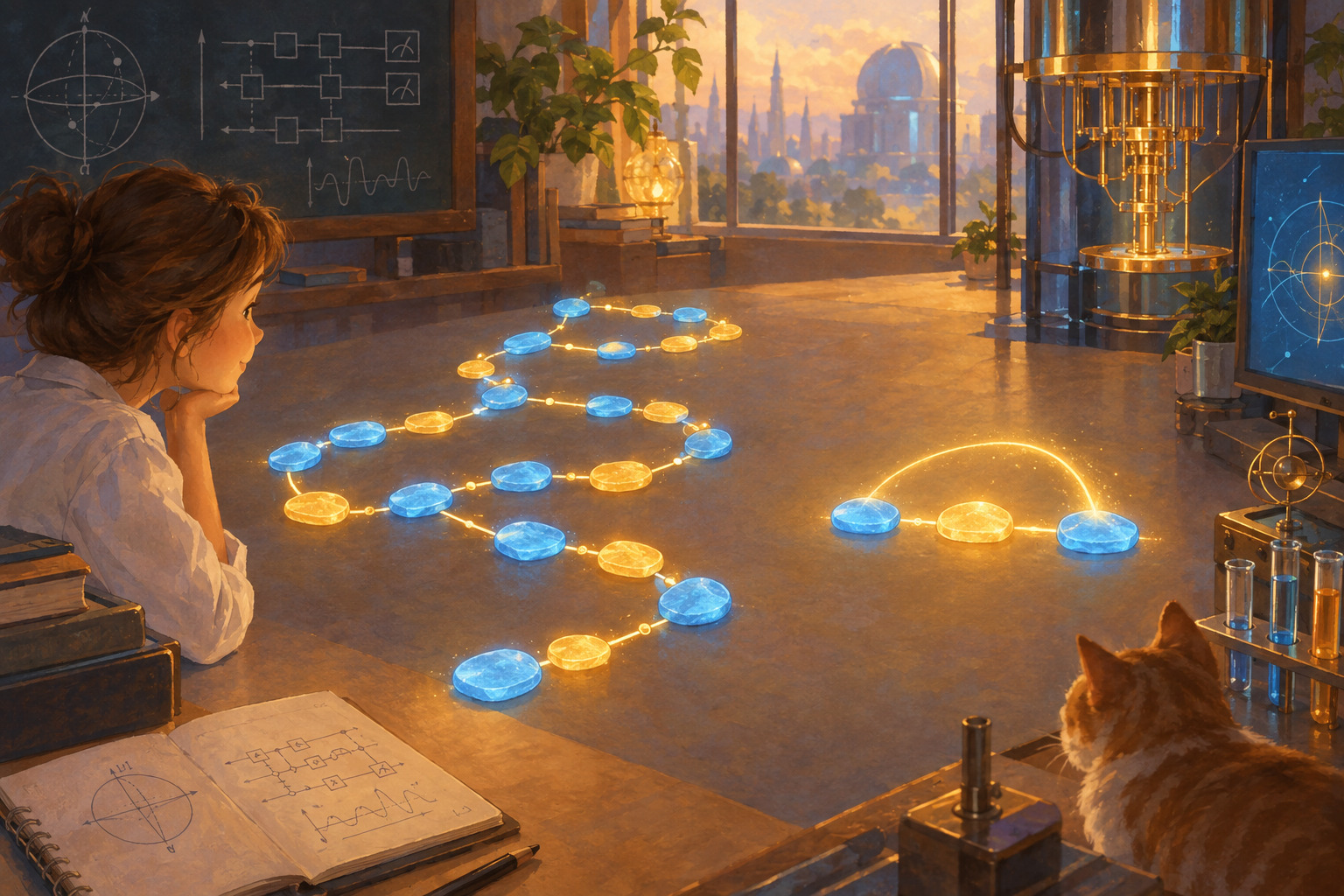
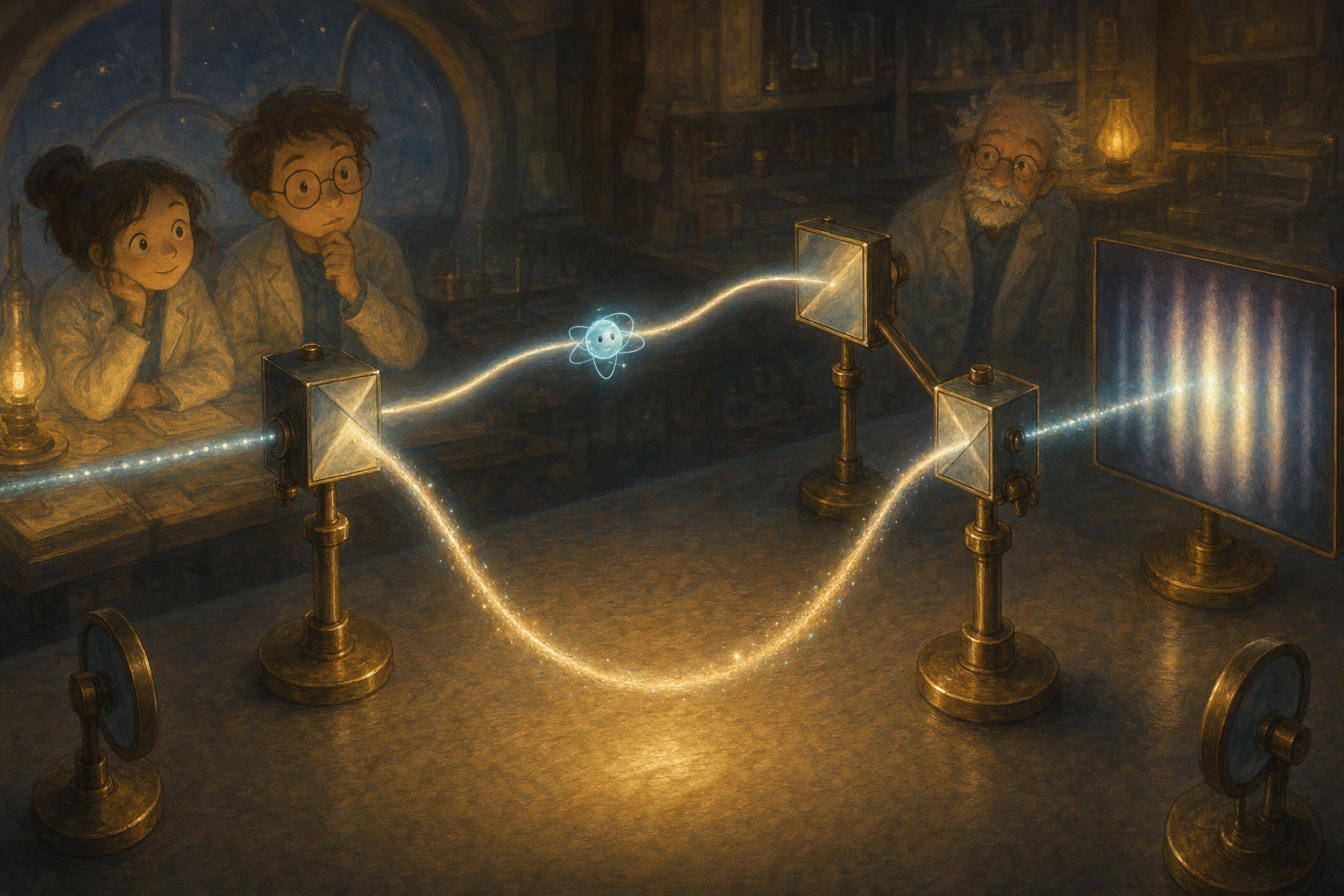
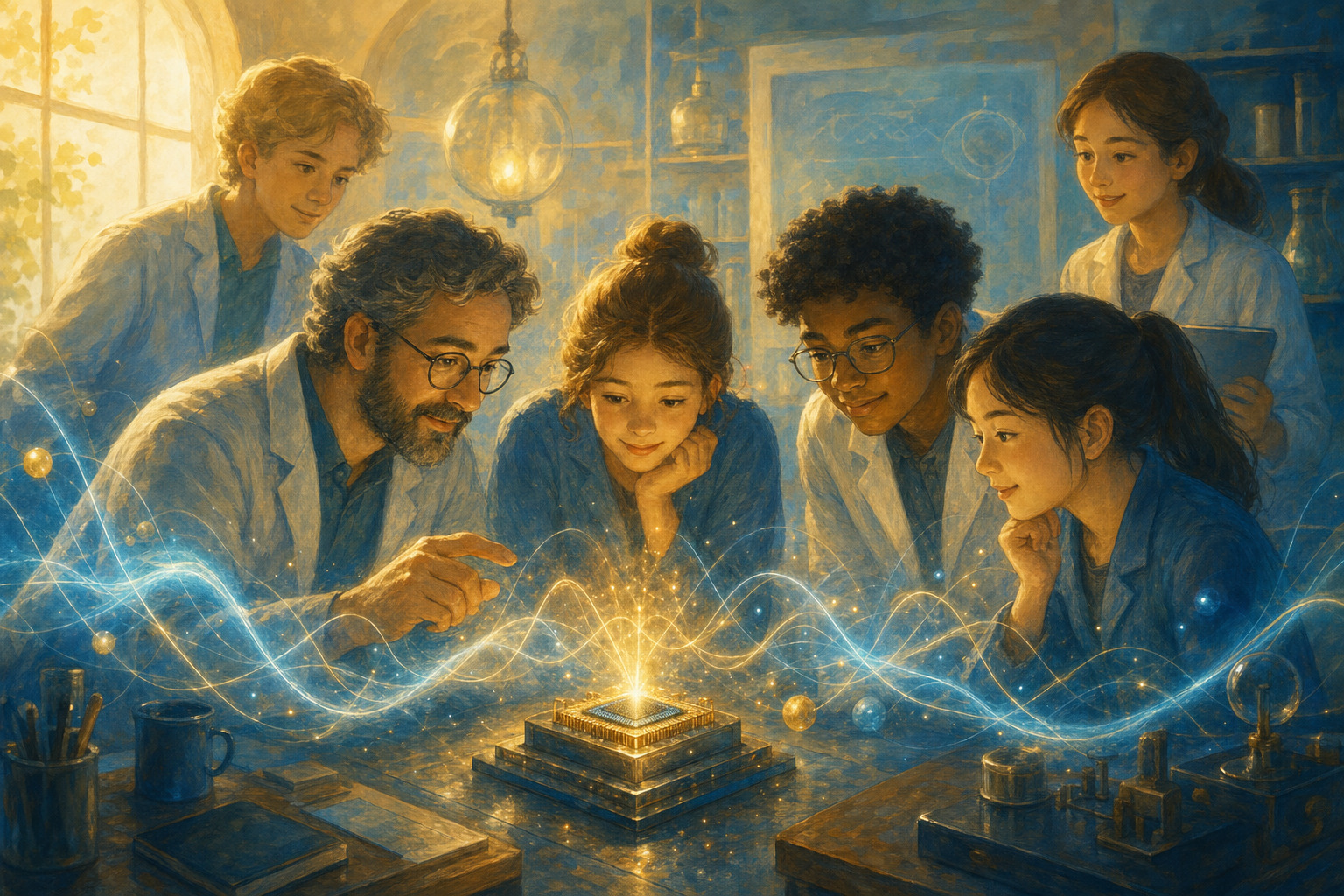
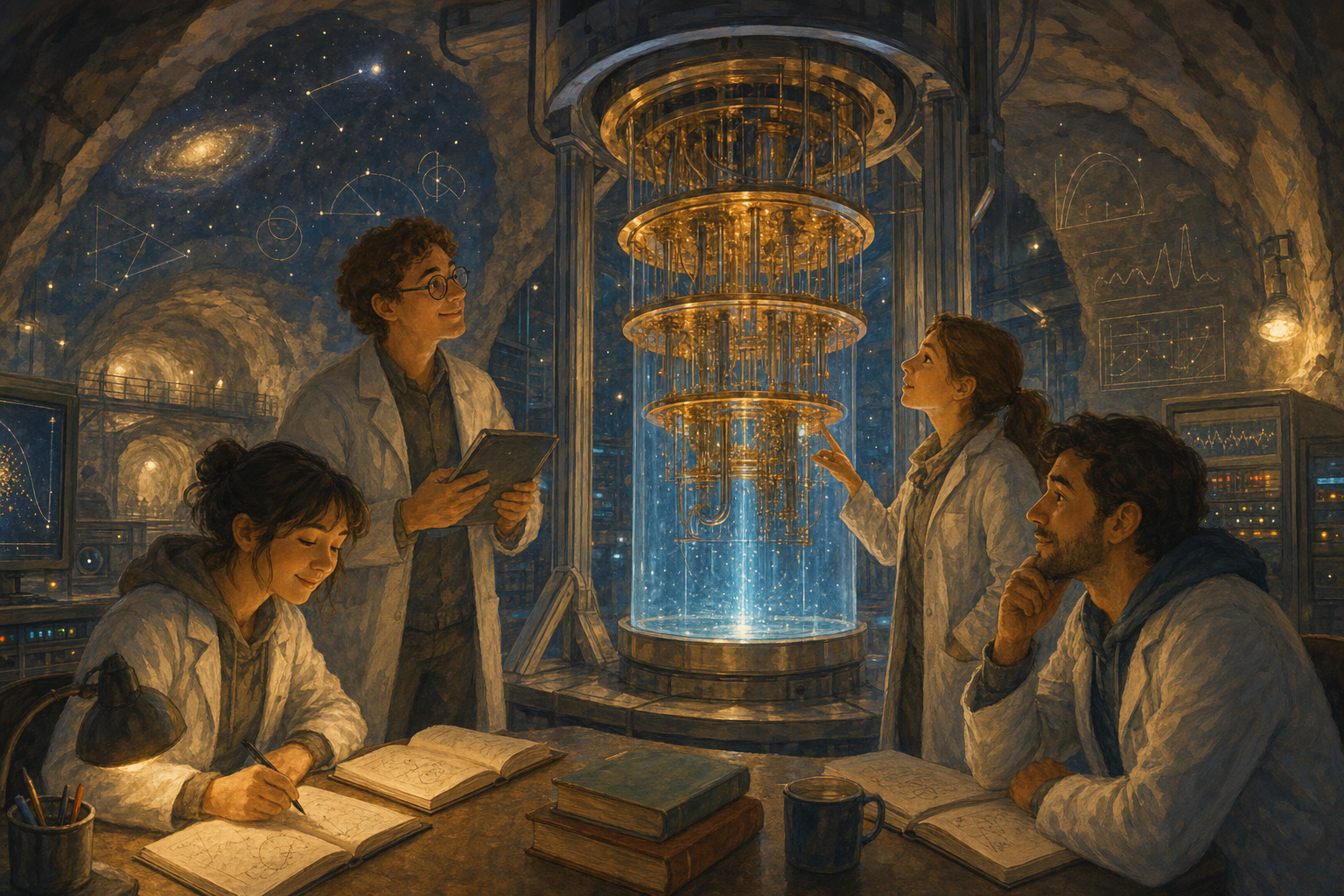
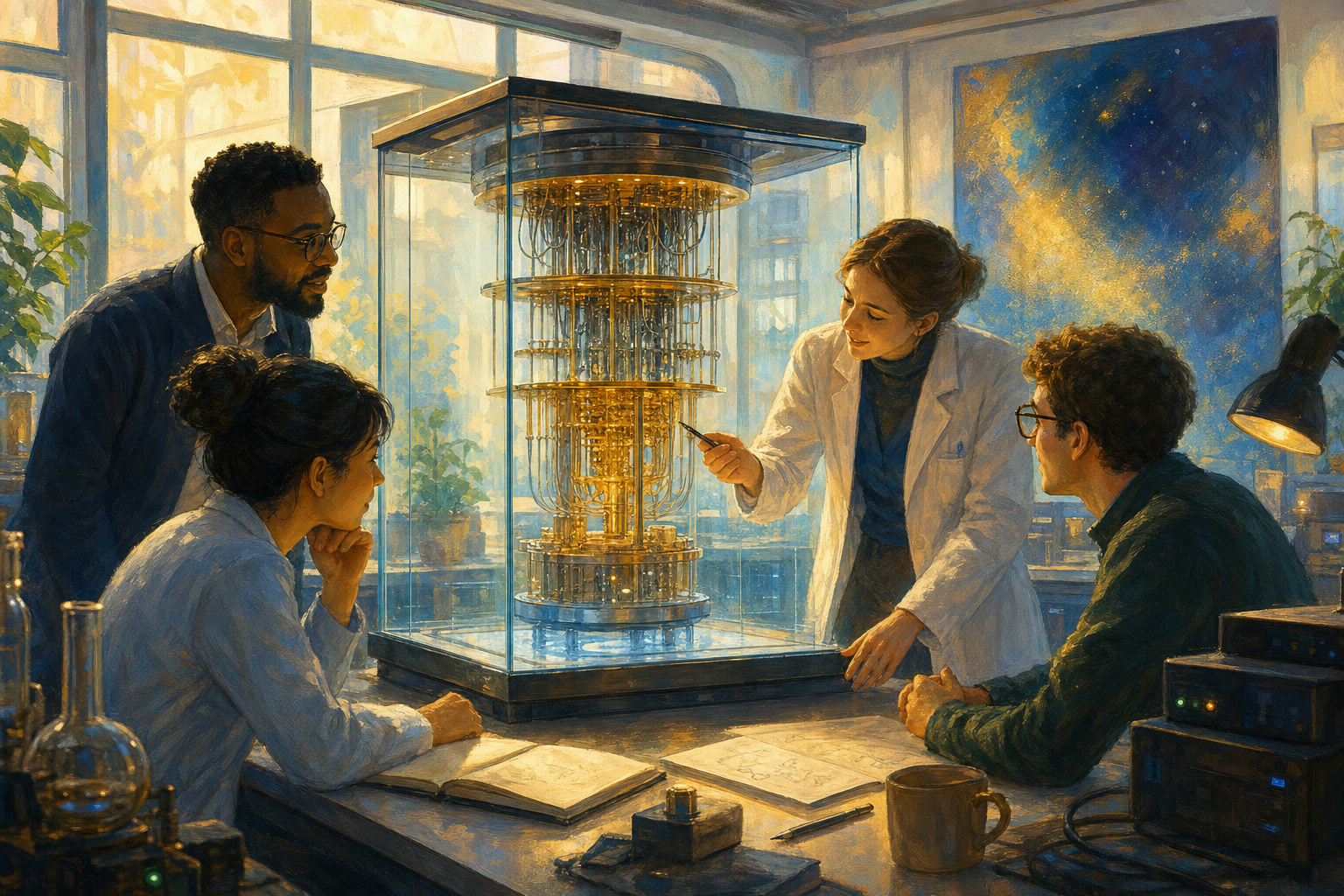
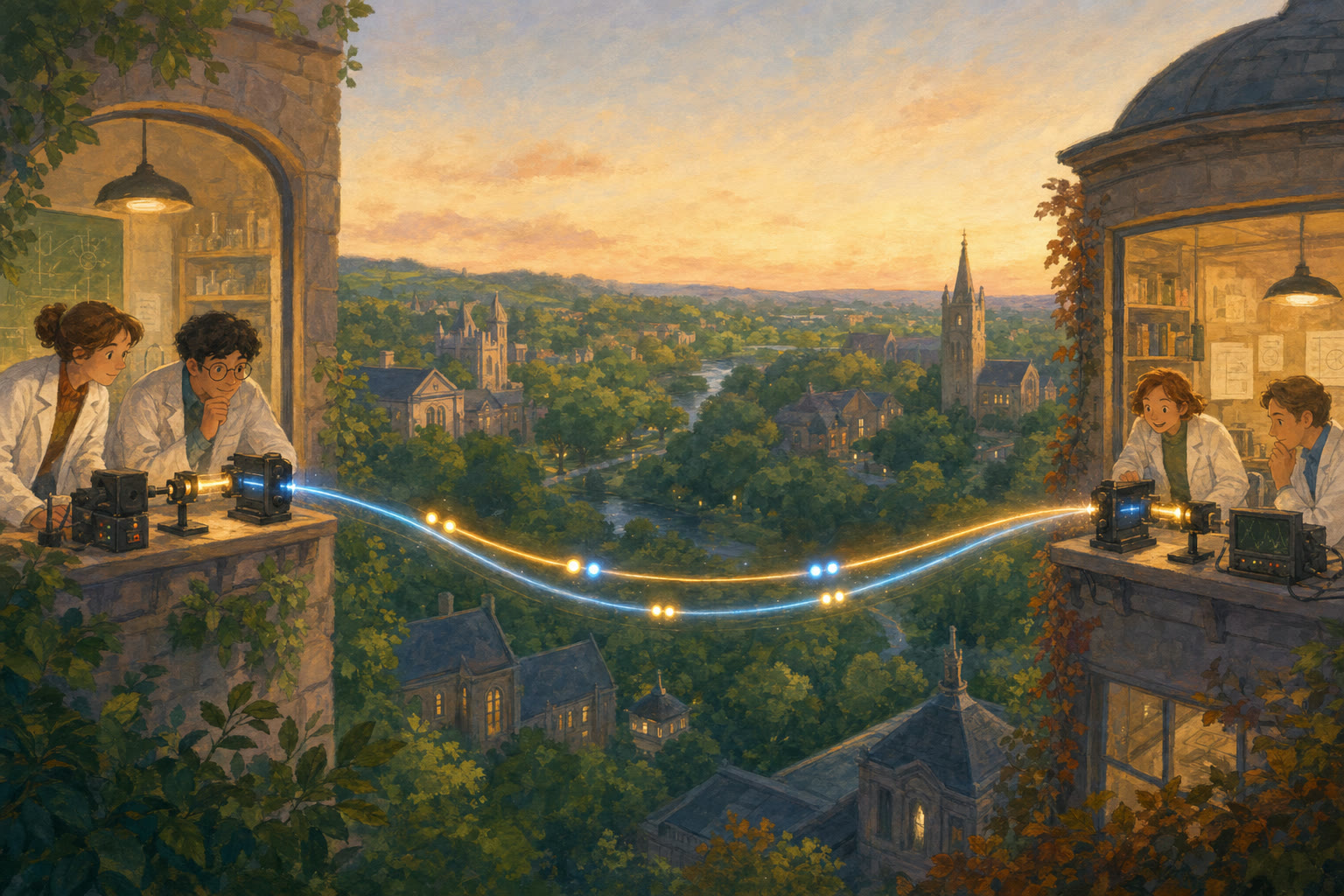
Two research laboratories connected by a glowing fiber-optic line carrying paired lights. Chapter One

Two Tiny Lights That Stayed Best Friends

Scientists sent a pair of specially linked light particles through 62 kilometers of everyday internet cable, and they stayed connected the whole way.

Read Bibi’s full telling

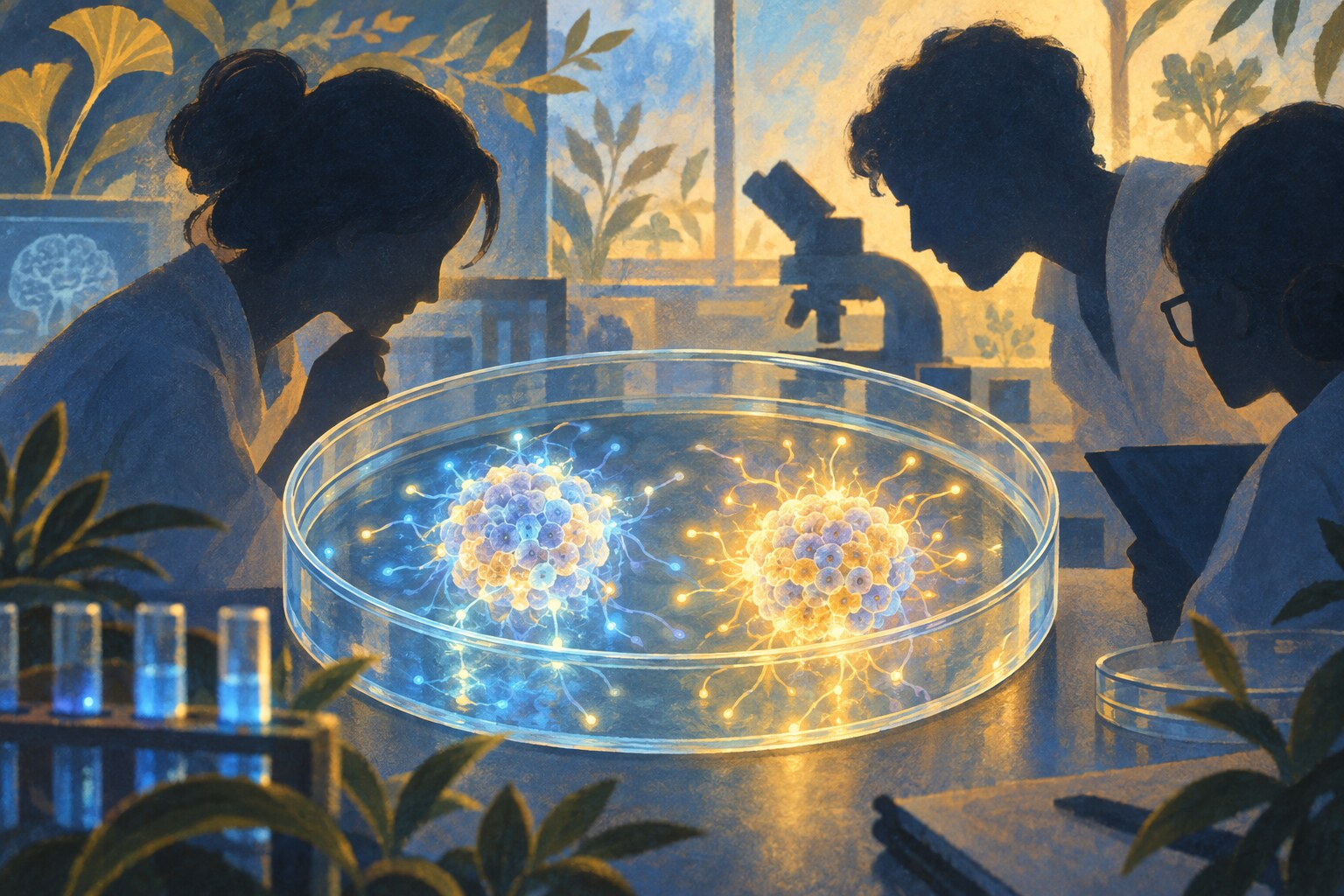
Little one, scientists have a strange and wonderful trick. They can make two tiny particles of light become so closely linked that whatever happens to one seems to happen to the other too, even far apart. This is called being entangled. A team from NIST, the University of Maryland and Qunnect sent entangled light particles through 62 kilometers of ordinary fiber cable, the same kind that carries internet signals through neighborhoods. The cable felt real wind, warm and cold weather, and gentle shaking, and the delicate light pair still stayed linked almost the whole time, for a whole day and night. Bibi finds that so amazing, little one. It means someday, this kind of quantum magic might travel through cables that are already strung up around our towns, instead of needing something brand new.

The End · Told by Bibi

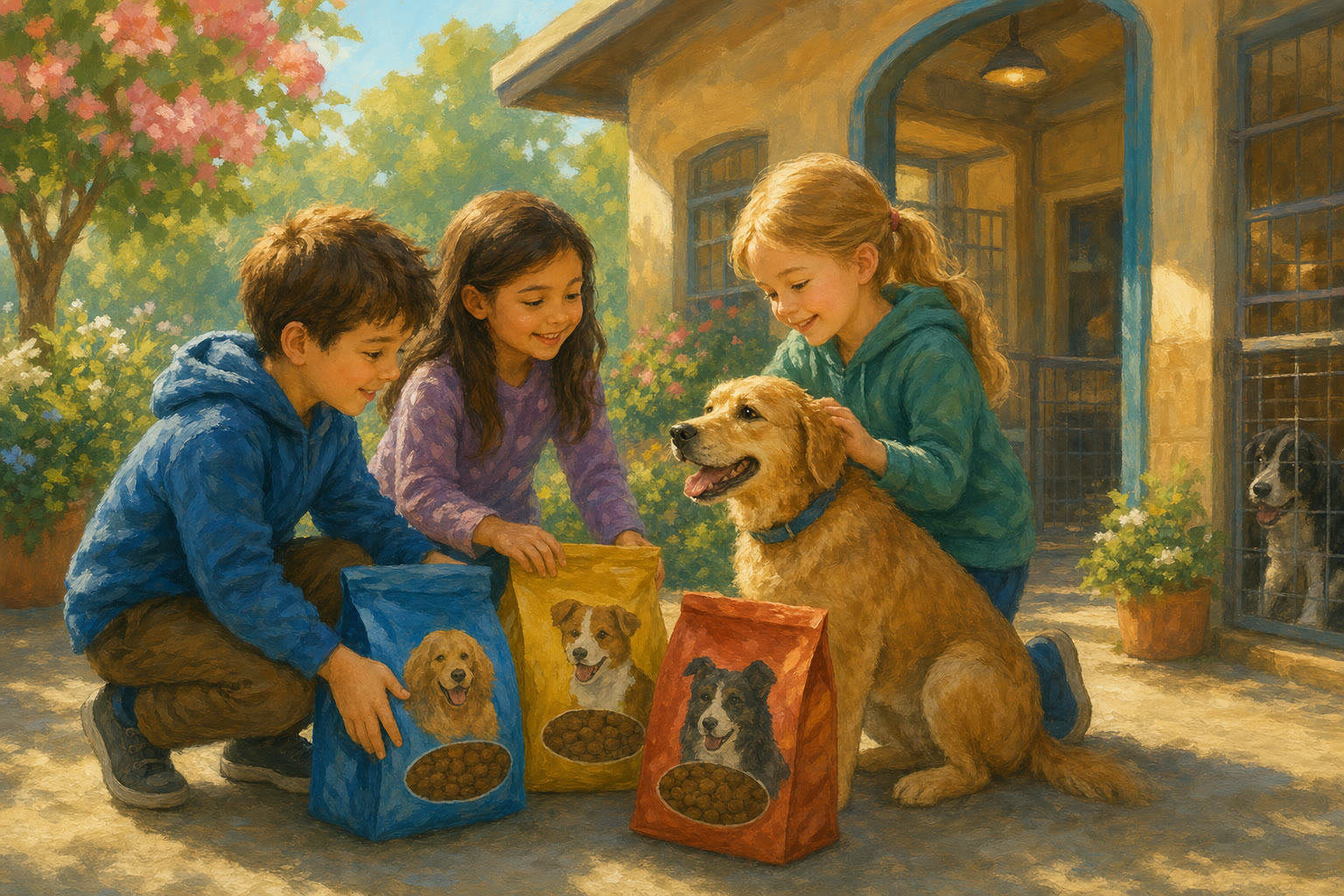
Children delivering pet food to a friendly dog at an animal shelter. Chapter Two

The Jar of Coins That Fed a Shelter

Three siblings in Florida saved coins all year long and turned them into a gift of food for animals waiting for a home.

Read Bibi’s full telling

Little one, three siblings in Florida have a sweet little habit. All year long, whenever they find some spare change, they save it up carefully instead of spending it right away. When enough coins had gathered, they used the money to buy bags of pet food. On August 5, they carried it all to the Volusia County Animal Shelter and gave it to the animals waiting there for new homes. Then they spent time with a dog named Vitorio, playing with him in the yard and trying out the agility equipment together. Bibi loves this story so much, little one, because it shows how small saved coins, gathered patiently, can turn into real food and real friendship for animals who need both.

The End · Told by Bibi

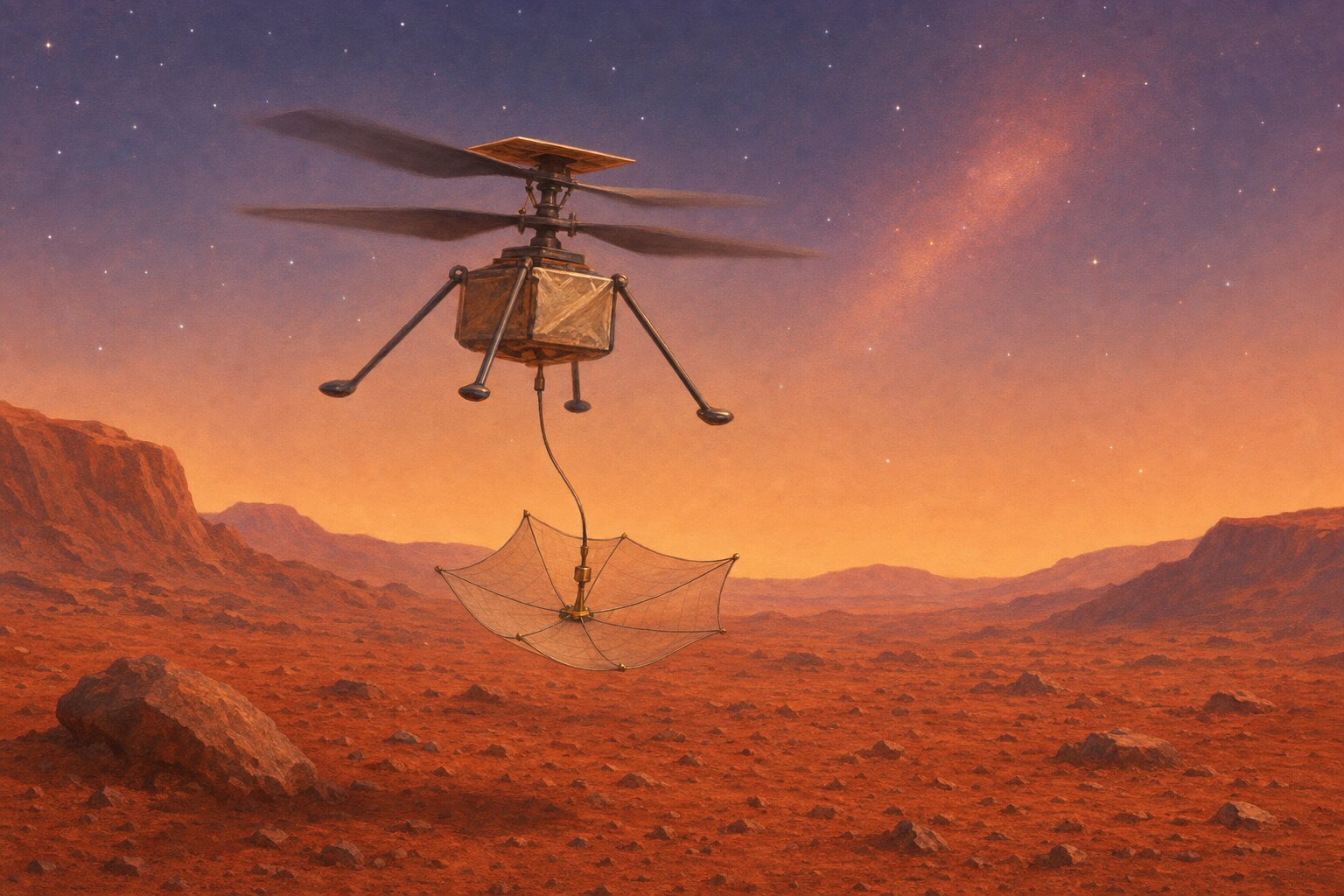
A small Mars helicopter carrying a lightweight radar antenna over the red Martian landscape. Chapter Three

The Tiny Antenna That Wants to Fly

NASA engineers made a small soft antenna that might one day hang below a Mars helicopter and look for frozen water under the ground.

Read Bibi’s full telling

Little one, scientists at NASA have made something very small and very clever. It is a tiny antenna, as light as a few coins, made of soft fabric that can bend and fold. They want to send it to Mars hanging below a little helicopter that will fly over the red ground. The antenna sends signals down into the soil to look for frozen water hidden beneath the surface. Before it can go to Mars, the scientists had to test it many times. They made it very cold, then warm again. They bent it over and over. They even pretended to land on Mars 200 times, and the little antenna stayed strong through every single one. Bibi thinks this is wonderful, little one. A small, soft thing, made with great care, might one day help us find water on a faraway planet. It shows that even the tiniest inventions can do very big things.

The End · Told by Bibi

Book Five

Chapters 41–50

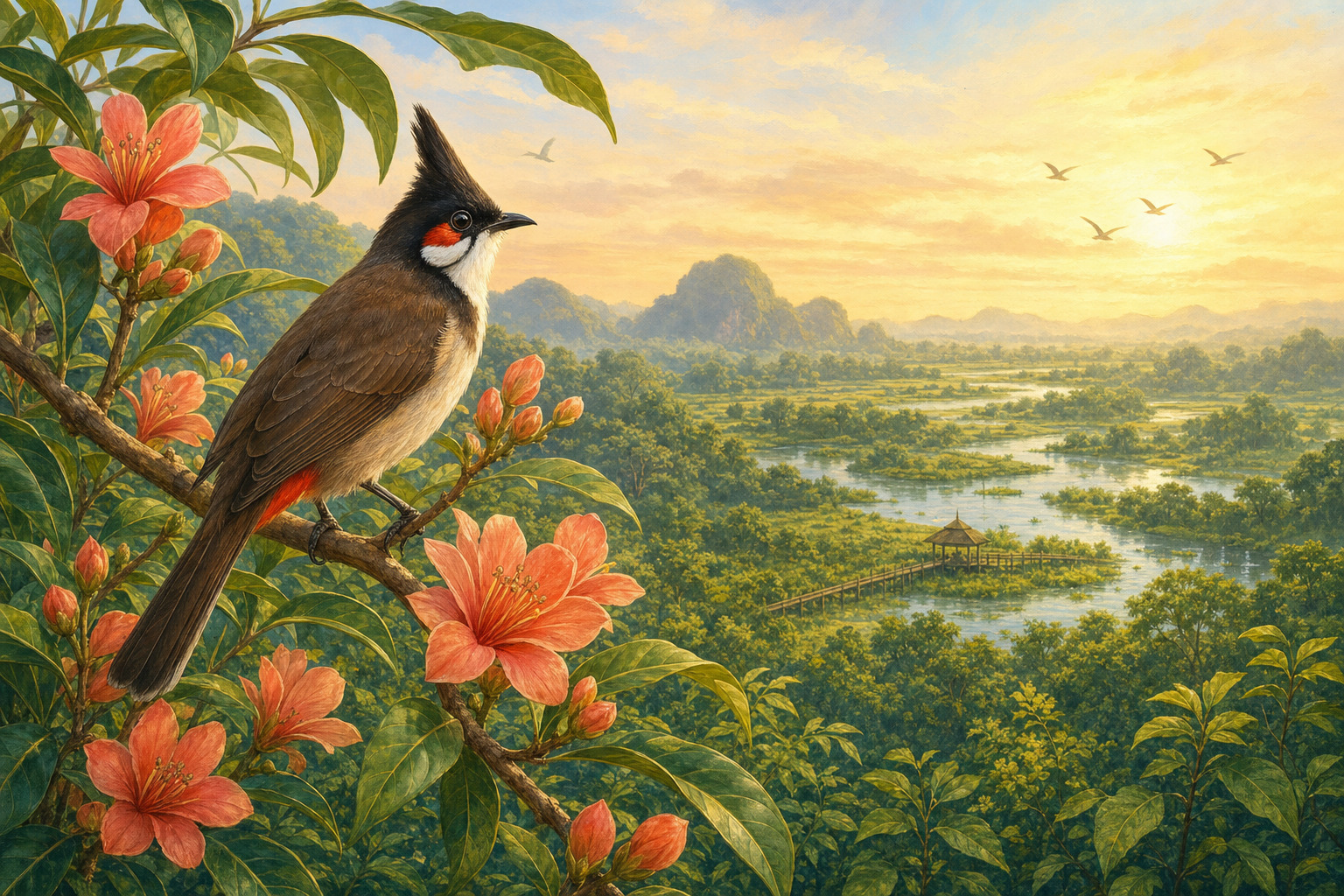
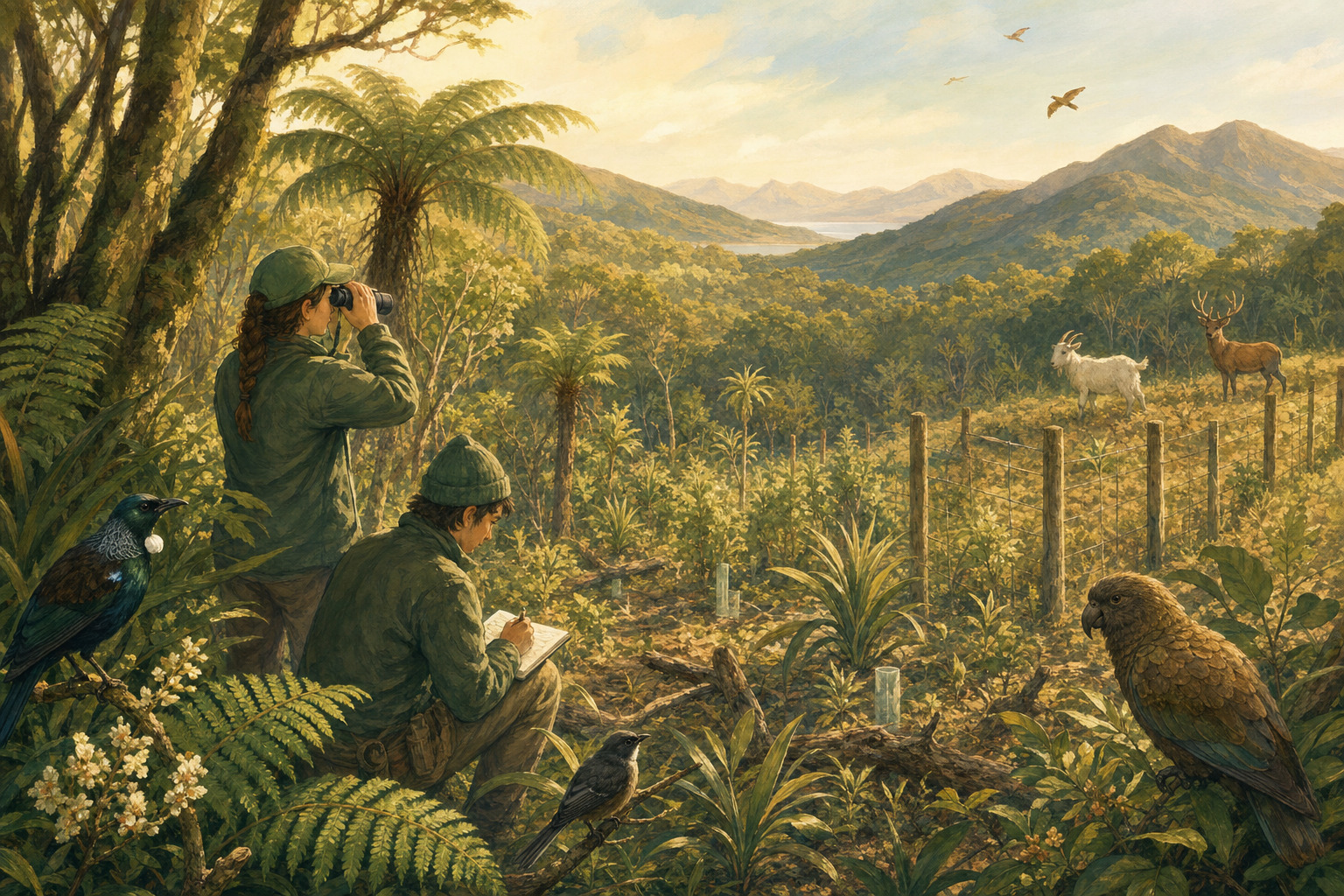
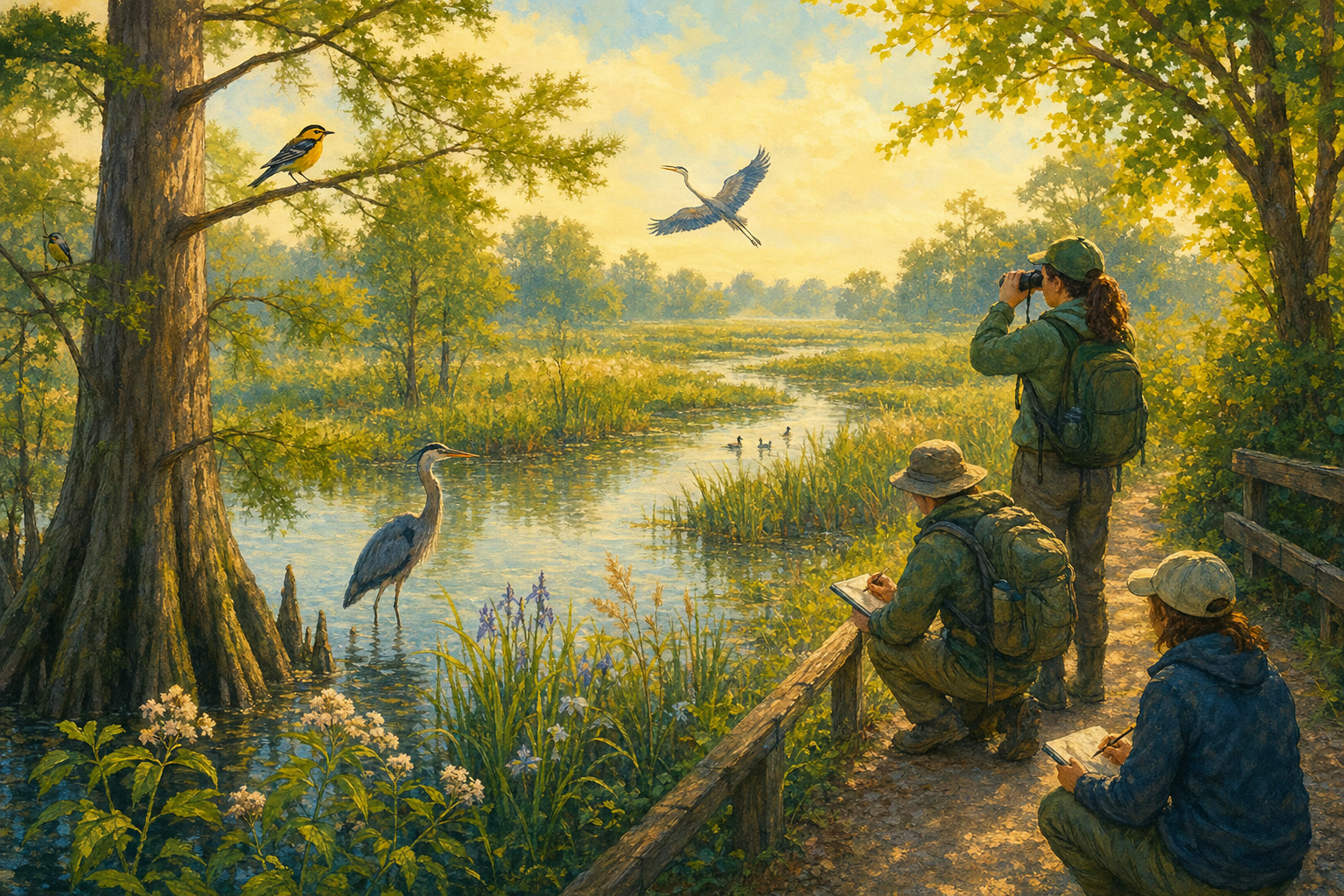
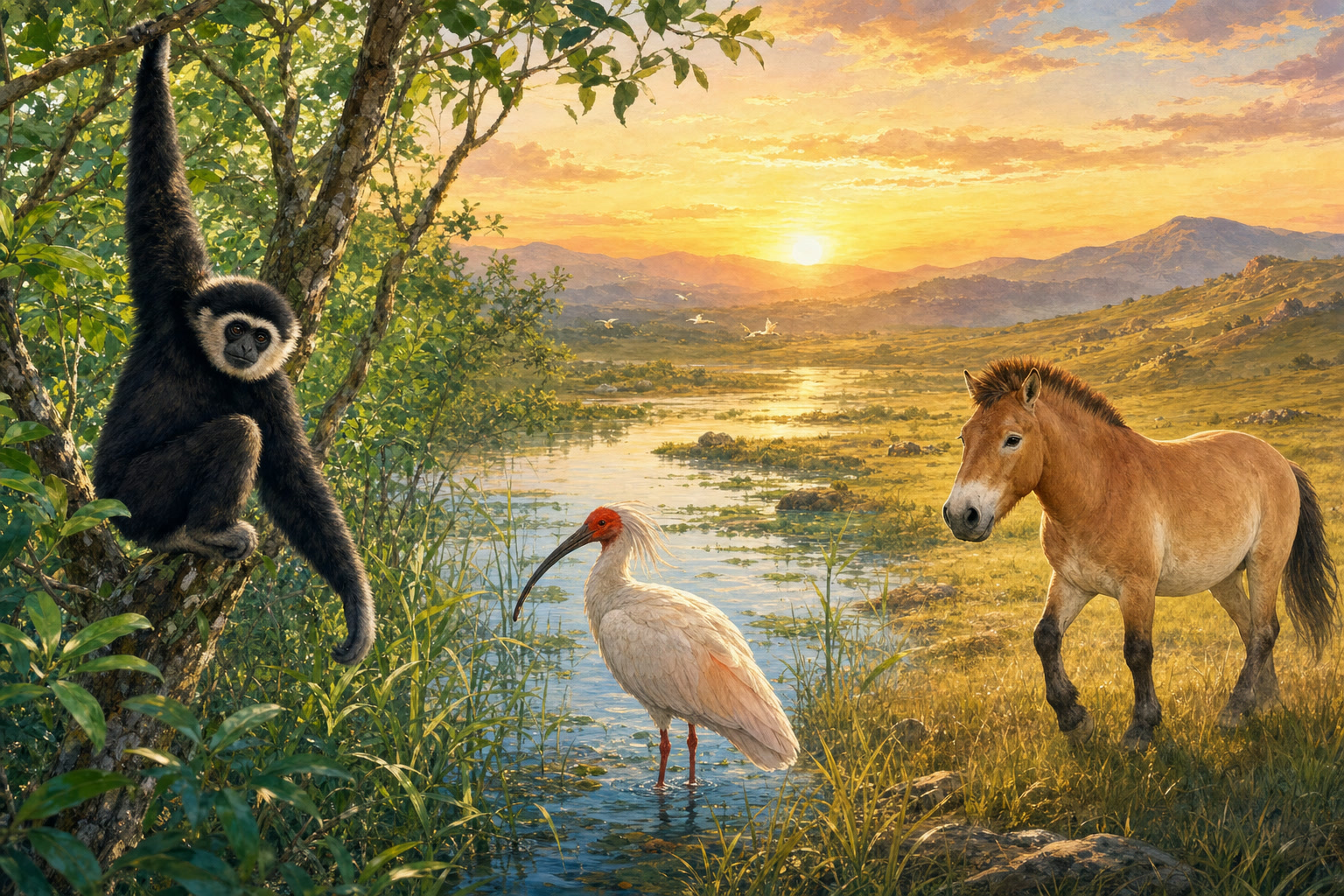
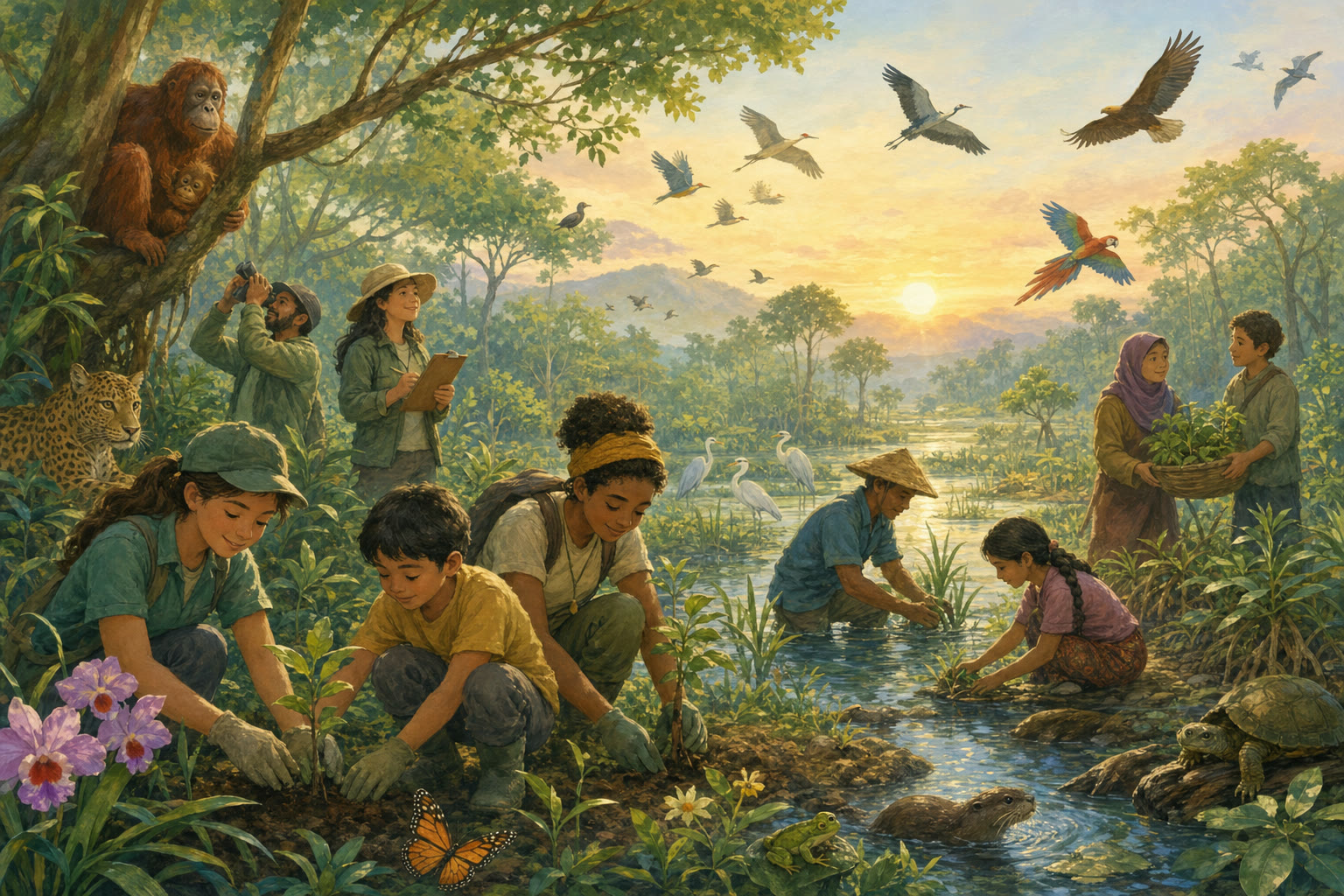
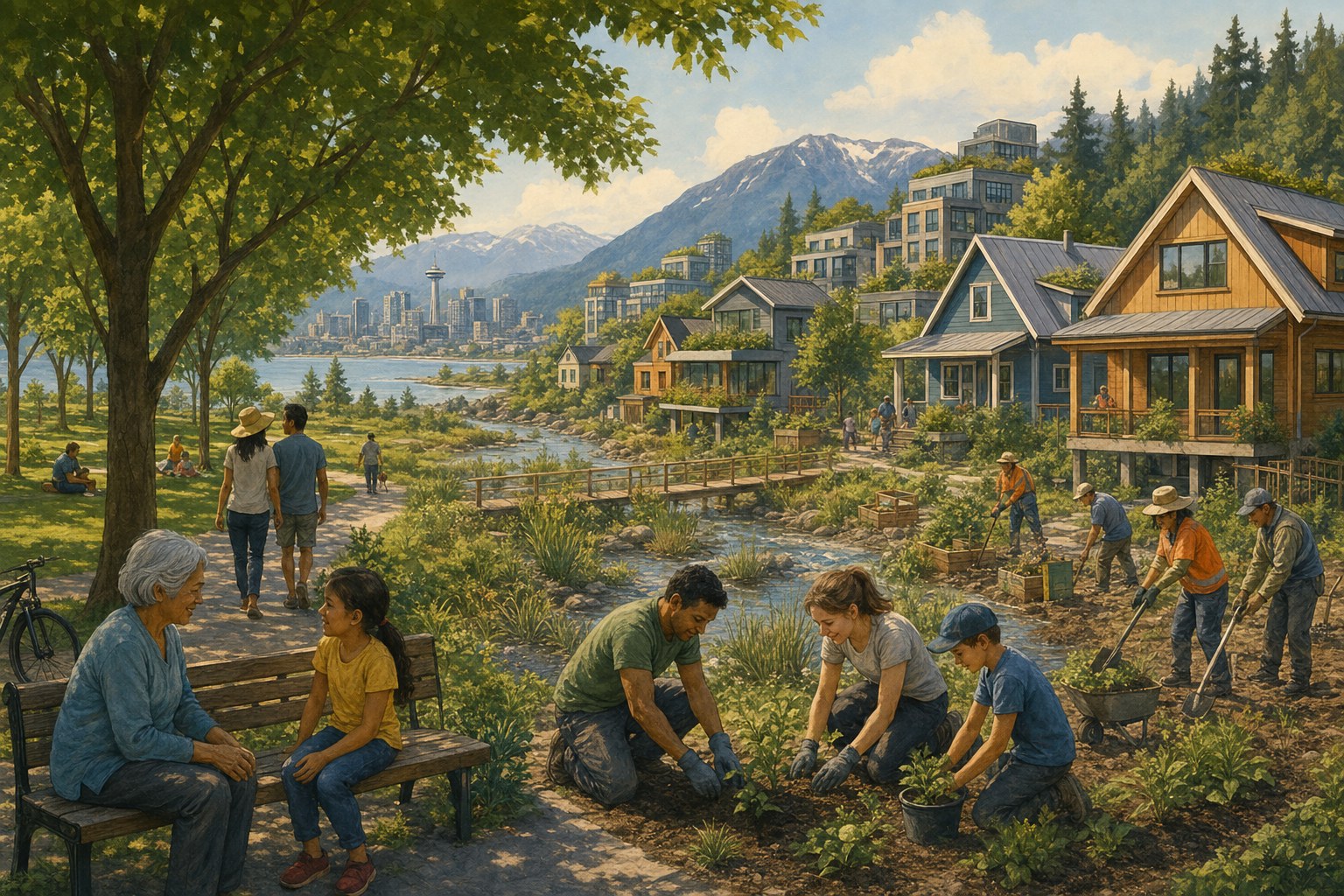
Community members and conservationists caring for a thriving wetland and forest habitat. Chapter One

A Promise for One Hundred Rare Friends

A huge new project is giving one hundred of the world's rarest animals and plants the time and care they need to come back.

Read Bibi’s full telling

Little one, all around the world there are animals and plants so rare that only a few of them are left. Some live quietly in forests and wetlands, and their families are shrinking little by little. So a big new plan called the Phoenix Species Project decided to help one hundred of these rare living things, in thirty different countries. It started with two hundred million dollars, given by caring groups who want to help. The plan is different for every place: sometimes it means growing baby animals safely, sometimes moving them somewhere better, and sometimes just healing the land itself. Bibi loves that this plan takes its time, little one. Coming back from being so rare is not quick work. But with scientists, local families, and caretakers all working together for years and years, these one hundred rare friends finally have a real chance.

The End · Told by Bibi

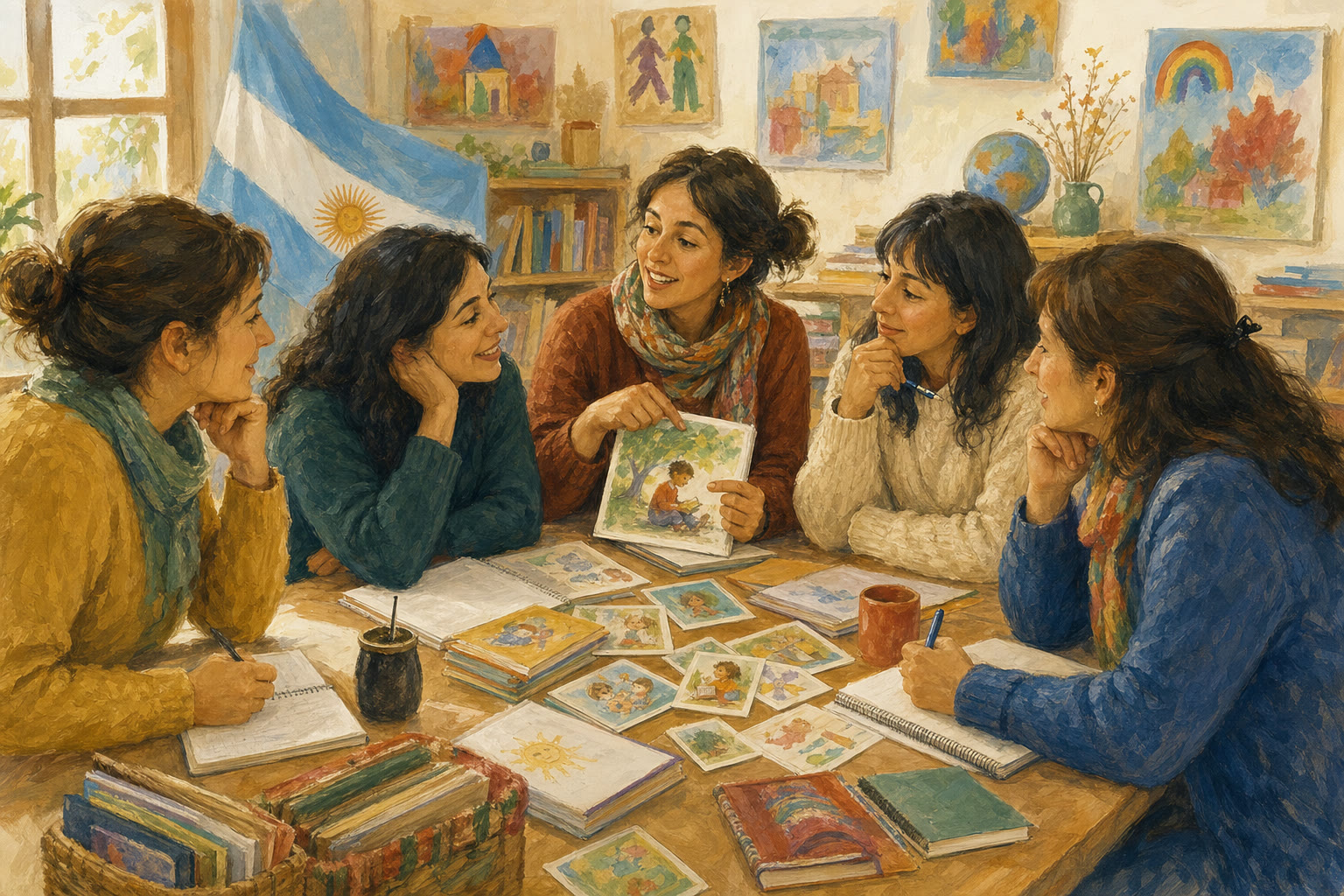
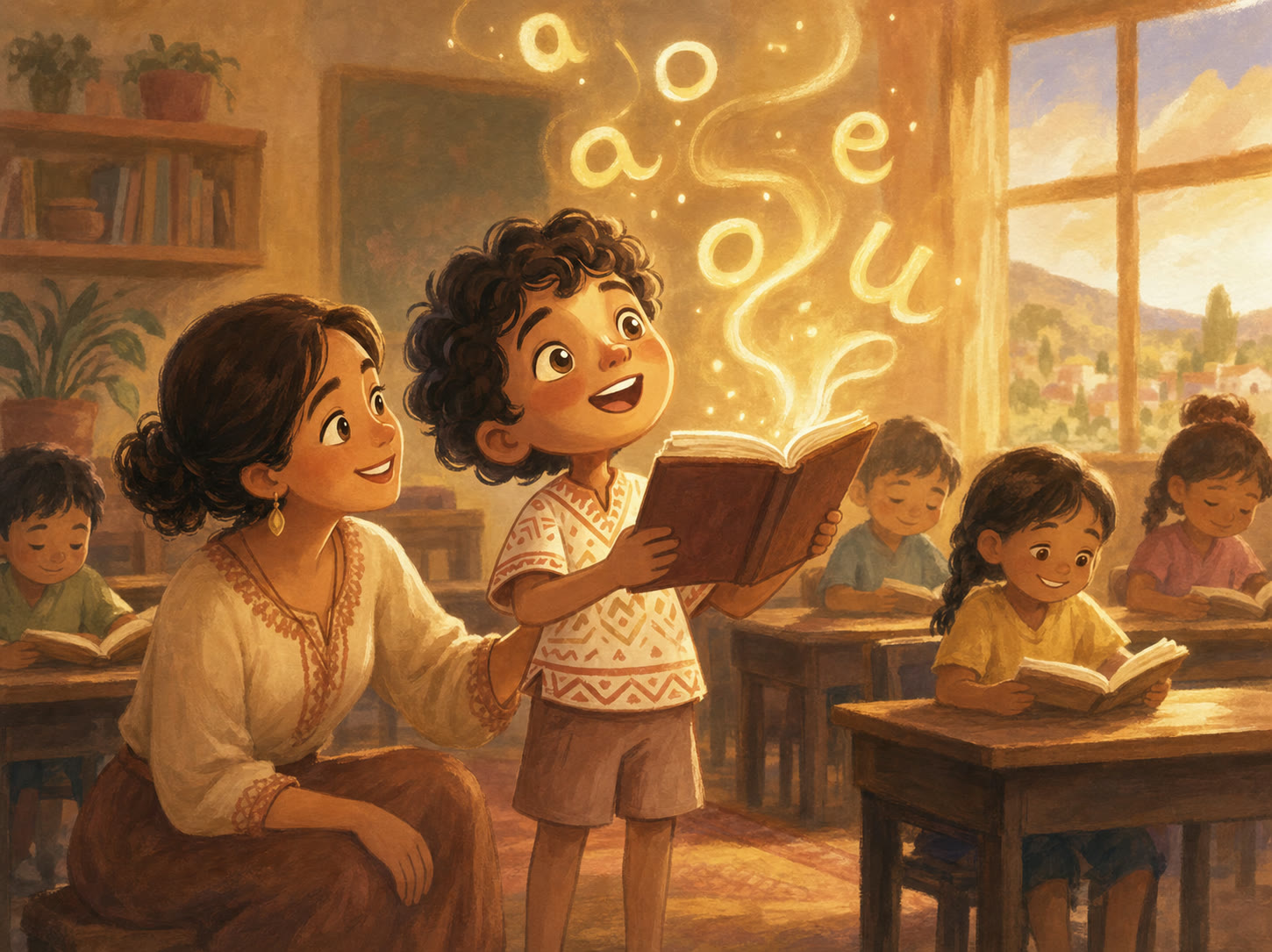
Teachers and school leaders discussing reading lessons in a bright classroom. Chapter Two

The Notebook Full of Clues

Hundreds of teachers in Argentina gathered together to turn simple reading tests into better lessons for every child.

Read Bibi’s full telling

Little one, imagine being a teacher and wondering, quietly and alone, whether your students are really understanding what you teach them. That question can feel big when you are figuring it out by yourself. So more than five hundred teachers, principals, and school helpers from a place called La Rioja in Argentina all came together to talk about it. They looked at simple reading tests their students had taken and shared ideas about what the results meant. It was part of a program that started only months before, already reaching over a hundred schools. Bibi thinks that is a lovely kind of teamwork, little one. When teachers share their clues instead of guessing alone, they can spot exactly which children need a little more help with reading, and help them sooner.

The End · Told by Bibi

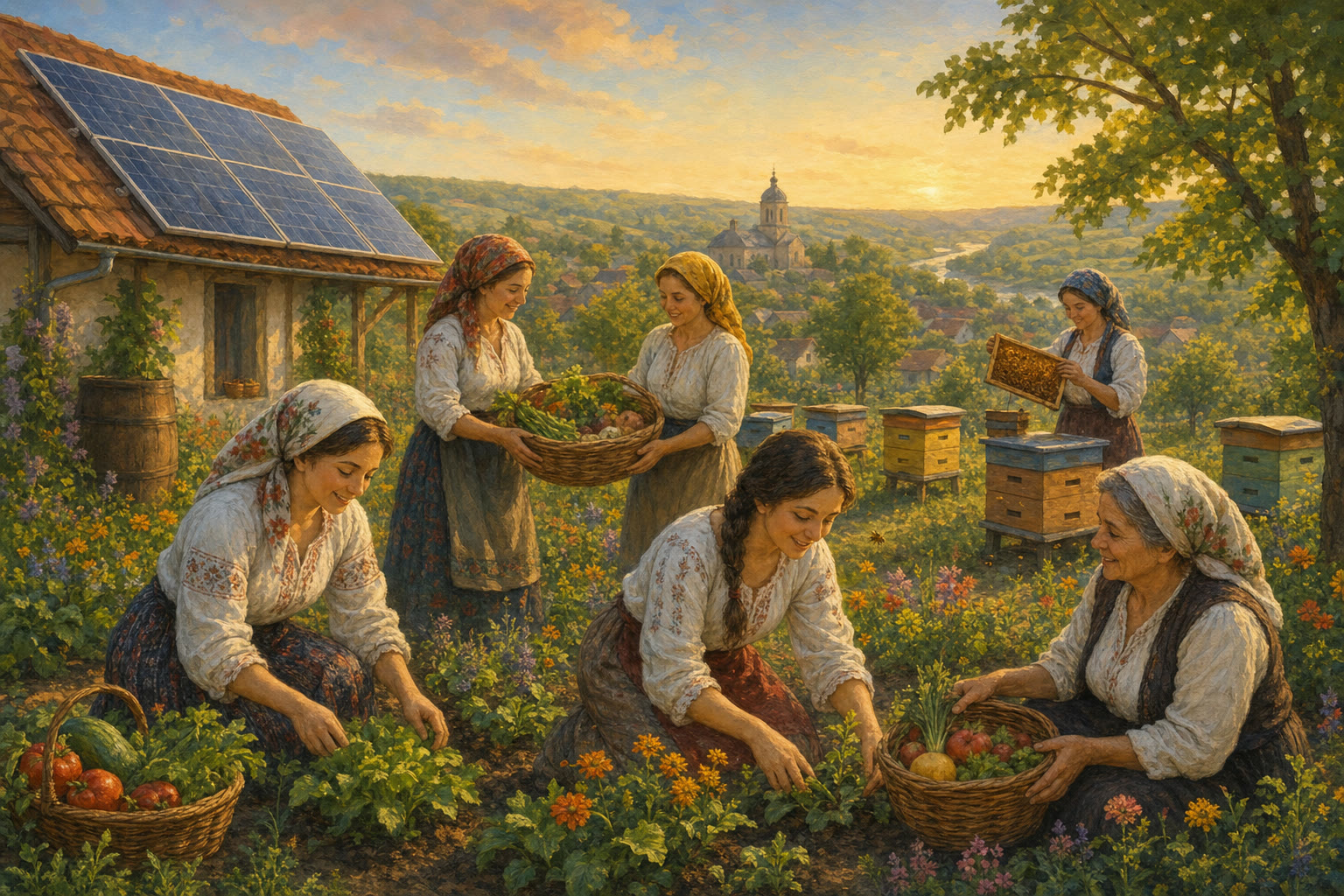
Women working together on a climate-resilient small business in a Moldovan village. Chapter Three

The Garden That Grew Into Something Bigger

In small villages across Moldova, women are getting the support they need to grow gardens, keep bees, and build a brighter future.

Read Bibi’s full telling

Little one, sometimes a good idea, like starting a small garden or keeping bees, needs a little help to truly grow. In villages across a country called Moldova, many women had exactly these kinds of ideas. So a program stepped in to help. It offered support worth up to six thousand dollars for things like solar panels, beehives, fruit trees, and better ways of farming. One hundred sixty women from forty-two villages could apply, each contributing a small part themselves, and building something that helps both their families and the whole community. Bibi finds that so hopeful, little one. When someone believes in a good idea and helps it along, a single garden or a few beehives can grow into something that feeds a family and warms an entire village for years to come.

The End · Told by Bibi

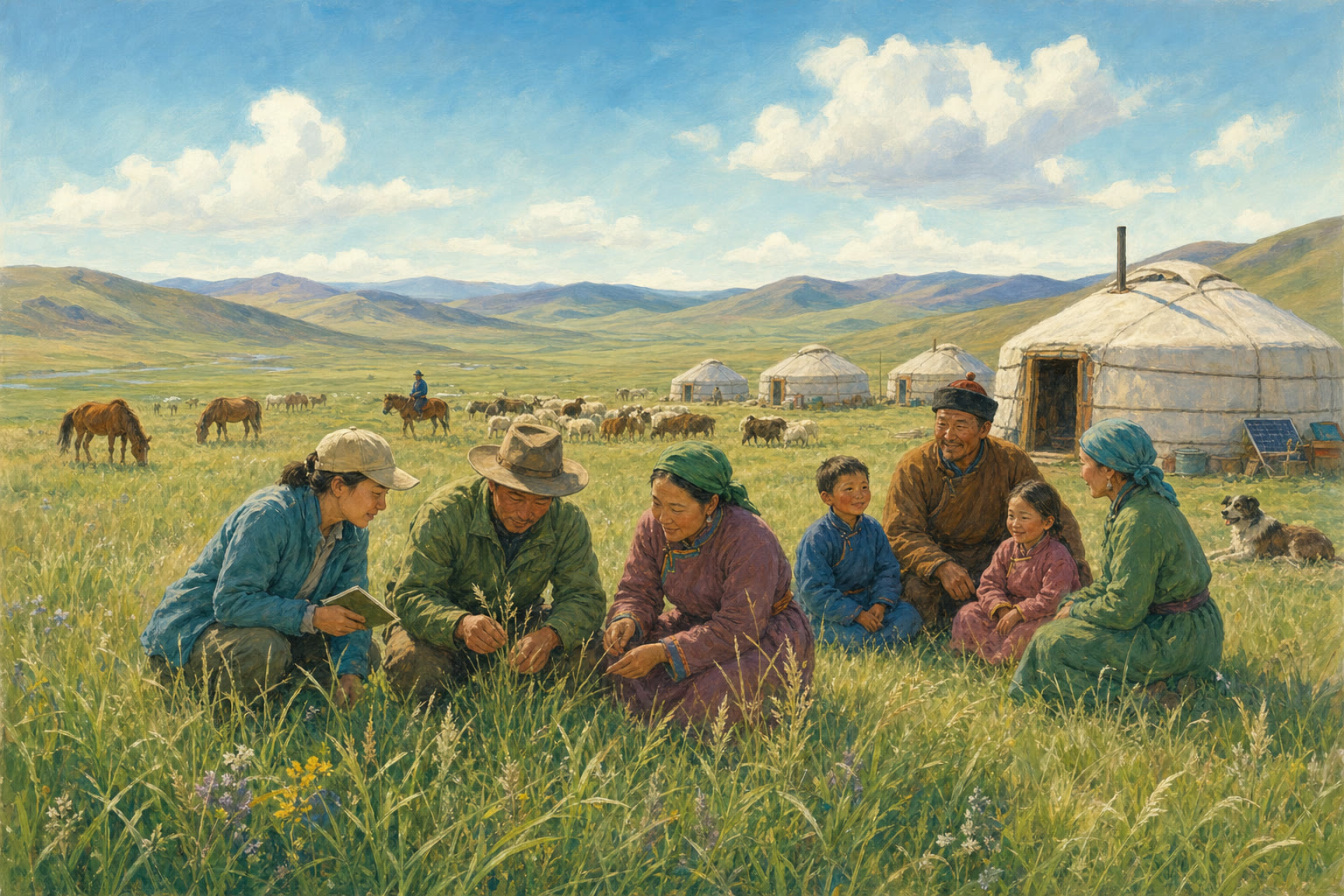
Mongolian grasslands with yurts, healthy grasses and people planning restoration work. Chapter Four

The Grasslands That Needed a Little Help

In Mongolia, pastoralists, scientists and helpers from around the world are joining together to help tired grasslands grow strong again.

Read Bibi’s full telling

Little one, far away in Mongolia there are wide, open grasslands where families called pastoralists live with their herds of sheep, goats, and horses. For a long time now, parts of that grass have grown thin and tired, and the animals and people who depend on it have needed the land to heal. So a big new project began. It brought together pastoralists, Indigenous Peoples, scientists, and government leaders from Mongolia, all working side by side. They have millions of dollars to help restore the land, and thousands of people, including young people, are joining in to share what they know and learn new ways to care for the grass. Bibi thinks that is a beautiful kind of teamwork, little one. When the people who know the land best get to help lead the way, even tired grasslands can slowly grow green and strong again, for the animals, the families, and everyone who calls that wide land home.

The End · Told by Bibi

A solar telescope observing delicate swirling patterns on the Sun. Chapter Five

The Sun's Secret Swirls

A powerful telescope spotted tiny swirling patterns on the Sun that scientists had been hoping to see for years.

Read Bibi’s full telling

Little one, high on a mountain in Colorado there is a giant telescope that looks very closely at the Sun. Scientists have long wondered about tiny swirls that might be spinning across the Sun's surface, but they had never been able to see them clearly before. Then one day, the telescope captured just what they were hoping for: small, wave-like swirls forming where different layers of the Sun's hot, glowing gas slide past each other. Computer pictures made by other scientists matched what the telescope saw, which told everyone the swirls were real. Bibi finds that so exciting, little one. Learning how the Sun swirls and moves can help scientists understand space weather, the kind that can reach all the way to Earth and touch our satellites and radios. A tiny swirl, it turns out, can teach us something enormous.

The End · Told by Bibi

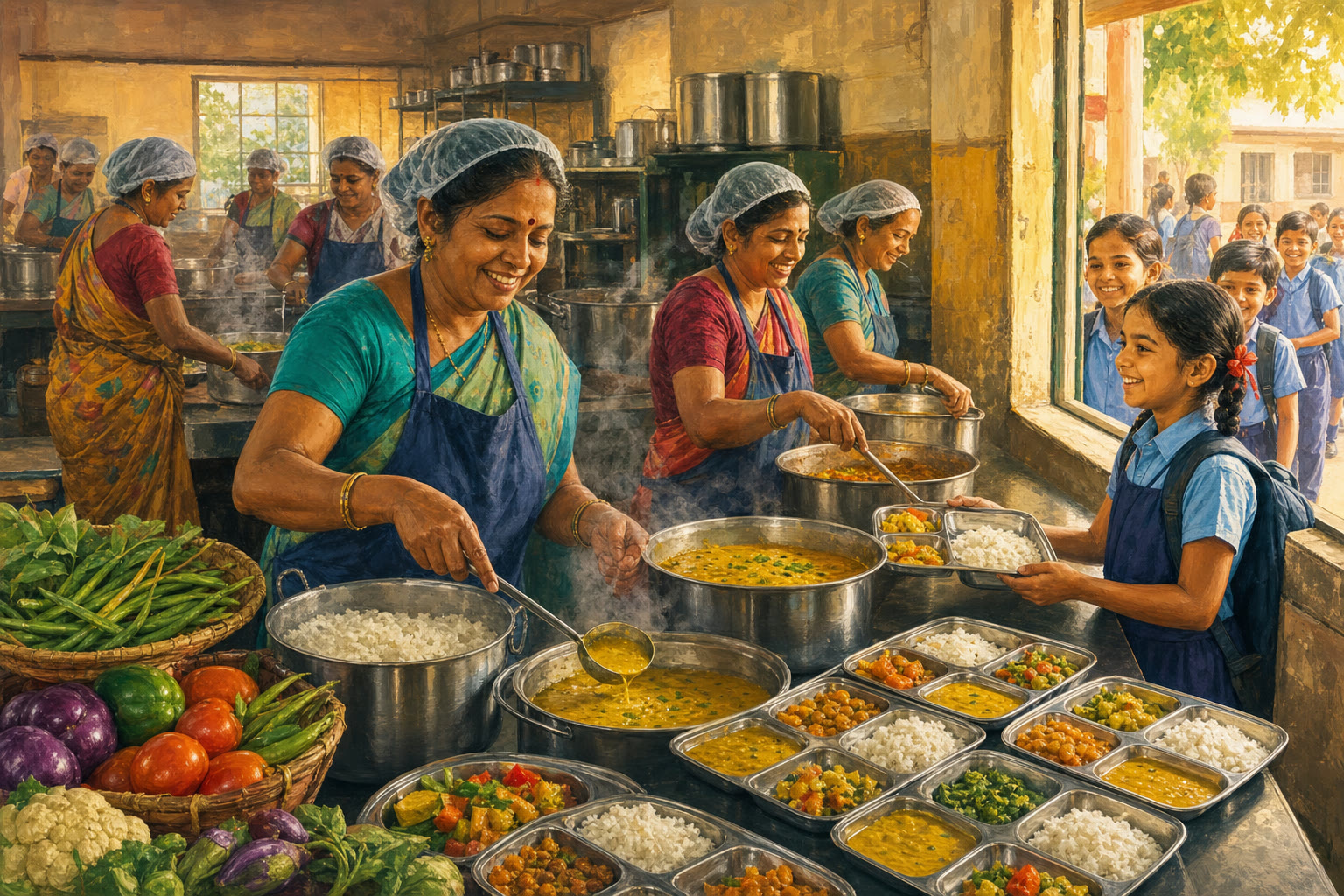
A bright community kitchen preparing school lunches for children. Chapter Six

The Kitchen That Feeds Forty-Four Thousand Smiles

A big new kitchen in Kolkata is cooking warm lunches so tens of thousands of children never have to be hungry at school.

Read Bibi’s full telling

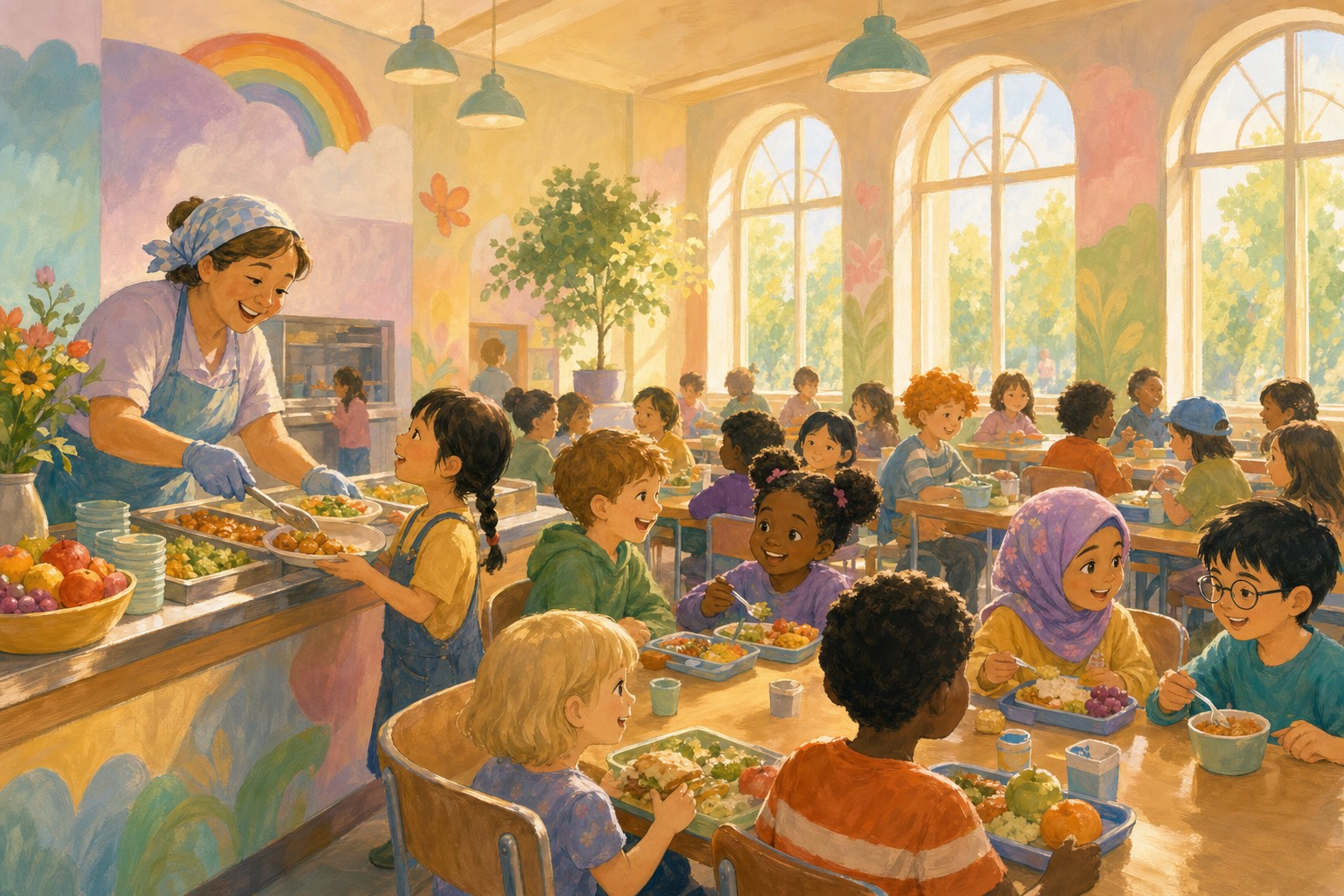
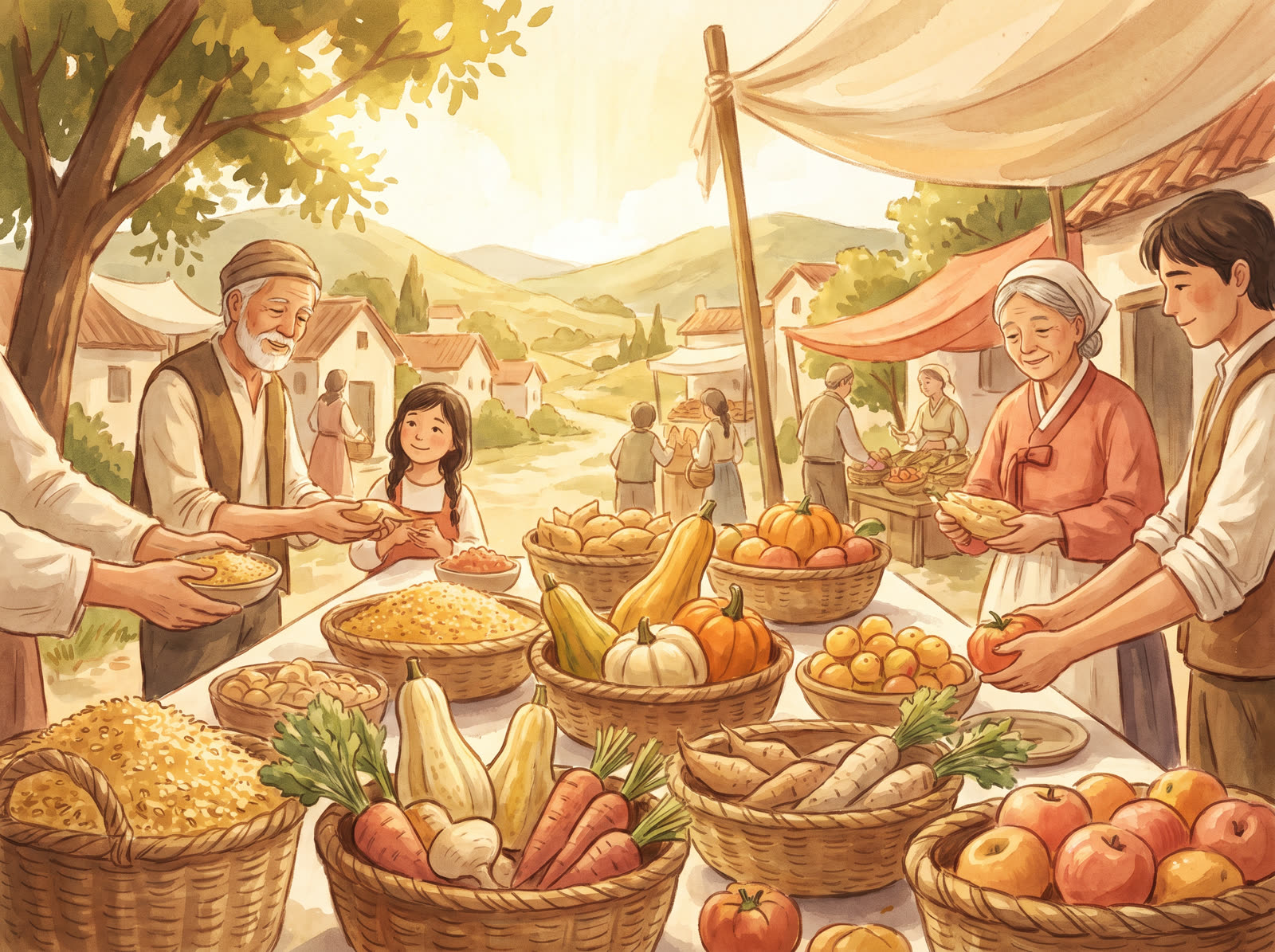
Little one, in a city called Kolkata in India, many children go to school every day hoping for a good lunch. Now there is a brand new kitchen built just to make that happen. The kitchen cooks warm, vegetarian meals for forty-four thousand students in five hundred schools, with eggs served twice a week too. Soon, the plan is to grow even bigger, reaching about two hundred fifty thousand children in nearly eighteen hundred schools. Bibi loves imagining all those lunch trays, little one, steam rising, plates filling up, children sitting down together to eat. A warm meal can make it so much easier to learn, to play, and to feel cared for during the school day.

The End · Told by Bibi

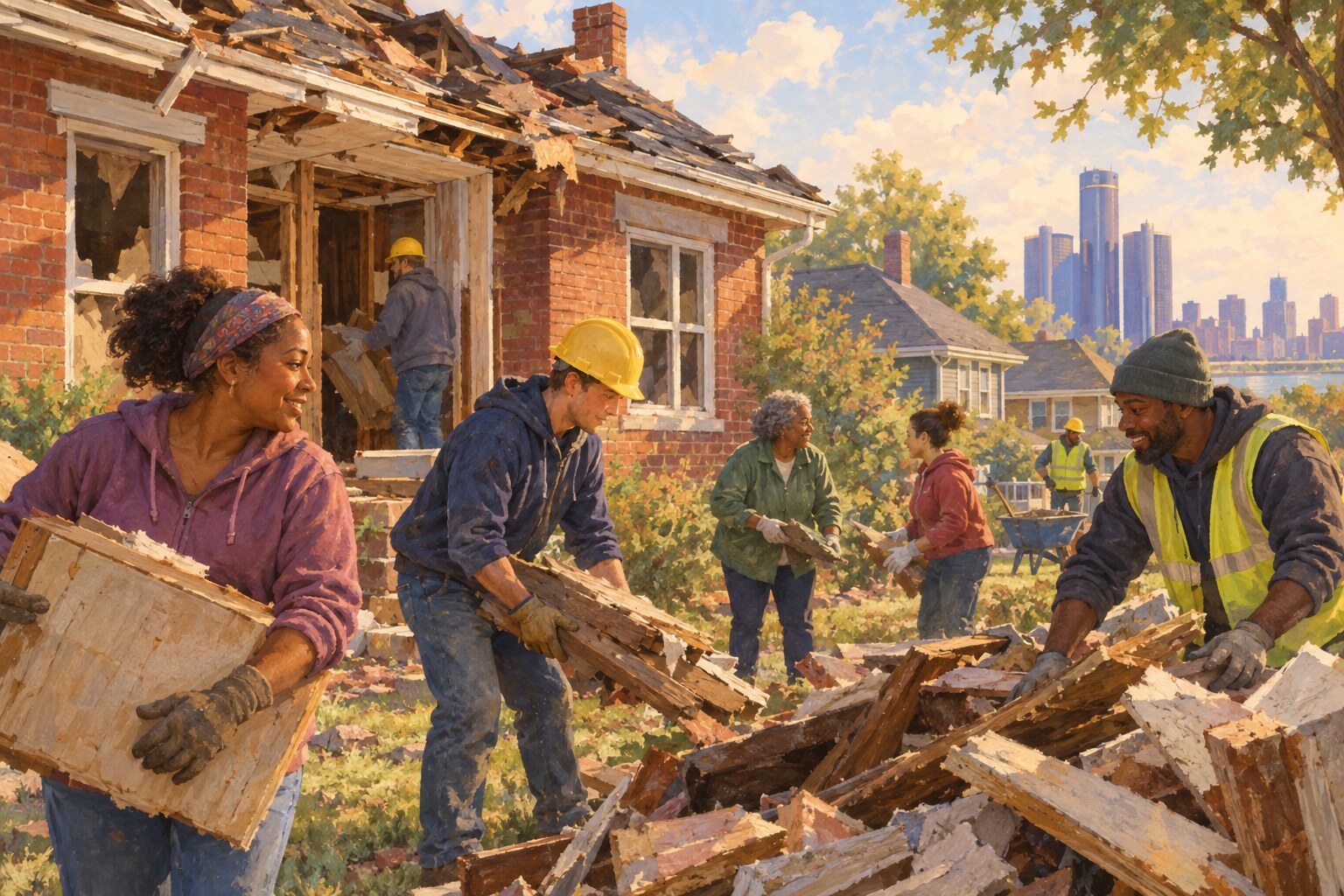
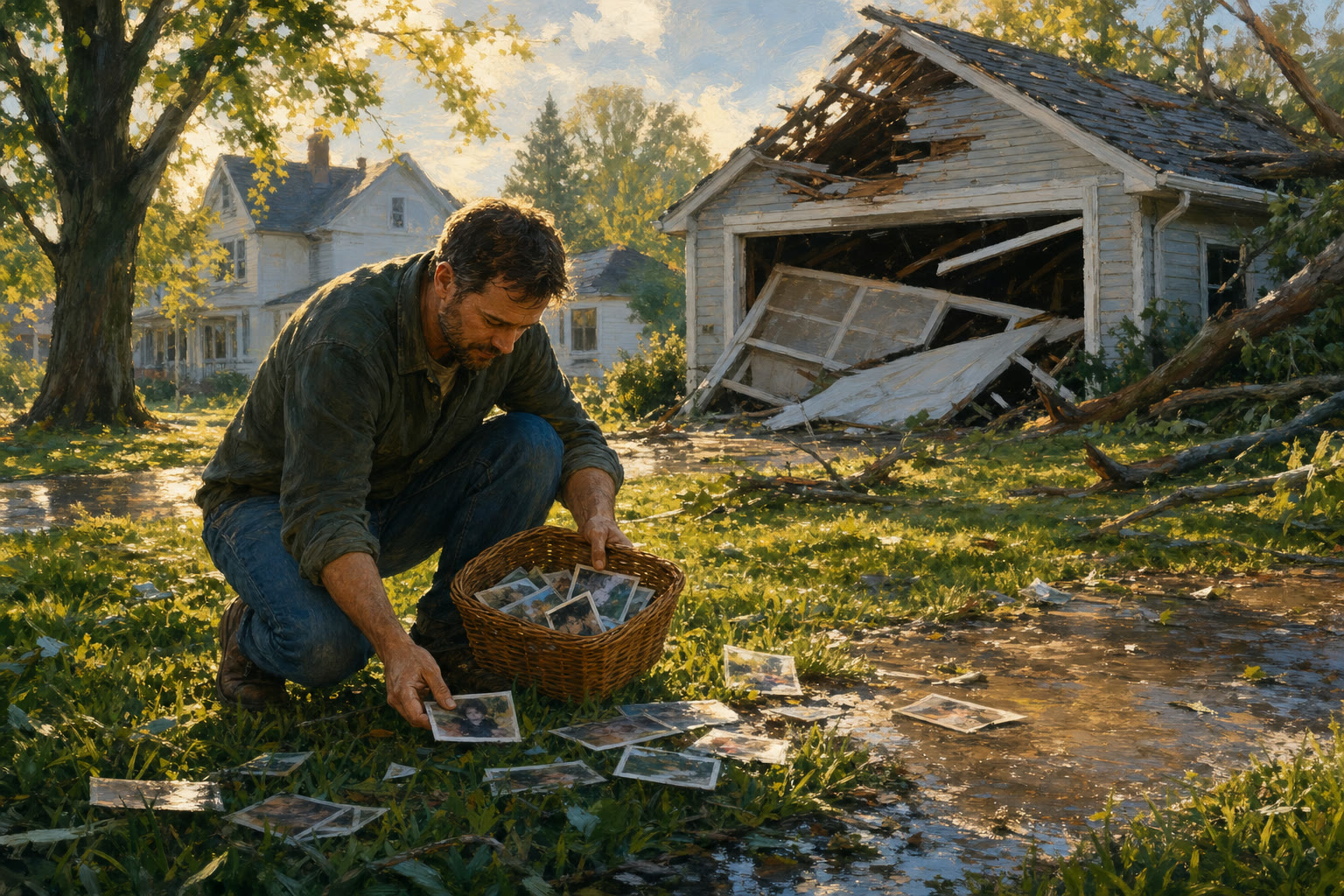
Neighbors gathering family photographs from a yard after a storm. Chapter Seven

The Photographs the Wind Blew Away

After a tornado scattered a family's photographs across a Wisconsin yard, a caring neighbor made sure every picture found its way home.

Read Bibi’s full telling

Little one, a strong tornado once swept through a neighborhood called Doty Island in Wisconsin. It knocked down a garage that belonged to a woman named Ann, and it scattered her family's old photographs far across the yard and street. A neighbor named Jamin found some of the pictures while cleaning up storm branches. He did not know whose family it was, so he posted the photographs online, in a group made just for people helping each other after the storm. Friends of friends recognized the family, and soon the pictures made their way back to Ann. Bibi thinks that is such a gentle kind of kindness, little one. A tornado can knock down walls and scatter memories across the ground, but a caring neighbor, paying close attention, can help carry those memories safely home again.

The End · Told by Bibi

A healthy Amazon rainforest and river beneath a small monitoring satellite. Chapter Eight

The Forest That Got Less Lonely

Brazil's satellites spotted the smallest number of forest-clearing alerts ever recorded across the Amazon.

Read Bibi’s full telling

Little one, way up in space, satellites watch over the great Amazon rainforest in Brazil. They look for places where trees are being cut down, so people can go check on the forest and protect it. This year, the satellites found something wonderful. The area where trees were being cleared shrank to the smallest it has ever been in the whole time anyone has been counting. It dropped by more than half compared to the usual amount, and a nearby grassland called the Cerrado got quieter too. Bibi feels so hopeful about this, little one. It shows that when people keep watching and keep caring, a huge, ancient forest can get a little safer, season after season.

The End · Told by Bibi

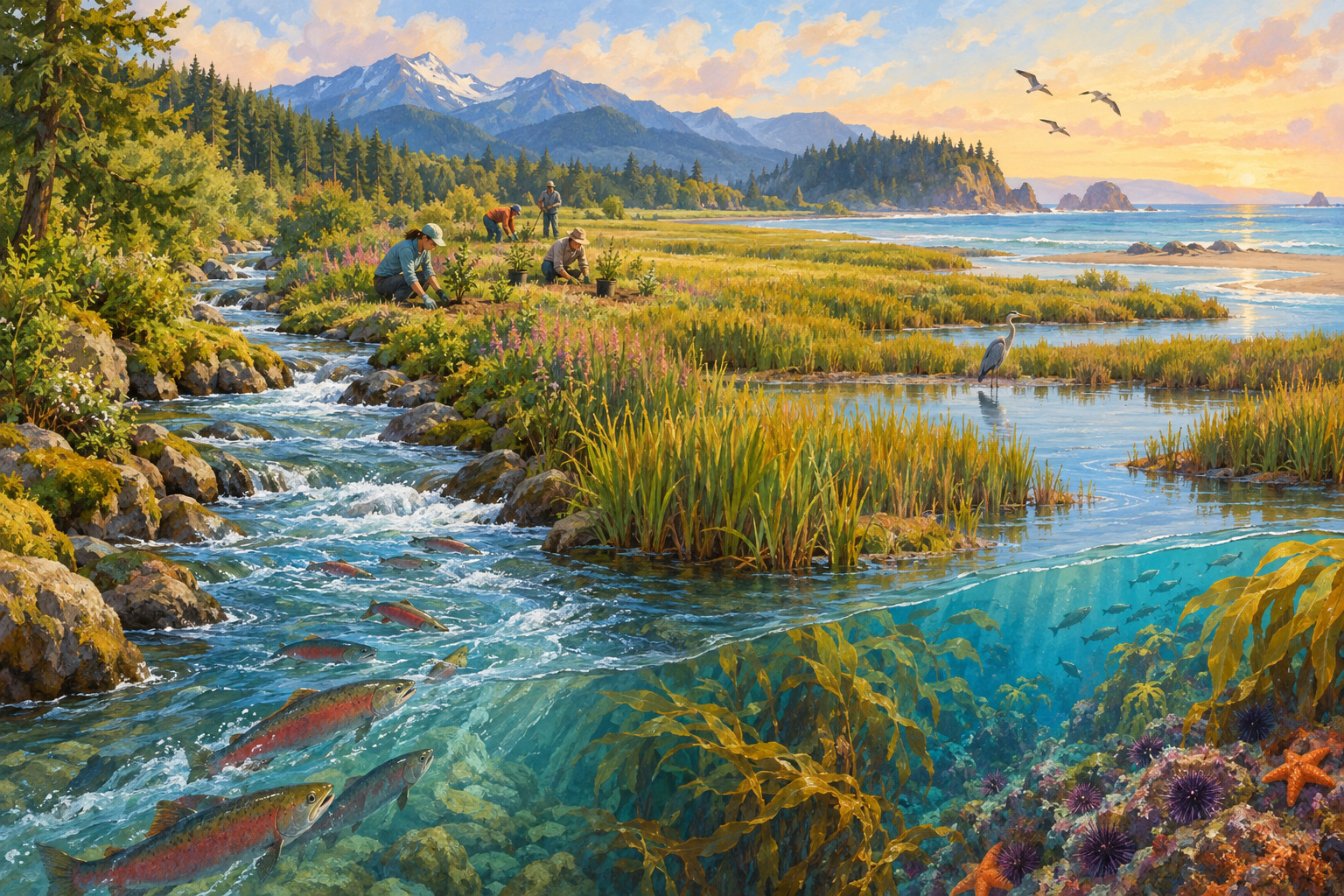
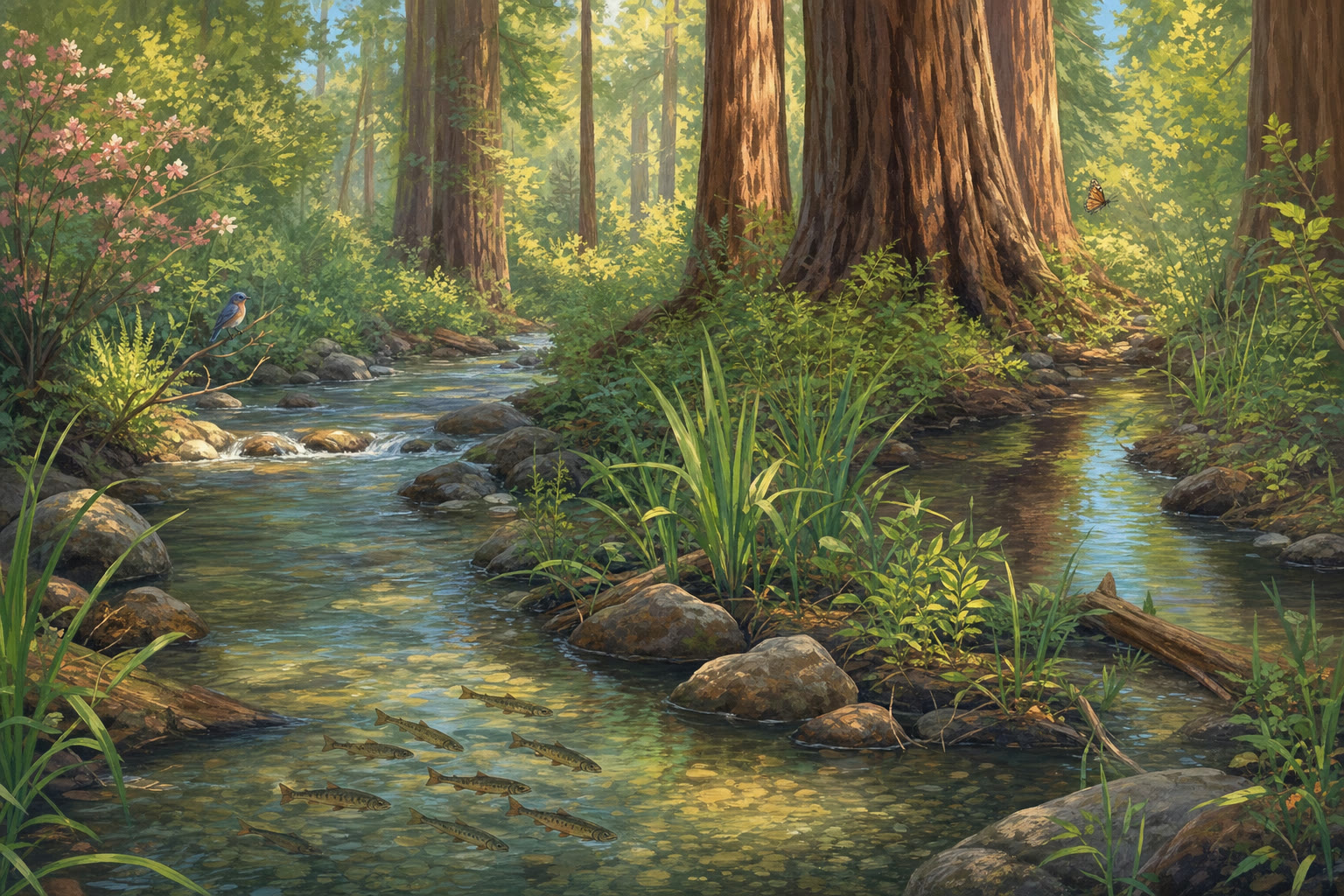
Young salmon swimming through restored side channels beneath California redwoods. Chapter Nine

The Creek That Learned to Wander Again

Scientists gave a straight, tired creek back its curves and wetlands, and young salmon are already growing faster there.

Read Bibi’s full telling

Little one, there is a creek in California called Prairie Creek that used to run through an old lumber mill. For a long time it was straight and plain, without many good hiding spots for young fish. So scientists and their helpers dug new winding side channels, ponds and wetlands, and planted plants that salmon like. Little coho salmon, steelhead and Chinook moved in to rest, feed and grow. Some of them grew up to twice as fast as fish in the old straight channel, and more of them are surviving all the way out to the ocean and back. Bibi loves imagining those tiny fish darting through their new curvy home, little one. Scientists plan to keep watching for years to come, to learn just how much a wandering creek can help.

The End · Told by Bibi

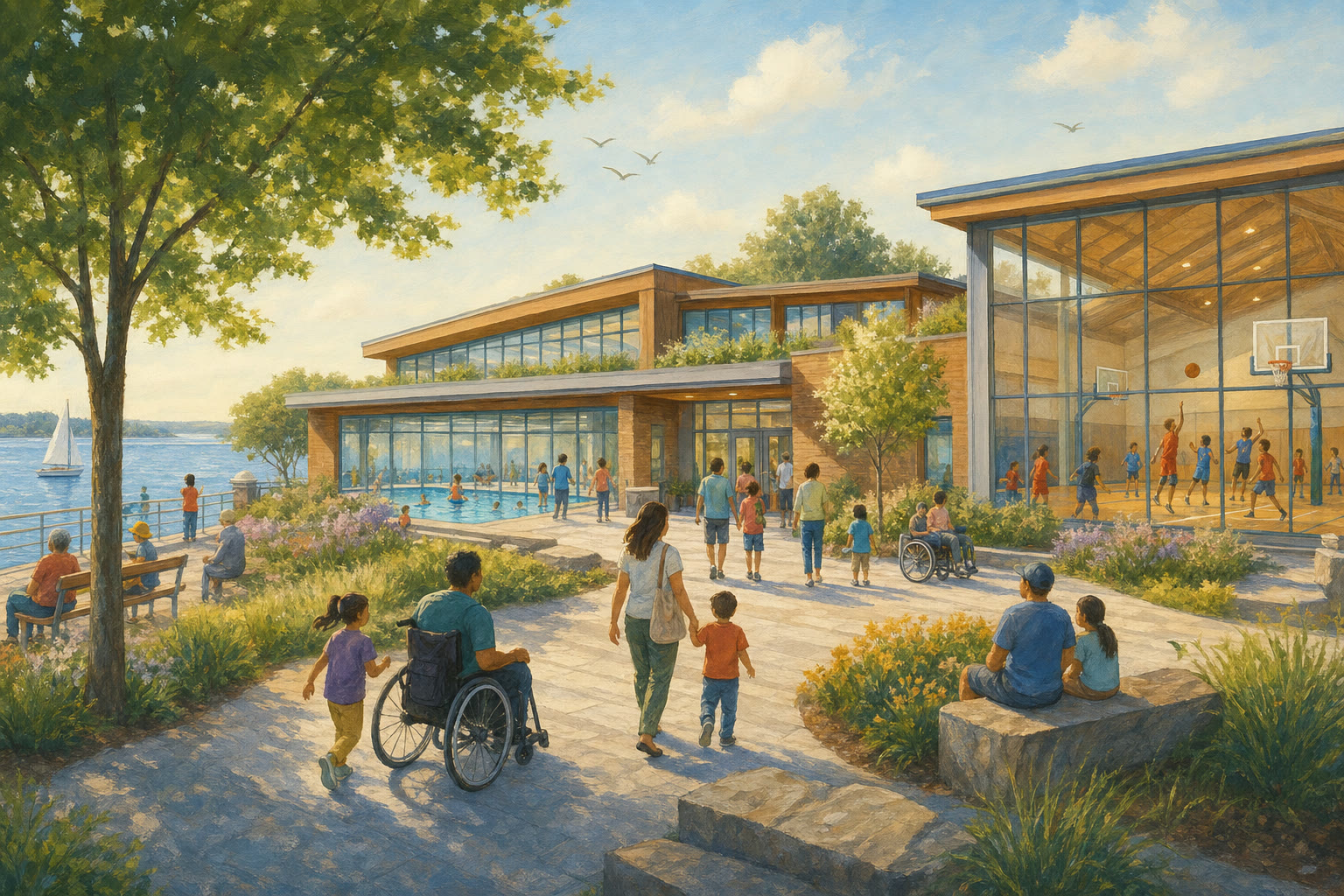
A bright accessible community centre beside the water in northern Ontario. Chapter Ten

The Empty Field That Will Become a Gathering Place

A quiet field by the water in a small Canadian town is about to become a bright new home for swimming, sports and community.

Read Bibi’s full telling

Little one, in a small town called Marathon in northern Ontario, there is a grassy field right beside the water. For a while it just sat there, empty and quiet. Now the government of Canada is helping pay to build something wonderful on that field: a big new Active Living Centre with a swimming pool, a gym, and cozy spaces where people can gather. It is being built so that everyone can get in and enjoy it easily, and it will use energy carefully too. Nearly twenty thousand people, including families from nearby Indigenous communities, will be able to use it all year round. Bibi thinks that is such a lovely gift for a small town, little one. One empty field, turning into a warm place where a whole community can swim, play and be together.

The End · Told by Bibi

Book Four

Chapters 31–40

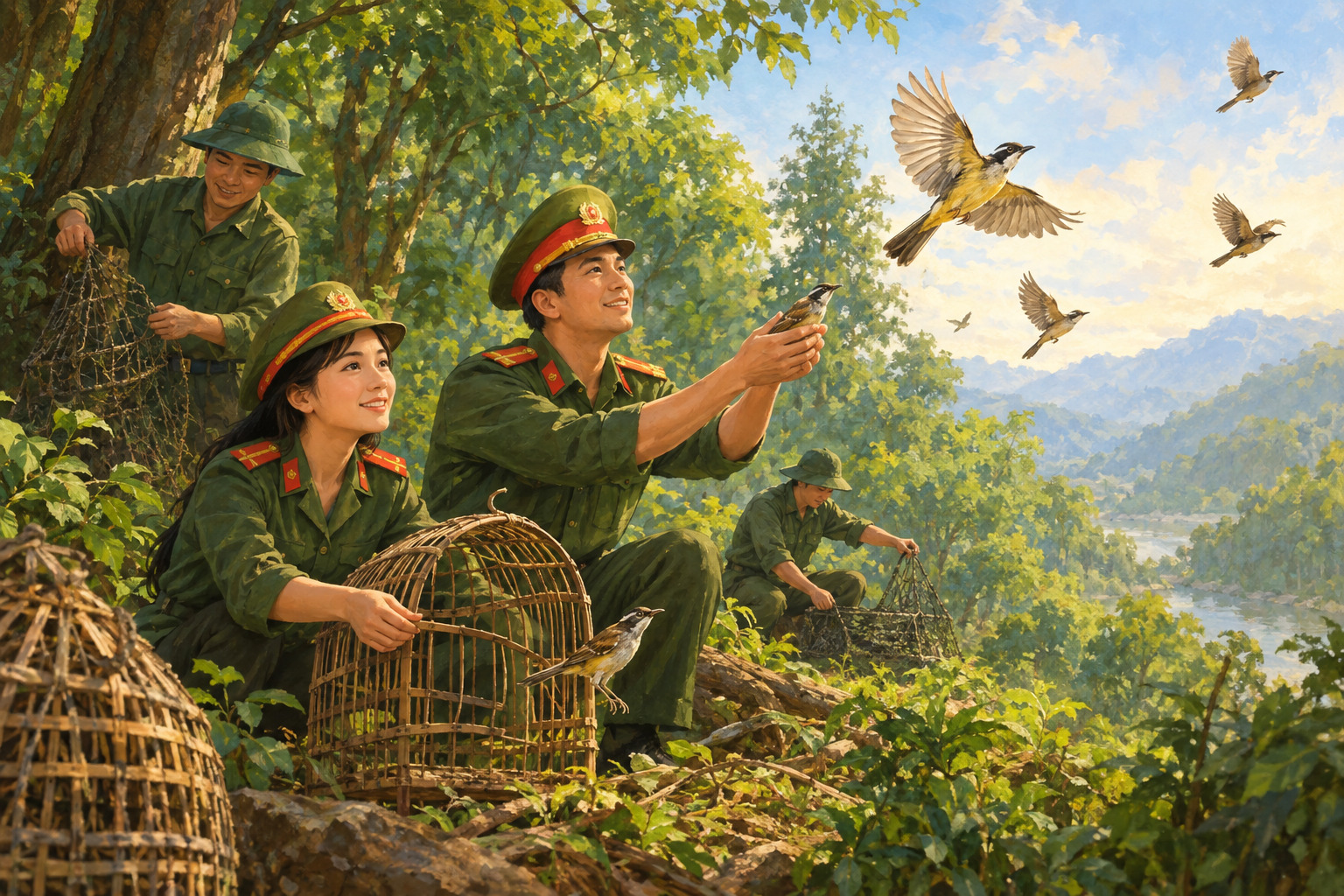
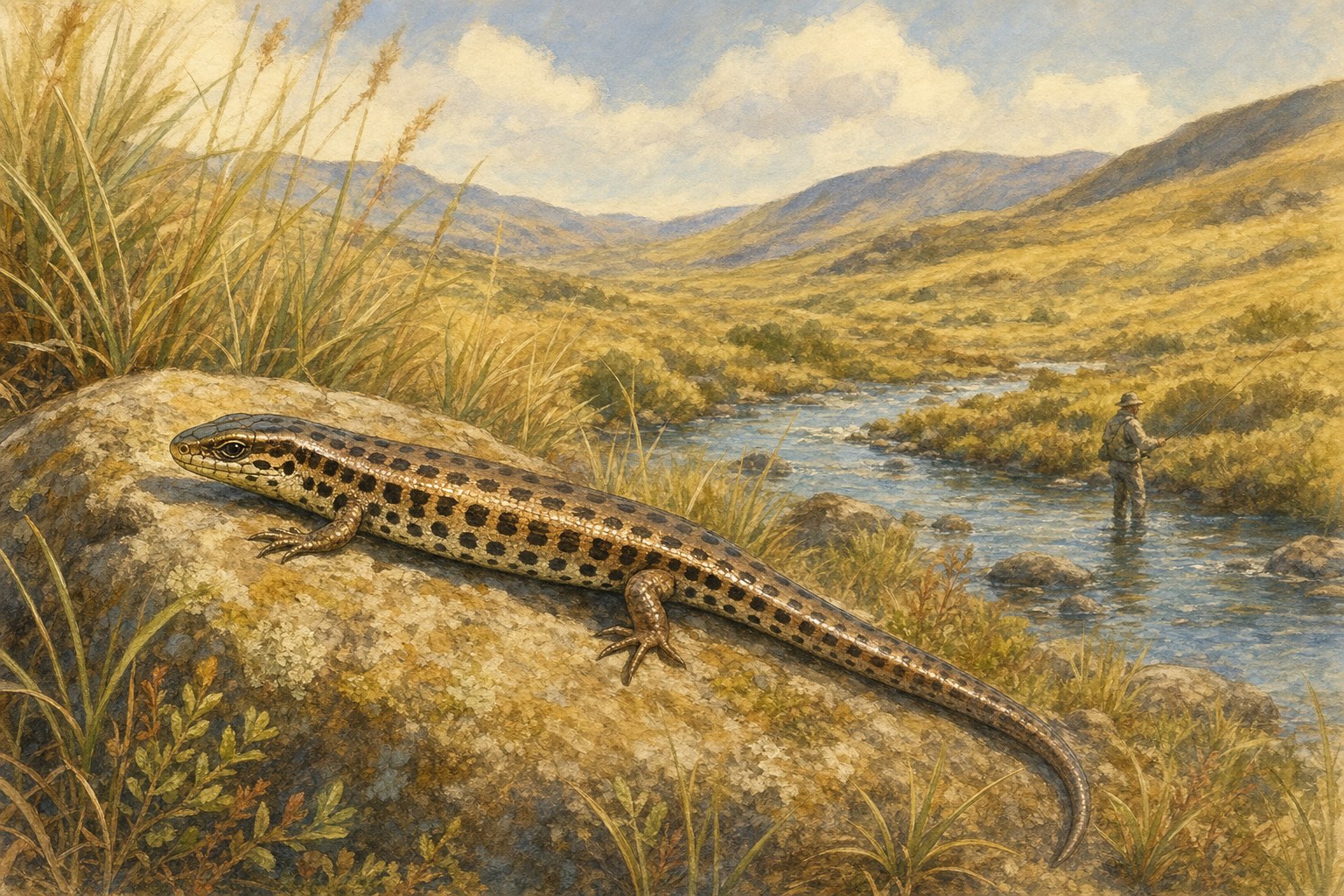
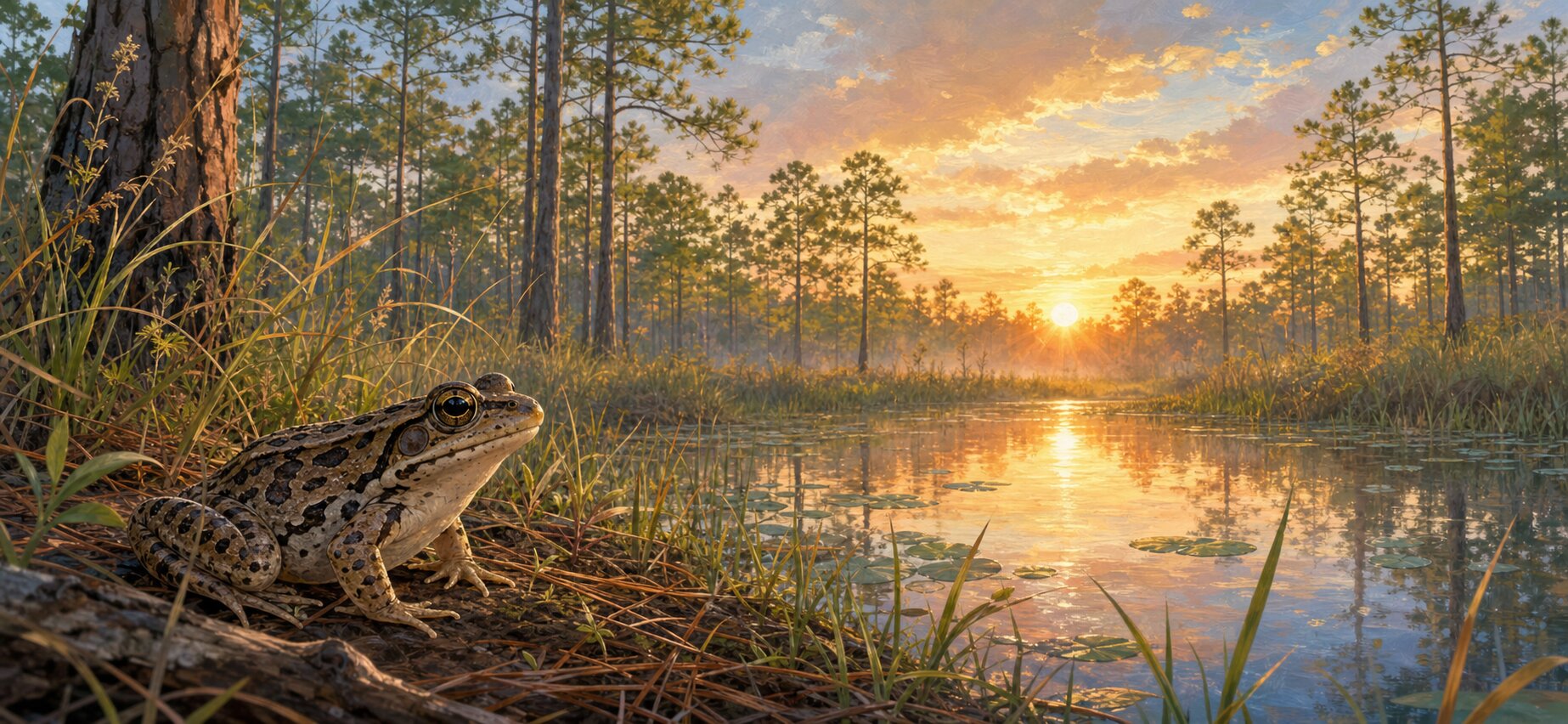
A dusky gopher frog beside a quiet pond in a sunlit longleaf pine woodland. Chapter One

Five Hundred Tiny Frogs Hop Back Home

Nearly 500 rare, endangered frogs have new ponds to call home, thanks to a family who shared their land.

Read Bibi’s full telling

Little one, have you ever heard of a frog with soft, dark spots and a quiet little croak? It is called the dusky gopher frog, and it only lives in one small corner of the world, in the piney woods of Mississippi. For a long time, these frogs were in trouble. Their forests were cut down or changed, their ponds dried up or disappeared, and there were fewer and fewer of them left. Grown-ups who study animals worried the little frog might vanish altogether. But then something kind happened. A family who owns land called Woodland Cottage said yes, you can build ponds here, and welcome the frogs home. Wildlife workers, a zoo, and the family all worked together, digging new ponds and getting the land just right, with the tall pines and open grass the frogs love. Then one day in June, they gently carried nearly five hundred frogs to their new ponds and let them go. Bibi thinks that is a beautiful thing, little one. It shows that even a small patch of land, cared for with love, can give an endangered creature a second chance. The frogs are not out of danger yet, but now they have ponds to swim in, grass to hide in, and neighbors who are rooting for them to thrive.

The End · Told by Bibi

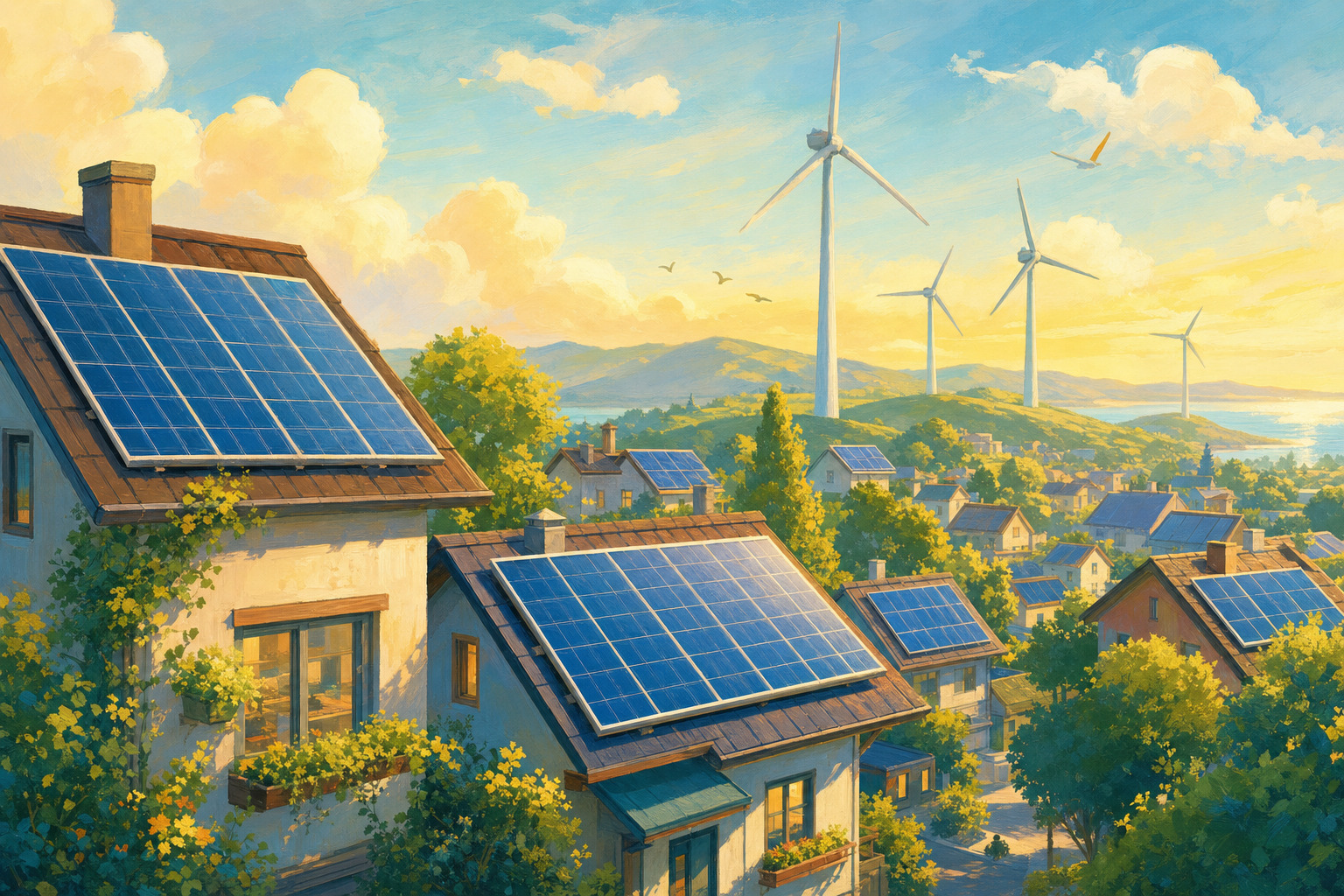
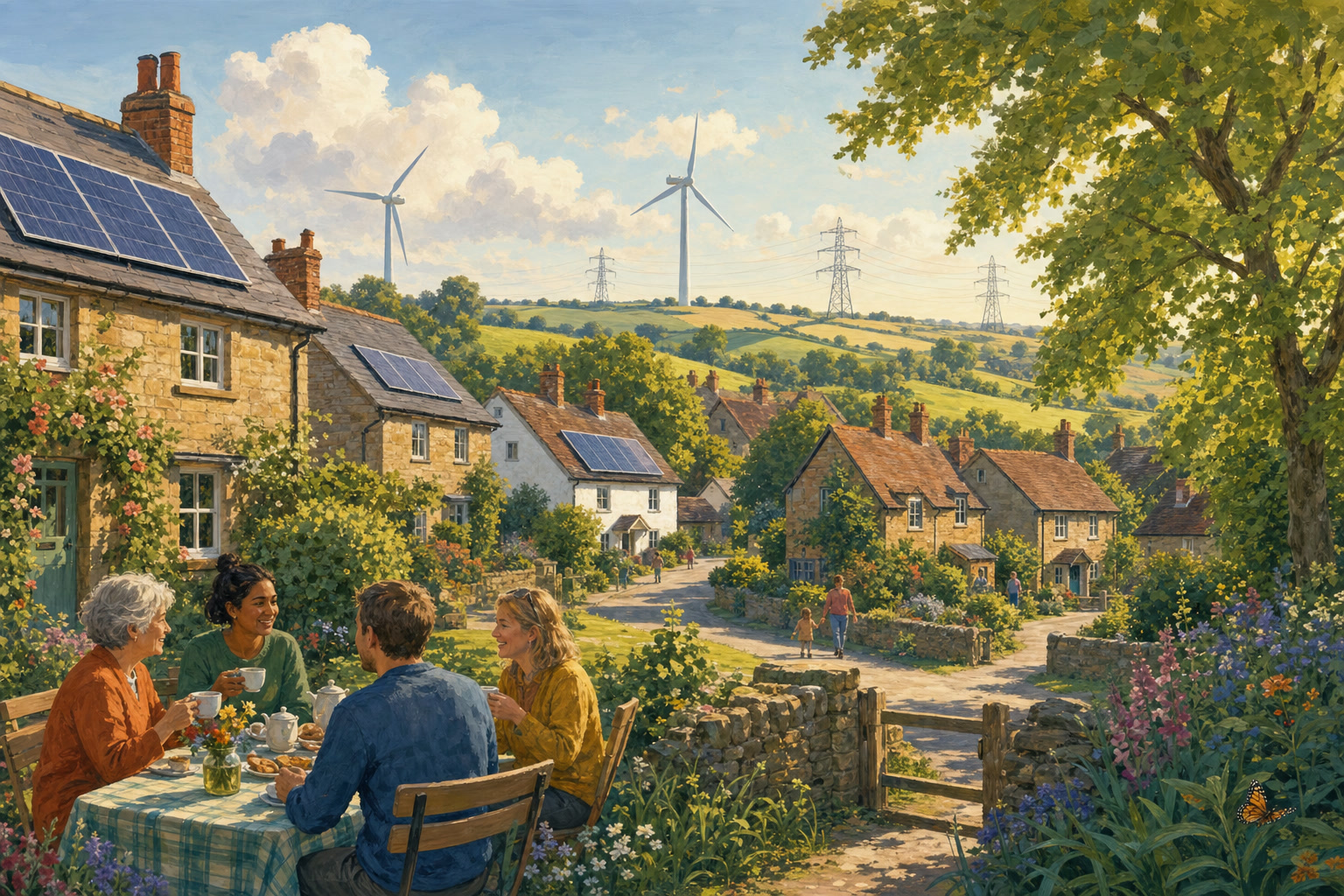
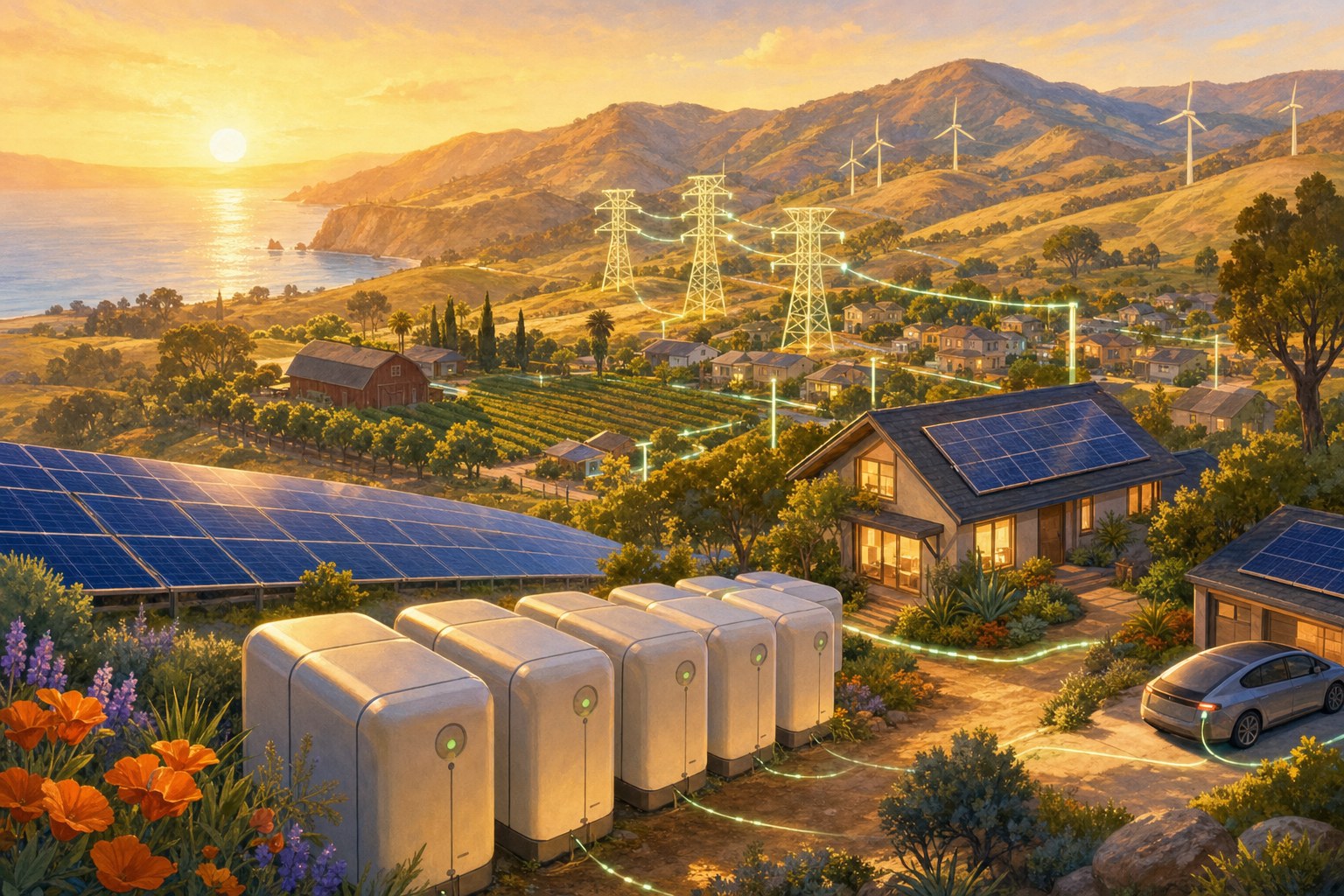
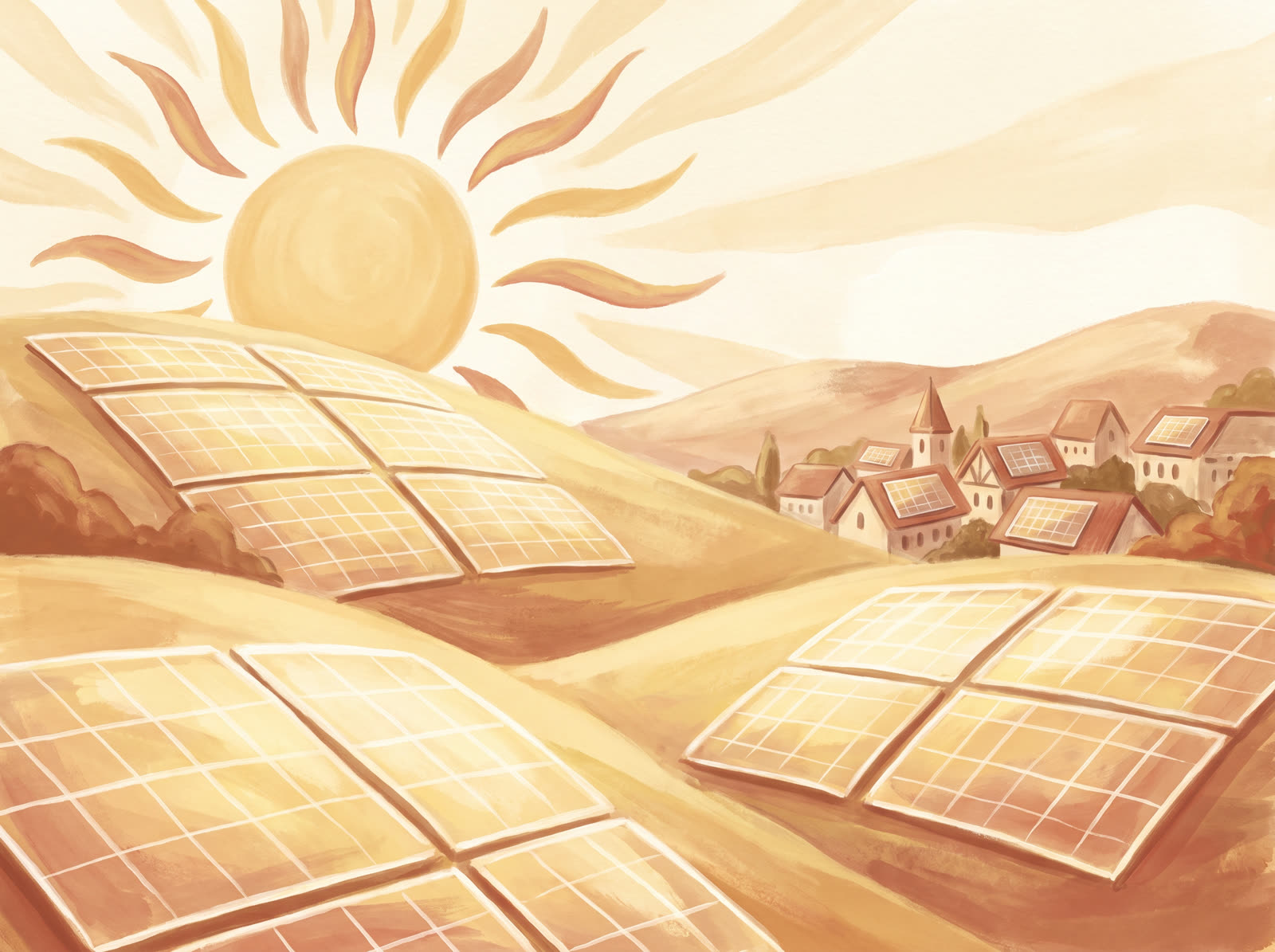
Wind turbines and solar panels across green hills in warm morning light. Chapter Two

When the Wind and Sun Took Over the Power

This spring, wind and sun made more than half of the electricity from the UK's biggest power makers.

Read Bibi’s full telling

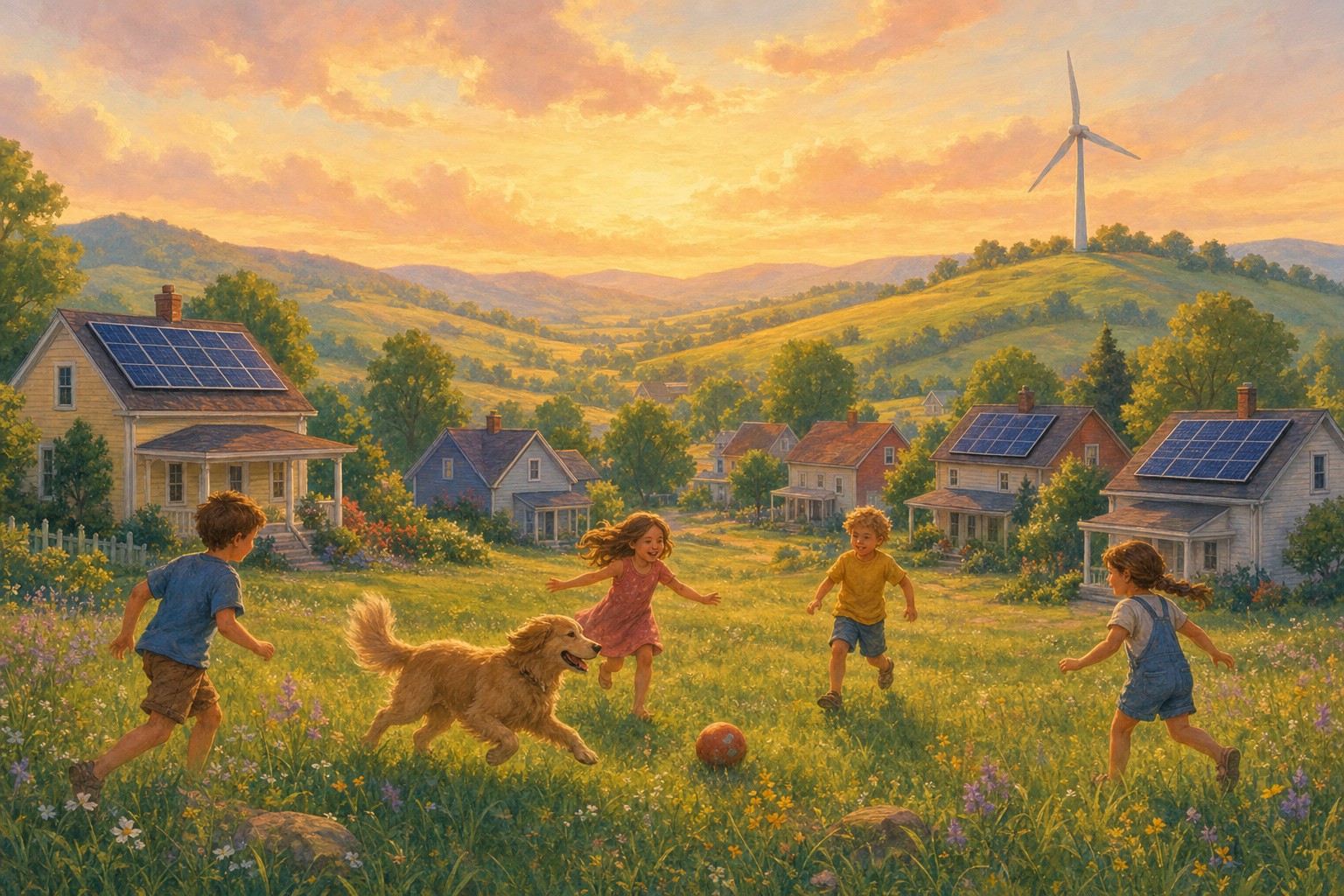
Little one, do you know where the light in your lamp comes from? Sometimes it comes from burning things like gas, and sometimes it comes from cleaner places, like the wind blowing across a hill or the sun shining down on a rooftop. In the United Kingdom, between March and May this year, something good happened. More than half of the electricity made by the country's biggest power producers came from clean, renewable sources like wind and sun. That clean electricity grew a lot compared to the year before, and the electricity made by burning gas went down. Altogether, clean and low-carbon sources made up close to seven out of every ten units of power from those big producers, while dirty fossil fuels made up less than three out of ten. It does not count every single power plant in the whole country, but it still shows something real is changing. Bibi finds that very hopeful, little one. It means the wind turning slowly on a hillside and the sunlight falling on a solar panel are doing more and more work to keep lights on and kettles boiling, while the smoky old ways are doing less.

The End · Told by Bibi

A space telescope with golden solar panels drifting above Earth under a starry sky. Chapter Three

The Space Telescope Packing Snacks for the Stars

NASA's Roman Space Telescope has been fueled up and is getting closer to a journey deep into space.

Read Bibi’s full telling

Little one, imagine a telescope so big and careful that it needs to travel a whole million miles away from Earth just to do its work. That telescope is real, and it is called the Nancy Grace Roman Space Telescope. Not long ago, workers at a place called Kennedy Space Center in Florida finished a very important job. They carefully filled Roman with fuel, nearly three hundred gallons of it, so that once it launches, it can travel all the way to its parking spot in space and keep its solar panels facing the sun. Once Roman gets there, it will not be resting. It will be busy searching the sky for thousands of new planets circling faraway stars, looking closely to see if any of them might be a bit like our own Earth. It will also study a mysterious force called dark energy, which seems to be pushing our whole universe to stretch out faster and faster. Bibi thinks that is a wonderful kind of patience, little one. Every bolt checked, every test passed, and every gallon of fuel poured in brings this careful telescope one step closer to lifting off, planned for the end of August, so it can show us a little more of the wide and wondering sky above us.

The End · Told by Bibi

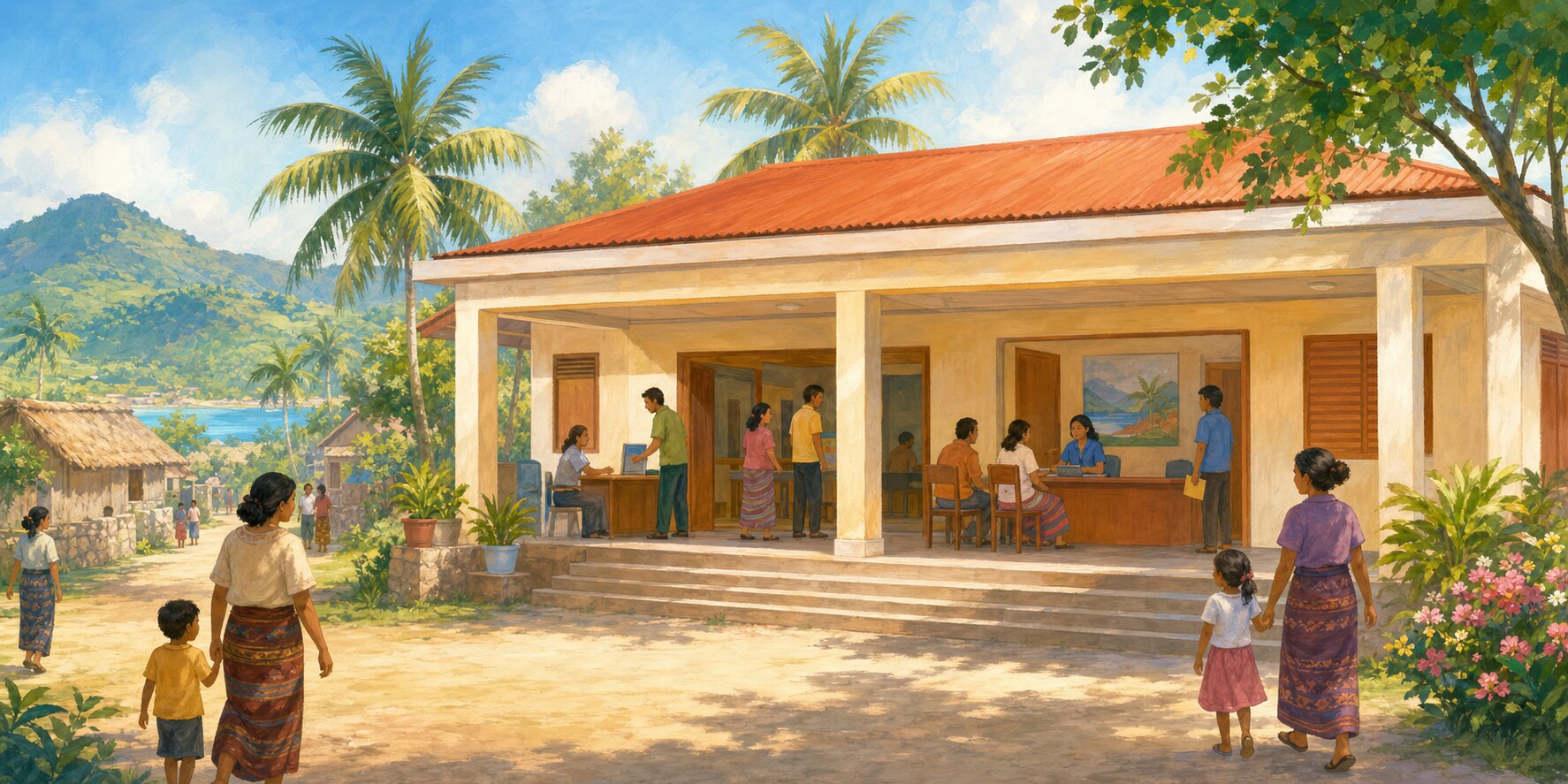
A welcoming one-stop public service building in a sunlit tropical village. Chapter Four

The Magic Door That Saved a Whole Day's Trip

Every municipality in Timor-Leste now has a friendly one-stop office where families can get their papers close to home.

Read Bibi’s full telling

Little one, imagine needing a new identity card or a passport, and having to travel a whole day just to ask for one. That used to happen to families in a country called Timor-Leste. If you lived far from the capital city, Dili, getting an important paper often meant a long, tiring, and expensive trip. But the government of Timor-Leste, working together with helpers from the United Nations, decided to change that. They began building friendly one-stop offices called Balkaun Uniku in every single one of the country's fourteen municipalities, places where people could get identity cards, passports, and other documents all under one roof, without traveling so far. In July, the very last office opened its doors in a town called Viqueque, finishing the whole network. Bibi thinks that is such a caring thing to build, little one. Now, no matter which municipality a family calls home, help is nearby instead of far away. That means less time on buses and boats, less money spent on travel, and more time left over for the things that matter most, like being together at home.

The End · Told by Bibi

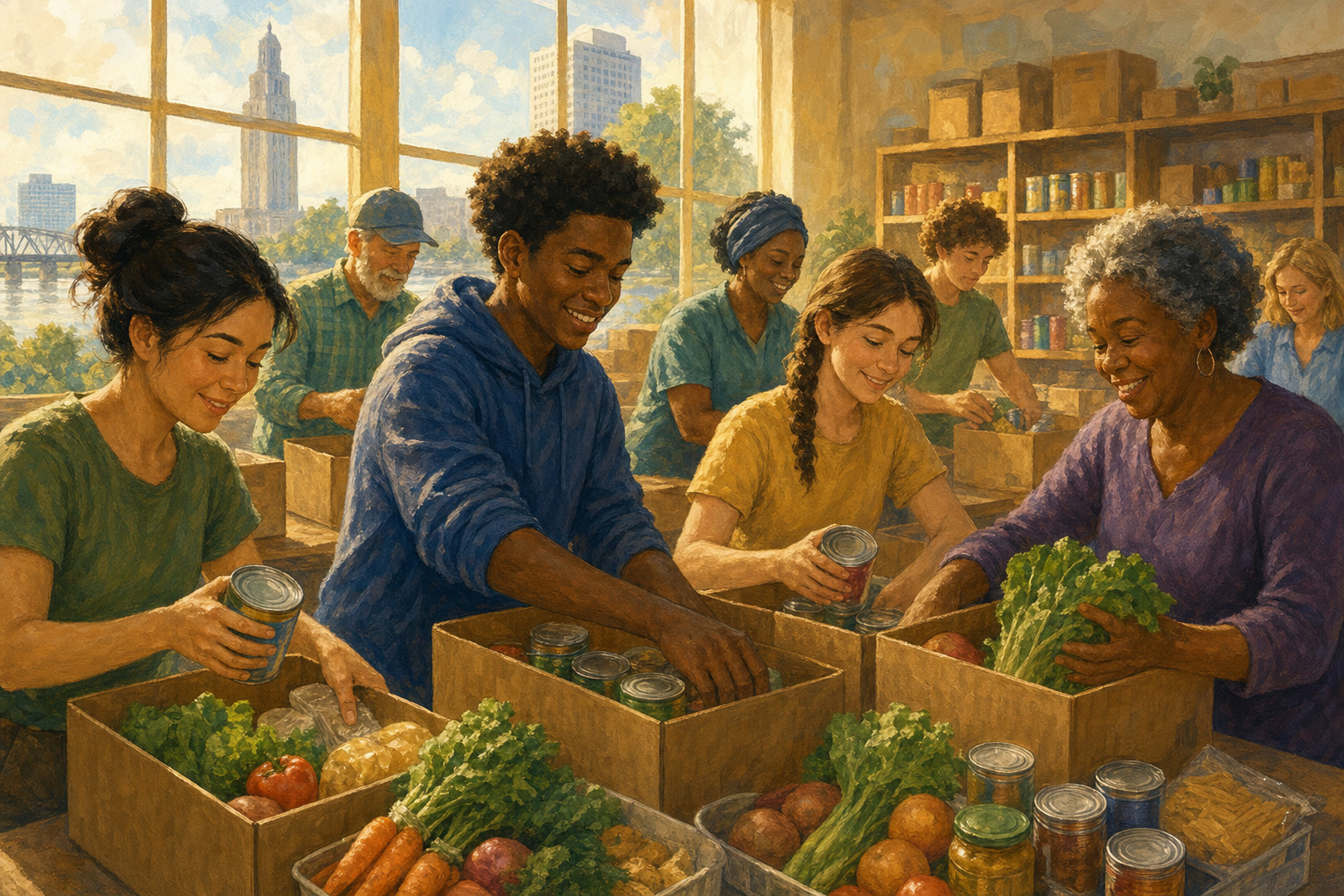
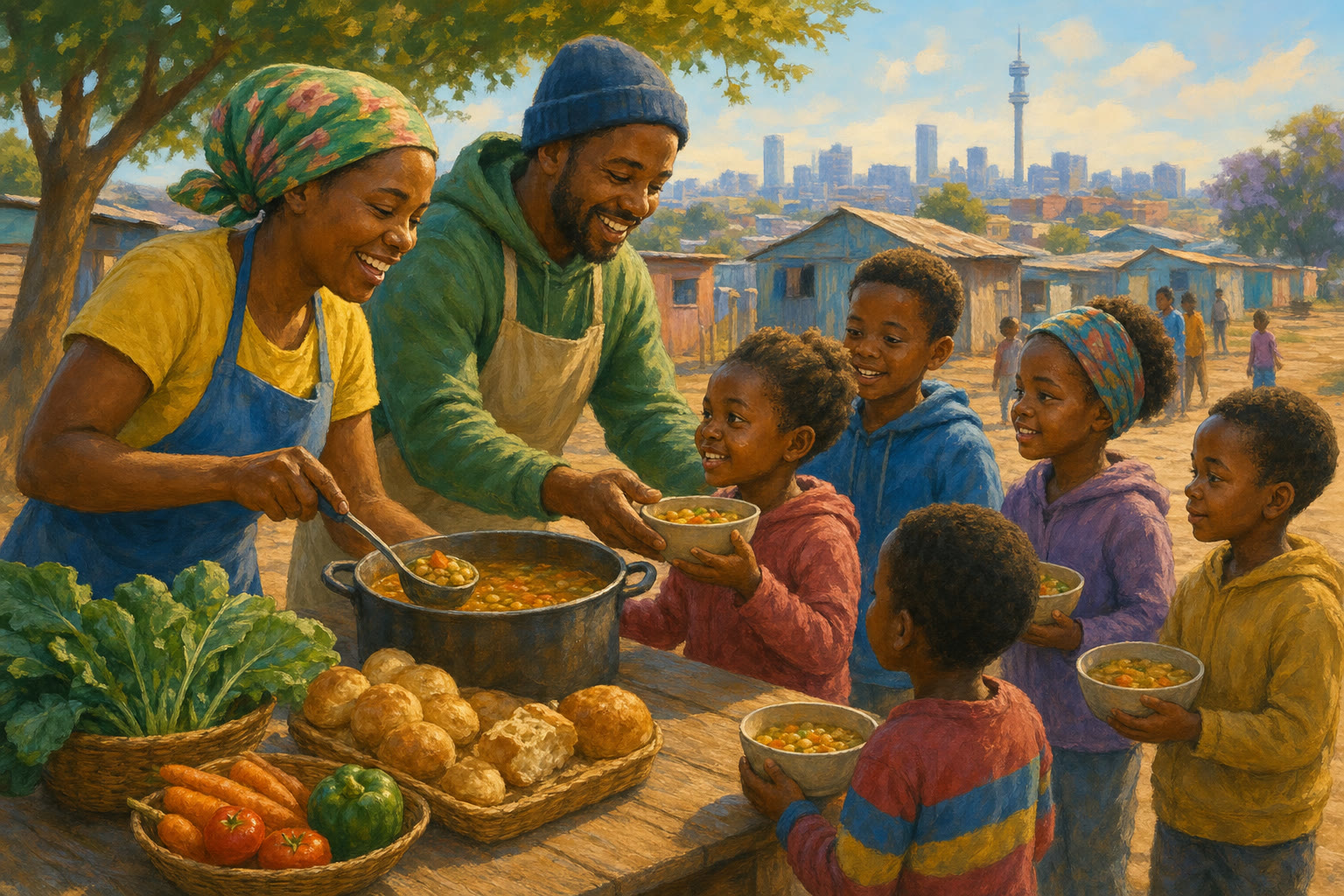
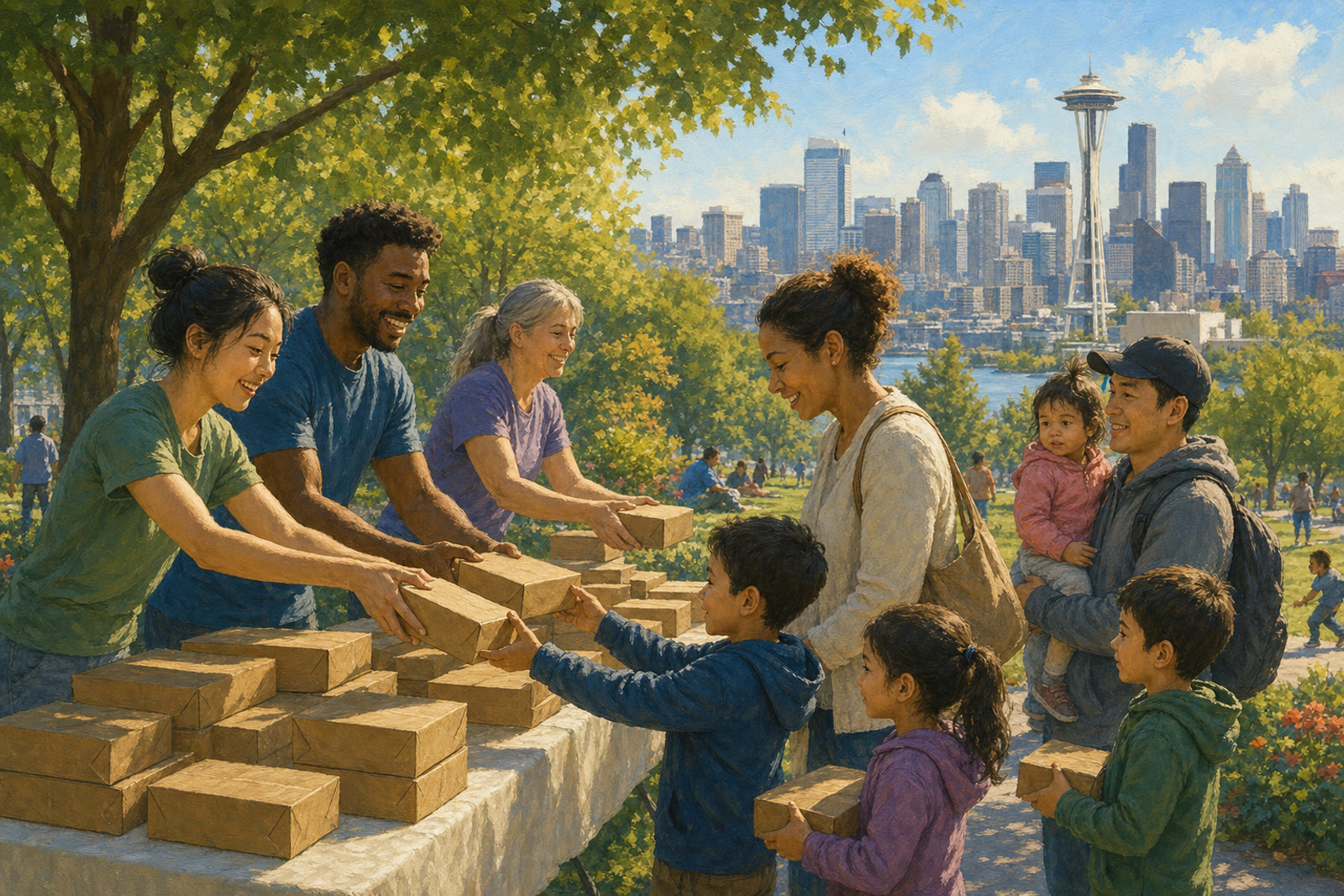
Community volunteers serving meals to children at an outdoor table. Chapter Five

The Table That Never Runs Out

In a South African neighborhood, kind neighbors make sure hungry children always find a warm meal waiting.

Read Bibi’s full telling

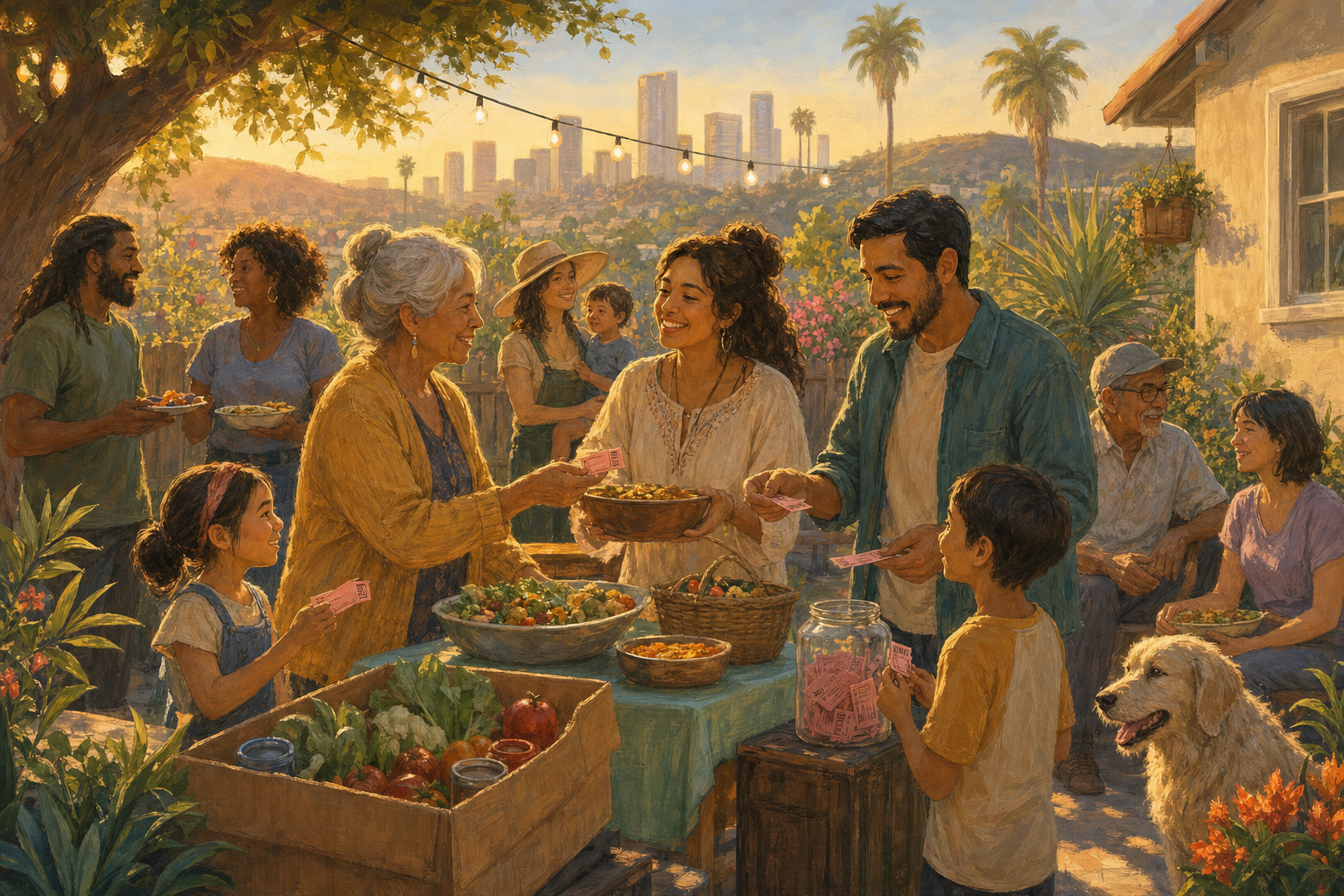
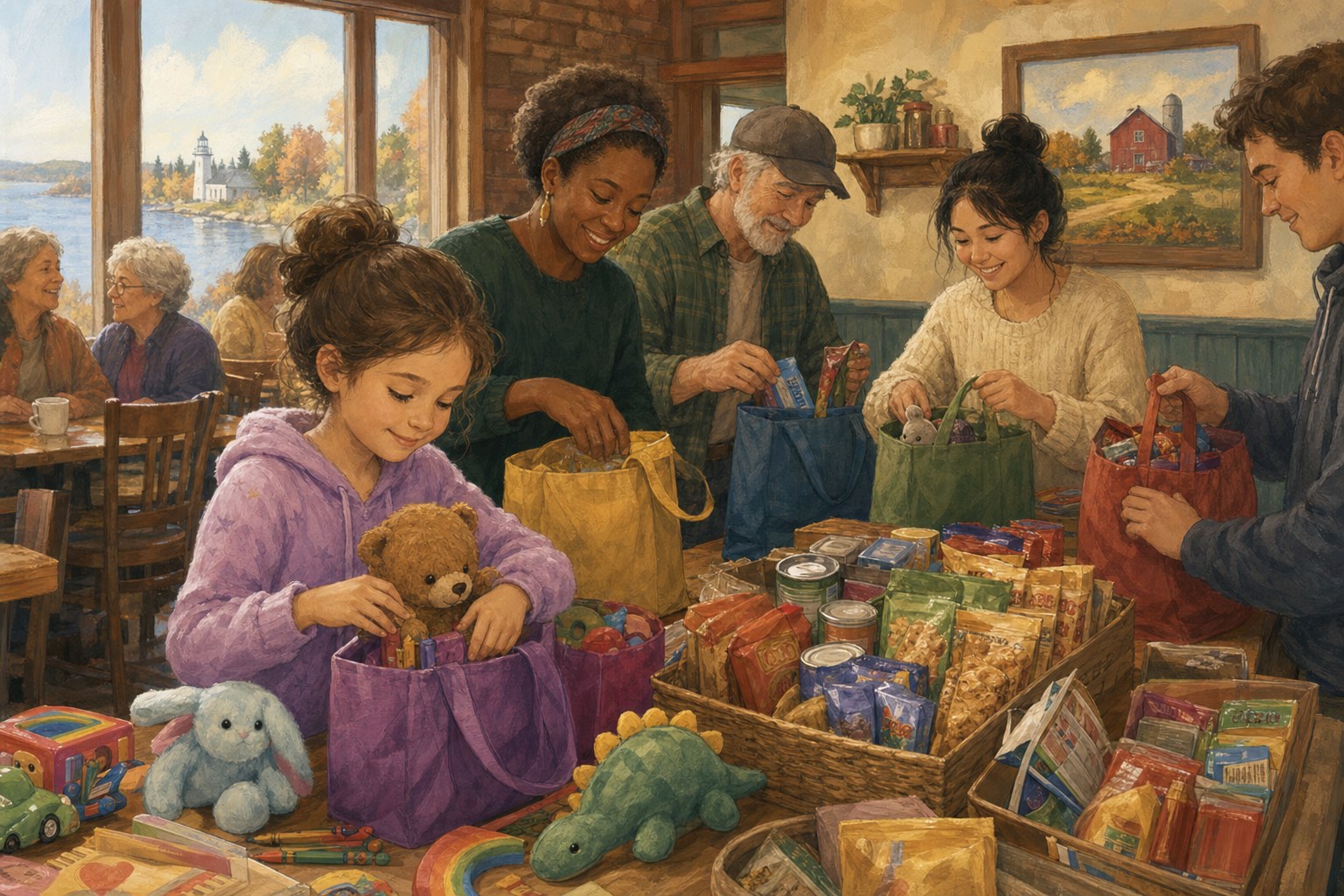
Little one, in a place called Johannesburg South, there is a neighborhood called Jackson. Many families there do not have much food at home. Some days, children go hungry before they even get to school. But a group of caring grown-ups called the Sharing Kindness Foundation decided that no child nearby should feel that hunger alone. Every day, volunteers cook warm meals and set them out at a simple outdoor table. Neighbors who have a little extra, like vegetables from one group and meat from another, share what they can so the pot stays full. Some days, up to two hundred children come to eat. Bibi thinks that is one of the kindest things a neighborhood can do, little one. It does not fix everything, but it means that every single day, a hungry child can count on finding something warm and nourishing waiting for them.

The End · Told by Bibi

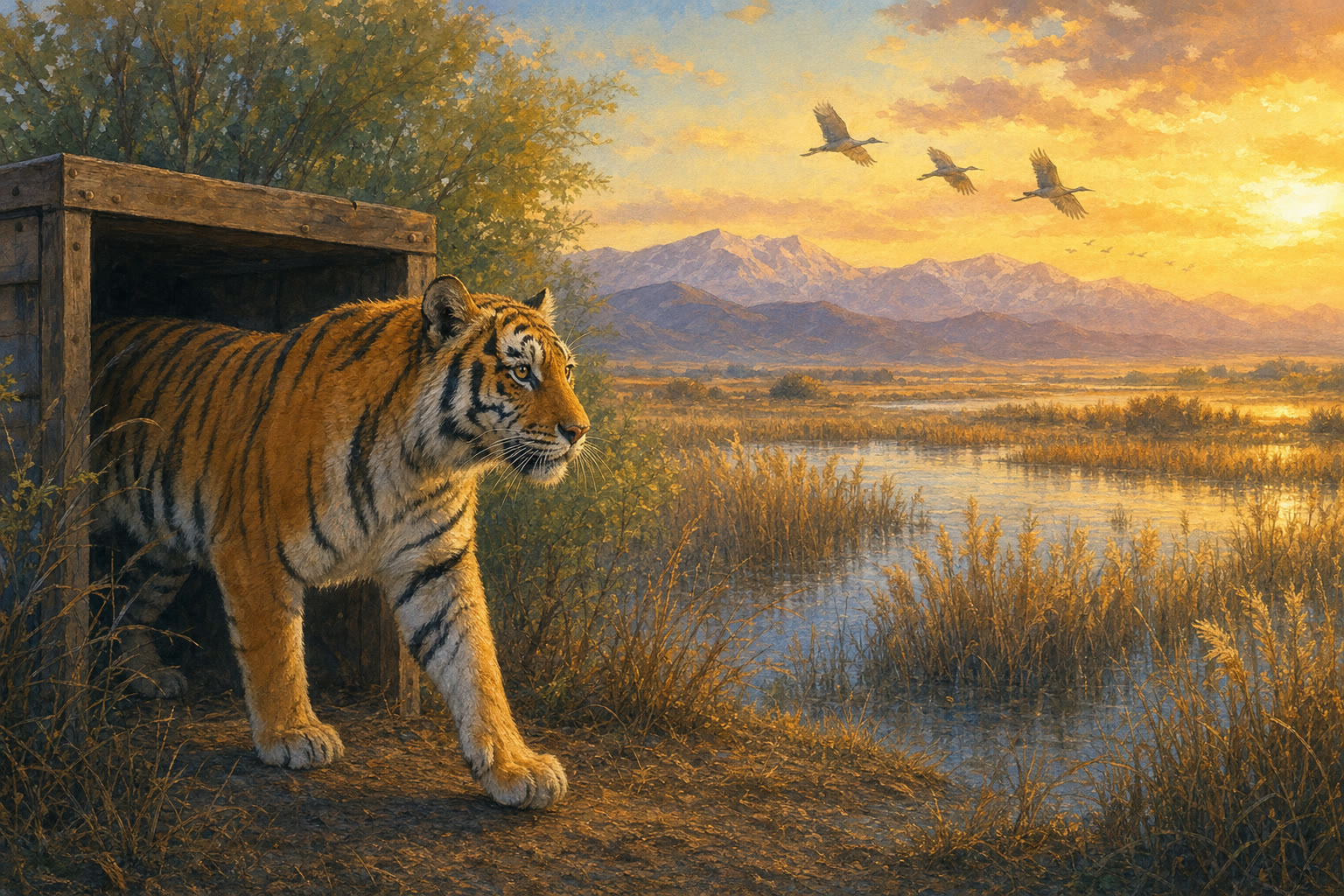
A female Amur tiger stepping into a reed-filled wetland reserve in Kazakhstan. Chapter Six

Umit Walks Into the Tall Grass

After more than seventy years without a single wild tiger, a careful new plan gave one tiger, and a whole ecosystem, a fresh start.

Read Bibi’s full telling

Little one, for more than seventy years, there were no wild tigers at all in a country called Kazakhstan. People had not seen one there since long before your grandparents were born. So scientists and caretakers made a slow, careful plan. First they helped the land itself get healthy again, bringing back plants and animals a tiger would need to hunt and live. Then a tiger named Umit came all the way from Russia. Her caretakers watched her closely, checking that she was strong, healthy, and ready, before finally opening the gate and letting her walk into the wild reeds of the Ile-Balkhash reserve. Bibi finds that so patient and hopeful, little one. A little collar around Umit's neck sends a signal so her caretakers can always check that she is safe. She is just one tiger, but she is the first step toward a whole family of tigers living wild again.

The End · Told by Bibi

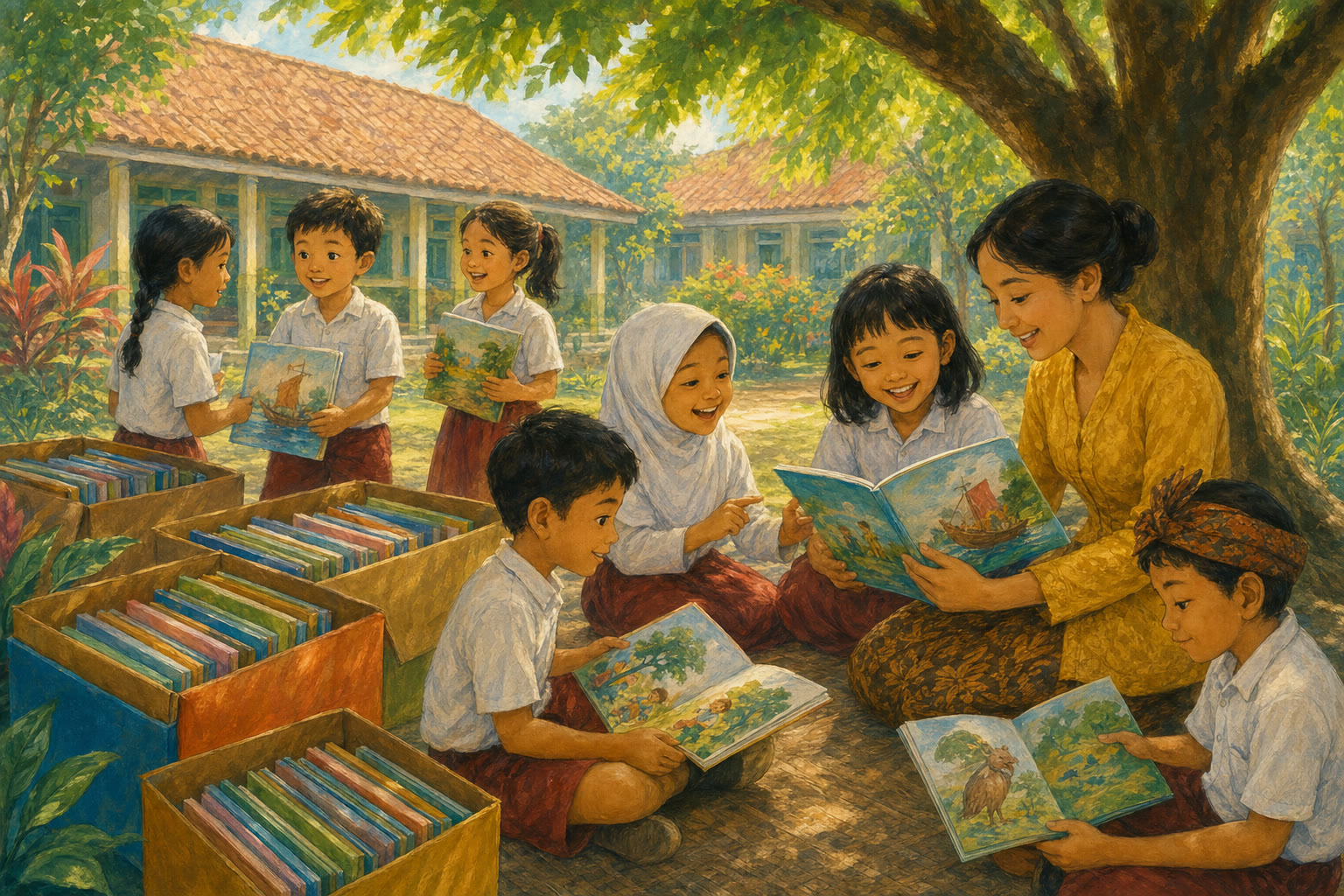
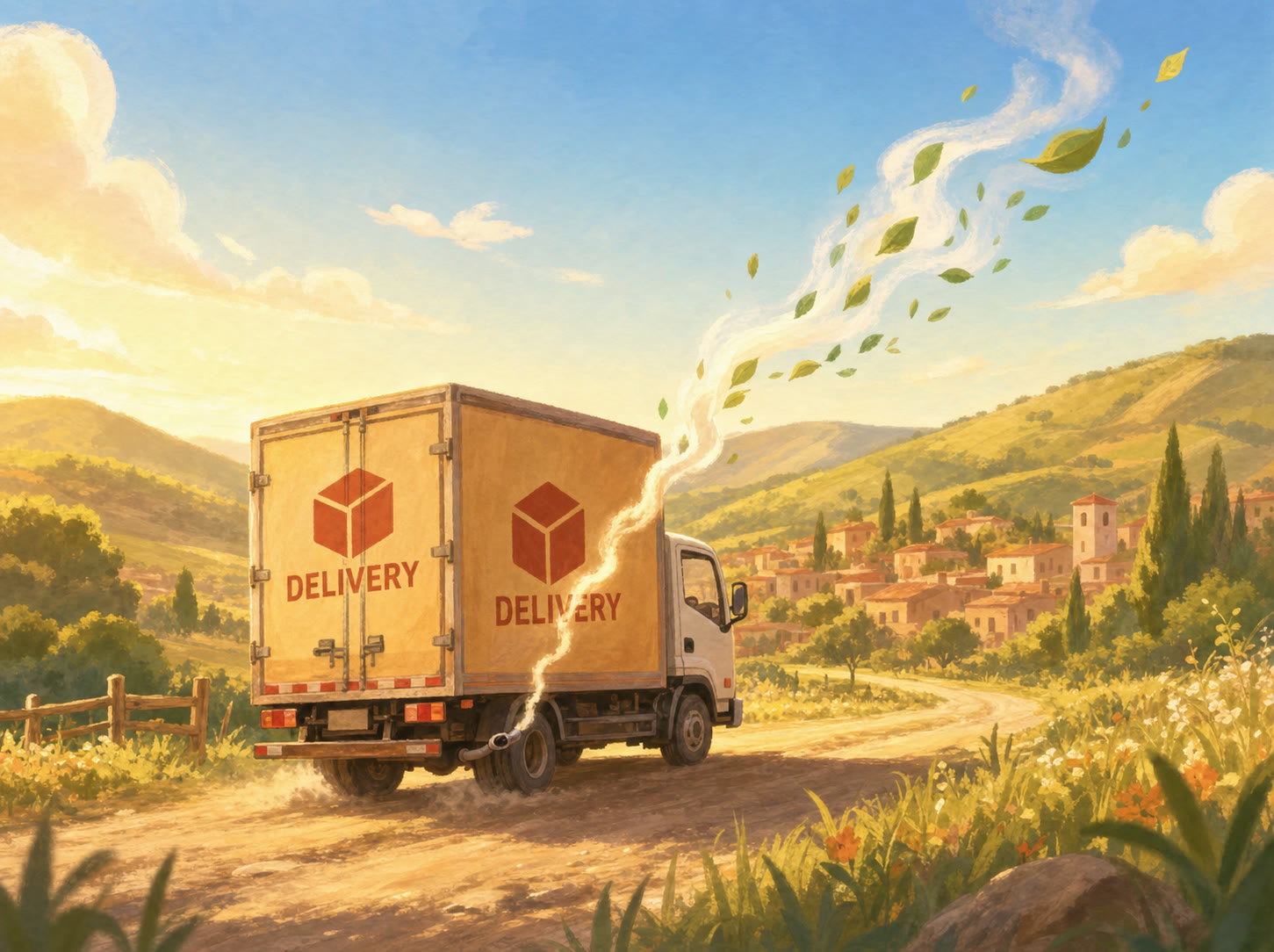
Children and a teacher opening boxes of new storybooks at an Indonesian school. Chapter Seven

A Very Big Delivery of Stories

Millions of new storybooks are traveling to schools all across Indonesia, so more children can fall in love with reading.

Read Bibi’s full telling

Little one, imagine your school having only a few old books to share between all the students. That is how it was for many schools across a big country called Indonesia. So the people in charge of schools decided to send out more than five million new books, all at once, to schools in every single province. Trucks and boats carried boxes of storybooks, comics, and short novels to eighteen thousand primary schools and thousands of secondary schools. Schools that had never received books before were given extra care and attention. Bibi loves this story so much, little one, because a good book can take you anywhere, but only if it reaches your hands first. Now, so many more children get to open a brand new book and discover a story of their very own.

The End · Told by Bibi

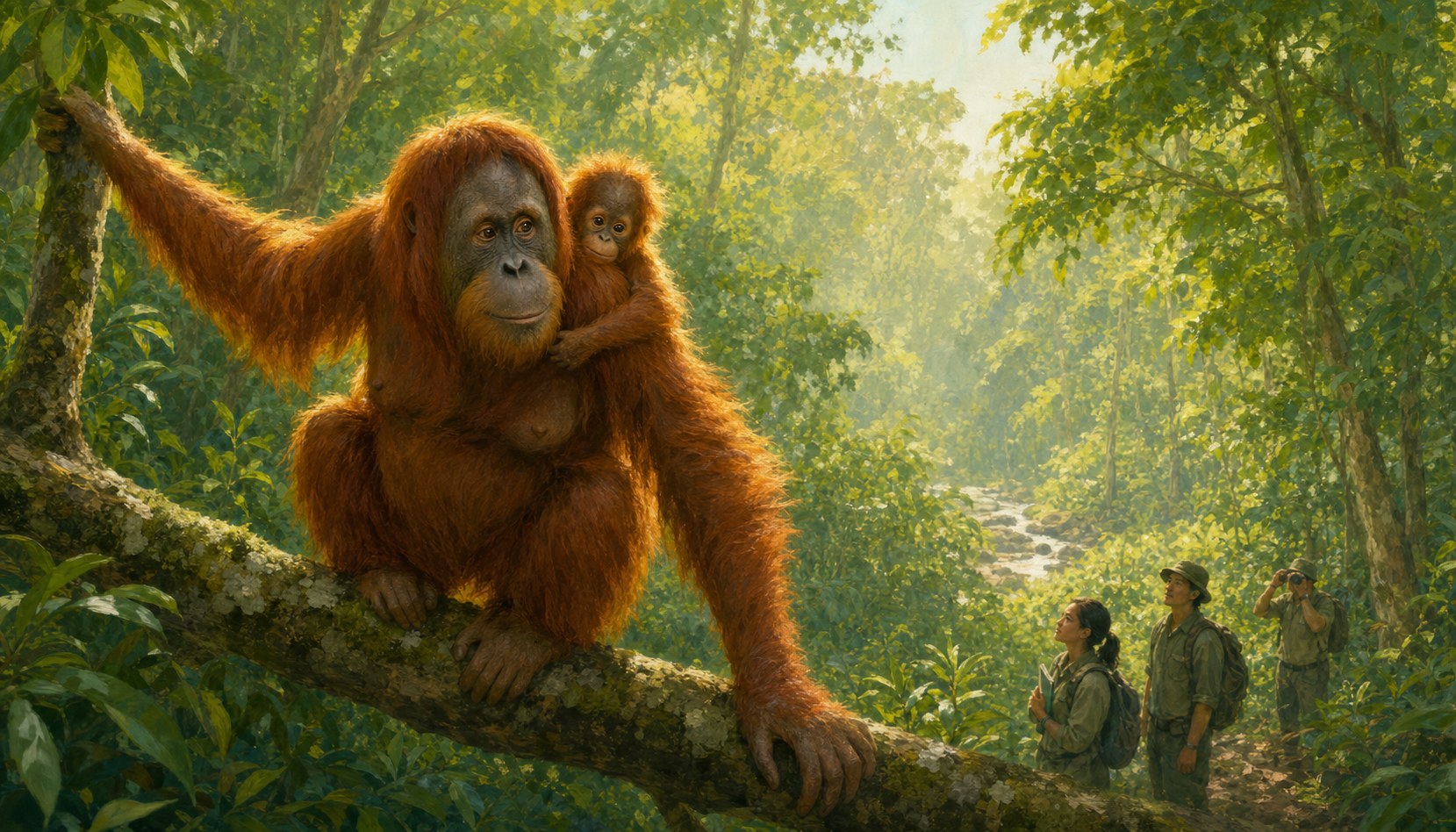
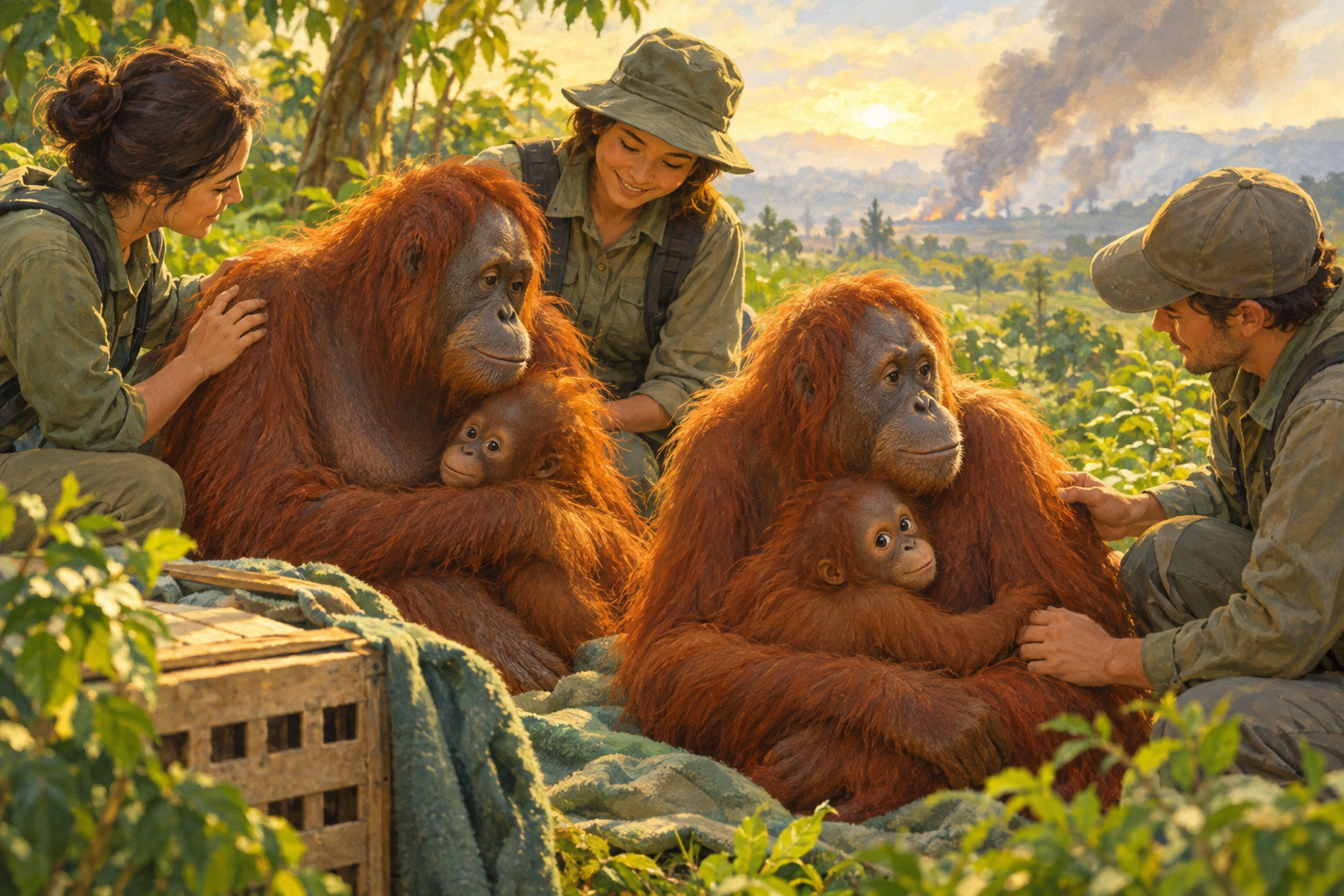
A mother Sumatran orangutan carrying her baby through the forest canopy. Chapter Eight

The Baby Orangutan and the Forest That Said Welcome Back

A rescued orangutan named Wenda has grown up, gone back to the forest, and just welcomed a tiny baby of her own.

Read Bibi’s full telling

Little one, a long time ago, when Wenda was just about one year old, she was rescued and brought somewhere safe. She could not live in the forest on her own yet, so kind people helped her grow strong at a place called the Jantho Orangutan Reintroduction Center, in Indonesia. She lived there for years, learning and healing, until she was ready, little one. In 2014, Wenda went back to the forest to live wild and free, the way orangutans are meant to. And now, all these years later, the people who watch over the forest saw something wonderful. Wenda has a baby of her own, holding onto her as she moves through the treetops. The monitoring teams spotted them together on July 29. Bibi thinks that is one of the best kinds of good news, little one. It means a rescued orangutan grew up, found her home in the wild again, and is now teaching her own baby how to live there too. But little one, the forest still needs looking after, so people keep watching over it, keeping it safe for Wenda's family and every orangutan who calls it home.

The End · Told by Bibi

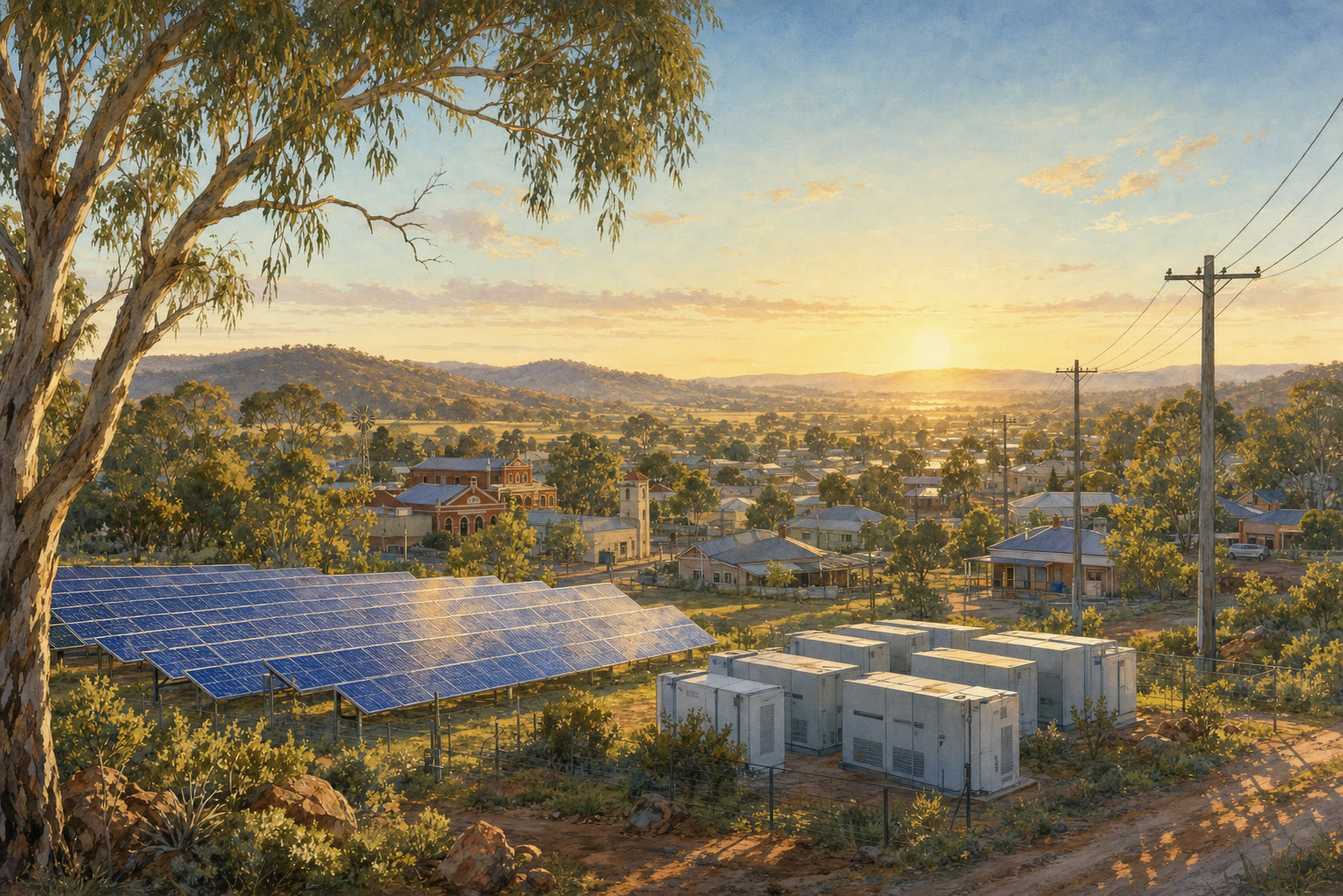
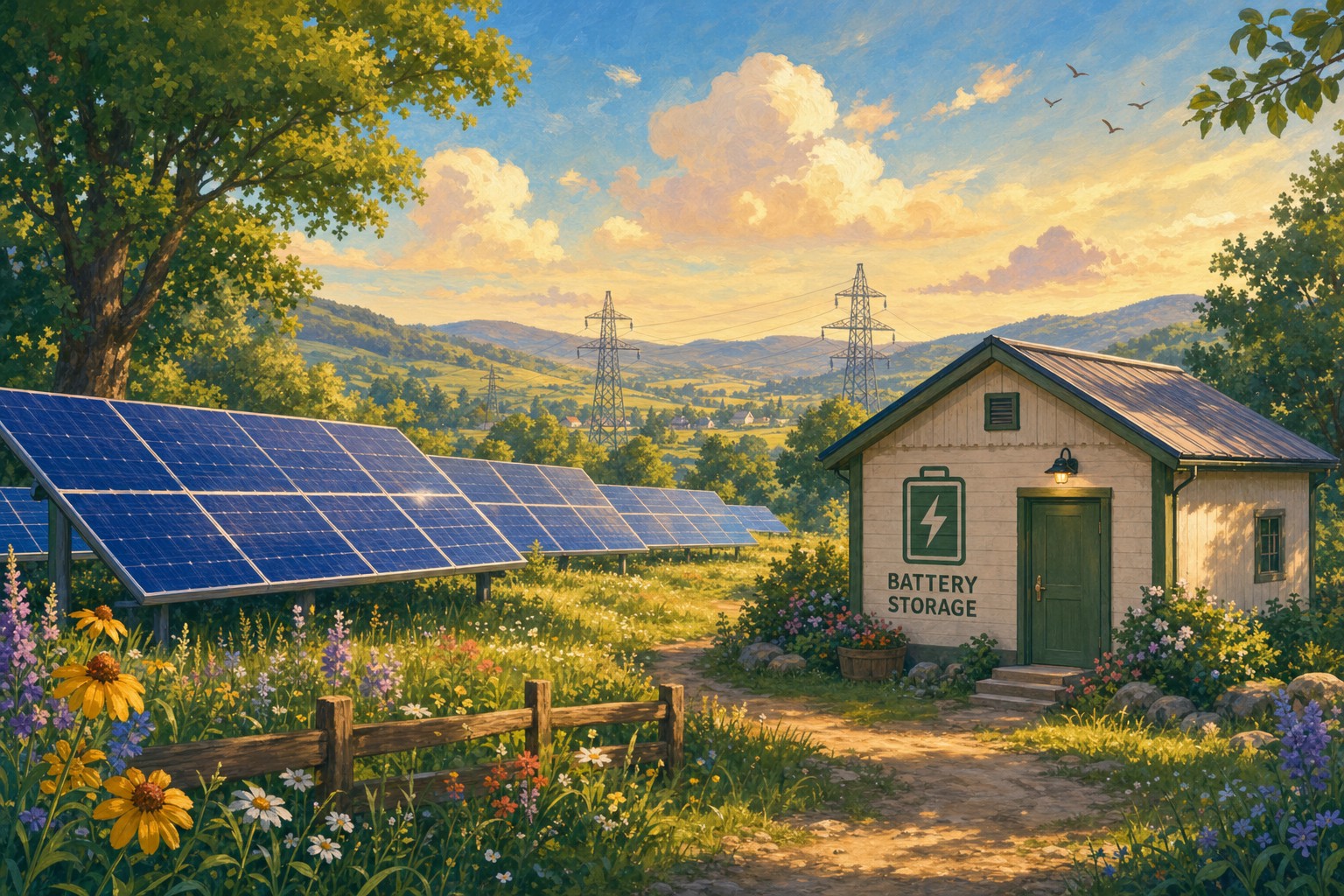
Solar panels and battery storage helping power a small Australian town. Chapter Nine

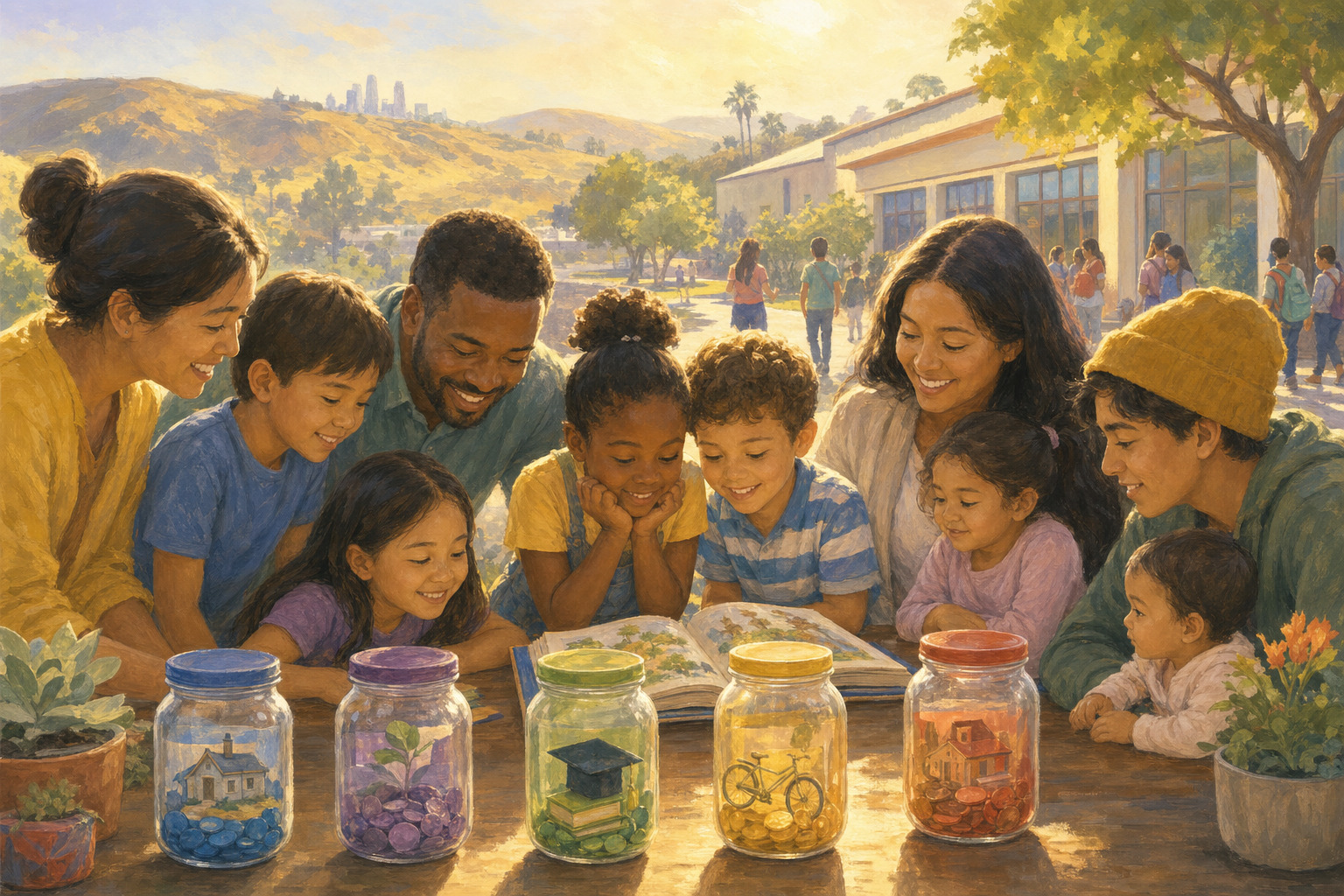
The Piggy Bank for Sunshine and Batteries

A special kind of bank in Australia is helping smaller solar and battery projects get the money they need to get built.

Read Bibi’s full telling

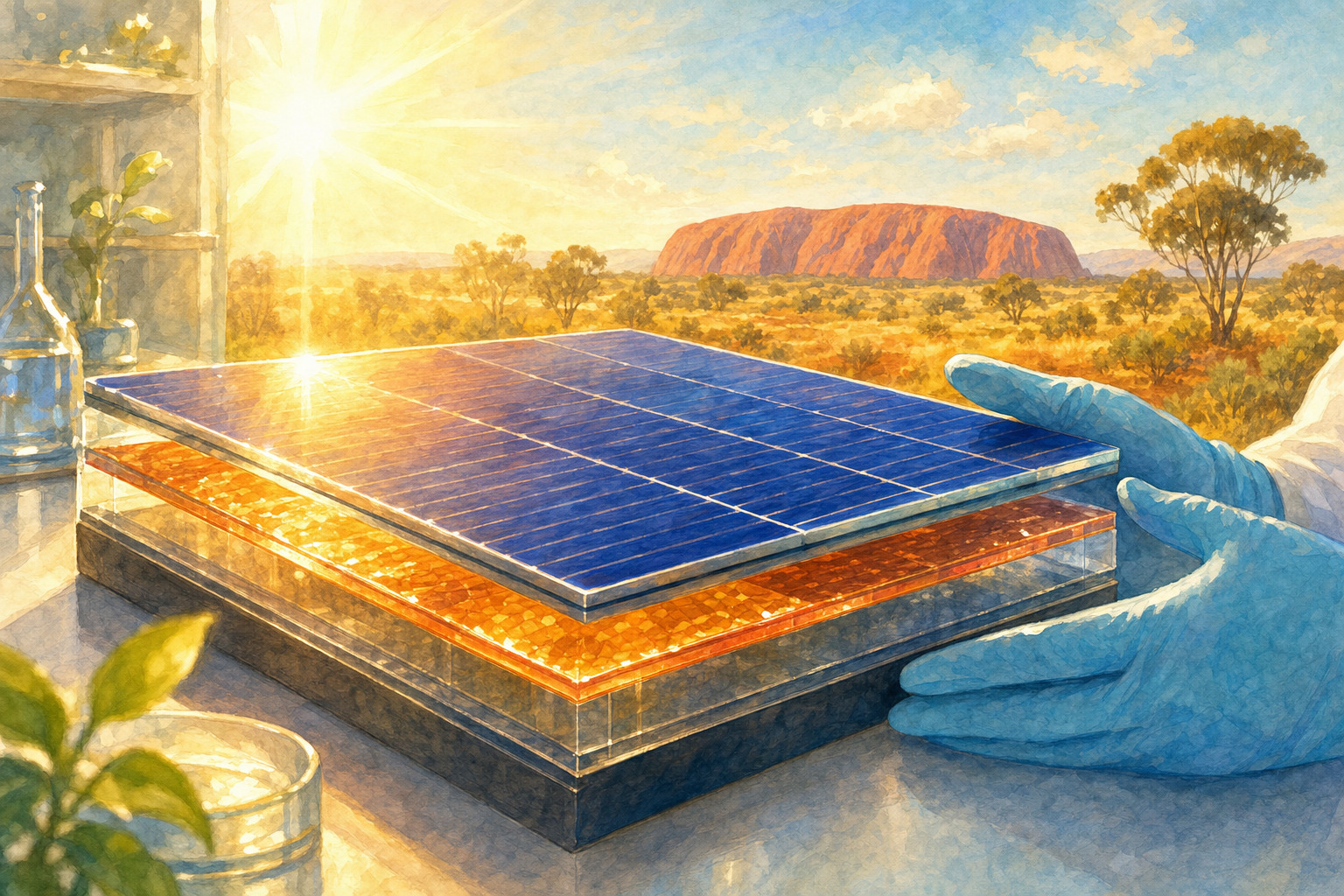
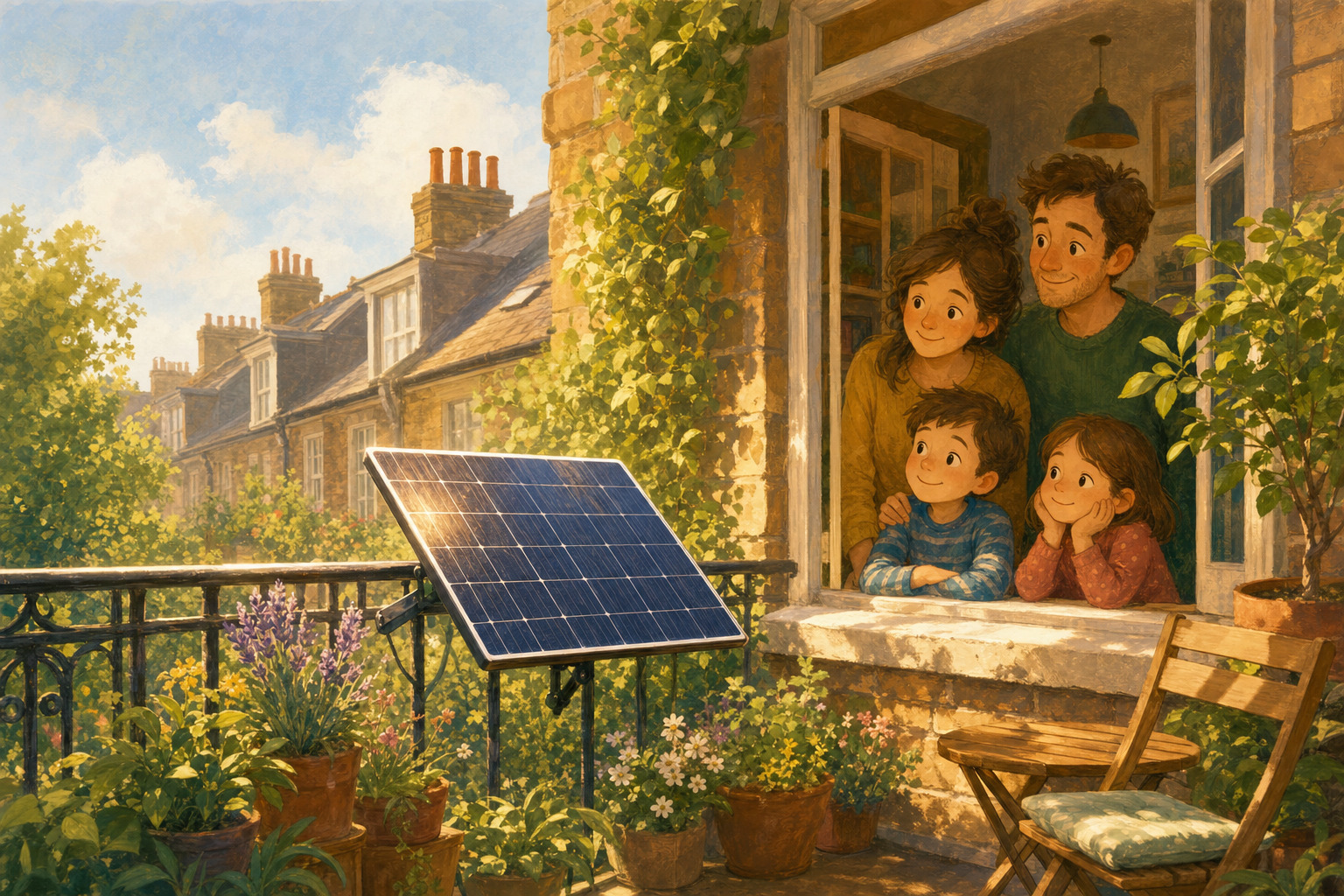
Little one, building something like a solar farm or a big battery takes a lot of money, and not everyone can borrow enough just by asking a regular bank. So Australia has a special green bank whose whole job is to help clean energy projects get built. It just promised one hundred million dollars to help up to sixteen smaller solar and battery projects, the kind that are often too small for big lenders to bother with. That money helps them connect straight into the power lines already running through nearby towns. Bibi thinks it is wonderful when even the smaller ideas get a fair chance, little one. Not every clean energy project needs to be giant to matter. Sometimes the small ones, working together, add up to something big.

The End · Told by Bibi

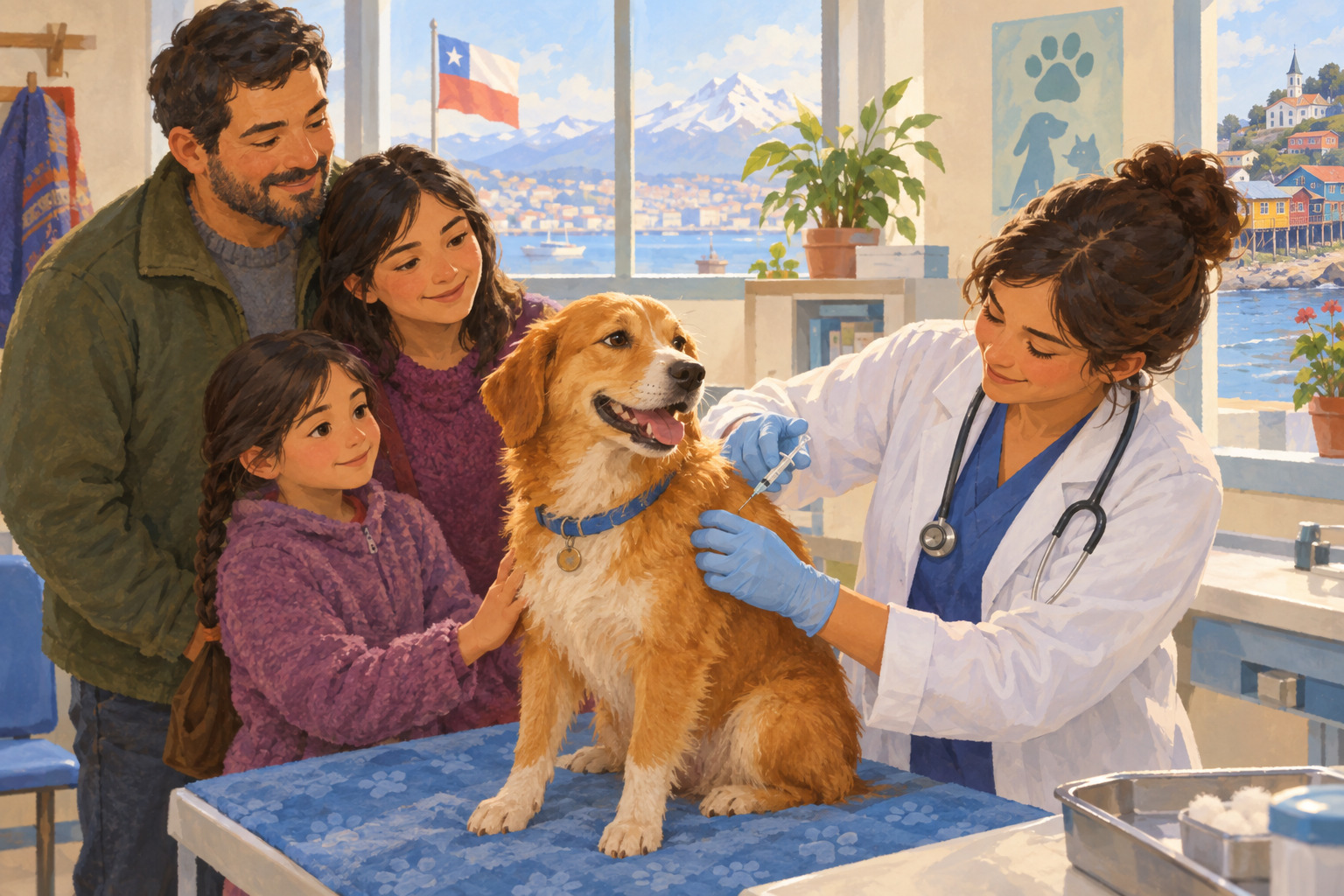
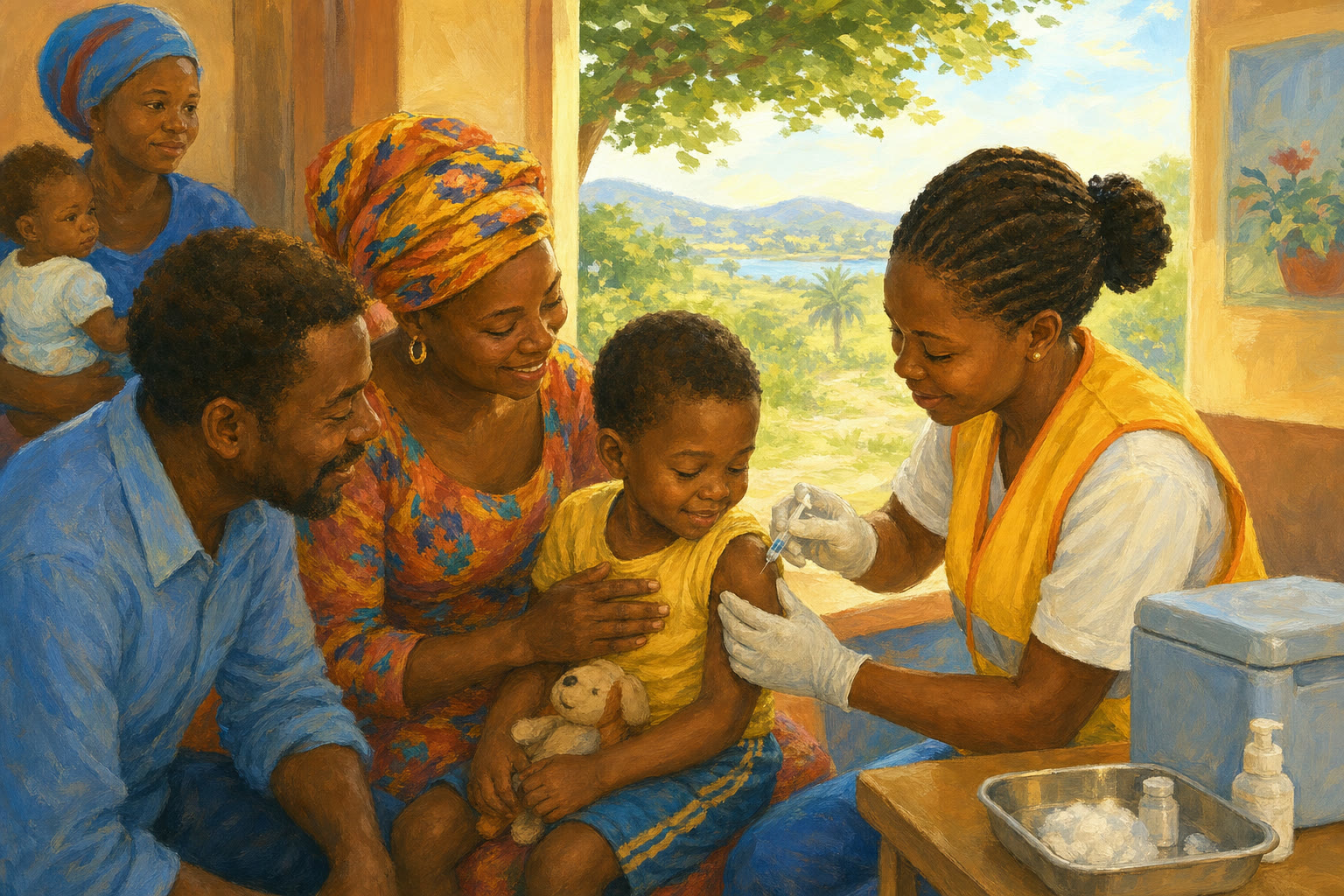
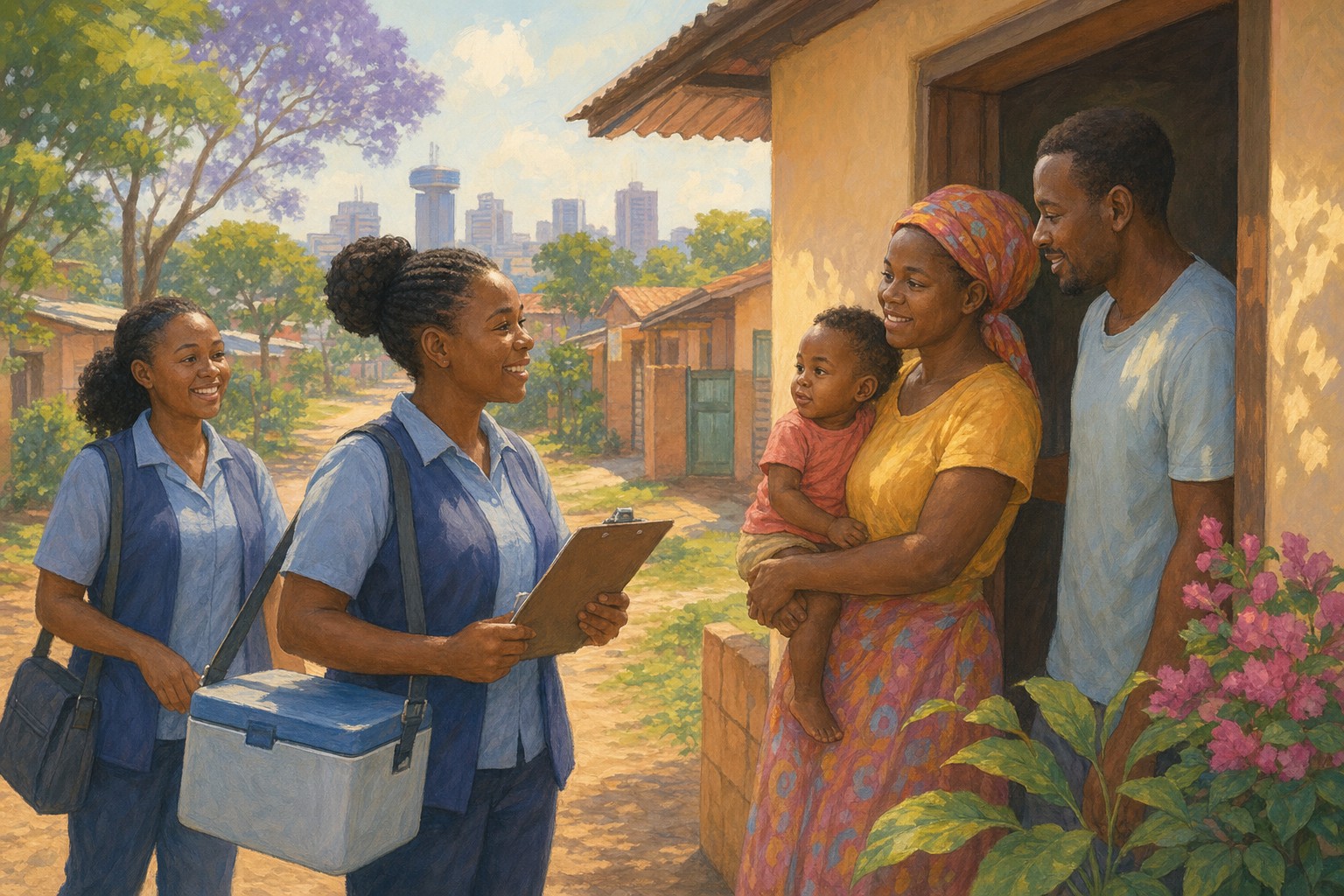
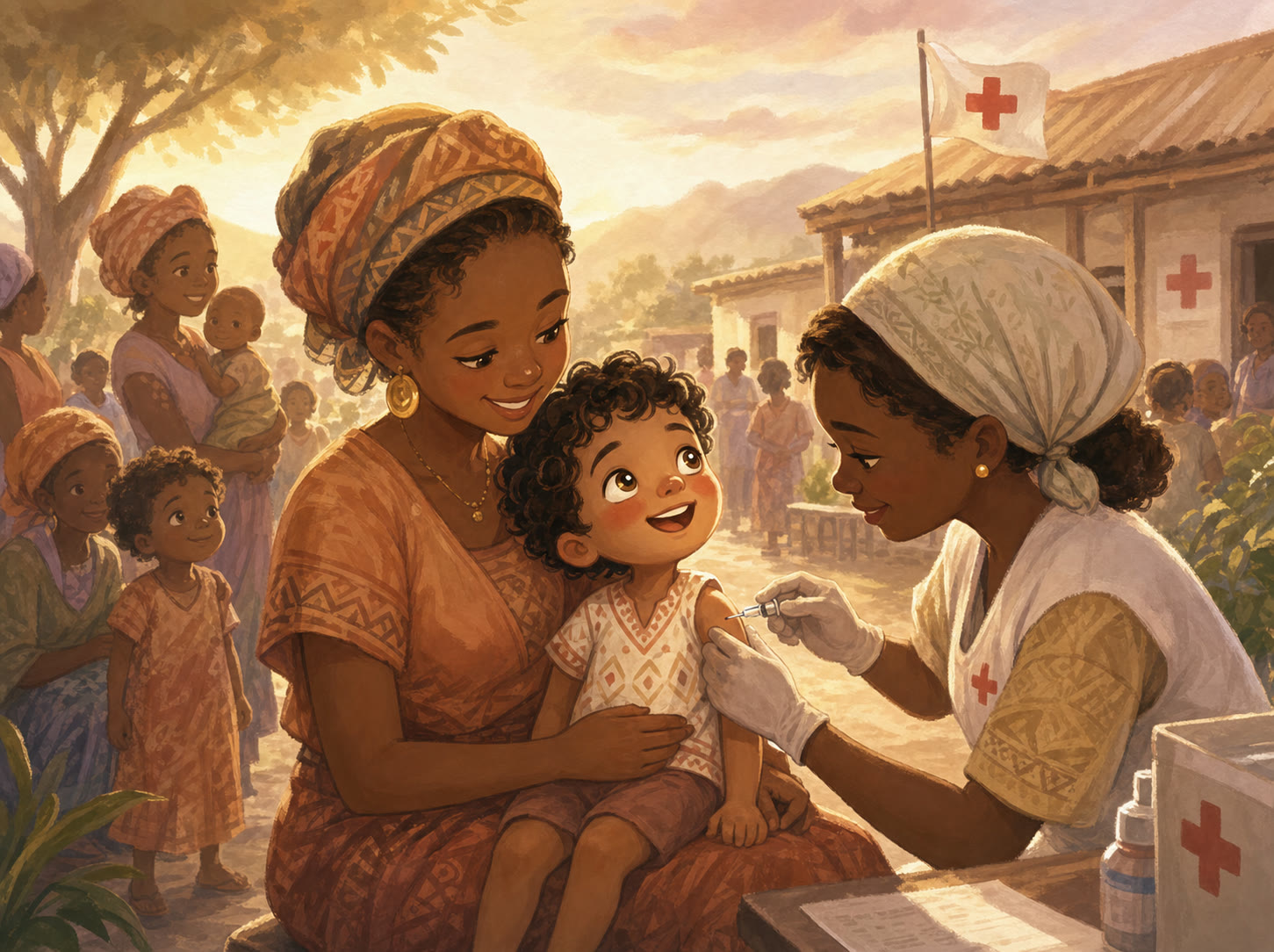
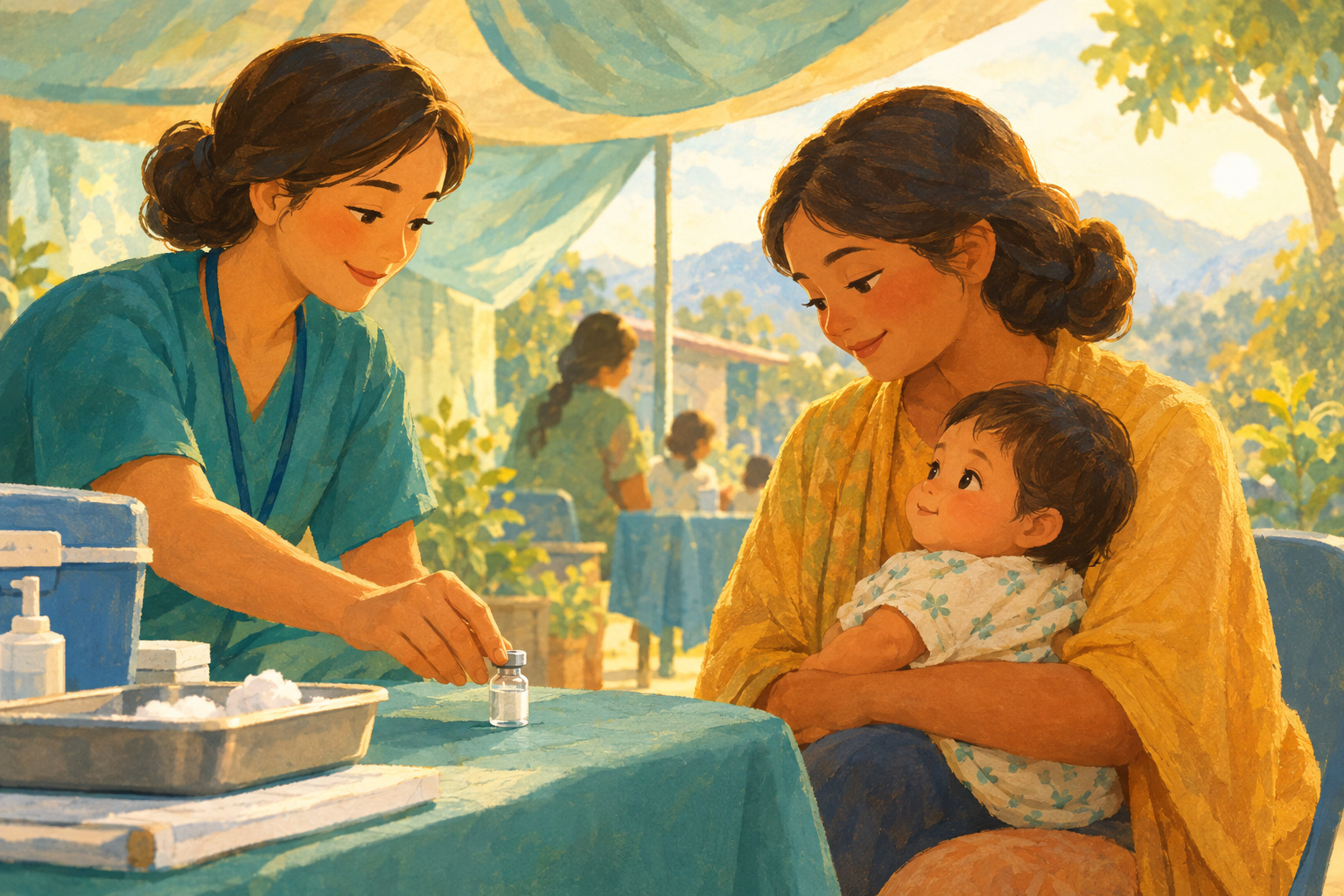
Health workers vaccinating a child at a welcoming community clinic in Angola. Chapter Ten

The Little Bandage That Protects a Whole Life

Health workers in Angola gave a tiny, gentle vaccine to millions of children, and now they are learning how to reach even more.

Read Bibi’s full telling

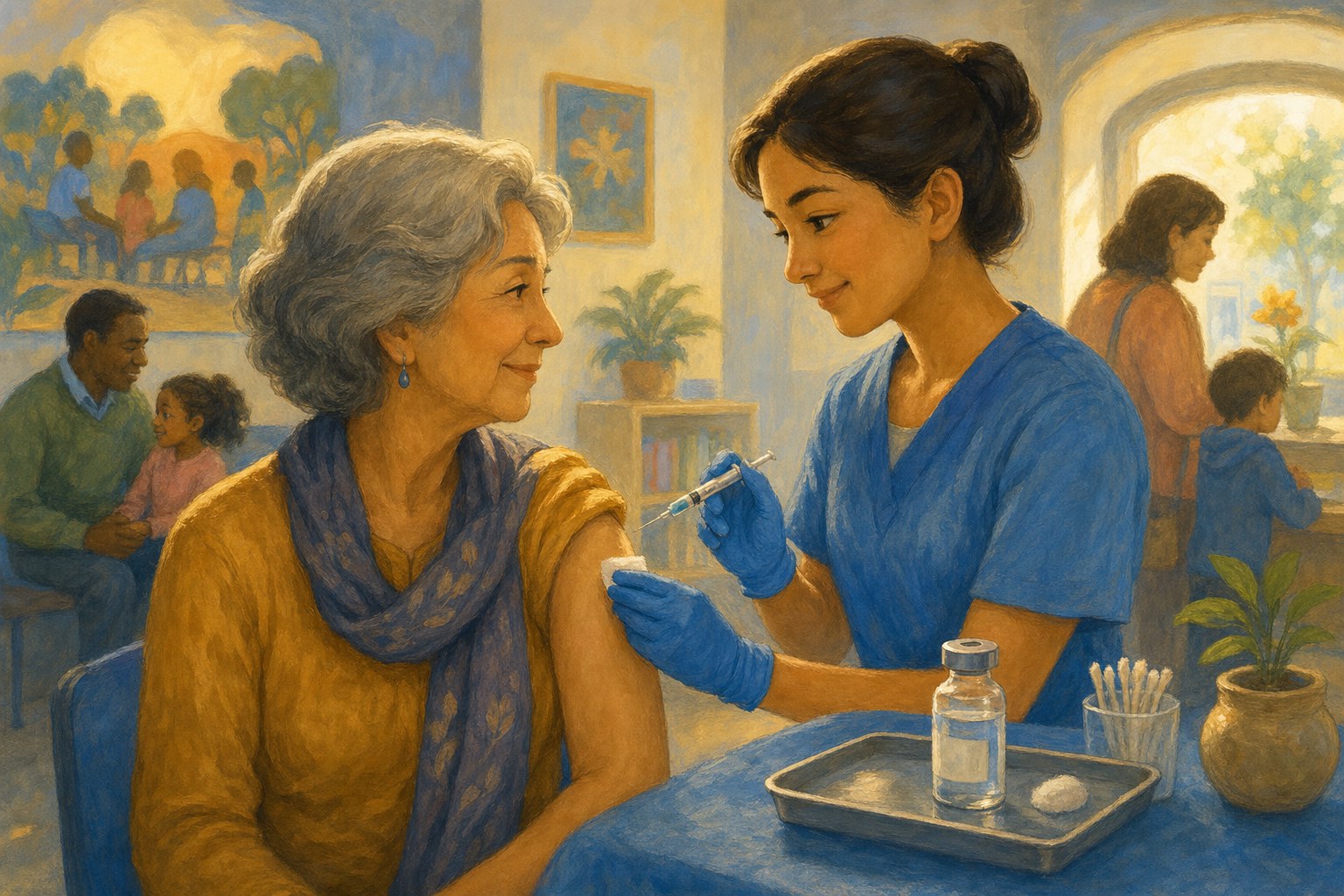
Little one, there is a sickness called polio that can hurt a child's legs and make it hard to walk. For a long time, in a country called Angola, some children were at risk of catching it. So health workers, all wearing bright vests, traveled to villages and towns across Angola. Gently, carefully, they gave a small vaccine to children under five, protecting them from polio. They did this not just once, but four times, working with neighboring countries too, until more than nine million children had been reached. Bibi thinks that is a wonderful kind of teamwork, little one. Afterward, the helpers sat down together for three whole days just to talk about what worked well and what could be even better next time, so that no child gets left out.

The End · Told by Bibi

Book Three

Chapters 21–30

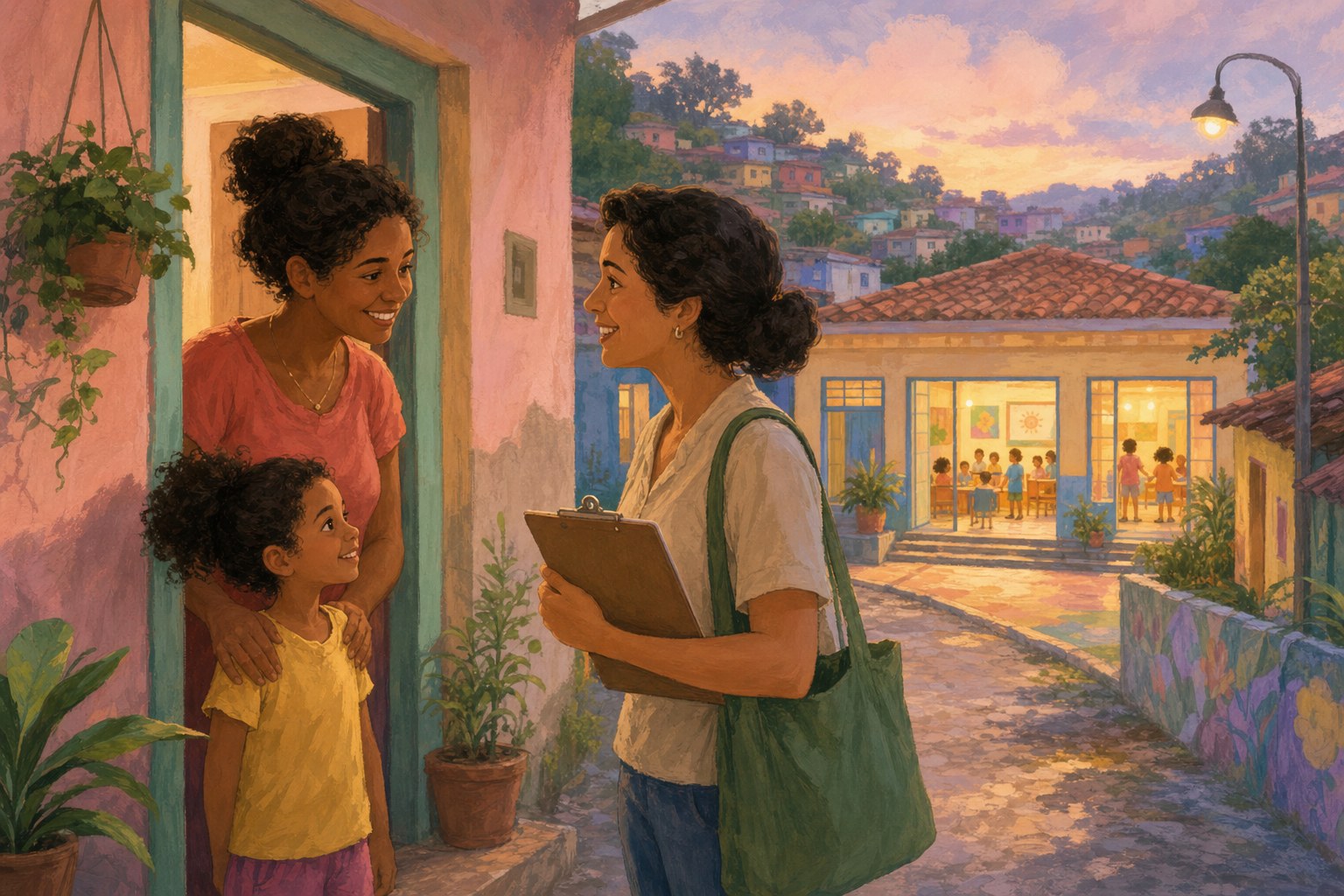
A community worker speaks with a parent and child near their home, with a school in the background. Chapter One

The Knock on the Door That Changed Everything

A gentle knock on the door brought one more child back to her desk.

Read Bibi’s full telling

Bibi says: this story starts with something very small, a knock on a door. In Brazil, some children had quietly stopped going to school, not because they wanted to, but because life got complicated, maybe someone was sick, or there was too much to do at home. So kind helpers started walking through neighborhoods, knocking on doors, gently asking, is everything alright, and where has your child been? They were not there to scold anyone. They were there to help families find their way back, connecting them to teachers, doctors, or whatever support they needed. Slowly, one knock at a time, one child at a time, more and more students returned to their desks. After nine years of this patient knocking, more than three hundred and twenty thousand children have come back to school. Little one, sometimes the biggest changes start with the smallest, kindest question: are you okay, and how can we help you come back?

The End · Told by Bibi
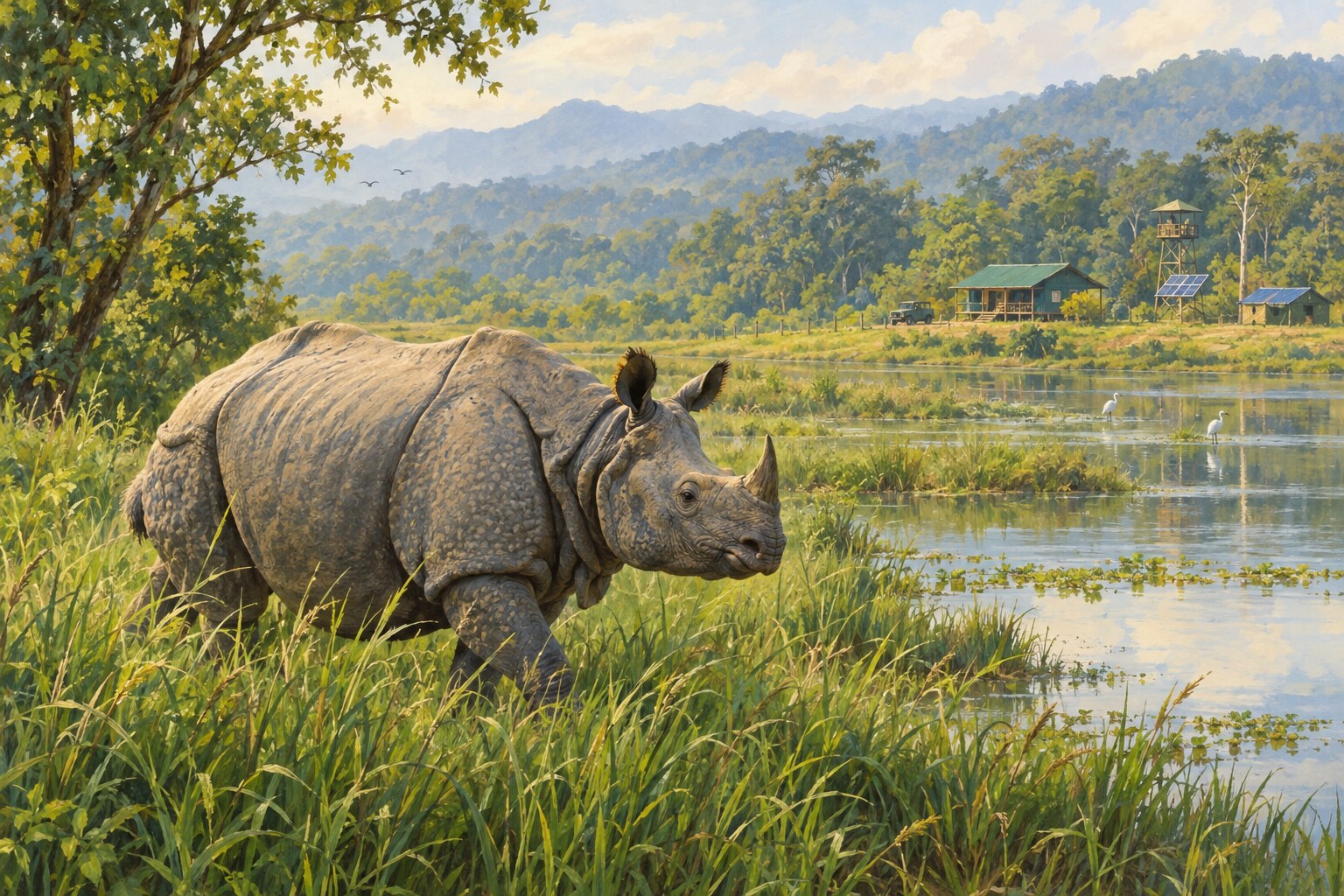
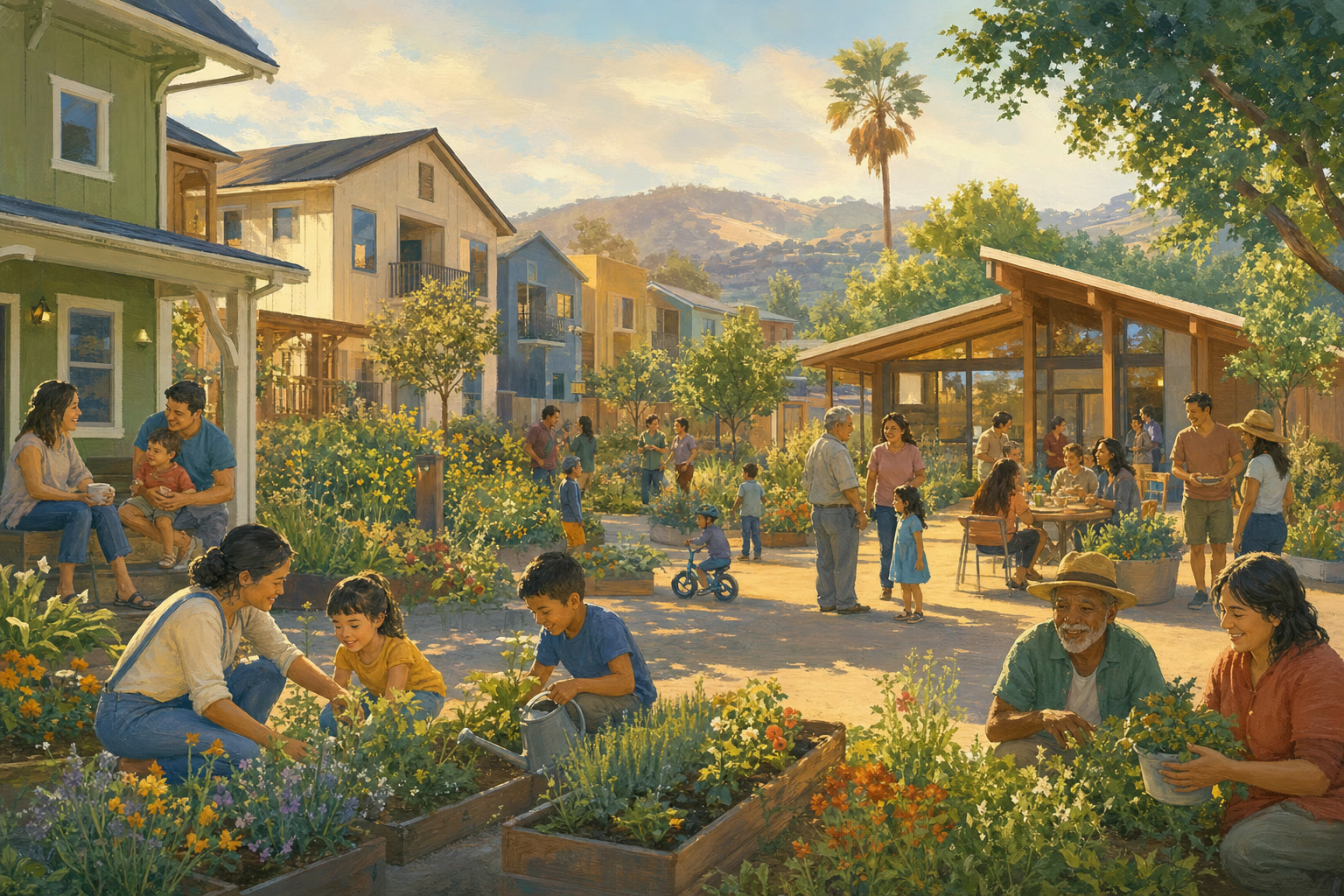
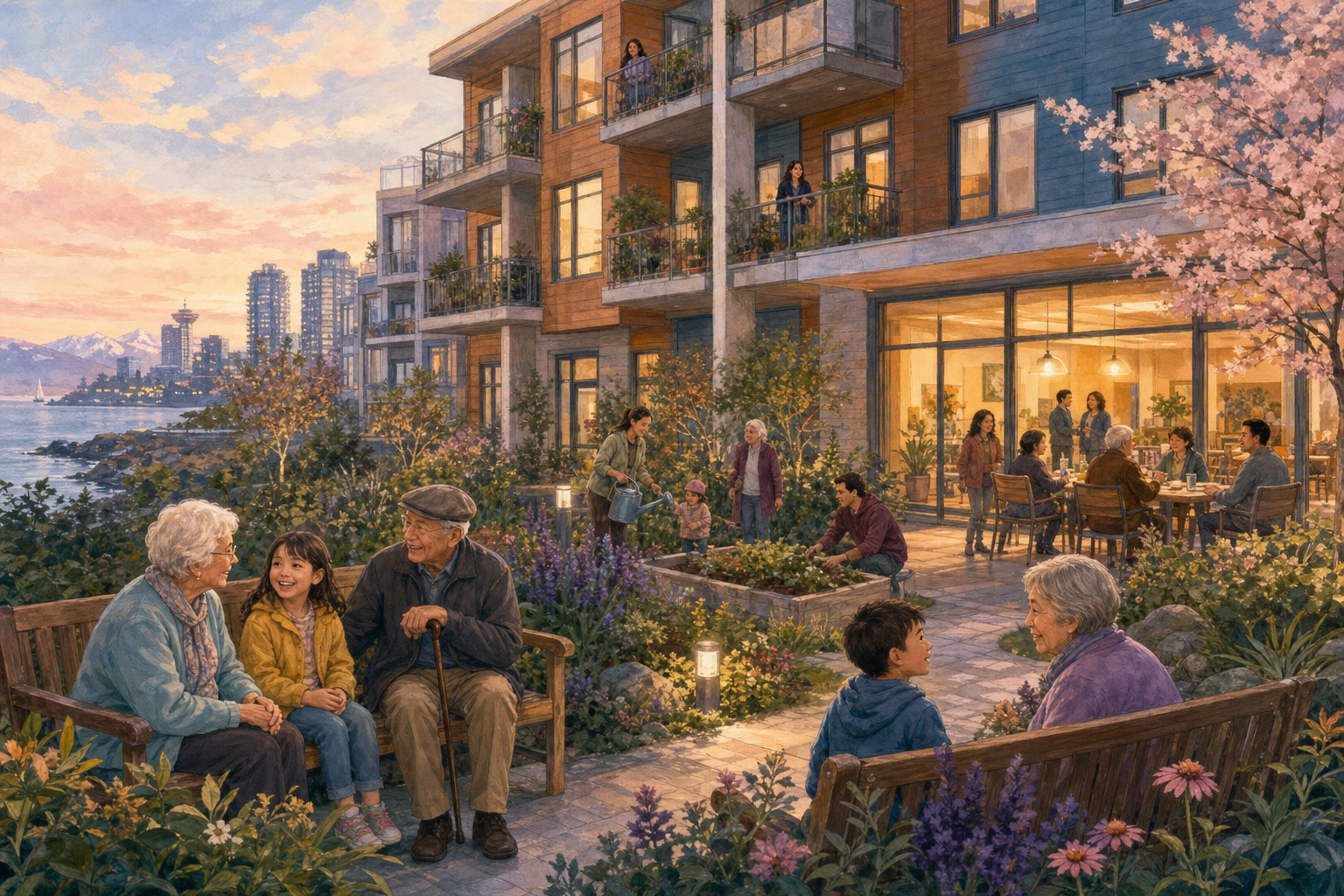
A welcoming multi-generational apartment building with a shared courtyard where neighbors of different ages gather. Chapter Two

The Building With Room for Every Single Age

Grandparents, parents, and children, all finding a home in the very same building.

Read Bibi’s full telling

Bibi says: imagine one big, friendly building, with grandparents on one floor, parents on another, and children running between them all. That is exactly the kind of home that Canada and a group called the Ismaili Council decided to build together. They made a promise to construct more than one thousand two hundred and fifty new rental homes, in cities across four different provinces. But this is not just any building. It is designed so that people of every age can live close together, sharing gardens, community rooms, and helping hands, the way families often did generations ago. Grandparents can watch children play from their window, and children can run down the hall to visit them anytime. Little one, a home is not only about walls and a roof, it is about who gets to be close to you, and this plan makes sure many different generations get to stay near each other, together.

The End · Told by Bibi
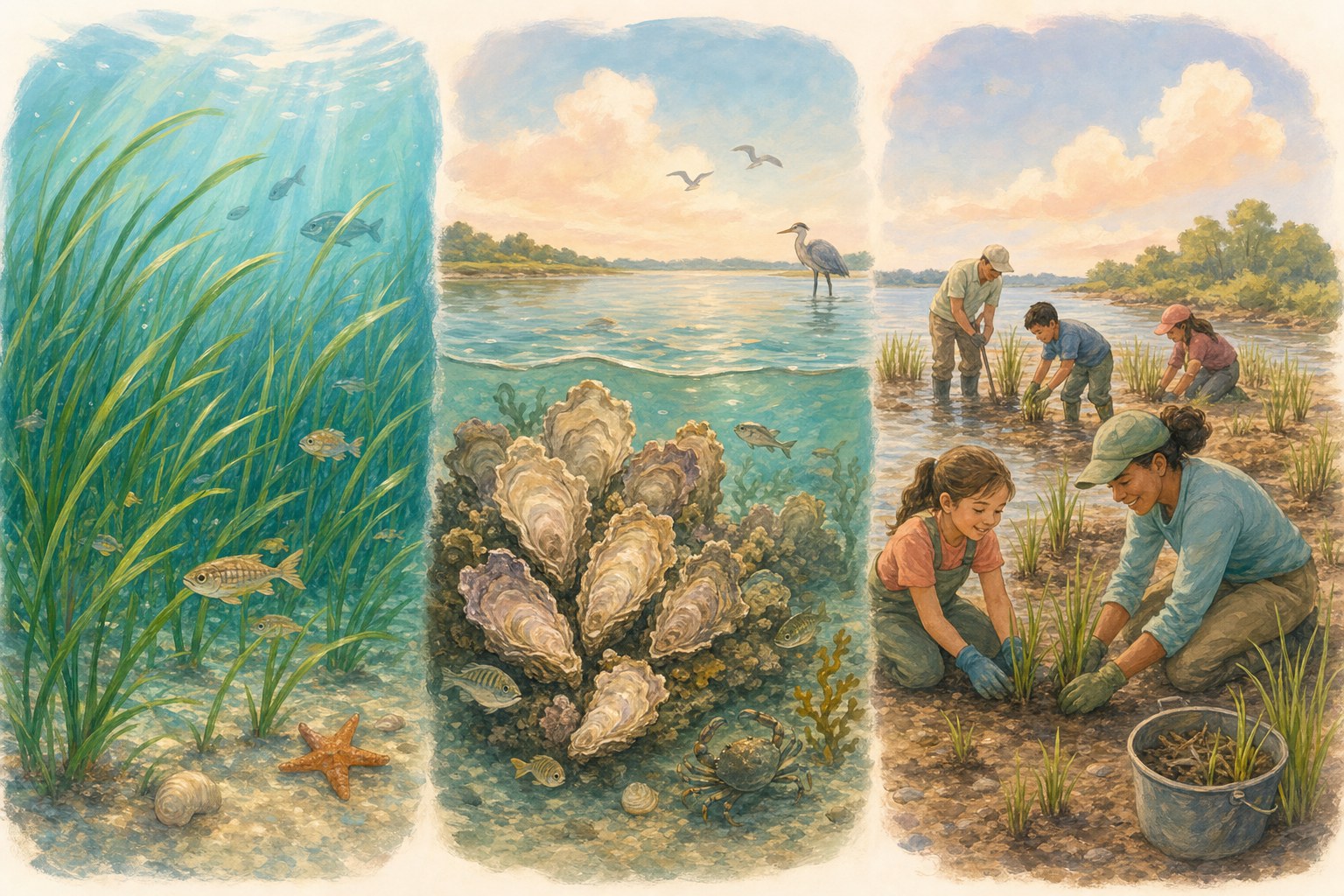
Vignettes of seagrass, oyster reefs, and people planting marsh grasses along a shoreline. Chapter Three

The Tiny Jobs That Healed a Giant Coast

Seagrass, oysters, and marsh grass all got a little help this year.

Read Bibi’s full telling

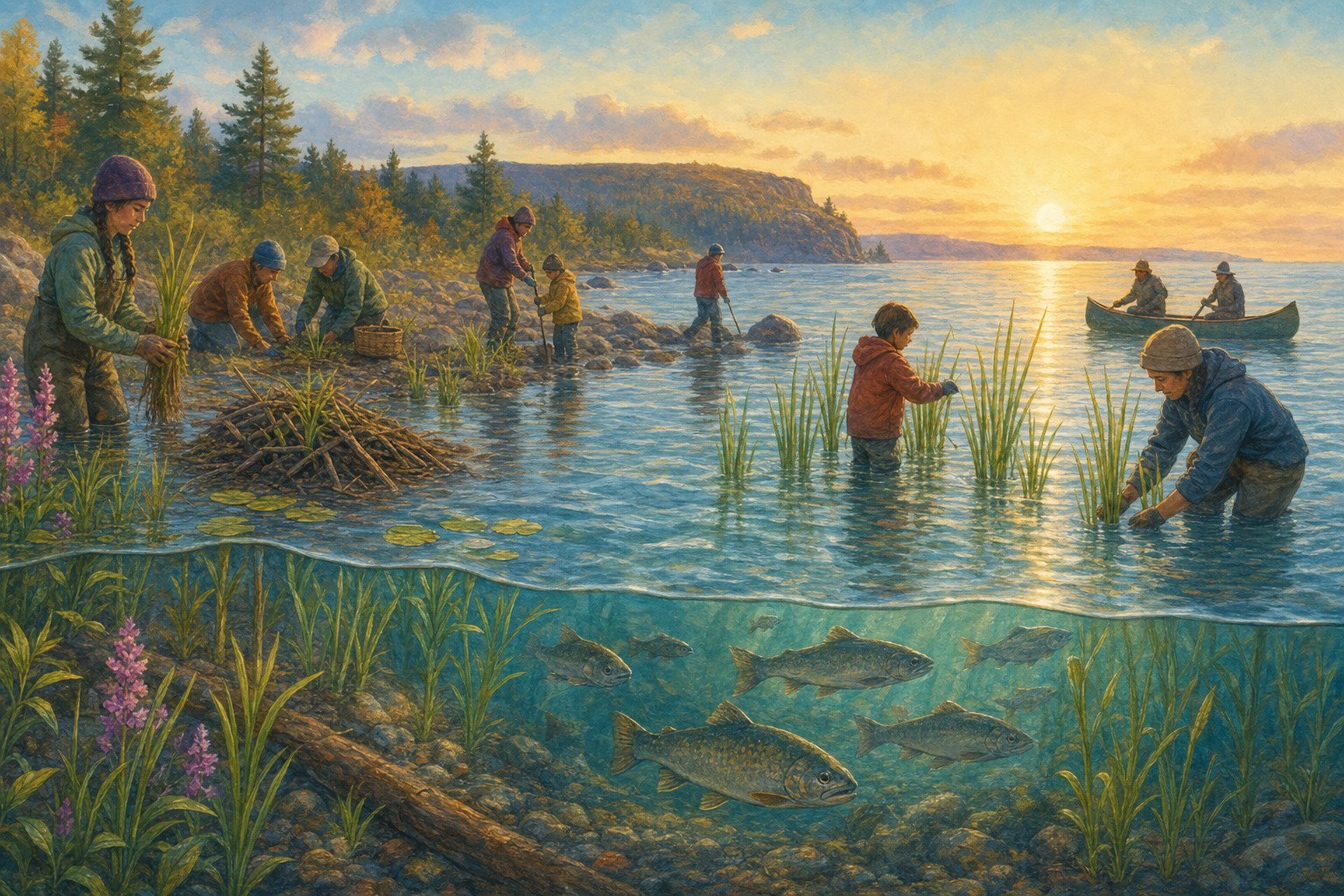
Bibi says: let's go visit the coast today, little one, right where the land meets the sea. Under the water, tall green seagrass sways gently, giving little fish a place to hide. Nearby, tiny oysters cling together, building reefs that clean the water as they grow. And along the muddy shore, people knelt down this year, planting small green shoots of marsh grass, one handful at a time. None of these jobs are big or flashy on their own, just quiet work, done again and again, all along the coast. But when you add up all those seagrass meadows, oyster reefs, and marsh plantings, something wonderful happens: fish have more places to live, storms have softer edges to crash against, and the whole coastline grows a little healthier every year. Little one, sometimes healing a big place does not take one giant fix, it takes many small, patient hands, all doing their little part.

The End · Told by Bibi
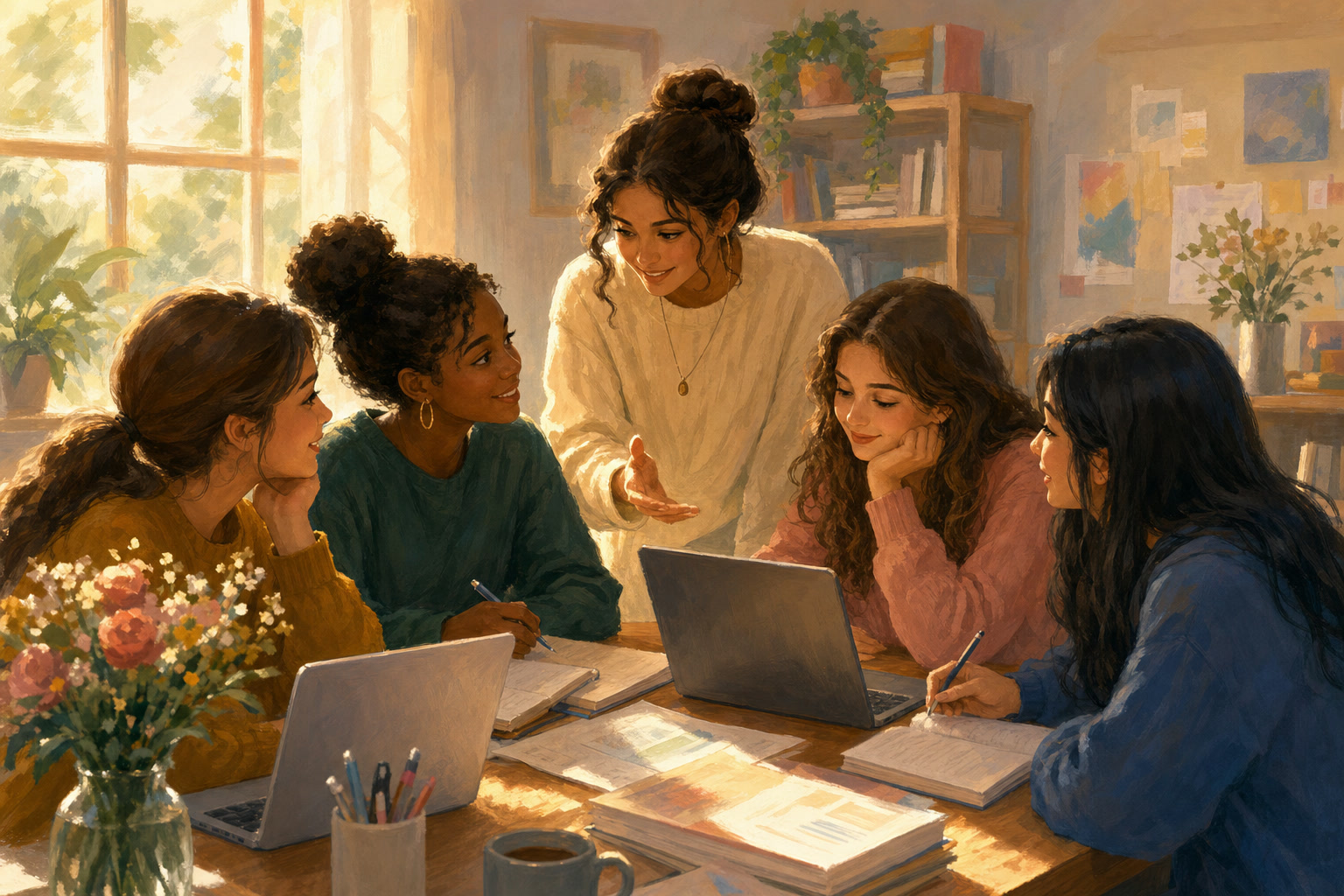
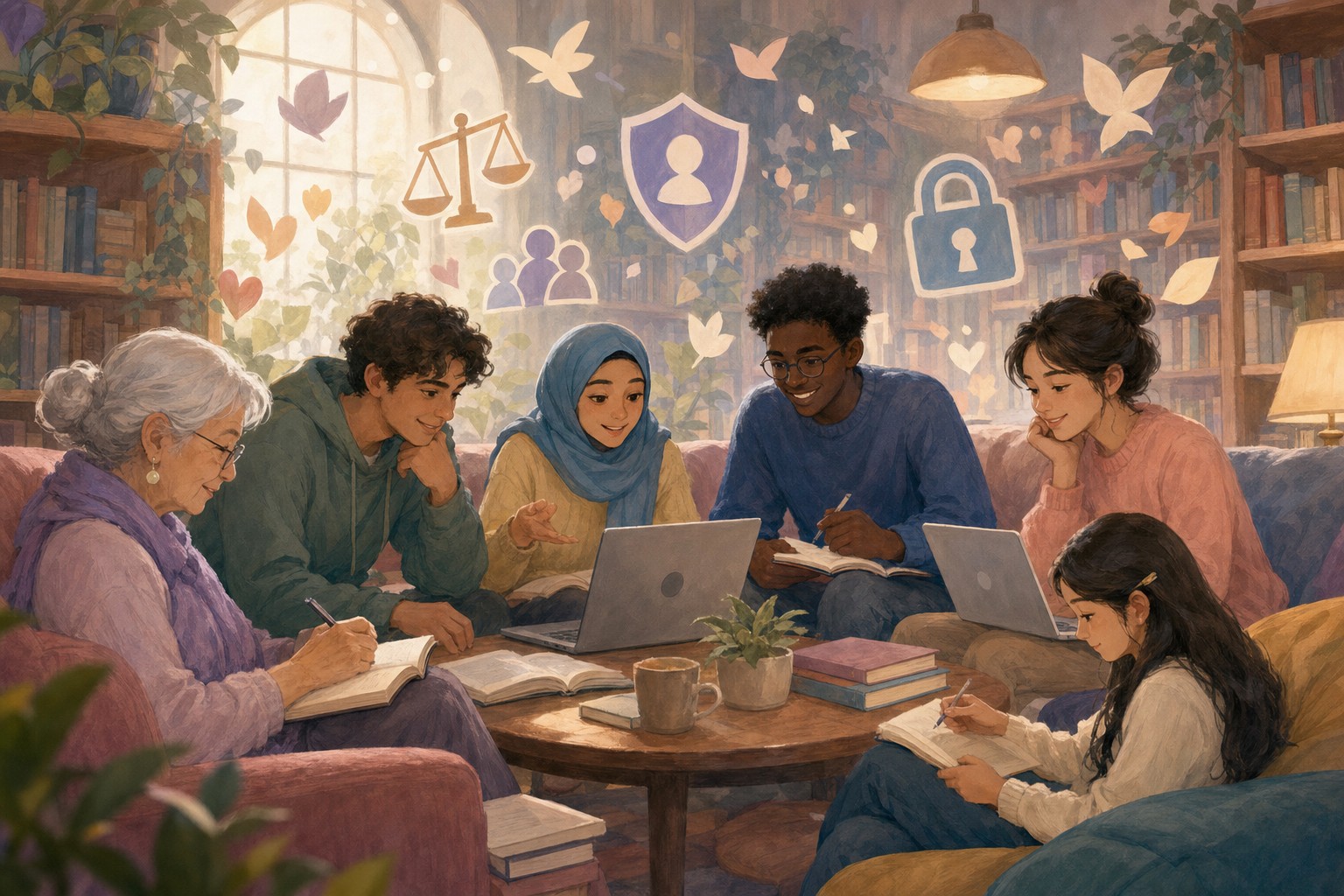
People of different ages sitting together in a cozy library, studying with laptops and notebooks as soft glowing shapes representing fairness and privacy float gently above them. Chapter Four

The Free Class That Teaches Robots Manners

A new online class wants to help people everywhere learn how to use smart computer tools kindly and fairly.

Read Bibi’s full telling

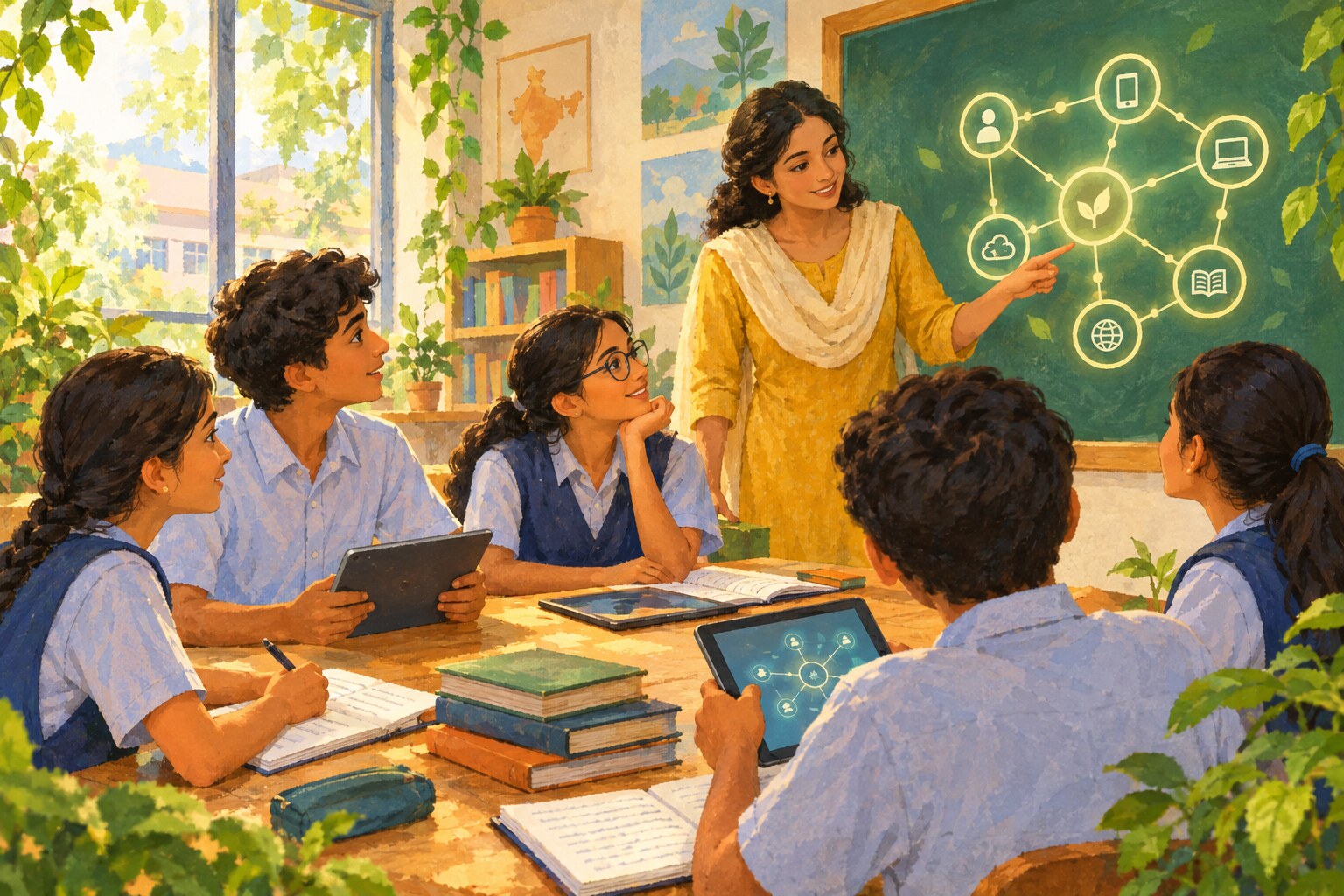
Little one, have you ever made a rule for a game so that everyone gets a fair turn? That is a little bit like what happened this week. All around the world, people are using clever computer programs called AI to help with school, hospitals, and all kinds of jobs. But clever is not the same as kind, so grown-ups from many countries had already agreed on some shared rules for using AI fairly, rules about being honest, protecting people's privacy, and not leaving anyone out. Now UNESCO and a research group called LG AI Research have built a free class that teaches those rules to anyone who wants to learn, anywhere in the world. It is not locked behind a fee or a fancy building. Anyone with an internet connection can study it, in English or in one of eleven other languages, whether they are a student, a teacher, or someone building the next computer program. Bibi thinks that is a lovely idea, little one. When we teach people how to be fair before they build something new, we give kindness a head start. A free class that anyone can take is like leaving the door open and saying, come in, learn with us, and let's build things gently, together.

The End · Told by Bibi

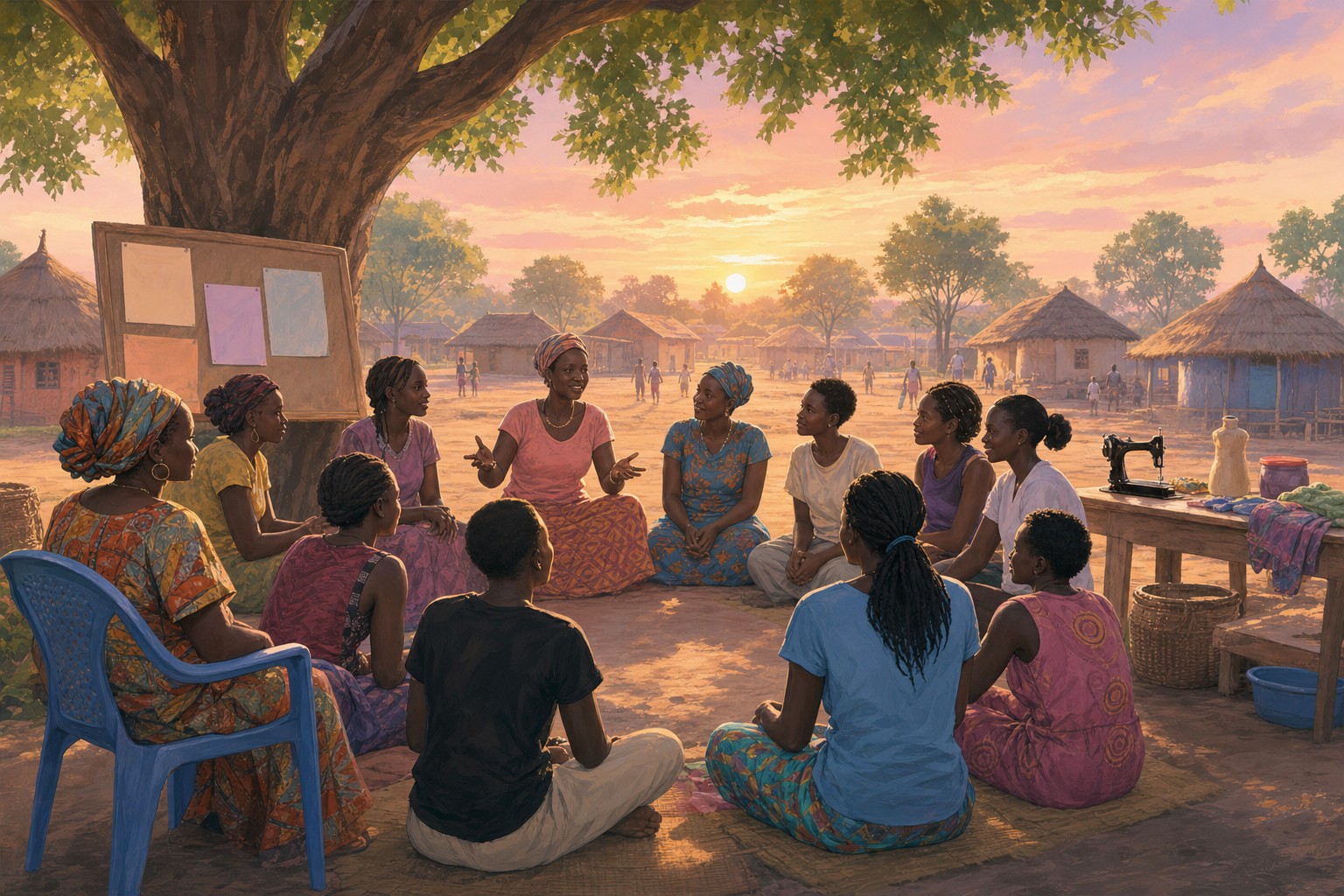
A warm community circle gathered under a wide tree at sunset in a South Sudan town, women and young people sitting together and talking, a small table with tools for learning nearby. Chapter Five

The Circle Under the Big Tree

In South Sudan, women and young people are gathering together to build peace, one skill and one story at a time.

Read Bibi’s full telling

Little one, imagine a big tree with wide branches, and underneath it, a circle of people sitting together as the sun goes down. That is happening right now in parts of South Sudan, where life has been hard for a long time and many young people have felt like there was nothing to do but trouble. So the government, working with helpers from the United Nations, decided to build something new: two programs meant to give people better choices. One program, called Derin Salaam, is going to spend the next three years helping six thousand young women and men learn new skills, earn a living, and feel supported, so that violence is not the only path in front of them. The other program is just for women, helping over two thousand women and girls become strong leaders in their communities, the kind of leaders who help neighbors solve problems before they turn into fights. Bibi does not pretend this fixes everything, little one, because South Sudan still faces real struggles. But when you give people training, work, and a voice in their community, you give peace a fighting chance. A circle under a tree, with everyone welcome to sit and speak, can be the beginning of something lasting.

The End · Told by Bibi
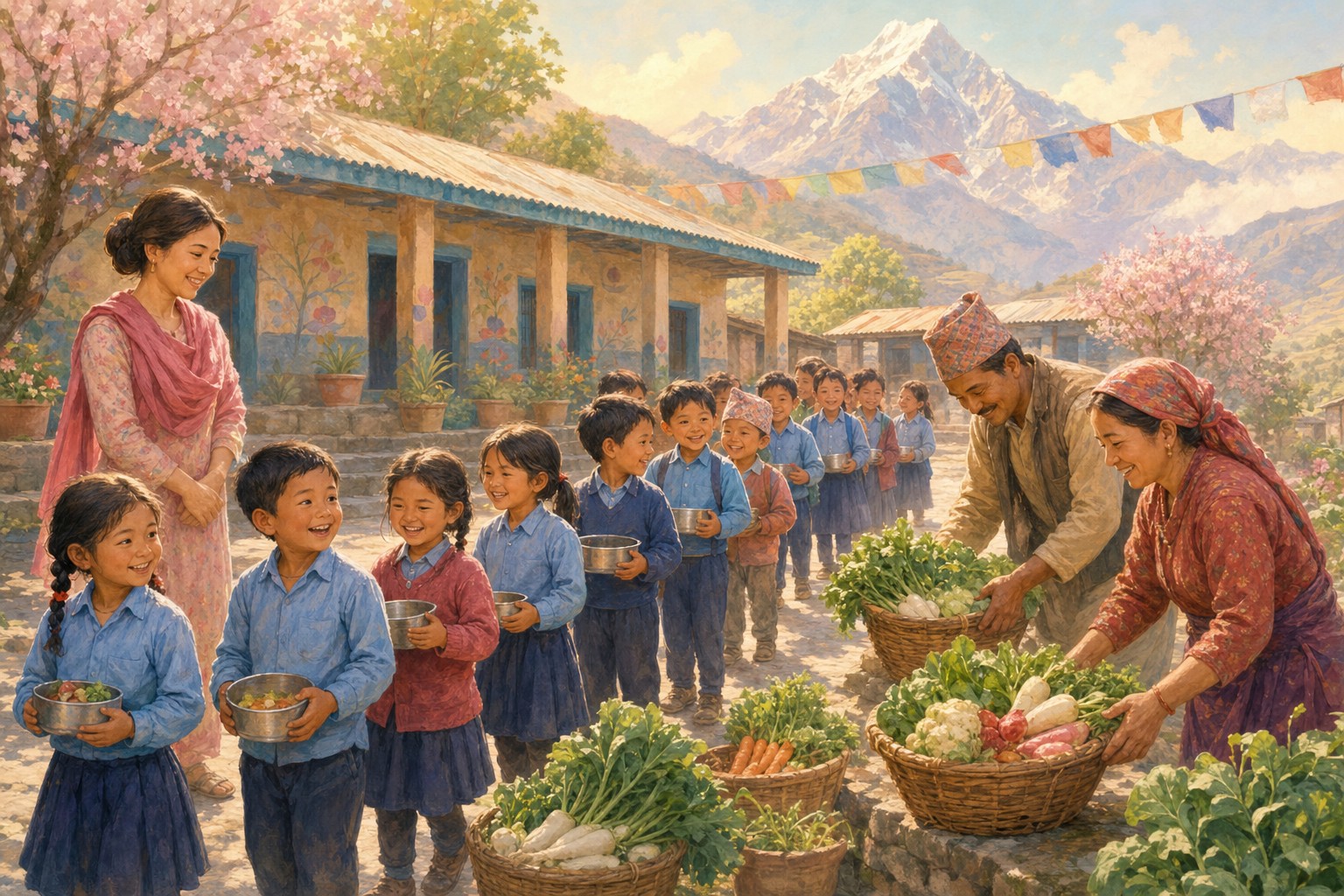
Children lining up happily in a bright Nepali school courtyard holding simple lunch bowls, a smiling teacher nearby. Chapter Six

The Lunch Bowl That Reached Higher

In Nepal, a warm school lunch is about to reach millions more children, all the way through grade eight.

Read Bibi’s full telling

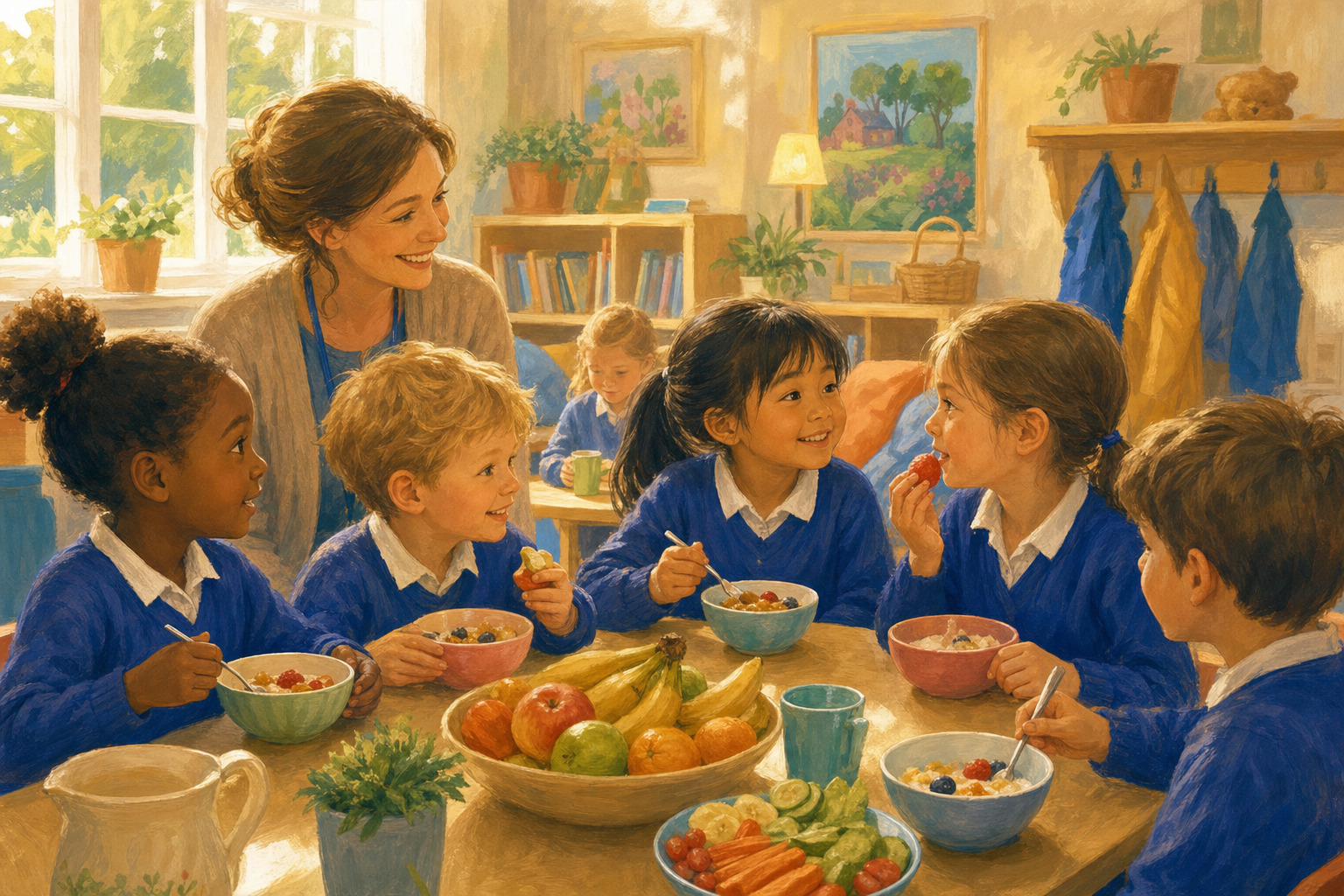
Little one, think about how hard it is to pay attention in class when your tummy is rumbling. In Nepal, grown-ups have understood that for a long time, so nearly three million children already get a warm lunch at school, in every single part of the country. And here is the good news: the government now pays for all of it, every meal, all on its own. But that is not where the story stops. With help from the United Nations, Nepal is getting ready to stretch this lunch program even further, all the way through grade eight, so that as many as four and a half million children could be fed at school in the years ahead. The food does not just appear from far away either. Much of it comes from local farmers and small cooperatives, so the meal on a child's plate also helps a family down the road earn a living. Bibi thinks that is a wonderful kind of circle, little one. A full lunch bowl helps a child learn better and grow stronger, and buying that food from nearby farms helps the whole village do a little better too. Sometimes the simplest things, like a warm bowl of food, can quietly change a great many lives.

The End · Told by Bibi
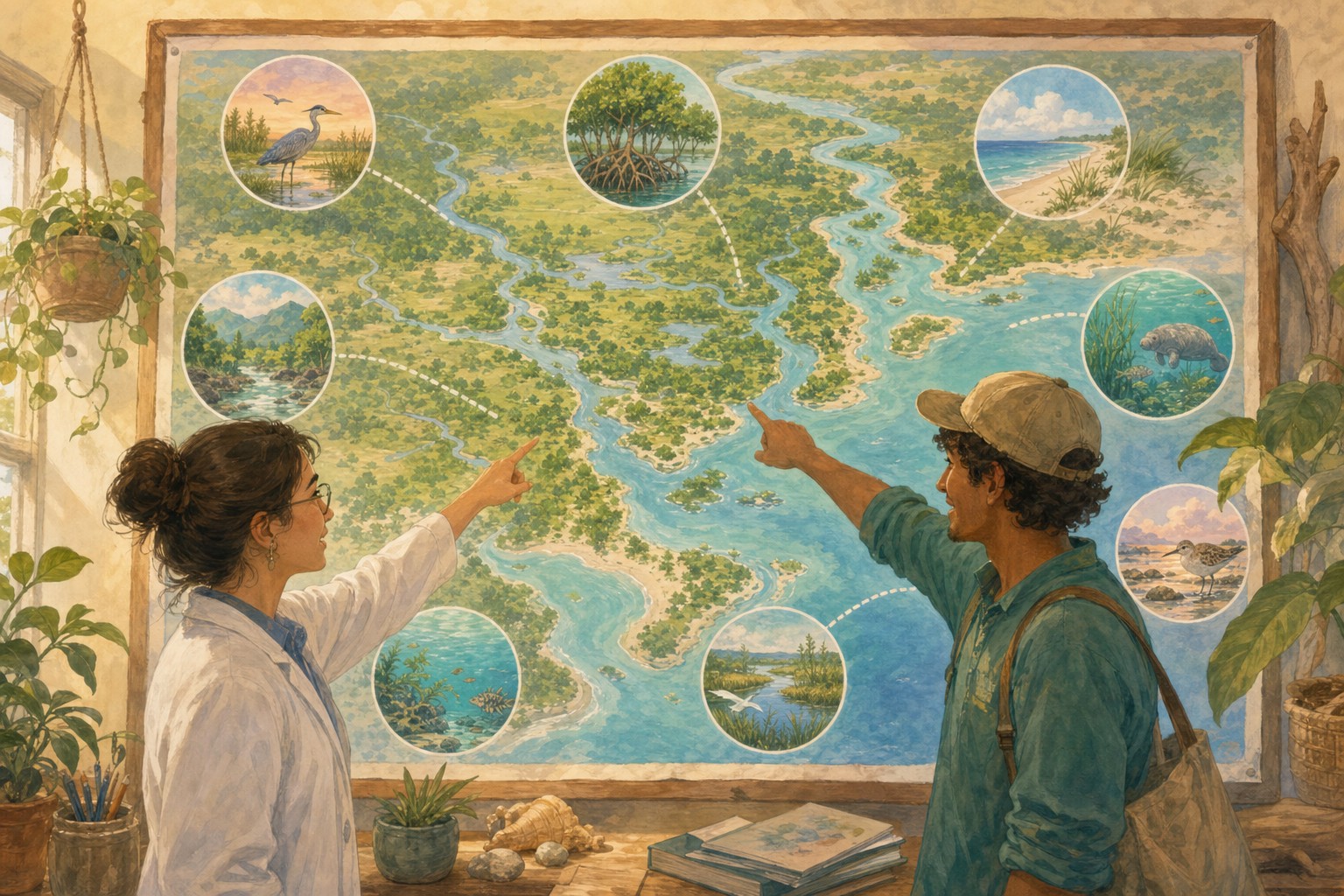
A scientist and a community volunteer studying a large wall map dotted with small illustrated scenes of coastlines, wetlands, and rivers. Chapter Seven

The Map That Remembers How Things Got Better

A new map helps everyone see thirty years of quiet work to heal rivers, marshes, and coastlines after harm was done.

Read Bibi’s full telling

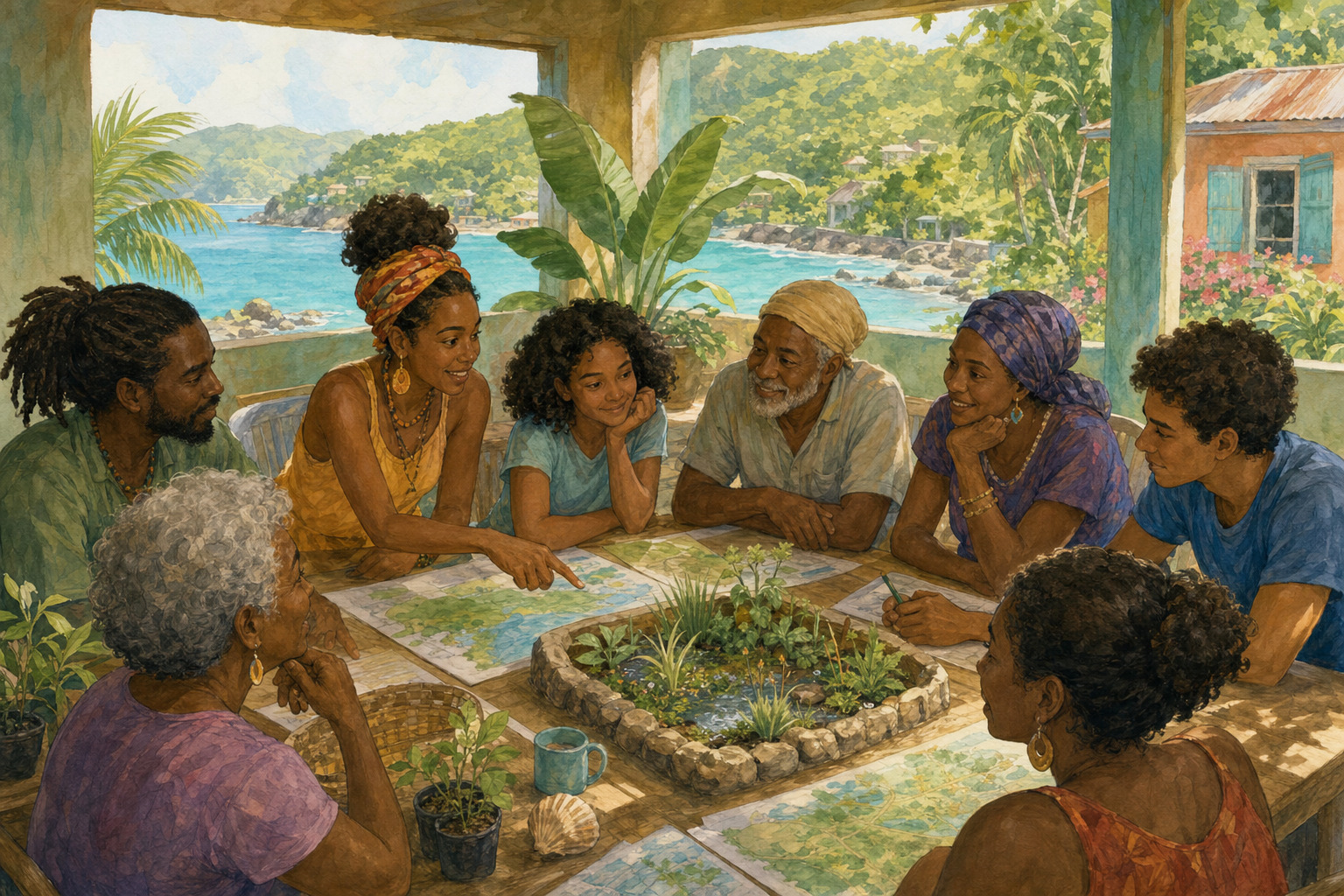
Little one, do you know that when something hurts a river or a coastline, like an oil spill, people do not just walk away and forget about it? They come back, sometimes for years, to gently heal the land and water again. This week, a group called NOAA shared an updated map that shows all of that quiet work, going back thirty whole years. On this map, you can find more than one hundred and forty eight different places across the country where something once went wrong, oil spills, old polluted sites, boats that ran aground, and see what happened afterward. The map shows exactly where the healing took place, marsh by marsh, coastline by coastline, so that anyone curious enough to look can see the whole story, not just the sad beginning. Bibi loves this, little one, because a map like this is a promise kept out loud. It says, we did not forget, we came back, and we fixed what we could. Healing does not always make the news, but when someone draws it on a map for everyone to see, it becomes something we can all remember and be proud of together.

The End · Told by Bibi
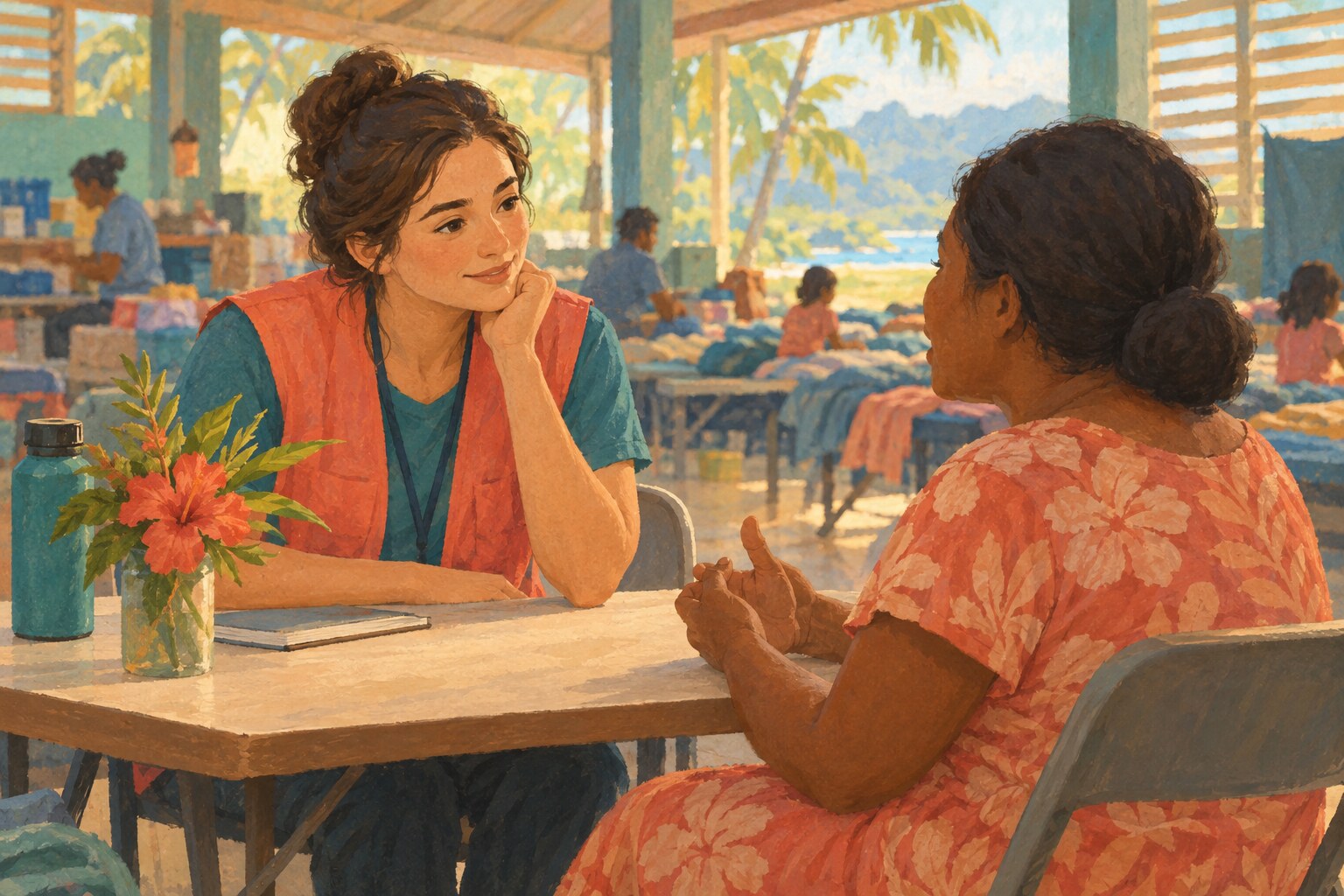
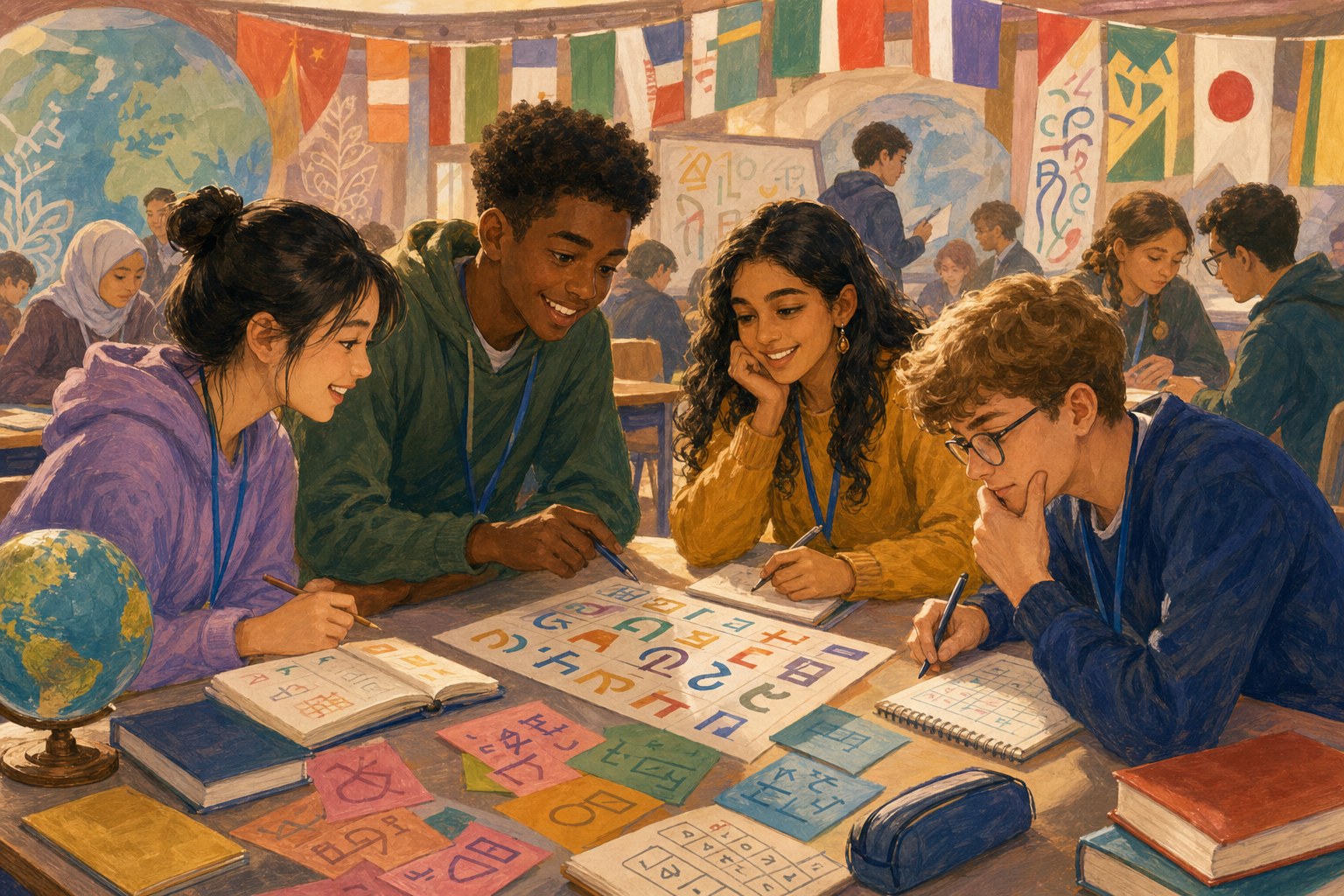
Children and young adults learning together at a welcoming community education center. Chapter Eight

The Boat That Brought School to Kids

Across Bangladesh, thousands of children and young people who missed school are being given a fresh chance to learn.

Read Bibi’s full telling

Little one, not every child gets to go to school when they are small, and not every young person gets the chance to learn a skill that helps them earn a living. In Bangladesh, there are many children and young adults who never got that chance, little one. So the government and an organization called UNICEF decided to do something about it together. They signed an agreement to open nearly a thousand learning centers all across the country. Younger children, between the ages of ten and fourteen, will get to learn to read, write, and count. Older ones, between fifteen and twenty four, will learn practical skills, the kind that can lead to a real job, like sewing, carpentry, or fixing machines. In total, thirty eight thousand four hundred children and young people will get this new chance. Bibi loves this story, little one, because it gives people not just one kind of help, but two. It teaches the youngest ones their letters and numbers, and it gives the older ones a path toward good work. A smaller version of this idea already helped many young people find steady jobs, so now, little one, the grown-ups are making it bigger, reaching even more children across the whole country.

The End · Told by Bibi

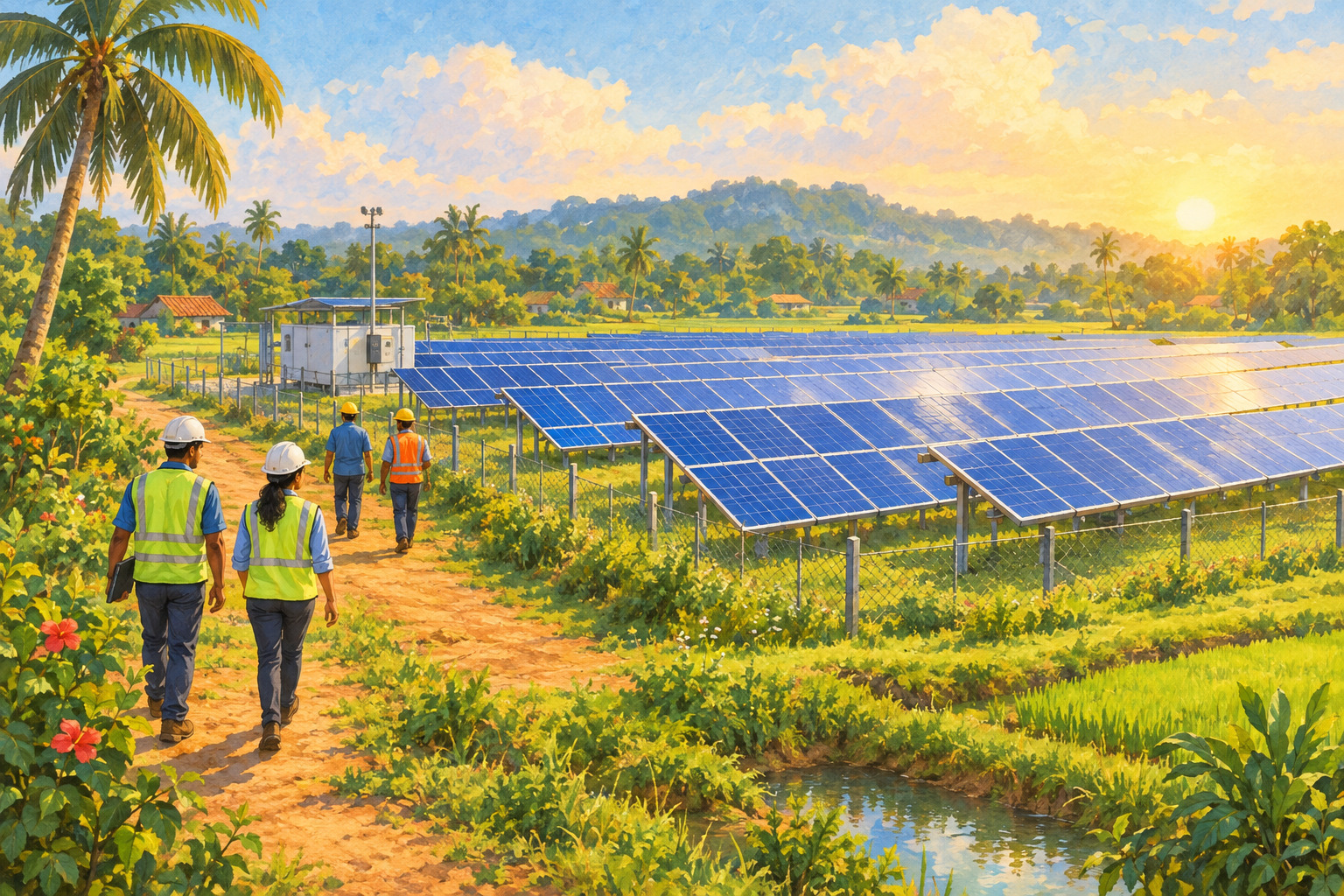
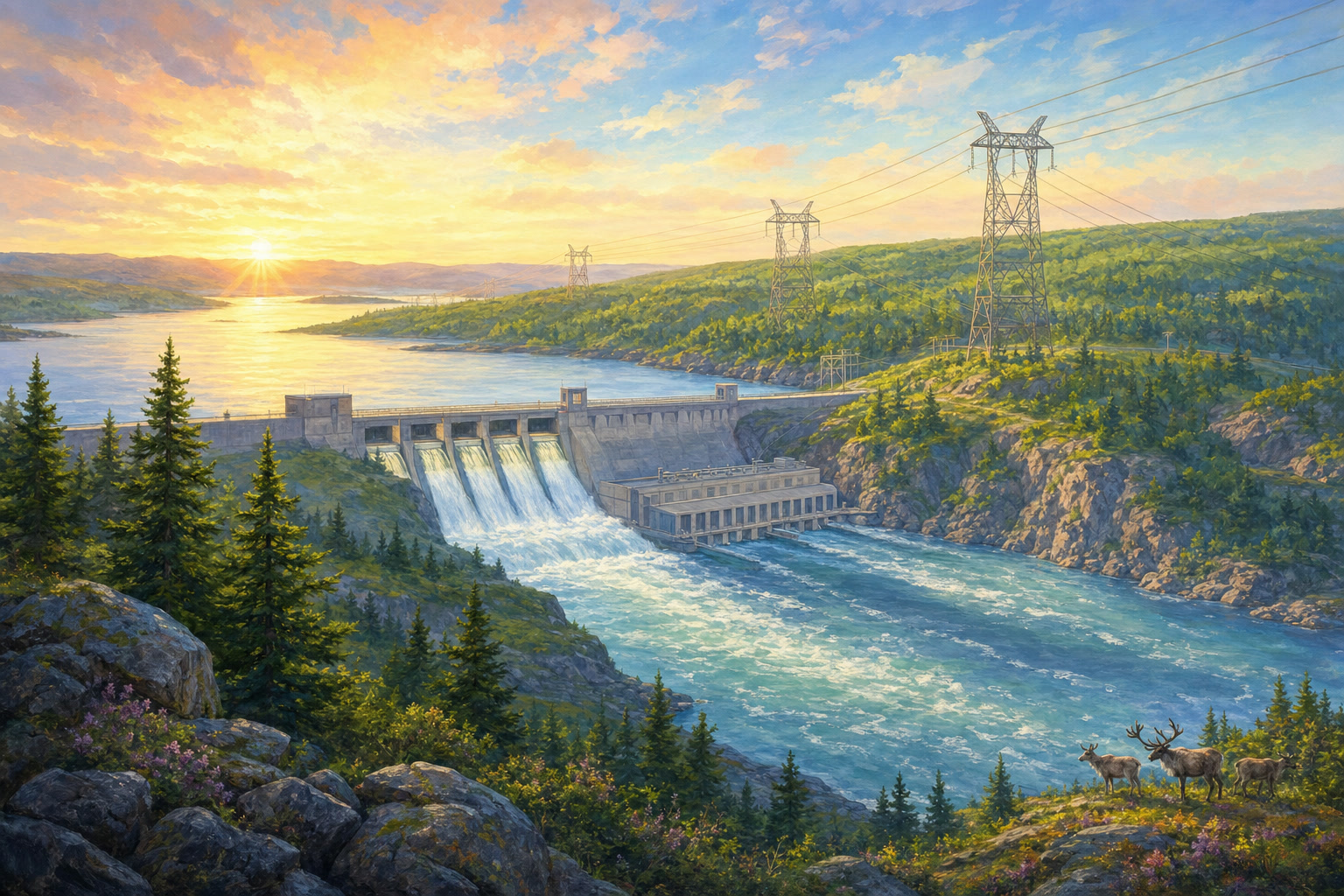
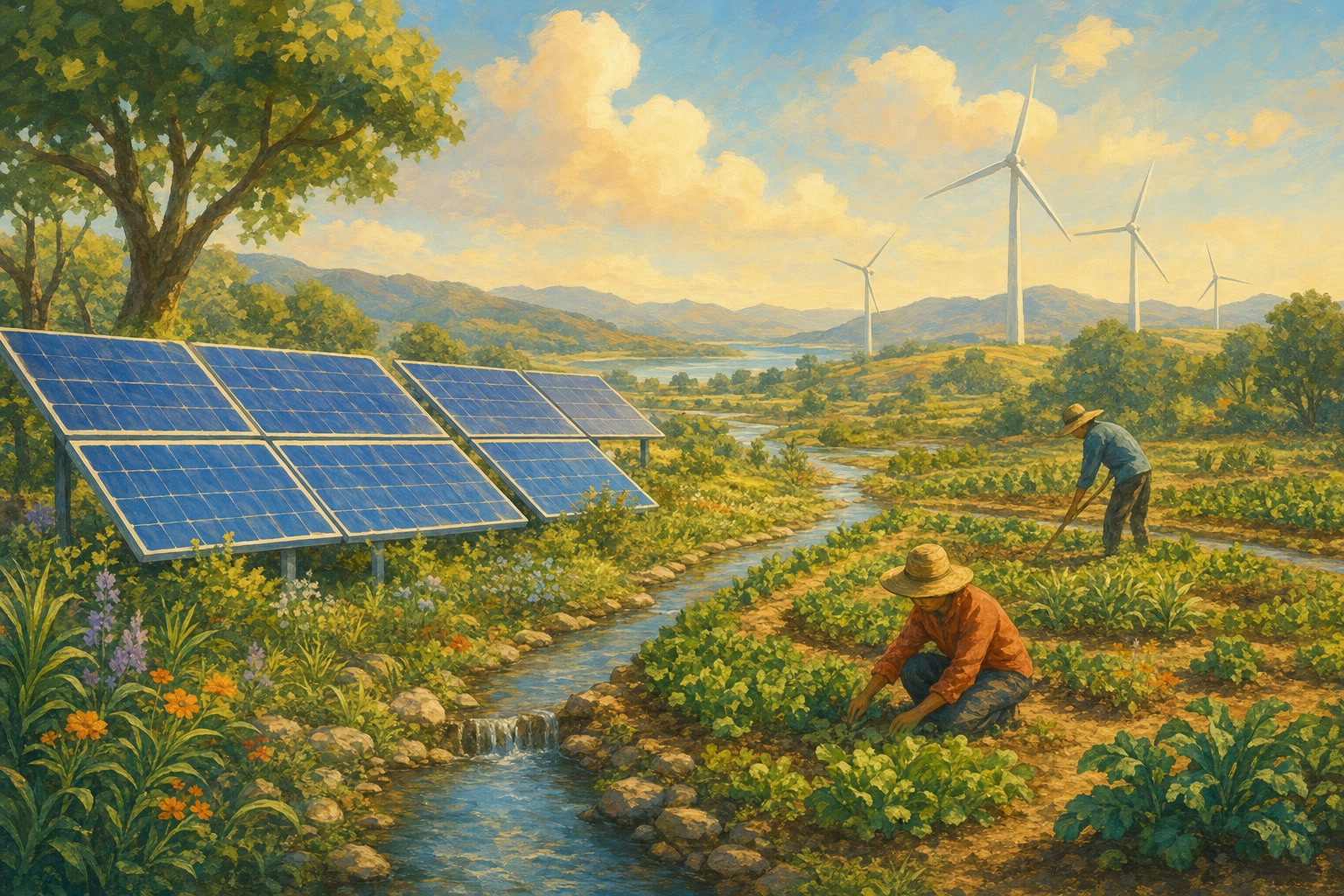
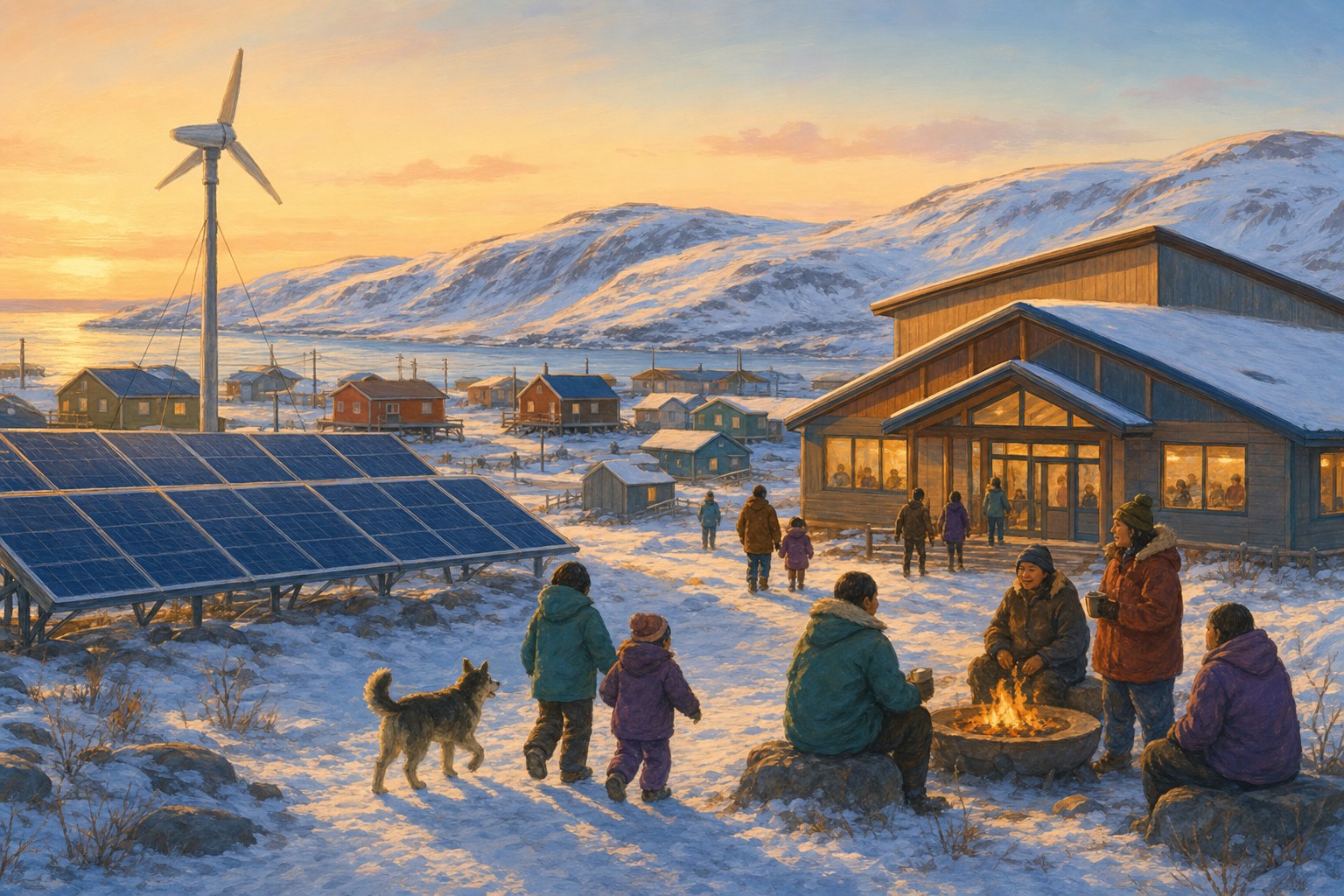
A northern community using solar and wind energy alongside local buildings and snowy hills. Chapter Nine

The Northern Towns That Switched on the Sun

In the far north of Canada, small towns are getting help to build their own clean, homegrown power.

Read Bibi’s full telling

Little one, imagine living somewhere so far north and so far from a big city that most of your electricity comes from diesel fuel, carried in on long trucks or boats. That is how many towns in Yukon, the Northwest Territories, and Nunavut have kept their lights on for a long time, little one. But diesel is not kind to the air, and it is not always easy or cheap to bring in. So the government of Canada decided to help these northern communities try something new. It is giving almost seven million dollars to eight different projects. Some will study solar panels, some will measure the wind to see if turbines could work, one will look at heating buildings with wood instead of fuel, and another will study a turbine on the Mackenzie River. Each project fits the needs of its own community. Bibi thinks this is a lovely kind of help, little one, because it does not tell every town to do the same thing. It lets each place study what works best for its own hills, its own rivers, and its own people. Little by little, these northern communities are lighting their lives with power that truly belongs to them.

The End · Told by Bibi
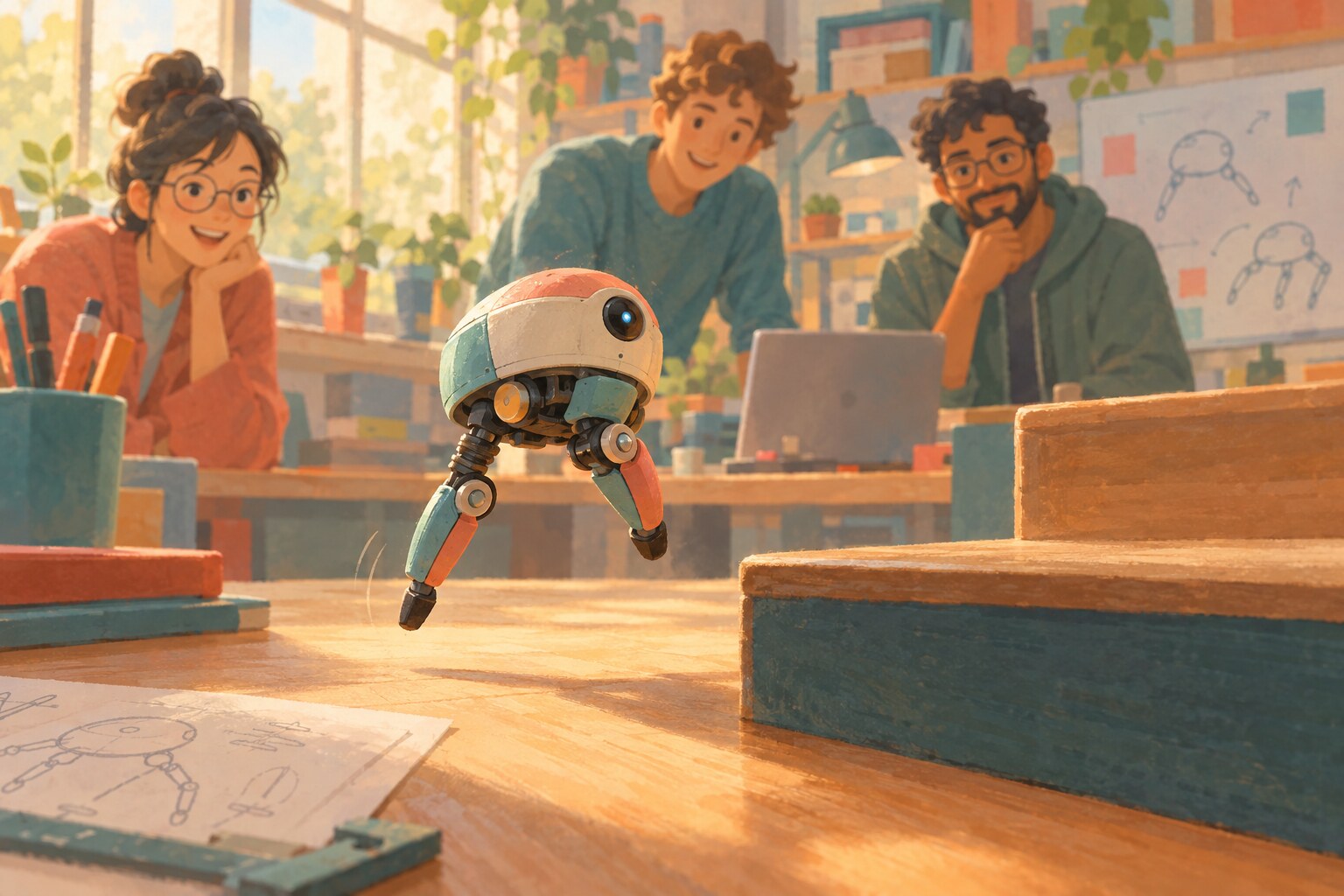
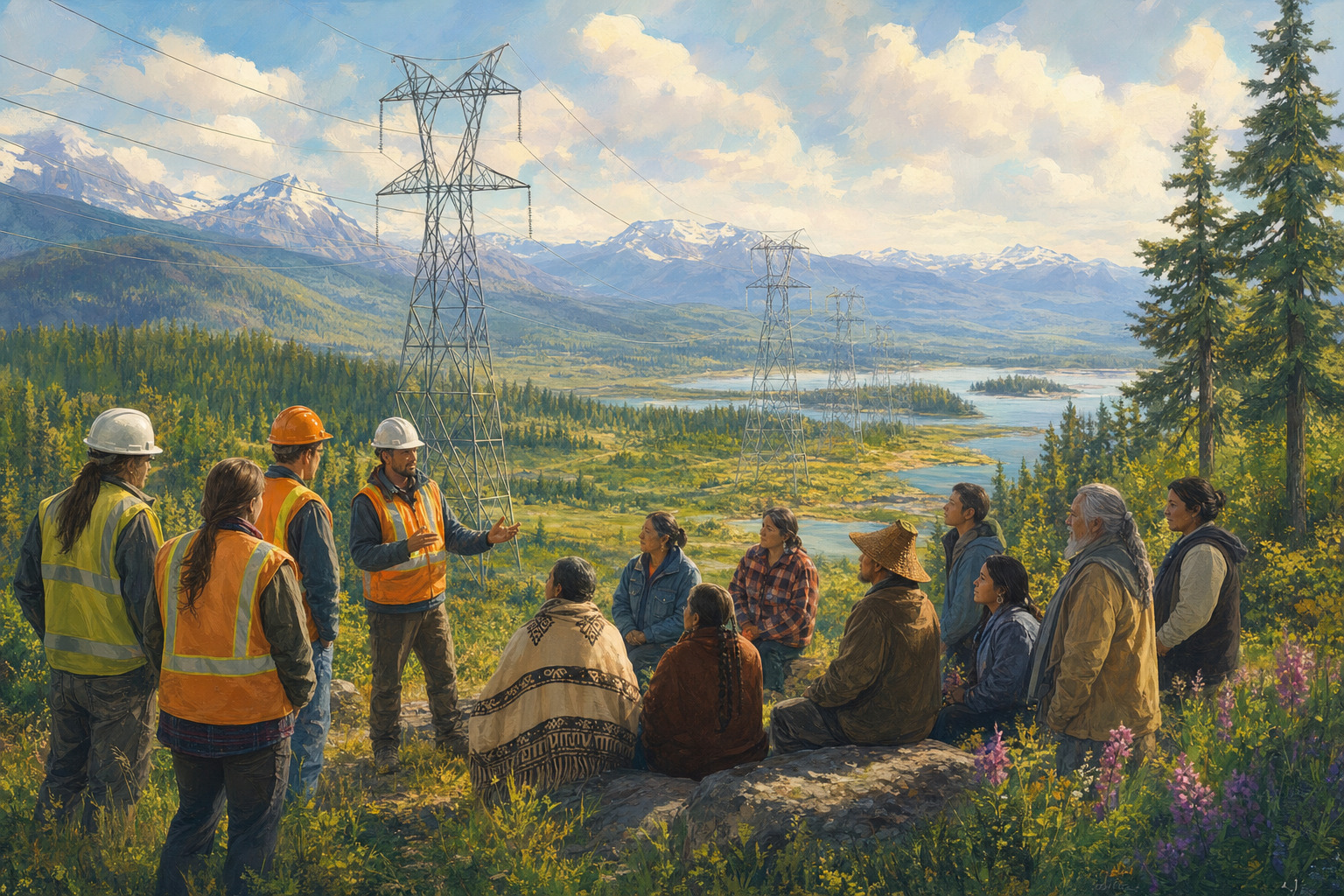
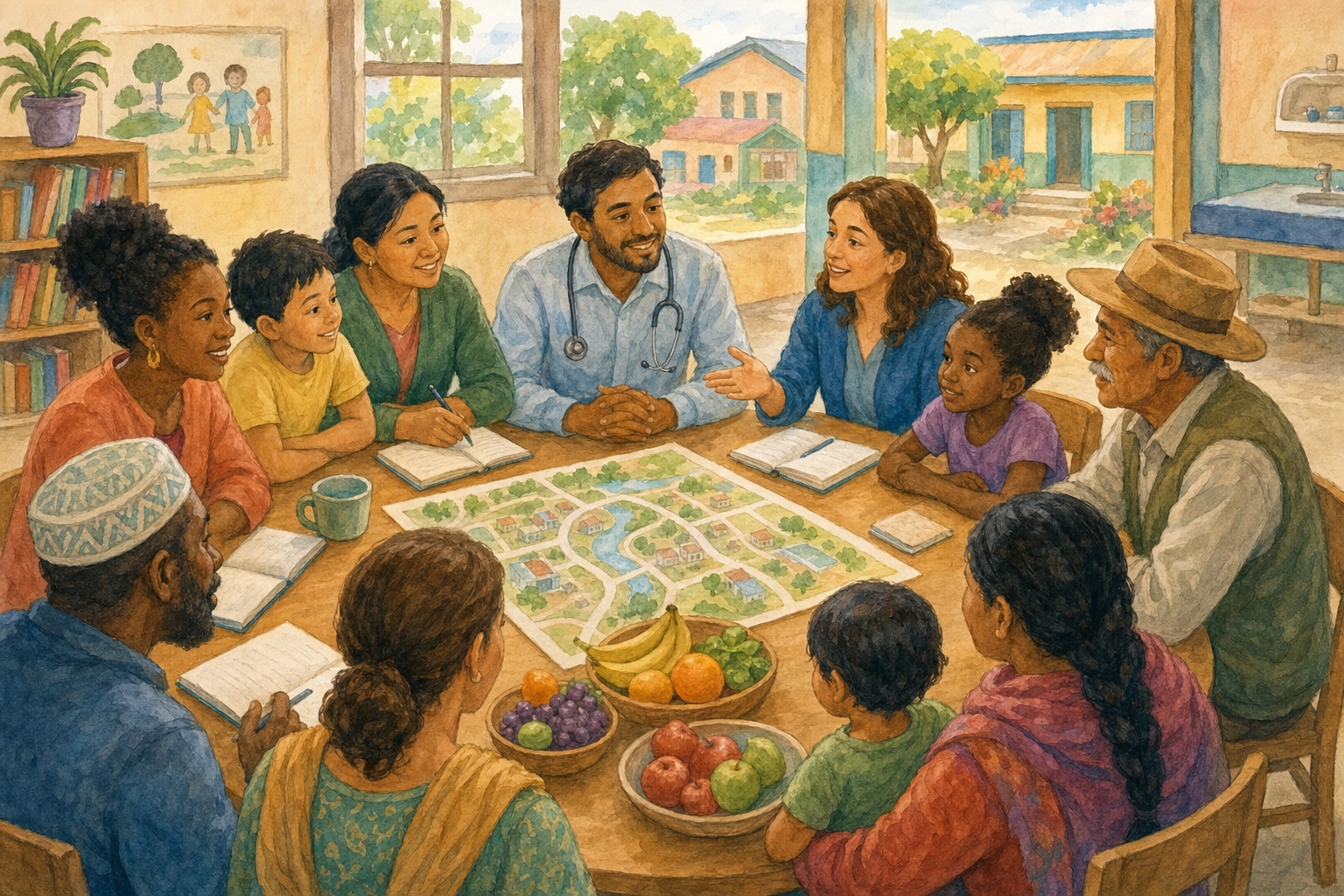
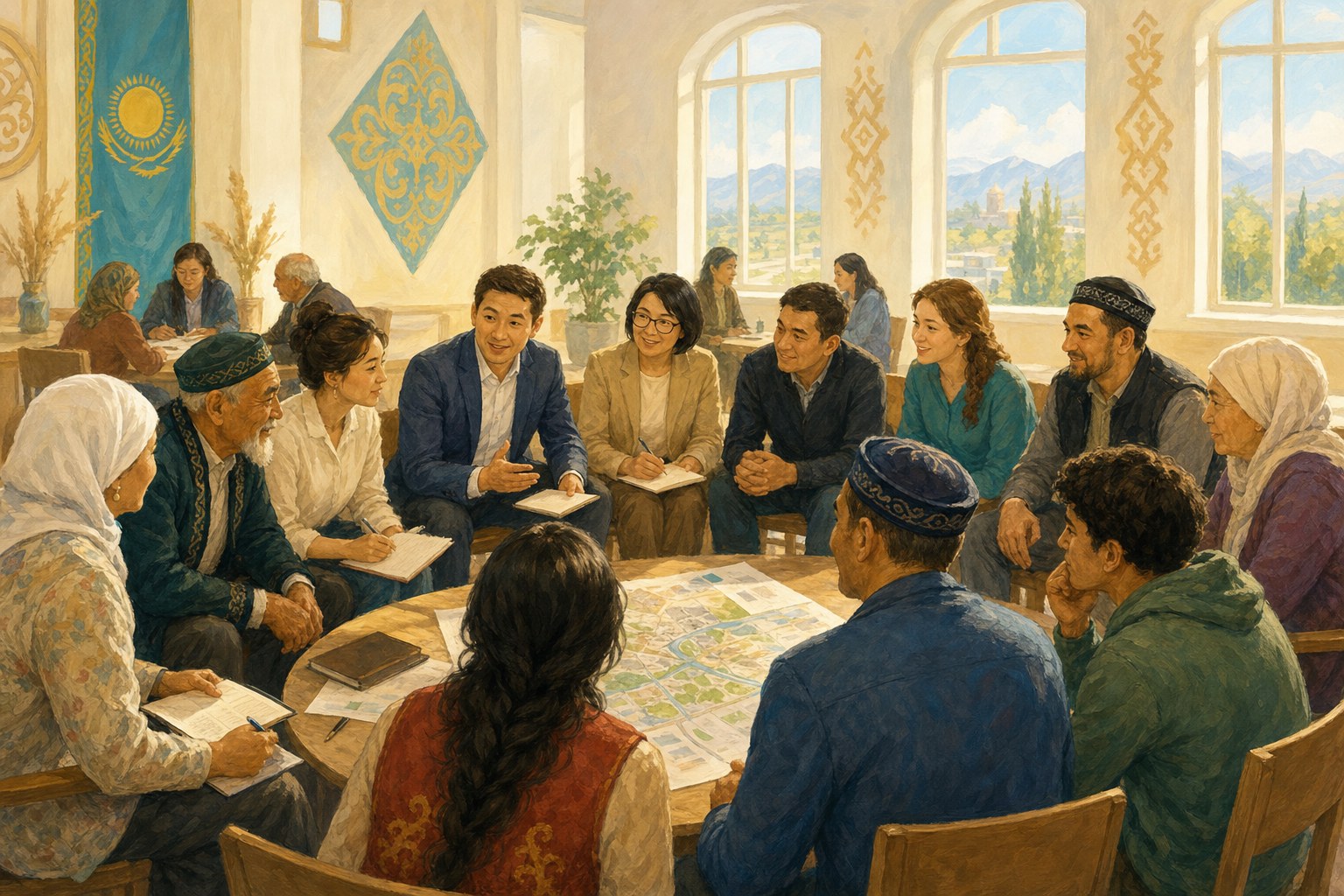
Residents and local officials working together around a table in a community meeting. Chapter Ten

The Neighbors Who Got a Bigger Say

In Kazakhstan, a new project is helping local leaders listen more closely to the people they serve.

Read Bibi’s full telling

Little one, think about the people who take care of things close to home, like the roads you walk on, the schools nearby, and the small offices where grown-ups go to get things done. In Kazakhstan, a big country in Central Asia, those local helpers do not always have everything they need to do their job as well as they would like, little one. And sometimes, people in the community do not get much of a say in decisions that affect their own streets and neighborhoods. So Kazakhstan's government, the European Union, and an organization called the United Nations Development Programme decided to work on this together. They started a new three year project to help local leaders do their jobs better, and to give ordinary people more of a voice in what happens where they live. The European Union is giving four million euros to help make it happen. Bibi likes this story, little one, because it is about something small but mighty, the everyday decisions that shape a neighborhood. When local leaders listen more closely, and when people get to speak up about what they need, then services like schools and roads and offices work better for everyone who depends on them.

The End · Told by Bibi
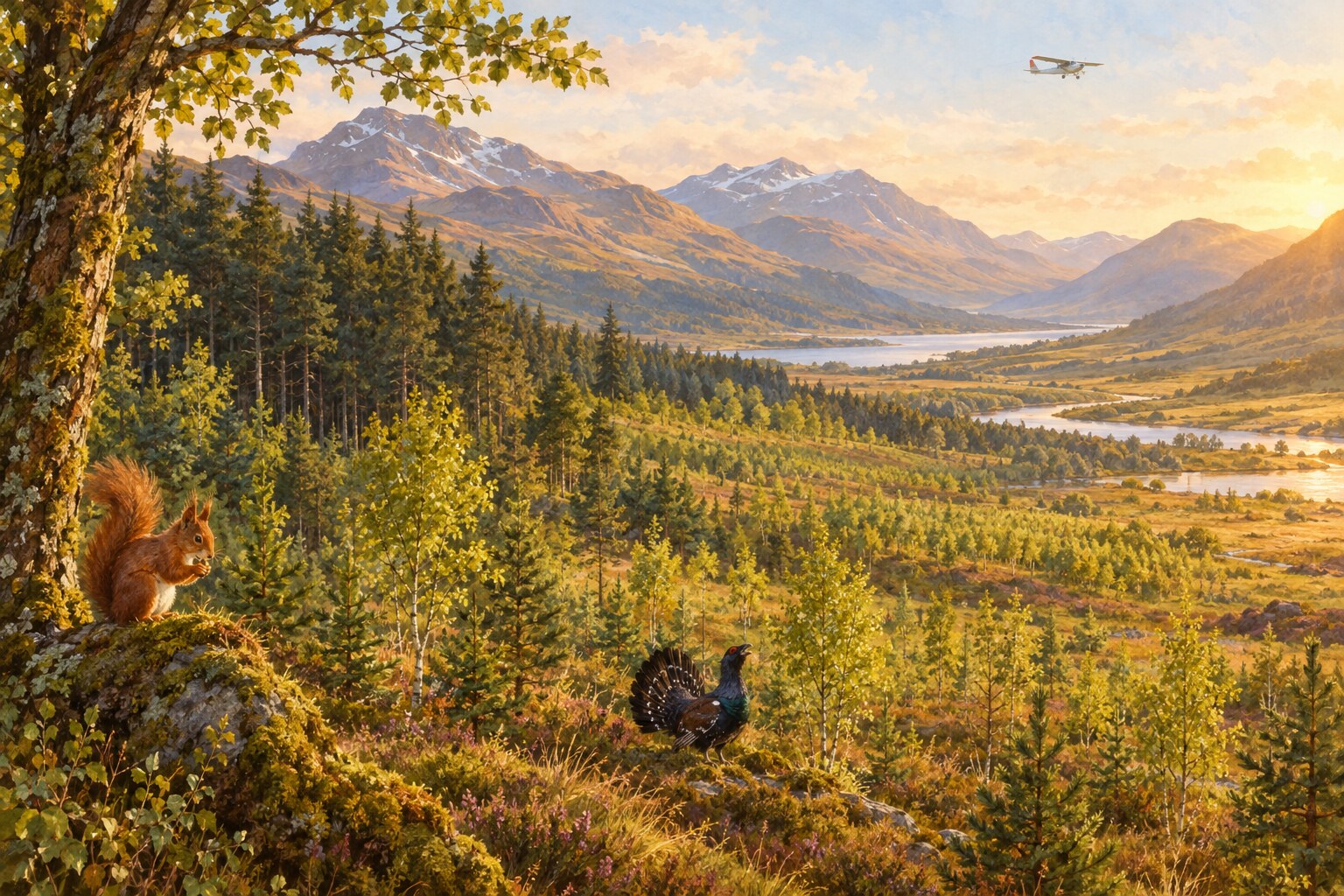
Book Two

Chapters Eleven–Twenty

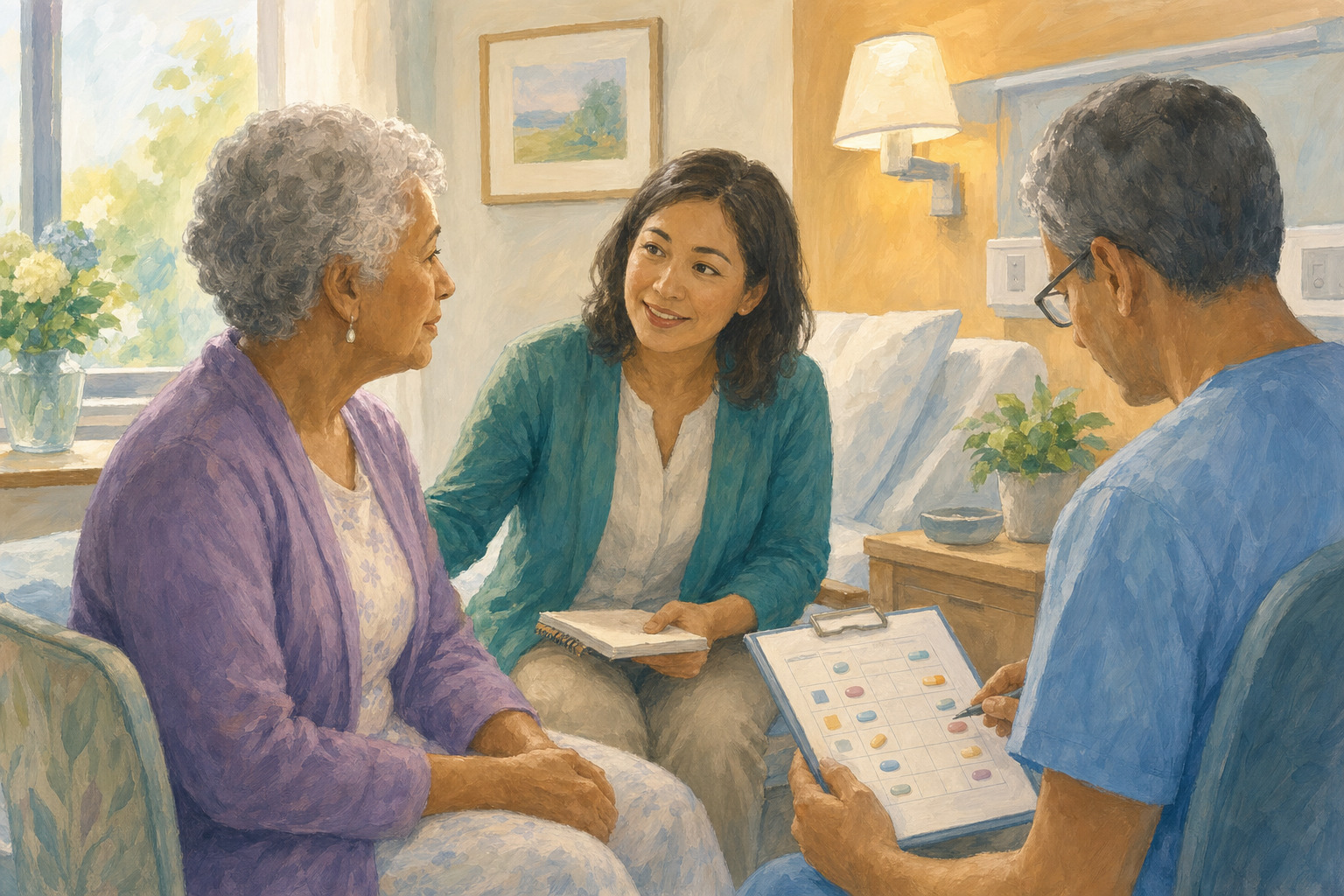
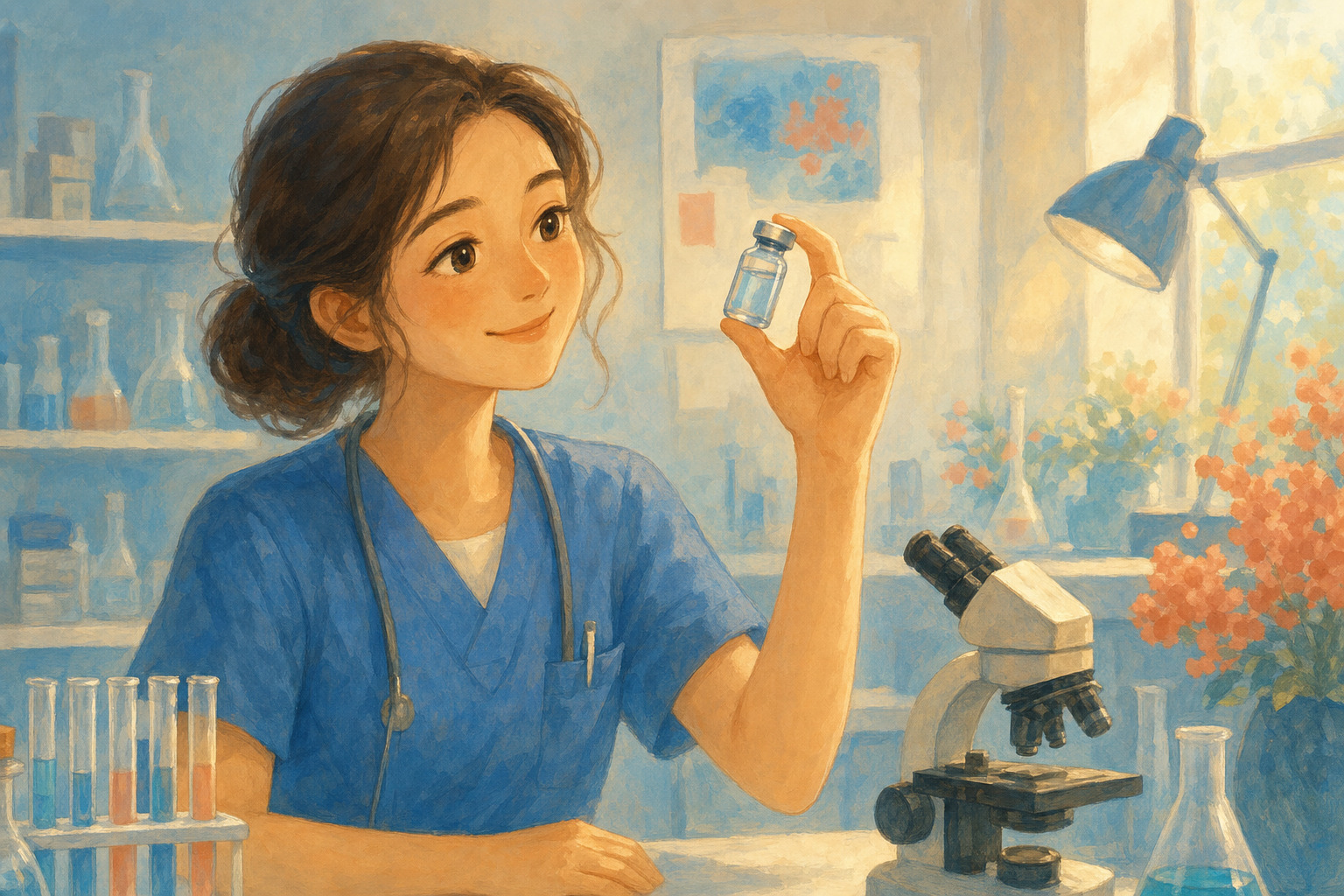
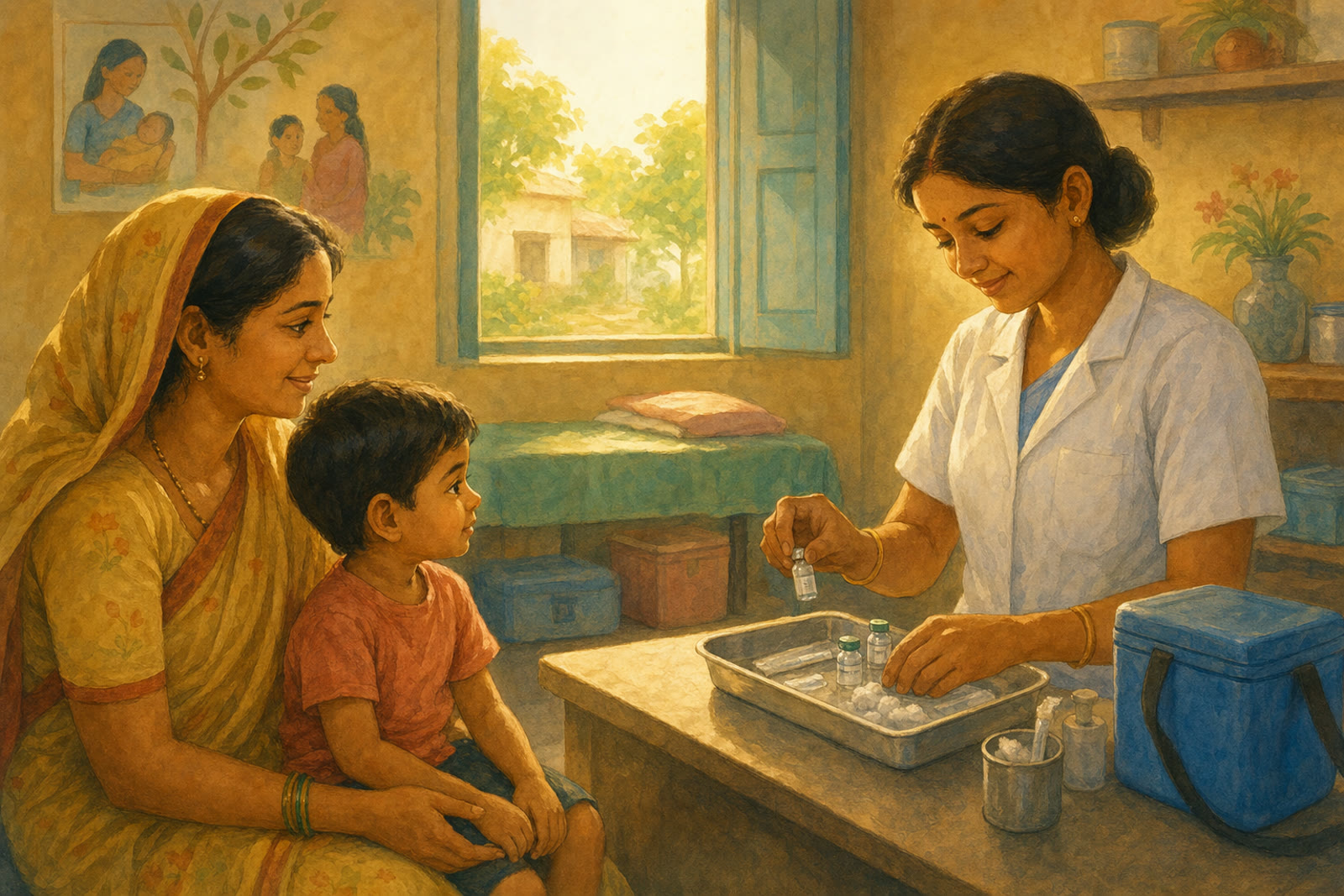
A mother and child sitting with a nurse preparing a vaccine in a sunlit clinic room in India. Chapter One

The Tiny Shot That Stands Guard

A buzzing worry, a careful team, and a tiny shot that stands guard.

Read Bibi’s full telling

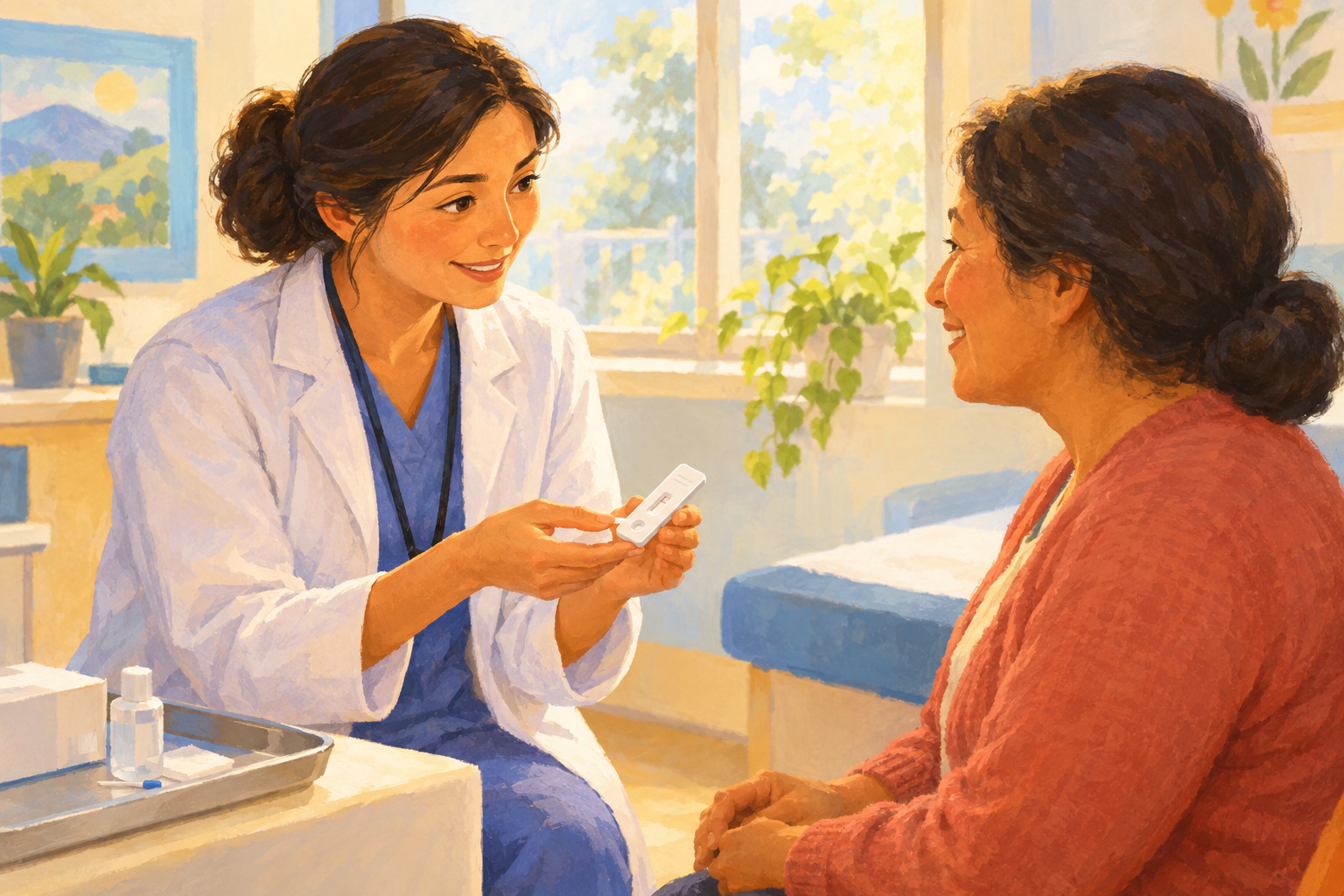
Bibi says: come sit, little one, and let me tell you about a small buzzing troublemaker called the dengue mosquito. In a warm country far away, this little bug made a lot of people sick every year, and the doctors and scientists there wanted to help more than nets and sprays ever could. So they worked for a long, long time, testing and checking and testing again, until they were sure they had made something safe: a tiny vaccine, given in two small visits, that helps the body learn to fight the sickness before it ever starts. Now children and grown-ups alike can get this gentle shot, right alongside the nets and the sprays they already use. And little one, that mosquito doesn't stand a chance anymore, because now there's a whole team looking out for everyone, even the smallest ones.

The End · Told by Bibi
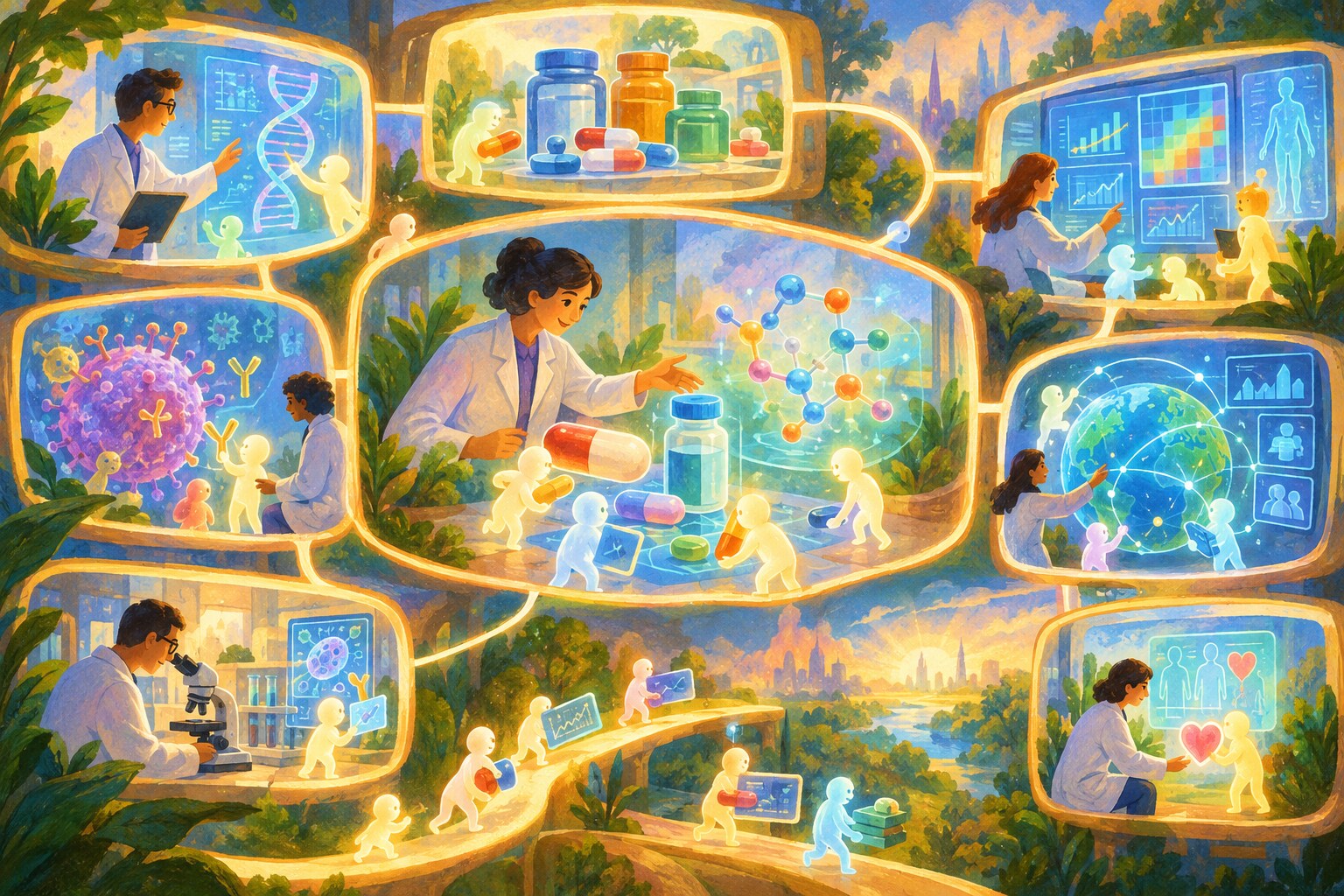
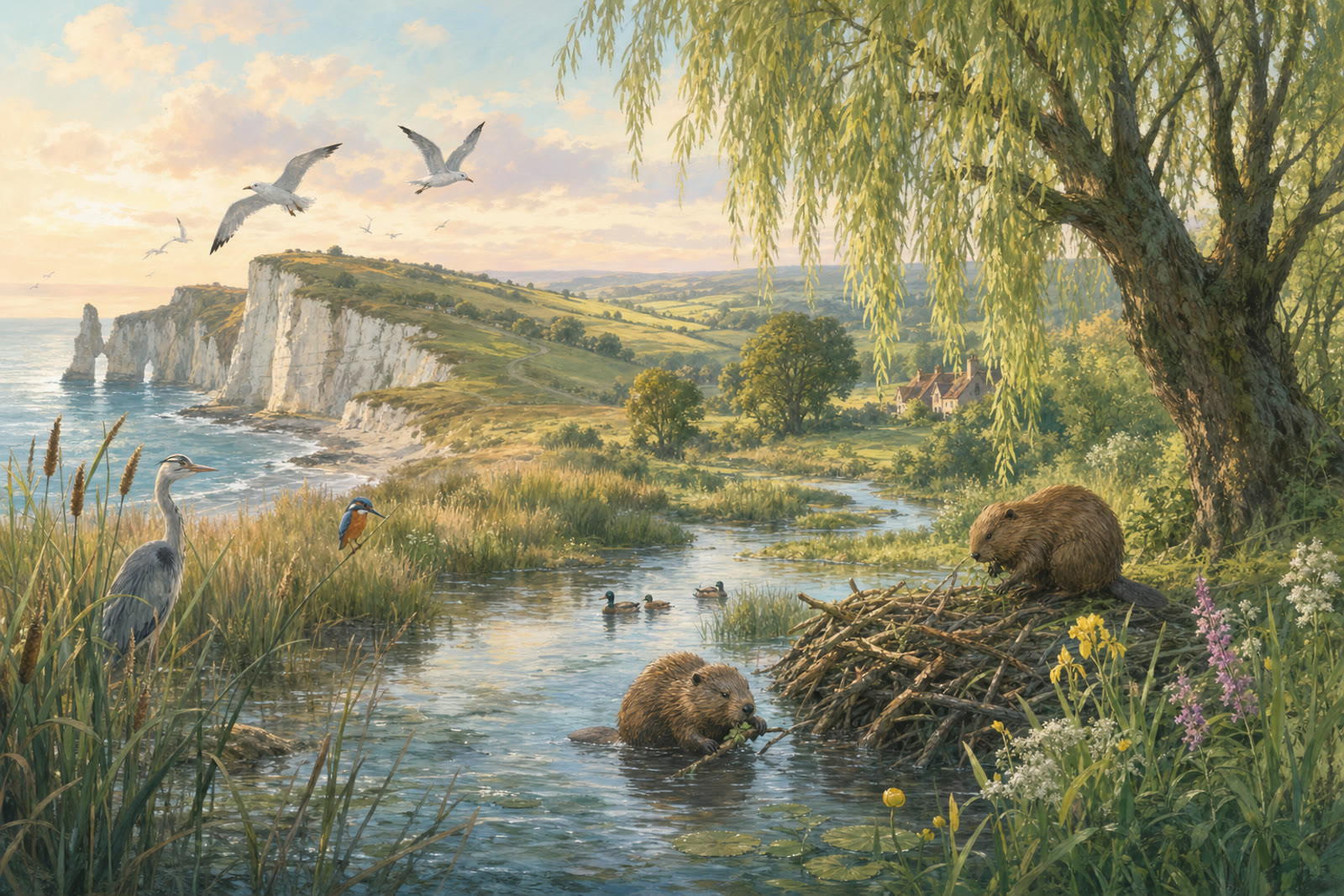
A misty English wetland at dawn with a beaver swimming near its lodge and a chough in flight above. Chapter Two

The Wild Animals Moving Back Next Door

Empty rivers, quiet skies, and the wild slowly coming home.

Read Bibi’s full telling

Bibi says: hush now, little one, and picture green hills that used to be a little too quiet. In a country across the sea, the beavers had wandered off, the rare birds had stopped singing in certain places, and some little hopping creatures hadn't been seen in the marshes for eighty-five years. So the people there made a big, gentle promise, one they called Wild Again, and they got to work bringing everyone back: beavers to the rivers, pine martens to the woods, even a bird with a bright red beak that hadn't nested wild in one green county for over two hundred years. And do you know what, little one? It's working. The beavers are building again, the red-beaked birds are singing again, and the little hopping creatures are hopping in the marshes once more. The wild is coming home, one gentle welcome at a time.

The End · Told by Bibi
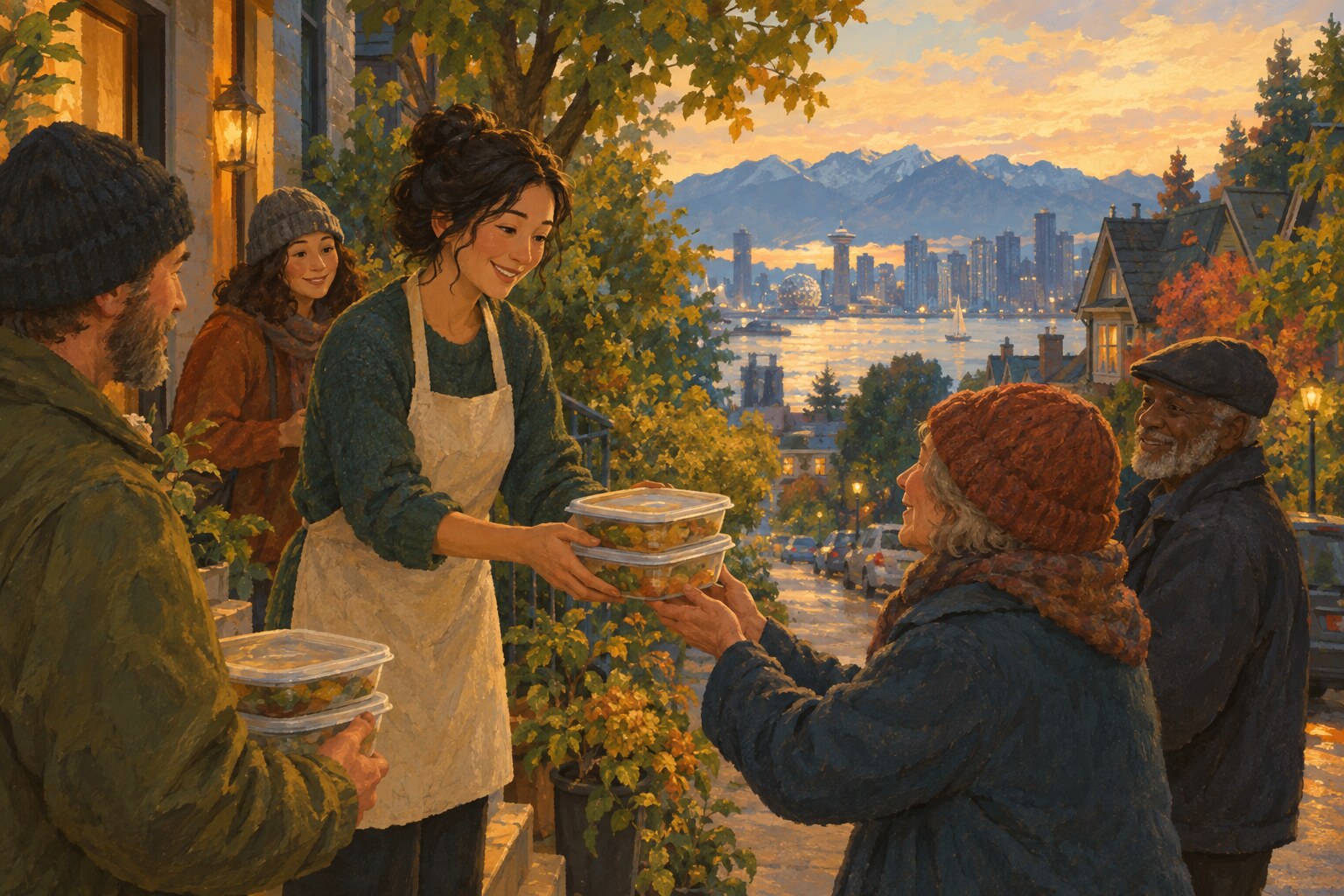
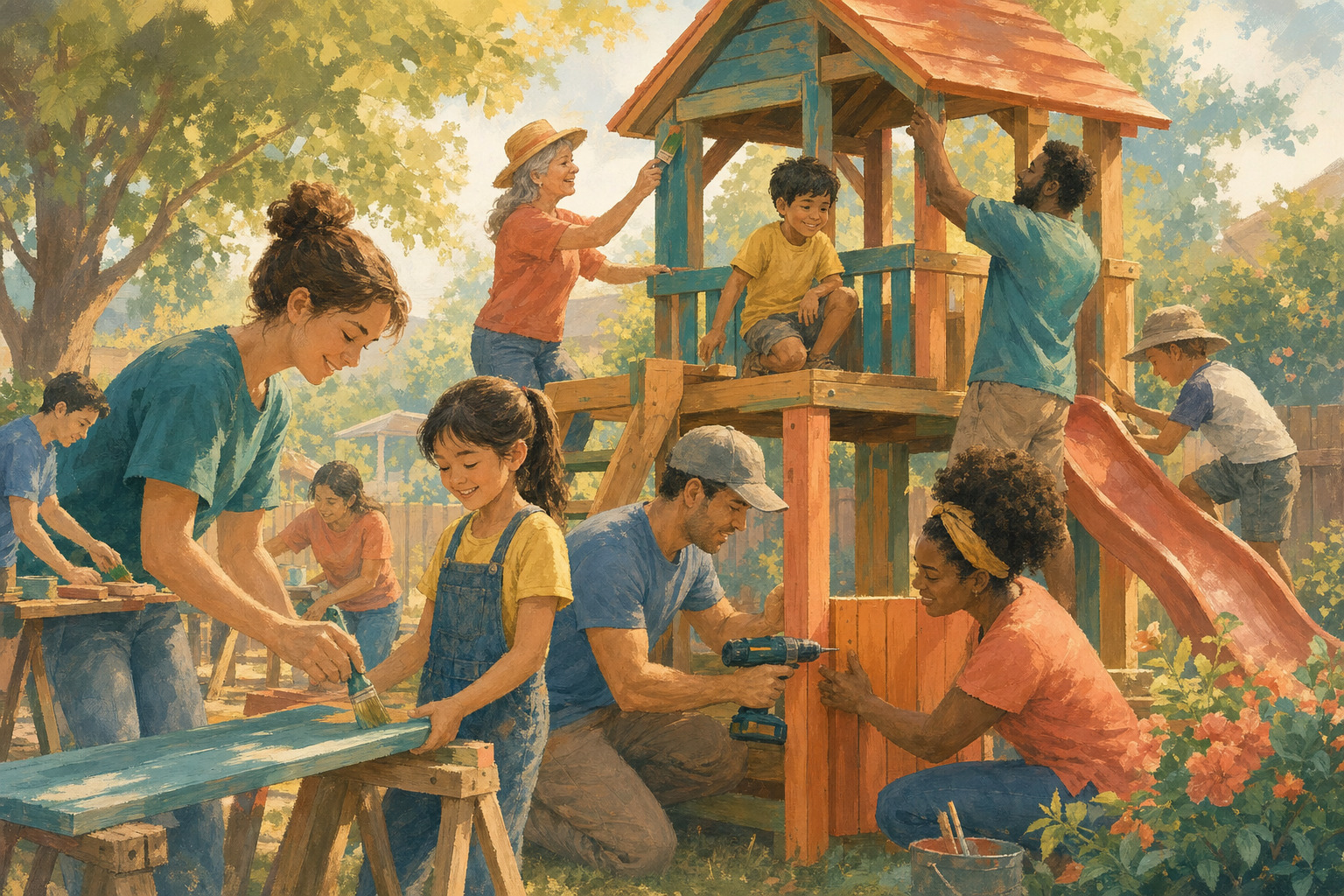
A volunteer handing a tray of food to a smiling child at an outdoor community meal site in a city park. Chapter Three

The Picnic Table That Never Closed

A summer without school lunch, and a table that stayed open anyway.

Read Bibi’s full telling

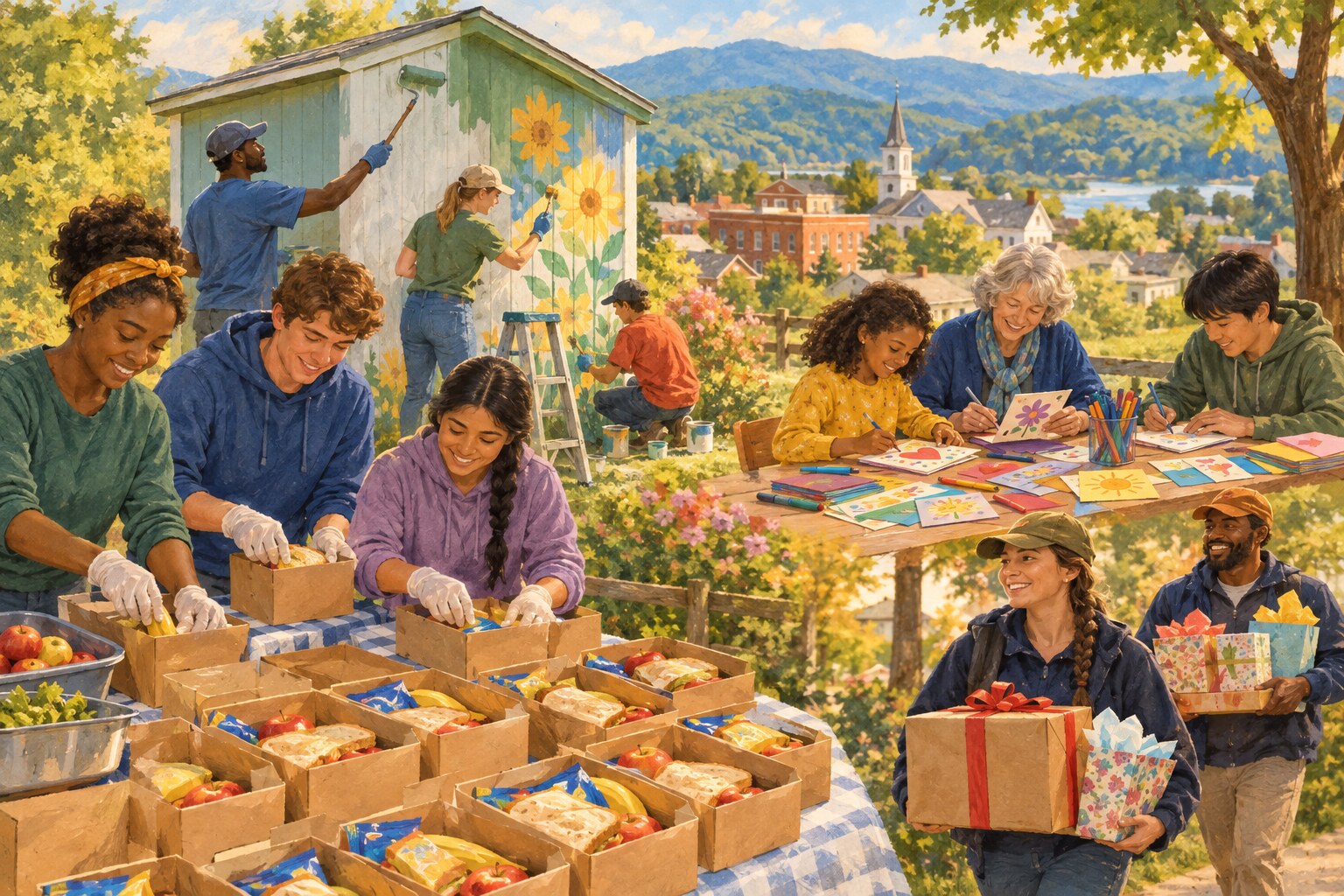
Bibi says: lean in close, little one, and let me tell you about summer, that lovely stretch of sunshine when school closes its doors. It's wonderful, but it also means the lunch that used to be waiting there every day disappears too, and for some families, that's a hard thing to figure out. So in one big city by the water, the grown-ups who care about children set up fifty friendly tables all across town, under shady trees and open tents, where any child could come and eat, no papers to fill out, no questions asked, just a warm plate and a kind smile. Thousands and thousands of meals were shared last summer alone. And little one, that's the whole secret: when a table is always open, and nobody has to ask twice, everybody gets to eat, and everybody gets to play a little easier too.

The End · Told by Bibi
Health workers go door-to-door in a Zimbabwe neighborhood to vaccinate young children against polio. Chapter Four

The Helpers Who Came Back Three Times

Three rounds of house calls, one goal: keep every child safe and protected.

Read Bibi’s full telling

Bibi says: come sit, little one, this story is about helpers who kept a promise. Long ago, a sickness called polio could hurt children who caught it, so many countries worked hard to chase it away. But sometimes a small trace of it tries to sneak back, and that is exactly what health workers in Zimbabwe watched for this year. So they did something wonderful: three times, in April, and June, and July, teams of helpers walked from door to door, all across cities and villages, carrying tiny drops of medicine. They knocked, and knocked, and knocked again, until nearly three million children had gotten their drops, safe and protected. Neighboring countries did the same thing at the same time, so the sickness had nowhere left to hide. And now, little one, all those children can run and play and grow, without ever knowing that danger came close, because so many kind helpers decided that every single child mattered enough to knock on their door.

The End · Told by Bibi
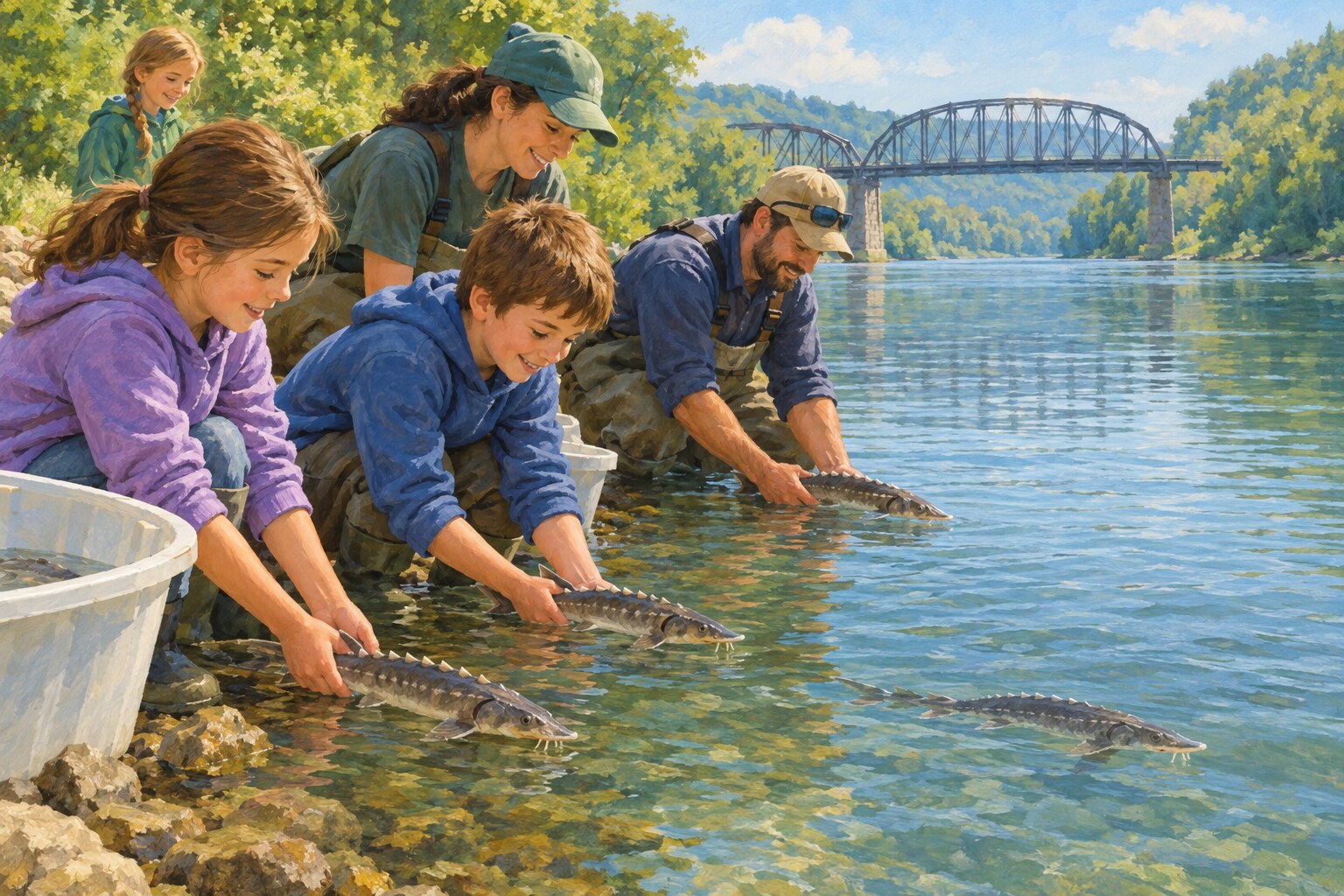
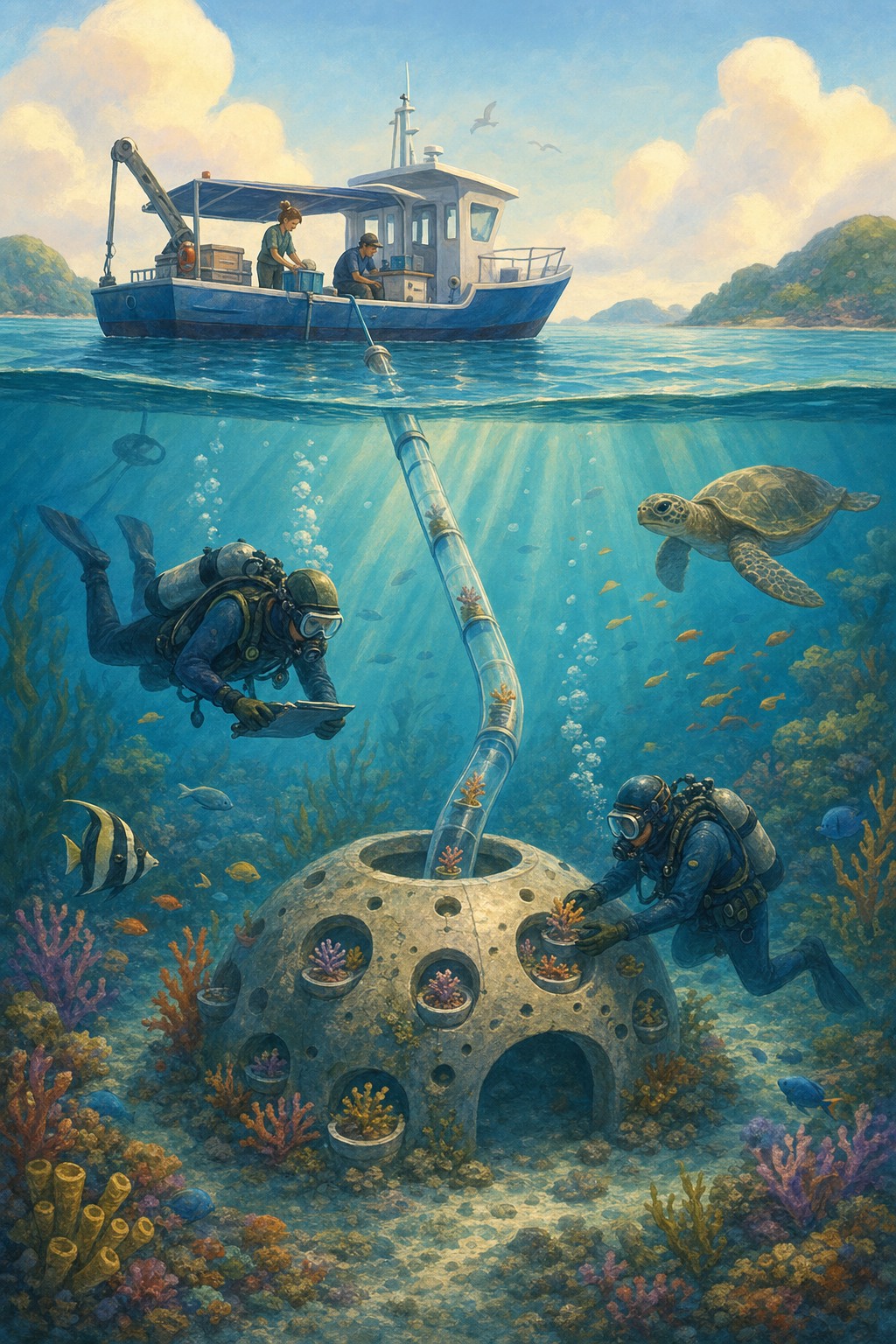
Illustration of divers restoring corals on the seafloor near a research vessel. Chapter Five

The Underwater Robot on a Baby Coral Mission

A gentle tube, a deep dark sea, and tiny corals finding a brand new home.

Read Bibi’s full telling

Bibi says: settle in, this one takes us deep, deep under the sea. Far below where sunlight barely reaches, there is a coral garden that got hurt a long time ago, and scientists have been helping it heal ever since. But how do you carry a delicate baby coral all the way down there without breaking it? A clever scientist built a smooth little tube, shaped almost like a torpedo, so the coral could glide gently through the water instead of bumping and drifting. Divers carried the tube far below the waves, deeper than any building is tall, and carefully placed twenty-six baby corals onto round concrete domes built just for them. It was the very first time anyone had planted these deep-water corals by hand. Now those little corals are settling in, holding on tight, and slowly growing into a new reef, and scientists will keep visiting to watch them grow, like proud gardeners checking on seeds they planted with care.

The End · Told by Bibi

Young people with and without disabilities play inclusive sports together in a park. Chapter Six

The Big Promise Made in Beijing

Two big teams signed one big promise: every young person gets a fair turn to play.

Read Bibi’s full telling

Bibi says: this story is about a promise made between two big teams who both care about young people. One team, called UNESCO, works to help kids everywhere learn and grow. The other, Special Olympics, cheers on athletes with different kinds of minds, some who learn a little differently than others. In a big meeting room in Beijing, leaders from both teams sat down together and signed their names on a very important paper. They promised to help young people with disabilities play more sports, join in more community life, and stay safe when they explore the internet. They even said that these young athletes could help test new digital tools, so the tools work better for everyone, not just some. Little one, that is what real teamwork looks like: two groups deciding that every young person, no matter how their mind works, deserves a fair turn to play, learn, and belong.

The End · Told by Bibi
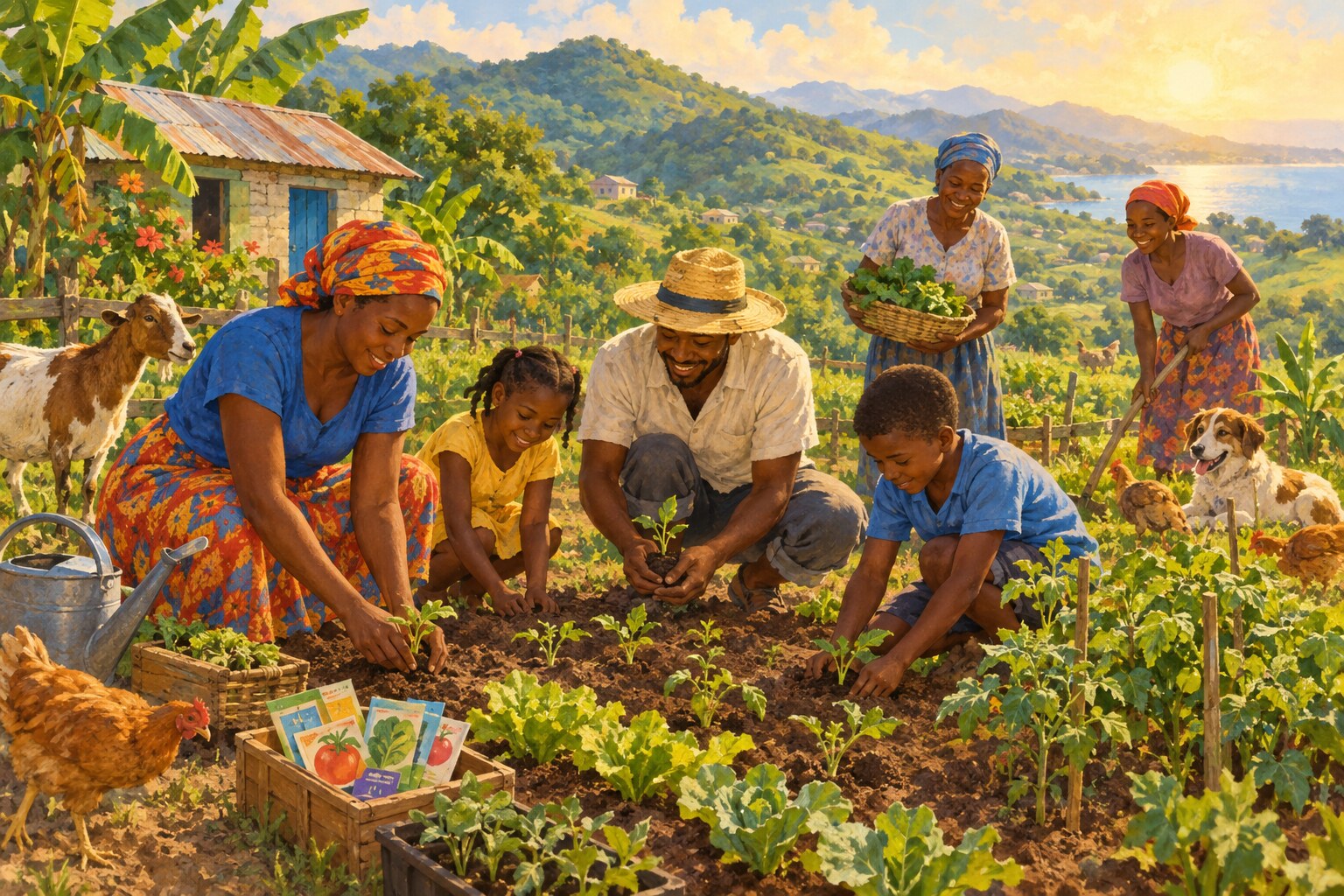
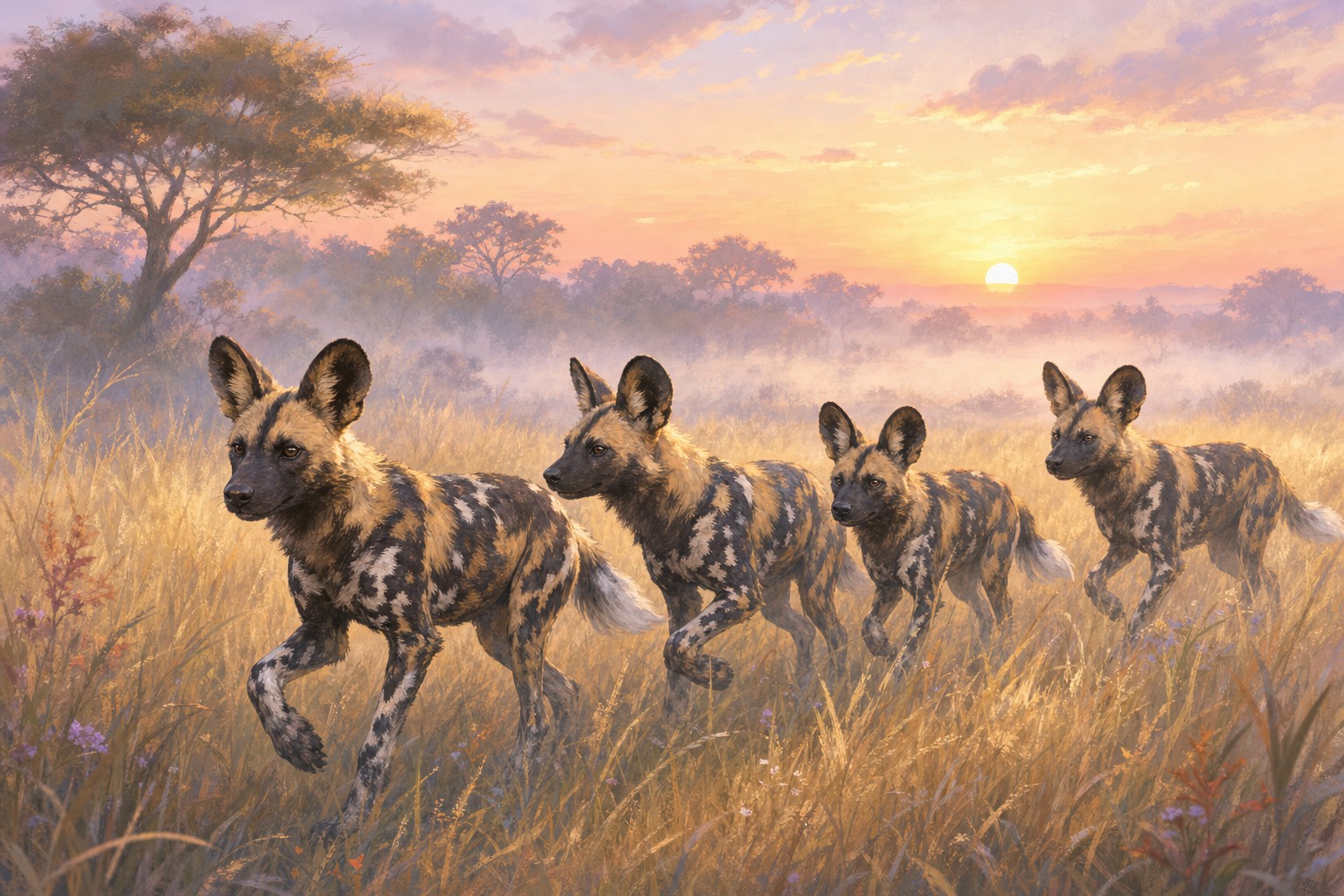
Four African wild dogs move through tall grass at sunrise. Chapter Seven

The Paw Prints Nobody Saw Coming

Ten quiet years, then four wild dogs walked back into the story.

Read Bibi’s full telling

Bibi says: shh, little one, this one is about a mystery with paw prints. Ten whole years passed in a park called Kasungu without anyone seeing a single wild dog pack. People wondered if they would ever come back at all. Then one quiet morning, a ranger walking on patrol looked up and could not believe her eyes: four African wild dogs, trotting along as if they owned the place. Scientists studied photographs of their markings, which are as special as fingerprints, and matched them to dogs last seen far away in Zambia. That meant these dogs had traveled a very long way, crossing borders, searching for a new home and new friends. Little one, when wild animals can travel that far and still find safe land to walk on, it means the forests and parks along the way are doing their job. Nobody expected paw prints in Kasungu again, and yet, there they were.

The End · Told by Bibi
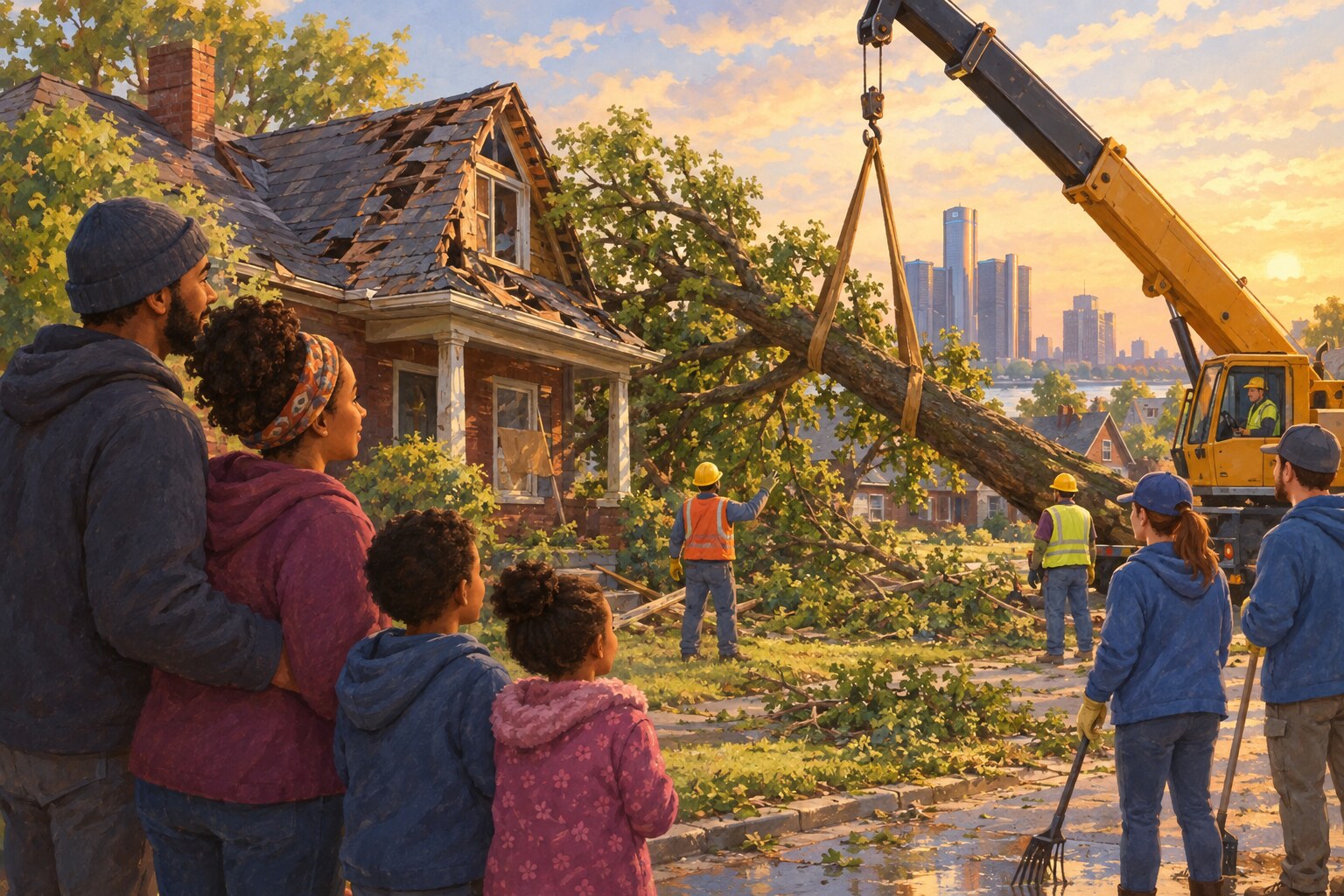
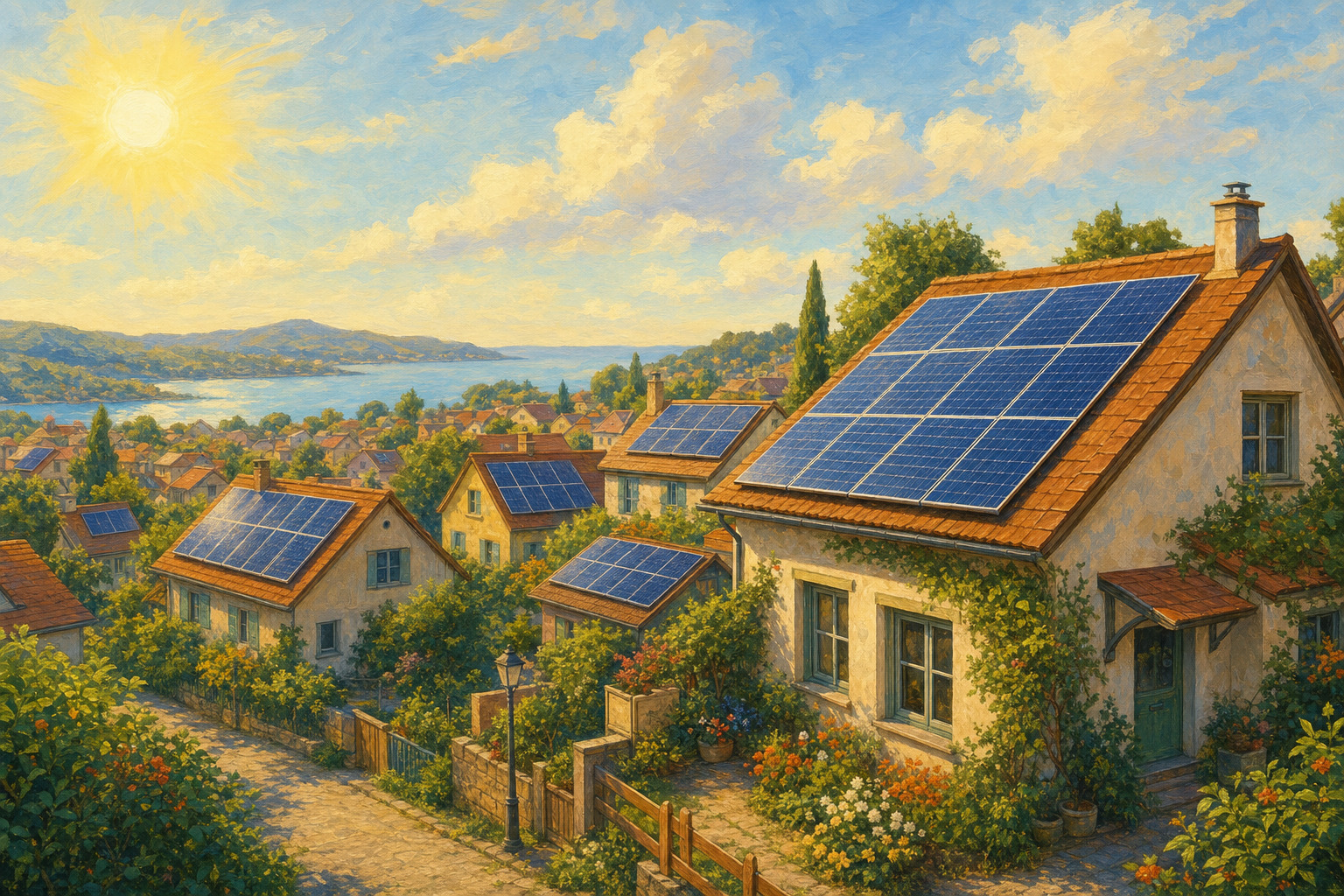
Solar panels on community buildings in a small coastal town. Chapter Eight

The Towns That Caught Their Own Sunshine

Ten communities decided to catch their own sunshine, right from the sky above them.

Read Bibi’s full telling

Bibi says: look up at the sky with me for a moment, little one. Do you see the sun? Ten Mi'kmaw communities in Nova Scotia looked at that very same sun and said, why don't we catch some of that and use it ourselves? So they built solar panels, rows and rows of them, glinting in the light, spread across all ten communities. Now, whenever the sun shines, those panels quietly turn its light into electricity, enough to power homes and schools and community buildings. And here is the clever part: whatever power they do not use, they share back with the wider electric grid, so nothing goes to waste, and they only pay for what they actually need. The project also created new jobs for people who wanted to learn how to build and care for the panels. Little one, when a community decides to catch its own sunshine, it also catches a little more say over its own future.

The End · Told by Bibi
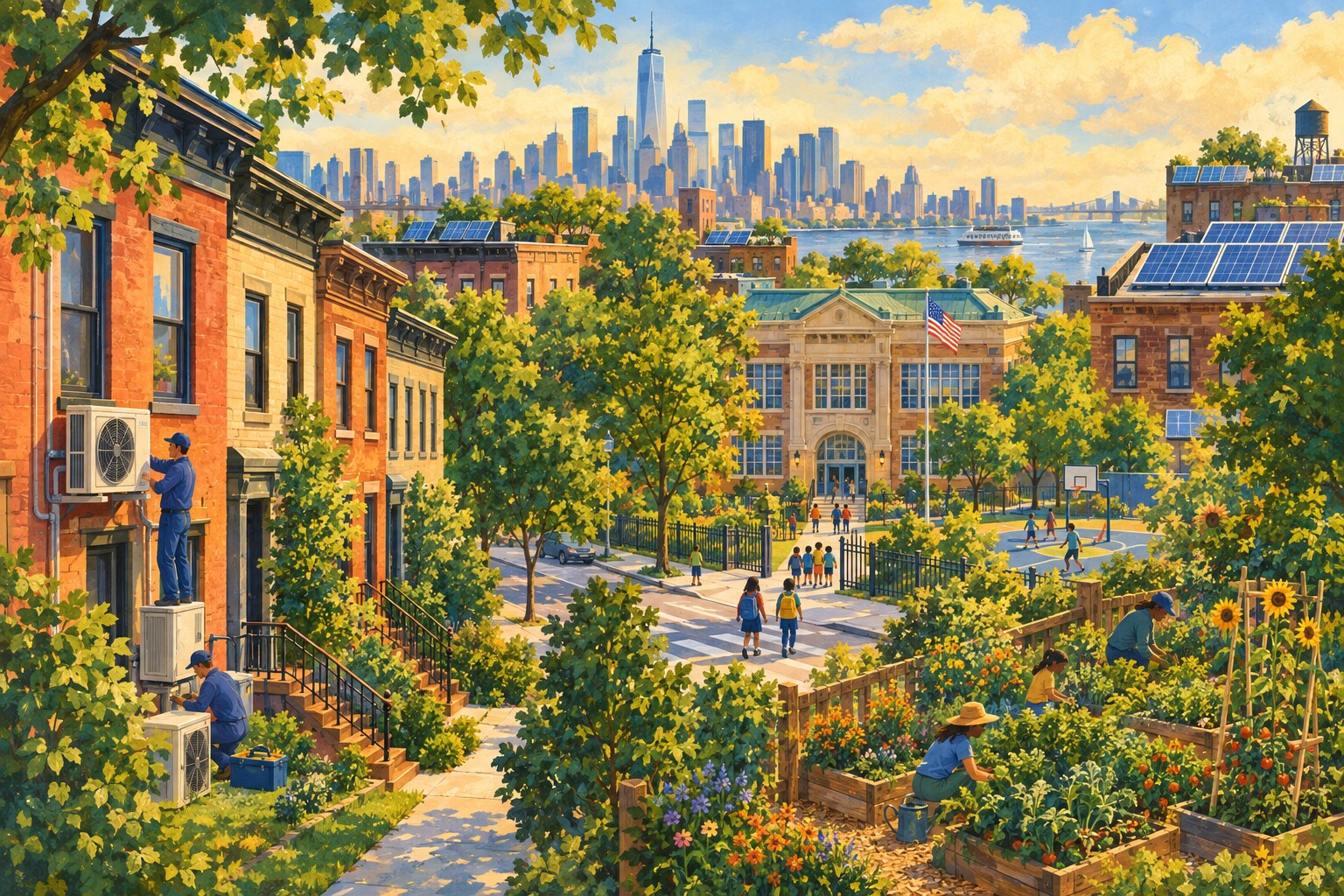
A school cafeteria worker hands a lunch tray to a child in a bright dining hall. Chapter Nine

The Lunch Line That Got Way Longer (In a Good Way)

One simpler rule means half a million more children get to say yes to lunch.

Read Bibi’s full telling

Bibi says: picture a school lunch line, little one, long and a little bit noisy, everyone hungry and waiting for their turn. In England, some families were worried about how they would afford lunch for their children every day. So the people in charge made a rule simpler and kinder: from now on, if a family gets a certain kind of support called Universal Credit, their child gets a free school lunch, no complicated forms to fill out. That one simple change means over half a million more children will get to eat a warm, nutritious meal at school without their families worrying about the cost. On top of that, farms and charities are being connected so extra fresh food can reach even more plates instead of going to waste. Little one, a full stomach makes it so much easier to learn, to laugh, and to pay attention in class, and now many more children get exactly that chance.

The End · Told by Bibi
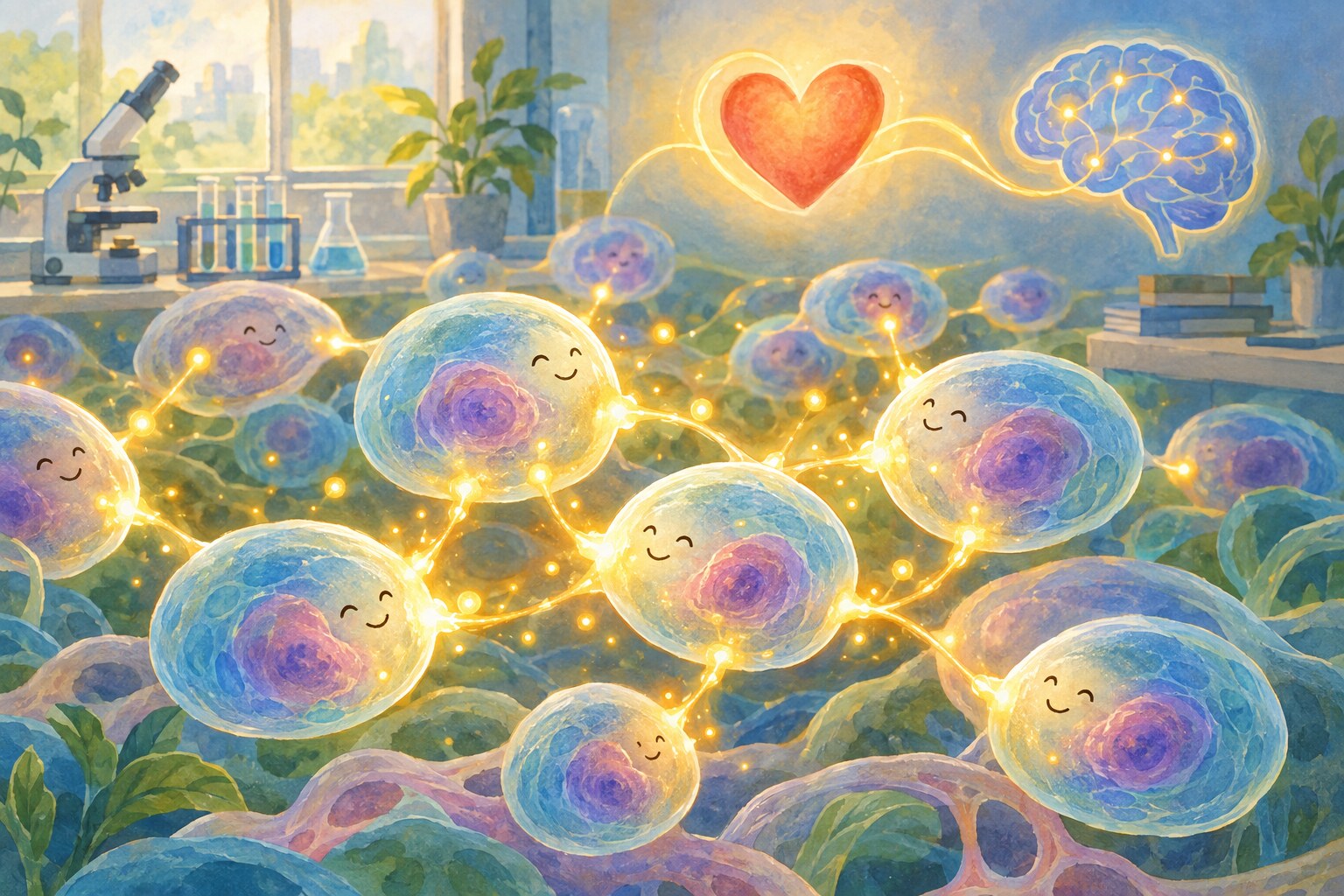
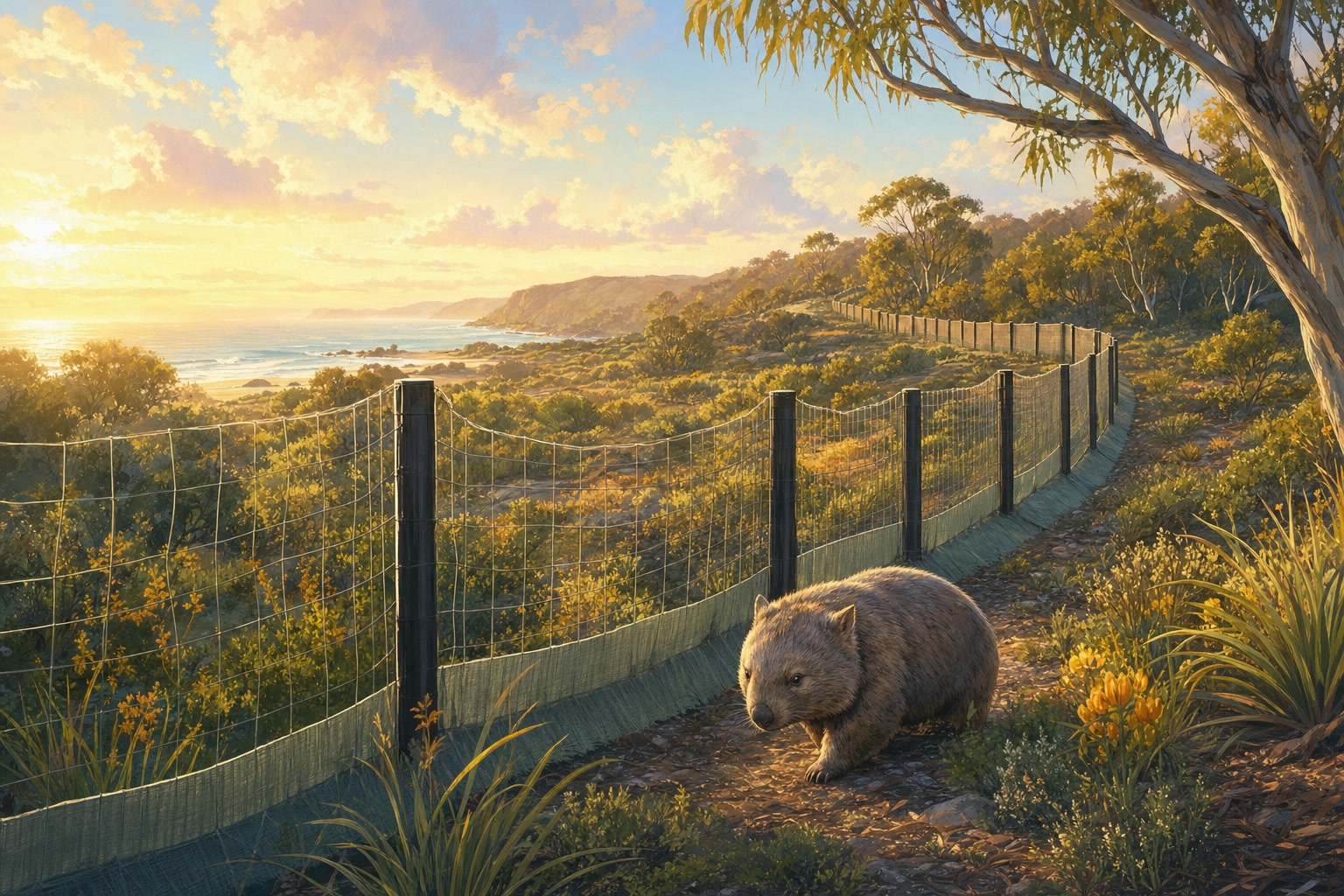
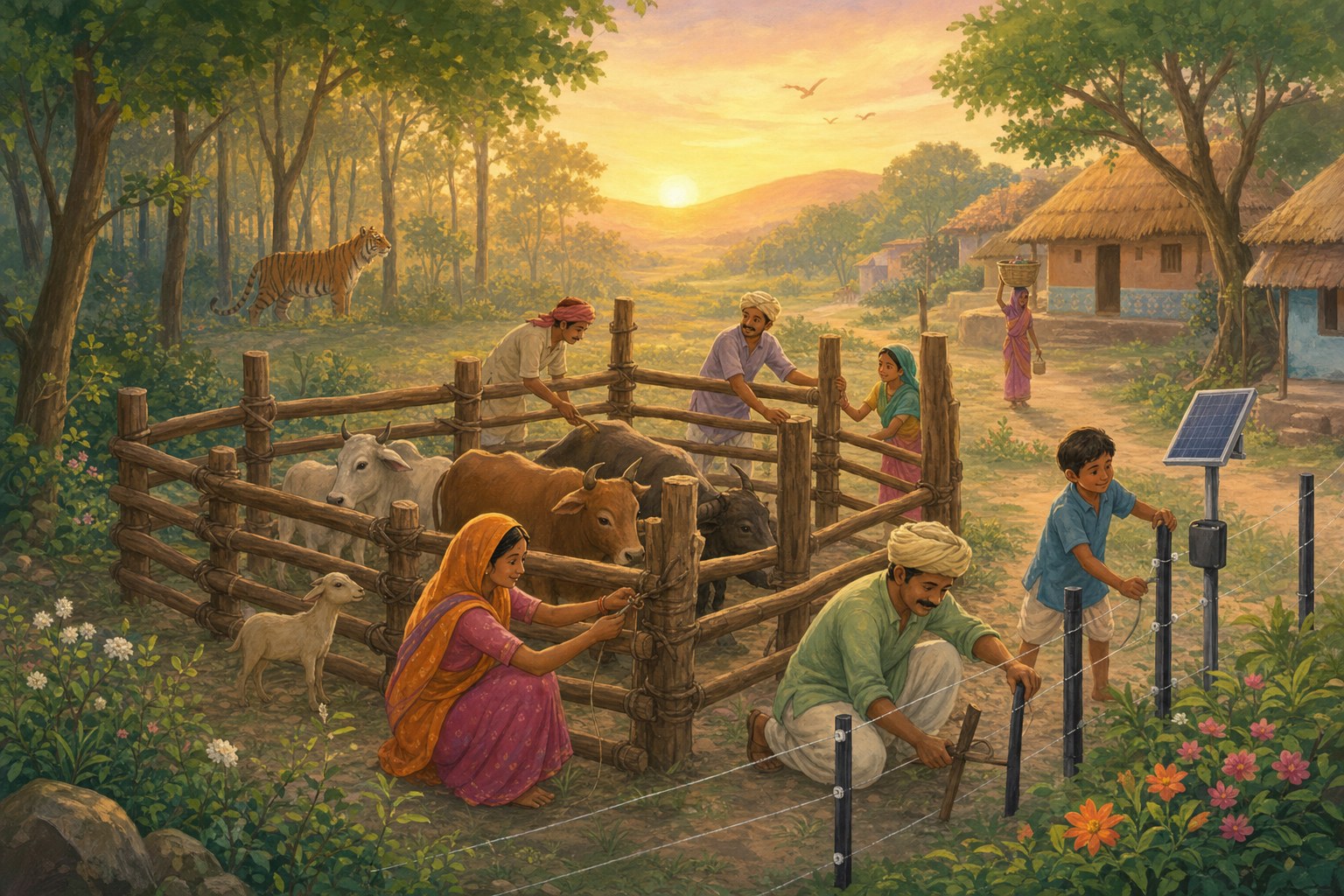
A village near a forest edge with people strengthening a livestock pen while a tiger remains far away near the trees. Chapter Ten

The Fence That Kept Everyone Safe (Even the Tigers)

A watchful tiger, a clever fence, and a village that learned to share the forest.

Read Bibi’s full telling

Bibi says: come close, this story has a real tiger in it, but do not worry, everyone in this story stays safe. In parts of Asia, tigers have been slowly coming back after many years of being rare, which is wonderful, but it also means tigers and people sometimes live very close to one another now. So helpers came up with clever, simple ideas: strong fences around the cows and goats, little solar lights that glow at night to keep animals calm, and teams who watch closely and warn villages if a tiger wanders near. Families learned how to build sturdy pens so their animals stay safe at night, and villages learned how to spot tiger tracks early, before anyone gets surprised. Little one, that is how people and tigers can share the very same forest: not by chasing the tiger away, but by being a little more prepared, a little more careful, and a lot more clever about fences.
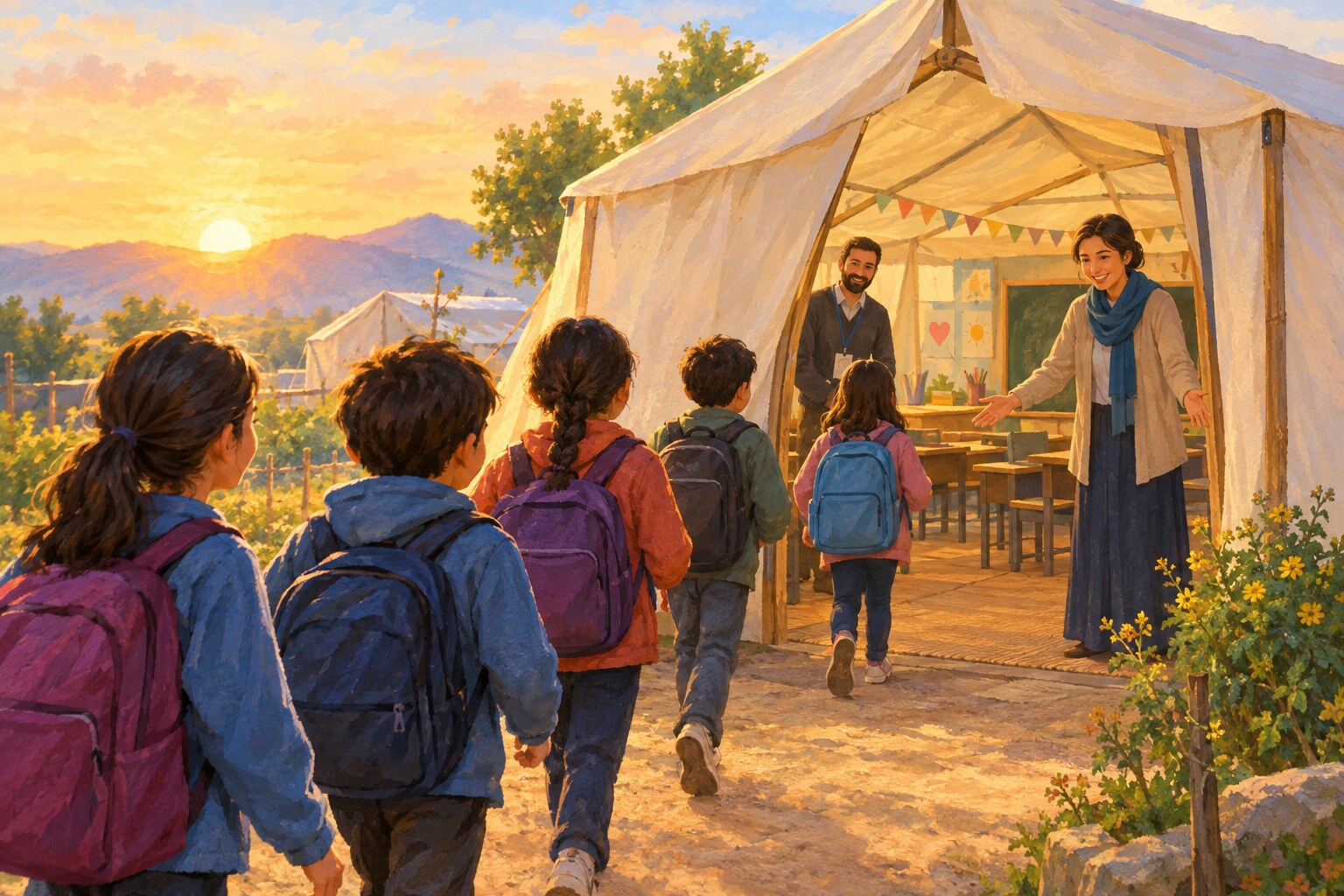
The End · Told by Bibi

Book One

Chapters One–Ten

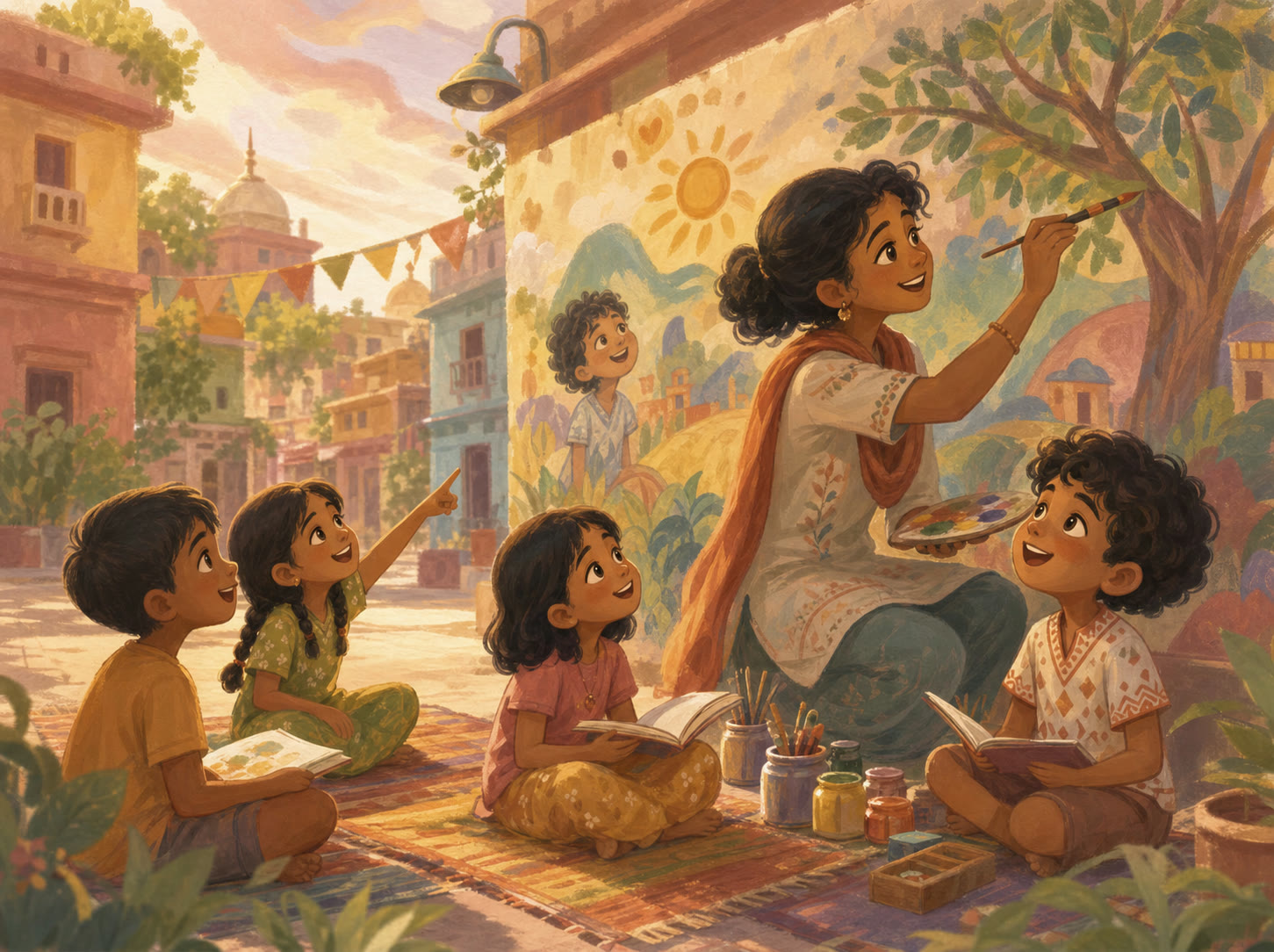
A woman artist painting a colorful educational mural on a wall while children read nearby. Chapter One

The Walls That Secretly Became Schools

One paintbrush, eight hundred walls, and a million children learning outdoors.

Read Bibi’s full telling

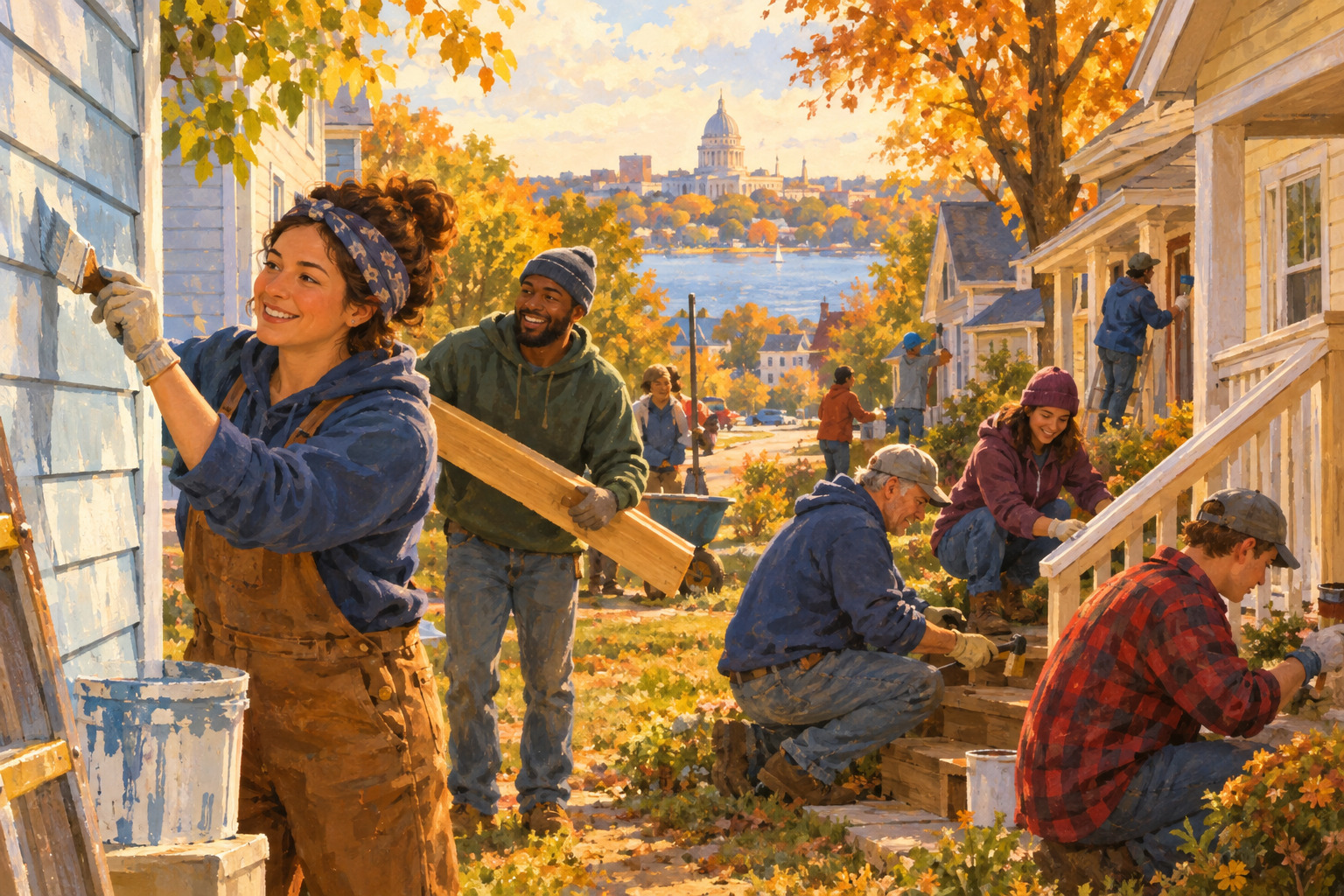
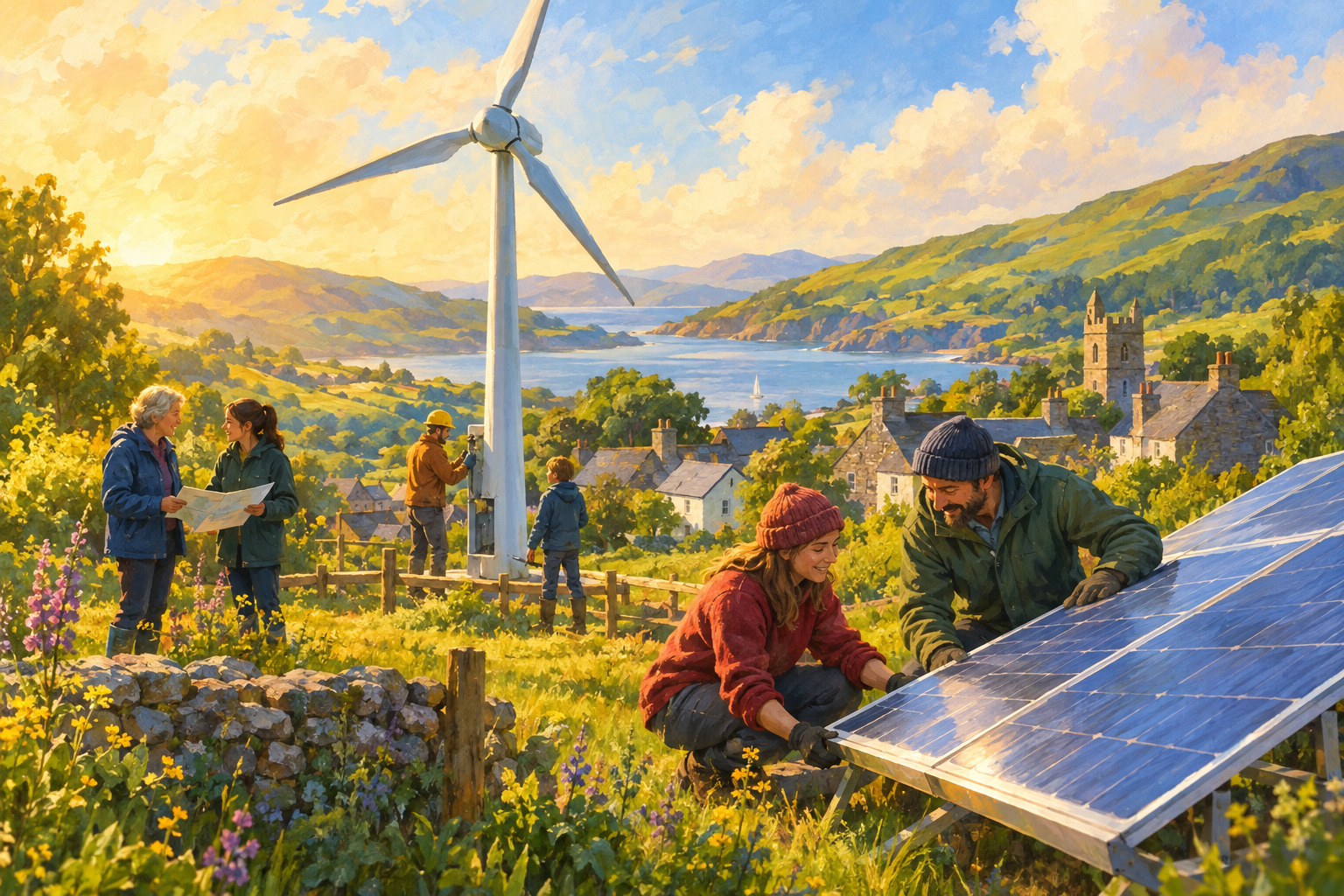
Bibi says: oh, you will love this one, little one, it has paint in it. Far away, there lived a woman who loved children and loved colors even more. She looked at the plain gray walls in her neighborhood and thought, why should learning only happen inside a book? So she picked up her paintbrush and turned the walls into giant, colorful pictures, teaching numbers, letters, and kindness right there in the open air, where every child walking by could stop and learn something new. She did this again and again, wall after wall, for twenty-four years, until more than eight hundred walls had become classrooms, and over a million children had a place to learn who might not have had one before. The whole world gave her a very big prize for it, but Bibi thinks the real prize was always the children, learning their letters under a painted sun.
The End · Told by Bibi

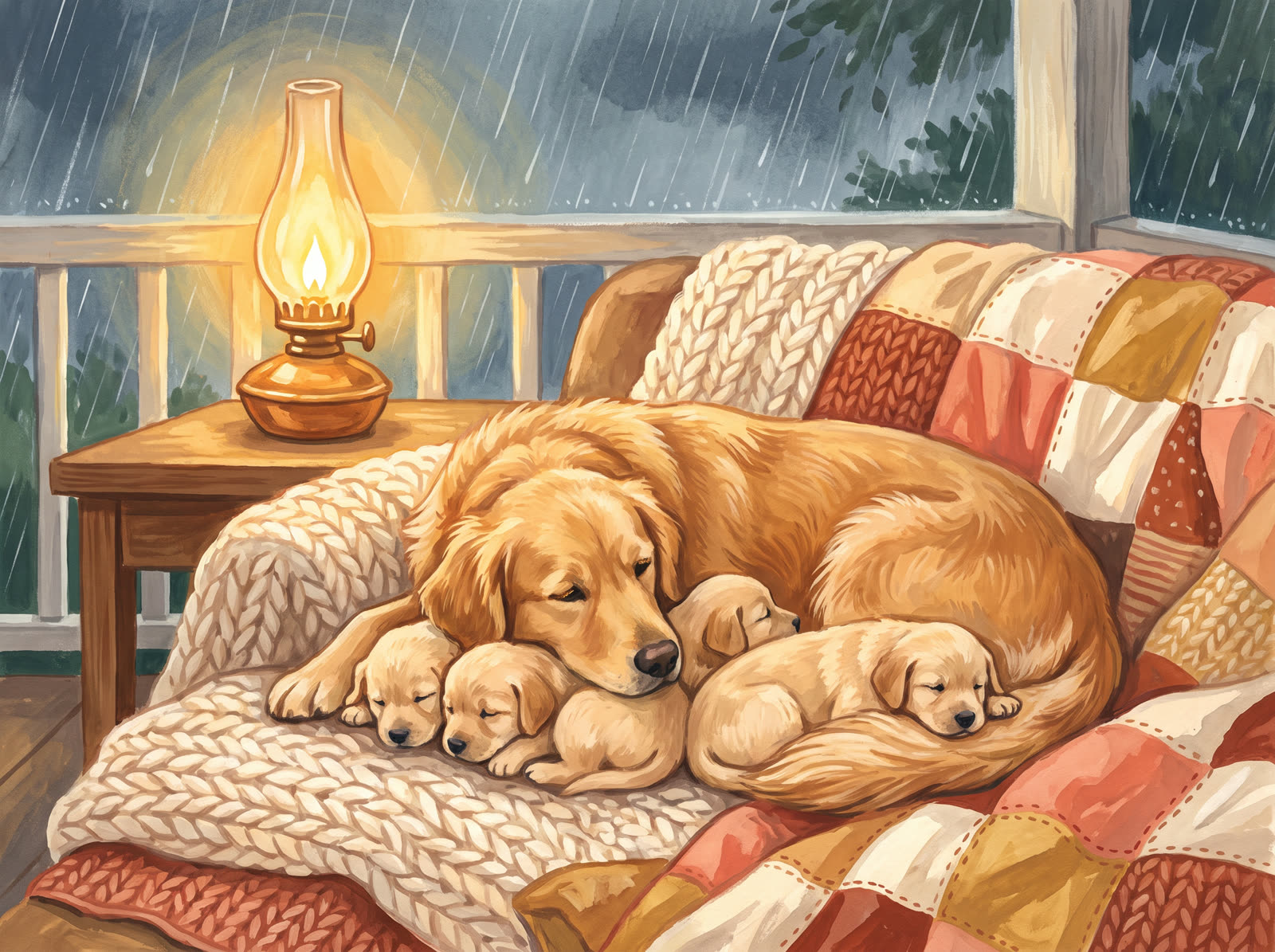
A mother dog and her four puppies sheltered warmly and safely on a covered porch during rain. Chapter Two

The Puppies Who Got Caught in the Rain (And Loved It)

A rainy night, a shivering dog family, and a door that opened wide.

Read Bibi’s full telling

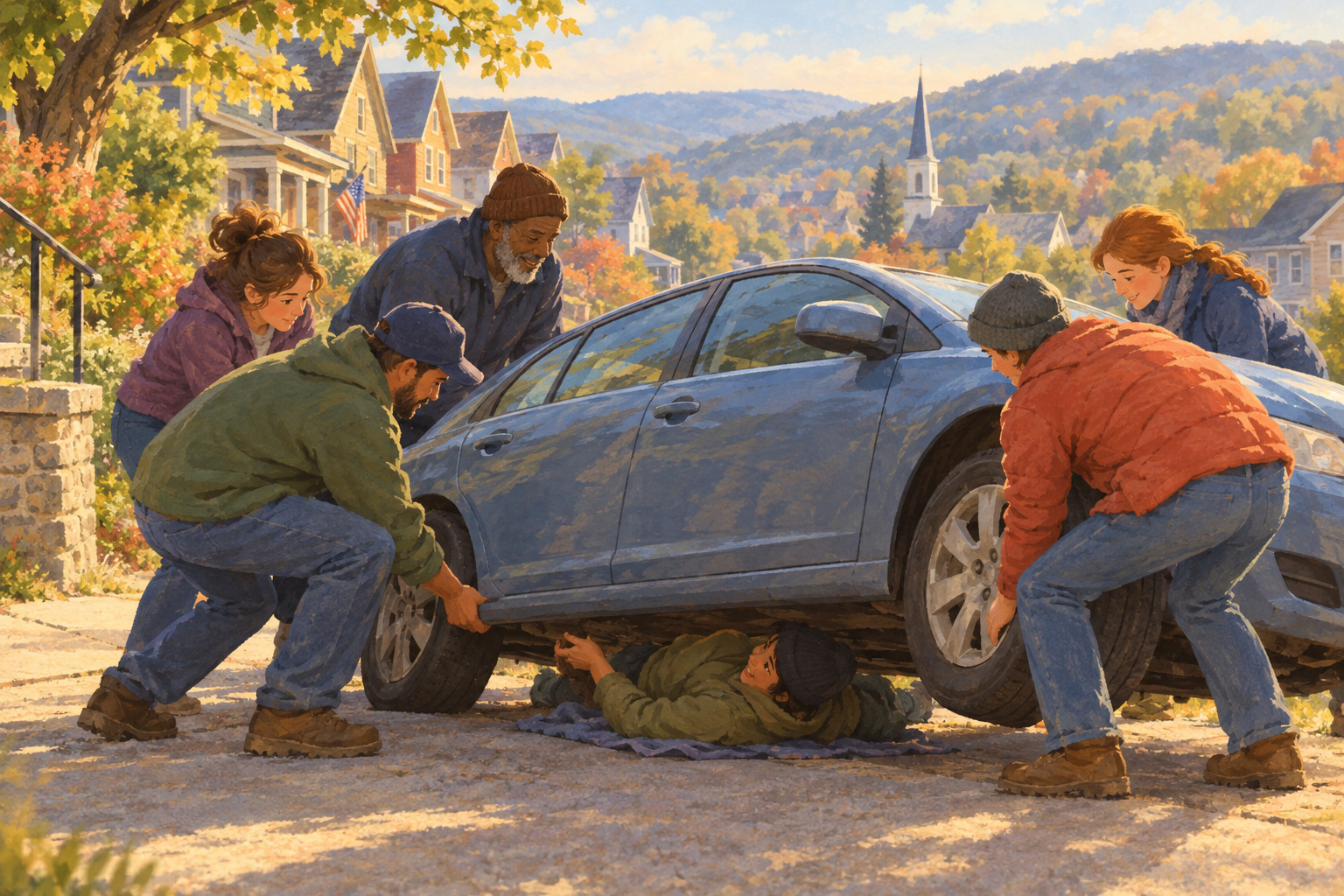
Bibi says: oh, little one, come close, the rain is loud tonight, isn't it? Once, in a city far from here, the rain fell and fell, and a mother dog didn't know where to keep her four tiny puppies dry. But a kind family looked out their window and saw her shivering. They didn't think twice. They opened their door and said, come in, come in, all five of you. They gave the puppies warm blankets and soft food, and the mother dog finally closed her tired eyes and rested. In the morning, the sun came out, and do you know what? That family kept them, every single one. Now five dogs sleep by that door each night, warm and dry, and they never have to wonder where home is again.

The End · Told by Bibi
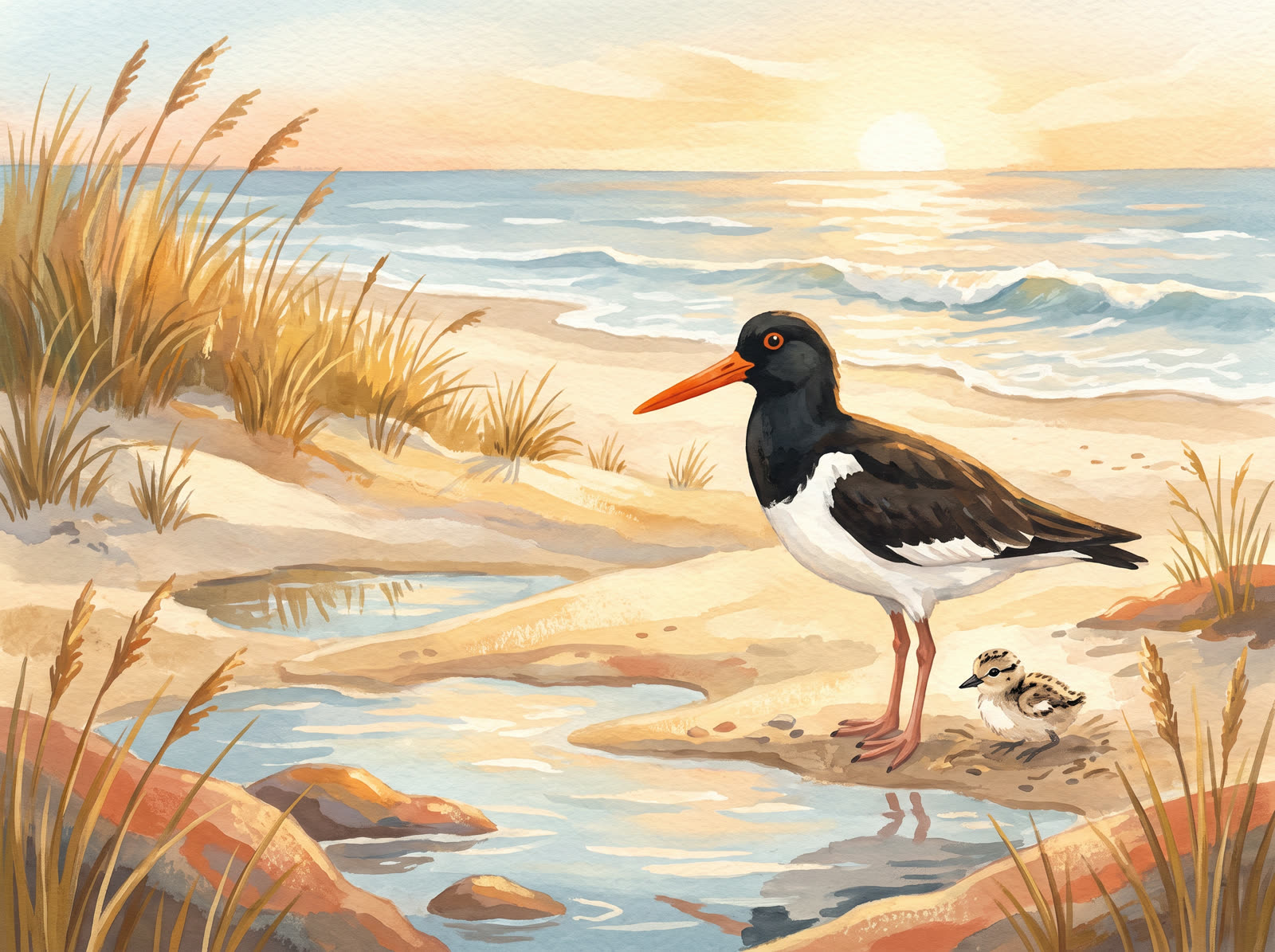
A black and white oystercatcher bird walking along a sandy shoreline at sunrise. Chapter Three

The Birds Who Walked All the Way Home

Sixteen places, ten years, one small shorebird worth every bit of care.

Read Bibi’s full telling

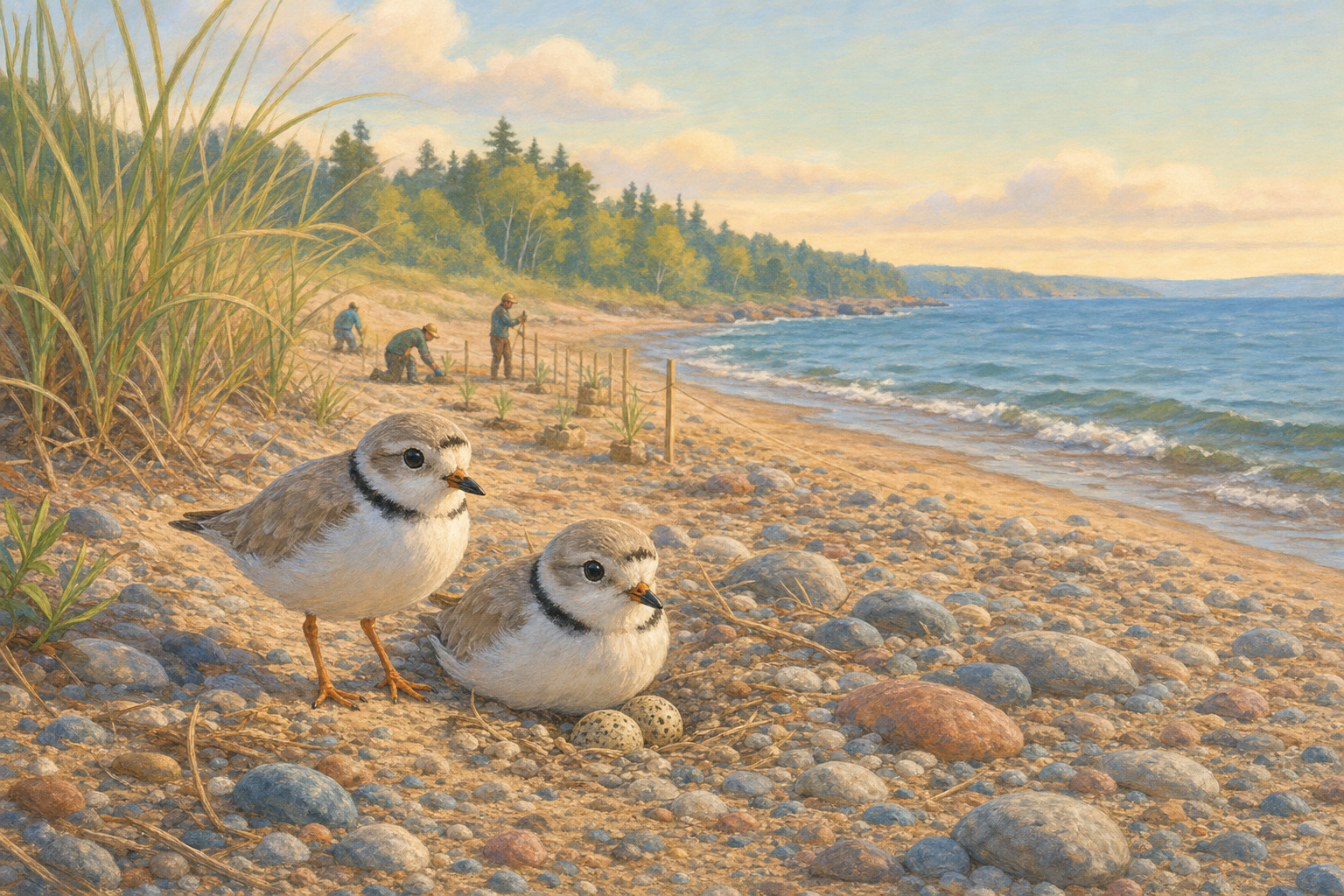
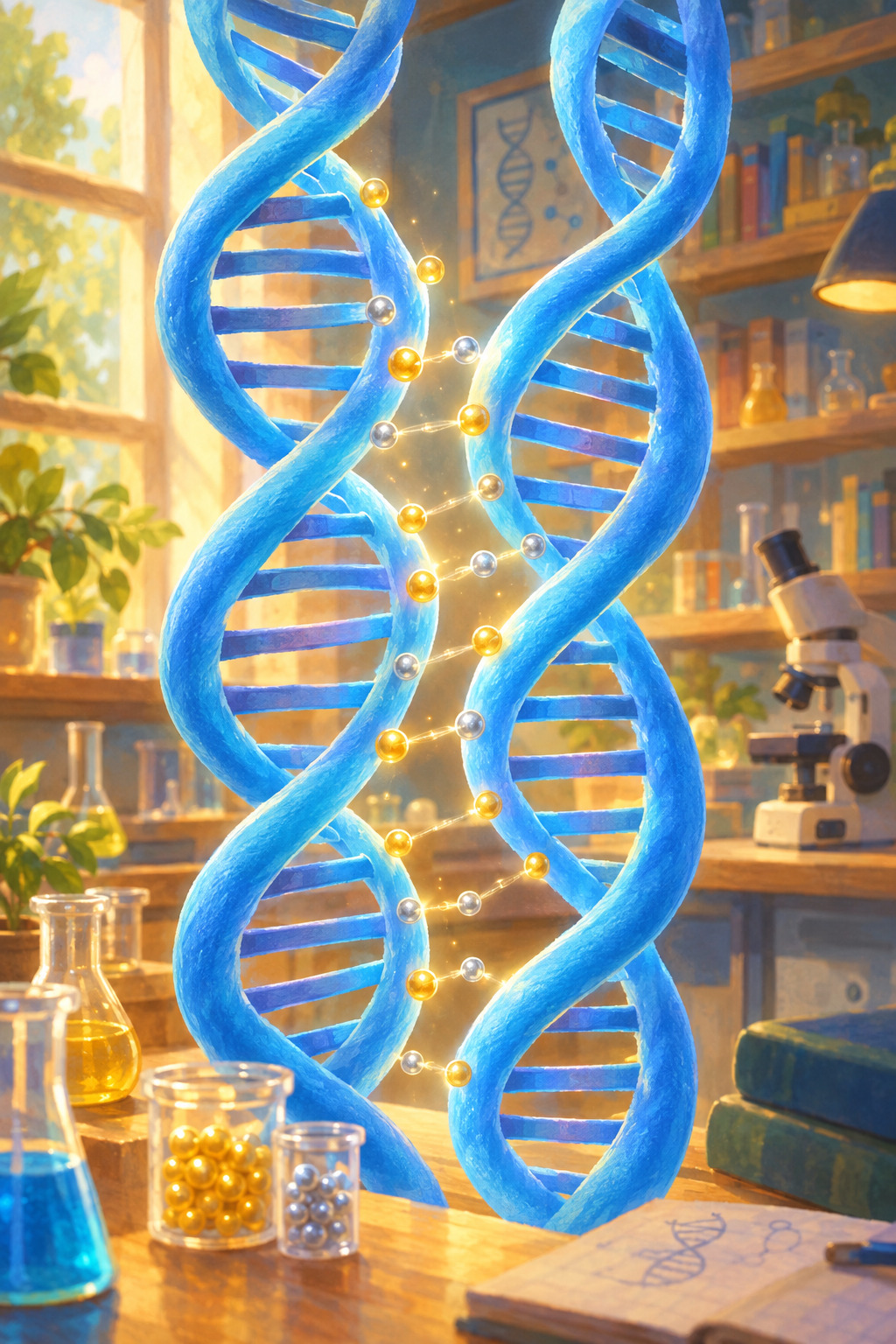
Bibi says: come close, little one, this is a story about a very long team effort. There is a black and white bird called the oystercatcher who lives along the seashore, and a long time ago, there were far too few of them left. So people all along the coast, in sixteen different places, decided to help. For ten whole years, they worked together, watching over nests and keeping the beaches safe, counting every single bird, so gently and so carefully. Ten years is a very long time to keep a promise, but they kept it. And now, little one, the oystercatchers are coming back, walking along the shore in greater numbers every season, because so many people decided that one small shorebird was worth ten years of care.

The End · Told by Bibi

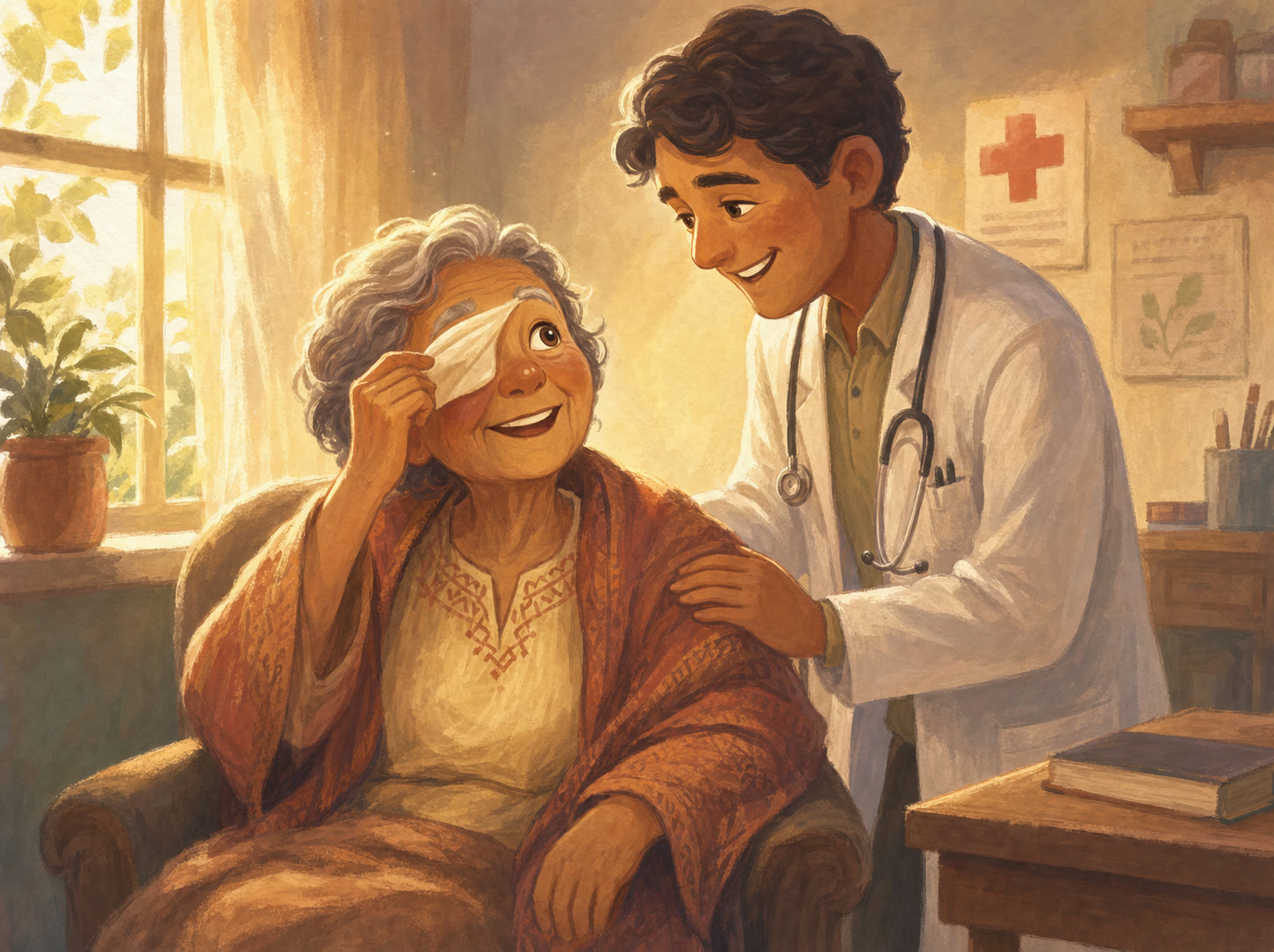
A community health worker gently checking a smiling child's eyes in a warm sunlit village. Chapter Four

The Village That Woke Up and Could See

The sickness that hurt so many eyes is now, truly, gone.

Read Bibi’s full telling

Bibi says: hush now, little one, this is a quiet, brave kind of story. Far away, in a warm country, there used to be a sickness that could make people's eyes hurt so much they couldn't see well anymore. For many years, kind helpers went from village to village, bringing clean water, teaching families how to keep their hands and faces clean, and giving out simple medicine to anyone who needed it. They did this again and again, year after year, in villages most of the world never hears about. And little one, because they never stopped showing up, that sickness is gone now. Truly gone. No more villages there have to worry about it ever again.

The End · Told by Bibi

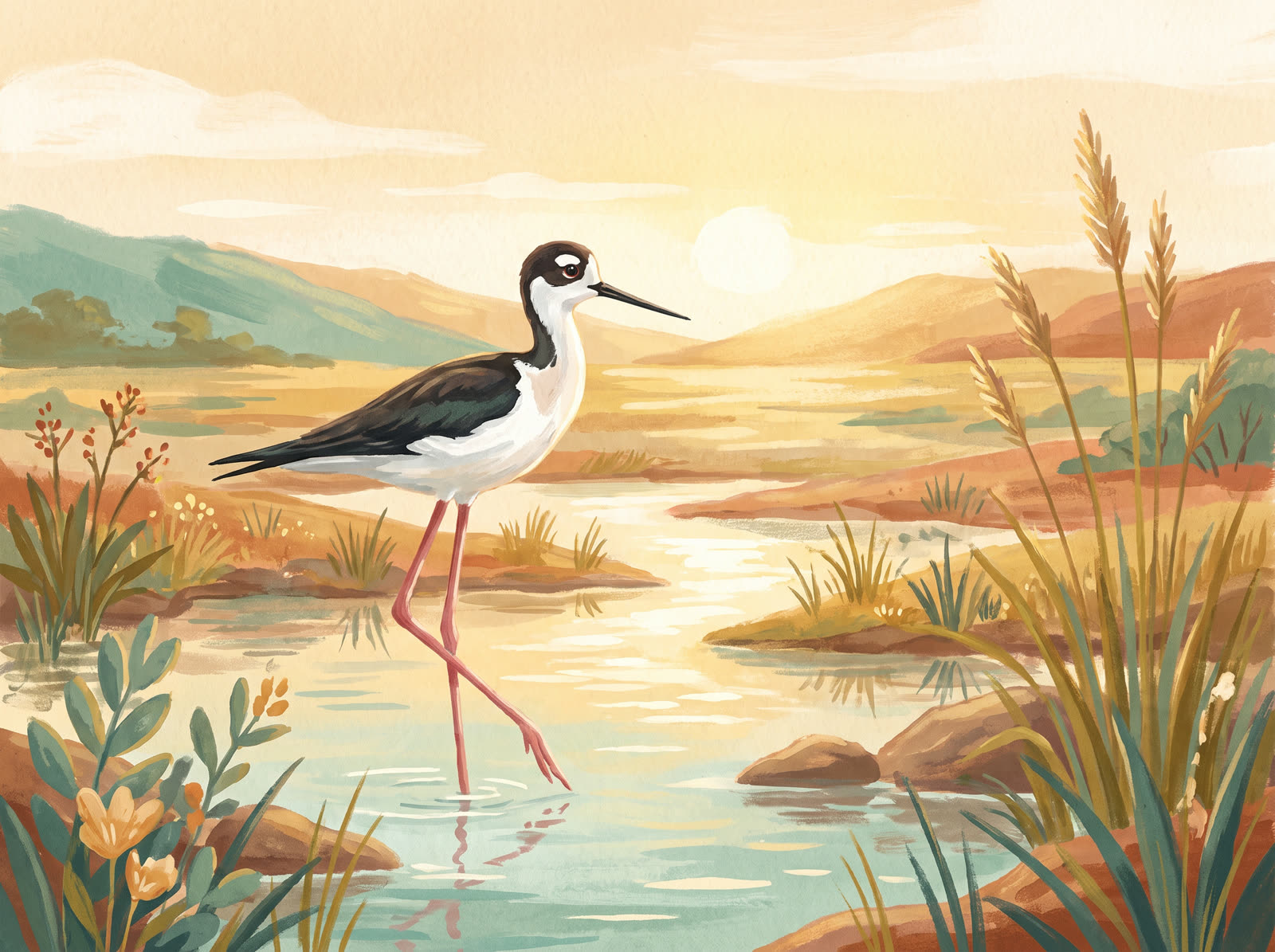
A long-legged Hawaiian stilt bird wading calmly through a marsh at golden hour. Chapter Five

The Bird That Took Fifty Years to Come Back

Fifty years of quiet care for a long-legged bird who almost disappeared.

Read Bibi’s full telling

Bibi says: look up, little one, do you see a long-legged bird standing so tall in the water? That's the A'eo, and Bibi has a lovely, patient story about her. Long ago, there were only a few A'eo left, and everyone worried they might disappear forever. So kind helpers began fixing up the wet, marshy places where she likes to live, and protecting her nests, season after season, for fifty years. Fifty years, little one, that is longer than Bibi has been telling stories! And do you know what happened? The wise keepers of the land said the A'eo is no longer in danger of disappearing. She still has helpers watching over her, but her numbers are growing, and she gets to keep wading through her marshes, tall and proud, exactly as she should.

The End · Told by Bibi
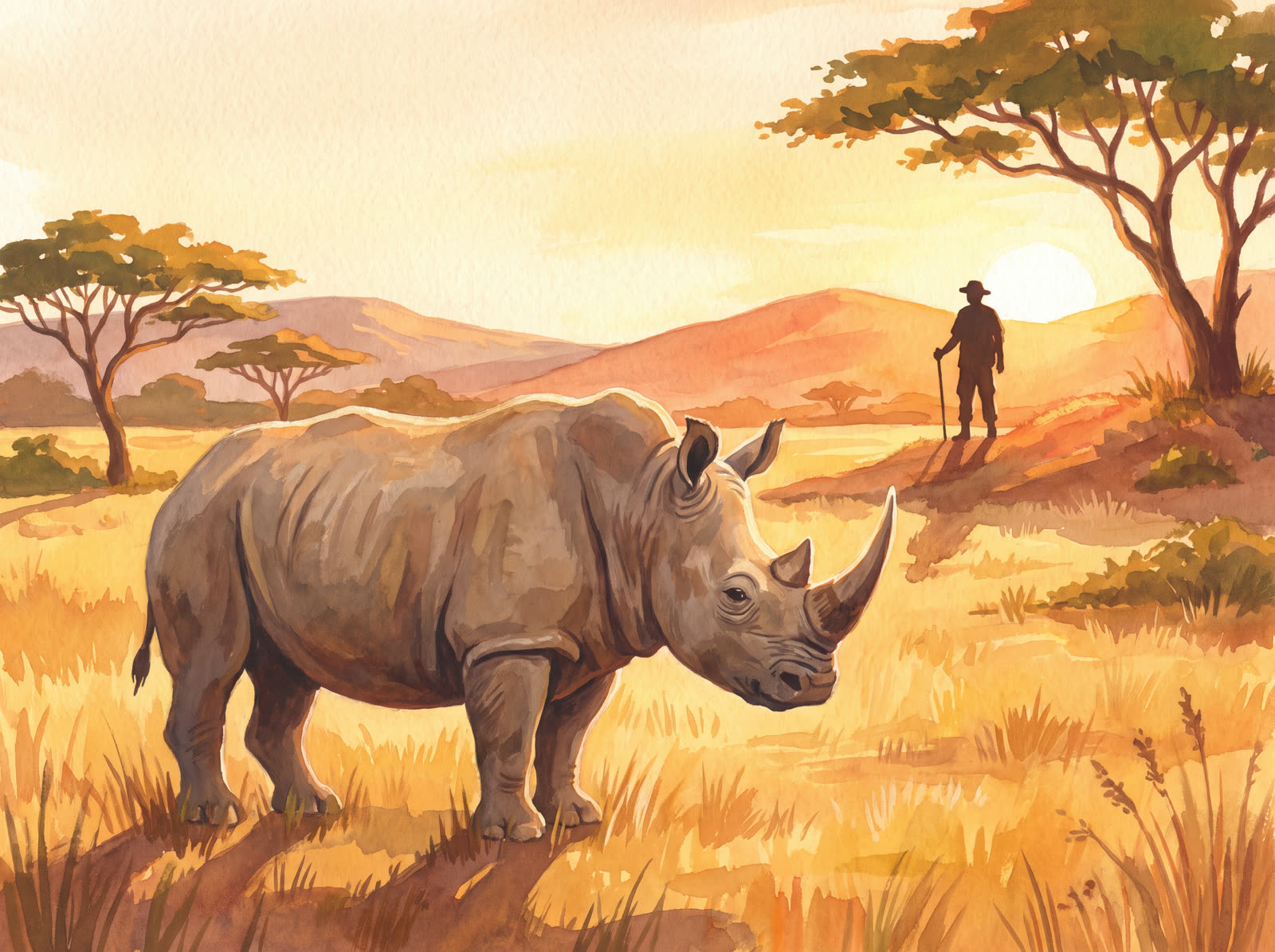
A rhino standing calmly in golden African savanna grassland at sunrise. Chapter Six

The Rhinos Who Finally Got a Good Night's Sleep

A gentle giant, patient rangers, and the best year for rhinos in a decade.

Read Bibi’s full telling

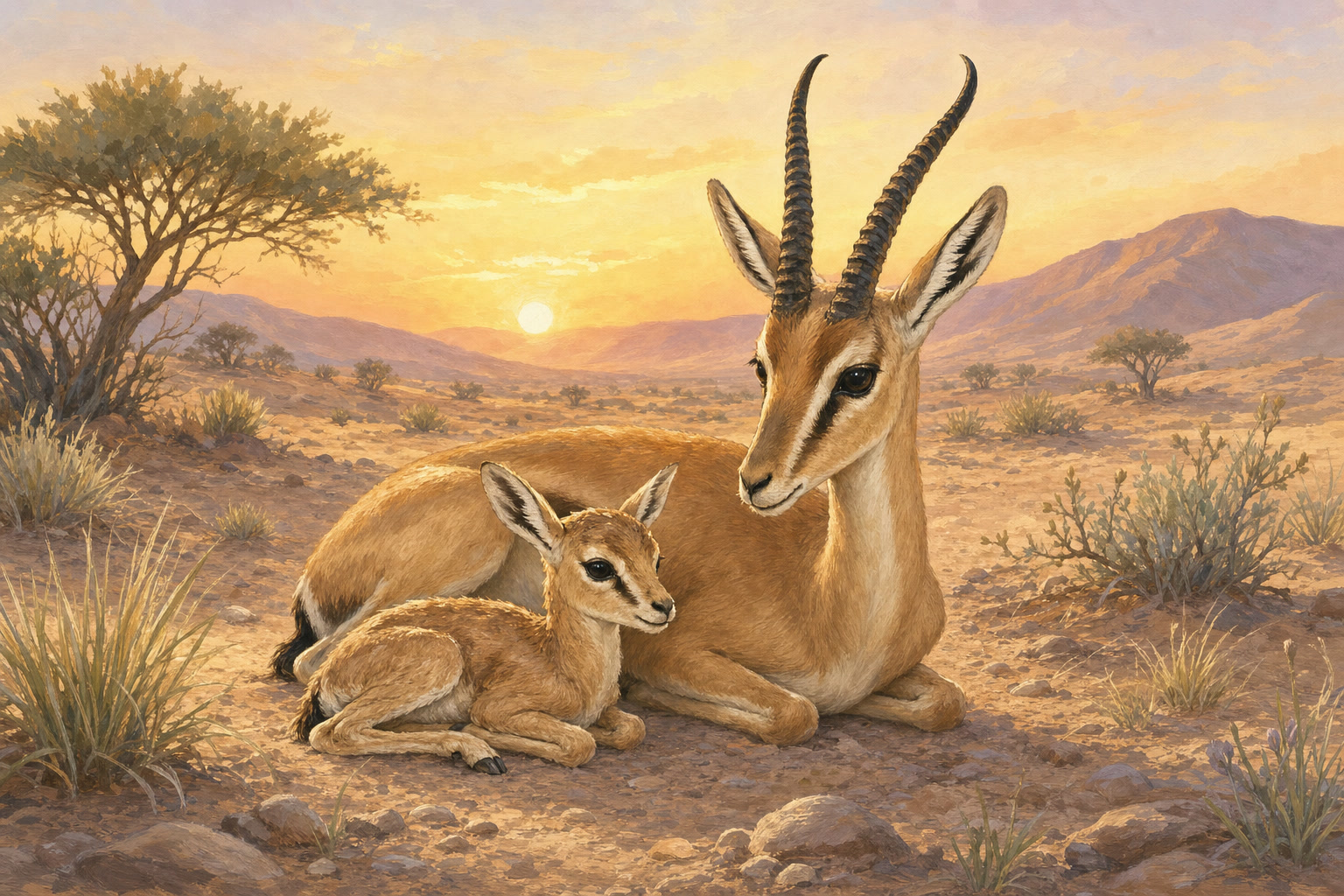
Bibi says: hush now, this is a gentle one about a very big, very gray friend. Far away, under a hot sun, rhinos walk slowly through tall golden grass, minding their own business, being exactly as big and calm as rhinos are meant to be. For a long time, people worried there would be fewer and fewer rhinos to see. But rangers who love this land walked those same fields every single day, watching over the rhinos like patient aunties watch over sleepy children. And this year, for the first time in over ten years, there was wonderful news: more rhinos got to keep being rhinos than ever before.

The End · Told by Bibi
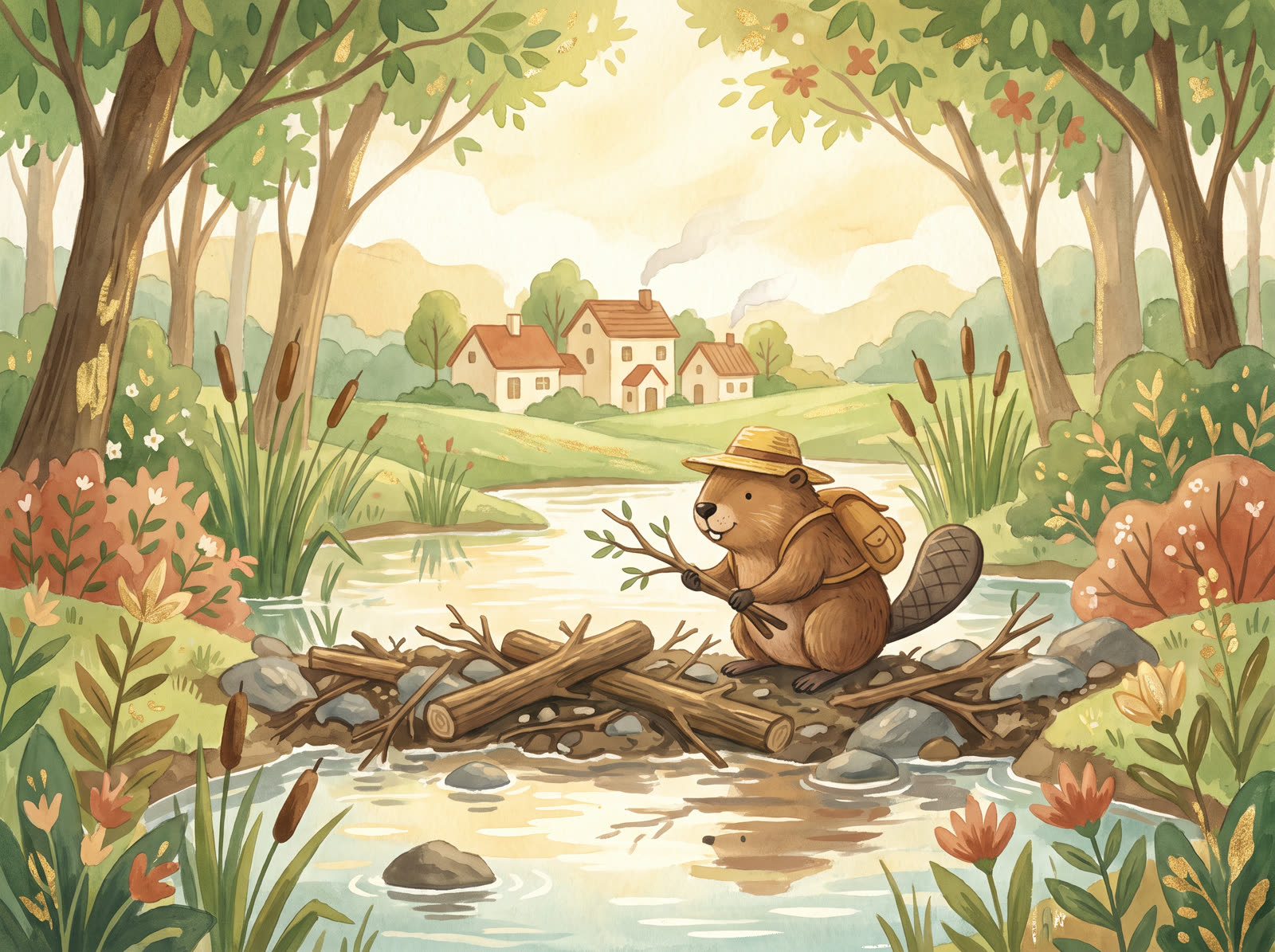
A family of beavers building a dam of sticks and mud across a calm stream. Chapter Seven

Who Let the Beavers Fix the Flood?

The engineers couldn't fix the flooding. A family of beavers could.

Read Bibi’s full telling

Bibi says: this one will make you smile, little one. There was a neighborhood that kept flooding every time it rained hard, and clever engineers tried plan after plan, but nothing quite worked, and it cost a lot of money besides. Then one day, a family of beavers moved into the stream nearby and began building, the way beaver families do, stick by stick, mud and branches, patient little dams here and there. And wouldn't you know it, those dams slowed the rushing water down, just enough, and the flooding stopped. No cost to the town at all. Just a beaver family, doing what beaver families do, and quietly solving a puzzle the humans were still puzzling over.

The End · Told by Bibi
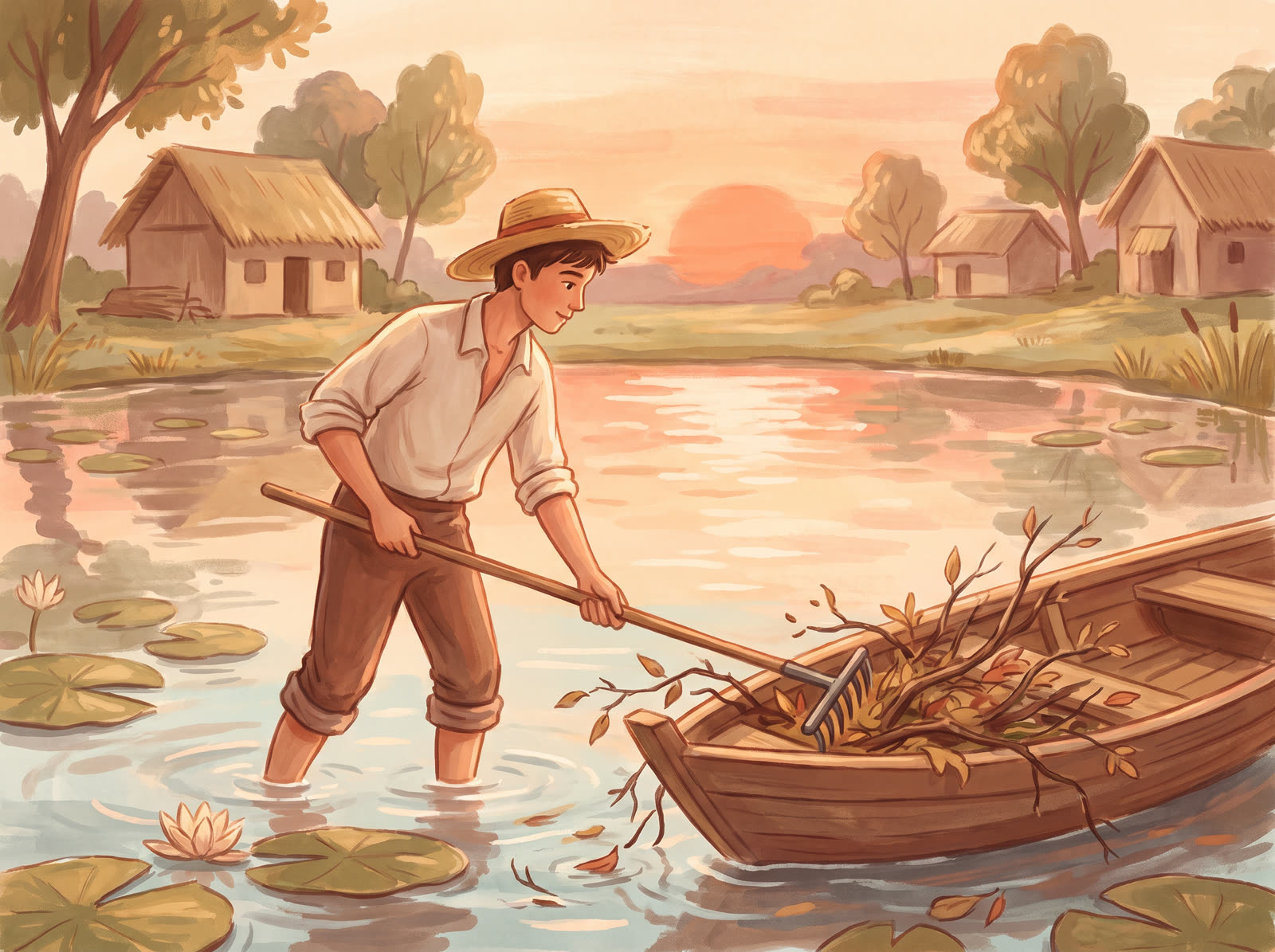
A young man clearing overgrowth and debris from a large calm village pond at sunset. Chapter Eight

The Muddy Pond That Turned Into a Mirror

One young man, one tired pond, and twenty-two acres that learned to shine again.

Read Bibi’s full telling

Bibi says: settle in, my dear, this one is about patience. There was once a big village pond, so big it took up twenty-two acres of land. Can you imagine that many football fields of water? But the pond had grown tired and tangled with old leaves and forgotten things, and it had stopped sparkling. A young man, just twenty years old, looked at that pond every day and finally said, 'I will fix this myself.' No one paid him. No one asked him to. He simply began, one armful of leaves at a time, through sun and rain. And little one, do you know what happens when someone keeps showing up? The water grew clear again. The fish came back. The birds returned to drink at its edge. And one evening, the whole village walked down just to look at their pond, shining again under the moon, all because one person decided to begin.

The End · Told by Bibi
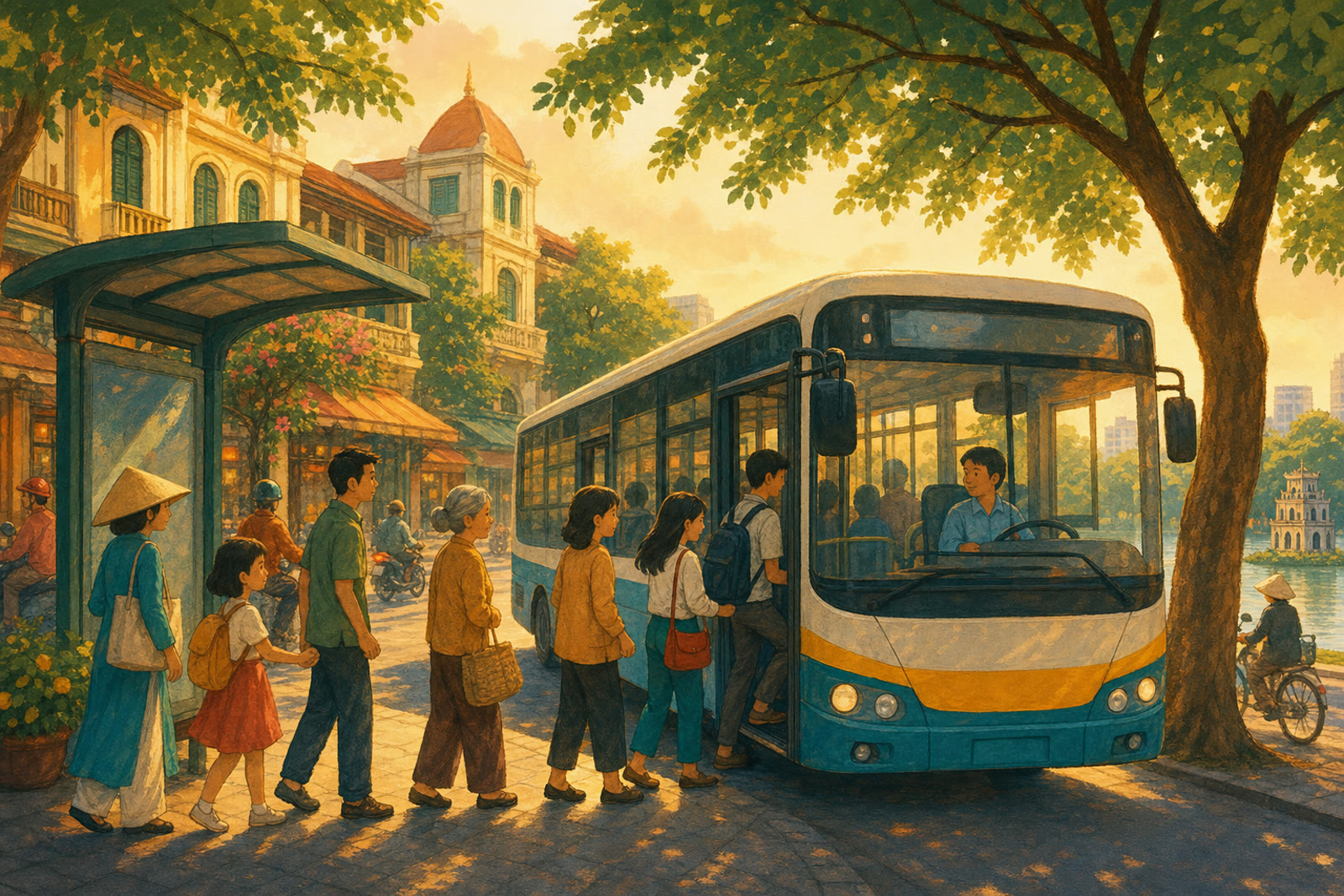
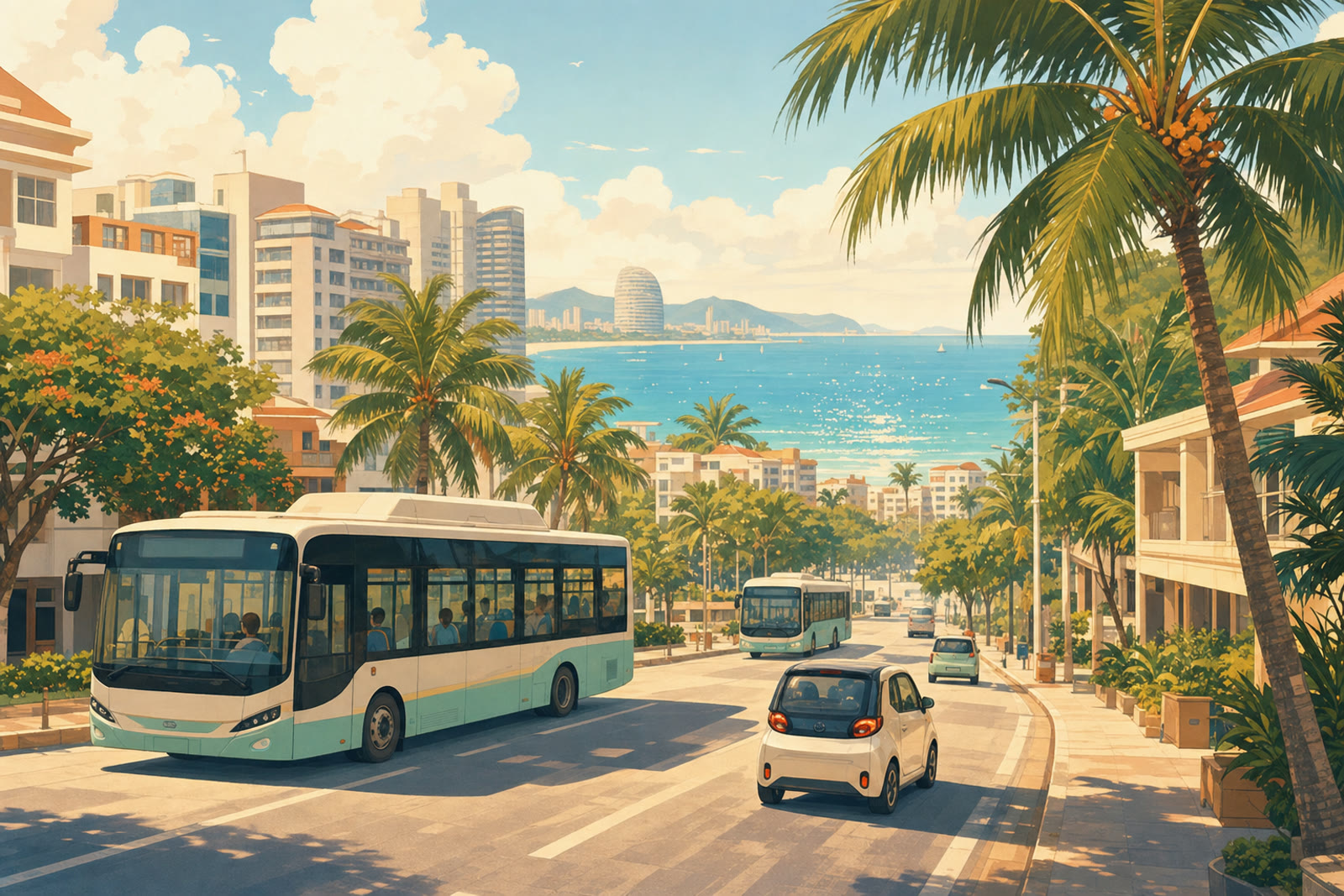
A city bus in Hanoi with riders boarding under shady trees in warm afternoon light. Chapter Nine

The Bus That Waited for Everyone

Free buses, six hundred thousand rides, and a little more room to breathe.

Read Bibi’s full telling

Bibi says: come, little one, this story has wheels. In a busy city far away, with a lake in the middle and mango-sellers on every corner, there used to be so many little motorbikes buzzing about that the air grew thick and grey. So the people who cared for that city tried something new: they said, the big buses shall be free, right in the busy heart of town, so grandmothers and schoolchildren and tired workers could all climb aboard without paying a single coin. And little one, do you know what happened? So many people came. More than six hundred thousand rides in just twenty days, all those neighbors riding along together, sharing one big bus instead of many small motorbikes. The streets grew a little quieter, and the sky over the lake got to breathe a little easier too.

The End · Told by Bibi
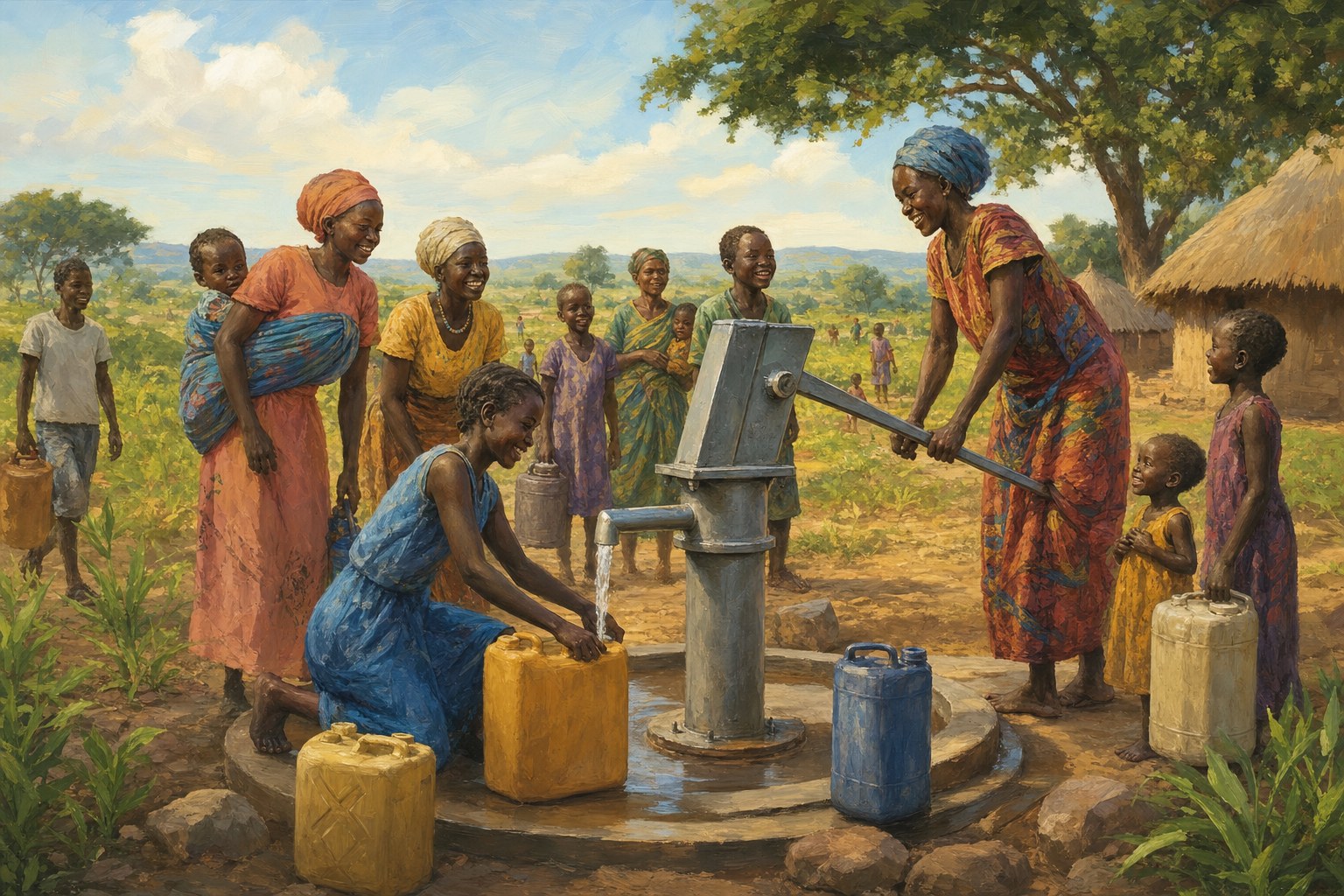
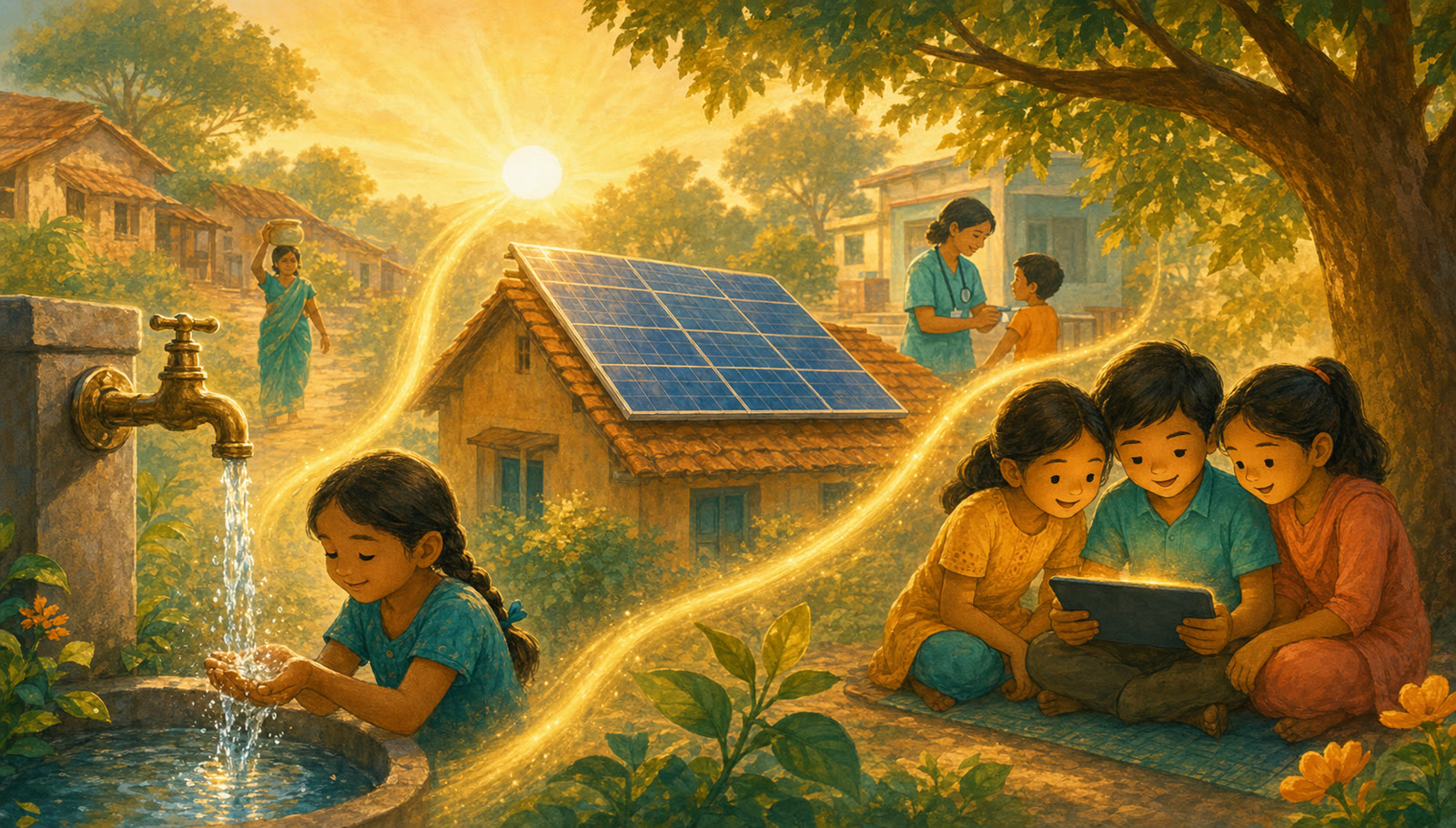
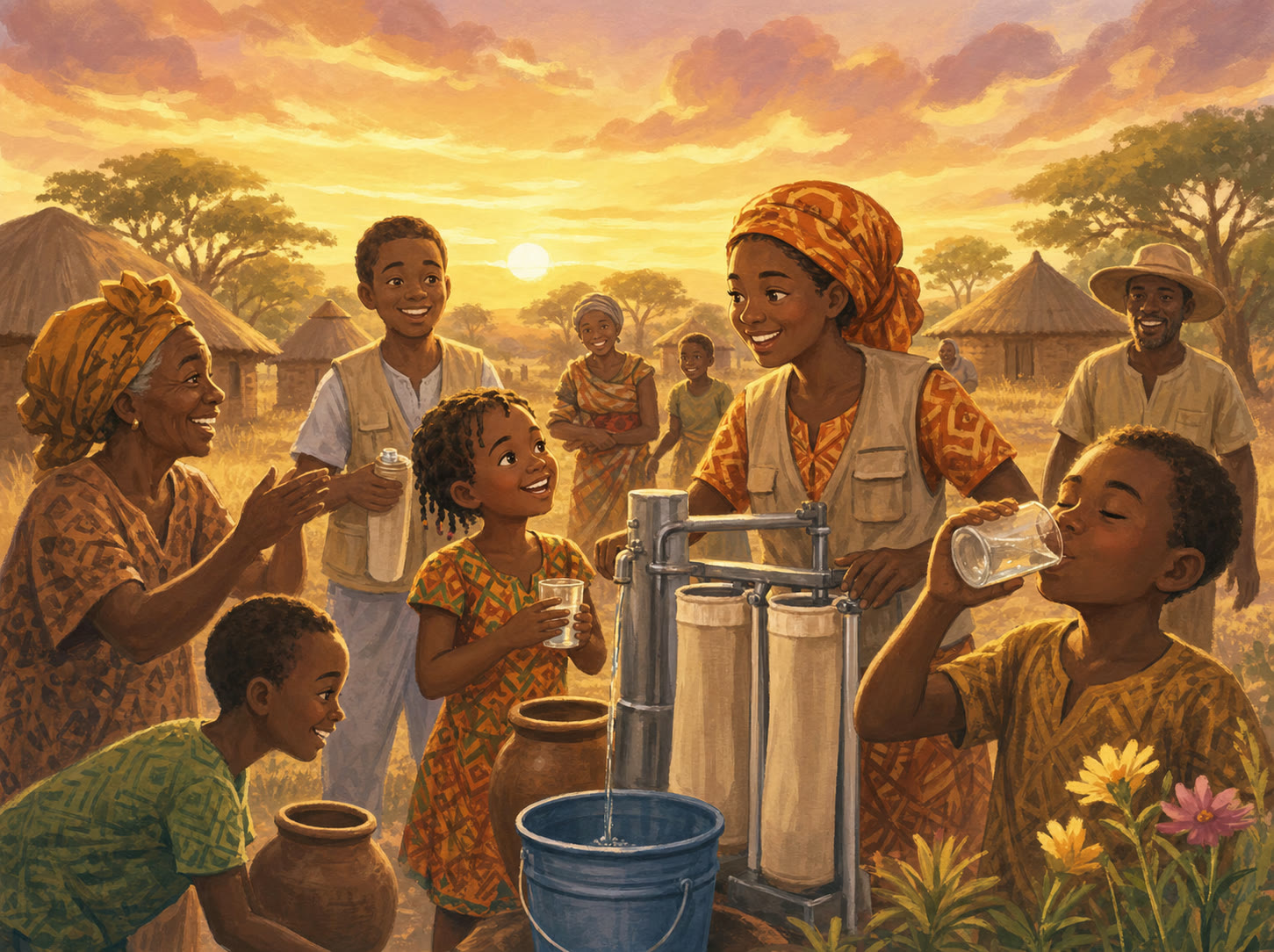
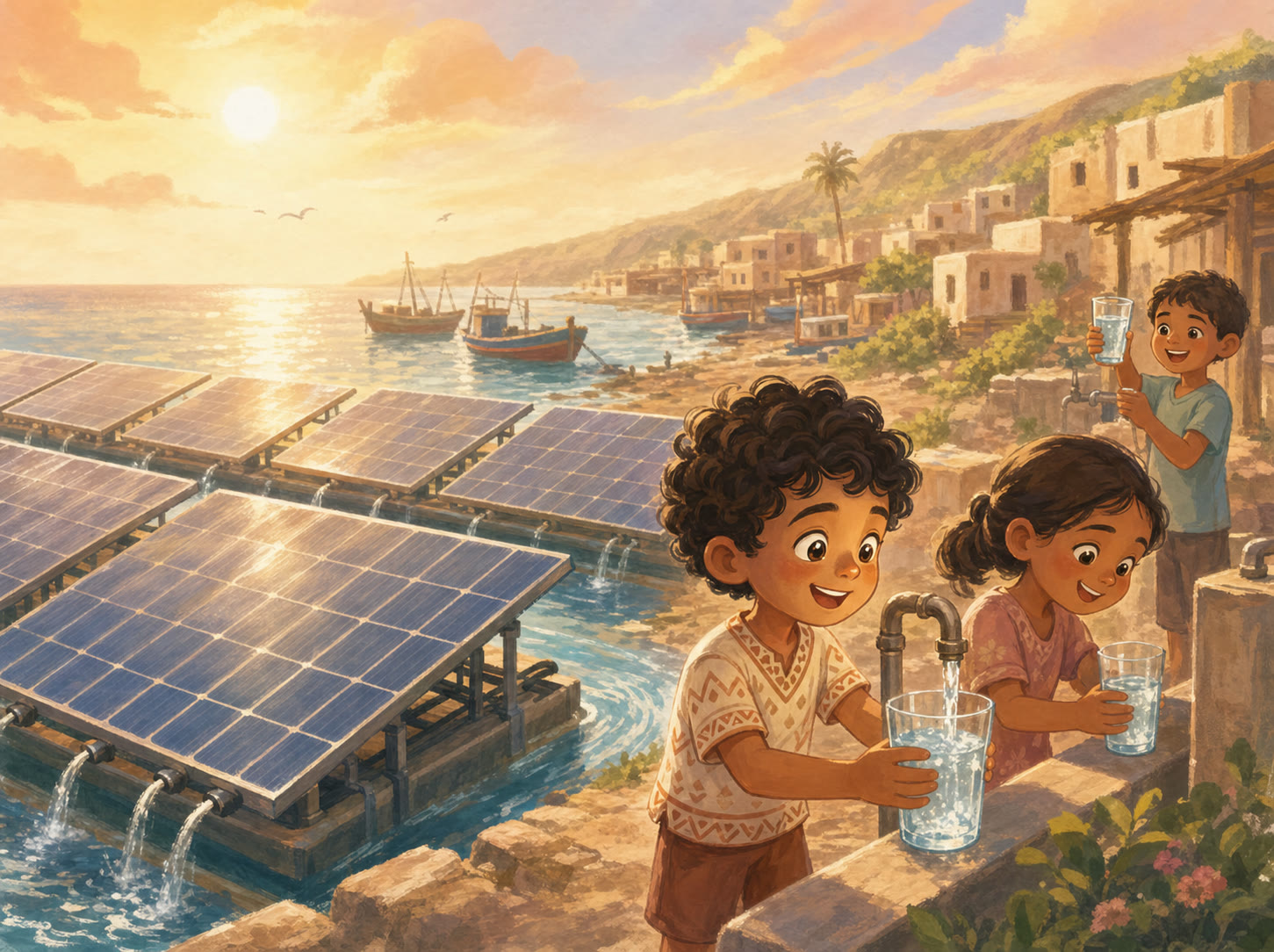
A warm illustration showing clean water access, electricity, and internet-connected learning in everyday life. Chapter Ten

The Whole World Got a Little Kinder

Wells dug, wires run, and the whole world getting a little kinder.

Read Bibi’s full telling

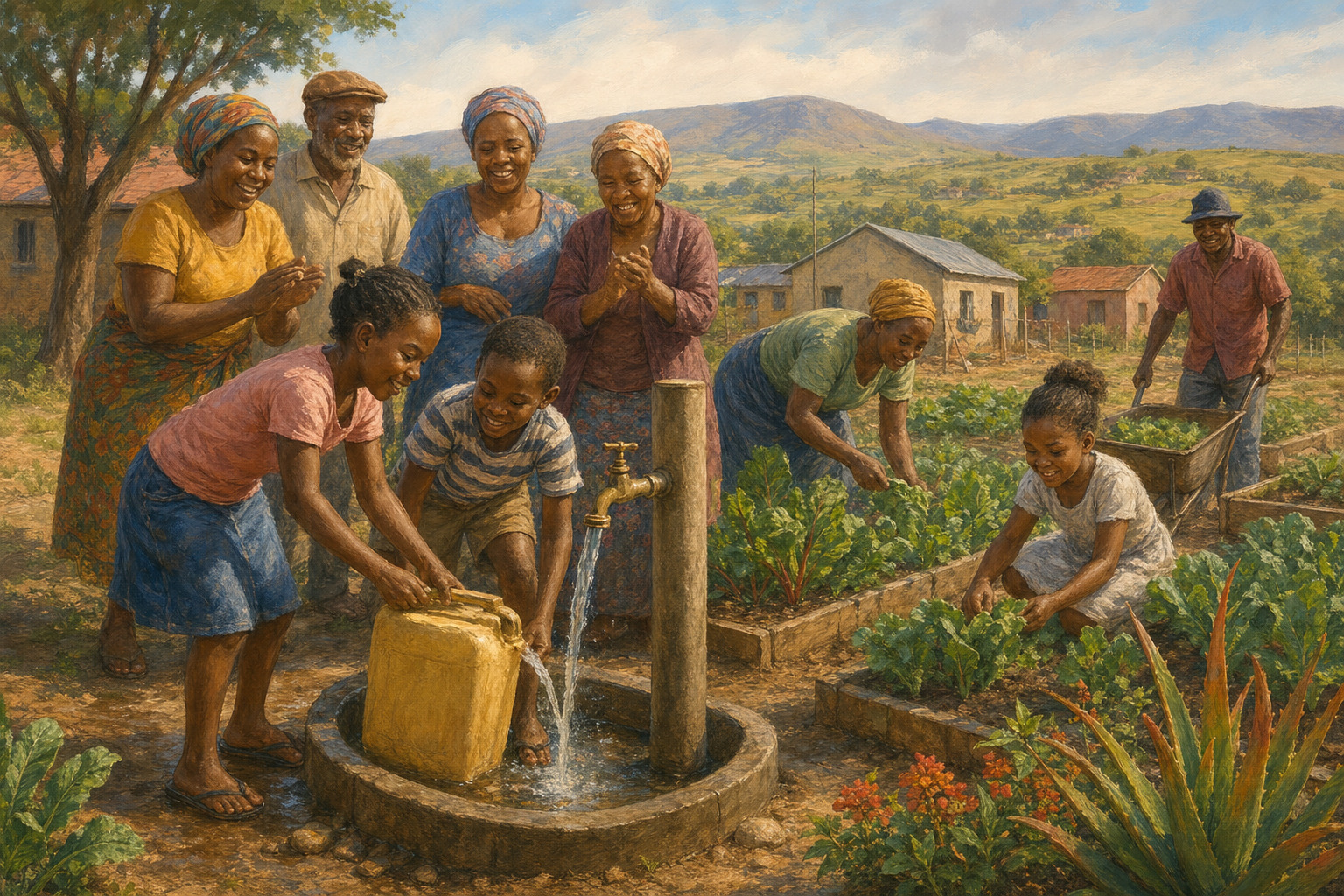
Bibi says: settle in close, little one, this is a story about the whole wide world, all at once. Imagine every village, every town, every little house on every hill, all counted together. Long ago, so many of those homes had no clean water to drink, no lamp to light at night, and no way to talk to someone far away. So people everywhere kept digging wells, kept running wires for light, kept building roads to carry good ideas from place to place, for years and years without stopping. And little one, when the wise counters added it all up, they found something wonderful: nearly a billion more people can now turn a tap and find clean water, most of the world has light in the evenings, and children in more homes than ever can read and learn together, glowing tablets and open books side by side under the same warm sun. Slowly, gently, the whole world got a little kinder to live in.

The End · Told by Bibi
A note for grown-ups

Every one of Bibi’s stories is adapted from a real, verified good-news story on Global Good News Daily, our main site for general readers. It's softened, slowed down, and made safe for little ears, with a complete ending every time. This corner, and only this corner, is designed specifically for children; the rest of GGND is written for adults and general audiences.