What happened
South Sudan has started counting its cancer patients. On Thursday 5 November, the country inaugurated its first national population-based cancer registry at Juba Teaching Hospital, Radio Tamazuj reported. The Ministry of Health set it up with the South Sudan Cancer Network, with support from the World Health Organization (WHO), the International Agency for Research on Cancer (IARC) and the African Cancer Registry Network (AFCRN), WHO’s Africa office said.
A population-based registry does more than list patients at one hospital. It tries to record every new cancer case in a defined population, so that health planners can see how common each cancer is, who is affected and how patients fare. Dr Albino Amum, Director of the Cancer Registry at Juba Teaching Hospital, said trained staff would actively collect information from public and private clinics, health centres and other facilities, Radio Tamazuj reported. He said the registry would start at Juba Teaching Hospital, following recommendations made by AFCRN and IARC after a visit to Juba in February 2026.
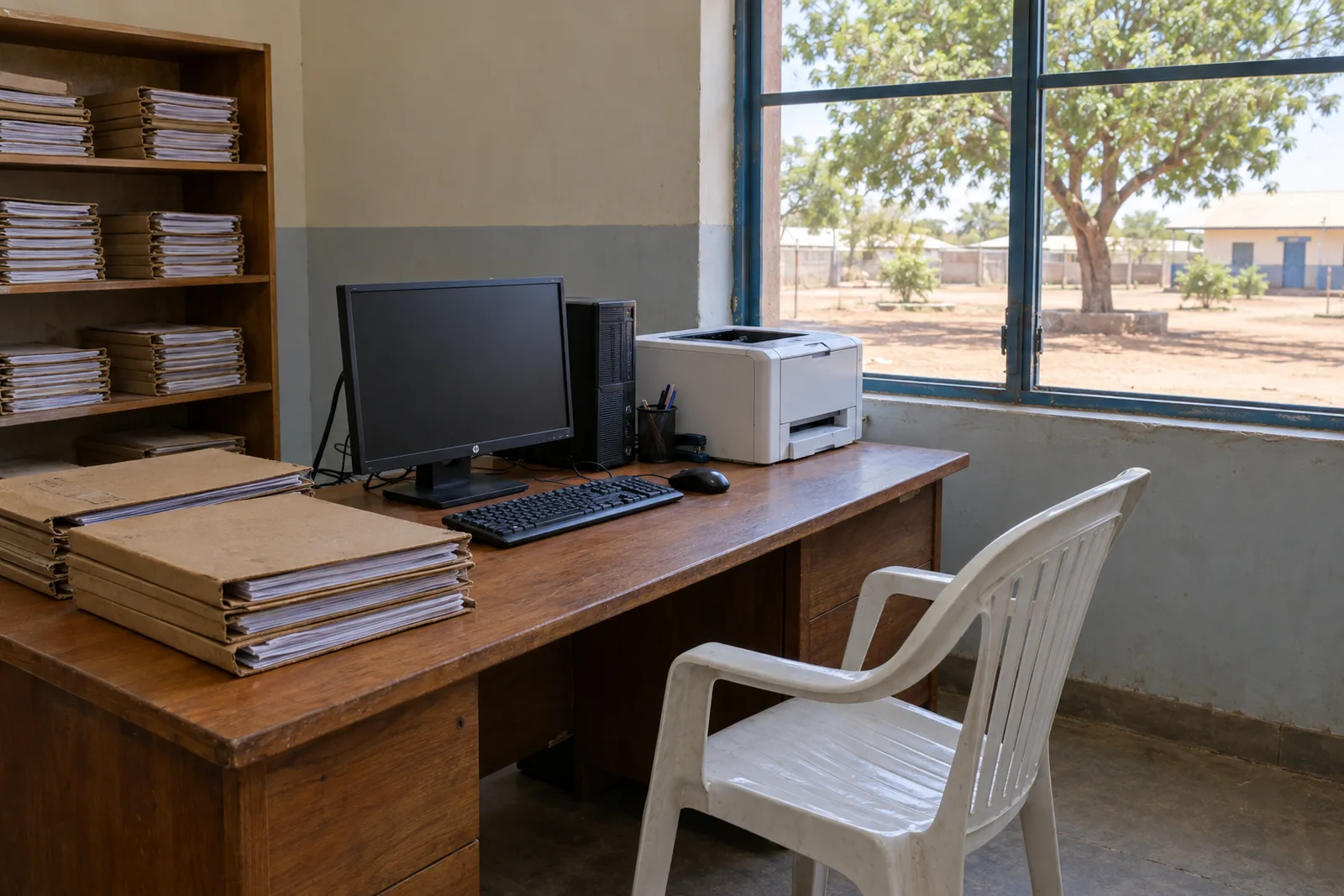
WHO said it had provided office furniture and equipment, including computers and printers, and will support data-collection software and give technical guidance. Eye Radio reported that UNICEF, Concern for Women and the United States Centers for Disease Control and Prevention were also supporting the work with equipment.
Why it matters
Until now, South Sudan’s cancer figures have been educated guesses. WHO said IARC estimated more than 8,000 new cases and more than 5,000 deaths in 2024, which would make cancer one of the leading causes of premature death and disability in the country. The caretaker health minister, Dak Duop Bichok, cited estimates of 8,124 new cases, 5,128 deaths and 11,645 people living with cancer, but stressed that these were modelled figures largely based on data from neighbouring countries, Radio Tamazuj and Standard Zone News reported.
“When cancer is diagnosed, it’s not recorded. We don’t know how bad cancer is,” Dr Aker Bol, a doctor in the oncology department at Juba Teaching Hospital, told Eye Radio. In GGND’s view, this is the quiet foundation that every other cancer service depends on: without counts, a health ministry cannot argue for a radiotherapy machine, decide where to put screening, or show donors that a programme is working.
We cannot continue depending on information from other countries to understand the health challenges facing our own people.
Dak Duop Bichok, caretaker Minister of Health, South Sudan, as reported by Radio Tamazuj
The wider picture
Dr Mutale Nsakashalo, Cluster Lead for Health Programmes at WHO South Sudan, said the registry would be “a critical tool for planning and strengthening comprehensive cancer services, including prevention, early detection, diagnosis, treatment, survivorship, and palliative care,” according to WHO.
Amum said South Sudan had been treating cancer patients for years without documenting it properly for national planning or international reporting. “Our data has not been captured by the international community,” he said, as reported by Radio Tamazuj. Dr Tolbert Nyenswah, Africa CDC’s country representative for South Sudan, warned that the registry’s “lasting value will depend on sustained government support and government leadership, trained staff, reliable reporting from health facilities across the country, strong data quality and confidentiality of our patients.”
The launch also exposed the gap behind the numbers. Juba Teaching Hospital’s Director General, Dr Anthony Lupai, called for a dedicated cancer treatment centre, saying many patients struggle to afford referrals to Mulago Hospital in Uganda, Standard Zone News reported. Amum made the same point: “A cancer registry alone cannot treat patients.”
Could it work elsewhere?
It already does. AFCRN supports population-based registries across sub-Saharan Africa, and the Juba registry was set up on its and IARC’s advice. In GGND’s view, the lesson from South Sudan is that a registry can begin small and cheaply, in one city with a few trained registrars and basic computers, as long as there is a plan to keep paying staff and to extend coverage beyond the capital over time.
What remains unresolved
- Money and staff. Amum named limited funding, a shortage of trained cancer registrars, fragmented health information systems and poor communication among stakeholders as challenges, Radio Tamazuj reported.
- Coverage. The registry starts in Juba. How and when it will reach the rest of a large country with weak roads and record-keeping has not been set out.
- Treatment. Counting cancer does not treat it. There is still no dedicated cancer centre, and patients who can afford it travel to Uganda.
- Political continuity. The minister is a caretaker. Commitments made at the launch will need to survive changes of government and donor funding cuts.
What happens next
WHO says it will support data-collection software and provide technical guidance, and Bichok said the government was committed to keeping the registry running, Radio Tamazuj reported. The first real test will be the registry’s first published count of cases, which should show which cancers are most common in South Sudan. GGND will look out for it.
Sources
- WHO Regional Office for Africa A landmark step for public health: South Sudan launches first-ever cancer registry (9 November 2026)
- Radio Tamazuj South Sudan launches cancer registry to improve disease data (5 November 2026)
- Eye Radio South Sudan launches first national cancer registry (6 November 2026)
- Standard Zone News South Sudan launches Cancer registry after years of relying on foreign estimates (5 November 2026)
Analysis and context are by The GGND Team. Where we draw our own conclusions, we say so. To report an error, contact us.