What happened
On 24 November, the Australian and Queensland governments announced that two nature refuges in the state’s north-west had grown by a combined 75,468 hectares, federal Environment Minister Murray Watt and Queensland Environment Minister Andrew Powell said in a joint statement.
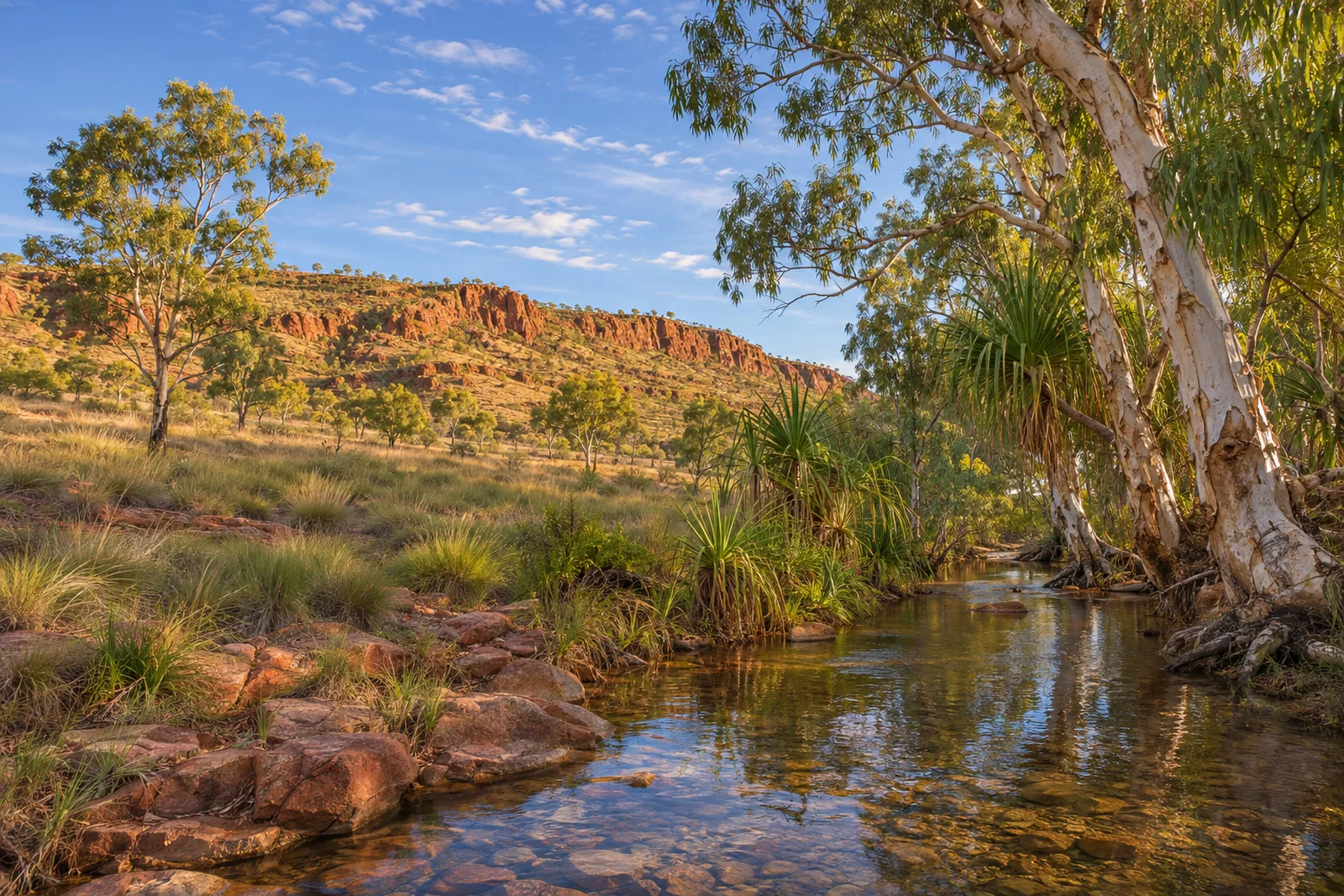
Herbertvale Nature Refuge, about 260 kilometres north-west of Mount Isa, has added 30,304 hectares to reach 63,228 hectares. It contains 22 regional ecosystems and habitat for the Carpentarian grasswren and the purple-necked rock-wallaby. Norfolk Nature Refuge, about 200 kilometres north-west of Mount Isa, has added 45,164 hectares to reach 75,808 hectares. It lies in the Gregory River catchment, includes part of the nationally significant Thorntonia wetland aggregation, and is home to the purple-crowned fairy-wren. Together, the two refuges improve connections with Boodjamulla National Park, the ministers said.
The expansions were funded through Round 11 of NatureAssist, a programme that pays landholders to protect land under conservation agreements, with $4.1 million in joint federal and state funding. The programme has supported 133 projects so far.
Why it matters
Nature refuges are a type of private protected area under Queensland’s Nature Conservation Act, set up by a legally binding agreement between a landholder and the government, the Queensland Government explained when the two refuges were created in January 2023, each at around 30,000 hectares. Both sit on cattle country. When the refuges were first declared, Herbertvale Station manager Shelly Hawkins told ABC News the agreement gave her “more tools to better manage the land”, including fencing off waterways and easily overgrazed downs country “to spread out grazing pressures”.
That is the appeal of the model. Governments cannot buy every important block of land, but they can pay owners who already know it to look after it. Landholders keep managing their properties, including fire, pest and weed control. “Herbertvale and Norfolk Nature Refuges boast extraordinary biodiversity and important ecosystems like savanna woodlands and grasslands which are home to many native species,” Watt said.
These expansions show what can be achieved when landholders and governments work together to protect important habitat while preserving Queensland’s unique biodiversity.
Andrew Powell, Queensland Minister for the Environment and Tourism
The wider picture
Australia has committed to protecting 30% of its land by 2030, and private agreements like these are one way governments hope to close the gap. Powell called the expansions “a significant win for conservation in Queensland, protecting more valuable habitat and strengthening connectivity on privately owned properties with our national parks”. Local news in the region reported the announcement on 25 November, the ABC’s north-west Queensland briefing noted.
There is an important caveat. Researchers writing in The Conversation have warned that “unlike national parks, mining projects are allowed to be developed within privately owned nature refuges against the land owner’s wishes”. The north-west around Mount Isa is one of Australia’s most important mining regions. In GGND’s view, that does not make the expansion meaningless, but it does mean a nature refuge is a weaker form of protection than a national park.
Could it work elsewhere?
Paying working farms and stations to protect habitat is already common in many countries, from conservation easements in the United States to agri-environment schemes in Europe. In GGND’s view, this case shows the model at large scale: two cattle properties together now protect almost 140,000 hectares. It works best where agreements last in perpetuity, monitoring is public, and the protection holds against other land uses.
What remains unresolved
- Mining exposure. Researchers say Queensland’s laws leave nature refuges open to mining and gas development in ways national parks are not.
- Grazing and monitoring. The announcement does not say how grazing will be managed in the new areas or how wildlife will be monitored.
- Money. The $4.1 million covers a whole funding round; how much went to these two properties was not stated.
- Scale of the gap. The expansions help, but reaching 30% protection by 2030 will need far more land.
What happens next
The landholders will continue to manage both properties under their conservation agreements. GGND will watch for further NatureAssist rounds, and for any public reporting on how the Carpentarian grasswren and purple-crowned fairy-wren fare on the expanded refuges.
Sources
- Australian Minister for the Environment and Water Joint media release: Queensland’s protected area network grows by 75,000 hectares (24 November 2026)
- Queensland Government Ministerial Media Statements Queensland’s protected area network grows by 75,000 hectares (24 November 2026)
- ABC News North-west Queensland local news briefing (25 November 2026)
- Queensland Government Ministerial Media Statements New Qld nature refuges protect 166,000ha (24 January 2023)
- ABC News Norfolk and Herbertvale nature refuges aim to protect ecosystems, assist graziers in north-west Queensland (31 January 2023)
- The Conversation Queensland has an important network of private conservation areas, but they’re dangerously exposed to mining (2022)
Analysis and context are by The GGND Team. Where we draw our own conclusions, we say so. To report an error, contact us.