What happened
On Monday 26 October, Papua New Guinea launched its third Nationally Determined Contribution, known as NDC 3.0, the climate plan each country submits under the Paris Agreement. At the same event at APEC Haus in Port Moresby, the government released its first Biennial Transparency Report, a National Inventory Report on emissions and a technical annex on forests, UNDP reported. The work was led by the Climate Change and Development Authority (CCDA).
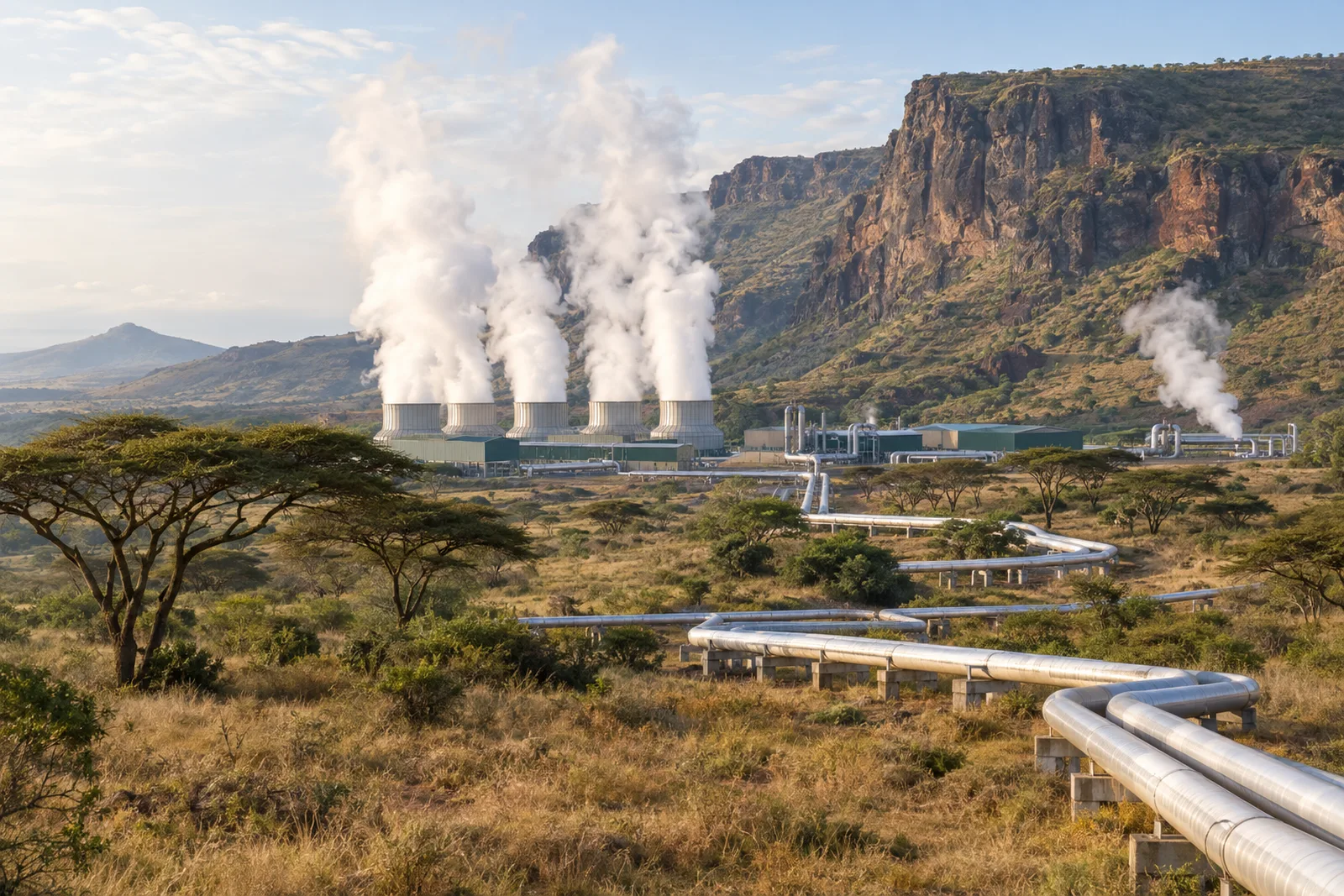
The plan sets out a pathway to net-zero emissions by 2030 and net-negative emissions by 2035, meaning the country’s forests and land would absorb more greenhouse gas than it emits. Its key targets are a 29% cut in annual energy-sector emissions by 2035 compared with 2022; 80% renewable energy in on-grid electricity by 2035, up from about 60% in 2022; electricity access for 70% of people by 2030; and a 20% reduction in deforestation and forest degradation by 2035 compared with 2022, PACNEWS reported.
For the first time, the plan also includes a dedicated framework on loss and damage, covering climate-related disasters, displacement and economic and non-economic losses.
Why it matters
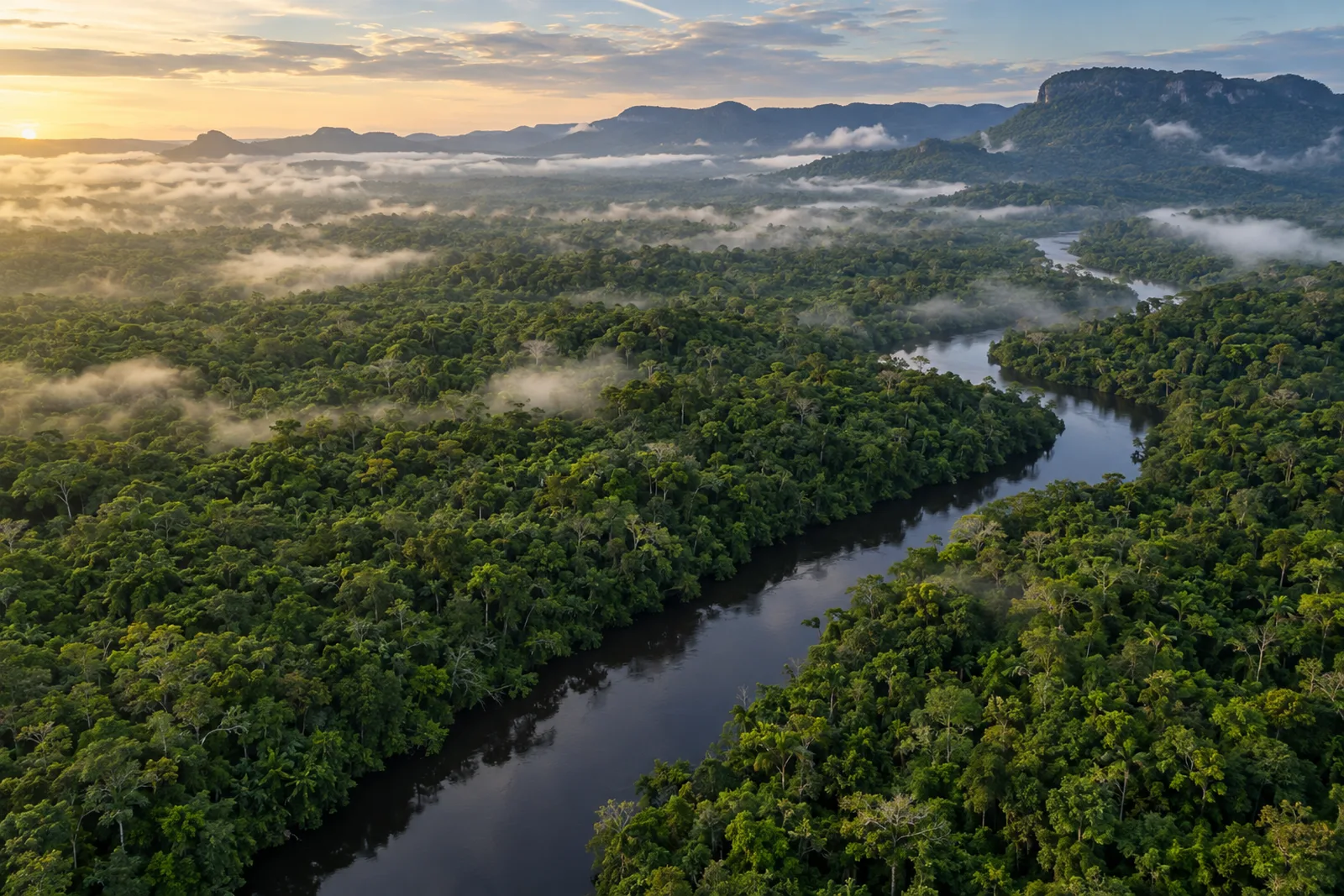
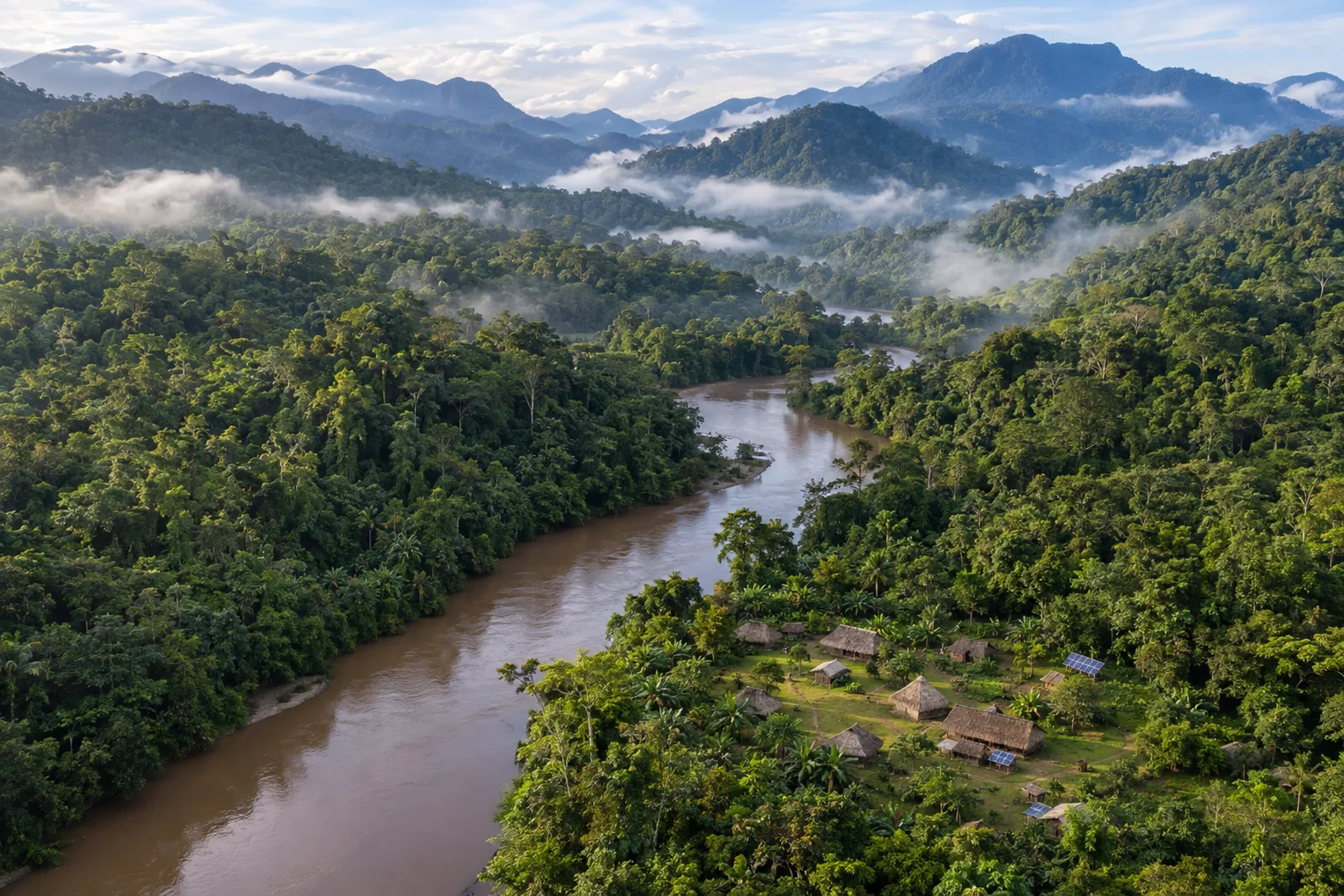
Papua New Guinea holds one of the largest remaining areas of tropical rainforest in the world, so what happens to its forests matters globally. Its earlier climate plans had targets only for the energy sector. The new plan covers the whole economy, sets the first numerical target for energy emissions and aims to increase how much carbon the land absorbs, according to an analysis by Climate Resource.
The new reports also give a much clearer picture of the country’s emissions. The national inventory puts emissions excluding land use at about 18 million tonnes of carbon dioxide equivalent in 2022, considerably higher than earlier estimates, mainly because of oil and gas operations, Climate Resource found. It also records a large land-use sink of about 14 million tonnes. In GGND’s view, honest accounting like this is a good-news story in itself, because a country can only manage what it measures.
Minister for Environment, Conservation and Climate Change John Kaupa called for hard work across society. ‘We can’t launch this important agenda and keep shying away. We must work hard with all stakeholders to ensure that we continue to achieve our target so that we can create a better world for our children and their children to come,’ he said, according to UNDP.
Our climate commitments must go beyond policy documents and translate into meaningful action that benefits our people and communities.
Debra Sungi, acting managing director of the Climate Change and Development Authority
The wider picture
Papua New Guinea produces less than 0.1% of global greenhouse gas emissions, Climate Resource notes, yet like its Pacific neighbours it faces rising seas, floods and landslides. The loss and damage framework reflects that reality. The forest annex sets out how to reduce deforestation, improve forest management and give customary landowners, who own most of the land, a fair share of the benefits, PACNEWS reported.
Speakers stressed that delivery is what counts. ‘The real measure of success will be the translation of NDC’s ambition into practical action, its implementation and making sure that communities see and feel its benefits,’ said Aadil Mansoor, UNDP’s deputy resident representative. Achieving the targets will need cooperation between government agencies, provinces, development partners and the private sector, as well as international climate finance and technology, Kaupa said, FM100 reported.
Could it work elsewhere?
Other forest-rich developing countries, from the Congo Basin to the Amazon, face the same challenge: how to grow their economies while keeping forests standing. In GGND’s view, Papua New Guinea’s approach of pairing ambitious targets with a full emissions inventory, a forest plan and a loss and damage framework is a useful template. Its value will depend on whether the money arrives and whether forest protection can be checked on the ground.
What remains unresolved
- Finance. The commitments are conditional on adequate, predictable and accessible international climate finance, technology and capacity-building, PACNEWS reported. Climate Resource describes the net-zero and net-negative goals as fully conditional on international support.
- Fossil fuel emissions. Climate Resource projects that emissions excluding land use could still be higher in 2035 than in 2019, so meeting the net-negative goal relies heavily on forests absorbing carbon.
- Forest protection. A 20% cut in deforestation will depend on decisions about logging, agriculture and mining, much of it on customary land, and on reliable monitoring.
- Electricity access. Reaching 70% access by 2030 is a large task in a mountainous country, and the plan’s cost has not been widely reported.
What happens next
The government says the focus now shifts from writing policy to implementation, attracting investment and measuring results, PACNEWS reported. That will mean building climate priorities into sector plans and improving monitoring and reporting. The plan was validated with national stakeholders in June, UNDP said at the time, and future transparency reports will show whether the targets are being met.
Sources
- UNDP Papua New Guinea PNG launches its Third Nationally Determined Contribution under the Paris Climate Agreement (26 October 2026)
- PINA / PACNEWS PNG sets 2035 climate targets, pledges net-negative emissions (28 October 2026)
- FM100 (Kalang News) PNG launches three climate change documents (26 October 2026)
- Climate Resource Papua New Guinea NDC factsheet (data release 1 November 2026)
- UNDP Papua New Guinea PNG validates ambitious NDC 3.0 to accelerate climate action and resilient development (June 2026)
Analysis and context are by The GGND Team. Where we draw our own conclusions, we say so. To report an error, contact us.