What happened
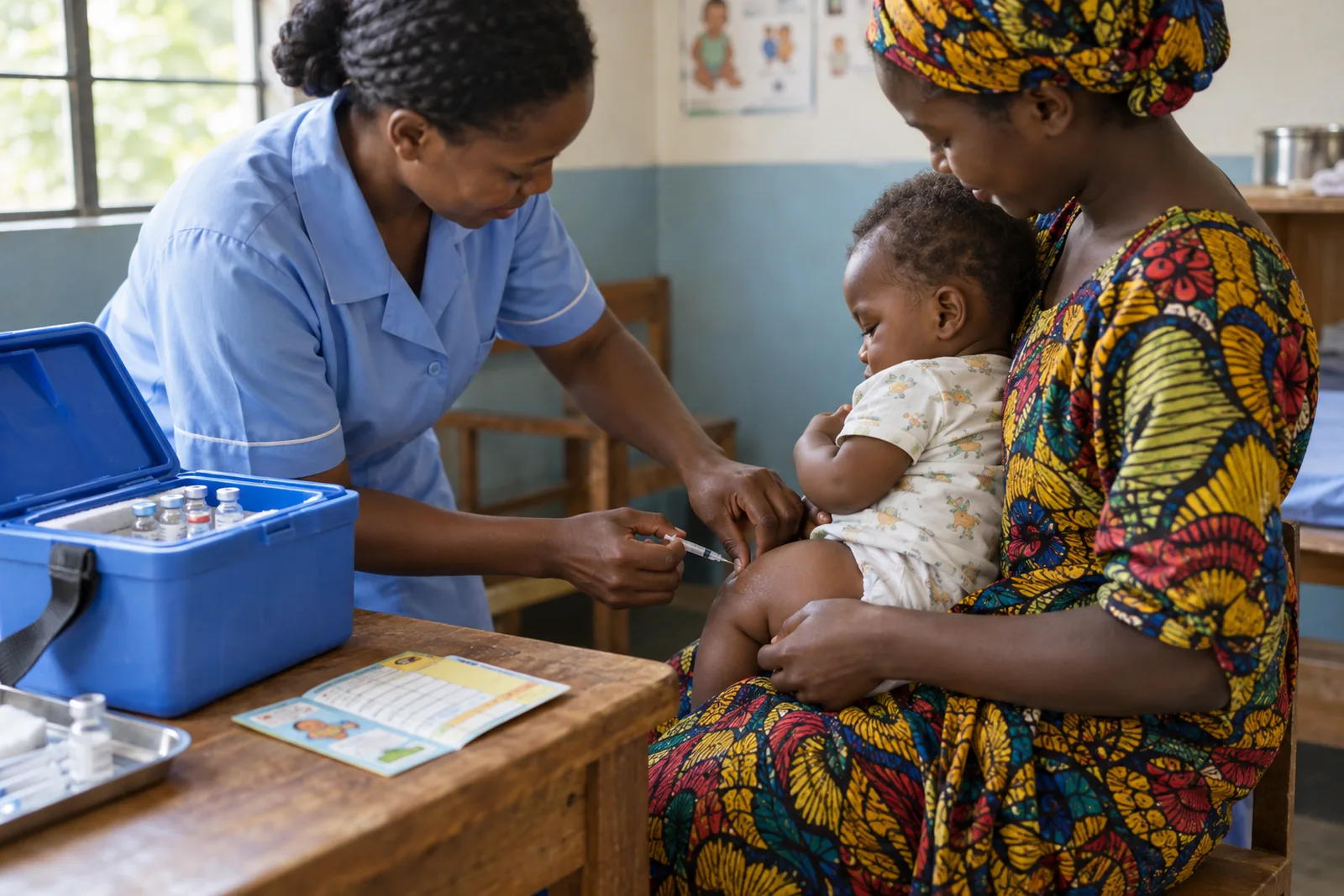
On 22 October, Gavi, the Vaccine Alliance, and UNICEF announced an agreement to cut the price of the RTS,S/AS01 malaria vaccine by about 40%, to EUR 5.50 per dose. UNICEF negotiated the deal, Gavi backs it financially, and an advance payment from the International Finance Facility for Immunisation (IFFIm) made it possible. The lower price is expected to take effect by early 2027 and to save around US$50 million between 2027 and 2029.
That money can be spent on children. As demand grows, the savings could protect up to one million more children with the full four-dose course, or help countries reach more children with other vaccines, Gavi says.
Why it matters
Malaria remains one of the biggest killers of young children. In 2024 there were an estimated 282 million cases and 610,000 deaths worldwide. Up to 95% of both were in Africa, and around 74% of the deaths were children under five, according to UNICEF. In other words, a child dies of malaria about every minute.
The vaccines work. Both WHO-approved malaria vaccines cut malaria cases by more than half in the first year in trials, and a full four-dose course reduces cases by about 75% when given seasonally where transmission is highly seasonal. During WHO’s pilot programme in Ghana, Kenya and Malawi, more than 2 million children received RTS,S between 2019 and 2023, and the vaccine was associated with a 13% drop in deaths from all causes and 22% fewer hospital admissions for severe malaria among eligible children, Business Standard reported.
This agreement is an important step towards protecting more children from malaria by expanding access to life-saving vaccines where they are needed most.
Leila Pakkala, Director of UNICEF Supply Division
The wider picture
Since rollout began in 2024, demand for malaria vaccines has outpaced forecasts. UNICEF has delivered more than 74 million doses, and the vaccine is now part of routine immunisation in 25 African countries, which together carry more than 70% of the global malaria burden. Gavi aims to vaccinate 50 million more children against malaria by 2030.
The price cut is one of several steps. In June 2025, GSK and India’s Bharat Biotech pledged to bring the price of RTS,S below US$5 a dose by 2028, as production moves from GSK to Bharat Biotech, Business Standard reported. In November 2025, Gavi and UNICEF agreed a 25% price cut on the second vaccine, R21, made by the Serum Institute of India, to US$2.99 a dose. Gavi estimated that would save US$90 million and fund up to 7 million more children over five years, Reuters reported.
Could it work elsewhere?
In GGND’s view, the lesson is about how vaccines are bought, not only how they are made. Gavi and UNICEF describe their approach as shaping markets: building reliable demand so manufacturers invest in more supply, then using bulk buying and, here, an advance payment to lower the price. When aid is falling, getting more doses for the same money may be one of the most dependable ways to keep progress going.
What remains unresolved
- A factory still to be approved. The deal depends on regulatory and manufacturing milestones, including WHO prequalification of a new manufacturing facility, before UNICEF starts buying doses at the new price.
- Shrinking aid. UNICEF describes funding for international aid as in “unprecedented decline.” In 2025, Gavi raised US$3 billion less than its target, Reuters reported. Savings help, but they do not replace funding.
- Four doses, not one. Full protection needs four doses, with the last in a child’s second year. Bringing every child back for every dose is hard where clinics are far away.
- Not a cure-all. Vaccines work alongside bed nets, repellents, preventive medicines and quick diagnosis and treatment. Rising temperatures and flooding are pushing malaria into new areas, Gavi warns.
What happens next
The lower price is due to apply by early 2027, once the new manufacturing facility is approved. Meanwhile, the partners say they want a healthy market, with multiple vaccine options, enough manufacturing capacity and reliable supply. “It sends a strong signal in support of continued innovation,” Leila Pakkala said, pointing to the next generation of malaria vaccines still to come.
Sources
- UNICEF Gavi and UNICEF secure lower malaria vaccine price, saving US$50 million for childhood immunization programmes (22 October 2026)
- Gavi, the Vaccine Alliance Gavi and UNICEF secure lower malaria vaccine price (22 October 2026)
- Reuters UNICEF and Gavi agree to cut Mosquirix malaria vaccine price by 40% (22 October 2026)
- Reuters Gavi, Unicef sign deal to cut malaria vaccine price (24 November 2025)
- Business Standard Bharat Biotech, GSK to cut malaria vaccine price by half for children (25 June 2025)
Analysis and context are by The GGND Team. Where we draw our own conclusions, we say so. To report an error, contact us.