What happened
Two Kenyan conservationists were among the three winners of the 2026 Tusk Conservation Awards, presented by the Prince of Wales at Raffles London in Whitehall on 11 November, according to Tusk. Raabia Hawa, founder of the Ulinzi Africa Foundation, won the Tusk Award for Conservation in Africa. Daniel Yiankere, security manager at Loisaba Conservancy in Laikipia County, won the Tusk Wildlife Ranger Award. The third winner was Dr Colleen Begg of Mozambique, who received the Prince William Award for Conservation in Africa.
The money goes to the winners’ organisations, not to them personally. The Prince William Award carries £100,000 over three years, the Tusk Award £75,000 and the Wildlife Ranger Award £50,000 over the same period, The Star reported. It was the 14th year of the awards.
Why it matters
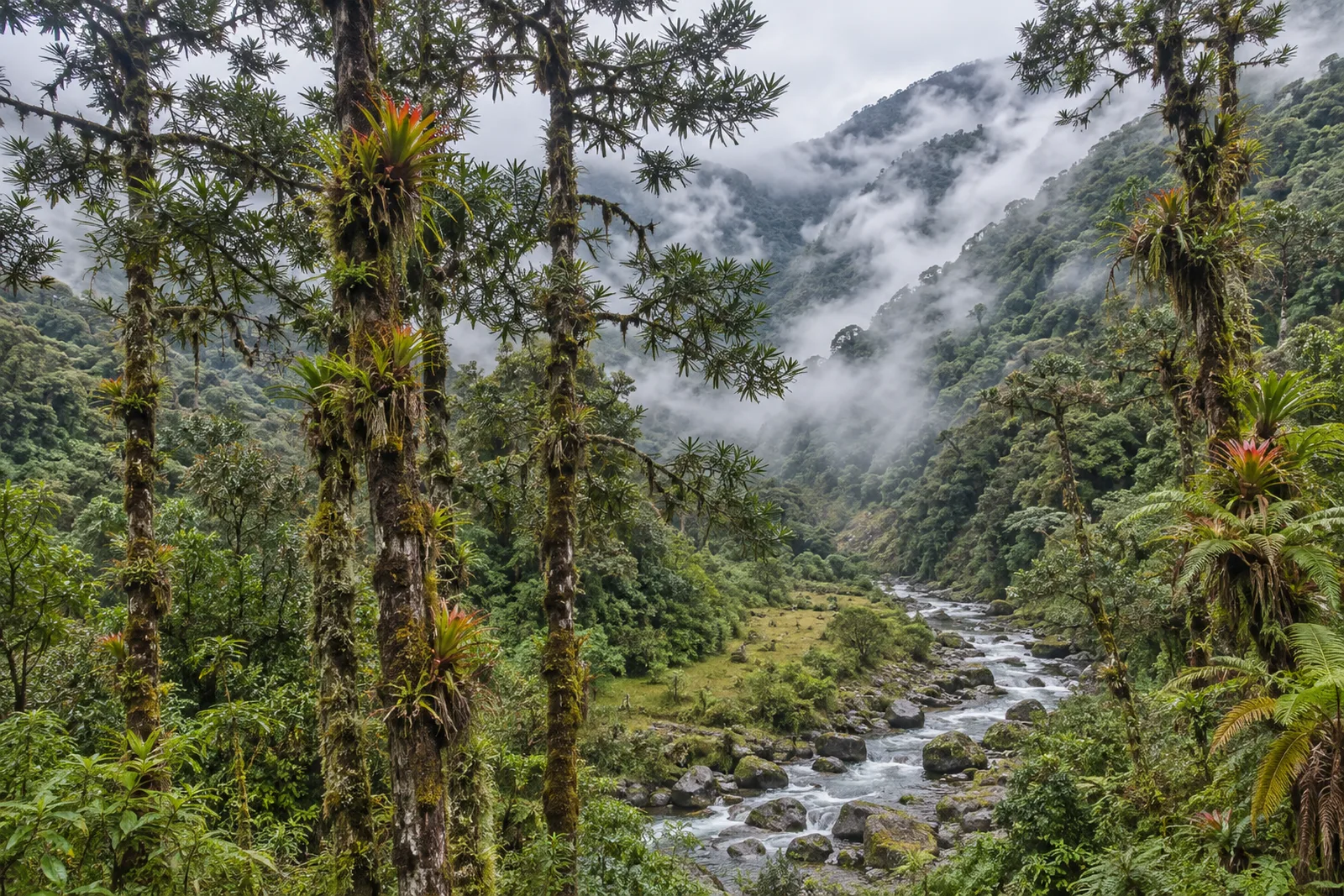
Hawa has spent more than a decade protecting wildlife and fragile habitats on Kenya’s northern coast, in the Tana Delta and Lamu. Through Ulinzi Africa Foundation, which she set up in 2014, she works with rangers and local communities to protect places such as Kipini Forest and the Milihoi mangrove creeks, ynews reported. Her work mixes anti-poaching patrols with legal action against illegal fishing, destructive bottom trawling and proposed mining. She played a central role in the impounding of the fishing vessel MV Roberto in April 2021. Action against bushmeat poaching has helped the endangered coastal topi, an antelope, recover: in one stronghold, numbers rose from about 33 to more than 300.
“For more than a decade, our rangers and the communities we work with in the Tana Delta and Lamu have kept showing up for this place, even when the work was difficult, and few people knew what it took,” Hawa said, as quoted by The Star. She also credited the Kenya Wildlife Service (KWS) as a key partner.
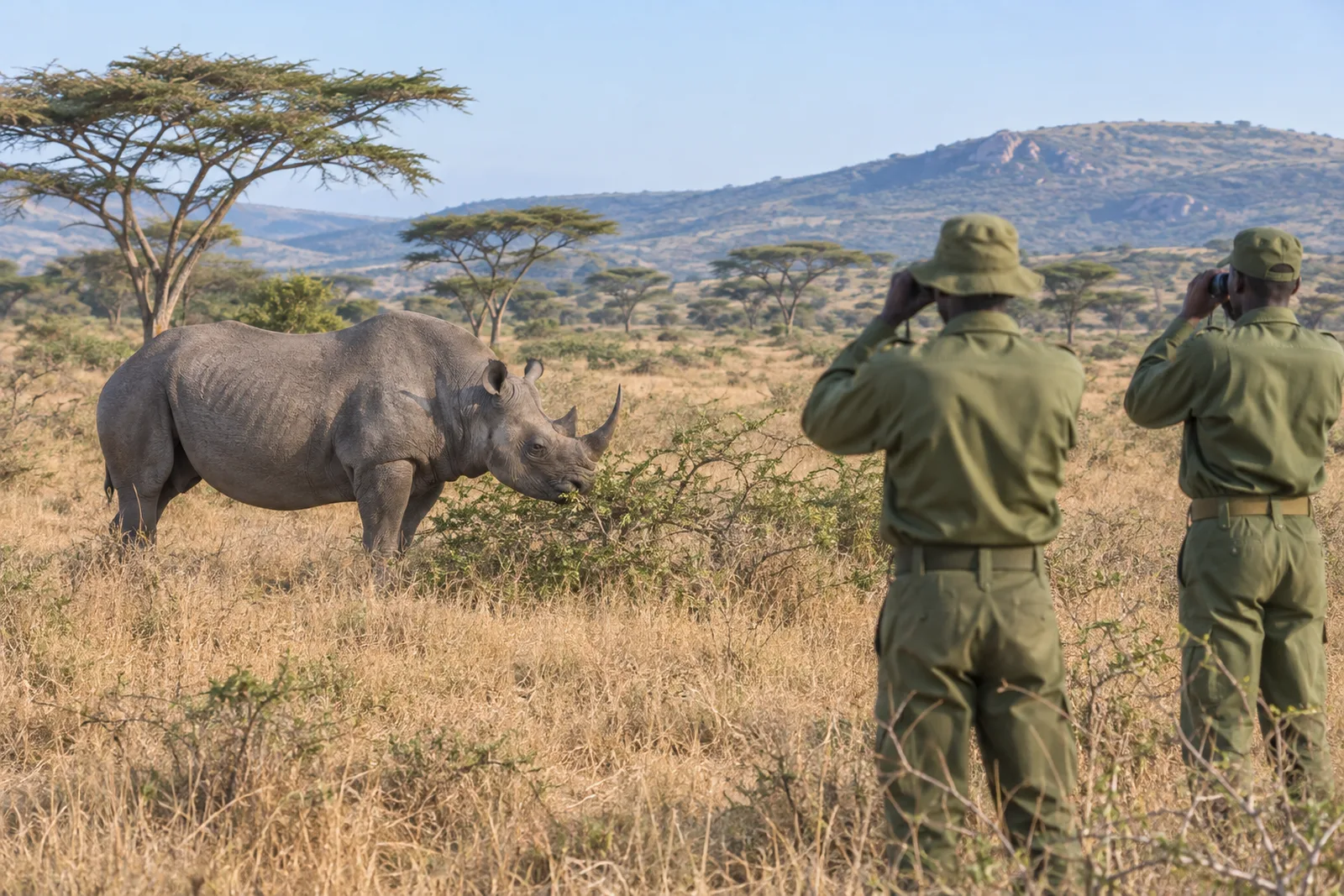
Yiankere joined KWS in 1992 and served in Tsavo, Amboseli, Meru, the Maasai Mara and Marsabit before moving to Loisaba in 2017. He now leads more than 100 security and wildlife monitoring staff. Loisaba has reported no poaching incidents since 2017, and he helped prepare security for the return of 21 critically endangered eastern black rhinos in 2024. The Star reported that the population has since grown to 28.
Conservation is not something you do to a community. It is something you do with them.
Daniel Yiankere, security manager, Loisaba Conservancy
The wider picture
Kenya’s black rhinos are a real recovery story. Their numbers have grown from about 380 in the late 1980s to more than 1,200 this year, according to the Nation. In his speech, Prince William said: “We know conservation works,” pointing to rising black rhino numbers in Kenya, as reported by People. He added that the work “is hard and often dangerous”.
But success brings a new problem: space. In the same week, Ol Pejeta Conservancy said its 179 eastern black rhinos now exceed the roughly 120 its habitat can sustainably support, and that 17 rhinos died between 26 February and 12 November 2026, the Nation reported. Joint checks with KWS found no evidence of poaching; the deaths were put down to natural causes, including lion predation, old age and disease, amid poor rains and a sharp fall in the acacia rhinos feed on. Rhinos from Ol Pejeta were used to found the new populations at Loisaba in 2024 and Segera in 2025.
That is why the next step at Loisaba matters. Yiankere is working with neighbouring Koija communities, who have expressed interest in expanding rhino habitat onto community-owned land, The Star reported. In GGND’s view, this is the most important part of his award: Kenya’s rhinos need new, safe ground, and the only way to get it is with the people who own it.
Over the past 13 years, 61 winners have received around £2 million in grants for their organisations, helping to protect more than 60 species in 23 countries, according to People. The third winner, Colleen Begg, has spent more than three decades working with communities in northern Mozambique to protect large carnivores, and has supported more than 100 women conservation leaders across 24 African countries.
Could it work elsewhere?
In GGND’s view, both Kenyan winners show approaches that travel. Hawa’s combination of patrols, community work and court cases suits coastlines where the main threats are legal or semi-legal: trawling, mining and development. Yiankere’s community security and grazing committees are a model for any conservancy that hopes to grow beyond its fences. Neither works without long-term funding, which is what the awards try to provide.
What remains unresolved
- Room to grow. Ol Pejeta’s rhino deaths show that recovery can outrun habitat. Whether Koija land is added to Loisaba’s sanctuary has not been decided.
- Threats on the coast. The Tana Delta and Lamu still face pressure from illegal fishing, mining proposals and development, and much of Hawa’s work happens in insecure conditions.
- Scale of the money. £125,000 over three years helps two organisations, but it is small compared with the cost of protecting whole landscapes.
- Measuring impact. The figures on topi and poaching come from the award organisers and the winners’ own programmes; independent surveys would strengthen them.
What happens next
The grants will be paid over the next three years. Hawa said the recognition will help Ulinzi Africa strengthen support for rangers and coastal communities. At Loisaba, the next milestone is whether the rhino sanctuary expands onto community land. The Wildlife Research and Training Institute is also assessing how many rhinos Ol Pejeta can sustainably hold, which will shape where Kenya’s rhinos go next.
Sources
- Tusk Conservation Awards Tusk Conservation Award winners 2026 (accessed 14 November 2026)
- The Star (Kenya) Two Kenyans win top global conservation awards (12 November 2026)
- ynews Prince William honours two Kenyans at global conservation awards (12 November 2026)
- People Prince William steps out for evening celebrating wildlife warriors (11 November 2026)
- Nation 17 rhino deaths in eight months: Ol Pejeta Conservancy raises alarm (November 2026)
Analysis and context are by The GGND Team. Where we draw our own conclusions, we say so. To report an error, contact us.