What happened
On 15 October, the California Fish and Game Commission voted to create two new State Marine Conservation Areas: Point Sal, on the Central Coast, and Mishopshno, which protects Carpinteria Reef in Santa Barbara County. They are the first new marine protected areas added to the state’s network since it was completed in 2012, and the first ever nominated by tribes, the Marine Conservation Institute reports. The commission also expanded the Point Dume area off Malibu and strengthened the Pyramid Point area near the Oregon border.
Governor Gavin Newsom announced the package on 19 October. Together the actions protect about 15,000 more acres and bring the share of California’s coastal waters that are conserved to 22.2%, the Governor’s office says, moving the state closer to its goal of 30% by 2030.
Why it matters
Both new areas came from Chumash tribes, whose homelands line this coast. Mishopshno, named after a nearby historical village, was nominated by the Santa Ynez Band of Chumash Indians with the Natural Resources Defense Council and the Environmental Defense Center. Point Sal was co-sponsored by the Northern Chumash Tribal Council and the NRDC, The Tribune reports. Point Sal will also get a new name, chosen with the Chumash people.
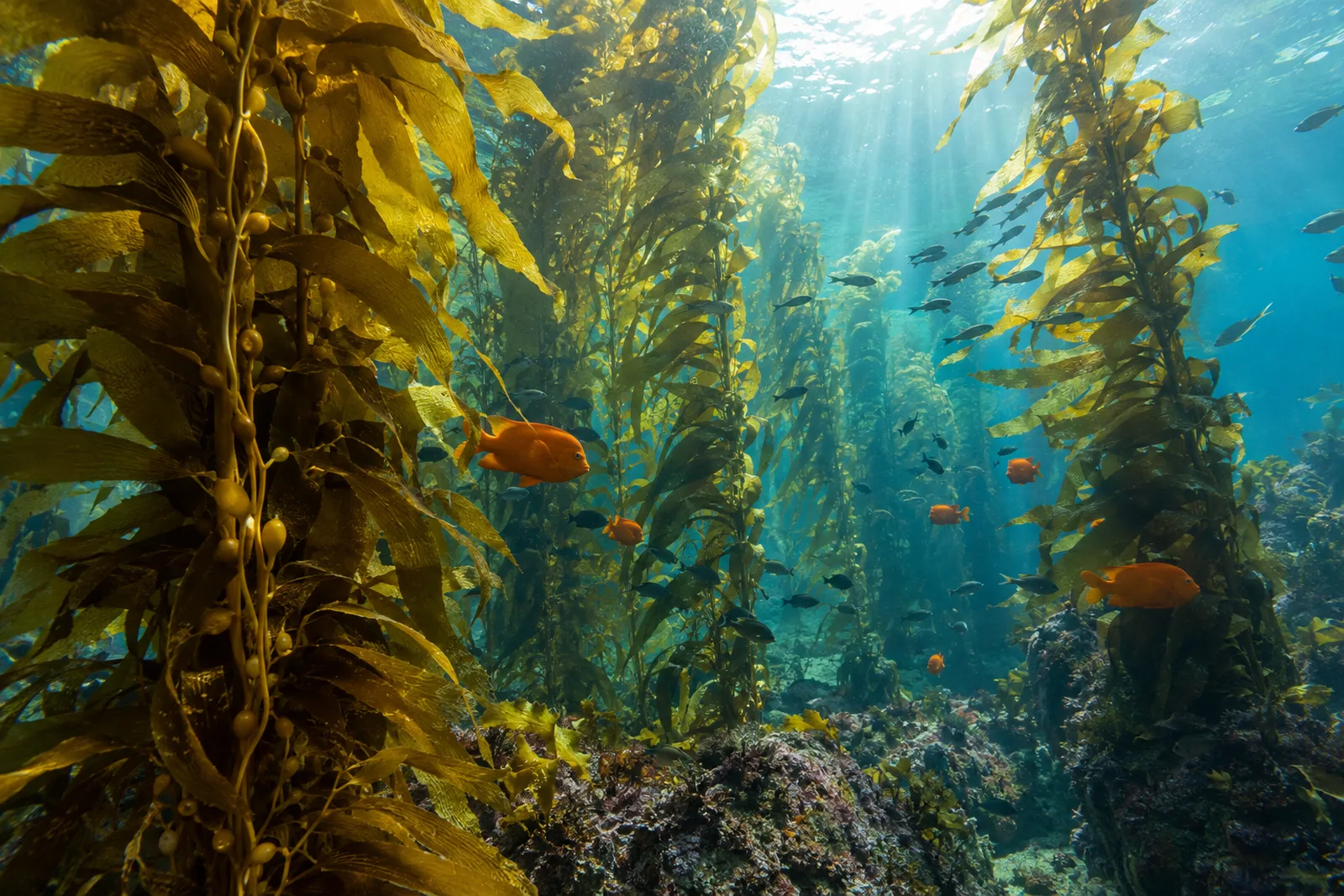
The waters are rich. Mishopshno protects one of the healthiest and most persistent kelp forests in the Santa Barbara Channel, according to the state. Point Sal includes kelp forests and Lion Rock, a haven for sea lions, seals and migratory birds, and there are ancient village sites along the shore, Violet Sage Walker, chair of the Northern Chumash Tribal Council, told the Los Angeles Times. “It’s a very important, special area within and surrounded by areas that are heavily fished and also heavily burdened by pollution and industrialization,” she said, as quoted by NewsNation.
Both areas still allow hook-and-line fishing from the shore, but ban commercial fishing and sport fishing from boats, the Los Angeles Times reports.
This area has important cultural and spiritual values that deserve to be protected for future generations.
Kenneth Kahn, Tribal Chairman, Santa Ynez Band of Chumash Indians
The wider picture
The votes followed three years of public meetings, tribal engagement and scientific review in the first ten-year review of California’s network. “A protected area network is only as strong as its willingness to keep adapting,” said Lance Morgan, president of the Marine Conservation Institute. The state says the areas open new chances for state agencies and Chumash tribes to look after these waters together, part of its goal of returning 7.5 million acres of land and coastal waters to tribal stewardship.
The decision also has a political backdrop. The Governor presented the move as a response to the federal government’s push to open California’s coast to new offshore oil drilling. “These new protected areas proposed by tribal partners provide important protections at a critical time,” said California’s Natural Resources Secretary Wade Crowfoot, as quoted by SeafoodSource.
Could it work elsewhere?
It builds on a model that already exists nearby. The Chumash were involved in creating the federal Chumash Heritage National Marine Sanctuary in 2024, which NOAA manages with the Chumash and Salinan tribes in a co-stewardship framework, SeafoodSource notes. In GGND’s view, the lesson for other coastal regions is that Indigenous communities can do more than be consulted. Here they wrote the proposals.
What remains unresolved
- Not in force yet. The vote is not the final step. A formal rule-making process lies ahead, and the new areas are not expected to take effect for a couple of years, the Marine Conservation Institute says.
- Fishers’ concerns. Commercial fishers warn they will lose access to key waters, and the commission split 3 to 2 on Mishopshno, while it approved Point Sal unanimously, the Los Angeles Times reports.
- How much is truly new. Point Sal lies inside the existing federal sanctuary, so it does not add to the state’s conserved total, although it offers a higher level of protection. Reported sizes for Mishopshno also differ between outlets.
- The proposals that failed. The commission rejected most of the other petitions it considered, including ones near Santa Cruz, The Inertia reports.
What happens next
State agencies will draft the formal rules, and the Marine Conservation Institute says it will keep working with the commission, the Ocean Protection Council, the Department of Fish and Wildlife and tribal partners so the areas deliver measurable results. GGND will follow the rule-making, the new name for Point Sal, and how state and tribal co-stewardship works in practice.
Sources
- Office of the Governor of California Governor Newsom announces historic new ocean protections as Trump pushes offshore drilling (19 October 2026)
- Marine Conservation Institute California adds first new marine protected areas in over a decade, and tribes lead the way (October 2026)
- Los Angeles Times California creates first tribal-led marine protected areas (19 October 2026)
- SeafoodSource California establishes two new marine protected areas, expands others (22 October 2026)
- The Tribune (San Luis Obispo) CA Central Coast gets new ocean protections. What that means for fishing (20 October 2026)
- NewsNation California creates first tribal-led marine protected areas along coast (21 October 2026)
- The Inertia California protects two new marine areas, but rejects others (October 2026)
Analysis and context are by The GGND Team. Where we draw our own conclusions, we say so. To report an error, contact us.