What happened
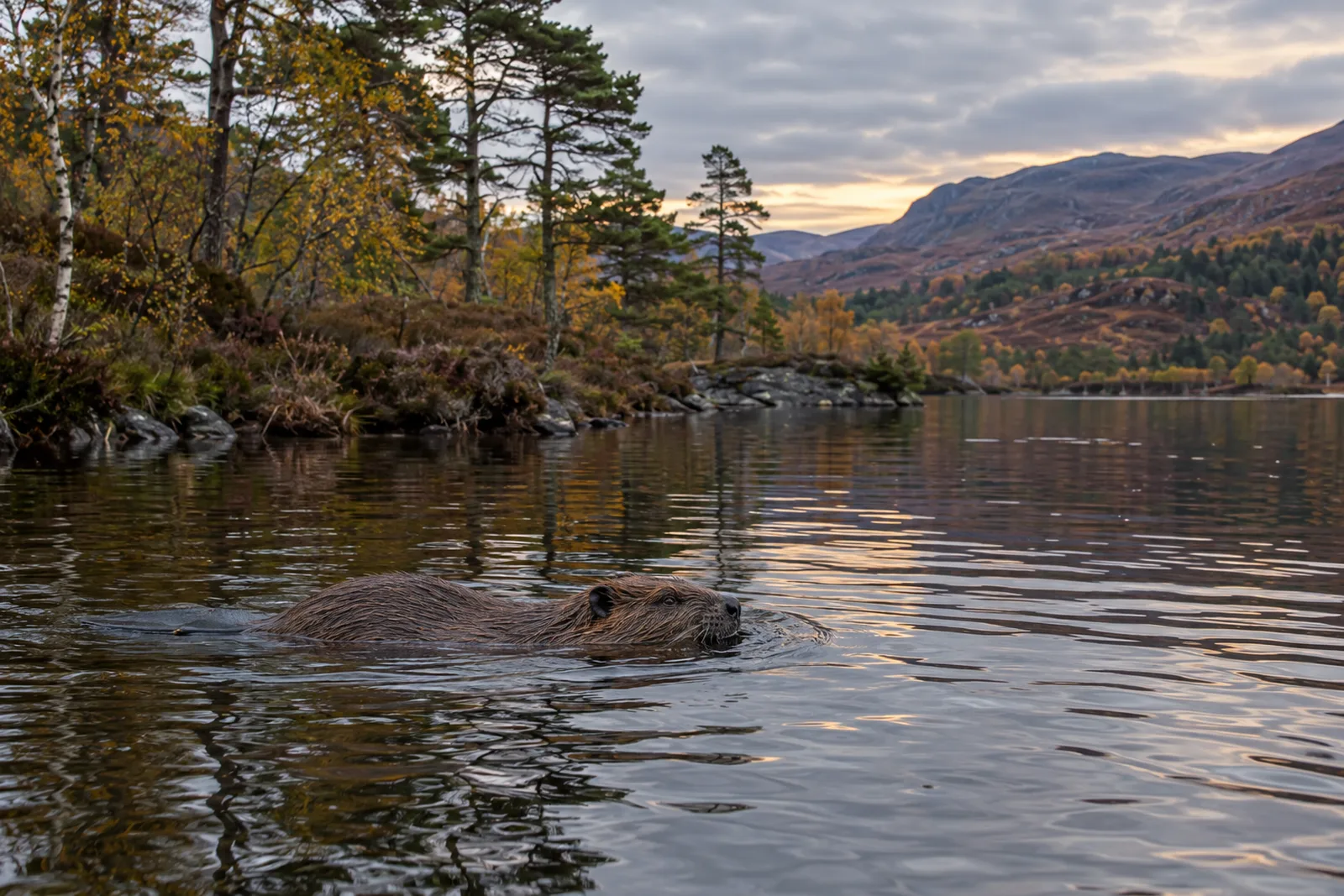
On Wednesday 4 November, a family of six beavers was released into a lochan on Dundreggan, a 10,000-acre rewilding estate in Glenmoriston run by the charity Trees for Life. It is the first time in about five centuries that beavers have lived in the catchment around Loch Ness, PA reported. The family is a mother, two two-year-old juveniles and three kits born earlier this year.
The animals did not come from a zoo or from abroad. They were captured in Tayside, where they had been causing problems for farmers, and were health-screened at a holding unit at Five Sisters Zoo near West Calder before the move, according to PA. All six went straight into the water to explore.
The release is the first under the Ness Beaver Project, run by Trees for Life and Beaver Trust. NatureScot, Scotland’s nature agency, granted the licence on 30 October, The Herald reported. The licence decision notice covers the translocation of 10 to 15 beaver families from conflict sites within Scotland over three years, from 2026 to 2029, with release sites for seven family groups identified in the first phase, from autumn 2026 to spring 2027. The charities say they aim for at least 15 families.
Why it matters
Beavers were hunted to extinction centuries ago, and Loch Ness was the last recorded site of Scotland’s beavers before they were eradicated, Alan McDonnell of Trees for Life told PA. Their return is about more than one species. Through building dams and canals, beavers revitalise river and wetland networks, supporting biodiversity and helping to ease problems such as flooding, drought and wildfires, PA reported. Establishing a healthy population in the catchment will secure the species’ return to the Highlands, Beaver Trust said.
NatureScot’s assessment found a “high potential for ecological restoration benefits” and concluded that the proposals “will not lead to unacceptable harm and will provide significant benefits in biodiversity and ecosystem services”, according to the decision notice. Much of the Ness catchment is steep-sided and rocky, which limits the scope for dams and burrowing, so the agency judged the risk of conflict with people to be low.
The source of the animals matters too. In GGND’s view, moving beavers out of places where they are damaging prime farmland, rather than killing them, turns a management problem into a conservation gain. NatureScot has said that beavers for the project will come from areas where they were having a negative impact on prime agricultural land and where mitigation had not worked or was not possible, the BBC reported.
Just to see beavers behaving naturally in the wild in a place where they are welcome, and where they will thrive, has been a very emotional experience.
Steve Micklewright, chief executive of Trees for Life, speaking to PA
The wider picture
Scotland’s first official beaver reintroduction trial began in 2009, Gary Curran of Five Sisters Zoo told PA, and wild populations have grown since. Alan McDonnell, Trees for Life’s head of nature restoration, called the species’ return one of the country’s “biggest rewilding success stories”. NatureScot identified the River Ness catchment in 2022 as one of the most suitable places in Scotland for beavers, the BBC reported.
Local opinion was tested first. In the applicants’ consultation, 73% of respondents were supportive, 21% were unsure and 6% were opposed, according to the NatureScot decision notice. Dr Roisin Campbell-Palmer, head of restoration at Beaver Trust, said the “extensive woodland and suitable habitat” at Dundreggan “offer real opportunities for the animals to thrive and bring lasting biodiversity benefits”.
The project is also expected to help the local economy, which relies heavily on its landscape. Once the family has settled, Trees for Life plans to run guided tours, PA reported.
Could it work elsewhere?
The model is already spreading. Scotland already moves beavers from conflict sites to new catchments under licence. In GGND’s view, the Ness approach offers a template for other places: choose a catchment with good habitat and limited farmland, consult people early, and agree a monitoring and mitigation plan with farmers and fisheries before the first animal arrives. Where rivers run through flat, intensively farmed land, the trade-offs will be harder.
What remains unresolved
- Farming and crofting. The main concerns raised were localised flooding from dams and bank erosion from burrowing on farm and croft land beside rivers, according to NatureScot. How quickly problems are handled when they occur will shape local support.
- Salmon. The spring salmon run matters a great deal in the Loch Ness catchment, and a dam on a spawning burn could delay or block fish, NatureScot said. The plan relies on surveillance for dams and action with the Ness District Salmon Fisheries Board when they are found.
- Mitigation must be delivered. NatureScot’s habitats appraisal found no adverse effect on protected sites only if monitoring and mitigation are followed, and said there “needs to be certainty that this mitigation can be implemented and secured”.
- Settling in. One family is a start, not a population. Releases will be spaced out to avoid territorial disputes, and it will take years to know whether a self-sustaining population takes hold.
What happens next
More releases are planned over the next three years. Future sites will be announced only after the animals are safely in place, so they can settle without disturbance, PA reported. A Ness Monitoring and Management Beaver Group will be set up to track where beavers spread and give people a neutral channel for raising problems, according to the NatureScot decision notice. For now, the first family has the lochan to itself. “I think they’ll be very happy here,” Steve Micklewright said.
Sources
- NatureScot Ness Beaver Project – Licence 325300 – Decision Notice (October 2026)
- Beaver Trust Licence granted for historic return of beavers to waters around Loch Ness (30 October 2026)
- Yahoo News UK / PA Beavers make historic return to Loch Ness after 500 years (6 November 2026)
- The Herald Beavers return to Loch Ness catchment after 500 years (6 November 2026)
- BBC News Beavers to return to River Ness area after 500 years (2026)
Analysis and context are by The GGND Team. Where we draw our own conclusions, we say so. To report an error, contact us.