What happened
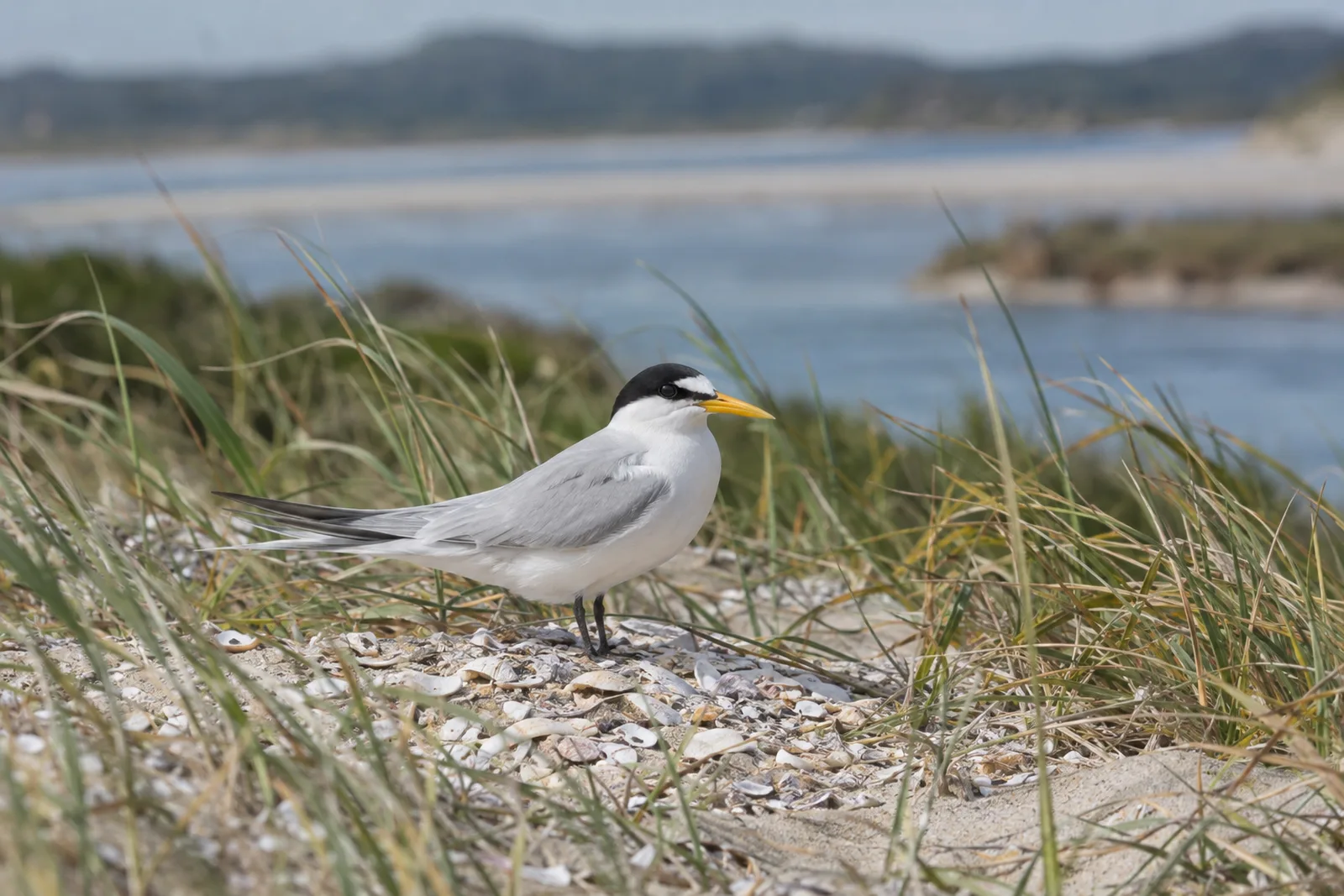
A young pair of tara iti, the New Zealand fairy tern, has been seen fishing in the Ruakākā estuary in Northland and landing on a specially prepared shell patch near the river mouth, the Department of Conservation (DOC) said on 4 November. The last confirmed record of tara iti breeding at Ruakākā was in 1989.
One of the birds is a two-year-old female reared at Auckland Zoo, which works with DOC to hand-rear chicks and release them into the wild. “While it’s still too early to know whether they’ll nest here this season, seeing them using the shell patch is a really promising first step,” said Ayla Wiles, who leads DOC’s tara iti programme.
Why it matters
Tara iti are New Zealand’s rarest endemic breeding bird. There are only about 45 to 50 left in the wild, RNZ reported. When DOC began recovery work in the 1980s, there were just three or four breeding pairs, RNZ’s Our Changing World reported. The birds are known to breed at only five places, all in Northland and North Auckland, the Northern Advocate reported.
With so few sites, a single storm, high tide or predator can wipe out a big share of a season’s nests. A new breeding site would spread that risk. In GGND’s view, that is why a pair simply landing on a patch of shells is real news: for a species this small, every extra site counts.
It’s incredibly exciting to see a young pair exploring Ruakākā estuary, particularly after all the work that’s gone into preparing the site for them.
Ayla Wiles, tara iti programme lead, Department of Conservation
The wider picture
Ruakākā did not happen by chance. Over the winter, DOC assessed possible new breeding sites at Ruakākā, northern Waipū and Ōmaha, and chose the northern side of the Ruakākā river mouth for habitat work, DOC said. The local hapū Patuharakeke helped prepare a shell-covered nesting area, and Bream Bay Coastal Care expanded its predator-trapping network, including four new automated rat and possum traps. Volunteers from Waipū About Tern and Bream Bay Coastal Care have been watching the site.
“The return of tara iti to Ruakākā is a very significant and special tohu or indicator that together we can improve the health of our taiao so that these species can survive and thrive in our rohe,” said Juliane Chetham of the Patuharakeke Te Iwi Trust Board, according to DOC.
The sightings come as DOC prepares for what could be a record season, with an estimated 14 to 15 breeding pairs expected, the highest number for many years. Shell patches have helped: “Since we’ve been doing this sort of shell patch creation ourselves, we’ve seen nest success increase,” Wiles told RNZ. Taking some first clutches to Auckland Zoo for hand-rearing has also “doubled the productivity for those pairs”, she said.
Could it work elsewhere?
The methods are simple and transferable: prepare nesting habitat before the birds need it, trap predators, fence nests and ask beach users to give birds space. DOC’s own fundraising aims to develop three to five new safe breeding sites within the bird’s range. In GGND’s view, the partnership between DOC, hapū, local trapping groups, a zoo and volunteers is the part other shorebird programmes around the world could learn most from.
What remains unresolved
- Will they nest? Given the pair’s age and inexperience, breeding this season is far from certain, DOC said.
- Predators. A third of eggs or newly hatched chicks were eaten by predators last breeding season, RNZ reported, even though 11 chicks still fledged.
- A tiny population. With about 45 to 50 birds in the wild, one bad season from storms, predators or disturbance could undo years of gains.
- Pressure on Bream Bay. A fast-track application to mine sand from the seabed in Bream Bay, east of the Waipū and Ruakākā estuaries, has worried bird watchers, Birds New Zealand’s magazine reported. DOC also asks visitors to keep dogs on leads and out of reserves and not to drive on beaches.
What happens next
The breeding season runs from September to January, and egg-laying usually starts around the middle of November, RNZ reported. DOC’s seasonal rangers will support volunteers at Ruakākā as the season goes on. “We’re cautiously optimistic. There’s still a long way to go, but the prospect of tara iti breeding at Ruakākā again after 37 years is something everyone involved in their recovery can feel excited about,” Wiles said. If all goes well, she told RNZ, the population could reach 50 by this time next year.
Sources
- Department of Conservation Rare tara iti could return to breed at Ruakākā after 37 years (4 November 2026)
- Northern Advocate / NZ Herald Tara iti pair: Young birds raise hopes of nesting at Ruakākā estuary (5 November 2026)
- RNZ Morning Report DOC’s Ayla Wiles on return of rare Tara iti to Northland (5 November 2026)
- RNZ Our Changing World: Saving Tara-iti shell by shell (October 2026)
Analysis and context are by The GGND Team. Where we draw our own conclusions, we say so. To report an error, contact us.