What happened
The first women have joined EDITH, the world’s largest trial of artificial intelligence in breast cancer screening, NHS England announced on 23 November. Nearly 700,000 women will take part over about three years. Recruitment began at Cambridge University Hospitals, the first of 30 NHS sites across the UK, with more opening in the coming months, the National Institute for Health and Care Research (NIHR) said.
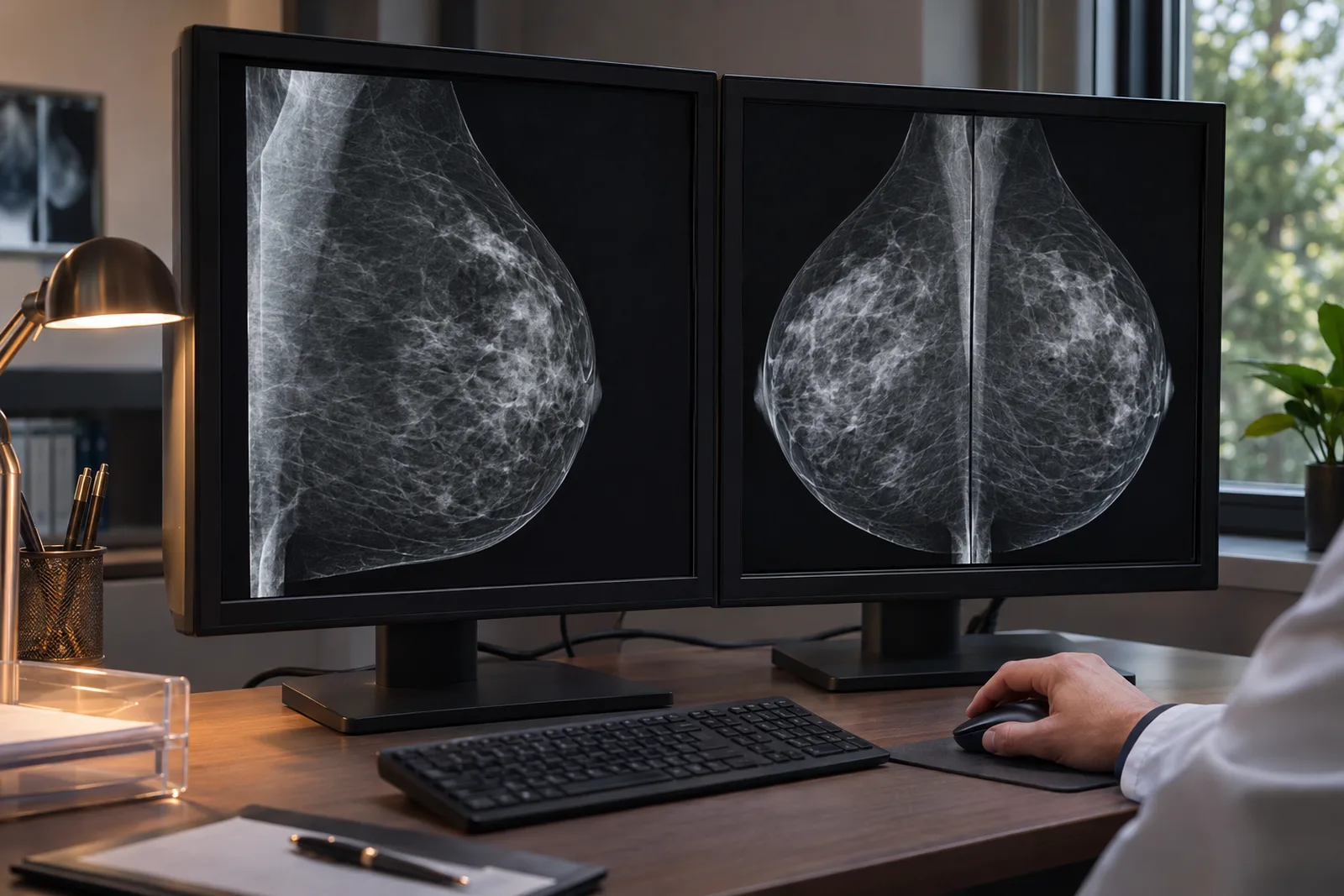
The £10 million trial is funded by the NIHR and led by the University of Warwick, the University of Cambridge and Cambridge University Hospitals NHS Foundation Trust, working with NHS England. Four AI systems are involved, the BBC reported. In one arm of the trial, AI grades images before NHS experts see them; in another, it reviews them afterwards.
Why it matters
Women aged 50 to 71 are invited for breast screening every three years, and around 2.1 million screenings are carried out each year, preventing around 1,300 deaths, the NIHR said. At present, two specialists review each mammogram. EDITH will test whether AI can support the process so that most images need to be checked by only one. Fewer than 1% of mammograms show signs of cancer, so much specialist time goes on reviewing images that turn out to be clear, Cambridge University Hospitals said.
The trial does not change the screening appointment itself, and every mammogram will still be reviewed by at least one human radiologist. Women are told about the study in their invitation letter and can opt out. “Importantly, all clinical decisions during EDITH will remain with NHS staff,” said Professor Sian Taylor-Phillips of the University of Warwick, a co-chief investigator.
AI-assisted technology could help improve early cancer detection but we want to avoid the overdiagnosis of milder disease that would never have caused symptoms.
Professor Sian Taylor-Phillips, University of Warwick, co-chief investigator of EDITH, speaking to the BBC
The wider picture
Breast cancer is the most common cancer in women in the UK. The NIHR puts UK diagnoses at around 55,000 a year; the BBC and The Independent cite around 59,000. Several smaller studies have suggested AI can improve detection, but researchers want to be sure it will not cause harm by recalling women unnecessarily, the BBC reported. Professor Fiona Gilbert of the University of Cambridge, the other co-chief investigator, told the BBC there was a “huge shortfall” in radiologists, while imaging examinations are increasing by 8% a year.
The Royal College of Radiologists welcomed the trial but urged caution. Its president, Dr Stephen Harden, said more than a fifth of the breast radiology workforce is due to retire by 2030 and that the trial “won’t be a quick fix to the immediate need for more radiologists”, The Independent reported. Health Secretary Yvette Cooper said: “AI has huge potential, but we also need proper safeguards in place to make sure we’re using it safely and effectively to improve treatment and research.” In GGND’s view, the value of EDITH is its size and design: it tests AI inside a real national programme, with humans in charge, before any change is made.
Could it work elsewhere?
Many countries with screening programmes face the same squeeze of rising demand and too few radiologists. Most use two readers, as the UK does, or a single reader. In GGND’s view, if EDITH shows that AI can safely replace one reader, health systems elsewhere will have strong evidence to act on. Countries without screening programmes would still need the scanners, staff and follow-up care that AI cannot provide.
What remains unresolved
- Over-diagnosis. The trial must show AI finds cancers that matter without flagging milder disease that would never have caused symptoms, as Professor Taylor-Phillips noted.
- Time. The trial is expected to last around three years, so no change to routine screening is likely soon.
- Workforce. AI could free up time, but it will not replace the radiologists already in short supply, the Royal College of Radiologists said.
- Which systems. Four AI products are being tested; how results will be compared and published has not been set out in the announcements.
What happens next
More of the 30 sites will start inviting women over the coming months. The NHS will change how screening works only if the evidence shows the AI-assisted approach is as safe and effective as current care, Cambridge University Hospitals said. GGND will report the trial’s first results when they are published.
Sources
- NHS England First women join world-leading AI-assisted NHS breast screening trial (23 November 2026)
- NIHR NIHR funds world’s largest AI breast cancer screening trial (23 November 2026)
- Cambridge University Hospitals Cambridgeshire women are first to join world-leading breast screening trial (23 November 2026)
- BBC News Can AI spot breast cancer earlier? NHS launches world’s largest trial to find out (23 November 2026)
- The Independent NHS expects 700,000 women to take part in AI breast cancer trial (23 November 2026)
Analysis and context are by The GGND Team. Where we draw our own conclusions, we say so. To report an error, contact us.