What happened
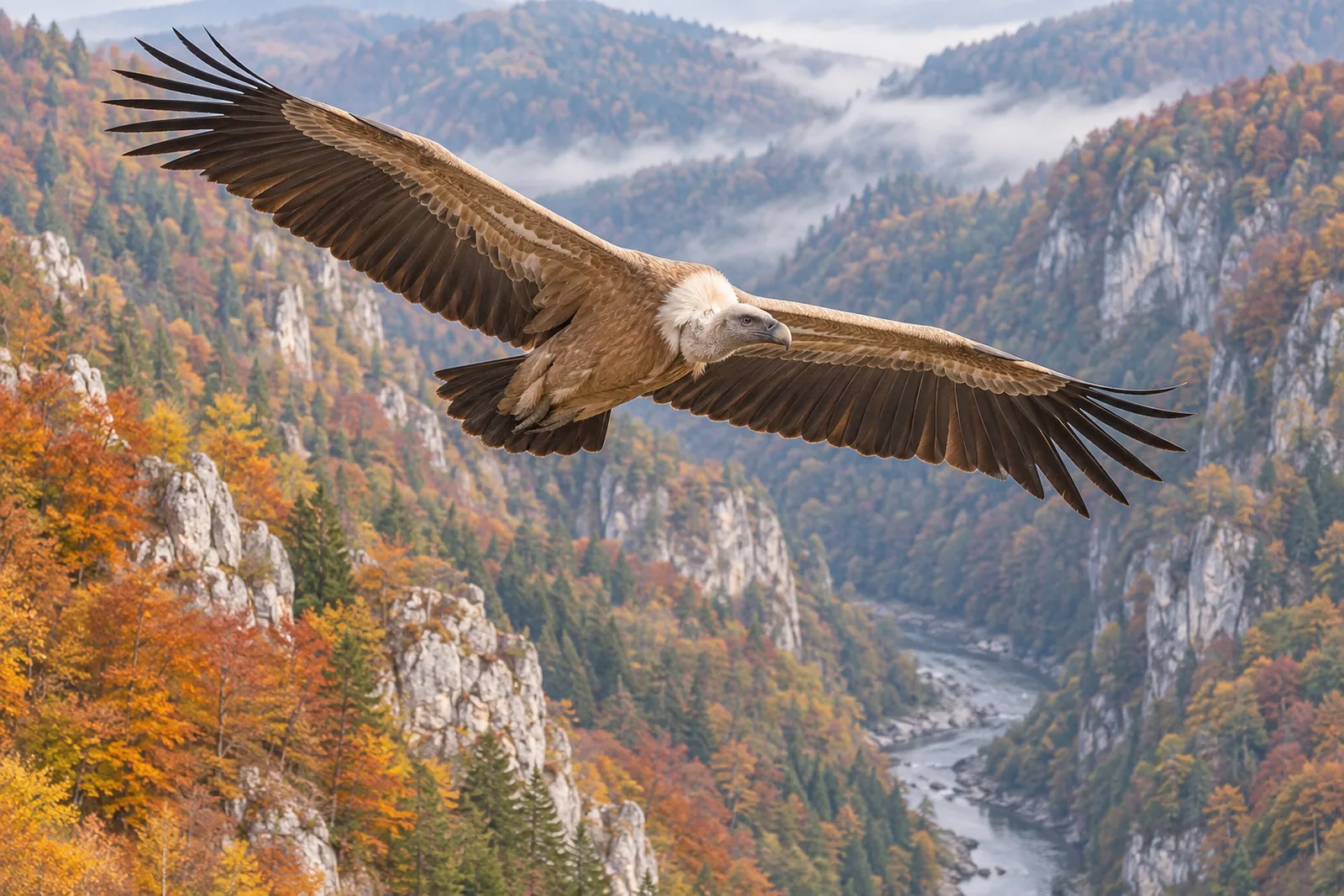
Romania has a new plan to bring back two of Europe’s largest birds. Under a seven-year project called LIFE for Vultures, at least 170 griffon vultures and 24 cinereous vultures will be reintroduced to the south-western Carpathians by 2033, Romania Insider reported on 11 November.
The project is coordinated by Rewilding Romania and runs from 1 October 2026 to 30 September 2033, according to the European Commission’s LIFE project database. It has an eligible budget of €7,558,281, of which the EU will contribute €4,534,969, or 60 per cent. Partners include the Romanian Ornithological Society, the Spanish wildlife group GREFA, the Vulture Conservation Foundation and Rewilding Europe, with Romania’s environment ministry also taking part.
Releases will take place around Domogled-Valea Cernei National Park, a protected area for birds within the EU’s Natura 2000 network, with the release site in the commune of Obârșia-Cloșani in Mehedinți county, where Rewilding Romania signed a partnership with the local authorities in 2025. Griffon vultures will come first and cinereous vultures later, bzb.ro reported.
Why it matters
All vulture species are currently considered extinct in Romania, with no breeding, migrating or wintering populations, according to the project description. Griffon and cinereous vultures disappeared as breeding birds during the 20th century because of poisoning, direct persecution, falling food supplies and damage to nesting sites, Romania Insider reported. Individual birds are still seen now and then, but no stable breeding population has returned.
Vultures do a job no other animal does as well. By eating carcasses quickly, they recycle nutrients and can limit the spread of disease. The project’s backers say they also compete with dogs, foxes, jackals and wolves for carrion, and cut the cost of collecting and burning dead livestock.
“Reintroducing vultures is part of our effort to restore natural processes in the southwestern Carpathians,” said Marina Drugă, executive director of Rewilding Romania. “We will work closely with farmers, local communities, and the authorities so that these species can resume their role in nature.”
Reintroducing vultures is part of our effort to restore natural processes in the southwestern Carpathians.
Marina Drugă, executive director, Rewilding Romania
The wider picture
The birds will come from wildlife rehabilitation centres and, where needed, captive breeding programmes, with GREFA coordinating their selection. After veterinary checks they will spend six to nine months in an acclimatisation aviary before a gradual release, and their movements will then be followed by GPS, Romania Insider said.
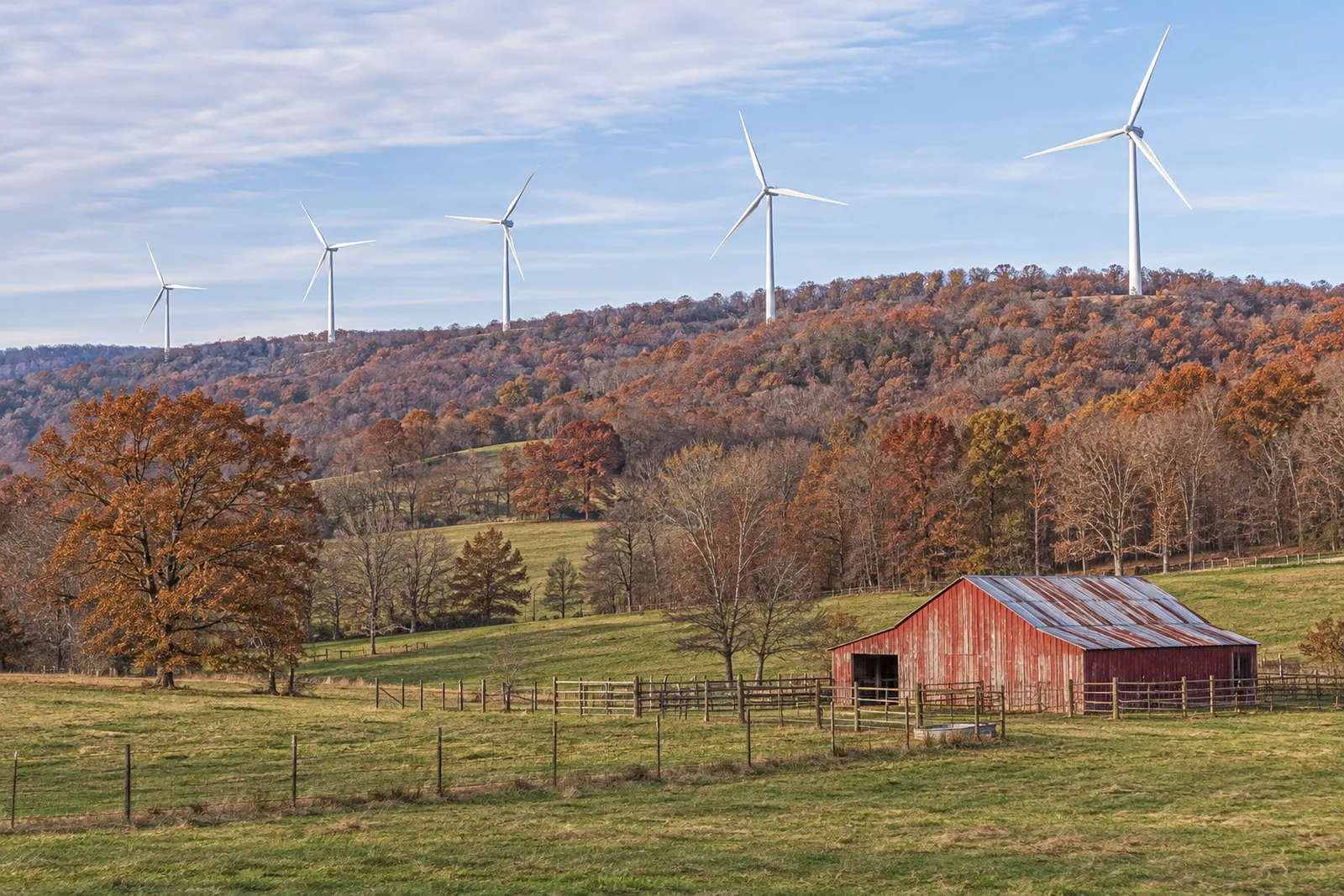
Much of the work is about making Romania safe for vultures again. The project will train dog teams to find poison baits and take steps to reduce electrocutions and collisions with power lines and wind turbines, as well as exposure to lead and certain veterinary medicines. A national working group will draw up an action plan for both species, bzb.ro reported.
Groundwork began in 2023 with a feasibility study. A 2024 survey of 375 people in eight nearby communities found that 71 per cent supported the return of the griffon vulture. The project is not alone: in March, 25 griffon vultures arrived at an aviary near Rucăr in Argeș county, the start of a separate reintroduction in the Făgăraș Mountains led by the Conservation Carpathia Foundation, Romania Insider noted.
Could it work elsewhere?
The partners bring outside experience: GREFA, from Spain, works on recovering and reintroducing wildlife, and will choose and prepare the birds. In GGND’s view, the key lesson is that releasing birds is the easy part. Projects succeed when the causes of the original decline, above all poison, are removed first, and when farmers see the birds as allies rather than a threat.
What remains unresolved
- Poison. Illegal poisoning drove vultures out of Romania. Whether dog teams and patrols can stop it across a wide mountain area is the biggest test.
- Breeding. Releasing birds is not the same as a wild population. “The success of the reintroduction depends on the birds adapting to their new environment and on reducing the risks they face after release,” said Sebastian Bugariu of the Romanian Ornithological Society.
- Local support. Seven in ten people surveyed backed the griffon’s return, which also means three in ten did not, or were unsure.
- Food and infrastructure. Vultures need a steady supply of carcasses and safe power lines over a large area, which depends on rules and cooperation beyond the project.
What happens next
The team will build release and feeding infrastructure before the first griffon vultures arrive. GPS data will show where the birds feed and rest, and help adjust protection measures, Bugariu said. Rewilding Romania also plans to work with residents on education and nature-based tourism. GGND will follow the first releases.
Sources
- European Commission, LIFE programme Return of the Griffon and Cinereous vultures to the Southern Carpathians for a wilder, more connected Europe (LIFE25-NAT-RO-LIFE for VULTURES, project record)
- Romania Insider New project to bring griffon and cinereous vultures back to Romania’s southwestern Carpathians (11 November 2026)
- bzb.ro 170 de vulturi suri și 24 de vulturi negri, în Munții Carpați (11 November 2026, in Romanian)
Analysis and context are by The GGND Team. Where we draw our own conclusions, we say so. To report an error, contact us.