What happened
On 23 October 2026, at the close of its 47th meeting in Bonn, the Adaptation Fund Board approved US$98.8 million in new projects, the fund announced. The largest single award was a US$30 million regional project in Ethiopia, Kenya and Somalia, to be carried out by the UN Development Programme (UNDP).
The project covers the Mandera Triangle, where the three countries meet. UNDP says it will strengthen community-led early warning, improve how the three countries manage shared climate risks, restore rangelands, make water systems more resilient and expand income opportunities for women and pastoralists, UNDP said on 27 October. It will run for five years and aims to reach 500,000 people directly and a further 1.2 million indirectly, FurtherAfrica reported.
Why it matters
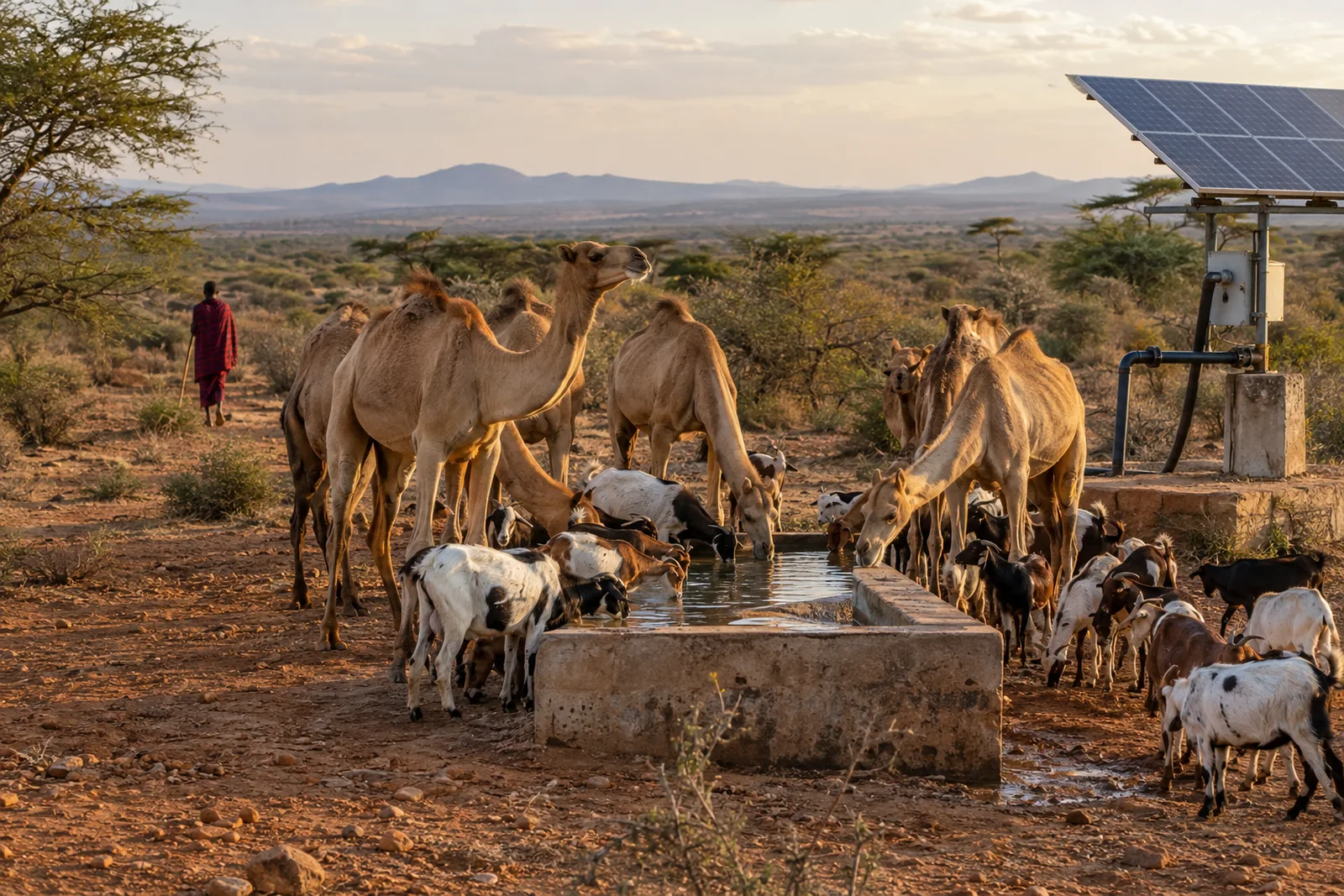
The Mandera Triangle has more than 3 million people, most of them herders and agro-pastoralists who move with their animals in search of water and grazing, the project proposal says. Mandera County alone has about 867,457 people, and the proposal puts its poverty rate at 78 per cent.
The climate there is harsh. The proposal describes recurrent droughts and floods that hit herders’ animals, grazing and water, and early warning systems that work poorly, leaving communities exposed when the next shock comes.
Climate risks here do not stop at borders. A drought in one country pushes herders and livestock into another. A project that plans across the border fits how people actually live.
Communities in the Mandera Triangle and in Rwanda’s drought-prone districts are already living with a changing climate, and they are ready to lead their own adaptation.
Mikko Ollikainen, Head of the Adaptation Fund
The wider picture
Demand for adaptation money is rising fast. The Adaptation Fund says its active project pipeline has reached a record of nearly US$2 billion, and its board has set a target of raising at least US$1.2 billion for 2026 to 2029, according to the fund. Least developed countries are involved in about three-quarters of the newly approved projects.
Even so, the money is small compared with the need. ‘Adaptation finance remains far below identified needs in developing countries, particularly for local actors and institutions working on the front lines of climate change,’ said Radhika Dave of UNDP, in UNDP’s announcement.
The same meeting approved a separate US$4.97 million project for farmers in Rwanda’s drought-prone districts, a second regional project covering Chad and Togo, and funding for small island states including Cuba, the Dominican Republic, the Maldives, Sri Lanka and Tonga.
Could it work elsewhere?
Many of the world’s most climate-exposed places sit on borders: the Sahel, the Lake Chad basin and the Karamoja cluster between Uganda, Kenya and South Sudan. In GGND’s view, if the Mandera Triangle project shows that shared early warning and shared water planning can work across three very different governments, it could become a model for those regions too.
What remains unresolved
- Security. The project proposal itself describes the Triangle as one of the most fragile parts of the Horn of Africa, with protracted insecurity that can limit access for project staff.
- Three governments, one plan. Kenya, Ethiopia and Somalia have different institutions and budgets. Keeping them working to the same timetable for five years will be hard.
- From approval to delivery. Approval is not the same as water flowing. Results will depend on how quickly funds are released, procurement and whether water systems are maintained after the project ends.
- Measuring success. Reach figures show scale, not impact. Independent reporting on whether early warnings arrive in time and rangelands recover will be the real test.
What happens next
UNDP and IGAD’s climate centre will now work with the three governments to start the project. GGND will look for the first early warning and water works on the ground, and for any reports from Mandera County on how herders are involved in shaping them.
Sources
- Adaptation Fund Adaptation Fund Board Approves Nearly US$100M in New Projects (23 October 2026)
- UNDP Climate Promise Adaptation Fund approves nearly $35 million for climate resilience in the Mandera Triangle and Rwanda (27 October 2026)
- Adaptation Fund / UNDP Fully developed proposal: Enhancing the Adaptive Capacity and Community Resilience in the Mandera Triangle (2026)
- FurtherAfrica Adaptation Fund backs Africa climate resilience with US$35M (29 October 2026)
Analysis and context are by The GGND Team. Where we draw our own conclusions, we say so. To report an error, contact us.