What happened
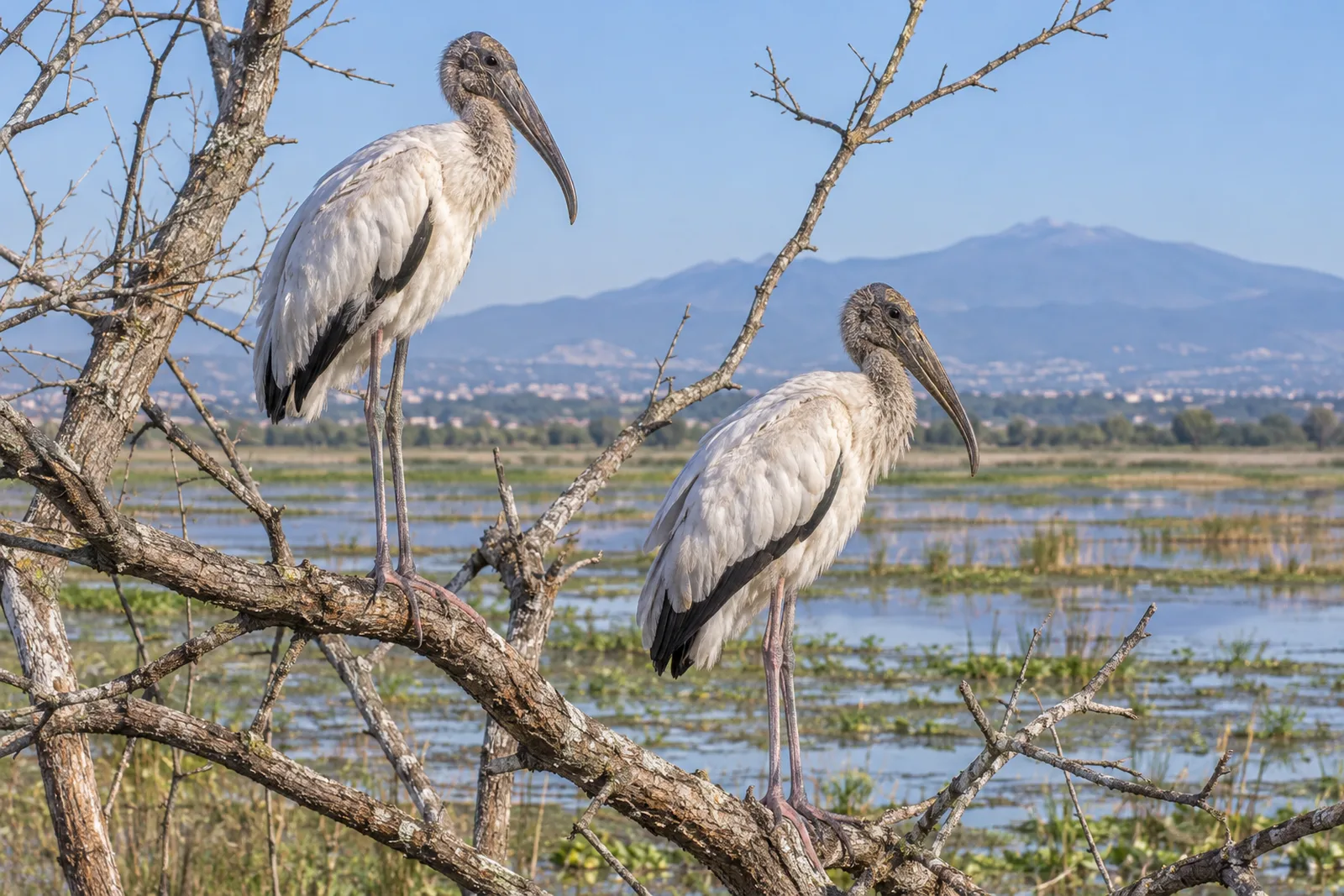
Two young wood storks, a large wading bird known in Spanish as cigüeña americana, have been recorded for the first time in the Lake Texcoco protected area, east of Mexico City. A community monitoring brigade found the juveniles on 5 November near a ditch on ejido farmland in San Salvador Atenco, according to a Facebook post by the reserve’s managers, reported by Mexico News Daily. The species was not listed in the reserve’s management plan.
The brigade belongs to PROREST, a programme of Mexico’s National Commission of Natural Protected Areas (Conanp) for protecting and restoring ecosystems and priority species, El País reported. Reserve director Jorge Daniel Fonseca Cando told La Jornada Estado de México that the brigade is made up of young people from the community. A brigade from Ecatepec reported a wood stork in flight a year ago, he said, but there were no documented records of birds perched at the lake.
Why it matters
Lake Texcoco is what remains of the great lake system on which the Aztec capital was built. Much of it was drained over centuries, and part of the lakebed was later dug up for a new international airport. That project was cancelled in 2018, and in March 2022 Mexico gave protected status to more than 14,000 hectares, banning urban development while allowing conservation, restoration and sustainable farming, Mexico News Daily reported.
The storks are a sign that the water is coming back. Fonseca Cando told La Jornada that this year’s rains flooded more than 4,700 hectares, including more than 900 hectares at Lake Nabor Carrillo, 750 at the “X” of the old airport terminal, 700 at the Ciénaga de San Juan, 350 at the Xalapango lagoon and 350 at El Caracol in Ecatepec. La Jornada Estado de México gave a figure of about 4,600 hectares of permanent and seasonal water. Either way, it is more than the roughly 4,300 hectares recorded in November 2025.
Young storks need to eat a lot to survive, Fonseca Cando explained, so their presence shows the wetlands can offer food and shelter in winter. “It is a good bioindicator,” he said, of “the quality that the aquatic ecosystems are beginning to have”. (Quotes translated from Spanish.)
The sighting of this and other species is an indicator of the degree of restoration achieved over these years.
Jorge Daniel Fonseca Cando, director of the Lake Texcoco protected area (translated from Spanish)
The wider picture
With the storks, 20 bird species have now returned after stopping visits during the drying caused by the failed airport project, or have arrived for the first time, La Jornada reported. The reserve has recorded more than 290,000 migratory birds and 285 species, Fonseca Cando said, including the American white pelican, the American bittern and the aplomado falcon. In November 2025 he reported more than 280,000 wintering birds, compared with 60,000 in a related survey in 2021, according to Mexico News Daily.
The recovery reaches below the surface too. The mexcalpique, a small fish native to the region, expanded its presence across more than 1,200 hectares this year, La Jornada reported. Restoration work has included replanting grass, reforestation and rehabilitating lakes and wetlands, and parts of the abandoned airport’s infrastructure have been turned into wetlands. The reserve also helps manage water around the capital: it collected more than 43 million cubic metres in 2025, Fonseca Cando said.
Could it work elsewhere?
Many cities have drained wetlands at their edges for roads, housing or airports. In GGND’s view, Texcoco shows that a damaged lakebed can recover within a few years if it is legally protected, its water is allowed back and local people help to watch over it. The community brigade that found the storks is the part other places could copy most easily.
What remains unresolved
- Two birds. Two juveniles are not a population. Mexico News Daily noted the sighting does not show the storks will stay, and El Universal reported the director sees possible temporary use of the site.
- Rain-dependent. The flooded area rises and falls with the rainy season. The reserve’s goal of more than 5,000 hectares next year depends on rainfall, it said.
- Self-reported numbers. The bird counts and flooded areas come from the reserve, and its two published figures for this year differ slightly. Independent surveys would make them stronger.
- Pressure from the city. The lake sits on the edge of one of the world’s largest urban areas, where demand for land and water will not go away.
What happens next
The brigade will keep monitoring the storks through the winter to see whether they stay or move on. The reserve aims to push flooded areas past 5,000 hectares next year, if the rains allow, La Jornada Estado de México reported. GGND will follow the next bird counts.
Sources
- La Jornada Avistan por primera vez cigüeñas americanas en el Lago de Texcoco (11 November 2026)
- La Jornada Estado de México Cigüeñas americanas encuentran refugio en el Lago de Texcoco (10 November 2026)
- El País Avistados ejemplares de cigüeña americana en el lago de Texcoco, una especie nunca antes vista en el ecosistema (11 November 2026)
- El Universal Registran primer arribo de cigüeñas americanas en el Lago de Texcoco (11 November 2026)
- Mexico News Daily In a sign of wetlands recovery, 2 young wood storks are spotted at Lake Texcoco (16 November 2026)
Analysis and context are by The GGND Team. Where we draw our own conclusions, we say so. To report an error, contact us.