What happened
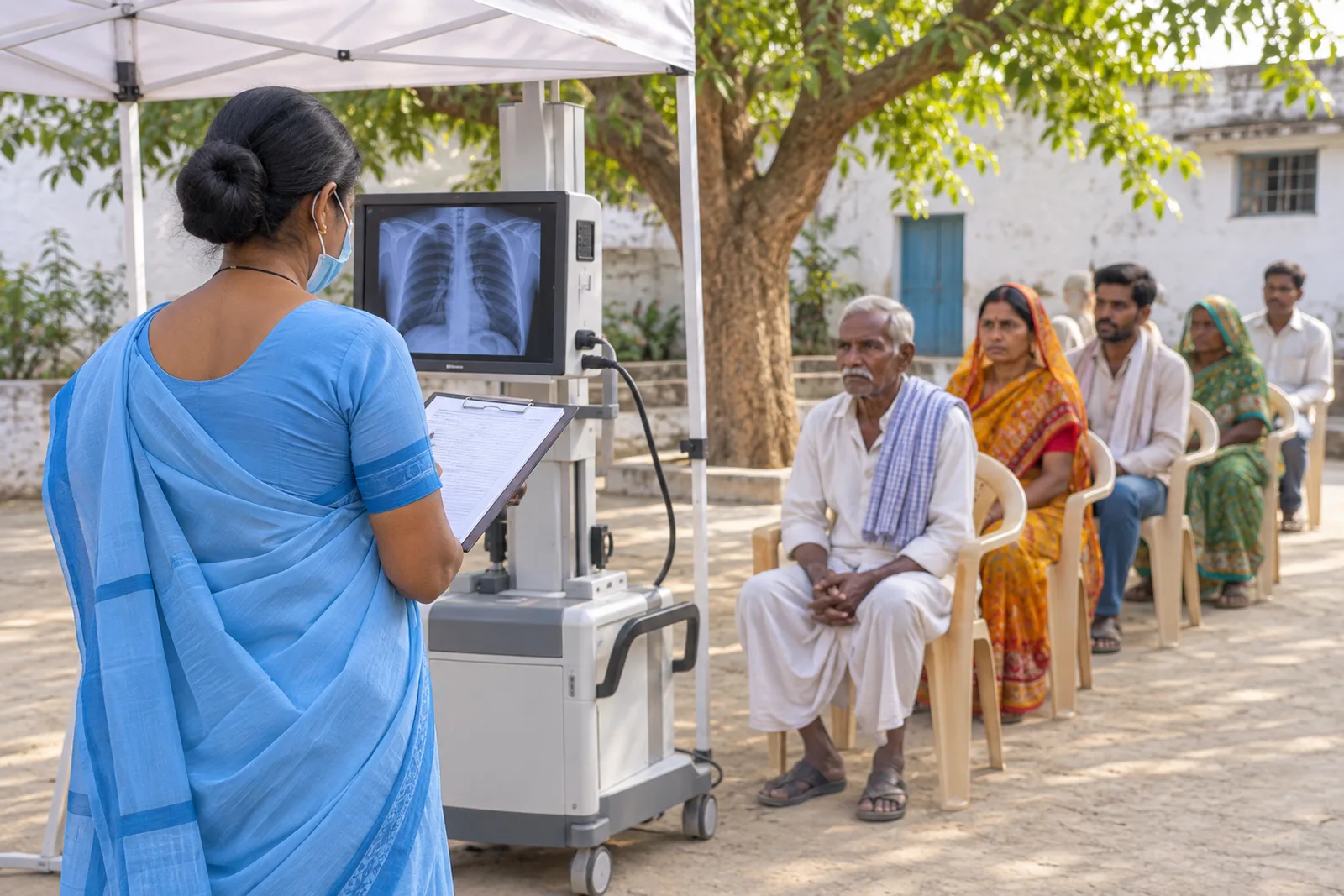
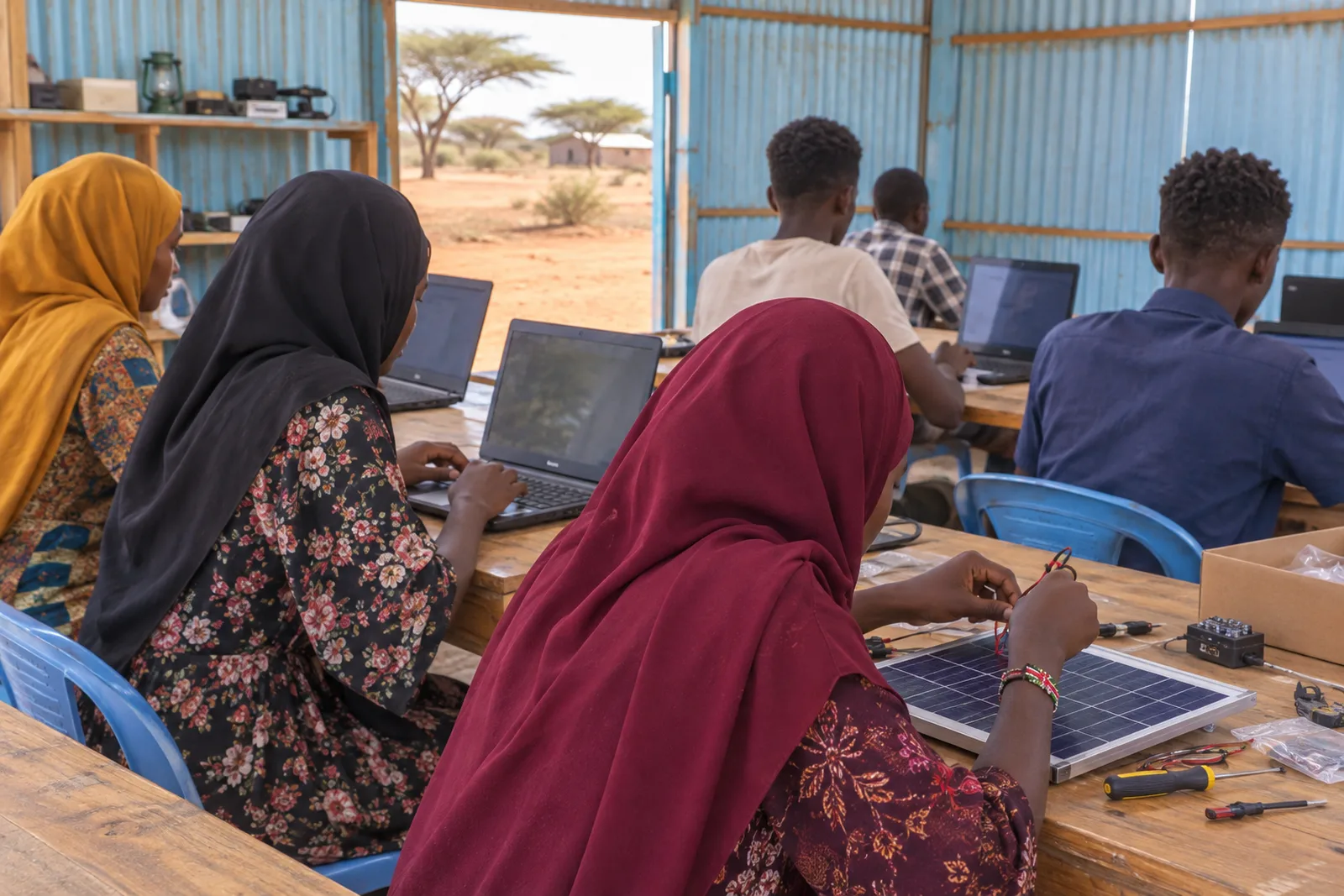
A new programme to help young refugees and their Kenyan neighbours find work has been launched in Dadaab, in north-eastern Kenya. Called Strengthening Skills Training Ecosystems and Pathways, or STEP, it will run for seven years and aims to reach at least 10,000 young people in Dadaab, Kakuma and Kalobeyei, the Kenya News Agency reported on 12 November.
The Government of Canada is paying for it. Canada’s Prime Minister’s Office listed the project in November 2025 with funding of C$18 million over seven years, from 2025 to 2032, delivered by World University Service of Canada (WUSC). The Kenya News Agency put the cost at about Sh1.6 billion.
Six in ten participants will be refugees and four in ten will come from host communities, according to the Kenya News Agency. The plan is for 5,500 young people to receive entrepreneurship coaching and mentoring, 1,800 to be connected to digital work and 2,500 to be linked to formal jobs. Canada says training will focus on high-demand fields such as digital and green skills, artificial intelligence and health care.
Why it matters
Kenya hosts some of the largest refugee settlements in the world. When Kenya launched its Shirika Plan in 2025, UNHCR said Dadaab hosted more than 420,000 people and Kakuma more than 300,000, many of them for years or decades. Young people who grow up there often finish school with few ways to earn a living.
STEP is built around that gap. “STEP recognises that skills training alone is not enough. Young people need pathways to jobs. They need mentors. They need access to markets. They need confidence. And they need systems that work for them,” said Joshua Tabah, Canada’s High Commissioner to Kenya, at the launch, reported by the Kenya News Agency. He said the project would measure success “through the jobs acquired and incomes improved in real terms”, not only through skills taught.
The programme also mixes refugees and local young people on purpose. “We are looking at them not as refugees versus host communities but as one joint community which requires access to quality services in terms of education, health and development,” said Mercy Mwasaru, acting Commissioner for Refugee Affairs.
STEP recognises that skills training alone is not enough. Young people need pathways to jobs.
Joshua Tabah, Canadian High Commissioner to Kenya
The wider picture
STEP is one piece of a larger shift in how Kenya treats its refugee camps. The government’s Shirika Plan, launched in March 2025, aims to move refugees and host communities from humanitarian aid towards development and self-reliance. Its six pillars include human capital and skills development, and sustainable economic development. Under the plan, refugee-hosting areas are to be developed into municipalities with better services for refugees and local people alike, UNHCR said at the time.
Mwasaru called projects such as STEP “critical” to delivering the plan, and urged an environment that would attract private investors and businesses to refugee-hosting areas. Young people at the launch described why it matters to them. Ahmed Sahal, a refugee student from Somalia, said the focus on digital skills, “including developments in artificial intelligence”, would help young people find work beyond traditional jobs. Nyakhor Buob, a student from South Sudan who grew up in Kenya, said many girls had given up on their ambitions for lack of support: “STEP has come at the right time to change what went wrong in the past.”
Tabah also raised the idea of international labour mobility, “possibly even including opportunities to work in Canada”. In GGND’s view, that is the most eye-catching promise in the programme, and also the one that will be hardest to deliver at scale.
Could it work elsewhere?
In GGND’s view, the design travels well. Many countries host refugees for decades in remote areas where there are few employers. STEP’s two most transferable ideas are training refugees and their neighbours together, which reduces resentment over aid, and judging the programme on jobs and income rather than certificates. Both depend on a government willing to let refugees work and trade, which Kenya’s Shirika Plan is designed to support.
What remains unresolved
- Jobs on the ground. Dadaab and Kakuma are far from Kenya’s main markets. Training only pays off if employers, buyers and digital clients are actually there.
- Scale. 10,000 young people over seven years is meaningful, but small compared with the hundreds of thousands of people living in these settlements.
- Work abroad. No numbers have been given for how many participants might reach jobs in Canada or elsewhere, or how those routes would work.
- Evidence. The targets come from the funders and implementers. Independent evidence on jobs and incomes will take years to arrive.
What happens next
WUSC will now roll out the programme in Kakuma, Kalobeyei and Dadaab. Tabah said the seven-year timeline should give enough time to deliver “meaningful and lasting change”. GGND will look for the first results on jobs and incomes when they are published.
Sources
- Kenya News Agency 10,000 refugees, host communities to benefit from Sh1.65B project (12 November 2026)
- Prime Minister of Canada Prime Minister Carney strengthens trade and investment partnerships at the G20 Leaders’ Summit (backgrounder, 23 November 2025)
- Department of Refugee Services, Kenya The Kenya Shirika Plan (accessed 13 November 2026)
- UNHCR UNHCR’s Grandi hails launch of Kenya’s landmark refugee inclusion plan (press release, 2025)
Analysis and context are by The GGND Team. Where we draw our own conclusions, we say so. To report an error, contact us.