What happened
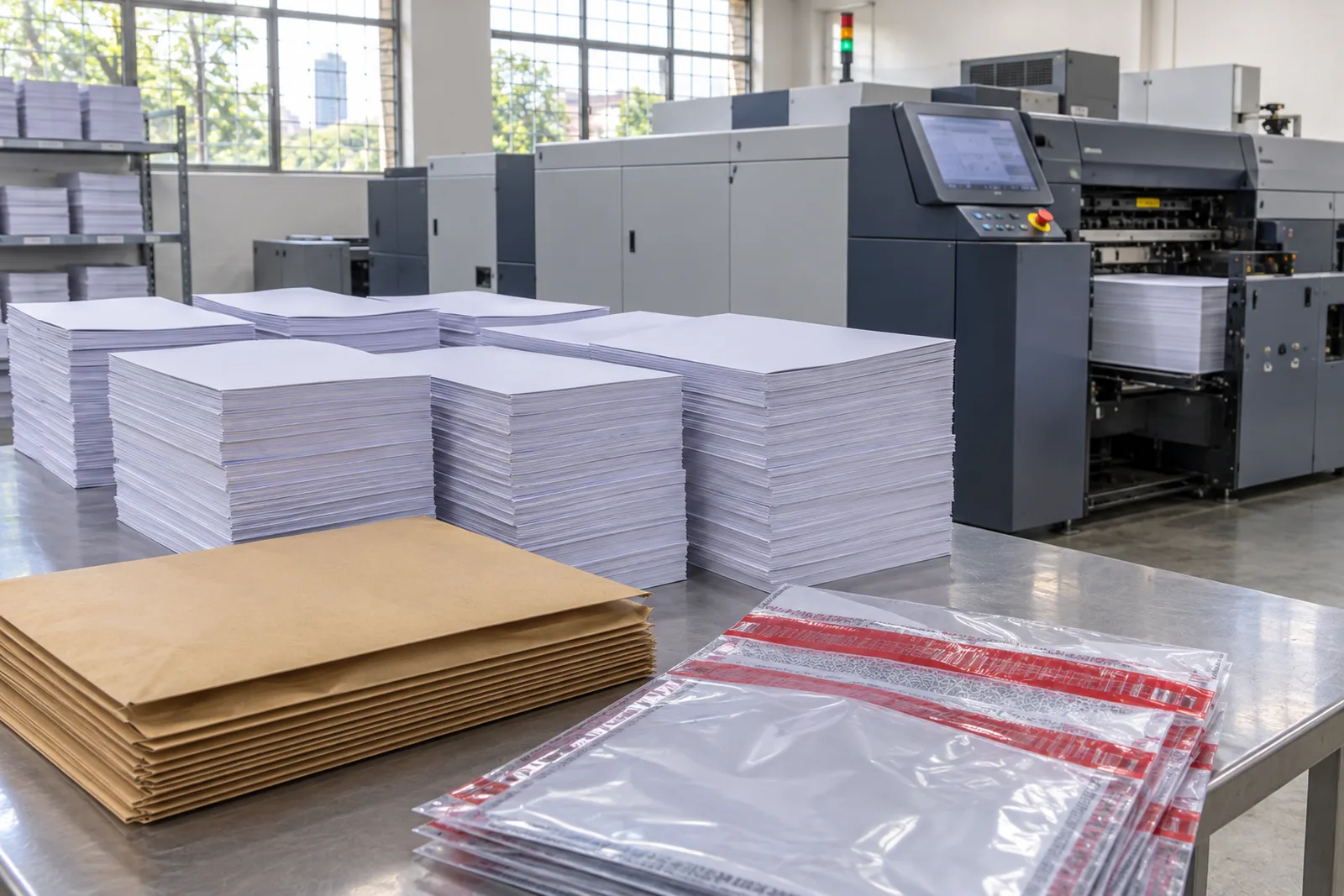
Kenya’s national examination papers were printed inside the country this year for the first time in 65 years, President William Ruto told a joint sitting of Parliament on Wednesday 18 November 2026. “For the first time in 65 years, examination papers were printed here in Kenya,” he said in his State of the Nation Address, Capital FM reported.
The announcement came as the country finished examinations for what Ruto called “the largest cohort in our history”: 3.6 million learners sitting the KPSEA, KJSEA and KCSE, according to the full text of the speech published by The Kenya Times. The Kenya National Examinations Council (KNEC) registered 3,634,846 candidates, Tuko reported. The KCSE alone had a record 1,048,355 candidates, Y News reported.
Ruto said the change began with a simple question. “The question I asked our ministry officials is this: If we are printing currency in Kenya, why can’t we print exams in Kenya?” he said, according to The Standard. “And in this single undertaking, we have taken off close to a billion and a half shillings that could have been wasted.” The state broadcaster KBC reported the same figure of close to Sh1.5 billion.
Why it matters
For decades KNEC relied on foreign security printers, particularly in the United Kingdom, a choice usually defended on security grounds, Tuko reported. Printing abroad meant paying foreign firms and flying sensitive papers back into the country each year.
The move had been planned in public. During budget hearings for the 2026/27 financial year, Basic Education Principal Secretary Julius Bitok told MPs that Sh147 million had been set aside for a digital printing machine, the Nation reported. Treasury Cabinet Secretary John Mbadi had earlier asked: “Why must our examinations be printed in London, England, just a mere examination?”
Ruto also argued that the exam season felt different. The papers were sat “in a calm and orderly atmosphere, free from the anxiety, tension and intimidating security deployments of the past,” he said, adding that exams “should assess our children’s progress, not instil fear about their future”.
Examinations are a normal part of learning, not a security operation or a matter of life and death.
President William Ruto, State of the Nation Address
The wider picture
The exams claim was one part of a longer passage on schools. Ruto said 100,000 teachers had been hired in four years, with 20,000 more to be recruited next month; that 23,000 classrooms had been built and 1,600 laboratories were being built and equipped; and that the education budget had risen from KSh521 billion in 2022/23 to KSh784 billion this year, KBC reported.
Money remains tight for the exams themselves. The examinations function needed Sh14.7 billion for 2026/27, but only Sh9.9 billion was proposed, leaving a gap of Sh4.82 billion, the Nation reported. In GGND’s view, that is why a real saving on printing matters: every shilling not sent abroad can help close that gap.
The Standard noted that the announcement raised questions about security against leaks, the actual costs and whether the savings had been independently verified. Tuko reported that KNEC has also introduced measures such as smart storage containers for exam papers and personalised question papers.
Could it work elsewhere?
Many African countries still print national exams abroad for the same reason Kenya did: fear of leaks. In GGND’s view, Kenya’s experience suggests the question is not where papers are printed but how well the chain of custody is protected. If this year’s results come out without a major leak, other exam boards will have a working example close to home.
What remains unresolved
- The saving. The Sh1.5 billion figure comes from the President. No detailed breakdown of old and new printing costs has been published, Y News noted.
- Who printed them. The reports we read do not say which printer produced the papers or how the contract was awarded.
- Security. Belgut MP Nelson Koech said exams were “not manned by police”, but KNEC’s 2026 arrangements provided for 21,388 security officers, Y News reported. How much security actually changed is unclear.
- Leaks. The real test is whether this year’s papers stayed secure. That will only be clear once results are out and any complaints are reviewed.
What happens next
KNEC will now mark the papers and release results in the coming weeks. GGND will look for an official account of printing costs and any audit of the savings, and will follow whether local printing continues for the 2027 exams.
Sources
- Capital FM Ruto: Kenya saves Sh1.5bn as national exam papers are printed locally (18 November 2026)
- The Kenya Times President Ruto’s 2026 State of the Nation Address: full speech (18 November 2026)
- The Standard Kenya saves Sh1.5 billion for printing exams locally (18 November 2026)
- KBC Kenya prints national exams locally for first time in 65 years (18 November 2026)
- Tuko Kenya makes history, prints national examination papers locally for first time in 65 years (18 November 2026)
- Nation KNEC to print national exams locally, ending decades of outsourcing to Britain (2026)
- Y News Nelson Koech KCSE police claim and KNEC security (18 November 2026)
Analysis and context are by The GGND Team. Where we draw our own conclusions, we say so. To report an error, contact us.