What happened
Kenya launched a set of national documents to slow the spread of antimicrobial resistance (AMR) as World Antimicrobial Resistance Awareness Week opened in Nairobi on Wednesday 18 November, the World Health Organization’s Africa office reported. They are the National Antimicrobial Resistance Report 2026, a National AMR Communication Strategy, Guidelines for AMR Surveillance in Meat at Slaughter Facilities, and Farm Biosecurity Guidelines for Poultry, Pigs and Dairy Production.
The two-day event was convened by four ministries, Health; Agriculture and Livestock Development; Environment, Climate Change and Forestry; and Mining, Blue Economy and Maritime Affairs, together with the Kenya National Public Health Institute. It also opened the country’s national AMR scientific symposium.
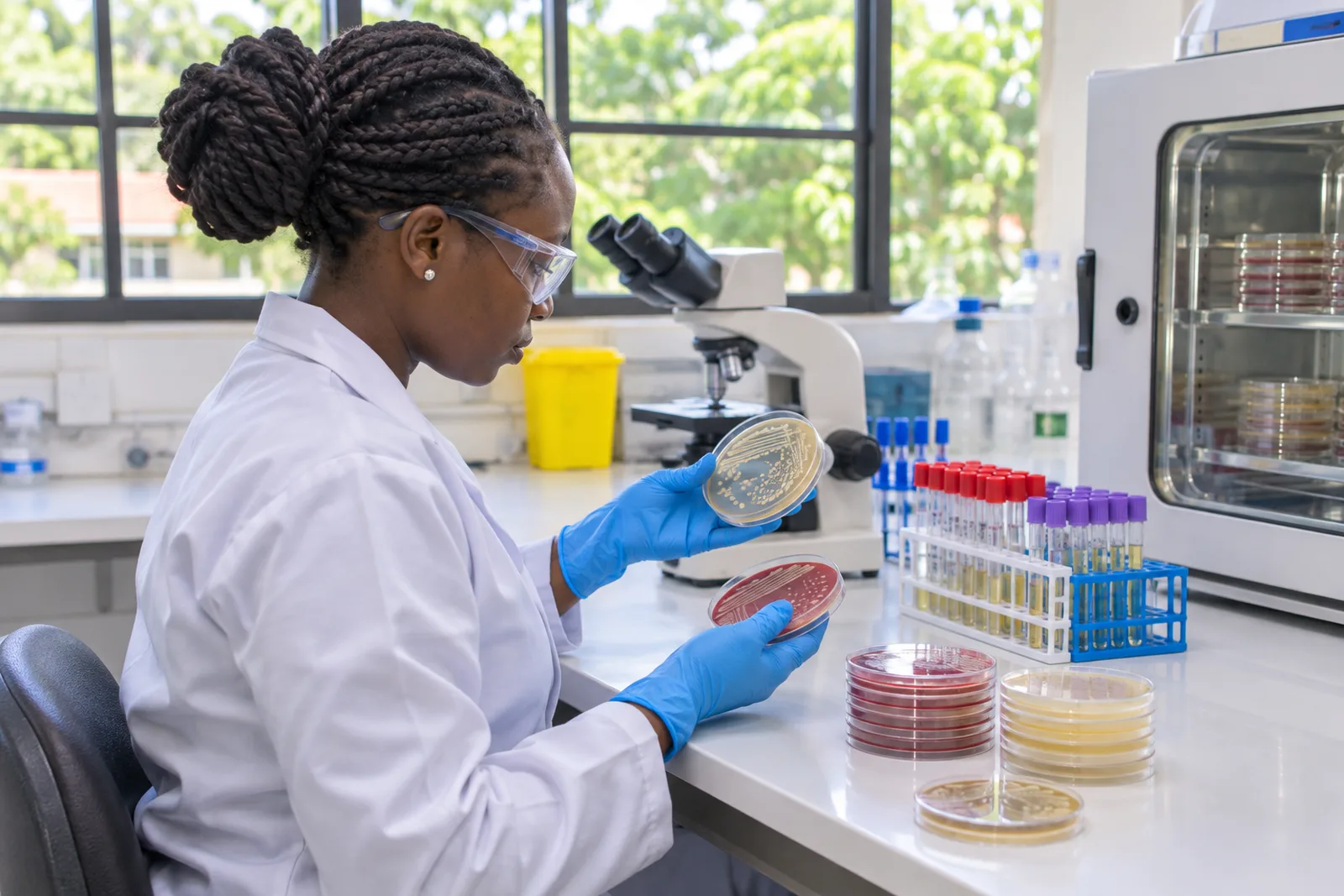
Antimicrobial resistance happens when bacteria, viruses, fungi and parasites no longer respond to the medicines used to treat them. Kenya’s national AMR focal point, Dr Emmanuel Tanui, said surveillance that began at two sites in 2017 now covers more than 30, including national referral, county referral and private hospitals, WHO reported.
Why it matters
The threat is serious. WHO’s latest global surveillance found that one in six laboratory-confirmed bacterial infections worldwide were resistant to antibiotic treatment, and one in five in the African Region. Kenya’s own data show that 64% of Acinetobacter samples are already resistant to carbapenems, antibiotics kept as a last resort, according to WHO.
The money is the other news. Dr Kamau Irungu of the Kenya National Public Health Institute said that for the 2026–27 financial year his division received an allocation from the Exchequer for infection prevention and control and AMR, a milestone he said “moves us from partner dependency to self-reliance”. In GGND’s view, that matters as much as the documents: plans that depend on donors can stop when the grants do.
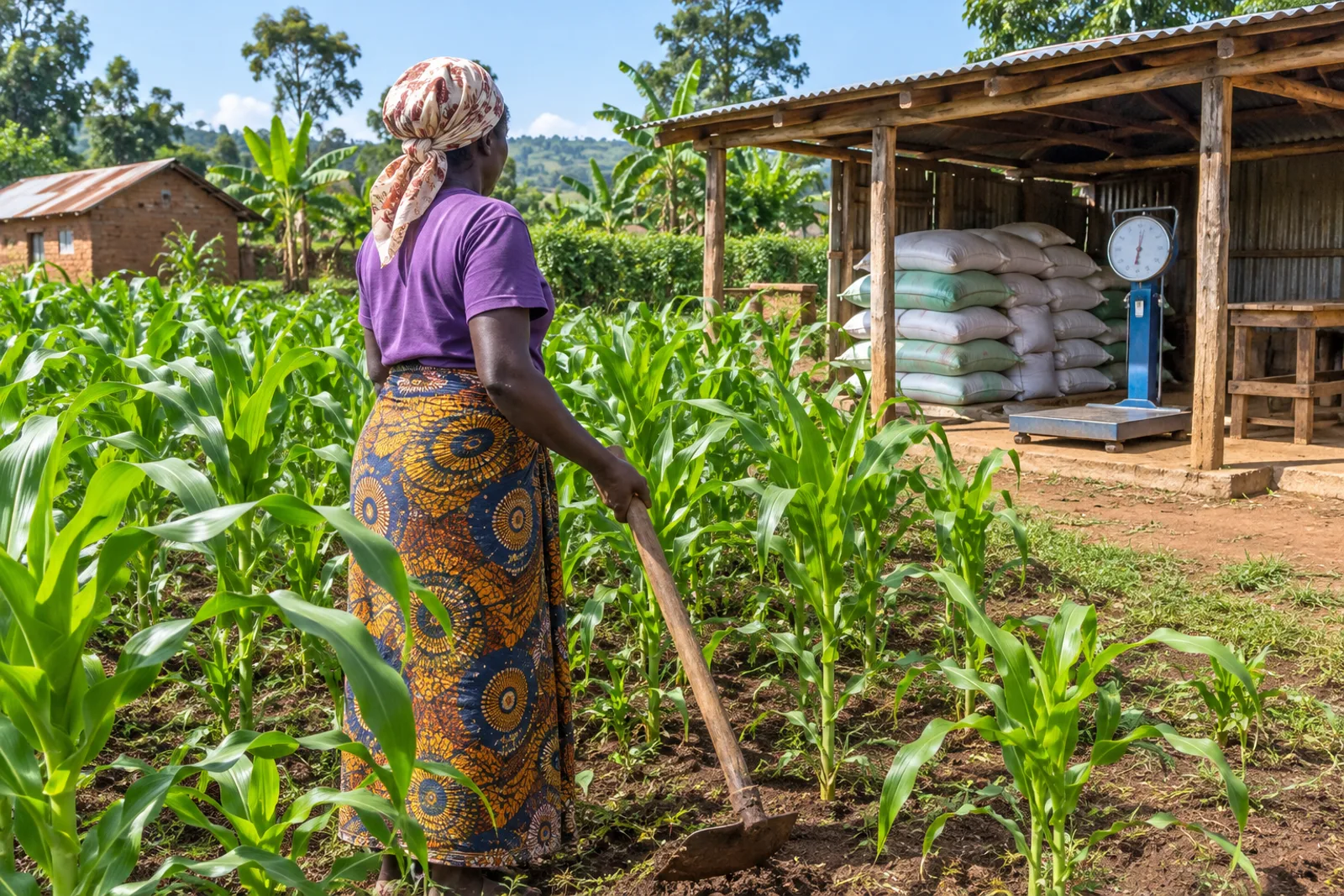
The new guidelines also reach beyond hospitals. By covering meat at slaughter facilities and biosecurity on farms, they reflect the One Health approach, which treats human, animal and environmental health as linked.
Resistance travels through the food we grow, the animals we raise, the water we drink, and the waste we discharge.
Dr Boston Zimba, WHO Kenya
The wider picture
Kenya’s doctors, dentists and pharmacists used the same week to push for tougher action. In a joint statement, the Kenya Medical Association, the Kenya Dental Association and the Pharmaceutical Society of Kenya called on the government to enforce prescription-only access to antimicrobials, expand laboratory testing and act against substandard and falsified medicines, The Star reported. They cited estimates that bacterial AMR was linked to about 4.7 million deaths worldwide in 2021 and could directly cause 39 million deaths between 2025 and 2050.
The associations said Kenya’s National Action Plan on AMR, which runs from 2023 to 2027, should make more use of the existing County AMR Focal Persons, The Standard reported. Counties say they are already doing so. Speaking for county governments at the symposium, Kiambu County’s Dr Hillary Kagwa said counties run County Antimicrobial Stewardship Interagency Committees and urged leaders to link AMR work to social health insurance and digital health tools. “We need steady funding and strong community healthcare to win this fight,” he said, the Kenya News Agency reported.
Kenya’s launch follows the adoption of an updated Global Action Plan on Antimicrobial Resistance 2026–2036 at the 79th World Health Assembly in May. “This global plan will only have impact if it is operationalized at country level,” said Dr Boston Zimba of WHO Kenya.
Could it work elsewhere?
Many countries have AMR plans on paper. What Kenya shows is a way to make one practical: a surveillance network that grows hospital by hospital, rules for the places where animals and food meet people, county committees to carry the work locally, and a line in the national budget. In GGND’s view, the slaughterhouse and farm guidelines are the part most worth copying, because antibiotics used in livestock are often overlooked in health-only plans.
What remains unresolved
- Worrying results. The surveillance shows high resistance already, including 64% of Acinetobacter samples resistant to last-resort carbapenems. Better data is the first step, not the solution.
- Over-the-counter sales. Dr Irungu himself named the need to “eliminate over the counter sales of antibiotics in both human and veterinary sectors”. How that will be enforced has not been set out.
- How much money. The size of the new Exchequer allocation has not been published in the reports we read, so it is hard to judge whether it is enough.
- From guidelines to practice. The farm and slaughterhouse rules are guidelines. Whether farmers and meat inspectors will have the training and laboratories to follow them is an open question.
What happens next
WHO says it will keep supporting Kenya on regulation, surveillance, laboratories and stewardship training, working with the Food and Agriculture Organization, the UN Environment Programme and the World Organisation for Animal Health. Awareness week runs until 24 November. GGND will look for the full 2026 report and for any move to end over-the-counter antibiotic sales.
Sources
- WHO Regional Office for Africa Kenya launches new national report and guidelines to keep antimicrobials working (18 November 2026)
- Kenya News Agency Counties urged to tie drug resistance fight to social health insurance (20 November 2026)
- The Star (Kenya) Health professionals call for tighter controls on antibiotic use (20 November 2026)
- The Standard Health care professionals call for tighter antibiotic controls (20 November 2026)
Analysis and context are by The GGND Team. Where we draw our own conclusions, we say so. To report an error, contact us.