What happened
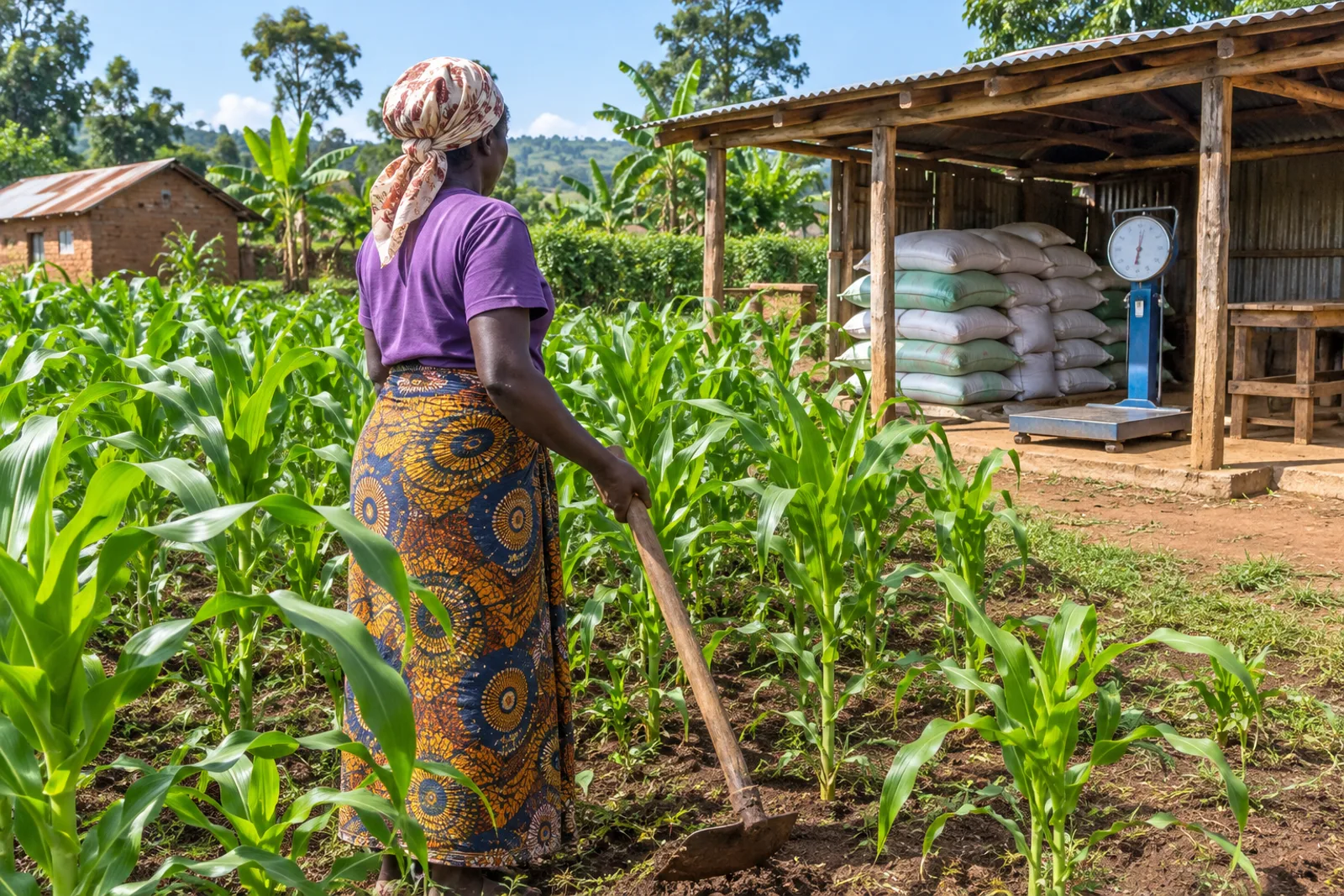
At a summit in Brussels on Friday 20 November, the United Kingdom and the European Union concluded negotiations on a Sanitary and Phytosanitary (SPS) Agreement, which sets common rules for trade in food, farm goods, animals and plants. It will create a Common SPS Area covering, among other things, animal health and breeding, and is due to apply from 1 March 2028, subject to UK and EU procedures, the UK government said.
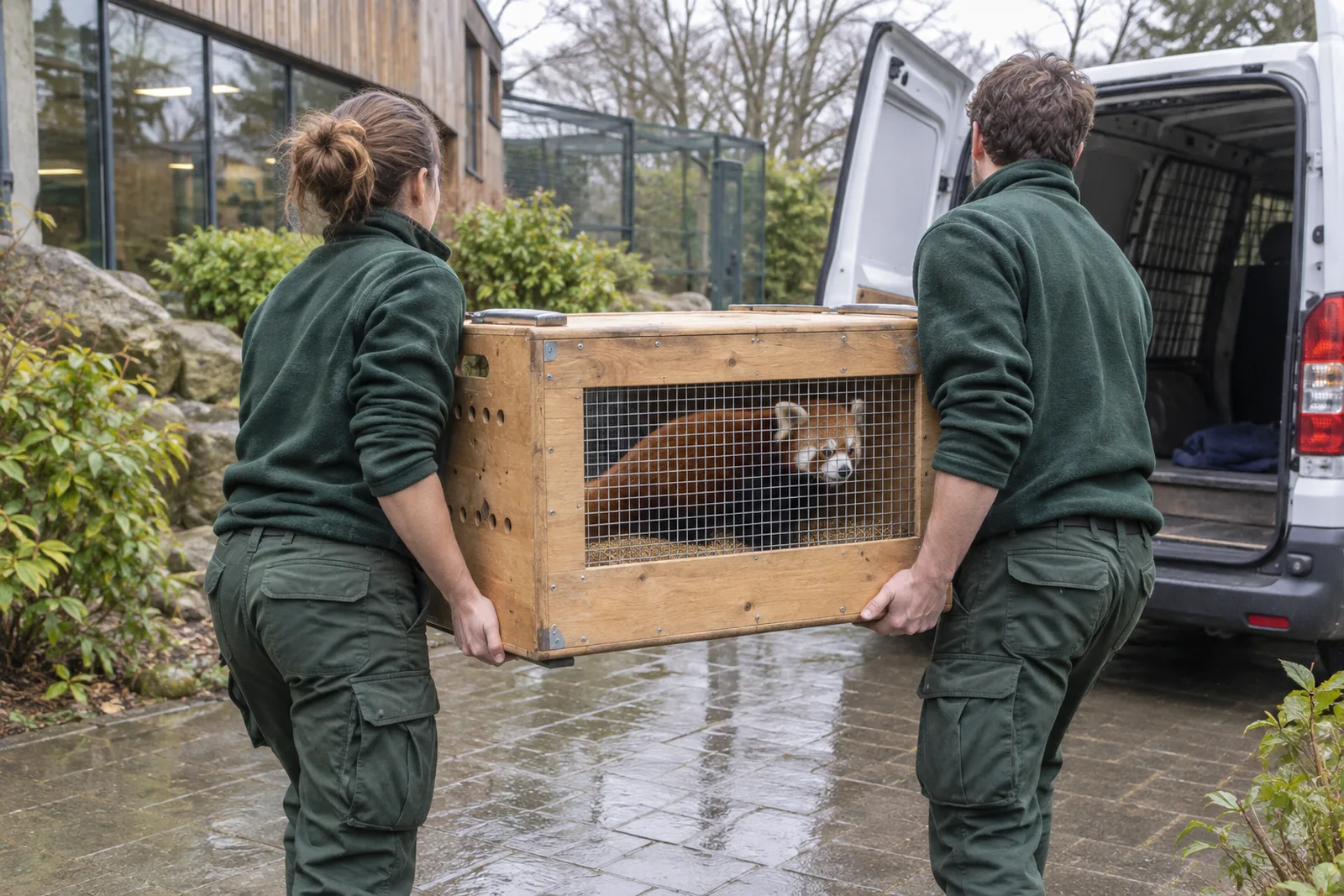
Most coverage focused on food prices and exports. But zoos and aquariums have been waiting for the deal for years. The British and Irish Association of Zoos and Aquariums (BIAZA), which represents 129 member organisations, said it hopes the agreement will cut the time and cost of moving animals across borders for conservation breeding, BIAZA said.
Chester Zoo, which led a campaign on the issue, said the announcement gave it “that long-sought certainty that conservation transfers are part of the agreement”, in the words of its chief executive Jamie Christon, the Chester Standard reported.
Why it matters
European zoos run shared breeding programmes, known as EAZA Ex situ Programmes (EEPs), which keep healthy, genetically varied “insurance” populations of threatened species. They only work if animals can move between zoos to meet suitable mates. Some species, such as the Socorro dove, are extinct in the wild and survive only through these programmes, BIAZA noted.
Brexit made that much harder. Species360 data published by BIAZA show that animal moves between the UK, Jersey and the EU fell from 1,293 in 2020 to just 57 in 2021, then recovered slowly to about 390 in 2025. Before Brexit there were about 1,400 transfers a year, and transfers remain at around 30% of that level, the European Association of Zoos and Aquaria (EAZA) said.
Delays have real costs. Transfers that used to take six to 12 weeks can now take up to two years, and some UK animals have aged out of breeding or missed breeding windows, so their genes were lost to the programme, the Chester Standard reported. In March 2026, a planned road transfer of Sumatran laughingthrushes from the UK to ARTIS zoo in the Netherlands was cancelled over documentation problems and had to be rearranged by air, EAZA said.
Conservation depends on collaboration, and threatened species stand to benefit when zoos can work together across borders.
Dr Jo Judge, Chief Executive, BIAZA
The wider picture
The government’s summary does not mention zoos by name. But in October, environment minister Baroness Hayman wrote to BIAZA that the government was pursuing an agreement that “includes facilitating the safe and efficient movement of terrestrial and aquatic zoo animals for conservation”, BIAZA reported when a draft deal was announced on 3 November.
Zoos lobbied hard for that. Chester Zoo’s campaigners contacted more than 200 MPs and peers, coordinated a joint letter from zoo chief executives to the Prime Minister and met members of the European Parliament. “While we’ll need to see the detail of how the agreement is implemented, today’s announcement is an important step forward,” said Kirsten Pullen, Chester Zoo’s chief conservation officer.
The deal reaches well beyond zoos. It will remove the need for export health certificates for goods moving between Great Britain and the EU, end time-consuming border checks on goods such as dairy, fish and meat, and let pet owners use a multi-use pet passport, the government said. It works through “dynamic alignment”, meaning the UK will apply the same rules as the EU, at the same time, in the areas covered.
Could it work elsewhere?
The underlying problem is common: animal health rules written for farm trade can trap conservation work in paperwork meant for livestock. In GGND’s view, the lesson from this campaign is that conservation needs to be named early in trade talks, because zoo animals are a tiny share of trade and easily forgotten. Other countries negotiating animal health deals could build in a clear route for accredited zoos and breeding programmes from the start.
What remains unresolved
- A long wait. The agreement is not due to apply until 1 March 2028, and only after UK and EU procedures are complete. Until then, the current rules stay in place.
- The detail. BIAZA and EAZA both say they have yet to see how the deal will work for zoos in practice. “We must wait and see,” cautioned BIAZA’s Dr Jo Judge.
- What zoos still need. EAZA is asking for simpler health certificates, efficient border and transport arrangements, access to EU digital systems and recognition of approved zoos on both sides.
What happens next
EAZA and BIAZA say they will keep working with UK and EU authorities so that the implementing rules reflect the needs of zoos and aquariums. GGND will look for the published text of the agreement and for the first year-on-year rise in animal transfers once it applies.
Sources
- GOV.UK (Cabinet Office) UK-EU Summit 2026 Explainer: SPS (20 November 2026)
- BIAZA Conservationists celebrate EU-UK agreement as a win for endangered species breeding programmes (20 November 2026)
- EAZA EAZA welcomes progress on EU-UK agreement (20 November 2026)
- Chester Standard Chester Zoo welcome government plan to cut transfer red tape (20 November 2026)
- BIAZA EU-UK SPS deal raises hope for wildlife conservation (3 November 2026)
Analysis and context are by The GGND Team. Where we draw our own conclusions, we say so. To report an error, contact us.