What happened
On Monday 26 October 2026, Kenya released 20 contacts of its first imported case of Bundibugyo virus disease from quarantine, after they completed the mandatory 21-day monitoring period without symptoms, the World Health Organization’s Africa office reported. Each had a final health assessment and counselling before going home.
“We ask communities to welcome them home warmly,” said Dr Patrick Amoth, Kenya’s Director General for Health. “Having completed 21 days without symptoms, they pose no risk of infection to anyone.” He called it “a milestone worth celebrating, and a clear sign that early identification, quarantine and close monitoring are working,” Tuko reported. The remaining 98 contacts are expected to be released in four waves beginning on 3 November, he said, according to The Standard.
Why it matters
Kenya confirmed its first case on 6 October. According to WHO’s Disease Outbreak News, the patient was a man who had travelled by road from the Democratic Republic of the Congo through Uganda and flew into Nairobi on 3 October. He was isolated on arrival at hospital and died on 5 October.
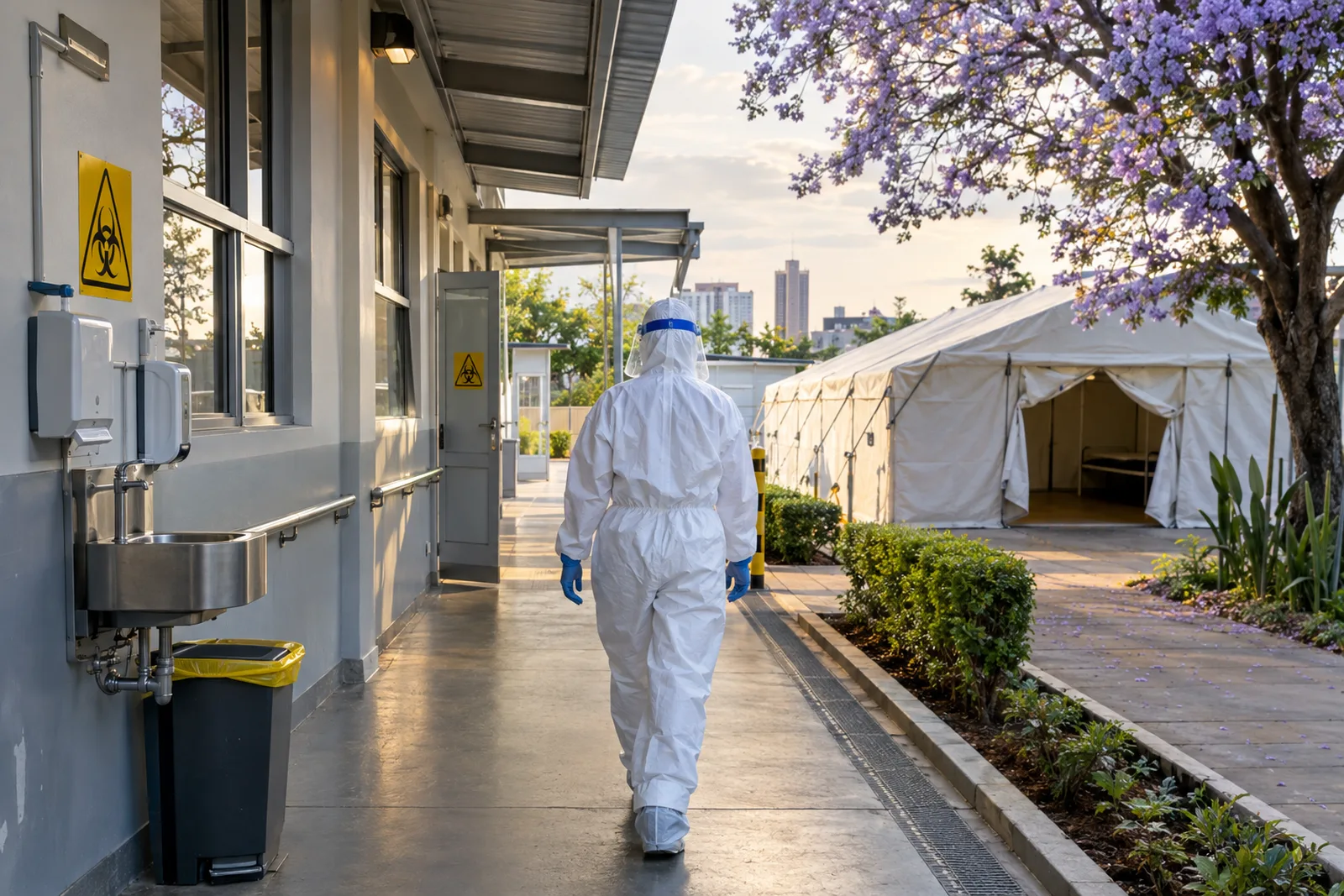
What happened next is the encouraging part. By 22 October, the Ministry of Health had traced all contacts, in Kenya and abroad, and placed them in quarantine, WHO says. Eight contacts later tested positive, but all eight were already in quarantine when they developed symptoms and were moved straight to the Ebola treatment centre in Nairobi. WHO’s outbreak report says they include four family members and four health and care workers. In total Kenya has nine confirmed cases and two deaths, all in one connected group, with no evidence that the virus has spread in the community. Seven patients still in treatment are stable, The Standard reports, and genomic sequencing of three samples has linked them to the first case and to the virus lineage in the DRC.
People who complete quarantine have helped protect their families, their communities and the whole country.
Dr Neema Rusibamayila Kimambo, WHO Representative to Kenya
The wider picture
Kenya’s cluster is a small offshoot of a very large epidemic. Since the outbreak was declared in the DRC on 15 May 2026, the country had recorded 9,704 confirmed cases and 4,687 deaths by 20 October, and cases have been reported in five countries: the DRC, Uganda, France, Kenya and Nigeria, WHO reports. There is no licensed vaccine or specific treatment for Bundibugyo virus disease, though early detection and supportive care improve the chances of recovery. On 23 October the first participant was vaccinated in Bunia, DRC, in Tumaini, a Phase 2/3 trial of candidate vaccines, according to the Institute of Tropical Medicine Antwerp.
Kenya’s ministry is investigating suspected cases under the “7-1-7” target: detect an outbreak within seven days, notify within one day and respond within seven days, Tuko reports. Travel, trade and public gatherings remain unrestricted, in line with WHO’s advice against travel restrictions.
The contrast with the epicentre is stark. In the DRC, only 79.7 per cent of 30,130 contacts under follow-up were seen in the 24 hours to 20 October, below the 95 per cent threshold WHO says is required, its outbreak report shows. The high share of deaths happening in communities there points to cases being found late.
Could it work elsewhere?
Nigeria confirmed its own imported case on 20 October and was monitoring 44 contacts, WHO says. In GGND’s view, Kenya’s response shows what other countries on the edge of the epidemic can aim for: fast laboratory confirmation, complete contact tracing and quarantine before contacts become infectious. That is what kept every secondary case inside quarantine. It relies on trained staff, laboratories and public trust, and Kenya’s ministry is also providing mental health and psychosocial support to people in quarantine, those returning home, patients and health workers, The Standard reports.
What remains unresolved
- Not over yet. Amoth said the outbreak will be declared over only 42 days after the last confirmed patient has had two negative tests at least 48 hours apart and has been discharged or safely buried.
- Health workers infected. Four of the eight secondary cases were health and care workers. The ministry says it has stepped up infection prevention, training and protective equipment in health facilities.
- Contact numbers. WHO’s outbreak report counted 135 contacts traced as of 20 October; the figures released on 26 October (20 discharged, 98 remaining) add up to 118. The difference has not been explained publicly.
- Risk of new imports. With high-level transmission continuing in the DRC, further imported cases in the region remain possible.
What happens next
The next group of contacts is due to leave quarantine from 3 November, and screening continues at points of entry, health facilities and in communities. People with symptoms such as fever, unusual tiredness or unexplained bleeding, especially after contact with a case or travel to the DRC, are asked to seek care and call the toll-free number 719, Tuko reports. GGND will report when Kenya’s 42-day countdown begins.
Sources
- WHO Regional Office for Africa Twenty contacts of Kenya’s first Ebola case released from quarantine (26 October 2026)
- World Health Organization Disease Outbreak News: Ebola disease caused by Bundibugyo virus, DRC, Kenya and Nigeria (23 October 2026)
- The Standard First 20 Ebola contacts return home as 98 remain in quarantine (26 October 2026)
- Tuko Ebola outbreak: 20 contacts released as Kenya eyes end of outbreak after 42 days (26 October 2026)
- Institute of Tropical Medicine Antwerp First participant vaccinated in pivotal Phase 2/3 Bundibugyo vaccine trial in DRC (23 October 2026)
Analysis and context are by The GGND Team. Where we draw our own conclusions, we say so. To report an error, contact us.