What happened
On Tuesday 3 November, Kenya and China signed a memorandum of understanding (MoU) to carry out the Africa Solar Belt Project in Kenya. China’s ambassador, Guo Haiyan, signed for China’s Ministry of Ecology and Environment, and Principal Secretary Alex Wachira signed for Kenya’s State Department for Energy, according to the Chinese Embassy in Kenya. UNICEF’s Representative in Kenya, Dr Shaheen Nilofer, witnessed the signing, as UNICEF is taking part as a third party.
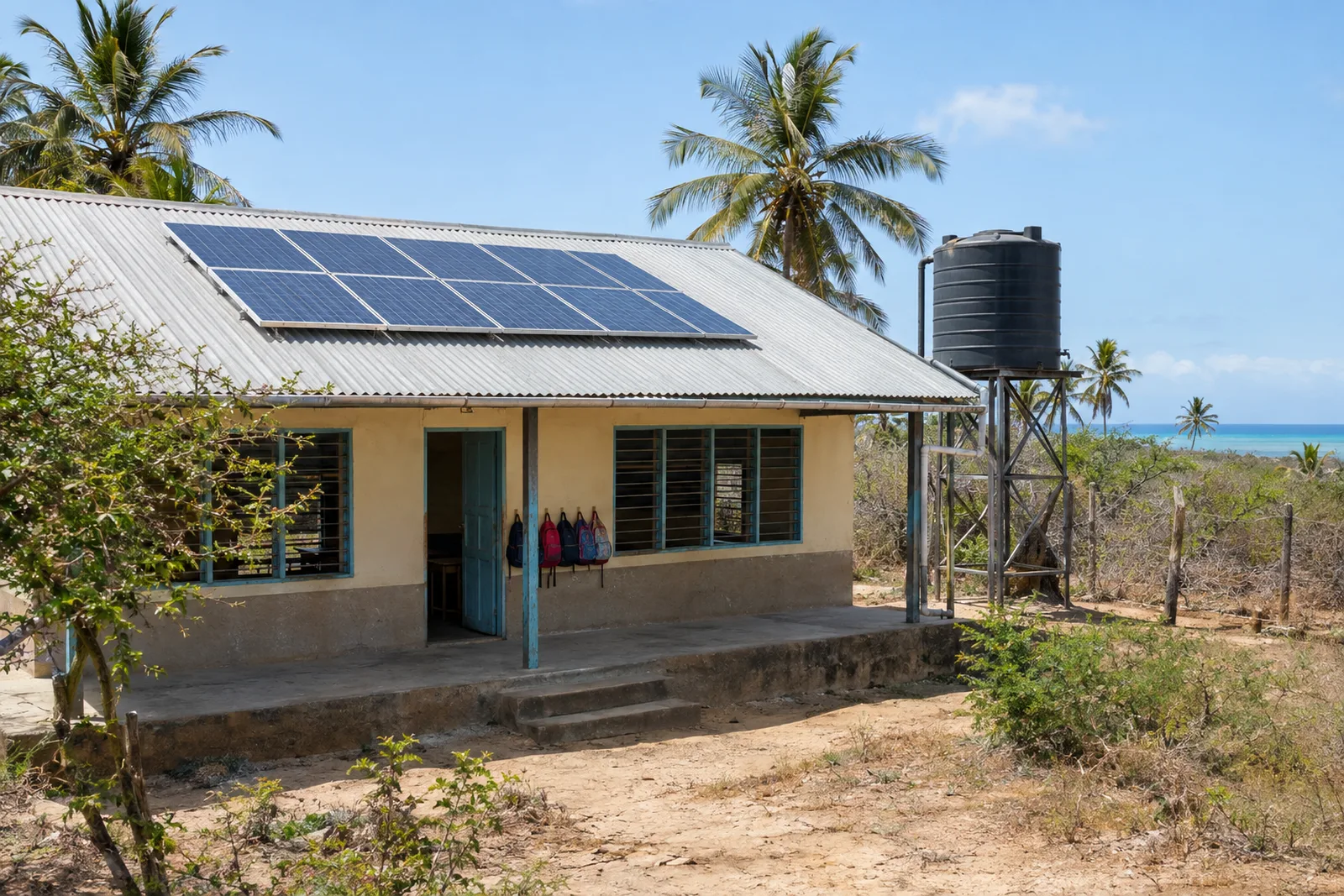
The deal paves the way for 80 off-grid solar power systems in remote and underserved communities, KBC reported. The signing took place at the Kawi Complex in Nairobi. Off-grid solar photovoltaic systems will be installed in places including Tana River and Kilifi counties and Maasai Mara University, the embassy said.
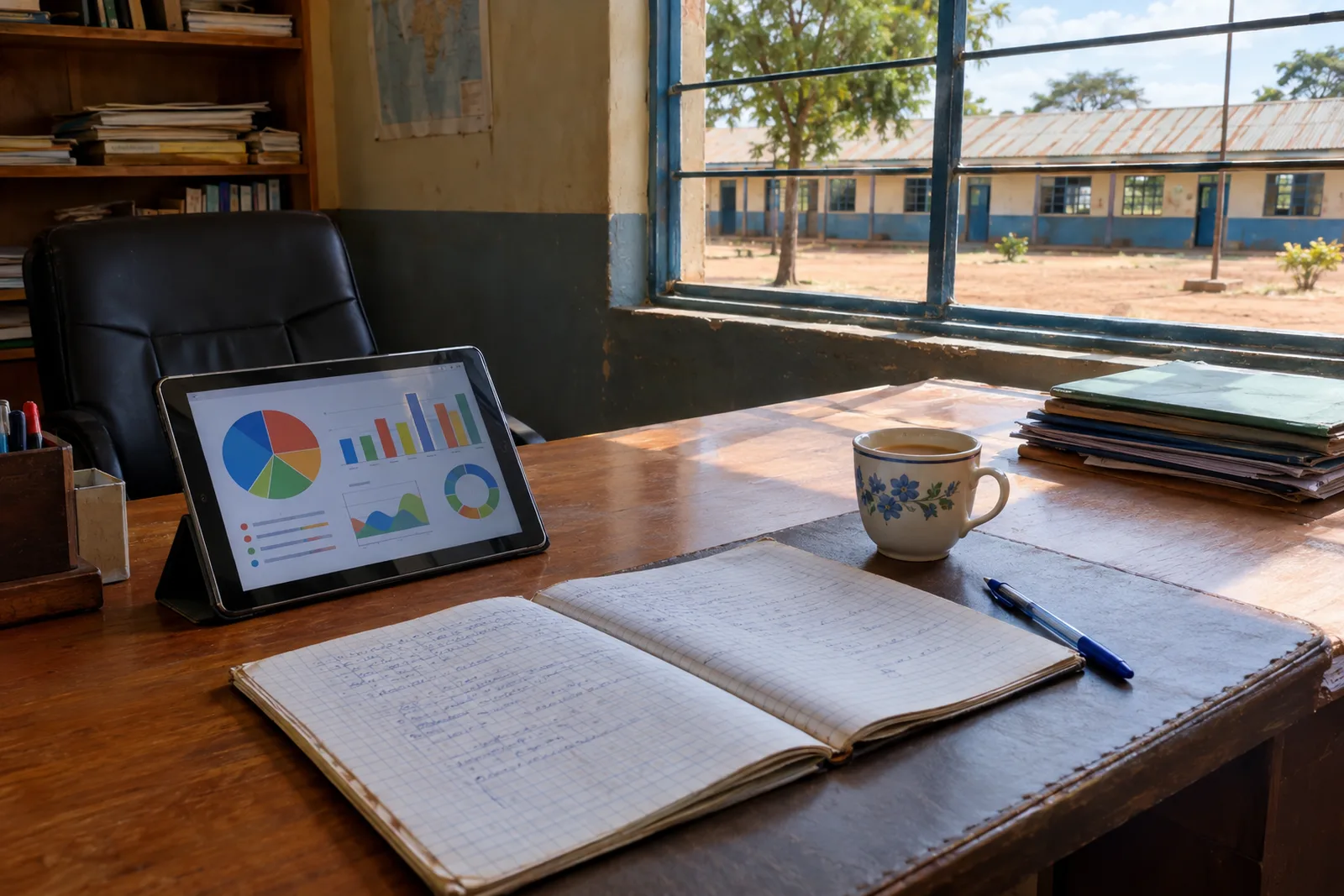
The power is meant for public services rather than individual homes. In schools, the systems will support digital learning, improve classroom conditions and strengthen the delivery of education services, KBC reported. Health facilities and water supply systems will also benefit from a more reliable power supply.
Why it matters
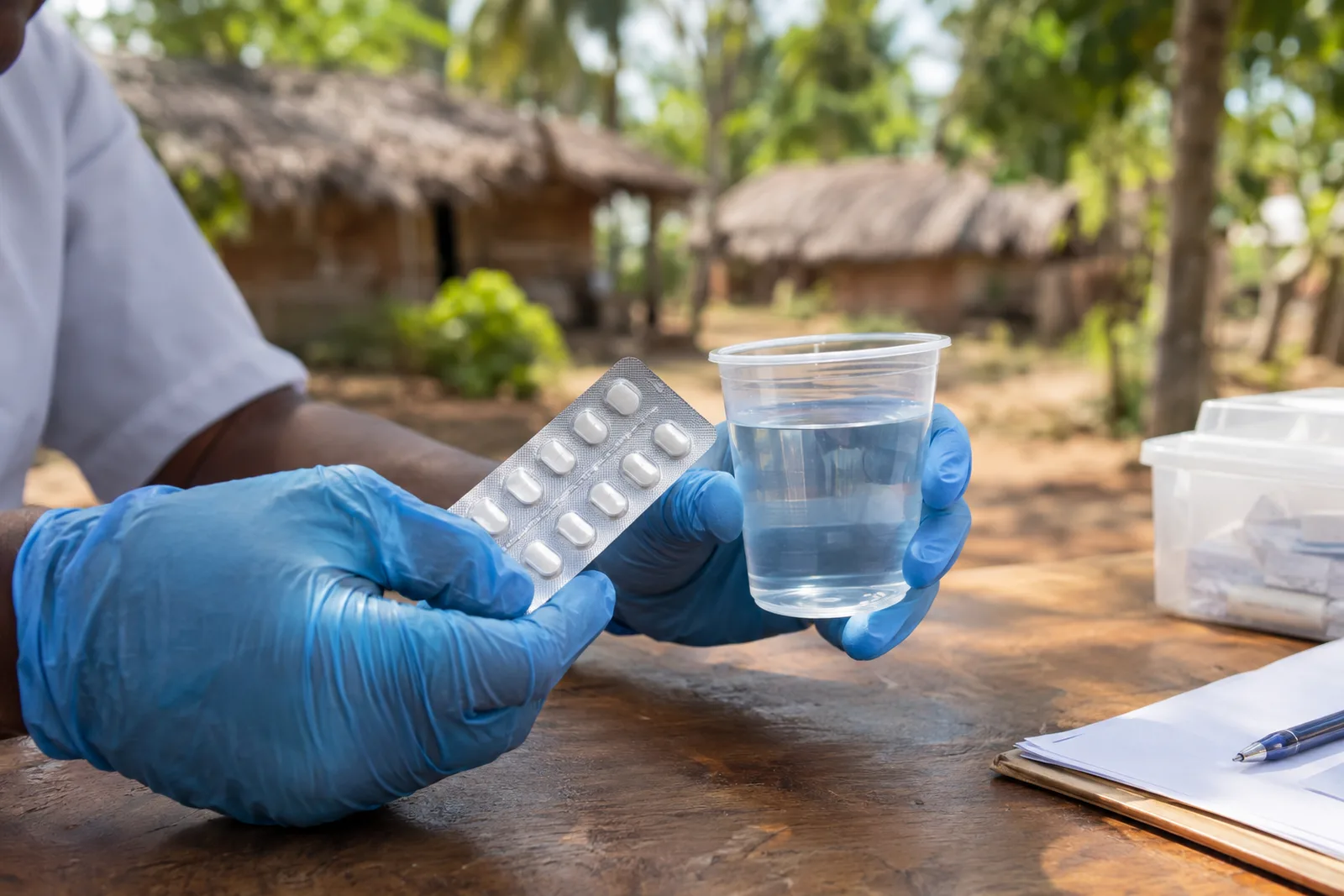
A clinic without power cannot keep vaccines cold or light a delivery room at night. A school without power cannot use computers. A borehole without power needs diesel or hand pumping. The initiative seeks to address energy access gaps by providing renewable electricity to essential public services in areas with limited access to the national grid, Capital FM reported. Extending conventional grid lines to these places can be difficult.
UNICEF’s role is more than symbolic. It will support implementation with matching funds, technical expertise and other resources, with a particular focus on access to essential services for children and vulnerable communities, KBC reported. In GGND’s view, having a children’s agency as a partner should help keep the focus on schools and health centres, where the benefits are clearest.
The implementation of this project will provide renewable energy power supply to schools, health facilities and support water systems in remote rural areas in Kenya that have limited or no access to reliable electricity.
Embassy of China in Kenya, as quoted by KBC
The wider picture
China first announced the Africa Solar Belt at the inaugural Africa Climate Summit, held in Nairobi in 2023, and the embassy called the MoU “an important step for this project to be implemented in Kenya”. The programme is part of China’s South-South cooperation on climate change, building on initiatives such as the Ten-Hundred-Thousand Initiative, according to KBC. Kenya’s Ministry of Energy and Petroleum says it fits the country’s Vision 2030 and the government’s Bottom-Up Economic Transformation Agenda.
Kenya already has experience with off-grid public power. The World Bank-funded Kenya Off-Grid Solar Access Project (KOSAP), run by the Rural Electrification and Renewable Energy Corporation (REREC), builds solar mini-grids and solar water-pumping schemes in 14 underserved counties, according to a Kenyan Parliament report from August. Its overall value is USD 150 million. Senators reviewing it asked about timelines, contractor performance and whether projects on paper had been built on the ground. REREC’s chief executive, Dr Rose Mkalama, told the committee that the next phase would begin within weeks and that senators would be invited to see projects being commissioned.
In GGND’s view, that experience is useful for the new project. KOSAP shows both what off-grid solar can do for public institutions and how much close oversight it needs. The Africa Solar Belt systems will go to some of the same kinds of places, such as dry coastal counties where boreholes and clinics are far from the grid, so lessons on contractors, monitoring and community expectations should carry over.
Could it work elsewhere?
The Africa Solar Belt is designed as a continent-wide programme, so Kenya is one of several possible hosts. In GGND’s view, the model of pairing a donor government, a national energy ministry and a UN agency that knows the schools and clinics is a sensible one for remote public buildings. Whether it works will depend less on the panels, which are cheap, than on who pays for batteries, repairs and replacement parts in five or ten years.
What remains unresolved
- No budget or timetable. The public statements do not say what the project will cost, how much power each system will deliver or when installation will start or finish.
- Which sites. Tana River, Kilifi and Maasai Mara University are described as potential areas. The full list of schools, clinics and water points has not been published.
- Maintenance. Both governments stressed the need for coordination on the operation, maintenance and long-term sustainability of the installations, KBC reported. Off-grid systems often fail when batteries wear out and no one has the budget to replace them.
- Scale. Eighty systems is a modest start for a country with many off-grid communities. It is a pilot, not a solution.
What happens next
The MoU now has to turn into installations. The next signs to watch for are a published list of sites, a contract for the equipment and a maintenance plan with clear responsibilities. China and Kenya say they are ready to work further on renewable energy under China’s Global Development Initiative and in support of the UN’s 2030 Agenda for Sustainable Development, according to the embassy. For the pupils, nurses and families at the chosen sites, success will be simple to measure: lights, fridges and water pumps that keep working.
Sources
- Embassy of the People’s Republic of China in Kenya China-Kenya MOU on Africa Solar Belt Project Signed (3 November 2026)
- KBC Kenya and China partner to bring solar power to underserved areas (3 November 2026)
- Capital FM via allAfrica Kenya: China, Kenya Sign Solar Deal to Power Rural Schools, Health Facilities (3 November 2026)
- Parliament of Kenya Senate committee reviews progress of Kenya Off-Grid Solar Access Project (4 August 2026)
Analysis and context are by The GGND Team. Where we draw our own conclusions, we say so. To report an error, contact us.