What happened
On 23 October 2026, after more than 14 hours of debate in the Legislative Council and about 160 proposed amendments, the New South Wales Parliament passed the law that creates the Great Koala National Park, ABC News reported. The National Park Estate (Great Koala National Park Reservations) Bill 2026 adds more than 178,000 hectares of state forest and other Crown land to the national park estate, the NSW Government says. The government expects the park to start before the end of 2026.
Joined to existing parks and reserves, the new land creates a connected protected area of more than 475,000 hectares between Kempsey and Grafton, a joint statement from conservation groups said. ABC News put the figure at 478,000 hectares. The day before the vote, the federal Clean Energy Regulator registered the carbon project that the state had made a condition of creating the park.
Why it matters
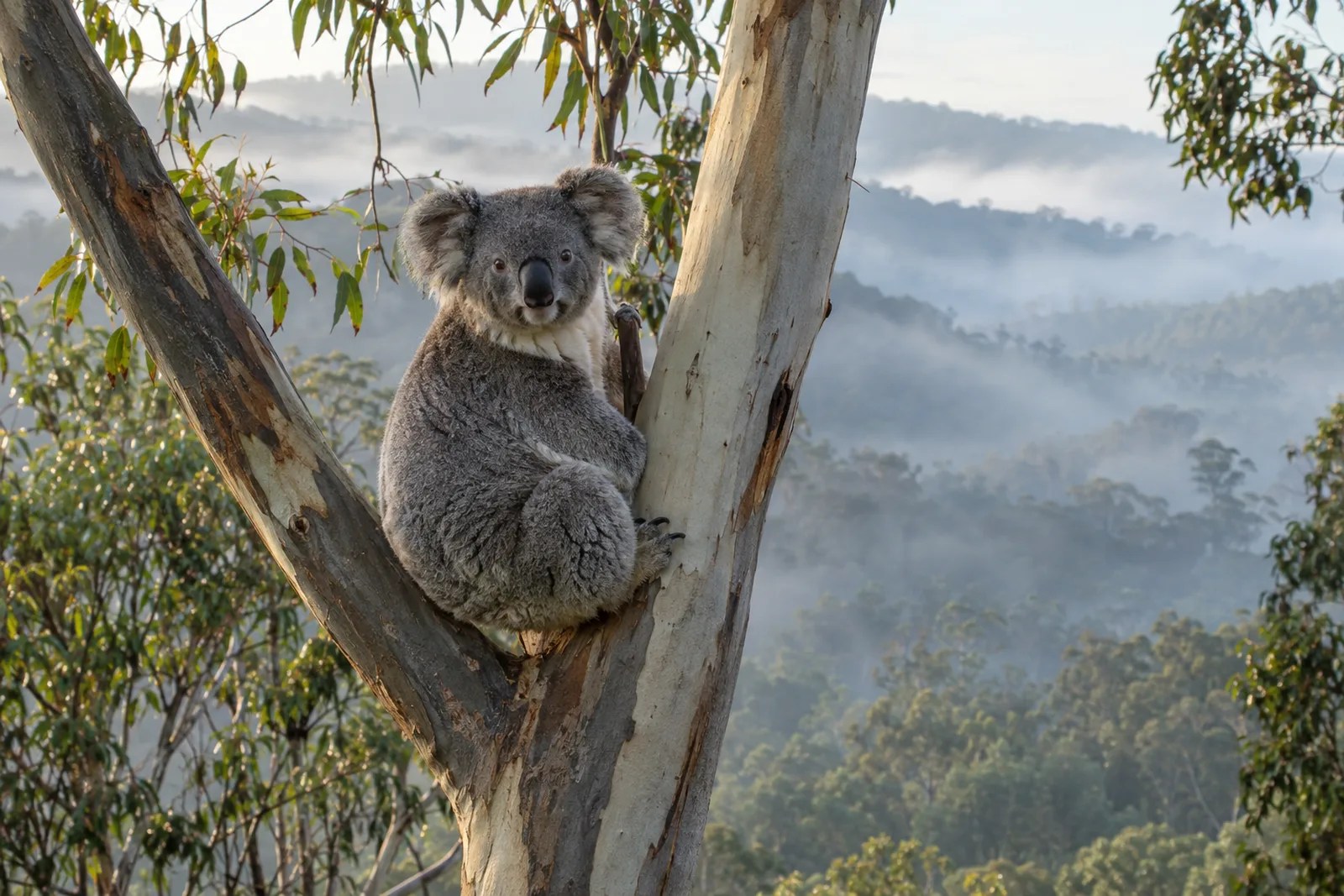
Koalas are listed as endangered in New South Wales. Surveys in 2024 estimated that more than 12,000 koalas live in the state forests now being moved into the park, according to the NSW Government. The same land is home to 66 threatened animal species and 37 threatened plant species, including the southern greater glider, the glossy black-cockatoo and rare spider orchids.
The forests have had a hard few decades. It is estimated that the 2019–2020 bushfires killed 71 per cent of the remaining koalas on the state’s northern coast, Mongabay reported. Conservation groups say the park also cuts the timber harvested from NSW native forests by about 20 per cent.
Most of the new land, about 69 per cent, becomes national park. The rest is split between regional parks that allow some recreation, nature reserves, a small Aboriginal area and land to be reserved later. Recruitment has begun for around 100 extra park service roles in fire management, feral animal and weed control and restoration.
This is a defining moment for conservation in NSW.
Penny Sharpe, NSW Minister for the Environment
The wider picture
The park took a long time to arrive. Labor took the idea to the 2015 and 2019 state elections before winning in 2023, and campaigner Ashley Love had lobbied for it for more than a decade, ABC News reported. The NSW Liberals also voted for the bill, according to conservation groups.
The funding model is the most disputed part. The Clean Energy Regulator registered the first project under its new Improved Native Forest Management method, covering about 531,677 hectares of public native forest, including 117,275 hectares of carbon protection areas, the regulator said. Under the method, the state can earn carbon credits for stopping logging. No credits can be issued until everyone with an eligible interest in the land has given consent, within a maximum of five years. Critics, including Greens MPs, argue that polluters can buy these credits to offset their emissions, and some have asked the government to retire the credits rather than sell them, Mongabay reported.
There is a cost for timber towns too. Timber NSW president Andrew Hurford said the logging ban has had a ‘creeping impact’ on the industry, and Forestry Corporation of NSW announced more than 30 job cuts in Coffs Harbour in July, ABC News reported. The government says affected staff will be offered roles with the National Parks and Wildlife Service.
Could it work elsewhere?
‘Koalas are a species that require management at the landscape scale,’ said koala ecologist Dr Steve Phillips, according to the conservation groups’ statement. In GGND’s view, the lesson for other states is less about carbon credits and more about scale: protecting whole connected landscapes, and planning for timber workers and recreation users from the start, gives a park a better chance of lasting.
What remains unresolved
- The carbon credits. Whether the credits are sold to polluters or retired, and whether they represent real extra carbon savings, is still being argued.
- Exact size. Conservation groups give the total protected area as more than 475,000 hectares; ABC News reported 478,000 hectares.
- Recreation inside the park. Part of the new land becomes regional park, and some conservationists remain worried about motorsport being allowed there, even after an amendment removed five regional parks from that provision.
- Will koala numbers rise? Protection removes logging, but recovery from fire, disease and climate stress will take years of monitoring to confirm.
What happens next
The government expects the park to commence before the end of 2026. Campaigners are now pushing for protection of the remaining 1.76 million hectares of native state forest in NSW. GGND will follow the park’s official start, the carbon credit decisions and the first koala surveys.
Sources
- NSW Department of Climate Change, Energy, the Environment and Water Great Koala National Park (updated 23 October 2026)
- Clean Energy Regulator First INFM project gets the green light (22 October 2026)
- ABC News Great Koala National Park legislation passed (23 October 2026)
- Mongabay Historic win: Australian state approves national koala park despite controversial funding (29 October 2026)
- Nature Conservation Council NSW and partners Historic victory for koalas as Great Koala National Park legislation passes NSW Parliament (22 October 2026)
Analysis and context are by The GGND Team. Where we draw our own conclusions, we say so. To report an error, contact us.