What happened
The World Health Organization has validated Eritrea as having eliminated trachoma as a public health problem, WHO announced on 16 November 2026. Eritrea becomes the 11th country in WHO’s African Region and the 34th country in the world to reach this milestone. It is also the 66th country globally, and the 23rd in the African Region, to eliminate at least one neglected tropical disease, WHO said.
Trachoma is a bacterial eye infection that spreads through contact with infected eyes and noses, on hands, cloths and by flies. Repeated infections over years scar the inside of the eyelid until the lashes turn inwards and scrape the eye. This painful late stage, called trichiasis, can lead to blindness. The disease is the world’s leading infectious cause of blindness, Nature World News noted.
Why it matters
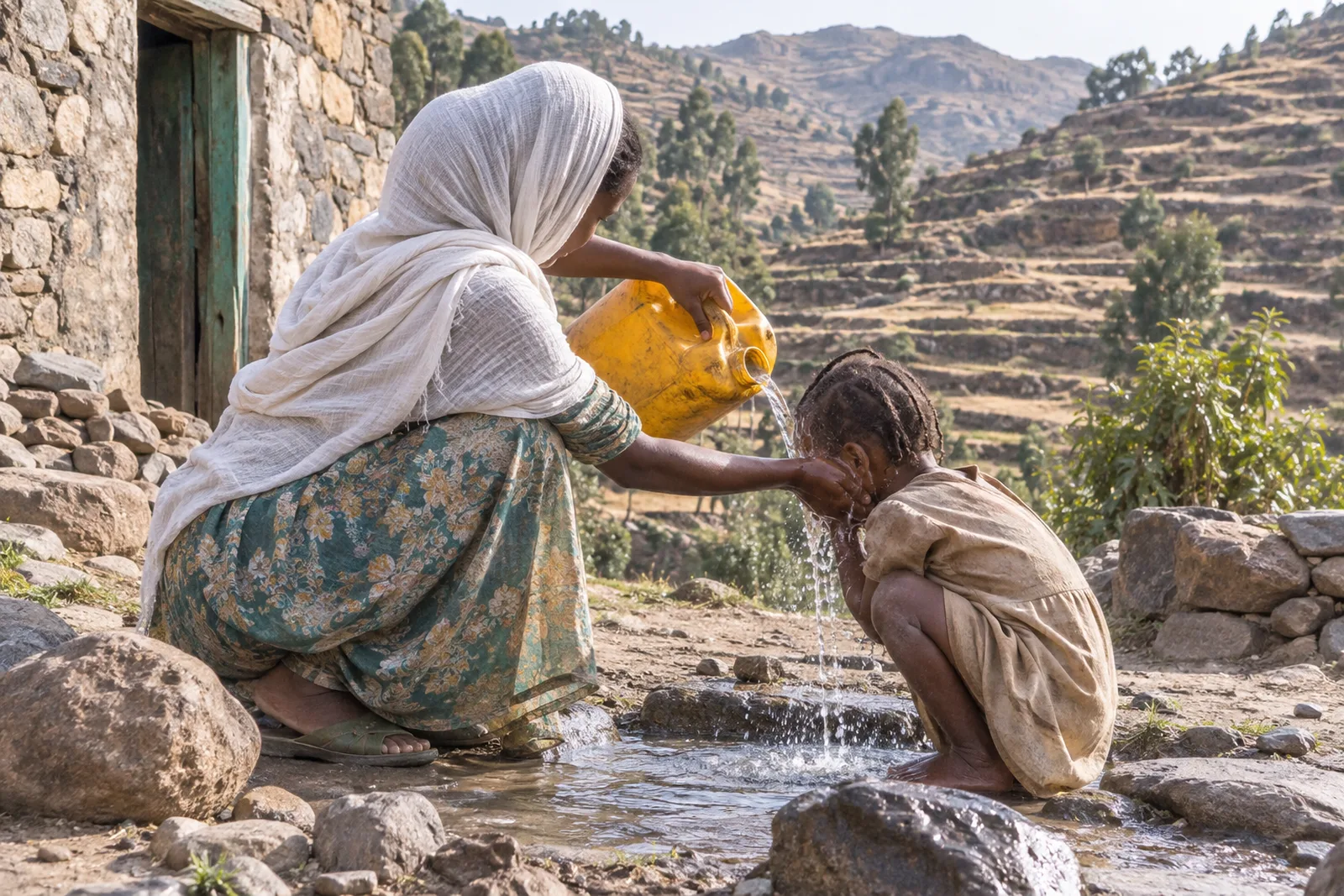
Trachoma mostly affects poor, rural communities with little access to water and sanitation, and women and children carry much of the burden. Eritrea’s success came through the SAFE strategy recommended by WHO: Surgery for people with trichiasis, Antibiotics to clear infection, Facial cleanliness, and Environmental improvement, especially better access to water and latrines. According to the WHO Expanded Special Project for Elimination of Neglected Tropical Diseases (ESPEN), baseline surveys carried out between 2006 and 2020 covered all 58 sub-zobas, or districts, which allowed the health ministry to target treatment where it was needed.
The programme relied heavily on communities. WHO said Eritrea used community-led sanitation, health education and digital mapping tools to track progress, while the antibiotic azithromycin was donated by Pfizer through the International Trachoma Initiative. Channel Africa and the Nigerian Tribune both reported the 16 November announcement, and The Fred Hollows Foundation was among the partners that supported the work, according to WHO.
Dr Mohamed Janabi, WHO Regional Director for Africa, said: “It shows what is possible through sustained political commitment, community leadership and strong partnerships.” Dr Mary Stephen, the WHO Representative in Eritrea, put the credit plainly: “This success belongs first and foremost to the people of Eritrea.”
After two decades of determined effort, Eritrea has consigned trachoma as a public health problem to history.
Dr Tedros Adhanom Ghebreyesus, WHO Director-General
The wider picture
Eritrea’s news is part of a long global decline. The number of people living in areas that need trachoma interventions fell from 1.5 billion in 2002 to below 100 million by November 2025, a drop of about 94 per cent, WHO said. As of March 2026, about 92 million people lived in endemic areas, and trachoma remained a public health problem in at least part of 29 countries. In 2025 alone, 98,829 people had surgery for trichiasis and 47.4 million received antibiotics against trachoma, according to WHO.
The hardest work is now concentrated in a few places. WHO’s Weekly Epidemiological Record of July 2026 listed Ethiopia, Eritrea’s neighbour, with 62,581,253 people living in areas that warranted treatment as of March 2026, by far the largest number of any country. In GGND’s view, that makes Eritrea’s result doubly useful: it is proof that the SAFE approach can work in the Horn of Africa, next door to the country with the biggest remaining burden.
Tedros called the result “a victory for the communities most affected by this devastating disease, and a powerful example of what sustained national commitment can achieve.”
Could it work elsewhere?
It already has. Thirty-three other countries have been validated before Eritrea using the same broad method. In GGND’s view, the transferable lesson is less about medicine, which is cheap and donated, and more about the slow work of surveying every district, training surgeons, and changing everyday habits around face-washing and sanitation. Those steps take years and need steady funding long after the headlines fade.
What remains unresolved
- Not zero cases. Elimination as a public health problem means infection and trichiasis have fallen below WHO thresholds. It does not mean nobody in Eritrea has trachoma.
- People still needing surgery. Some people with late-stage trichiasis will still need operations, and they must be found and treated.
- Risk of a comeback. Nature World News noted that trachoma can return where water, sanitation and surveillance slip. WHO said Eritrea will continue surveillance.
- Neighbours. Ethiopia, next door, still has more than 62 million people in areas that warranted treatment in March 2026. In GGND’s view, keeping Eritrea’s border districts clear will depend partly on progress there.
What happens next
Eritrea’s health ministry is expected to keep watching for new infections and to keep offering surgery to anyone with trichiasis, WHO said. For the wider region, the focus now shifts to countries such as Ethiopia, where tens of millions of people still live in areas that need treatment. GGND will follow the next validations.
Sources
- World Health Organization Eritrea eliminates trachoma, a major public health milestone (16 November 2026)
- WHO ESPEN Eritrea validated as having eliminated trachoma as a public health problem (16 November 2026)
- World Health Organization Weekly Epidemiological Record, Vol. 101, No. 28 (July 2026)
- Channel Africa Eritrea eliminates trachoma as a public health problem, WHO confirms (16 November 2026)
- Nigerian Tribune Eritrea becomes 11th African country to eliminate trachoma — WHO (16 November 2026)
- Nature World News WHO confirms Eritrea has beaten trachoma, world’s leading infectious cause of blindness (16 November 2026)
Analysis and context are by The GGND Team. Where we draw our own conclusions, we say so. To report an error, contact us.