What happened
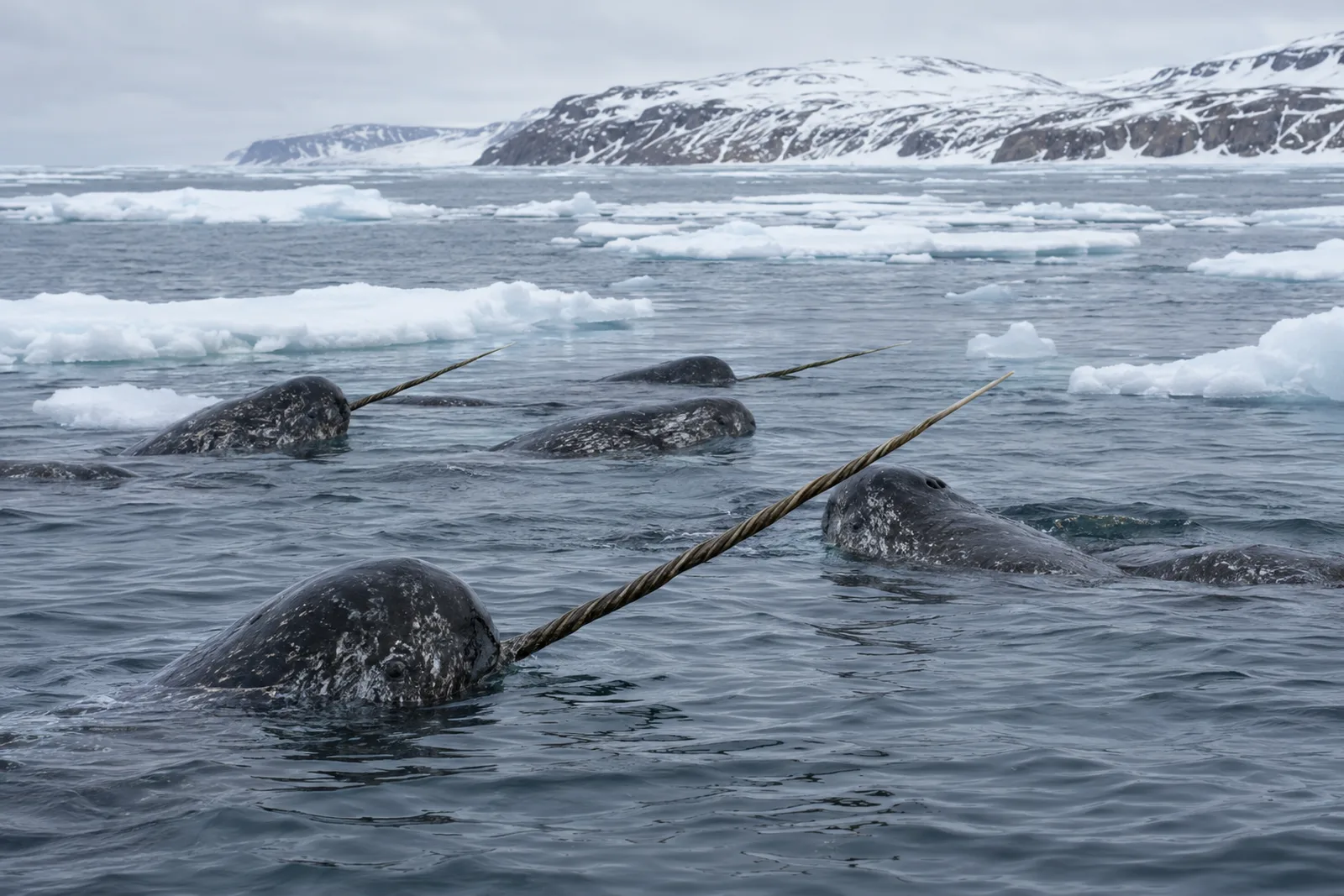
On 27 October 2026 in Iqaluit, Nunavut, Canada’s Fisheries Minister Joanne Thompson, Environment Minister Julie Dabrusin and Secretary of State for Nature Nathalie Provost committed to protect an additional 3 per cent of Canada’s marine and ocean areas by the end of 2027, Fisheries and Oceans Canada announced. Because Canada has the world’s longest coastline, that means more than 170,000 square kilometres of newly protected sea, bringing over 20 per cent of the country’s ocean waters under protection.
The government also said it will work with Indigenous communities in the Arctic to set up as many as two new conservation agreements, using long-term financing models such as Project Finance for Permanence. The announcement came as Diana Fox Carney, Canada’s Ocean Envoy, ended her first visit to the Arctic, where she met Inuit leaders and students training for fisheries careers.
Why it matters
Canada has committed to conserve 30 per cent of its ocean by 2030, in line with the global biodiversity agreement reached in Montreal in 2022. “Working with Indigenous Peoples, and stakeholders, including industry, Canada has conserved 17.65 per cent of its marine area,” Thompson said in the government’s release. A decade ago the figure was barely 1 per cent, Prime Minister Mark Carney said in September.
The Arctic is central to this. Nunavut alone accounts for about 70 per cent of Canada’s coastline, the government notes. In March 2026, Canada and the Qikiqtani Inuit Association celebrated the creation of the Qikiqtait and Sarvarjuaq Marine Protected Areas in Nunavut, Fisheries and Oceans Canada said. They are the first new protected areas under the Sinaa Agreement, formerly the Qikiqtani Project Finance for Permanence, according to Canada’s nature strategy. On 26 October, the Prime Minister told First Nations leaders and premiers that “in partnership with Indigenous communities, we are establishing three new marine protected areas in the Arctic and along the West Coast”, according to the published text of his remarks.
The Arctic Ocean must be understood through the lives of the people who have inhabited and cared for it over countless generations.
Mary Simon, former Governor General of Canada
The wider picture
Fox Carney also announced the first Global Indigenous Summit, to be held on 9 May 2027 alongside the 12th Our Ocean Conference in Halifax, which Canada is hosting. Former Governor General Mary Simon, originally from Kangiqsualujjuaq, will help lead it. In Iqaluit, Fox Carney said she learned about Inuit efforts to expand protection of Pikialasorsuaq, a polynya of about 85,000 square kilometres between Baffin Island and Greenland that stays open year-round, Nunatsiaq News reported. Through the Sinaa agreement in 2025, the Qikiqtani Inuit Association received a $270-million funding commitment from the federal government and other donors. “This is an initial conversation,” Fox Carney told the paper. “My understanding is that there is a lot to learn.”
Could it work elsewhere?
Project Finance for Permanence pools government, philanthropic and sometimes private money up front, on the condition that conservation is permanent and run with local communities. Canada will invite other countries to show similar ambition at the Halifax conference. In GGND’s view, the model’s strength is that it pays for rangers, monitoring and community jobs for decades instead of declaring lines on a map; its weakness is that it takes years of negotiation and depends on large donors.
What remains unresolved
- Which waters. The government has not said which areas will make up the new 170,000 square kilometres.
- How strong the protection is. Marine protected areas can differ widely in what they ban, from oil and gas to bottom trawling. The rules for the new areas are not yet known.
- Money. No new funding figure was attached to the 2027 commitment. More detail may come in the federal budget due on 5 November 2026.
- Inuit views. Qikiqtani Inuit Association representatives were unavailable for comment when Nunatsiaq News reported the visit, and the Greenland side of Pikialasorsuaq lies outside Canada’s control.
What happens next
The next markers are the federal budget on 5 November, the naming of new protected areas and the Halifax conference in 2027. GGND will follow how much of the new protection is in place, and enforced, by the end of next year.
Sources
- Fisheries and Oceans Canada Madame Fox Carney concludes first visit to Canada’s Arctic as Ocean Envoy and Government of Canada announces intent to explore blue financing models (27 October 2026)
- Prime Minister of Canada Prime Minister Carney delivers opening remarks at a joint First Ministers’ Meeting with First Nations leaders (26 October 2026)
- Nunatsiaq News Canada’s oceans envoy meets with QIA in Iqaluit to discuss marine protection (27 October 2026)
- Fisheries and Oceans Canada Government of Canada and Qikiqtani Inuit Association celebrate new marine protected areas in Nunavut (30 March 2026)
- Government of Canada A Force of Nature: Canada’s Strategy to Protect Nature
- Prime Minister of Canada Prime Minister Carney announces historic investment to protect Canada’s oceans (29 September 2026)
Analysis and context are by The GGND Team. Where we draw our own conclusions, we say so. To report an error, contact us.