What happened
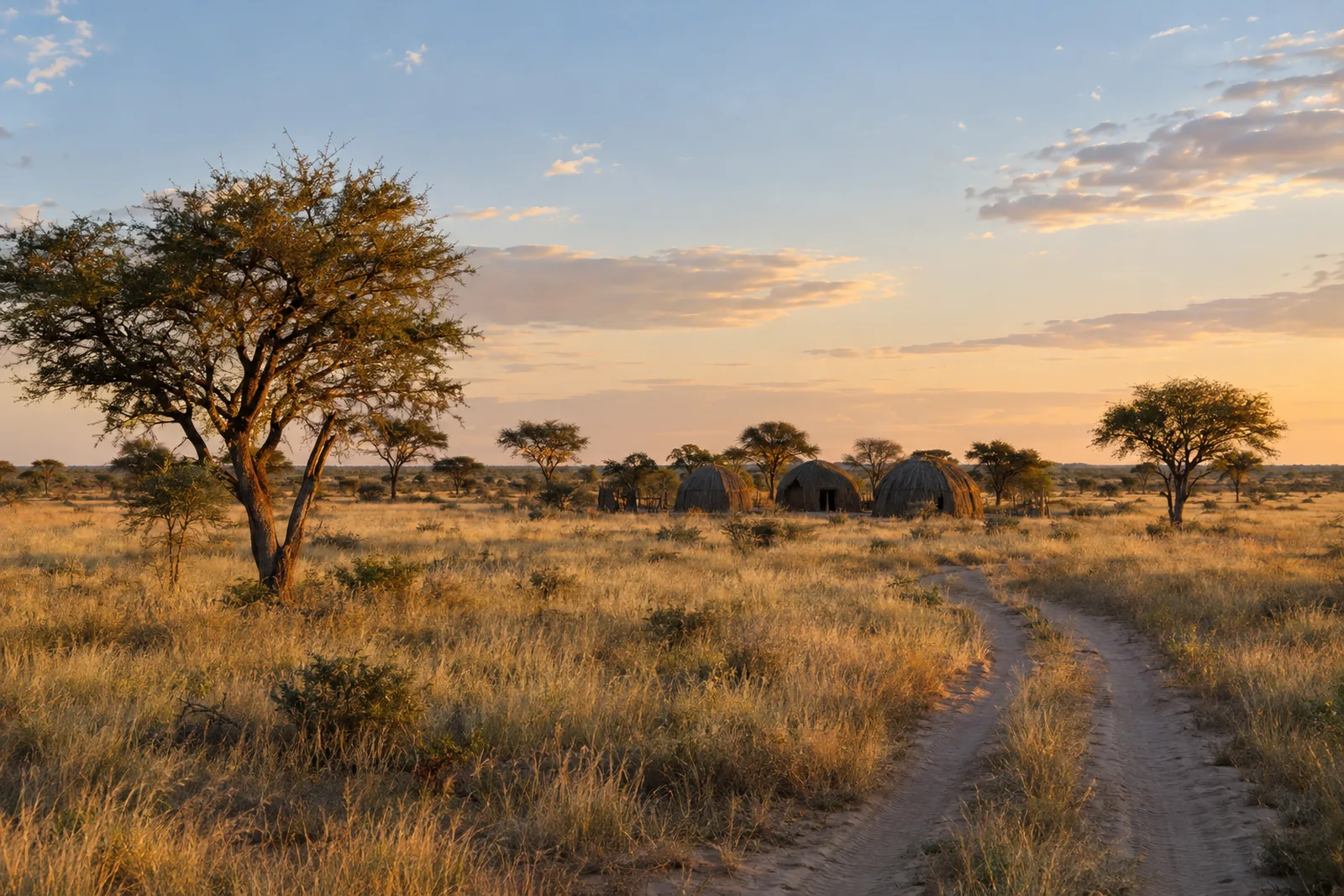
Botswana has taken its biggest step yet towards returning ancestral land to the San, also known as Basarwa, who were moved out of the Central Kalahari Game Reserve. President Duma Boko approved a CKGR Integrated Roadmap on 15 September 2026, the Minister of Justice and Correctional Services, Nelson Ramaotwana, told the 89th session of the African Commission on Human and Peoples’ Rights in Senegal, Mmegi reported. He described a four-phase programme designed to be time-bound and financially implementable, guided by the principle of free, prior and informed consent.
The minister also said the government had started the process of ratifying International Labour Organization Convention No. 169 on Indigenous and Tribal Peoples. That marks a clear break with the previous government’s position that all citizens were indigenous, according to Mmegi.
In an interview published on 30 October, Ramaotwana told Mongabay that the roadmap has activities to be completed within six months, others within 18 months, and others over a three-year implementation period. ‘Our intention is that, before the next election, there should be a legal framework protecting the rights of Indigenous communities,’ he said. The next national election is due in 2029.
Why it matters
The reserve was established in 1961, partly as a place where San communities could keep their way of life. Relocations began in the 1990s, and after basic services were withdrawn in 2002 a long legal battle followed. In December 2006, Botswana’s High Court ruled in favour of Roy Sesana and other San applicants, finding they had been unlawfully deprived of their land, Mongabay reported. But, as Ramaotwana acknowledged, the judgment applied to the litigants and left out hundreds of other people, including family members and descendants.
The new approach began after the change of government in November 2024. President Boko, a former human rights lawyer who represented the San, appointed an inter-ministerial committee on 7 February 2025, chaired by Ramaotwana. It consulted people in five inhabited settlements inside the reserve and in resettlement communities outside it, the minister said. One early step was removing the barriers that had stopped Pitseng Gaoberekwe, who died in 2021, from being buried on his ancestral land; he was finally buried there in 2024.
Ramaotwana told Mongabay that restitution means communities ‘should be allowed to return to their ancestral lands, reside there and hold legally recognized rights over those lands’, while the reserve keeps its protected status under a co-management plan.
The government has accepted the principle of restitution.
Nelson Ramaotwana, Botswana’s Minister of Justice and Correctional Services, speaking to Mongabay
The wider picture
The roadmap arrived in the same autumn that Botswana honoured the man who led the court case. On 23 October, the University of Botswana conferred an honorary Doctor of Letters on Roy Sesana, now 97, at its 44th graduation ceremony, the government’s Daily News reported. President Boko, the university’s chancellor, congratulated him and recognised his role as the first applicant in the landmark case. Sesana was born in Molapo in the reserve, co-founded First People of the Kalahari in 1991 and received the Right Livelihood Award in 2005, the university said.
Michael Taylor of Anthropos Africa, which works with the committee, told Mongabay that during the court battle Sesana ‘was often seen by many people as public enemy number one’. Sesana himself dedicated the doctorate to the Basarwa and the people of Botswana, Daily News reported.
Could it work elsewhere?
Many African protected areas were created by moving people out. Botswana’s plan tries to keep the reserve protected while restoring rights to the people who lived there first, with communities sharing in management. In GGND’s view, if it succeeds it could become a reference point for other governments facing similar claims, but only if the legal protections are written down and survive a change of government.
What remains unresolved
- Land tenure. Ramaotwana said the government has not yet decided whether land will be held individually or communally. That will be settled through consultation.
- Which laws. The options include constitutional recognition during a planned constitutional review, amendments to the Tribal Land Act or a specific land claims law, he told Mongabay. None has yet been tabled.
- Money. The minister acknowledged that fiscal constraints threaten to slow consultations and programmes, and that some final consultations relied on donor support, Mmegi reported.
- Benefits. It is not yet clear whether communities will receive a meaningful share of tourism and conservation revenue. Sesana told The Botswana Gazette that ‘the struggle for ancestral land, self-determination and livelihoods remains far from over’, Mongabay reported.
What happens next
The first roadmap activities fall within six months of approval, which points to early 2027. The government also plans an office in the Presidency to turn commitments into practical improvements, under the human rights chapter of National Development Plan 12, according to Mmegi. GGND will follow whether legislation reaches Parliament before 2029.
Sources
- Mmegi Botswana to restore indigenous peoples’ rights (19 October 2026)
- Mongabay A historic land restitution process offers new hope for Botswana’s Indigenous San (30 October 2026)
- Mongabay Botswana honors 97-year-old who fought eviction of Indigenous people in Kalahari (27 October 2026)
- Daily News (Government of Botswana) UB confer honorary doctorate on Sesana (October 2026)
- Daily News (Government of Botswana) Sesana dedicates doctorate to Batswana (October 2026)
- University of Botswana UB to Honour San Rights Champion Roy Sesana with Honorary Doctorate (October 2026)
Analysis and context are by The GGND Team. Where we draw our own conclusions, we say so. To report an error, contact us.