What happened
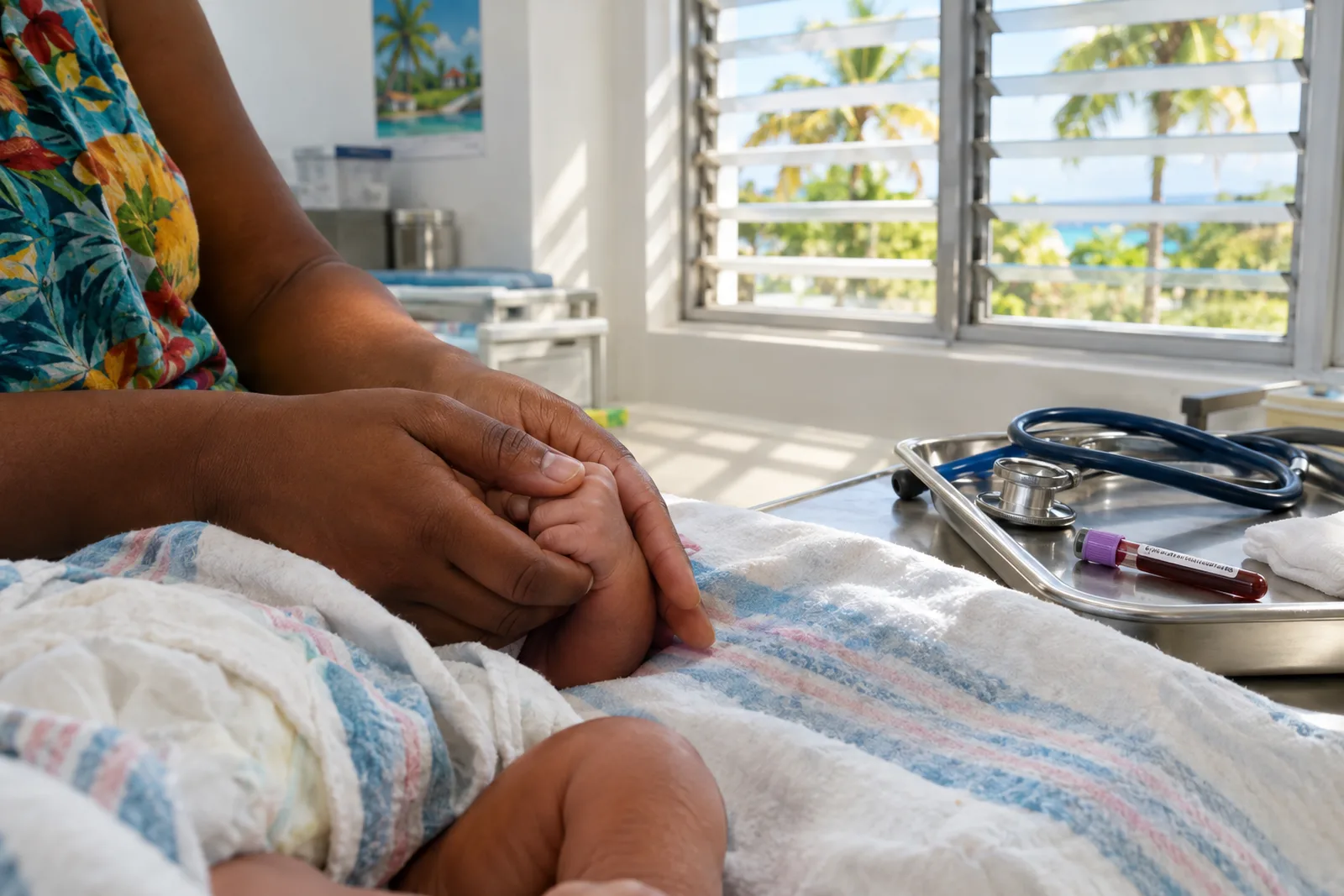
On 30 October 2026, the World Health Organization announced that Barbados has eliminated mother-to-child transmission of HIV as a public health problem, WHO said in a news release. The certification follows an independent assessment that found no new HIV infections passed from mother to child among infants born in Barbados from 2022 to 2024.
The assessment found high coverage across the board over those three years: 98 per cent of pregnant women received antenatal care, 98 per cent were tested for HIV, and 98 per cent of pregnant women living with HIV received antiretroviral treatment. A certification ceremony was held on the same day in Christ Church, the Pan American Health Organization (PAHO) said.
Why it matters
Without treatment, a mother living with HIV can pass the virus to her baby during pregnancy, birth or breastfeeding. With testing and medicine, that risk becomes very small. ‘A diagnosis of HIV during pregnancy no longer has to mean transmission to a child,’ said Robert Benes, UNICEF’s Regional Director for Latin America and the Caribbean, in the WHO release.
What stands out in Barbados is how the service is offered. HIV testing and treatment are free for all pregnant women, regardless of nationality. WHO says its assessment found no evidence of coercive reproductive health practices involving women living with HIV. That matters, because elimination targets can tempt health systems to cut corners on consent.
Barbados committed to this goal in 2010, when countries in the Americas signed up to PAHO’s plan of action on HIV and sexually transmitted infections, UNAIDS said. A PAHO team visited the island in 2025 to assess testing, maternal and child health clinics, immunisation and surveillance.
I congratulate Barbados on protecting a generation of children from HIV.
Dr Tedros Adhanom Ghebreyesus, WHO Director-General
The wider picture
The Caribbean has become a world leader on this. Cuba was the first country in the world to be certified for eliminating mother-to-child transmission of both HIV and syphilis, Barbados Today noted, and recent certifications include the Bahamas and Turks and Caicos (2026), Brazil (2025), and Jamaica and Saint Vincent and the Grenadines (2024). WHO says Barbados joins 26 countries and territories recognised for eliminating mother-to-child transmission of HIV, syphilis or hepatitis B, or for being on track to do so, with 15 of them in the Americas. UNAIDS counts the region as having 15 of the 23 countries and territories certified for HIV specifically.
‘This is incredible for us, and it allows us to be able to see our children living their full, best lives,’ said Lisa Cummins, Barbados’s Minister of Health and Wellness, in the WHO release.
There is a caveat. The certification covers HIV only, not syphilis or hepatitis B. In January, the health ministry warned of a sharp increase in syphilis infections across the island, without giving figures, Barbados Today reported. Untreated syphilis in pregnancy can cause miscarriage, stillbirth or serious illness in newborns.
Could it work elsewhere?
Barbados is small, with a universal public health system and one main maternity hospital, which makes it easier to reach almost every pregnant woman. Larger countries with more scattered services face a harder task. In GGND’s view, the parts that travel best are simple: make testing and treatment free for every pregnant woman regardless of nationality, protect women’s rights and consent, and follow up mothers and babies.
What remains unresolved
- Syphilis. Barbados is still working towards certification for syphilis and hepatitis B, while officials reported rising syphilis cases this year.
- Keeping the status. WHO says Barbados will need continued investment, updated guidelines, stronger health information systems, more combined HIV–syphilis testing and better follow-up for women and children.
- Differing counts. WHO and UNAIDS describe the global total differently, because they count different combinations of HIV, syphilis and hepatitis B certifications.
What happens next
UNAIDS has urged Barbados to build on the result through steady funding for maternal and child health, reliable access to medicines and tests, and action against stigma. GGND will look for Barbados’s progress towards syphilis and hepatitis B certification and for the next Caribbean countries to be assessed.
Sources
- World Health Organization Barbados eliminates mother-to-child transmission of HIV (30 October 2026)
- UNAIDS via ReliefWeb UNAIDS congratulates Barbados on eliminating vertical transmission of HIV (30 October 2026)
- Pan American Health Organization Certification Ceremony: Elimination of Mother-to-Child Transmission (EMTCT) of HIV in Barbados (30 October 2026)
- Barbados Today Efforts underway to cut mother-to-child transmission of syphilis, HIV (23 January 2026)
Analysis and context are by The GGND Team. Where we draw our own conclusions, we say so. To report an error, contact us.