What happened
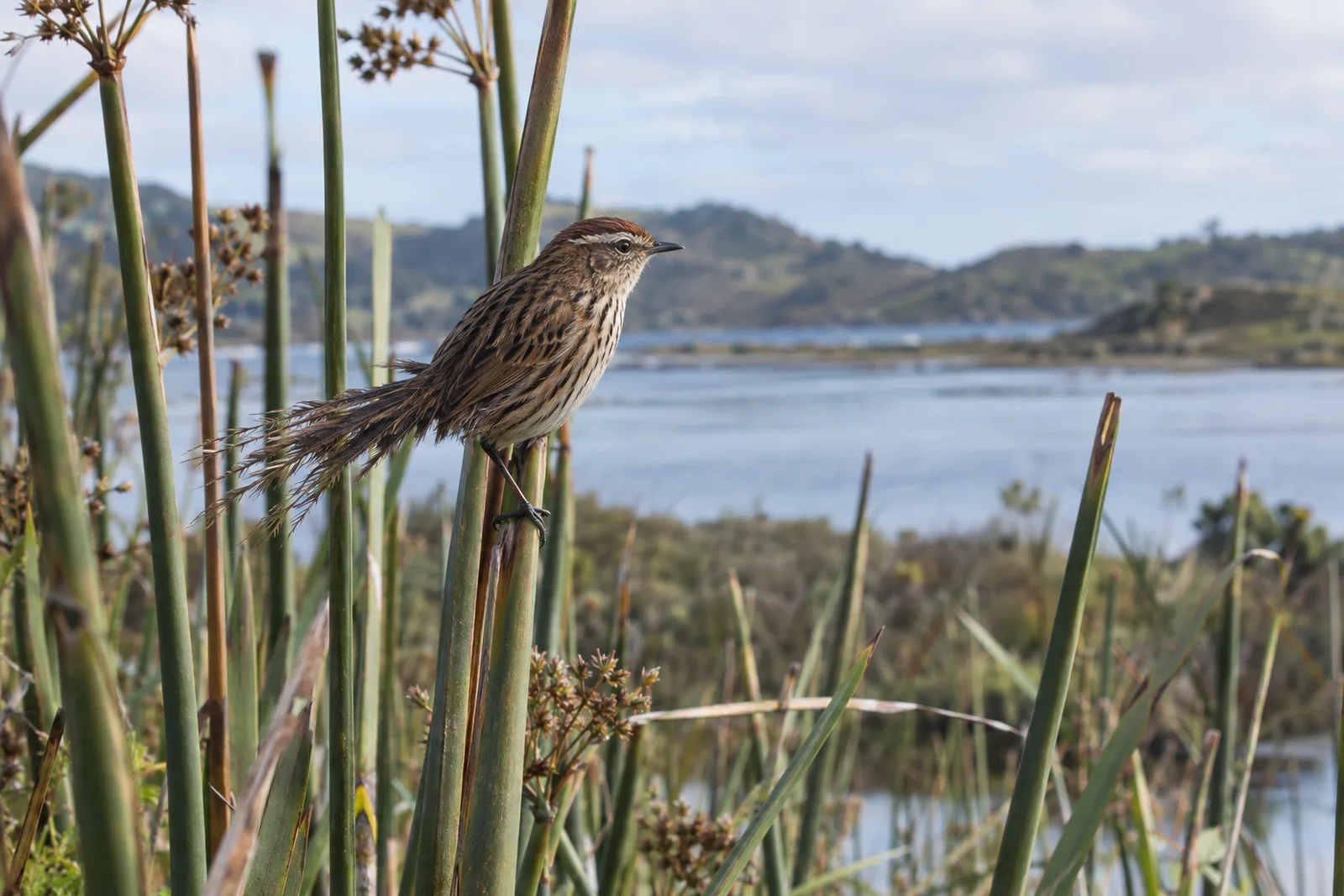
On Friday 23 October 2026, Greater Wellington Regional Council announced that mātātā, or fernbirds, had been spotted at Lake Kōhangaterā in East Harbour Regional Park, on the eastern side of Wellington Harbour. It is the first time the birds have been recorded at the Parangarehu Lakes in around 70 years, the council said in a statement published by Scoop.
The discovery was close to an accident. The lakes’ guardians had been talking about bringing the species back. “We recently discussed the re-introduction and return of Mātātā, so a baseline survey was conducted, and we found that they had returned on their own,” Lee Hunter, who represents Taranaki Whānui, told RNZ.
Bird surveyor Shane Cotter said fernbirds had been absent from the lower North Island, meaning Wellington and the Wairarapa, for around 70 years, except for a few small populations on Wellington’s west coast. “They are described as poor flyers so to locate them at the Parangarehu Lakes was a surprise,” he said. He added that finding multiple birds was “a very positive sign for East Harbour”.
Why it matters
Mātātā are small, secretive wetland birds that spend most of their time inside the canopy of shrubs, foraging for insects and other small invertebrates. They are classified as regionally Threatened: Vulnerable, and they face introduced predators, habitat loss and human disturbance, the council says. Nationally, the species is listed as “At Risk”, RNZ’s Afternoons programme noted.
Because they rely on high-quality, diverse wetland habitat, their return is a sign that the lakes are in good health. That matters in a country that has lost more than 90 per cent of its original wetland area since the 1840s; less than three per cent of the Wellington region’s wetlands remain, according to the council. The new sightings are also the furthest yet from any other known fernbird population in the region, which the council says suggests the birds are spreading into new areas.
These birds are not common at all so to find them here is a real sign that the efforts of council, iwi, and volunteers to protect biodiversity, restore wetlands, and knock back introduced predators are paying dividends.
Jack Mace, Director of Delivery, Greater Wellington Regional Council
The wider picture
The lakes are looked after by Rōpū Tiaki o te Parangarehu Lakes Area, a co-governance group that brings together Taranaki Whānui and Greater Wellington, alongside iwi members and volunteers. Their work includes predator control and efforts to stop further damage to the area. For Taranaki Whānui, Hunter said, the bird is a tohu, a sign of a healthy environment, and one of the group’s goals is Manu Kōrihi: a healthy wetland and lake ecosystem that sustains many birds and native species.
Cotter also linked the news to the council’s recent purchase of Gollans Valley. The Parangarehu Lakes are not the only Wellington wetland where mātātā have reappeared after restoration: in 2024 a fernbird was photographed in Taupō Swamp near Plimmerton, RNZ reported at the time, a sighting described then as a sign of a viable population there.
Mace said the find “shows why we need to keep protecting and restoring East Harbour Regional Park and all regional parks across the Wellington region”, RNZ reported.
Could it work elsewhere?
In GGND’s view, the striking thing about this story is that nobody moved the birds. Translocations are expensive and risky; here, steady predator trapping and wetland care appear to have made the habitat good enough for the species to return by itself. That approach, protecting and joining up remaining wetlands and letting wildlife recolonise, can be copied by councils, iwi and community groups anywhere that small wetland fragments survive. It does, however, depend on a source population being close enough, and on many years of unglamorous, funded work.
What remains unresolved
- How many birds. The council has said only that multiple birds were found. Surveys will continue to build a picture of how many are present.
- Breeding. It is not yet known whether the fernbirds are nesting at the lakes or are visitors. A lasting population needs successful breeding.
- How they got there. Mātātā are poor fliers and the lakes are far from other known populations. Whether the birds travelled there recently, or a small group was simply overlooked because the species is so secretive, is an open question.
- Ongoing threats. Introduced predators and human disturbance remain risks. Predator control has to continue, and be funded, for the gain to hold.
What happens next
Greater Wellington says surveys will continue to understand the fernbirds’ presence at the lakes. With the reintroduction plan overtaken by the birds themselves, the partners’ focus can shift to protecting the habitat they have chosen. GGND will look out for the next survey results.
Sources
- Greater Wellington Regional Council First sighting of threatened native bird at Parangarehu Lakes in 70 years (23 October 2026)
- Scoop (Greater Wellington press release) First sighting of threatened native bird at Parangarehu Lakes in 70 years (23 October 2026)
- RNZ Native bird spotted in Wellington for first time in about 70 years (23 October 2026)
- RNZ Afternoons Could fernbirds or wild mātātā be back from the brink? (23 October 2026)
- RNZ Rare fernbird photographed at Wellington swamp after restoration (3 July 2024)
Analysis and context are by The GGND Team. Where we draw our own conclusions, we say so. To report an error, contact us.