What happened
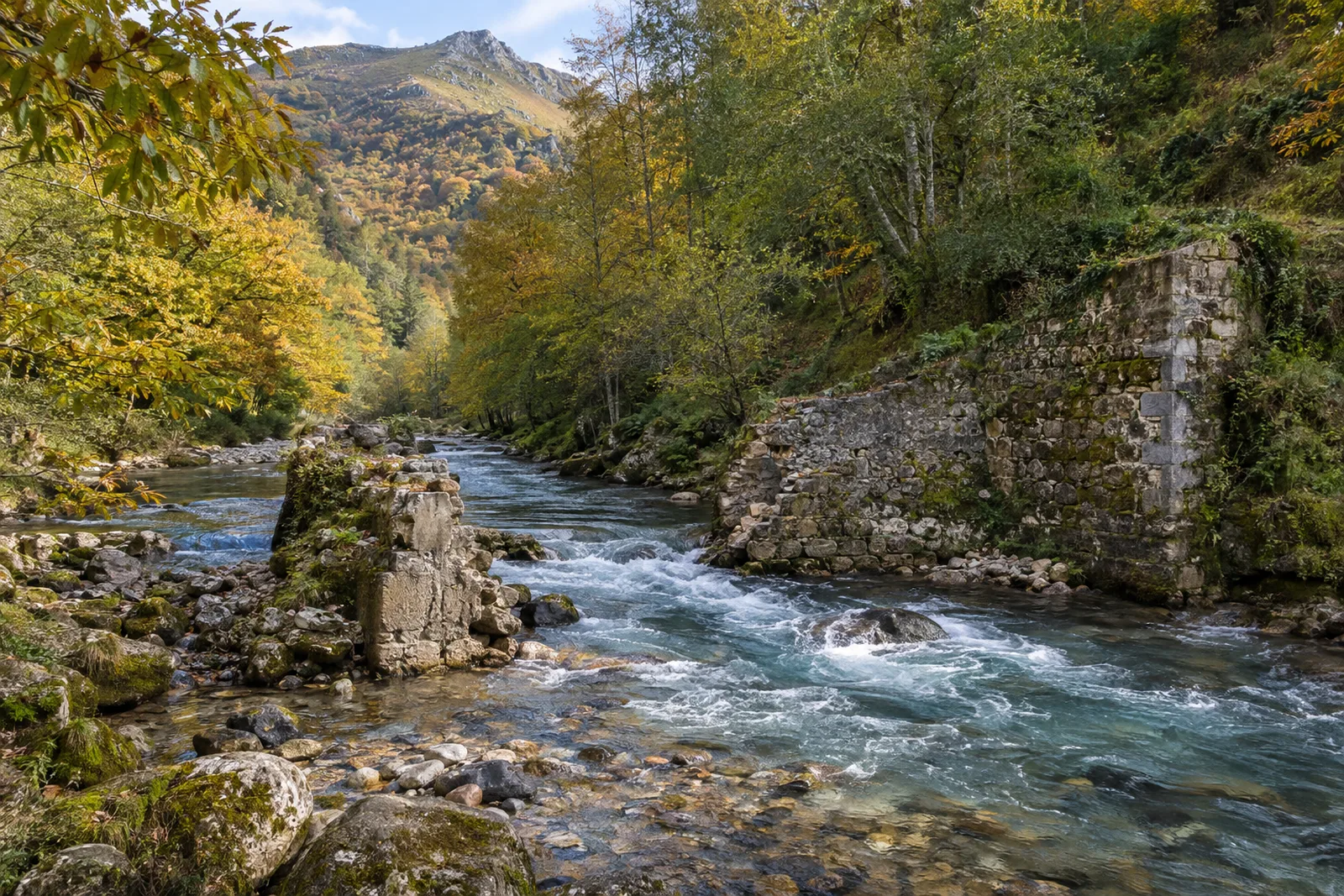
On 22 October 2026, Chile’s National Forest Corporation (CONAF) and 16 Kawésqar communities formed the first Management Council for Kawésqar National Park, CONAF announced. The park covers about 2.8 million hectares across the communes of Puerto Natales, Río Verde and Punta Arenas in the Magallanes Region. The council will draw up a management agreement for the park under Law 21,600, the law that created Chile’s new Biodiversity and Protected Areas Service (SBAP).
CONAF’s regional director, John Revello, called it a milestone for the future of protected areas linked to Indigenous peoples. Kawésqar National Park is the second-largest national park in Chile after Bernardo O’Higgins, with a decreed area of 2,842,329 hectares, and has been a national park since 2019, Viajando Chile reported, citing the environment ministry’s register of protected areas.
Why it matters
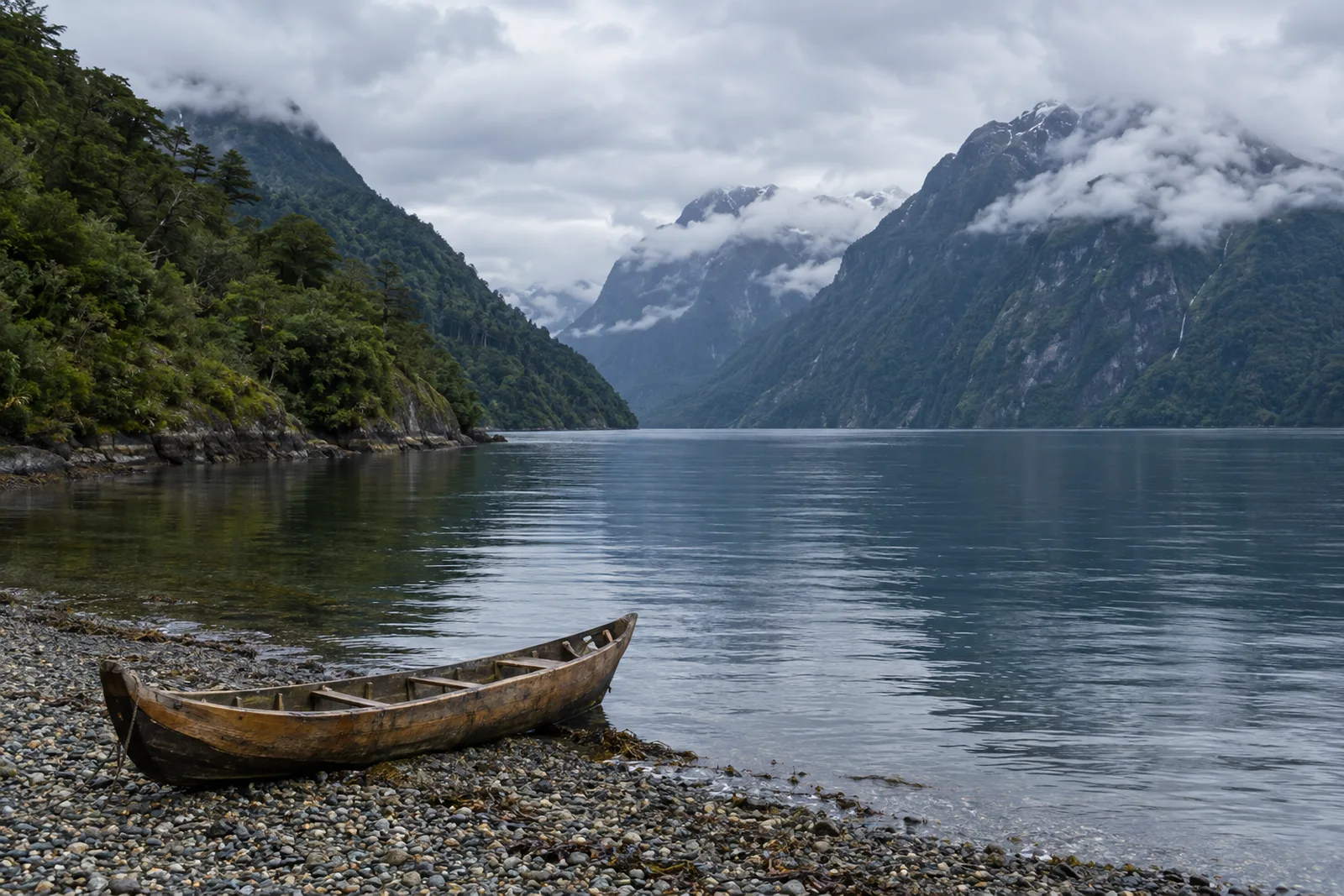
The Kawésqar are a canoe people who have lived in the channels of western Patagonia for more than 7,000 years, La Prensa Austral notes. The park, a maze of fjords, channels and islands with no roads, covers much of that ancestral territory.
What makes this council different is its power. When CONAF approved the park’s management plan in March 2026, through Resolution No. 313, it set up a council that is not only advisory: it is deliberative and resolutive, and its decisions are binding on how the park is run, the environmental foundation Terram explained. The plan also explicitly allows traditional and small-scale fishing, collecting water and firewood, gathering material for traditional boat-building and, under a strict protocol, the ceremonial use of fire.
…recognises the history, the rights and the territorial, ancestral and spiritual connection of the Kawésqar people.
John Revello, CONAF regional director in Magallanes, as translated by Viajando Chile
The wider picture
The council is the result of a long and sometimes tense process. A formal Indigenous consultation on the management plan began in February 2024, Terram reported. One community, Ancón Sin Salida, took the matter to the Santiago Court of Appeals, which ordered CONAF not to move ahead without agreeing the method with the communities. In the end, 16 Kawésqar communities with legal status took part, CONAF held 17 meetings in the planning stage alone (the legal minimum is three), and it paid for technical advisers for the communities. The consultation ended in November 2025 with ten signed agreements.
Not everyone was happy. The Magallanes salmon farmers’ association submitted 14 comments on the plan and warned that giving communities a binding role could cause ‘administrative blockages’ to authorised activities, Terram reported. Only two of its comments were judged usable. Terram adds that Law 21,600 already bans the commercial exploitation of natural resources inside national parks, whatever the council decides.
There is also institutional change under way. Chile is moving its national parks from CONAF to the new SBAP, a transfer that is about 40 per cent complete in Magallanes and set for 1 March 2027, according to Viajando Chile. Terram reported that SBAP is due to join the council in future.
The park itself is hard to reach. It has no roads and is mostly seen from the water; the ferry between Puerto Montt and Puerto Natales stops at Puerto Edén on Wellington Island, the village historically linked to the last Kawésqar families, Viajando Chile notes. A separate Indigenous consultation is also under way in Magallanes on protecting Cape Froward, the southernmost point of mainland South America, showing that the question of who decides about protected land in the region is far from closed.
Could it work elsewhere?
In GGND’s view, co-management with Indigenous peoples is spreading, but binding decision-making powers remain unusual, and the Kawésqar model is worth watching across South America because it was built through formal consultation, written into a legal management plan and tied to a national law, rather than resting on goodwill. Its weak point is the same as its strength: it depends on a long, careful process that many governments may not want to fund.
What remains unresolved
- Divided communities. Eight communities, including Ancón Sin Salida and Cazadores Patagónicos, formally recorded their disagreement with the council model, Terram reported.
- The agreement itself. CONAF has not said how many representatives sit on the council or when the management agreement must be signed.
- The handover to SBAP. How the council will work once the new service takes over the park in 2027 is still to be settled.
- Pressure from industry. The salmon industry operates in the region’s waters and has questioned the communities’ powers. How disputes over the park’s edges will be handled is unclear.
What happens next
The council’s first job is to negotiate and sign the management agreement under Law 21,600. GGND will watch for its terms, for how the council handles the communities that objected, and for whether the model is used in other parks, such as the separate Kawésqar National Reserve next door.
Sources
- CONAF Histórico: conforman primer Consejo de Gestión del Parque Nacional Kawésqar en Magallanes (23 October 2026)
- Viajando Chile Kawésqar National Park: Conaf and 16 communities form the first council to manage Chile’s second-largest park (24 October 2026)
- Fundación Terram El pueblo kawésqar tendrá poder vinculante sobre el parque nacional (13 March 2026)
- La Prensa Austral Aprueban plan de manejo para el Parque Nacional Kawésqar y otorgan atribuciones a comunidades (10 March 2026)
Analysis and context are by The GGND Team. Where we draw our own conclusions, we say so. To report an error, contact us.