What happened
An Australian couple is giving A$120 million to nature conservation. Alexandra and Julian Burt, through their Wright Burt Foundation, are sharing the money among ten environmental organisations and plan to distribute it by the end of the year, The Age reported on 5 November.
Australian Wildlife Conservancy, Bush Heritage Australia and Greenpeace receive A$25 million each. The Great Southern Land Conservancy and BirdLife Australia get A$10 million each. Aussie Ark, Conservation Partners, the Great Barrier Reef Foundation, Rainforest Rescue and the South Endeavour Trust each receive A$5.33 million, according to The Age.
“We just have a lot of passion for bark and leaves,” Julian Burt told the paper. “We thought the environment was pretty critical right now, and it’s turned out to be really good timing.”
Why it matters
The list of threatened species in Australia keeps growing. The Age reported that 39 species were newly listed as threatened in 2025, bringing the total to 2,175, citing Australia’s Environment Report 2025. Atticus Fleming of the Great Southern Land Conservancy said the donation could be the biggest conservation gift in Australian history, the paper reported.
For several groups the gift is a record. Rainforest Rescue said its A$5.33 million is the largest gift in its 27-year history and will go towards the Oxbow floodplain in the Daintree. Australian Wildlife Conservancy chief executive Tim Allard said the money would help “restore and protect critical habitat, reduce threats from invasive species such as feral cats”, in a statement from the charity. Australasian Leisure Management reported that Aussie Ark’s share will support its work on threatened species.
When wildlife is pushed this close to being lost forever, this is what it takes to save it.
Kate Millar, Chief Executive, BirdLife Australia
The wider picture
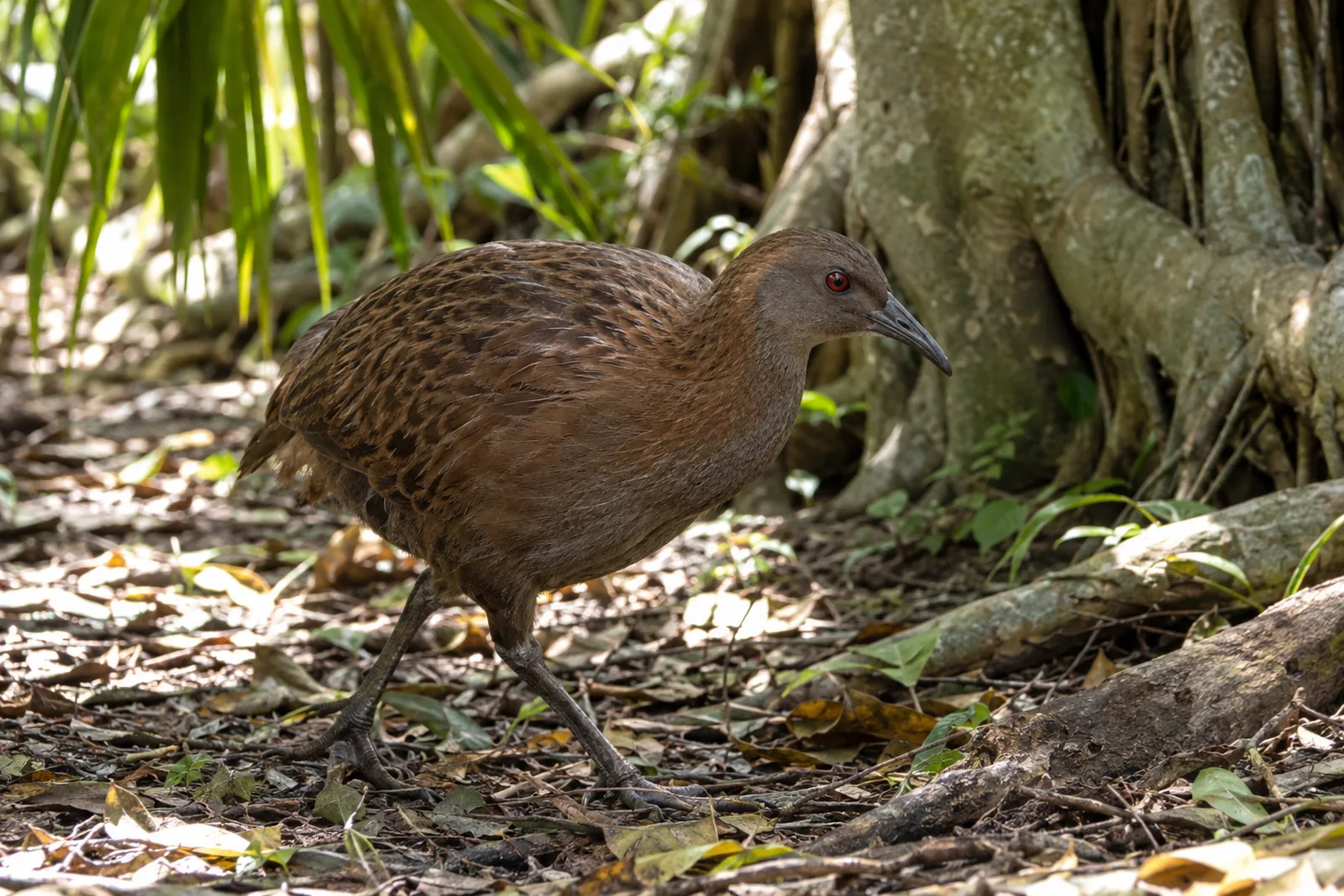
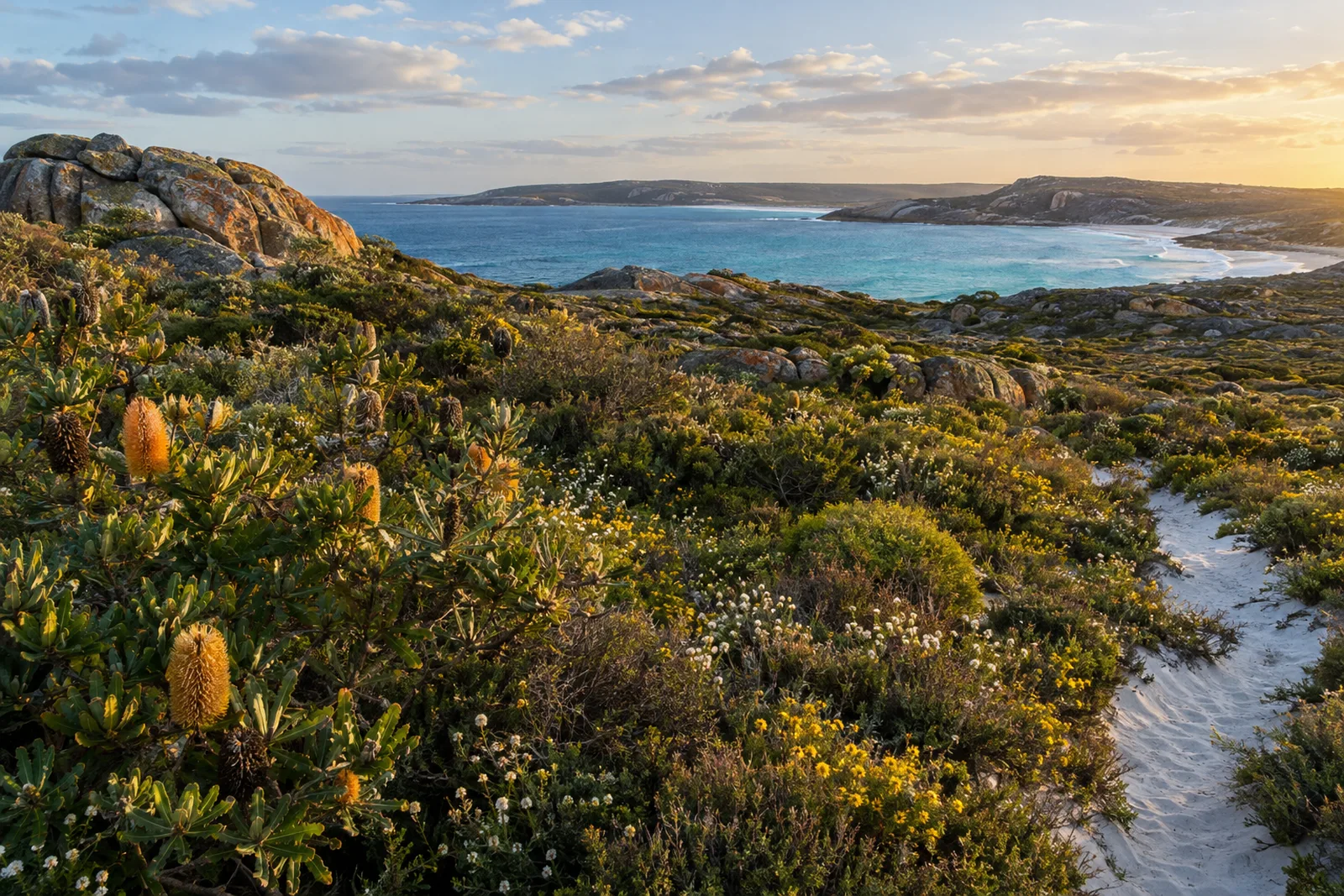
One of the most urgent projects is BirdLife Australia’s. Its A$10 million is aimed at the Kyloring, or western ground parrot, of which fewer than 180 survive in the wild, the charity said on 5 November. Without a boost, it estimates a 75 per cent chance the bird will be extinct by 2038. About 150 live in Cape Arid National Park, roughly 120 kilometres east of Esperance, where a single fire could wipe most of them out. The plan includes moving birds from the wild to new sites and working with Perth Zoo, the state conservation department and Noongar people.
In GGND’s view, the shape of the gift is as notable as its size. It spreads large, flexible sums across organisations that buy and manage land, run breeding programmes and campaign. Claire O’Rourke of the Australian Environmental Grantmakers Network told The Age: “It’s exciting to see.”
Could it work elsewhere?
In GGND’s view, a single donation on this scale shows other wealthy families what is possible, and the money is going to established groups with track records rather than a new foundation. The idea can travel to any country with private wealth, and the lesson is that a few large, multi-year gifts can do more than many small ones.
What remains unresolved
- Public funding. Philanthropy cannot replace government. Tasmanian Times reported on leaked report cards showing no progress against feral cats and foxes while national pest funding hangs in the balance.
- Where the money came from. The Burts’ wealth comes from iron-ore royalties paid by Rio Tinto, The Age reported, which some will see as an uncomfortable link with mining.
- Measuring results. Recovering species such as the Kyloring takes years, and success is not guaranteed.
- A mix of approaches. Greenpeace, a campaigning group, is the exception among mostly land-management charities, The Age noted. How each group reports on its spending will matter.
What happens next
The money is due to be paid out by the end of 2026. The groups will now turn it into land purchases, feral animal control, breeding work and field teams. GGND will follow the Kyloring recovery in particular, because its numbers are small enough that progress, or the lack of it, should be visible within a few seasons.
Sources
- The Age ‘A passion for bark and leaves’: the billionaire couple donating $120m to nature (5 November 2026)
- BirdLife Australia Wright Burt Foundation’s $10 million gift to save one of Australia’s rarest birds (5 November 2026)
- Australian Wildlife Conservancy Landmark $25 million gift to accelerate wildlife conservation (November 2026)
- Rainforest Rescue Largest gift in Rainforest Rescue’s history (November 2026)
- Australasian Leisure Management Aussie Ark receives $5.33 million share of landmark $120 million conservation commitment (November 2026)
- Tasmanian Times Leaked report cards reveal wildlife threat as national pest funding hangs in balance (November 2026)
Analysis and context are by The GGND Team. Where we draw our own conclusions, we say so. To report an error, contact us.