What happened
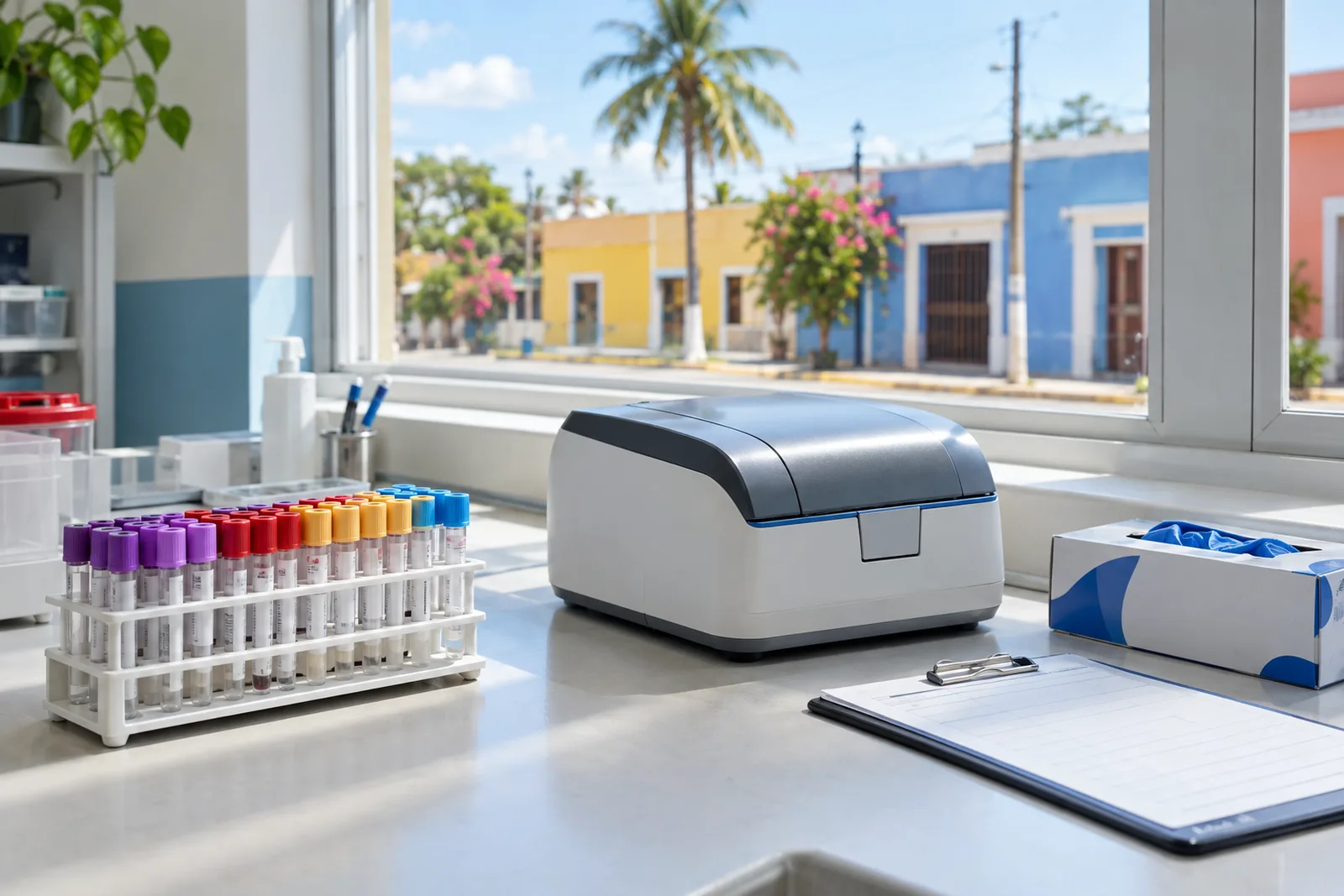
On 11 November, the Pan American Health Organization (PAHO) announced the first region-wide access agreements for human papillomavirus (HPV) testing in Latin America and the Caribbean. Countries will be able to buy high-quality molecular HPV tests through PAHO’s Regional Revolving Funds at preferential prices, with expected savings of 30 to 70 per cent, PAHO said. The tests are now available under the same conditions to all countries and territories in the region.
The deals cover more than the tests. They include implementation support, equipment access, training, maintenance and technical help, which PAHO says are meant to remove the practical barriers that have often slowed the introduction of new diagnostics. Unitaid, a global health agency hosted by WHO, supported the negotiations and will help El Salvador, Guatemala, Grenada, Saint Vincent and the Grenadines, and Saint Lucia to introduce or expand HPV-based screening, La Prensa Gráfica reported.
Why it matters
HPV infection causes nearly all cases of cervical cancer, which kills more than 40,000 women in the region every year, according to PAHO. Yet the disease is highly preventable through vaccination, screening and timely treatment. Until now, countries in Latin America and the Caribbean have faced some of the highest HPV test prices in the world, PAHO said, and only 16 countries and territories have introduced HPV testing in their screening programmes, with coverage held back by cost.
The test itself is a big improvement on older methods. The ESTAMPA study, carried out in Latin America, found that HPV testing detected nearly all cases of precancerous lesions and invasive cancer, while cytology, the conventional smear test, identified fewer than half, PAHO said. Molecular tests can also use samples that women collect themselves, which can help reach people far from clinics.
Through PAHO’s Revolving Funds, countries now have access to high-quality HPV testing under more favorable conditions, helping accelerate efforts to eliminate cervical cancer in the Americas.
Dr Jarbas Barbosa, Director, Pan American Health Organization
The wider picture
PAHO and WHO have recommended HPV testing for screening since 2013, but uptake has been limited by financial and technical obstacles, the Spanish news agency EFE reported. The new agreements are part of WHO’s push to eliminate cervical cancer, measured by the 90-70-90 targets: 90 per cent of girls vaccinated against HPV, 70 per cent of women screened with a high-performance test, and 90 per cent of women with lesions treated.
Unitaid’s director, Dr Philippe Duneton, said the initiative extends favourable pricing “to countries that have historically been excluded from such arrangements”. In GGND’s view, that is the most important part: middle-income countries often fall between the cracks, too wealthy for donor discounts but not big enough to negotiate low prices alone. Pooling purchases across a whole region gives them that bargaining power.
PAHO’s Revolving Funds already do this for vaccines and medicines, and the HPV agreements build on that model, which PAHO links to its wider Disease Elimination Initiative covering more than 30 diseases and conditions. Unitaid’s cervical cancer work in Latin America is funded by Japan, alongside its other core donors.
Could it work elsewhere?
The idea of pooled regional procurement is not unique to the Americas, and Unitaid says the agreements build on its global efforts to make cervical cancer prevention more affordable. In GGND’s view, other regions with many middle-income countries, such as parts of Asia and Africa, could benefit from similar joint purchasing, provided the package includes training and maintenance, not only cheaper kits.
What remains unresolved
- Prices. PAHO has published a range of expected savings, not the actual prices or the names of the test makers.
- Uptake. Countries still have to choose to buy the tests, and fund screening programmes, staff and laboratories.
- Treatment. A positive test only helps if women can get follow-up care. Unitaid’s support in five countries includes strengthening that follow-up, but most countries will have to do this themselves.
- Measuring results. It will take years to see whether the deals raise screening coverage and lower cervical cancer deaths.
What happens next
The tests are available now through the Revolving Funds. Unitaid will begin implementation work in El Salvador, Guatemala, Grenada, Saint Vincent and the Grenadines, and Saint Lucia. GGND will look for the first figures on how many countries use the agreements and how screening coverage changes.
Sources
- Pan American Health Organization PAHO secures first-ever region-wide access agreements for HPV testing across Latin America and the Caribbean, with support from Unitaid (11 November 2026)
- EFE via Infobae Unitaid y OPS anuncian acuerdo para mejorar la prevención de cáncer cervical en A. Latina (11 November 2026, in Spanish)
- La Prensa Gráfica El Salvador recibirá apoyo para ampliar tamizaje de virus del papiloma humano (11 November 2026, in Spanish)
- Pan American Health Organization La OPS, con el apoyo de Unitaid, logra los primeros acuerdos de acceso a escala regional para las pruebas de detección del VPH (11 November 2026, in Spanish)
Analysis and context are by The GGND Team. Where we draw our own conclusions, we say so. To report an error, contact us.