What happened
Ten ejidos and communities in the Mexican state of Michoacán have received certificates that turn more than 10,000 hectares of their land into voluntary conservation areas. The certificates were handed over on 18 November in Morelia by Alejandro Méndez López, Michoacán’s Secretary for the Environment, working with Mexico’s National Commission of Natural Protected Areas (Conanp), during the Second National Monarch Butterfly Summit, MiMorelia reported.
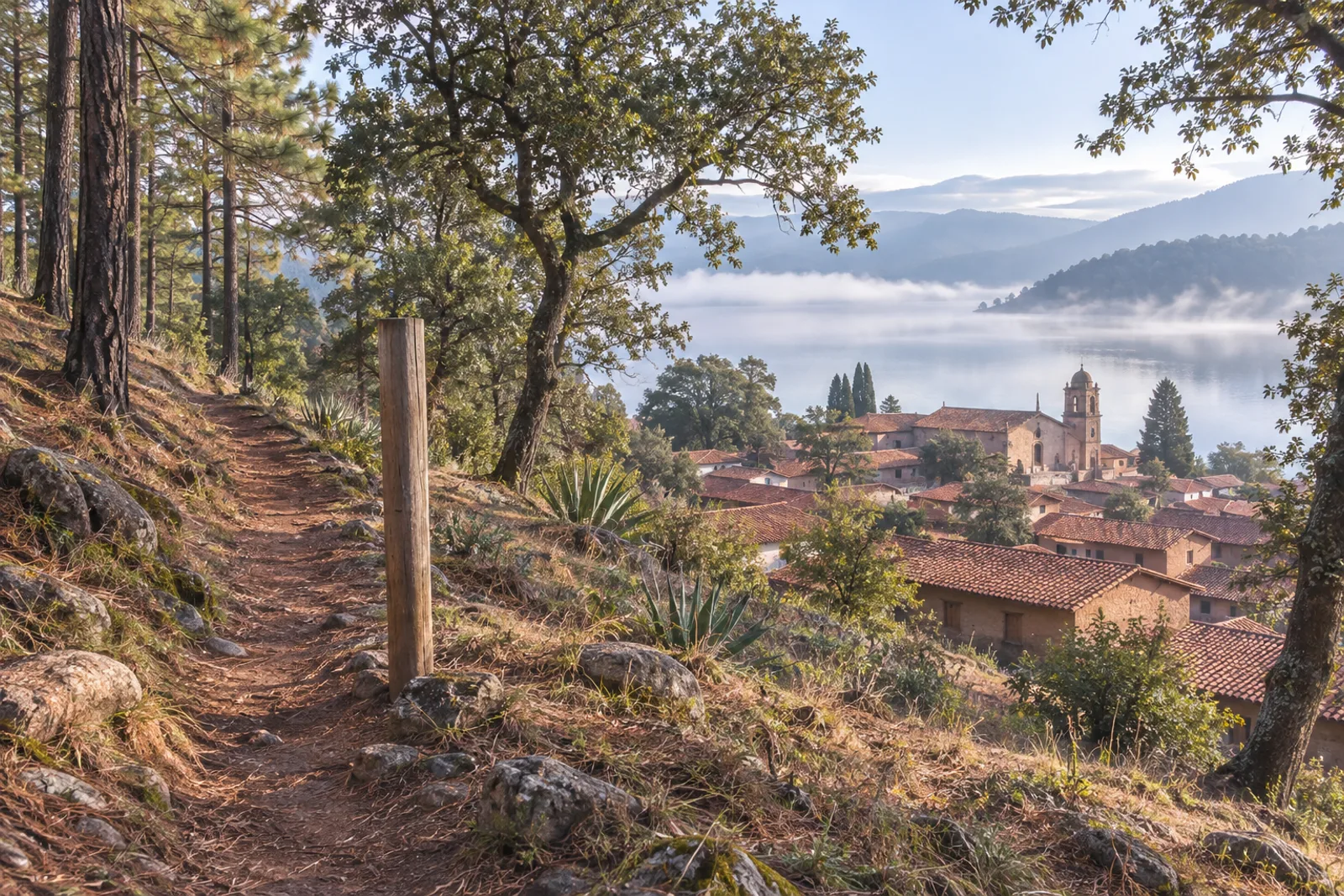
The land belongs to the ejidos and communities of Santa Fe de la Laguna, San Jerónimo Purenchécuaro, Quiroga, Napízaro, Patzácata, La Playa, El Tejamanil, El Limón de Tejamanil, Chirapez and Churumuco. The new areas join the biocultural corridor of the Lake Pátzcuaro basin, which links mountain and valley ecosystems across the municipalities of Quiroga, Erongarícuaro, Uruapan, Ario, Turicato and Churumuco, El Economista reported.
The summit, which brought together about 400 specialists, researchers, officials and ejido members, was opened by Conanp, the governments of Michoacán and the State of Mexico, and WWF Mexico, Conanp said.
Why it matters
In much of rural Mexico, forests belong not to the state but to ejidos and Indigenous communities, who decide in their own assemblies how land is used. A voluntary conservation area, known by its Spanish initials ADVC, lets those owners choose to protect their land. Through the certificate, the area is recognised as a federal natural protected area, but it is run by its owners under their own management strategy, according to Conanp. Conanp lists benefits for owners including sustainable use of resources and protection against public works such as mining and oil and gas exploration, Conanp says.
Officials said protecting these forests helps regulate the local climate, reduce soil erosion, store carbon and sustain the water cycle in a basin where farming, forestry and tourism meet. Méndez said 98% of the state’s forest cover survives because of decisions taken by ejidos and communities, El Imparcial reported.
It is a pleasure to be with you, the farmers, who are the guardians of the Monarch.
Pedro Álvarez Icaza, head of Conanp (translated from Spanish)
The wider picture
Michoacán now has 36 voluntary conservation areas and more than 212,909 hectares protected under its State System of Conservation Areas. The state government says legal conservation coverage has tripled under Governor Alfredo Ramírez Bedolla, El Economista reported.
The summit itself was about a wider web of protection. Along the monarch butterfly’s migration route there are 45 natural protected areas and 33 voluntary conservation areas, Pedro Álvarez Icaza, head of Conanp, told the meeting. He said conserving the monarch “requires clear rules and support for the communities that protect” it, Conanp reported (GGND’s translation). Governor Ramírez Bedolla called for the states along the route, as well as Canada and the United States, to take part, and stressed the need to avoid pesticides.
Elsewhere in Mexico, certificates come with published terms. In Oaxaca, the community of Santa María Zoquitlán received a certificate for almost 26,000 hectares for 15 years, Conanp said.
Could it work elsewhere?
Many countries have forests owned by communities rather than governments. In GGND’s view, Mexico’s model is worth studying because it does not take land away from its owners: the community chooses to protect it, sets its own rules and gains legal recognition in return. The weakness is that a certificate brings recognition, not a budget.
What remains unresolved
- How long. Certificates can run from 15 to 99 years, according to Conanp. The reports we read do not say how long these ten will last.
- Which land. Only the combined total of more than 10,000 hectares has been published, not how much each community certified or what kind of land it is.
- Money and enforcement. Owners manage ADVCs themselves. Conanp says certificates can help them apply for programmes such as payments for environmental services, but no new funding was announced.
- The official figures. The 98% figure and the claim that coverage has tripled come from the state government and were not accompanied by published data.
What happens next
The ten areas should now be added to Conanp’s public register of voluntary conservation areas, which Conanp publishes. GGND will check it for the size and term of each new area, and follow whether the communities receive support to patrol and manage their forests.
Sources
- Conanp (Government of Mexico) Conanp y sus aliados inauguran la “Segunda Cumbre Nacional Mariposa Monarca” (18 November 2026)
- Conanp ¿Qué son? Áreas Destinadas Voluntariamente a la Conservación
- El Economista Blindan más de 10 mil hectáreas forestales en el corredor del lago de Pátzcuaro (19 November 2026)
- MiMorelia Diez ejidos de Michoacán reciben certificados de conservación (18 November 2026)
- El Imparcial Diez ejidos de Michoacán blindan más de 10,000 hectáreas en la cuenca del lago de Pátzcuaro (19 November 2026)
Analysis and context are by The GGND Team. Where we draw our own conclusions, we say so. To report an error, contact us.