What happened
Kenya launched its 2026–2027 national mosquito net campaign on Thursday 19 November 2026, aiming to distribute almost 10.8 million insecticide-treated nets across 18 malaria-endemic counties and 99 sub-counties. The official launch took place at Bayula Stadium in Sirisia Sub-County, Bungoma County, the World Health Organization’s Africa office said. Citizen Digital reported the exact target as 10,791,601 nets, to be given to households free of charge.
The Ministry of Health is running the campaign with county governments and development partners. Nets are being allocated according to population, malaria transmission and insecticide resistance, so that each community receives the type of net that suits its risk, WHO said. A digital platform, Digimal KE, will help health teams verify households, track deliveries and monitor progress in real time. KBC also reported the 99 sub-county target.
“Communities are urged to participate in the exercise, collect their allocated nets, and sleep under them every night, throughout the year,” said Mary Muthoni Muriuki, Principal Secretary for Public Health and Professional Standards.
Why it matters
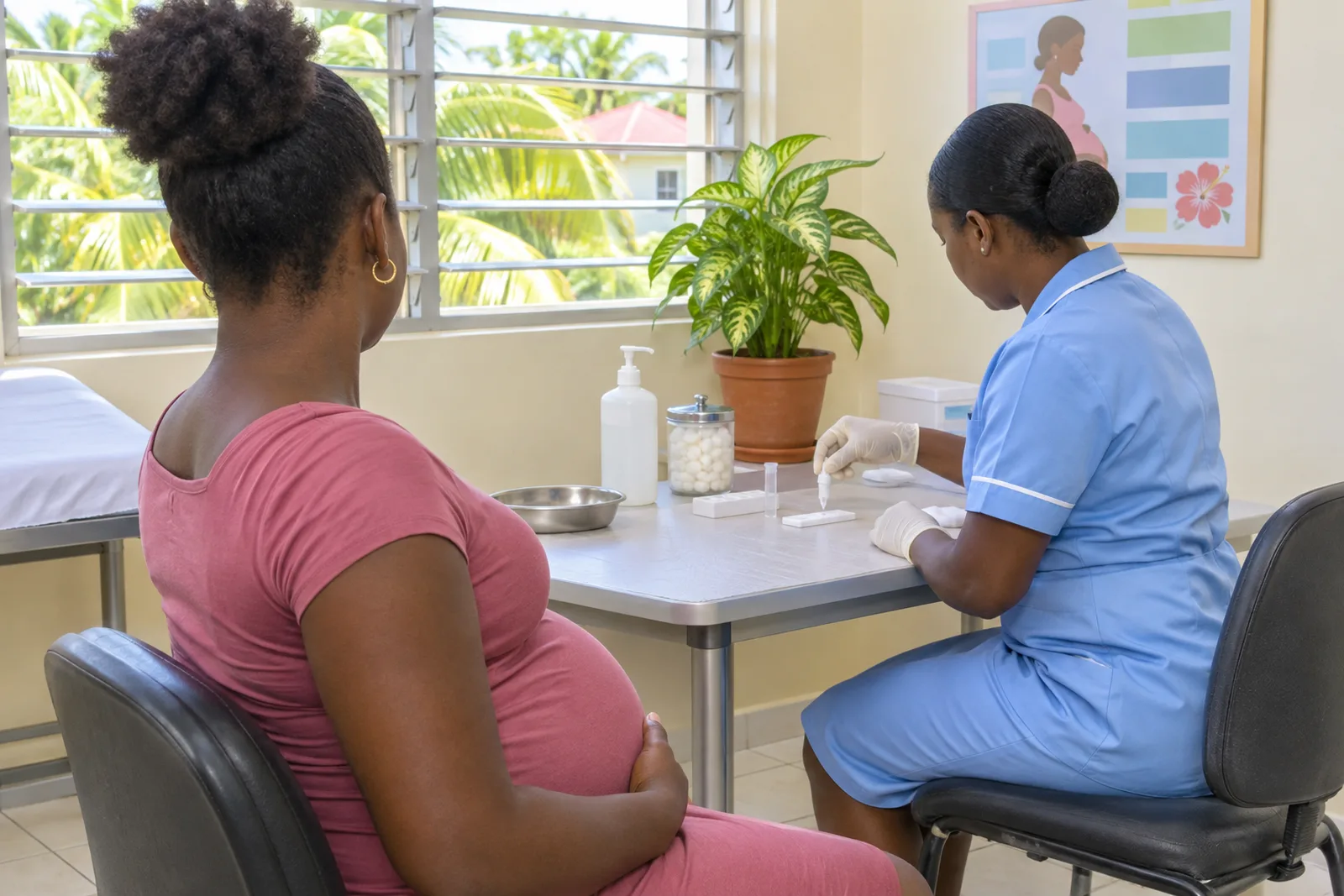
Nets are one of the cheapest and most effective ways to protect a family from malaria, but fewer Kenyan homes now have one. The 2025–26 Kenya Mini Demographic and Health Survey found that 41% of households own at least one insecticide-treated net, down from 54% in 2022. Only 42% of children under five and 39% of pregnant women had slept under a net the night before the survey, according to WHO.
The campaign also tackles a quieter problem: in some areas, mosquitoes no longer die from the insecticide used on older nets. There, households will receive dual active ingredient nets, treated with two insecticides that work in different ways. WHO published its recommendations on these nets in March 2023, and Kenya will now use them where resistance has been found.
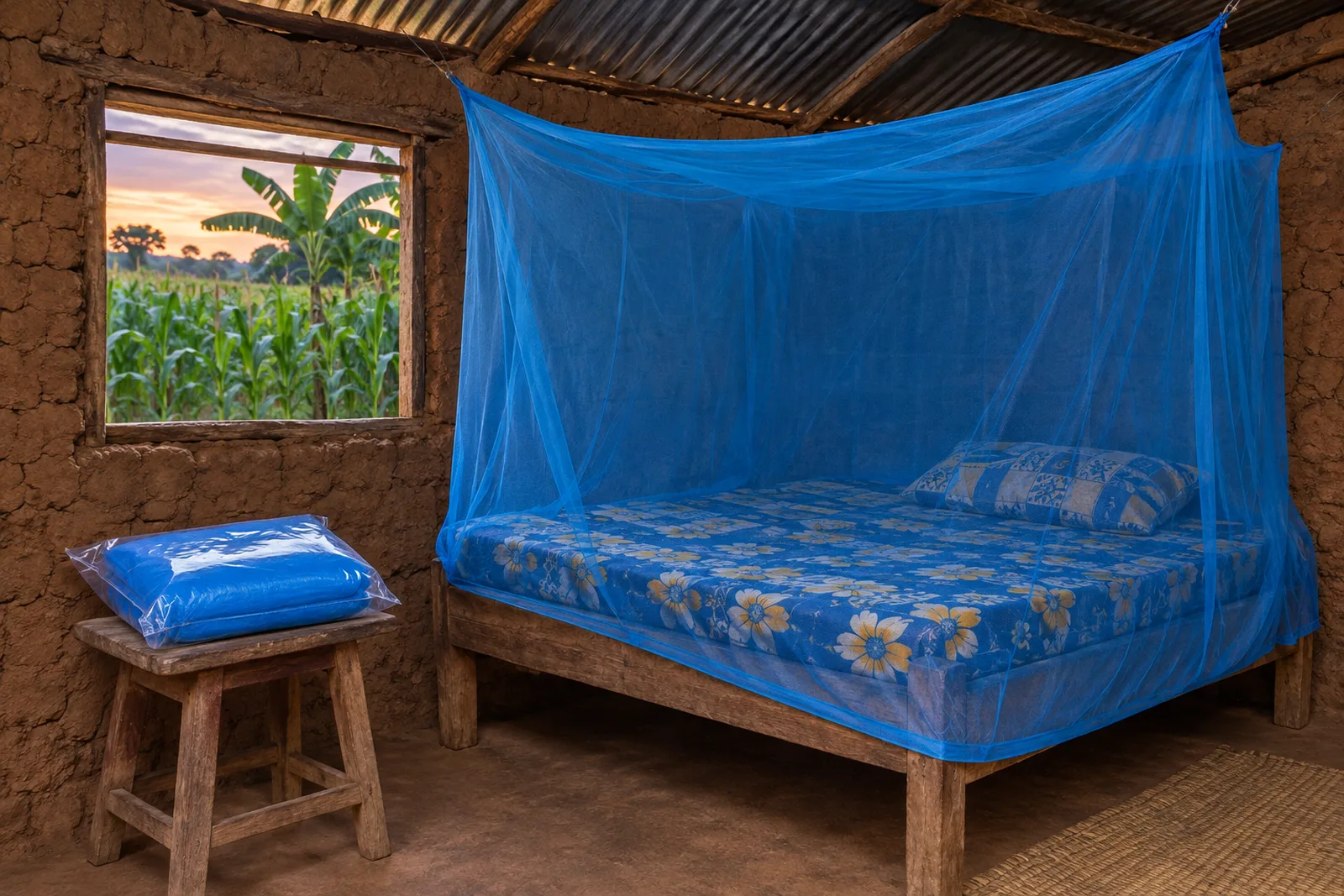
A mosquito net protects a family only when it hangs over the bed every night.
Dr Neema Rusibamayila Kimambo, WHO Representative in Kenya
The wider picture
The campaign builds on real progress. Under the Kenya Malaria Strategy 2023–2027, confirmed malaria cases fell by 34%, from 5.54 million in 2023 to 3.64 million in the latest reported year. Incidence among children under five fell from 194 to 119 cases per 1,000, and testing by microscope or rapid test now reaches almost 90% of suspected cases, WHO said. The strategy aims to cut malaria incidence by 80% and deaths by 90% from 2023 levels by 2027/2028.
Across the world, WHO estimates there were 282 million malaria cases and 610,000 deaths in 2024. The WHO African Region carried 94% of the cases and 95% of the deaths, and about three in every four deaths in the region were children under five.
“The fight against malaria requires collective responsibility, sustained investment, and strong partnerships,” Principal Secretary Muthoni said. In GGND’s view, the falling ownership figures show why campaigns like this have to be repeated: nets wear out, and a household that had one in 2022 may not have a working one today.
Could it work elsewhere?
Mass net campaigns are already standard across much of Africa. What is worth watching in Kenya is the targeting: matching the type of net to local insecticide resistance, and using a digital register to check that nets reach the homes they were meant for. In GGND’s view, if Digimal KE produces reliable household data, it could help other countries spend scarce money on the right nets in the right places.
What remains unresolved
- Use, not just ownership. Fewer than half of young children and pregnant women slept under a net in the latest survey. Handing out nets does not guarantee they will be hung every night.
- Coverage. The campaign covers 18 high-burden counties, not the whole country, and the published reports do not say how many people in other areas lack a working net.
- Resistance. Dual-insecticide nets are a response to resistance, not a permanent fix. How long they stay effective will depend on monitoring.
- Funding. The reports we read do not set out the cost of the campaign or how future rounds will be paid for.
What happens next
Health teams will now register households and distribute nets across the 99 sub-counties. GGND will look for official figures on how many nets were delivered, and for the next survey data on whether more children and pregnant women are sleeping under them.
Sources
- WHO Regional Office for Africa Kenya launches campaign to distribute almost 10.8 million mosquito nets to families in 18 high malaria burden counties (19 November 2026)
- Citizen Digital Govt to distribute 10.7m mosquito nets across 18 malaria-endemic counties (19 November 2026)
- KBC The campaign targets 99 sub-counties (19 November 2026)
Analysis and context are by The GGND Team. Where we draw our own conclusions, we say so. To report an error, contact us.