What happened
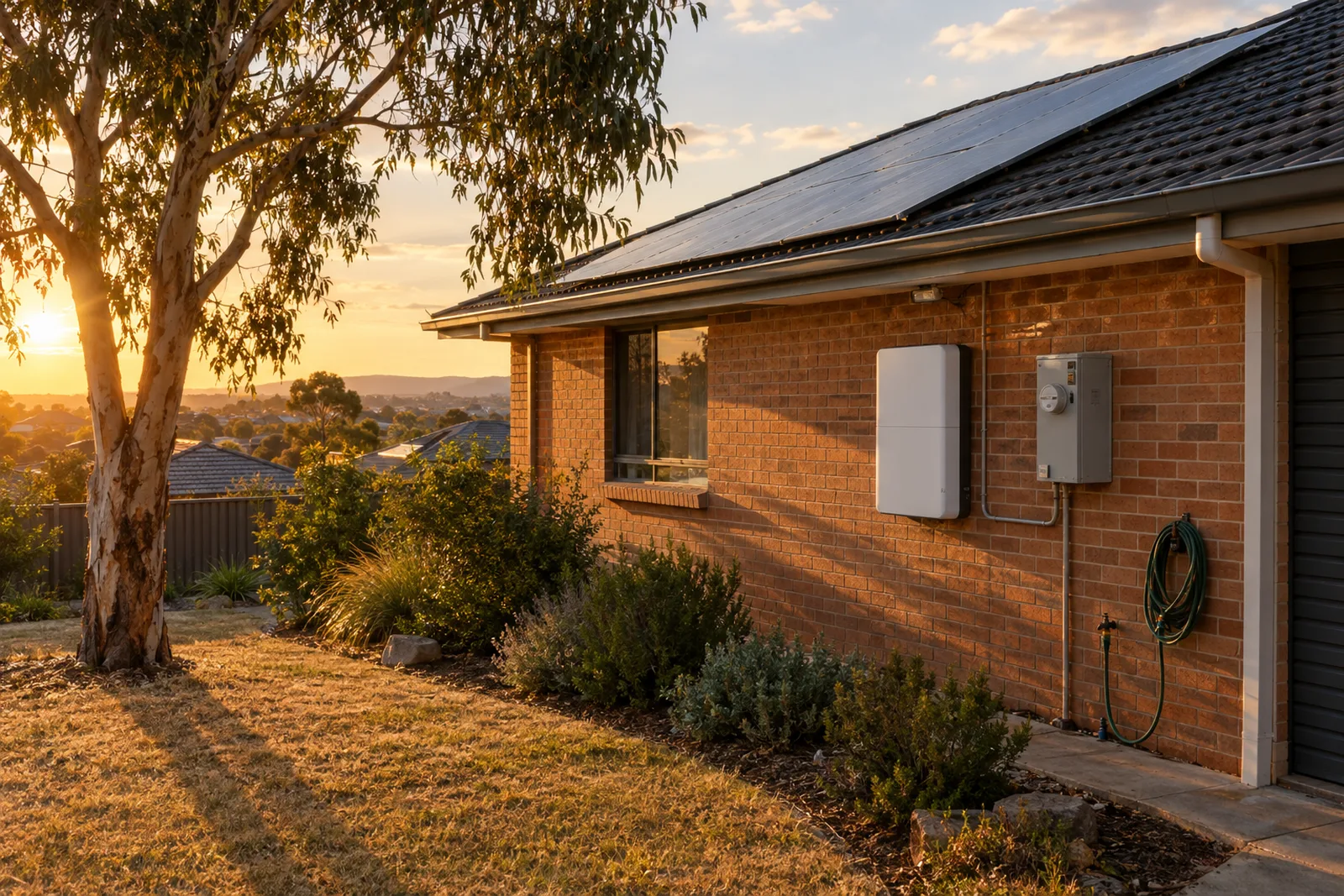
Australia has passed 600,000 home batteries under its federal Cheaper Home Batteries programme. Energy Minister Chris Bowen said more than 600,000 residential and business battery systems, with close to 16.6 gigawatt-hours (GWh) of storage, have been installed since the programme began on 1 July 2025, pv magazine Australia reported. He celebrated the milestone on social media on Friday 6 November, ABC News reported.
The programme gives households, businesses and community groups a discount of around 30 per cent on the upfront cost of a small battery of 5 to 100 kWh, according to the Department of Climate Change, Energy, the Environment and Water. ABC News put the discount at around 25 per cent of the cost. More than 75 per cent of the batteries have gone to outer suburban and regional communities, Bowen said.
Why it matters
Australia has a huge amount of rooftop solar, which produces most of its power in the middle of the day. Batteries let households store that energy and use it in the evening, when demand and prices peak. “They are also putting downward pressure on prices for everyone, whether or not you have a battery,” Bowen wrote, as quoted by ABC News.
In an interview with the Politico Energy podcast, published as a transcript on 12 November on his ministerial website, Bowen linked batteries to lower gas use. He said government policies “have driven gas use in the Australian energy system to a 26-year low” and that this was because “we are making very good progress on batteries”. He has also claimed that Australia is now second only to Germany for home batteries, a ranking GGND has not been able to check independently.
They are also putting downward pressure on prices for everyone, whether or not you have a battery.
Chris Bowen, Australian Minister for Climate Change and Energy
The wider picture
The pace has been fast but uneven. Changes to the rebate in May 2026 scaled the discount by battery size, to stop the $7.2 billion scheme running out of money too quickly. Installations slumped after a rush in April. In October 2026 households and businesses installed about 1,043 megawatt-hours of battery capacity, the strongest month since April’s peak of 3,262 MWh but still about 68 per cent below it, according to SunWiz data reported by pv magazine Australia. The average system has grown to 26.74 kWh.
The politics are contested. The Reserve Bank has raised interest rates five times this year and the government is looking for savings, ABC News reported. Prime Minister Anthony Albanese did not rule out means-testing the battery subsidy, and the Australian Financial Review reported that Treasury is drafting options to cut it back, according to ABC. Shadow Energy Minister Dan Tehan called the programme “unsafe and unaffordable” and said it should be scrapped. ABC has also reported almost 100 whistleblower tip-offs alleging that some operators are rorting the scheme.
Bowen, speaking at a Solar Citizens webinar reported by Renew Economy, said the scheme’s success relied on it being “so highly regulated”. He also said plug-in “balcony” solar for renters and apartment dwellers, not yet legal in Australia, could not be rushed because of safety concerns.
Could it work elsewhere?
The model needs two things that Australia has: very high rooftop solar ownership and an existing certificate scheme through which discounts can flow. In GGND’s view, countries with similar sunshine and suburban housing could copy it, but renters and apartment dwellers are largely left out, which is why plug-in solar matters for fairness.
What remains unresolved
- Budget. Whether the subsidy survives the mid-year budget update in its current form is an open question.
- Who benefits. Homeowners with solar gain most. People who rent or live in apartments have little access, and plug-in systems are not yet legal.
- Fraud and safety. Allegations of rorting need to be investigated, and the opposition questions safety; the government says the rollout is safe and tightly regulated.
- Grid effects. Claims about lower prices for everyone and record-low gas use come from the minister. Independent analysis of how much the batteries have contributed would help.
What happens next
The maximum discounts are due to fall again from 1 January 2027, according to the consumer site Finder. Bowen said he expects to make announcements on plug-in solar before Christmas. GGND will follow the budget update and the next installation figures.
Sources
- pv magazine Australia Home battery volumes on rise as rebate tally reaches 600,000 (10 November 2026)
- ABC News Environment minister lauds home battery subsidy scheme despite search for savings (7 November 2026)
- Minister for Climate Change and Energy Interview with Sara Schonhardt, Politico Energy Podcast (transcript, 12 November 2026)
- Department of Climate Change, Energy, the Environment and Water Cheaper Home Batteries Program
- Renew Economy “Deniers and delayers”: Bowen marks 600,000 cheaper home batteries, but says balcony solar cannot be rushed (9 November 2026)
- Finder Is the federal home battery rebate being cut? (9 November 2026)
Analysis and context are by The GGND Team. Where we draw our own conclusions, we say so. To report an error, contact us.