
Researchers at McGill University have developed a more energy-efficient way to build AI systems that can measure and communicate their own uncertainty.That signal could help people decide when an AI system needs human review, when it needs more information, or when it is being asked to work outside the conditions it learned from.The team created a more efficient version of a Bayesian neural network, a type of system that represents its settings as probabilities so it can estimate how confident it is.In one experiment, the new approach used about 33 times fewer parameters than a commonly used method for estimating uncertainty while maintaining strong predictive performance.The research was led by PhD candidate Mame Diarra Touré under the supervision of Professor David A. Stephens and was presented at the peer-reviewed ICML 2026 conference.
Global Good News Daily · Science & Technology
McGill Researchers Found a Smaller Way for AI to Recognize Uncertainty
A new method could help AI systems signal when they are unsure, so people know when a human should take a closer look.

Technology is more useful when it can admit what it does not know. A lighter way to build uncertainty-aware AI could make careful human oversight easier to include in future systems.
This story was verified against an original report. Read the source: McGill University
View original source →If stories like this matter to you…
GGND is a small, independent team. A working journalist ensures every story is verified and told with care. A small monthly gift helps us keep finding stories like this one.
Support Good NewsRelated good news
All stories →
Angola's Polio Campaigns Have Reached More Than Nine Million Children
After four vaccination drives, health workers are using what they learned to reach even more children, including those in remote communities.

Baton Rouge Workers Spent Their Morning Packing Food Boxes
Employees at a Louisiana food bank turned a company service day into a practical morning of help for neighbors who need food.
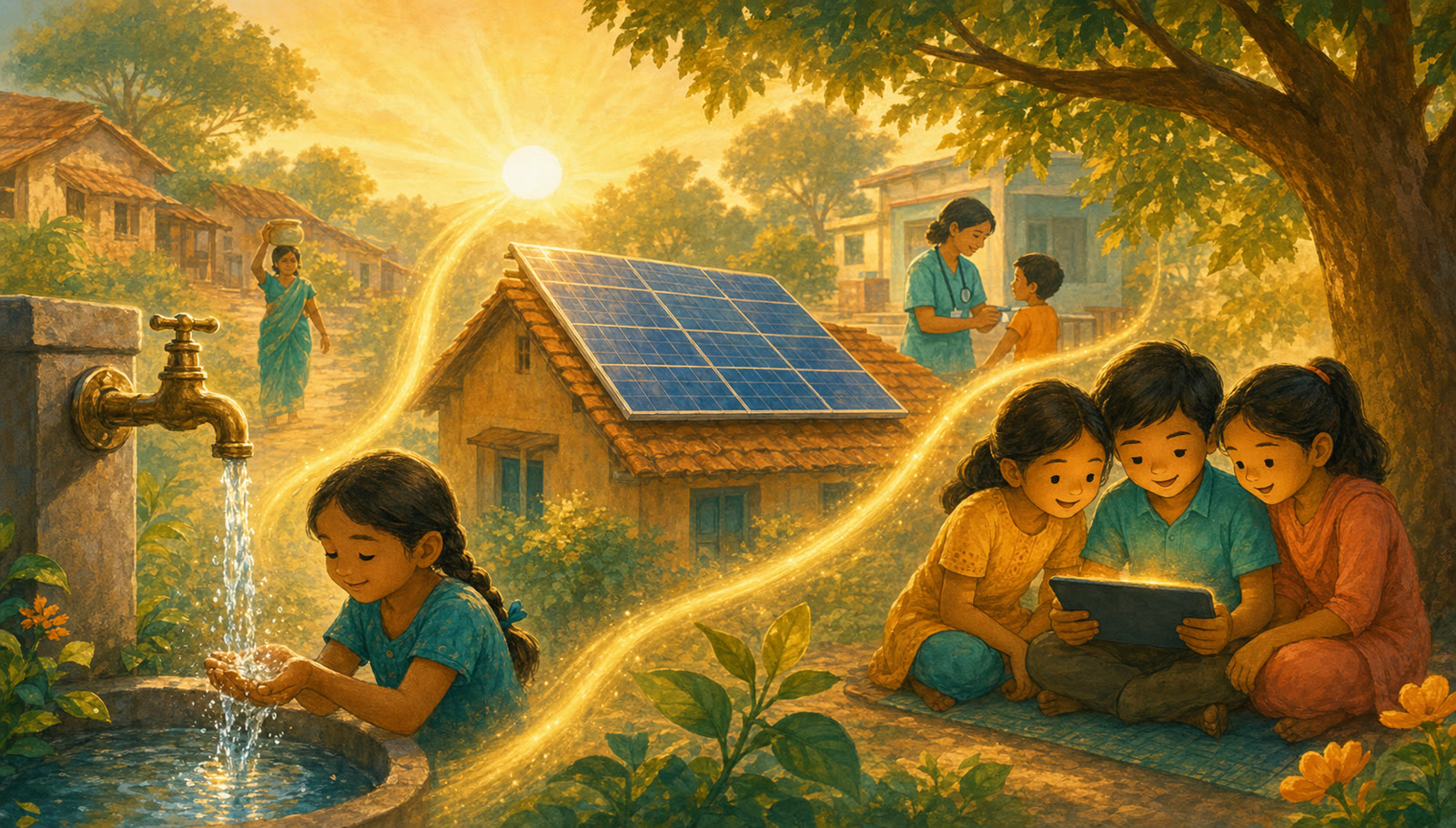
A New UN Update Highlights Quiet, Measurable Progress on Basic Needs Since 2015
The SDGs are far from finished, but the latest snapshot shows big gains in water, sanitation, electricity, and internet access.