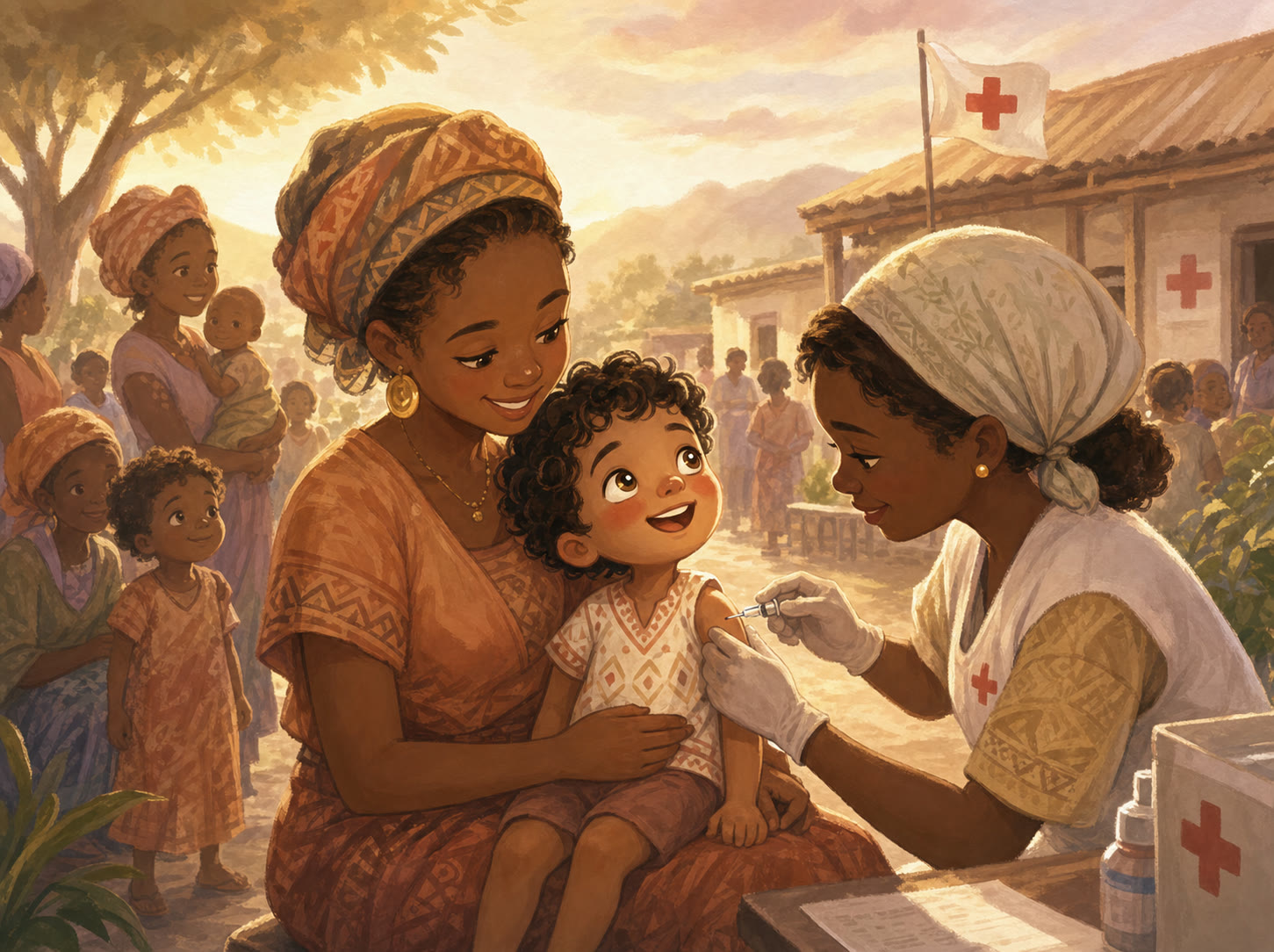
A four-year study published in The Lancet has confirmed that the RTS,S malaria vaccine is preventing child deaths at a scale that could reshape the fight against the disease in Africa.
Ghana, Kenya, and Malawi were the first countries in the world to offer the vaccine, starting in a 2019 pilot program across 158 clusters. Researchers compared 79 areas that introduced the vaccine early against 79 that received it later, tracking more than 1.29 million children who received at least one dose.
The result: all-cause child mortality dropped 13 percent, or roughly one death prevented for every eight that would otherwise have occurred. Hospital admissions for severe malaria fell by 22 percent, and the benefit held equally for girls and boys.
"This is very solid evidence of the potential for malaria vaccines to change the trajectory of child mortality in Africa," said Dr. Kate O'Brien, in comments cited by Gavi.
By the end of the evaluation, only 71 percent of eligible children had received three doses and just 40 percent had received all four, meaning the results held even with partial coverage. Researchers noted that in places where malaria vaccines are needed most, delivery is often hampered by weak health systems, mistrust, and conflict, which makes this level of impact especially significant.
The World Health Organization said the positive impact is likely to be as high or higher in other African countries now rolling out malaria vaccines to young children in high-burden areas.